







 LUXURY
Hajj Guide 2027: How Is Hajj Performed? The Rites Day by Day
Hajj guide: Ifrad, Tamattu and Qiran Hajj, the obligatory and necessary acts, the rites of Hajj (manasik) day by day, the 2027 Hajj calendar, registration and the lottery through Diyanet, Türkiye's Presidency of Religious Affairs, the required documents and a Hajj packing list, all on one page.
Hajj is an act of worship that is obligatory once in a lifetime and calls for months of preparation. For those going on Hajj for the first time, questions such as the difference between Tamattu and Qiran, how to move from Arafat to Muzdalifah, or the order in which the stoning of the Jamarat is performed are the most important part of their preparation.
In this Hajj guide, we explain the rites of Hajj day by day in plain language. On the same page, you will also find the 2027 Hajj calendar, the general framework of the Diyanet registration and lottery process and the documents you need for the journey.
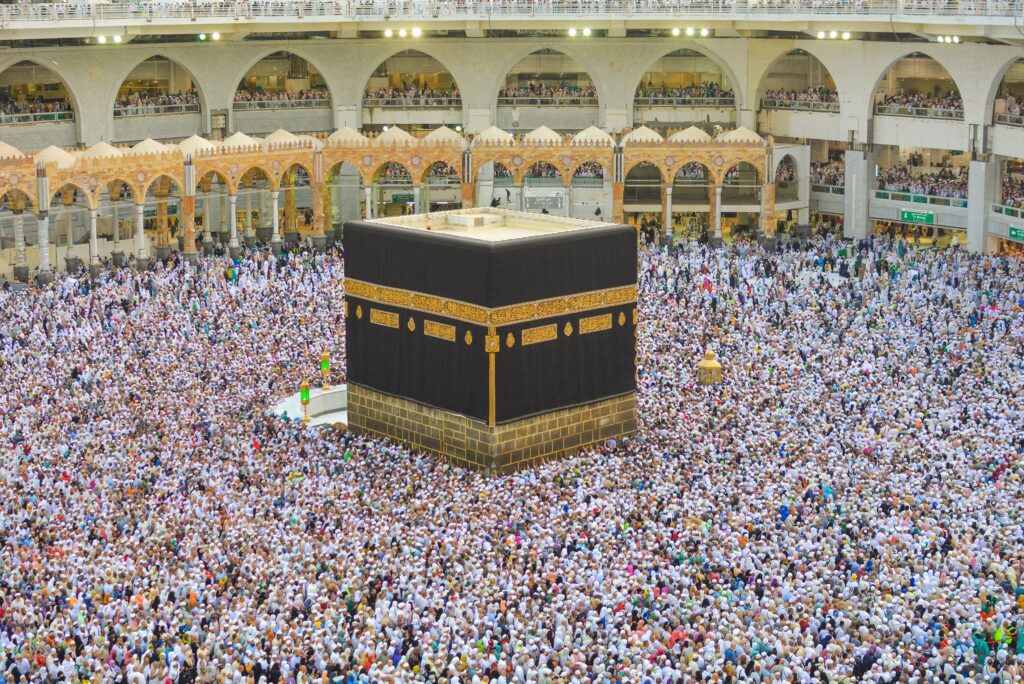
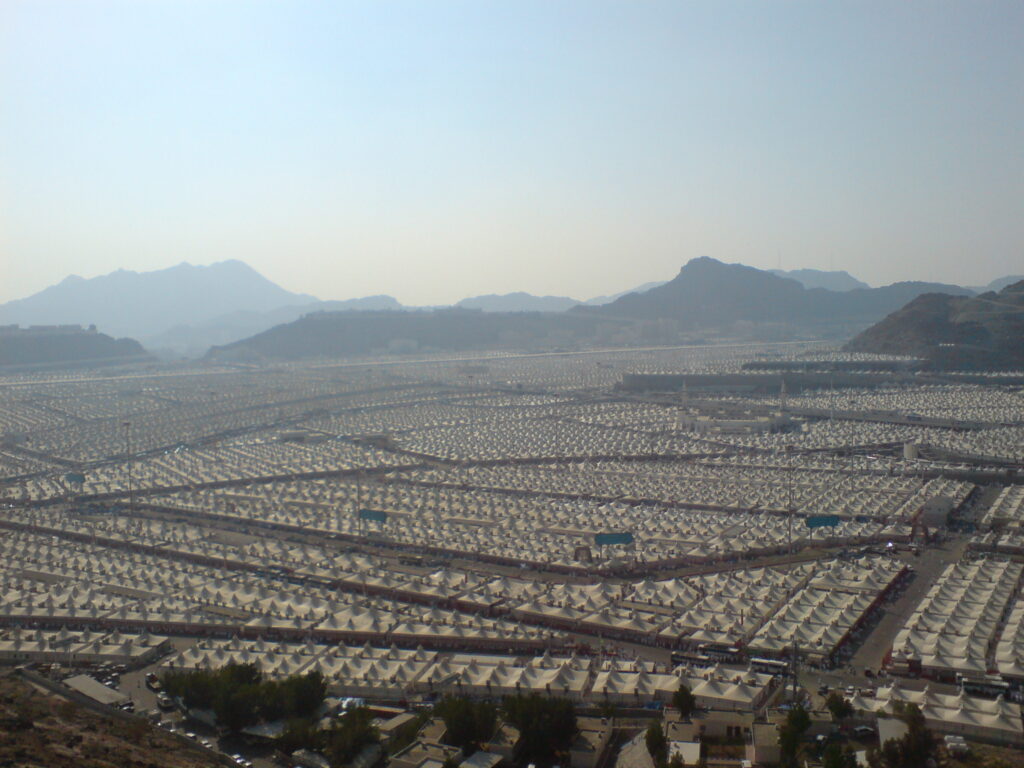
During the days of Hajj, millions of people move between Arafat, Muzdalifah and Mina at the same time. At such busy times, managing your time, the heat and the crowds matters as much as performing the worship correctly. On RotaNur Hajj programmes, our experienced religious guides explain what needs to be done before each stage and move together with your group.
Eligibility to travel for Hajj is subject to the registration and lottery regulations of Türkiye's Presidency of Religious Affairs (Diyanet). Once this official process is complete, we are by your side as you prepare, with information, programmes and Hajj essentials.
Our Hajj Programmes
Compare our economy, luxury and Premium Hajj programmes by hotel distance, tent arrangements and group size; prices are estimated and are confirmed at booking.
LUXURY 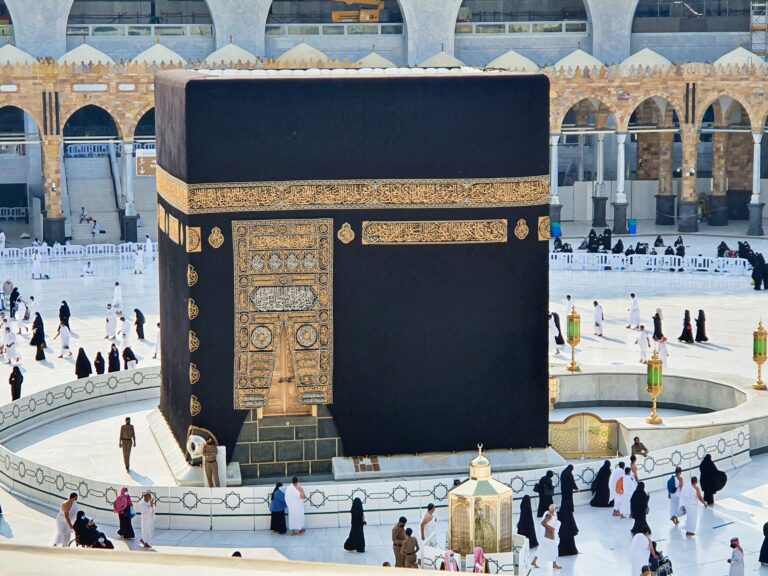 PREMIUM -25%
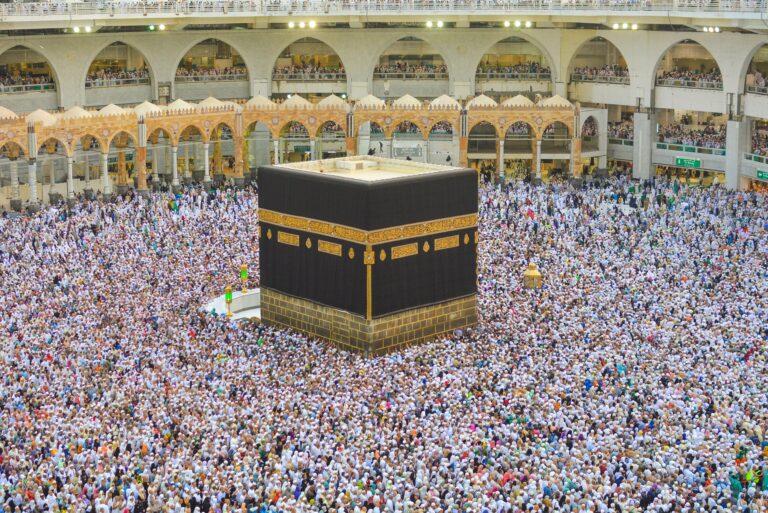 MOST POPULAR
Tailor-Made Programme
Can't find the date or length you want? Let's plan a Hajj programme for your group and budget together.
Message on WhatsApp →
Hajj Financing
Plan your journey today with Hajj and Umrah financing.
Learn More →What Is Hajj? For Whom Is It Obligatory?
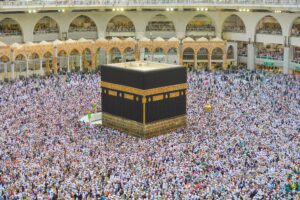
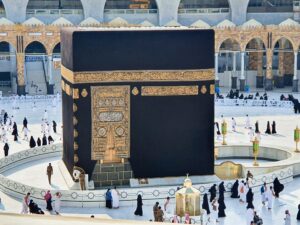
Hajj is the whole set of acts of worship performed at the holy sites in and around Makkah on specific days, chief among them the wuquf (standing at Arafat) in a state of ihram and the tawaf of the Kaaba. One of the five pillars of Islam, Hajj is obligatory (fard) once in a lifetime for every Muslim who is able to perform it. The Holy Qur’an says: “Pilgrimage to the House is a duty that people owe to Allah, for those who are able to find a way to it” (Al Imran 3:97).
For Hajj to be obligatory, a person must be Muslim, of sound mind and past the age of puberty, and must have the financial means to cover the cost of the journey beyond their basic needs and the maintenance of those they are responsible for. The schools of Islamic law (madhhabs) hold detailed views on matters such as health, the safety of the route and the conditions of travel for women. We cover the topic in detail in our article who is Hajj obligatory for.
People for whom Hajj is obligatory but whose health does not allow it may, under certain conditions, send someone else in their place; this is called proxy Hajj (Hajj al-Badal). For its conditions and how it is carried out, take a look at our article on proxy Hajj. In this guide, you will find, in order, the types of Hajj, its obligatory acts, the rites of Hajj (manasik) day by day, the 2027 Hajj calendar, the registration and lottery process of Diyanet (Türkiye’s Presidency of Religious Affairs) and how to prepare for the journey.
Types of Hajj: Ifrad, Tamattu and Qiran
Hajj is performed in three ways, depending on whether it is combined with Umrah and on the form of ihram. Which type is chosen depends on when the group arrives in Makkah and on the pilgrim’s own preference:
| Type of Hajj | How is it performed? | Sacrifice (qurbani) |
|---|---|---|
| Ifrad Hajj | Ihram is entered for Hajj alone; the pilgrim remains in ihram until the rites of Hajj are completed. | Not wajib (necessary); offering a sacrifice of thanks is mustahab (recommended). |
| Tamattu Hajj | During the months of Hajj, Umrah is performed first and the pilgrim leaves ihram; on the Day of Tarwiyah, ihram is entered again for Hajj. | Wajib (sacrifice of thanks). |
| Qiran Hajj | The intention is made for Umrah and Hajj at the same time; with a single ihram, Umrah is performed first, followed by Hajj. | Wajib (sacrifice of thanks). |
Most prospective pilgrims travelling from Türkiye choose Tamattu Hajj, as they arrive in Makkah weeks before the days of Hajj. With this type, the restrictions of ihram end after Umrah, so the waiting period is more comfortable. For the differences between the types and the forms of intention, read our article on the types of Hajj.
The Obligatory, Necessary and Sunnah Acts of Hajj
A distinction is made between the obligatory acts (fard), which must be fulfilled for Hajj to be valid, and the necessary acts (wajib), which call for a penalty if they are omitted. A summary table according to the Hanafi school:
| Ruling | Acts | If omitted |
|---|---|---|
| Fard (obligatory) | Ihram (precondition), the wuquf at Arafat (pillar), Tawaf al-Ifadah, the tawaf of visitation (pillar) | Hajj is not valid; if the wuquf at Arafat is missed, Hajj is missed for that year. |
| Wajib (necessary) | The wuquf at Muzdalifah, sa’i, the stoning of the Jamarat, shaving or trimming the hair, the farewell tawaf (Tawaf al-Wada); the sacrifice in Tamattu and Qiran | If omitted without a valid excuse, a sacrifice (dam) is required. |
| Sunnah | Tawaf al-Qudum, the arrival tawaf (in Ifrad and Qiran), spending the night before the Day of Arafah at Mina, staying overnight at Mina during the days of Eid | No penalty is required; the reward is lost. |
The order of the obligatory and necessary acts also matters. That is why the religious officials in each group explain to prospective pilgrims, before every stage, what needs to be done and what to pay attention to. We compare Hajj and Umrah in our article on the differences between Hajj and Umrah.
How Is Hajj Performed? The Rites of Hajj Day by Day
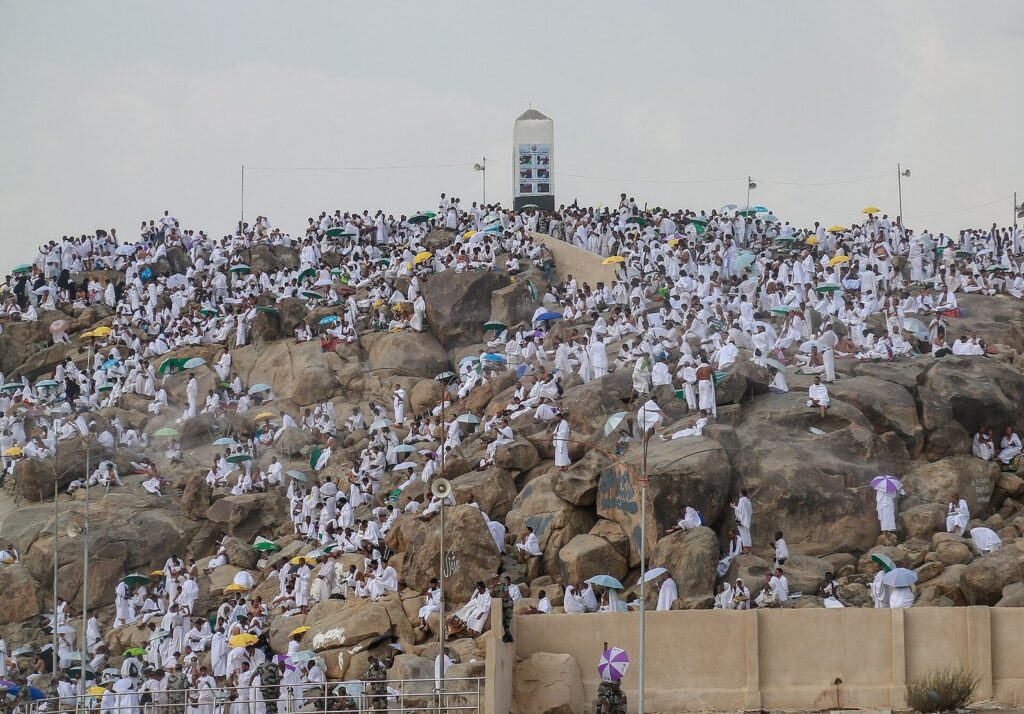
The core rites of Hajj begin on the 8th day of the month of Dhu al-Hijjah and are completed on 13 Dhu al-Hijjah, the fourth day of Eid al-Adha. The table below summarises the days of the rites for a prospective pilgrim performing Tamattu Hajj:
| Day | Where? | What is done |
|---|---|---|
| Before the days of Hajj | Makkah and Madinah | Performing Umrah (Tamattu), worship at Masjid al-Haram, the visit to Madinah |
| 8 Dhu al-Hijjah (Tarwiyah) | Makkah → Mina or Arafat | Pilgrims enter ihram for Hajj; depending on the group schedule, they move on to Mina or go directly to Arafat. |
| 9 Dhu al-Hijjah (the Day of Arafah) | Arafat → Muzdalifah | The wuquf at Arafat in the afternoon; departure for Muzdalifah after sunset. |
| 10 Dhu al-Hijjah (1st day of Eid) | Muzdalifah → Mina → Makkah | The wuquf at Muzdalifah, stoning Jamrat al-Aqabah, the sacrifice, shaving or trimming the hair; then Tawaf al-Ifadah and sa’i. |
| 11-12 Dhu al-Hijjah (2nd and 3rd days of Eid) | Mina | Stoning the small, the middle and the large jamrah, in that order. |
| 13 Dhu al-Hijjah (4th day of Eid) | Mina | Stoning on the fourth day for those who remain at Mina; the end of the rites. |
| Before leaving Makkah | Masjid al-Haram | The farewell tawaf. |
The arrival and return days of each group, whether the visit to Madinah takes place before or after Hajj, and whether pilgrims go to Mina or directly to Arafat on the Day of Tarwiyah all vary according to the organisation. For a detailed day-by-day account, see our article on how to perform Hajj.
The Wuquf at Arafat: The Most Important Pillar of Hajj
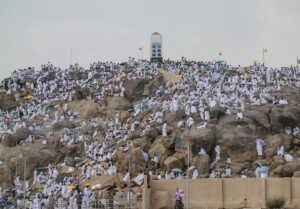
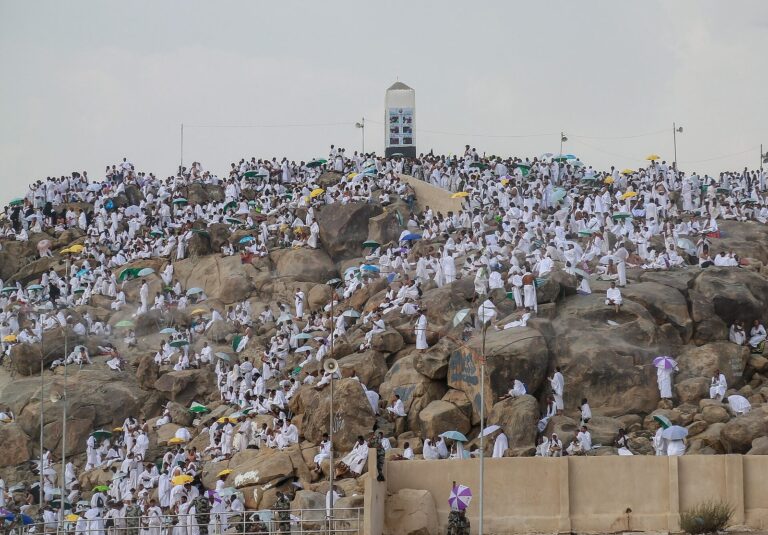
The wuquf at Arafat means being within the boundaries of Arafat at any time between the time of the noon prayer on the 9th of Dhu al-Hijjah and the break of dawn (fajr) on the morning of Eid. A person who is at Arafat even for a brief moment during this period has fulfilled the obligatory wuquf; however, in line with the Sunnah, pilgrims should remain at Arafat from noon until sunset. The hadith “Hajj is Arafah” expresses the importance of this pillar.
During the wuquf, pilgrims occupy themselves with the talbiyah, takbir, tahlil, supplication (dua) and seeking forgiveness (istighfar). The noon (dhuhr) and afternoon (asr) prayers may be performed together at Arafat as an advanced combination (jam’ al-taqdim). Climbing Jabal al-Rahmah (the Mount of Mercy) at Arafat is not a requirement; because of the crowds and the heat, staying within the tent area is the better choice for both safety and health. For the spiritual atmosphere of the Day of Arafah, read our articles on the wuquf at Arafat and Mount Arafat and Jabal al-Rahmah.
Muzdalifah and Mina: Towards the Morning of Eid
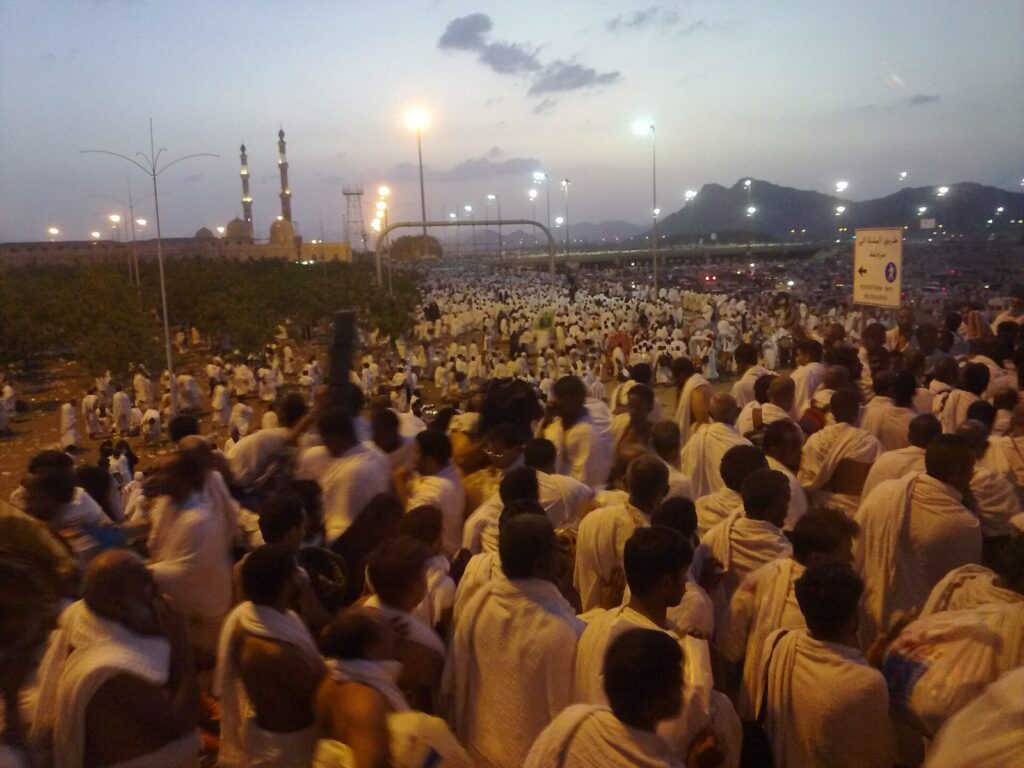
After sunset on the Day of Arafah, pilgrims set off for Muzdalifah without performing the sunset (maghrib) prayer. The maghrib and night (isha) prayers are performed together at Muzdalifah, at the time of isha. The night is spent here; on the morning of Eid, after dawn breaks and before sunrise, performing a brief wuquf is wajib. Those with a valid excuse, such as the elderly, the sick and women, are given a dispensation (rukhsah) to move on to Mina early in the night because of the crowds.
The chickpea-sized pebbles used for the stoning of the Jamarat are usually collected at Muzdalifah. Depending on the number of days spent at Mina, a total of 49 or 70 pebbles is needed; it is a good idea to collect a few spare ones. Mina is the tent city where the days of Eid are spent. Noting your group’s tent number and the street it is on is the most important precaution against getting lost in the crowds.
How Is the Stoning of the Jamarat Performed?
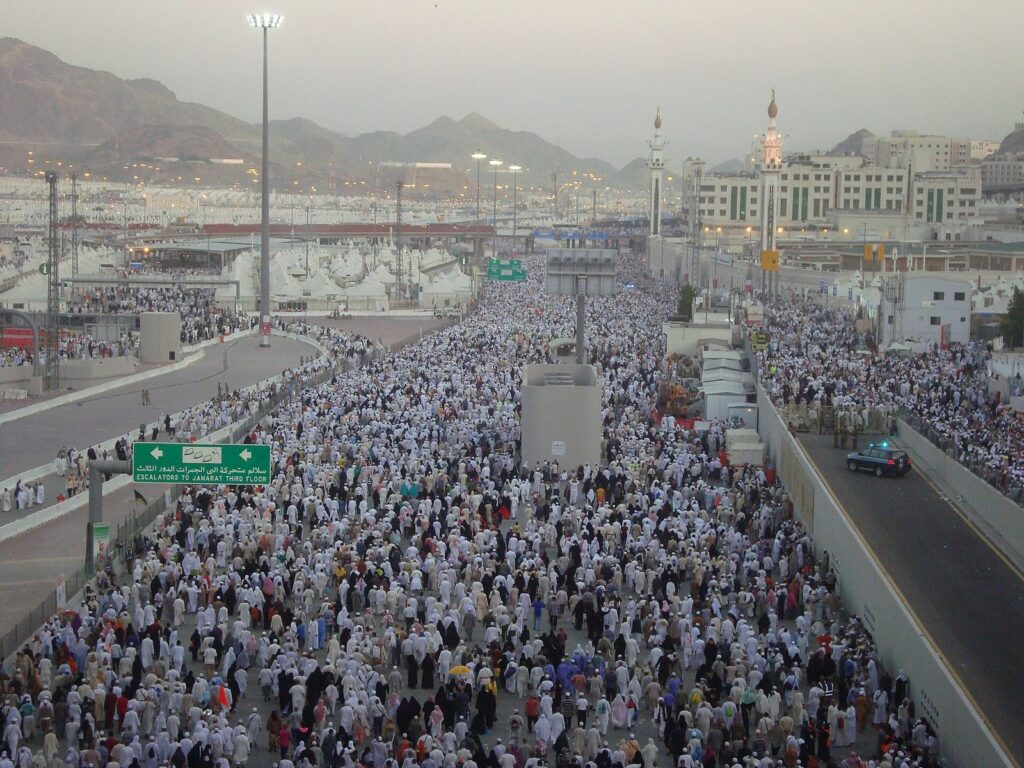
- 1st day of Eid: seven pebbles are thrown at the large jamrah (Aqabah) only; the talbiyah stops with the first pebble.
- 2nd and 3rd days of Eid: after midday, seven pebbles each are thrown at the small, the middle and the large jamrah, in that order.
- 4th day of Eid: those who remain at Mina repeat the stoning in the same order; this day is not required for those who leave Mina before sunset on the 3rd day.
- Pebbles: each pebble is thrown separately, saying “Bismillâhi Allâhu ekber”, so that it falls inside the basin.
- Appointing a proxy: those who cannot go to the stoning because of illness or old age may appoint someone else as their proxy, in line with the conditions.
The Jamarat Bridge has several levels, and specific times are allocated to each group. Going at the time set by your group officials considerably reduces the risks of the crowds. For details, see our guide to the stoning of the Jamarat.
The Sacrifice, Shaving and Tawaf al-Ifadah
On the first day of Eid, after stoning Jamrat al-Aqabah, those performing Tamattu and Qiran Hajj offer the sacrifice of thanks and then leave ihram by shaving or trimming their hair. According to the Hanafi school, these three acts must be performed in this order: stoning, sacrifice and then shaving. The sacrifice is carried out through the official sacrifice scheme in Saudi Arabia or by the method set by the organisation; group officials inform prospective pilgrims about this.
After shaving, the restrictions of ihram end, except for intimacy between spouses. Tawaf al-Ifadah, the second pillar of Hajj, is performed in Makkah during the days of Eid, and those performing Tamattu Hajj then perform the sa’i of Hajj. Once Tawaf al-Ifadah is completed, all the restrictions of ihram are lifted. The last act of worship before leaving Makkah is the farewell tawaf; women who are menstruating or experiencing postnatal bleeding (hayd and nifas) are exempt from this tawaf.
For the supplications and remembrance (dhikr) to recite during the days of Hajj, keep our article on Hajj supplications close at hand.
2027 Hajj Calendar: When Is Hajj?
Because Hajj follows the Hijri calendar, it moves about ten days earlier in the Gregorian calendar each year. According to Hijri calendar calculations, the 2027 Hajj season, that is, the Day of Arafah and Eid al-Adha, is expected to fall in mid-May 2027. The table below offers an estimated framework; the exact days are announced by the official authorities, depending on the sighting of the crescent moon.
| Stage | Estimated timing | Details |
|---|---|---|
| Hajj registration and lottery process | On the dates announced by Diyanet | The calendar for pre-registration, registration renewal and the lottery is announced by Türkiye’s Presidency of Religious Affairs (Diyanet). |
| Preparation and Hajj training | After the lottery, before departure | Passport, vaccinations, a health check and the training on the rites of Hajj given by mufti offices. |
| The months of Hajj | Begin with the month of Shawwal (around March 2027) | The period in which ihram for Hajj can be entered and the Umrah of Tamattu can be performed. |
| Departure of the groups | A few weeks before the Day of Arafah | Flight days are set according to the organisation’s schedule. |
| The Day of Arafah and Eid al-Adha | Mid-May 2027 (estimated) | The wuquf at Arafat and the rites during the days of Eid. |
| Return | The days and weeks after Eid | The return journey according to the group schedule, after the farewell tawaf. |
The exact date of Eid al-Adha appears in the calendar of Türkiye’s Presidency of Religious Affairs (Diyanet); there may occasionally be a one-day difference between the announcement in Saudi Arabia and the calendar in Türkiye. The rites of Hajj are carried out according to the start of Dhu al-Hijjah as announced by the Saudi authorities. You will find the details in our article when is Hajj performed.
Diyanet Hajj Registration and the Lottery Process
In Türkiye, the registration and lottery procedures for citizens who wish to perform Hajj are carried out by Türkiye’s Presidency of Religious Affairs (Diyanet). This rule applies to those travelling with Diyanet’s own organisation and equally to those who wish to join private Hajj programmes: eligibility to travel for Hajj is subject to Diyanet’s registration and lottery regulations. The general order of the process is as follows:
- Pre-registration: takes place during the period announced by Diyanet, through the channels specified in the announcement; the amount of the pre-registration fee and where it is to be paid are set out in the same announcement.
- Registration renewal: applicants who wish to remain in the lottery system renew their registration during the announced period.
- Lottery: those who win the right to perform Hajj are determined by a lottery drawn on the date and under the rules announced by Diyanet; any priority criteria are announced together with the lottery rules.
- Registration and fee procedures: applicants whose names are drawn in the lottery complete their procedures within the period specified in the announcement.
- Hajj training: training on the rites of Hajj is organised by provincial and district mufti offices.
RotaNur does not carry out the lottery or any Diyanet registration procedures; we support prospective pilgrims with information, preparation and Hajj essentials. For details on registration, checking lottery results and postponement, see our Hajj via the Diyanet lottery page; for the differences between the organisation options, see our private Hajj page and our article on the difference between Hajj via the Diyanet lottery and private Hajj. For up-to-date dates and fees, always rely on Diyanet’s official announcements.
Documents Required for Hajj
| Document | Details |
|---|---|
| Passport | A passport valid for at least 6 months from the travel date, with blank pages |
| Biometric photograph | A recent passport-style photograph with a white background |
| Registration and lottery documents | Information on your Diyanet registration and your lottery result |
| Vaccination and health documents | The vaccinations required by the Saudi authorities for Hajj; a doctor’s report for those with chronic illnesses |
| Hajj visa | Issued as part of the organisation; a Hajj visa cannot be replaced by a tourist or Umrah visa |
| Group card and identification documents | The identity and accommodation details you need to carry with you throughout Hajj |
The documents required and the way they are submitted may be set anew each year. For the full checklist, take a look at our article on the documents required for Hajj.
Health Preparation for Hajj
Hajj is a physically demanding act of worship. Pilgrims walk long distances when moving between Arafat, Muzdalifah and Mina, and daytime temperatures can be high even in the spring months. That is why walking regularly for months before departure, keeping your weight and blood pressure under control and having a thorough health check are the foundations of your preparation.
Saudi Arabia requires certain vaccinations for Hajj; the current list and when the vaccinations should be given are shared during the registration process. The seasonal flu vaccine is also often recommended for the protection it offers in crowded settings. For vaccinations and health preparation, follow the advice of your doctor and of the travel health centres of Türkiye’s Ministry of Health.
- Take the medicines you use regularly with you, together with their prescriptions, in a quantity that will last the whole journey.
- Use an umbrella when the sun is at its highest, drink water often and watch out for salt loss.
- Take good care of your feet; use an unscented cream against chafing and comfortable sandals that you are used to.
- Wearing a mask in crowds offers protection against respiratory infections.
Hajj Tour Packages Compared
You can compare RotaNur Hajj programmes by the hotel’s distance from the Haram, the tent arrangements at Arafat and Mina, group size and the scope of services. The table is pulled automatically from the product pages:
| Package | Highlights | Price per person |
|---|---|---|
| Luxury Hajj Tour | 5-star hotel, Close to the Haram, Full board | 560,000 ₺ |
| Economy Hajj Tour | Private programme, Accommodation, Guidance | 300,000 ₺ |
| Premium Hajj Tour | Closest to the Kaaba, Premium tent, High-speed train |
Whichever programme you consider, eligibility to travel for Hajj is subject to the registration and lottery regulations of Türkiye’s Presidency of Religious Affairs (Diyanet). For programme details, see our economy Hajj, luxury Hajj and Premium Hajj pages.
Hajj Tour Prices 2027
Estimated prices for our 2027 Hajj programmes start from 300,000 ₺ per person. The main factors that determine the price of a Hajj programme are the hotel’s distance from the Haram, the class of tent at Arafat and Mina, the room type, the length of the programme and the mode of transport. Current estimated prices:
- Luxury Hajj Tour: 560,000 ₺ per person
- Economy Hajj Tour: 300,000 ₺ per person
- Premium Hajj Tour: 850,000 ₺ per person
The prices shown are estimated; the final price is confirmed at the time of booking, once the organisation conditions for the year in question are clear. The cost of the sacrifice, which is wajib in Tamattu and Qiran Hajj, is usually not included in the package price. For Hajj organised by Diyanet (Hajj via the Diyanet lottery), the fee is announced by Diyanet each year; RotaNur does not share any figure for this fee. Financing options are also available through Kuveyt Türk Hajj and Umrah financing; ask our advisor.
Accommodation in Makkah, Madinah, Arafat and Mina
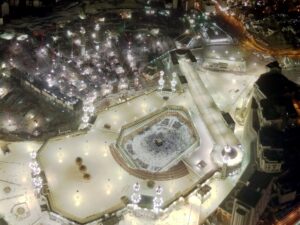
On the Hajj journey, accommodation takes two different forms: hotels in Makkah and Madinah, and tents at Arafat and Mina during the days of Hajj. In Makkah, the hotel’s distance from the Haram directly affects your comfort, especially on the days of Tawaf al-Ifadah and the farewell tawaf. For information on hotel areas and distances, see our Makkah hotels and Madinah hotels pages.
The tents at Mina are air-conditioned and made of fire-resistant material; at Arafat, too, pilgrims spend the whole day in the tent areas. The class of tent, the number of people and the distance to the Jamarat vary according to the organisation and the programme chosen. Meals, water and basic needs are provided in the tent area. Group officials ask pilgrims always to move in groups whenever they leave the tent area.
Hajj Packing List
- Ihram: for men, at least two sets of ihram, an ihram belt and sandals that leave the heel uncovered; for women, comfortable, light-coloured clothing that meets the requirements of modest Islamic dress.
- For the days of Hajj: a small backpack, a pebble pouch, a foldable umbrella, a small prayer mat, a pocket-sized prayer book and a water bottle.
- Personal care: unscented soap, shampoo, deodorant, wet wipes, sun cream and anti-chafing cream.
- Documents: your passport, group card, neck wallet and a card with your accommodation details written on it.
- Other: medicines, a power bank, spare glasses and space in your luggage for Zamzam water on the way home.
You can get everything you need from a single place in our Hajj essentials category, and products are carefully packed. No online payment is taken: after you submit your order request, our advisor contacts you, confirms availability and guides you through the payment steps.
Spiritual Preparation for the Hajj Journey
Hajj is an act of worship that begins before you set off. Settling any rights you owe to others, paying off your debts, seeking forgiveness from your relatives and friends and striving to make up missed acts of worship (qada) make it easier to turn to worship in the Holy Lands with a more peaceful heart. Reading books on the rites of Hajj, preparing a list of supplications and listening to the experiences of relatives who have performed Hajj are important parts of your preparation.
Patience is the virtue most needed during the days of Hajj. Avoiding arguments in the face of crowds, heat and long waits, helping the elderly and giving way to others are in keeping with the spirit of Hajj. For the places in Makkah and Madinah where supplications are hoped to be accepted, see our article on places where prayers are accepted.
What You Need to Know Before You Set Off
- Official announcements: follow information on registration, the lottery, fees and departure only through the official channels of Türkiye’s Presidency of Religious Affairs (Diyanet).
- Passport: check its validity early.
- Vaccinations and health: have the required vaccinations on time and get a doctor’s report for any chronic condition.
- Hajj training: attend the training organised by your local mufti office and learn the rites of Hajj before you set off.
- Physical preparation: walk regularly for weeks beforehand.
- Group details: always carry your hotel address, your tent number and your guide’s phone number with you.
- Budget: include personal expenses, the cost of the sacrifice and your Hajj essentials in your budget.
- Cancellation and changes: the conditions for RotaNur programmes and essentials orders are set out on our cancellation and refund page; the rules for Diyanet registration are set by Diyanet.
Why Choose RotaNur for Your Hajj Preparation?
RotaNur aims to help you complete your Hajj journey with accurate information and thorough preparation. We explain the official processes while keeping them clearly separate from the matters that belong to Diyanet, answer your questions about the rites of Hajj, draw up your preparation checklist together with you and offer the Hajj essentials you need from a single place.
On our Hajj programmes, our experienced religious guides stay with your group at every stage, from ihram to the farewell tawaf. You can ask your questions at any hour on our 24/7 WhatsApp line, browse the programmes on our Hajj tours page or reach us through our contact page.
The Hajj Journey Step by Step
Dates and group schedules are finalised each year through official announcements.
Diyanet Hajj RegistrationPre-registration and registration renewal take place during the period announced by Diyanet.
Registration periodLottery ResultYou learn your lottery result through official channels and note the deadlines for the registration and fee procedures in your calendar.
After the lotteryProgramme and DocumentsYou decide on your organisation option and prepare your passport, photographs and registration documents.
Months before departureVaccinations and Hajj TrainingYou get the required vaccinations and attend the training on the rites of Hajj organised by your local mufti office.
Before departureFlight and WelcomeDepending on the group schedule, you fly to Jeddah or Madinah and settle into your hotel.
Weeks before the Day of ArafahUmrah and the Visit to MadinahThose performing Tamattu Hajj complete their Umrah; the Prophet's Mosque (Masjid an-Nabawi) and Madinah are visited.
Before the days of HajjTarwiyah and ArafatPilgrims enter ihram for Hajj; on the Day of Arafah, the wuquf (standing at Arafat) is performed.
8-9 Dhu al-HijjahMuzdalifah, Mina and EidThe wuquf at Muzdalifah, the stoning of the Jamarat, the sacrifice (qurbani), shaving or trimming the hair and Tawaf al-Ifadah (the tawaf of visitation).
10-13 Dhu al-HijjahThe Farewell Tawaf and the ReturnBefore leaving Makkah, pilgrims perform the farewell tawaf (Tawaf al-Wada) and return according to the group schedule.
After EidHajj Guide: Frequently Asked Questions
Estimated prices for our 2027 Hajj programmes start from 300,000 ₺ per person. The fee for Hajj via the Diyanet lottery (organised by Diyanet) is announced each year by Türkiye's Presidency of Religious Affairs (Diyanet).
The core rites of Hajj are completed in about six days, between the 8th and the 13th of Dhu al-Hijjah. Together with Umrah and the visit to Madinah, the full programme lasts several weeks, depending on the organisation.
According to Hijri calendar calculations, the Day of Arafah and Eid al-Adha are expected to fall in mid-May 2027. The exact days are announced by the official authorities.
The obligatory acts of Hajj are ihram, the wuquf at Arafat and Tawaf al-Ifadah. A person who is unable to perform the wuquf at Arafat within its proper time has missed Hajj for that year.
It means first performing Umrah during the months of Hajj and leaving ihram, and then entering ihram again for Hajj on the Day of Tarwiyah. In Tamattu Hajj, offering a sacrifice is wajib (necessary).
Pre-registration, registration renewal, the lottery and the registration procedures are all carried out by Türkiye's Presidency of Religious Affairs (Diyanet). For details, see our Hajj via the Diyanet lottery page.
Yes. In Türkiye, private Hajj programmes are also subject to Diyanet's registration and lottery regulations; eligibility to travel for Hajj is determined under these regulations.
You need a passport valid for at least 6 months from your travel date, a biometric photograph, your registration and lottery details, and the required vaccination and health documents. The current list is announced again each year.
Saudi Arabia requires certain vaccinations for Hajj. The current list of vaccinations is shared during the registration process; you need to have your vaccinations well before your journey.
In Tamattu and Qiran Hajj, the sacrifice is wajib. The cost of the sacrifice is usually not included in the package price; this is stated clearly at the time of booking.
Those whose health allows can take part; a thorough health check is recommended. For those who are not in a position to travel for Hajj, there is the option of proxy Hajj (Hajj al-Badal), subject to its conditions.
No online payment is taken. After you submit your reservation request, our advisor contacts you, confirms the programme and availability, and guides you through the payment steps. Financing options are also available through Kuveyt Türk Hajj and Umrah financing; ask our advisor.
Cancellation and change conditions vary according to the date of cancellation and the time remaining until departure. For details, see our cancellation and refund page or get in touch with us. The refund and withdrawal rules for Diyanet registration are set by Diyanet.
Plan with confidence
What we promise from your request to your return
Support
24/7
WhatsApp line
Our advisors are always reachable
Booking
Pay later
Request now
Our advisor calls you to confirm
Programme
Guided
Umrah and Hajj
With a religious guide