











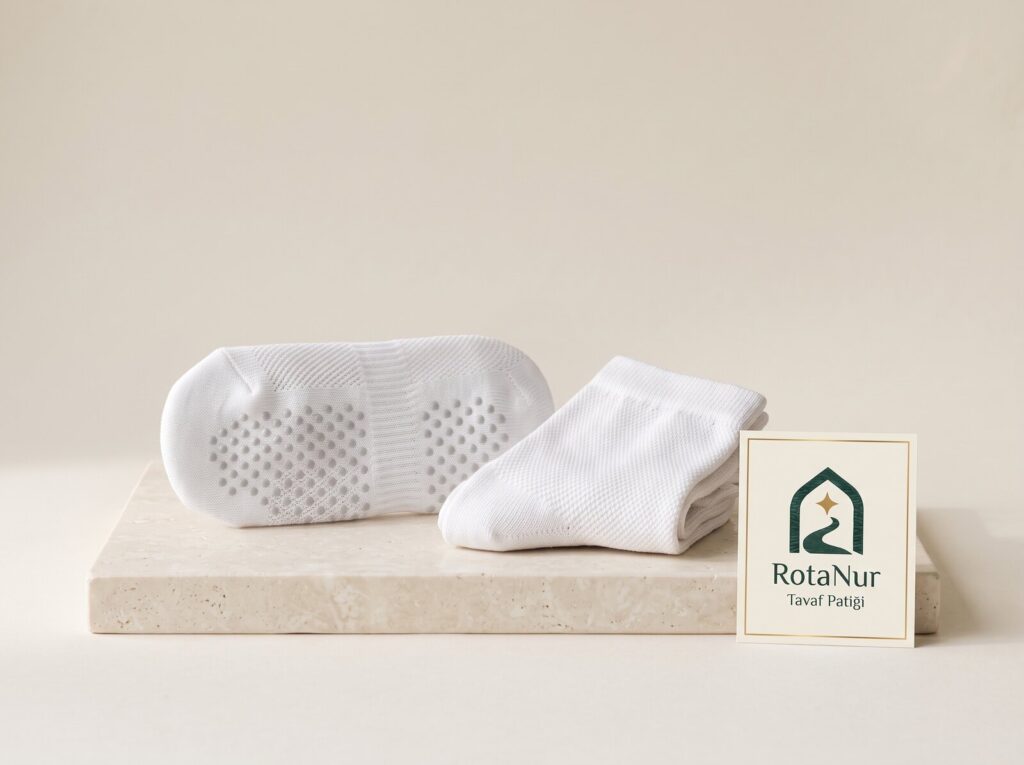
 LIGHTWEIGHT -24%
 Tawaf Socks, Slippers & Sandals
Tawaf socks, men's ihram sandals, women's Hajj and Umrah sandals and a Haram shoe bag: light, grippy picks chosen with Diyanet criteria in mind for hours of walking on marble.
Showing all 8 results
-
LIGHTWEIGHT -24%
-
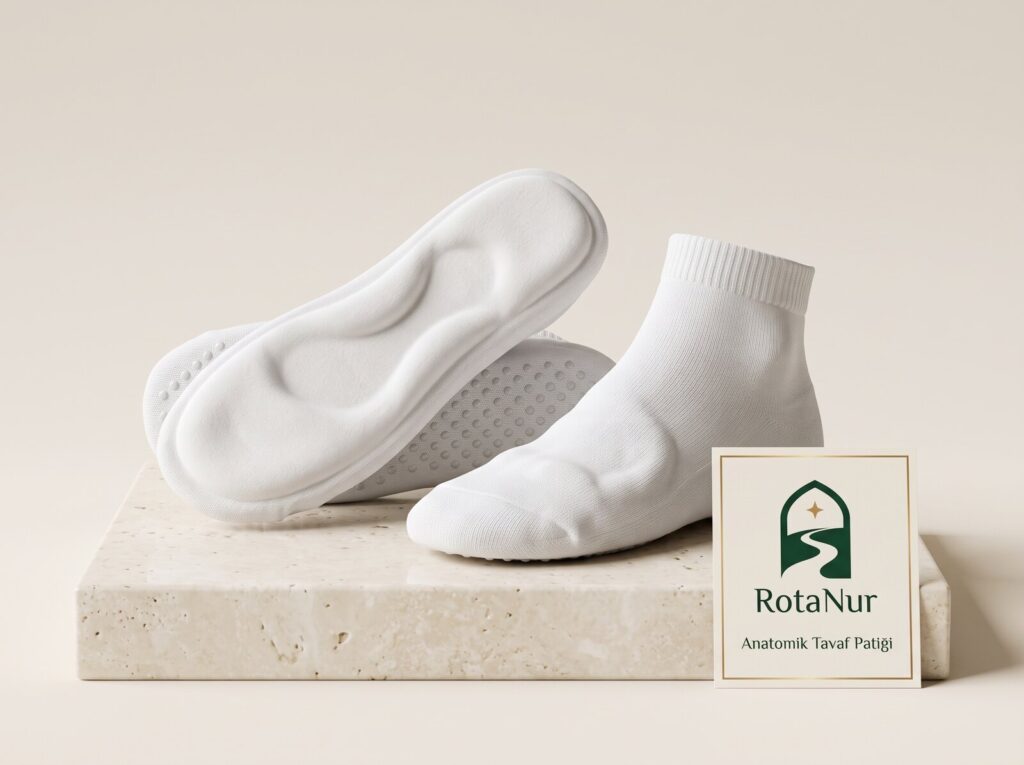 MOST POPULAR -25%
 -
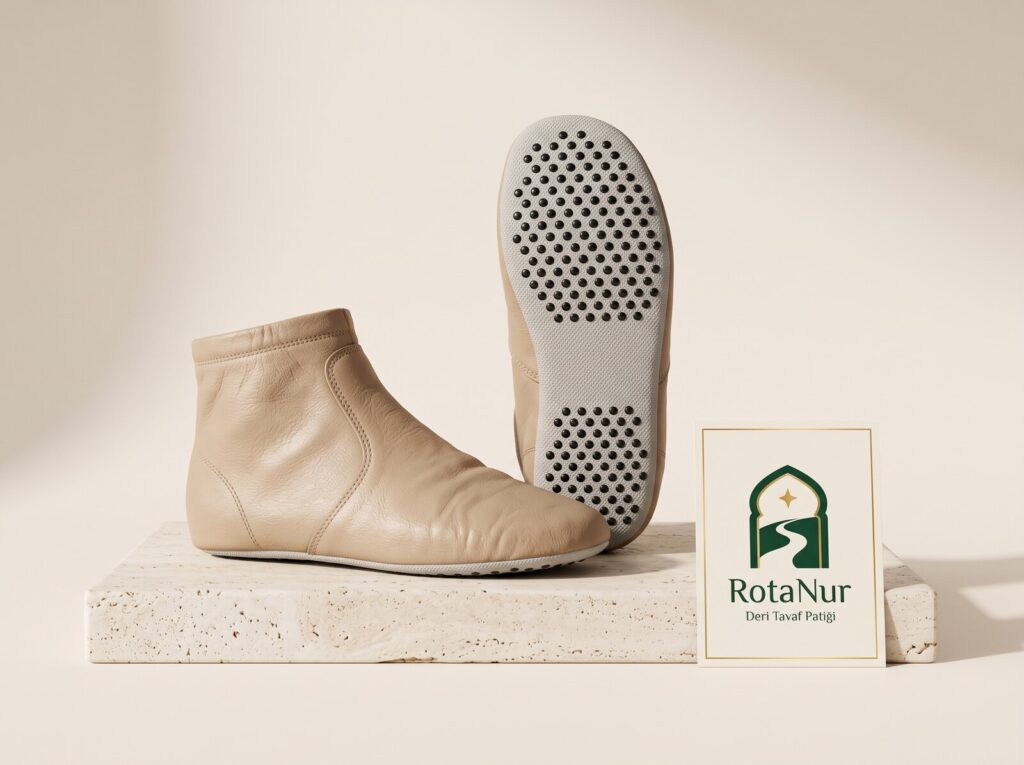 GENUINE LEATHER -22%
 -
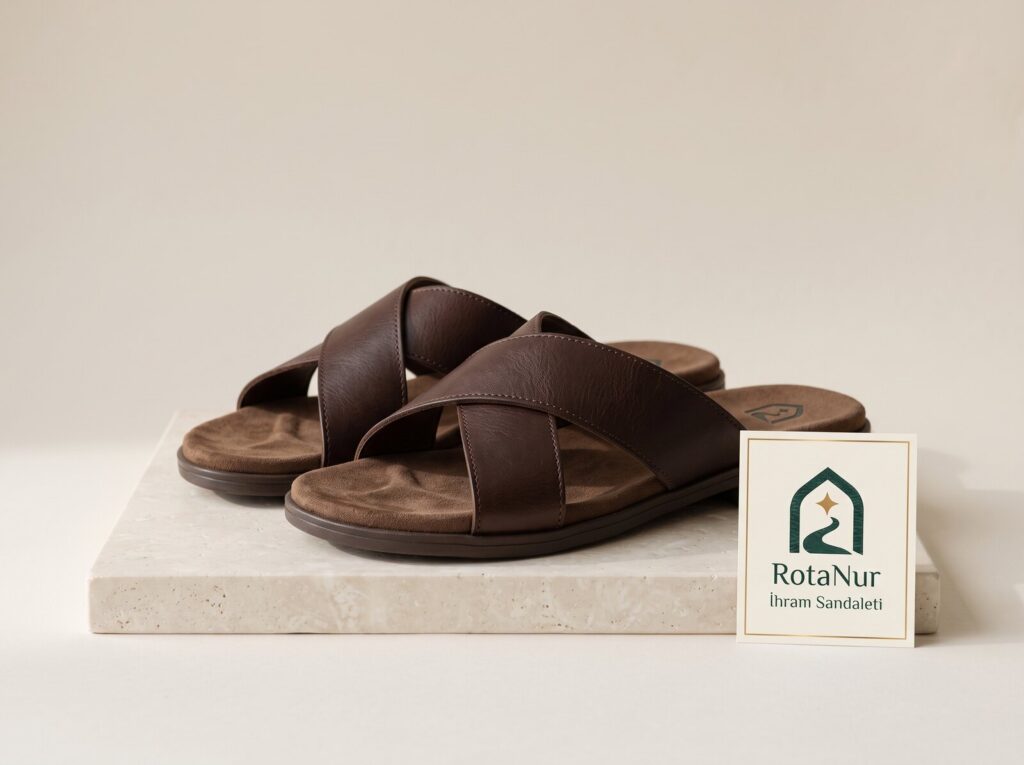 FOR IHRAM -24%
 -
 ADJUSTABLE -25%
 -
 3-PACK -24%
 -
 FOLDABLE -24%
 -
 FOR THE HARAM -23%
Tawaf Socks, Ihram Slippers and Sandals: A Buying Guide
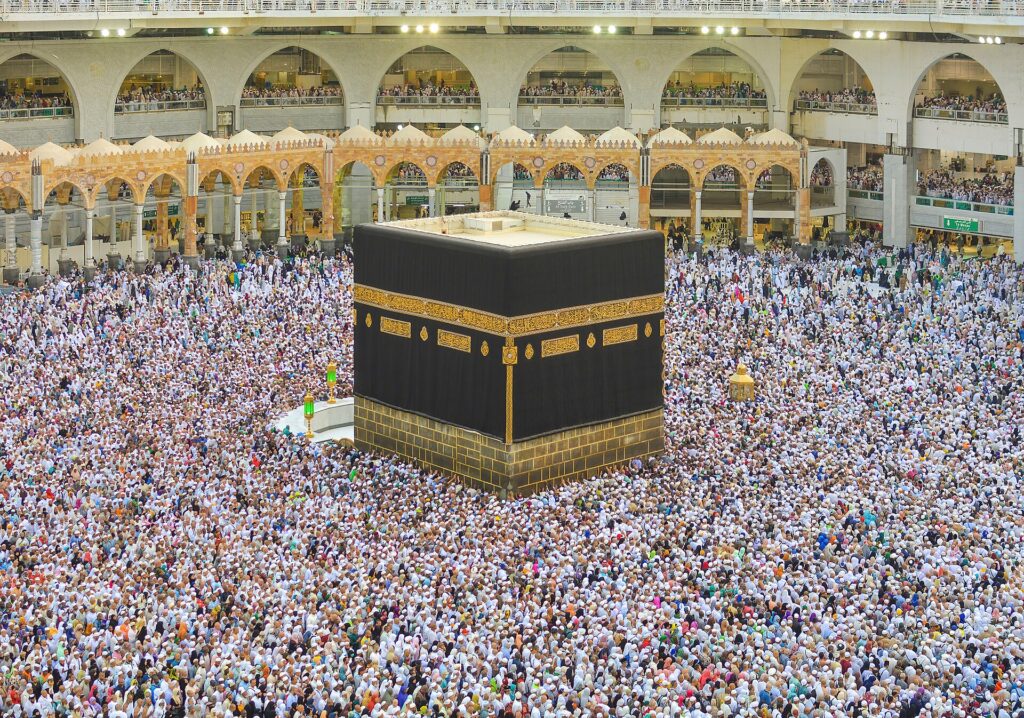
On the Umrah and Hajj journey, our feet are what work hardest. When tawaf, sa'i, trips to and from the Haram and visits all come together in a single day's schedule, taking tens of thousands of steps is no surprise. The wide marble floor of the Masjid al-Haram is cool and clean; however, it can be damp in places because of frequent cleaning, and at busy times you need to take off your shoes and carry them with you. That is why the right tawaf socks, the right ihram slippers and a practical shoe bag play a small but decisive role in a comfortable journey. At RotaNur, we have brought together the products most needed on the ground in this range, and we present each one with a clear explanation of who will use it, when and how.
What Is in This Range?
- Tawaf socks: Mesh, anatomical-sole and genuine leather options for use on the marble floor inside the Haram.
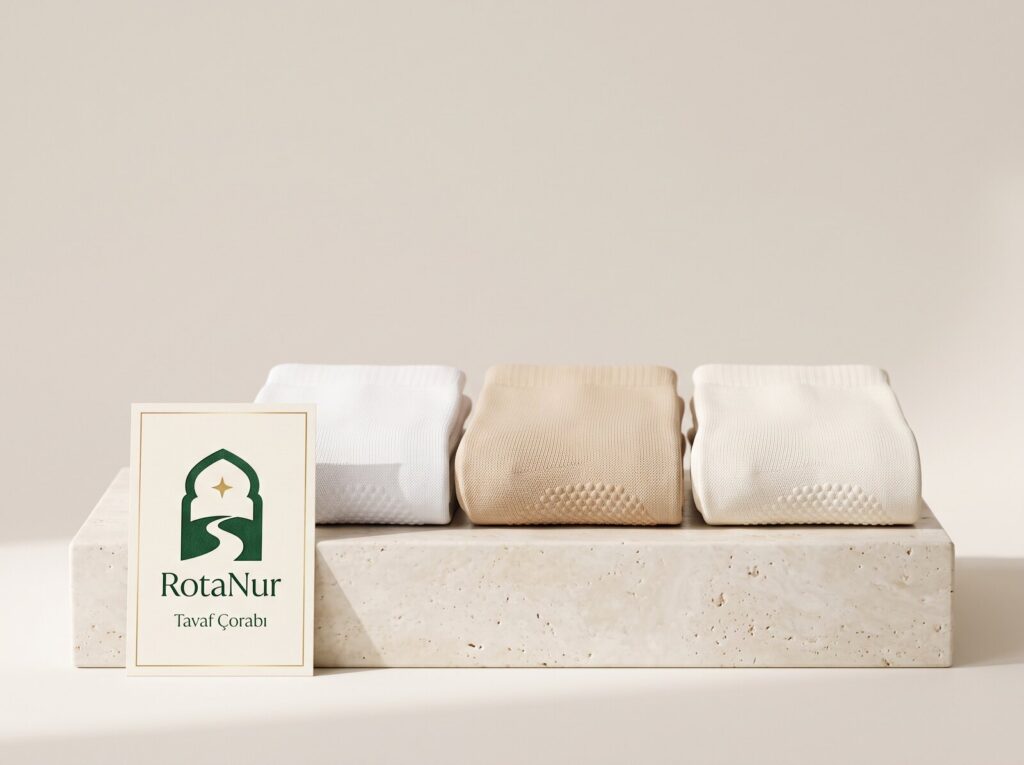
- Women's thin tawaf socks: A 3-pack suited to modest dress, with silicone-dot soles.
- Men's ihram sandals: A model that leaves the heel and instep uncovered, with a removable back strap.
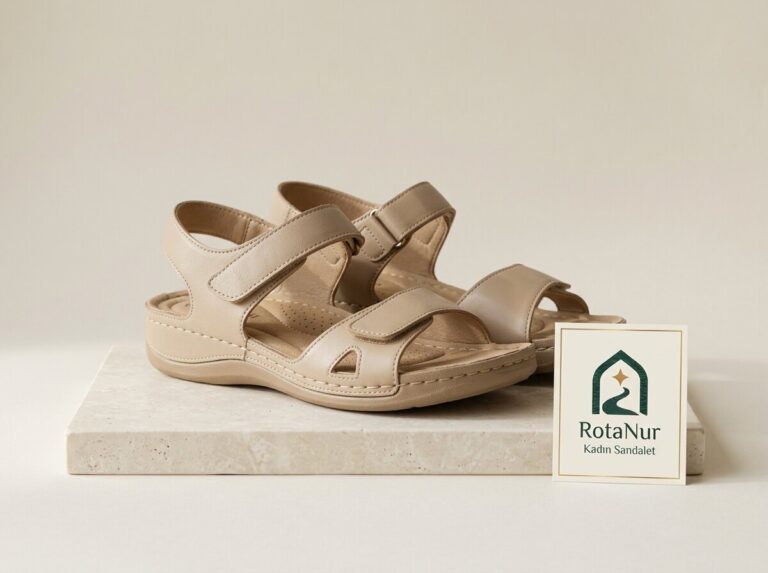
- Women's Hajj and Umrah sandals: Hook-and-loop straps you can adjust to your feet during the day.
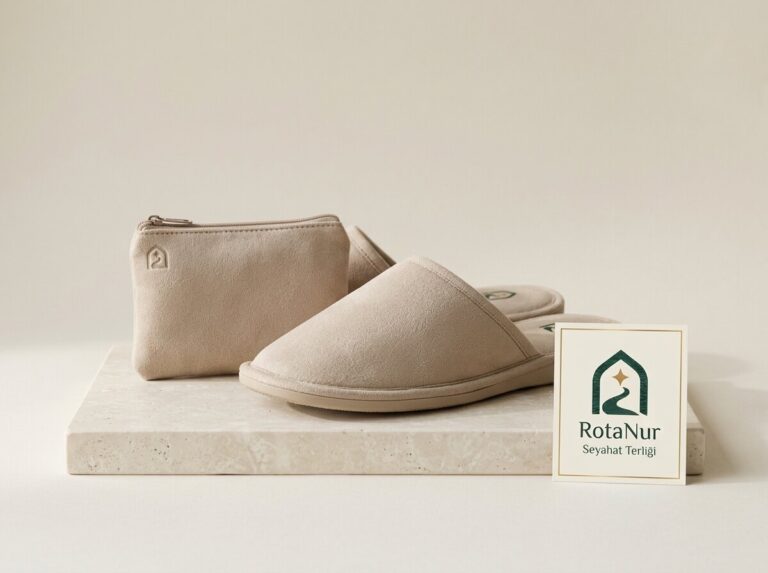
- Foldable travel slippers: Open-back slippers with a case, for the plane, the hotel and the Haram gates.
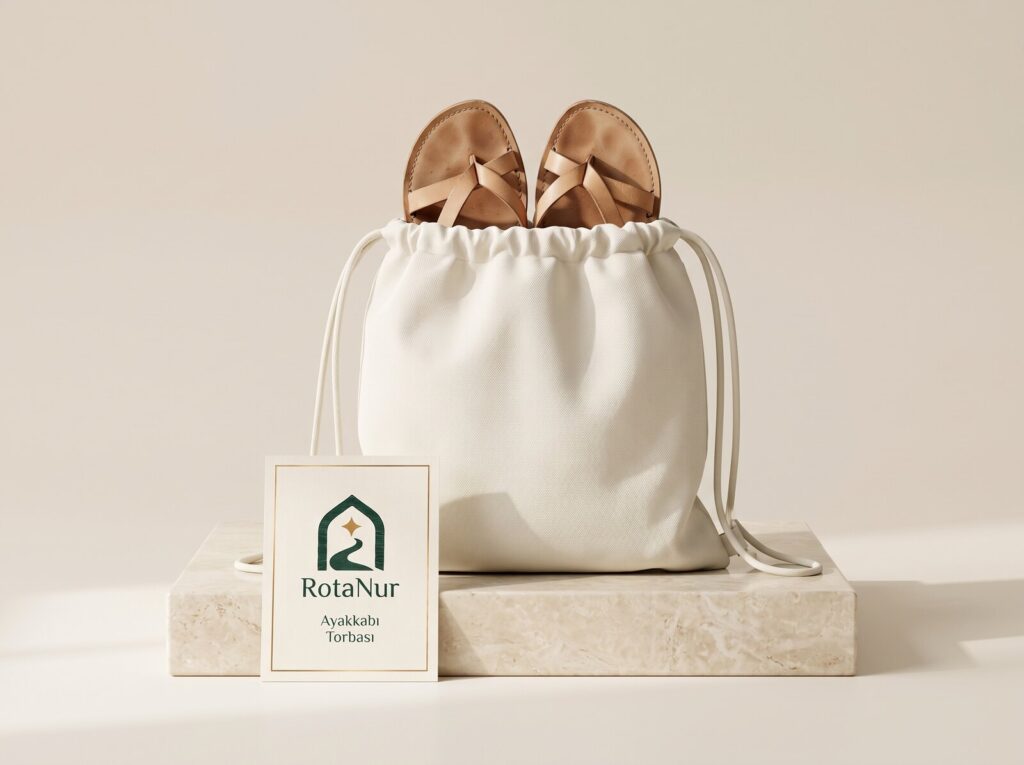
- Haram shoe bag: A drawstring bag with back straps for carrying your shoes with you, neat and clean.
Which Slippers Can Men Wear in Ihram?
The most frequently asked question about choosing slippers is what men in ihram may wear. According to statements by the High Council of Religious Affairs of Diyanet (Türkiye's Presidency of Religious Affairs), a man in ihram must keep his heels and ankle bones uncovered, and the upper part of his feet must not be fully covered. By this criterion, sandals or open-back slippers that do not cover the foot completely may be worn. In its decision dated 26 February 2025, the Council stated that slippers with a heel strap, that is, a strap across the back, may also be worn. According to the same statements, a man in ihram who wears ordinary shoes when suitable slippers are available violates a prohibition of ihram; if the shoes were worn for less than a day or a night, charity (sadaqah) is due, and if they were worn for a full day or a full night, a dam (sacrifice) is due.
Online, you may come across articles saying that slippers with a back strap can never be worn or that all stitched slippers are prohibited. We prepare and describe our products based on Diyanet's criterion above. You may also see the term “ankle bone” explained, in the context of ihram, as the protruding bone on the top of the foot; the safest option is therefore to choose a model that leaves the heel and the middle of the instep uncovered. As feet are shaped differently, we recommend checking in a mirror after putting the sandals on and, whenever you are unsure, consulting your group guide or Diyanet's 190 Fatwa Line. This text is for information only and does not replace a fatwa.
Who Are Tawaf Socks For, and When Are They Used?
Tawaf socks are soft indoor footwear that fully enclose the foot. According to Diyanet's guidance, women in ihram may also wear the clothing they always wear, such as dresses, headscarves, socks and shoes; tawaf socks and thin tawaf socks can therefore be used freely by women throughout Umrah. The situation is different for men: as tawaf socks cover the heel and instep, they are not recommended for men in ihram. Our male customers can use them for voluntary tawafs performed after leaving ihram, on visits in Madinah and in their hotel room.
The main place to use tawaf socks is inside the Haram. Wearing sandals or slippers on the asphalt and hot pavements while walking from the hotel to the Haram, then putting them in a bag at the Haram gate and switching to tawaf socks, protects both your feet and your tawaf socks. For those who prefer to perform tawaf barefoot, tawaf socks also provide a thin protective layer against the coolness of the marble and the chance of being stepped on in the crowd.
Quick Recommendations for Women and Men
For women: A pair of anatomical-sole tawaf socks for use inside the Haram, a 3-pack of thin tawaf socks for daily changes and a pair of adjustable sandals for walks between the hotel and the Haram make a sufficient trio for most Umrah programmes. On long Hajj programmes, adding a second pair of tawaf socks makes the washing routine easier.
For men: Throughout ihram, the basic need is a pair of ihram sandals that leave the heel and instep uncovered. Foldable slippers for the plane and the hotel, and a pair of tawaf socks for tawafs after leaving ihram and for the days in Madinah, will cover your needs. For women and men alike, a shoe bag is the easiest way to keep things in order at the Haram gates.
Comparison: Which Product Suits You?
| Product | Best use | For men in ihram | Key feature |
|---|---|---|---|
| Mesh Tawaf Socks | Inside the Haram and at the hotel | Not recommended | Very light, foldable, economical |
| Tawaf Socks with Anatomical Sole | Long tawaf and sa'i | Not recommended | Memory foam insole |
| Genuine Leather Tawaf Socks | Inside the Haram, at home after the return | Not recommended | Long-lasting, easy to wipe clean |
| Women's Tawaf Socks 3-Pack | All day, for women | Women's product | Suited to modest dress, silicone sole |
| Men's Ihram Sandals | All day from the miqat onwards | Designed with Diyanet's criterion in mind | Heel and instep uncovered, removable strap |
| Women's Hajj and Umrah Sandals | Around the city and on visits | Women's product | Adjustable at three points |
| Foldable Travel Slippers | Plane, hotel, spare slippers | Check after putting them on | Palm-sized with their case |
| Haram Shoe Bag | Mosque entrances | For everyone | Water-resistant, carried on the back |
Size Chart
The right size matters for both comfort and safe walking. To measure your foot length, stand on a sheet of paper in the evening, when your feet have been walking all day. Mark the back of your heel and the tip of your longest toe, then measure the distance between the two points with a ruler. Measure both feet and go by the longer one.
| Foot length (approx.) | EU size | Tawaf sock and foldable slipper size | Sandal size |
|---|---|---|---|
| 22.5 – 23.7 cm | 36 – 37 | S (36 – 38) | Women's 36 – 37 |
| 23.8 – 24.4 cm | 38 | S (36 – 38) | Women's 38 |
| 24.5 – 25.7 cm | 39 – 40 | M (39 – 41) | Women's or men's 39 – 40 |
| 25.8 – 26.4 cm | 41 | M (39 – 41) | Women's or men's 41 |
| 26.5 – 27.7 cm | 42 – 43 | L (42 – 44) | Men's 42 – 43 |
| 27.8 – 28.4 cm | 44 | L (42 – 44) | Men's 44 |
| 28.5 – 29.7 cm | 45 – 46 | XL (45 – 46) | Men's 45 – 46 |
The chart is meant as a guide; there can be a difference of up to half a centimetre between lasts. If you are between two sizes, we recommend choosing the larger size for tawaf socks and slippers, and your own size for sandals, thanks to their adjustable straps. Our women's thin tawaf socks are made in one size for EU sizes 36 – 40. If you are unsure, you can consult us before ordering by sending your measurement to our 24/7 WhatsApp support line.
What to Look for When Choosing
- Sole: For marble floors, look for a flexible sole with silicone or rubber dots. No sole completely prevents slipping on a wet floor, but the right sole noticeably improves grip.
- Inner comfort: If you will be performing tawaf and sa'i for several hours a day, a soft insole such as memory foam makes a difference. For short periods of use, mesh tawaf socks are enough.
- Breathability: In Makkah the weather is hot for most of the year. Breathable materials such as mesh knit, cotton lining and leather help reduce sweating.
- Weight and portability: Tawaf socks and slippers will stay in your bag or pouch all day. Foldable models weighing 100 – 250 g are easier to carry.
- Adjustment and fit: It is common for feet to swell slightly in the heat. Hook-and-loop or adjustable straps keep you comfortable throughout the day; men in ihram should make sure the straps do not cover the instep.
- Water resistance: Sandals that get wet during wudu need to dry quickly. Water-resistant straps and EVA soles are practical in this respect.
- Colour: White and cream shades heat up less in the sun; black and navy show dirt less. Putting a small mark on your tawaf socks so that they do not get mixed up within the group is also a good idea.
Managing Your Shoes at the Haram
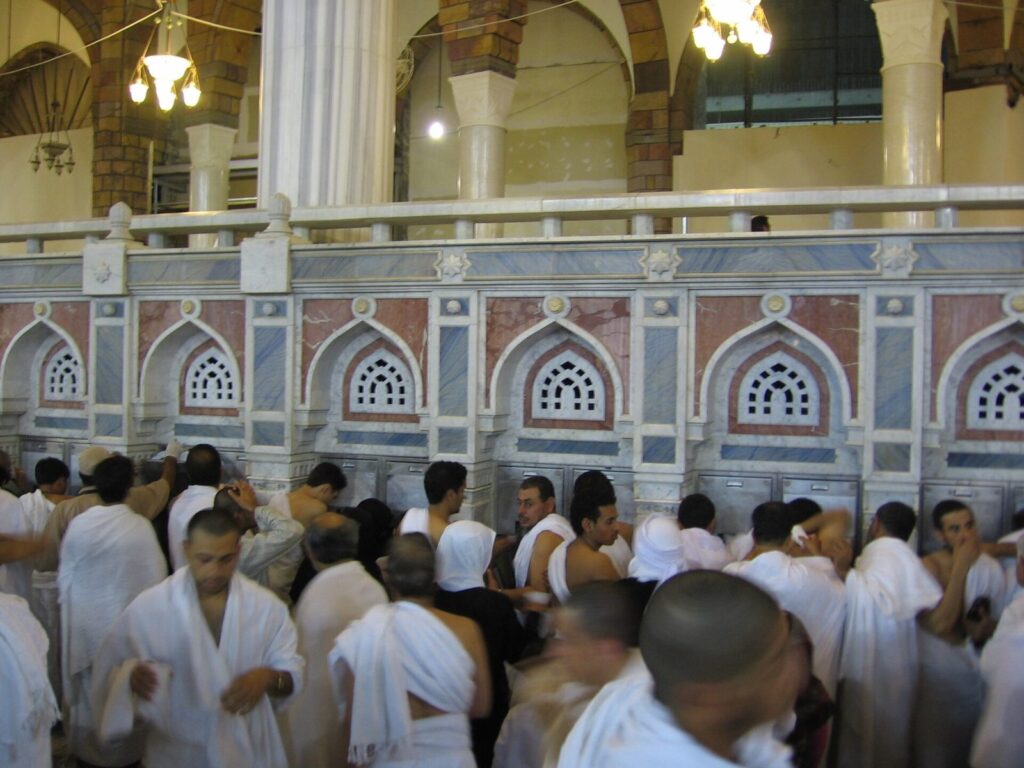
At the Masjid al-Haram and the Prophet's Mosque, shoes are left on the racks beside the entrance gates. At busy times the racks can fill up, and you may also be directed to a different gate on your way out. For this reason, many visitors carry their shoes with them in a bag. If you are going to use a rack, note the gate and rack numbers on your phone. If you carry your shoes in a bag, place them with the soles facing inwards, keep the bag beside you during prayer and take care not to disrupt the prayer rows. For those travelling with a group, putting a card with their name and phone number in their bag makes it easier for lost items to get back to their owner. Following the staff's instructions on the spot is always the right thing to do.
Tips for Use and Care
- Break in new tawaf socks and sandals by wearing them at home for a few days before you travel.
- Wash fabric tawaf socks and socks inside out at 30 °C; to protect the silicone dots, do not iron them or put them in the tumble dryer.
- Do not machine-wash leather tawaf socks; wipe them with a damp cloth and, if they get wet, dry them at room temperature.
- After wudu, shake out your sandals and leave them to dry for a few minutes.
- Do not dry products with memory foam soles in direct sunlight or on a heater.
- In your suitcase, carry tawaf socks and slippers in a shoe bag or cloth pouch, separate from your clothes.
- For a long programme, having at least two pairs of tawaf socks or socks makes daily washing easier.
Preparing Your Feet Before You Travel
- Trim your nails a few days before the journey; once the prohibitions of ihram begin, cutting your nails is one of them.
- Try out the sandals and tawaf socks you will use by wearing them at home for at least two or three days, for a few hours each day.
- Pack a spare pair of tawaf socks or socks and a shoe bag in your suitcase; keep foldable slippers in your hand luggage as well.
- In hot weather, washing and drying your feet during the day improves comfort; remember to use unscented soap while in ihram.
- If you have a foot health condition, consult your doctor before the journey and take the recommended products with you.
- Find out your group's schedule in advance; on days with long walks, choose the footwear you are most comfortable in.
These small preparations reduce the foot fatigue you may experience in the first days and make it easier to focus on your worship. For unscented soap and care products, take a look at our Unscented Care Products range.
Common Mistakes
- Setting off in new footwear: Sandals that have never been worn may rub in the first days. Always try them out before the journey.
- Wearing closed shoes or socks while in ihram: According to Diyanet's guidance, a man in ihram must keep his heels and the tops of his feet uncovered. Use tawaf socks and other socks after leaving ihram.
- Walking long distances outdoors in tawaf socks: Asphalt and hot ground quickly wear out the soles of tawaf socks. Wear sandals outside and tawaf socks inside.
- Making do with a single pair: Tawaf socks that have been washed may not be dry by the next day. A spare pair or a 3-pack of thin socks makes things easier.
- Choosing too small a size: Feet can swell in the heat. If you are between sizes, choose the larger size or an adjustable model.
- Not noting the gate number: Searching for shoes in a crowd wastes time; use a bag or write the number down.
- Walking fast on wet floors: In areas being cleaned, on ramps and on stairs, take short, slow steps.
Why RotaNur?
- Through our on-the-ground work organising Umrah and Hajj, we choose the products our customers really need on the journey.
- We base our information on ihram on Diyanet's guidance and present it in careful, clear language.
- On every product page, we clearly share material, size and usage information.
- We send your orders by fast shipping, and shipping is free on orders above a certain amount.
- We offer a 14-day right of return on unopened products; the details are on our cancellation and return terms page.
- No online payment is taken: after you send your order request, our advisor contacts you, confirms availability and guides you through the payment steps.
- Our 24/7 WhatsApp support line is here for your questions about sizes, products and travel.
Once you have chosen products that keep your feet comfortable, we can plan the rest of the journey together as well. Browse our Ihram and Belts range for ihram garments and belts, our Unscented Care Products range for soaps and shampoos you can use while in ihram, and our Umrah Sets range to find everything in a single package. For programme options, see our Umrah tours and our Hajj tours; for preparation steps, read our Umrah guide; and whatever is on your mind, feel free to get in touch with us.
FAQ
No. Tawaf can be performed barefoot, and it can also be performed in socks or tawaf socks. Because tawaf socks are a practical choice against the coolness of the marble, the chance of being stepped on in the crowd and hygiene concerns, they are widely used, especially by women. Men in ihram, however, should choose slippers that leave the heel and instep uncovered rather than tawaf socks or socks that enclose the foot.
According to the 2025 decision of the High Council of Religious Affairs of Diyanet (Türkiye's Presidency of Religious Affairs), a man in ihram may wear slippers with a back strap, provided that his heels and ankle bones stay uncovered and the upper part of his foot is not fully covered. Whenever you are unsure, we recommend consulting your group guide or Diyanet's 190 Fatwa Line.
According to Diyanet's guidance, women may wear the clothing they always wear during Hajj and Umrah, such as dresses, headscarves, socks and shoes. Tawaf socks, thin tawaf socks and sandals can therefore be used by women throughout ihram as well.
For a one-week Umrah programme, we recommend at least two pairs of tawaf socks or one 3-pack of thin socks. That way, you have a clean spare while the pair you washed is drying. On longer Hajj programmes, increasing this number makes things easier.
It is possible for short distances; however, asphalt, hot pavements and stony ground quickly wear out and dirty the soles of tawaf socks. We recommend walking from the hotel to the Haram in sandals or slippers and switching to tawaf socks at the gate.
No. These soles improve grip on the floor, but no footwear completely eliminates slipping on wet marble. In areas being cleaned, on ramps and on stairs, walking with slow, short steps is the safest approach.
You can leave your shoes on the racks at the gate or carry them with you in a bag. If you leave them on a rack, note the gate and rack numbers. If you use a bag, place the shoes with the soles facing inwards and be mindful of the prayer rows during prayer.
We recommend the larger size for tawaf socks and foldable slippers, and your own size for sandals with adjustable straps. You can use the size chart on this page and, if you are unsure, consult us via our 24/7 WhatsApp support line.
You have the right to return unopened products within 14 days. For detailed information, see our cancellation and return terms page. We send your orders by fast shipping and do not charge for shipping on orders above a certain amount.
Our products focus on comfort but are not medical products. If you have diabetes, corns, wounds or a similar condition, we recommend consulting your doctor before the journey and checking your feet during the day on long walks.
Of course. Genuine leather tawaf socks in particular make a meaningful gift, as they can also be used at home after returning from Umrah. If you do not know the recipient's shoe size, mesh or anatomical-sole tawaf socks with flexible sizing are a safer choice.
Thin tawaf socks are finer and lighter; they can be worn inside sandals or on their own. Tawaf socks, on the other hand, have a thicker sole and are more durable, offering more comfort, especially for long tawaf and sa'i. Women often take both with them.
First, try to remember the numbers of the gate you entered and the rack you used, then ask the staff for help. To avoid this situation, we recommend carrying your shoes with you in a bag and keeping a pair of foldable spare slippers in your bag.