




Contents 14 sections
- Why Does a Hajj Packing List Differ from an Umrah List?
- Documents and Identification Items
- Ihram and Men’s Clothing
- How many ihram sets does a man need?
- Clothing and Ihram Notes for Women
- Open-Air Essentials for Arafat and Muzdalifah
- Where are the pebbles for the stoning collected?
- Items for Staying in the Mina Tent
- Hajj Packing List: Table
- Health and the Medicine Bag
- Personal Care, Electronics and Money
- What Not to Take on Hajj
- A Timeline for Packing the Hajj Suitcase
- Frequently Asked Questions
A Hajj packing list overlaps to a large extent with an Umrah list, yet three features peculiar to the Hajj journey call for a list of its own: Hajj lasts much longer than Umrah, the days of Arafat, Muzdalifah and Mina are spent in the open air and in tents, and millions of people move through the same area during the days of Eid al-Adha. A suitcase that is enough for Umrah therefore falls short for a pilgrim left without shade at Arafat or shivering through the night at Muzdalifah. In this article we have grouped what to take for Hajj under the headings of documents, ihram and clothing, open-air essentials, the Mina tent, the medicine bag, personal care, electronics and small items; we have also added what not to take and the order in which to pack. The Umrah packing list prepared for Umrah is the starting point of this article; here we focus only on what is specific to Hajj.
Why Does a Hajj Packing List Differ from an Umrah List?
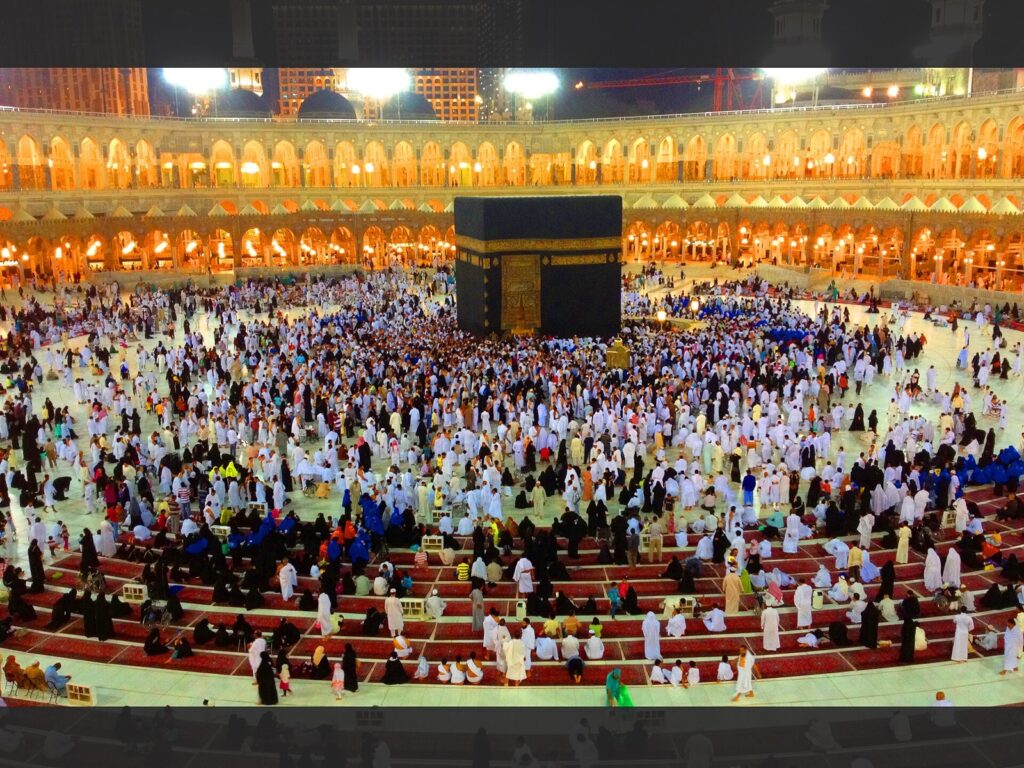
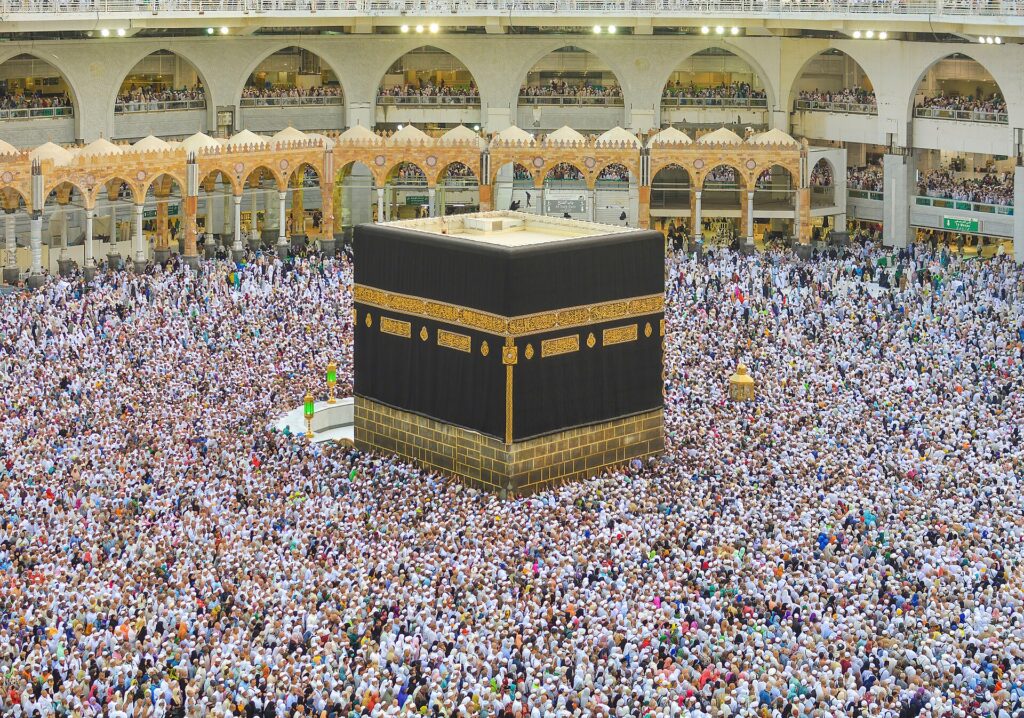
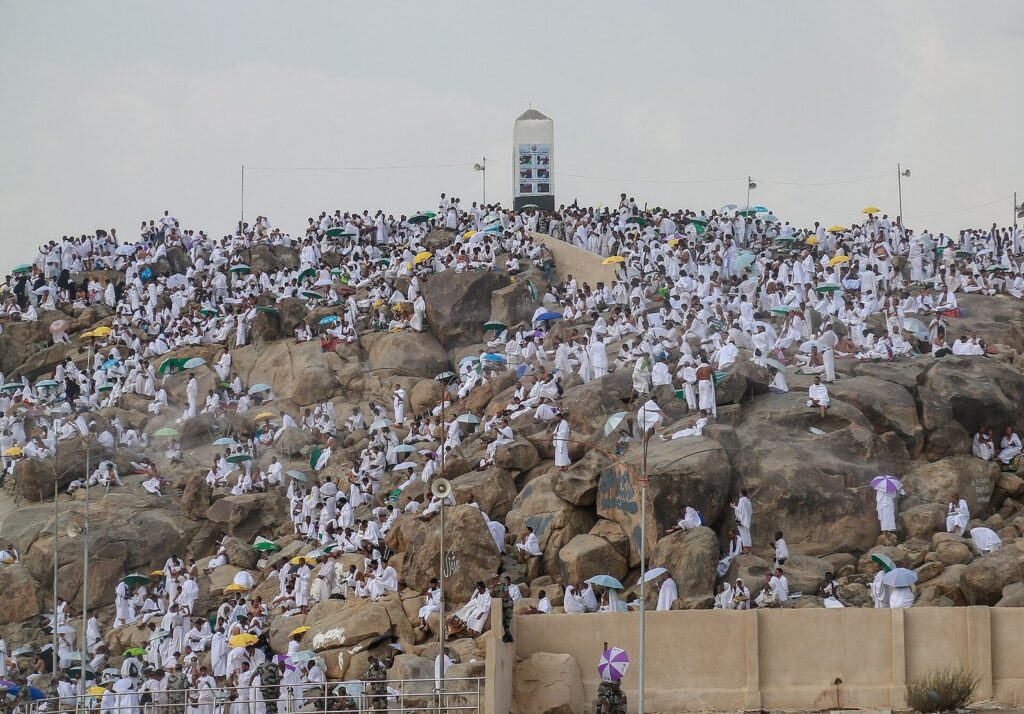
On Umrah the pilgrim stays in a hotel in Makkah and Madinah, performs the rites inside Masjid al-Haram and follows a programme lasting between a few days and two weeks. On Hajj, by contrast, pilgrims go out to Mina on the eighth day of Dhul Hijjah, perform the standing (wuquf) at Arafat on the ninth, spend the night in the open at Muzdalifah and stay in tents at Mina during the days of Eid; in this four-to-five-day section there is no hotel, belongings are carried on your back, and the pilgrim’s own kit decides the shade, water and sleep available. Moreover, although the Hajj season is shifting into the spring and winter months in the coming years, daytime temperatures in Makkah are high, walking distances are long and the crowds make lost items hard to recover. The Hajj programme as a whole lasts weeks depending on the organisation; over that period the need for medicines, laundry and personal care multiplies compared with Umrah. Our article on where Hajj is performed helps you see on which day each item on the list will come in useful.
Documents and Identification Items
A missing document is the hardest shortfall to make good on the Hajj journey, which is why the list begins with documents. The passport and visa printout, vaccination card, Hajj identity card and wristband, the neck lanyard provided by the organisation, hotel and tent details, a prescription or medical report for medicines in regular use, a few passport-size photographs and photocopies of all documents should be gathered in a single document pouch. The detailed list of documents is explained in our article on documents required for Hajj; from the packing point of view what matters is that they are carried in a water- and sweat-resistant pouch that can be hung around the neck. At Mina and Arafat pilgrims constantly carry the card showing their tent number and group details; officials return a lost pilgrim to the group using that card.
- Passport, visa printout and flight ticket; a photograph of the identity page on your phone.
- Vaccination card (the meningitis vaccine is compulsory; details in our Umrah vaccine article) and a medical report if you have one.
- Hajj identity card, wristband, neck lanyard and the tent/hotel information card.
- Prescriptions for regular medicines, a written list of medicine names and your blood group.
- The phone numbers of a relative in Türkiye and of the group leader written on paper (in case the phone dies).
Ihram and Men’s Clothing
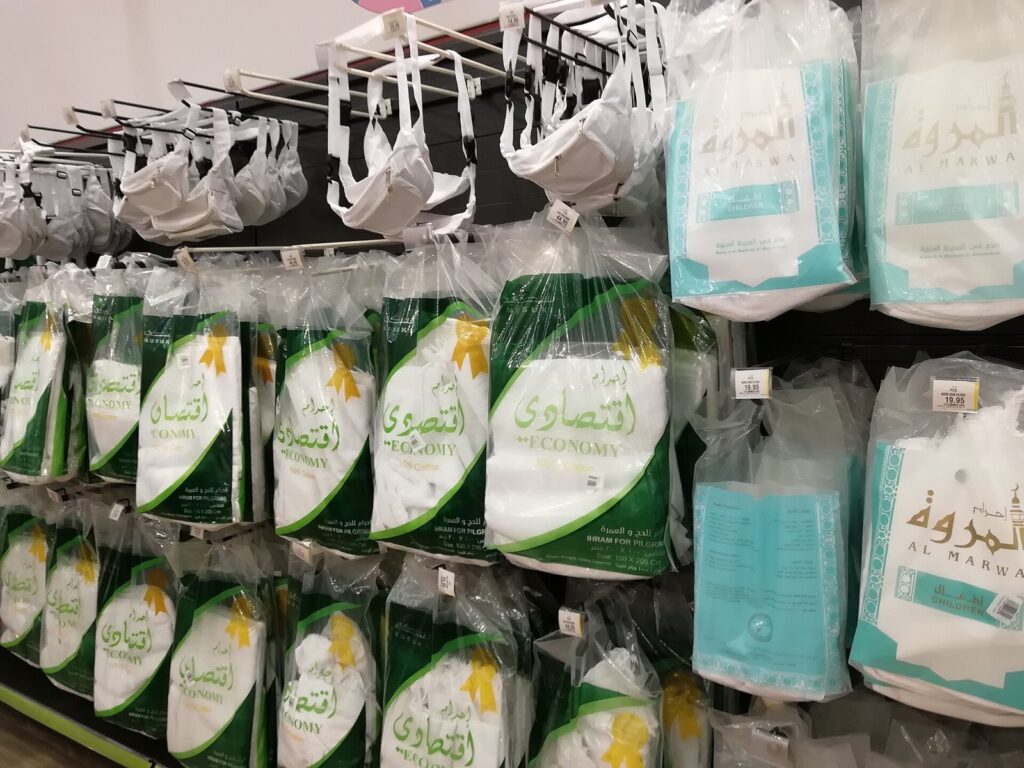
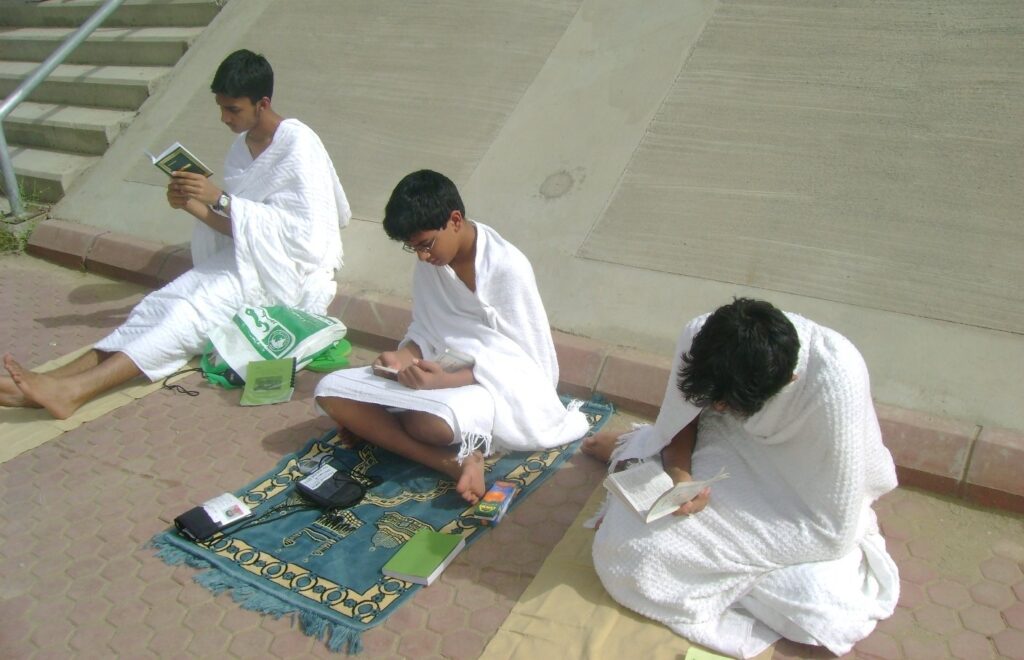
The most important item for a male pilgrim is the ihram: two pieces of unstitched white cloth, one wrapped from the waist down and the other draped over the shoulder. Unlike Umrah, the ihram on Hajj is worn several times and for longer periods; in Hajj al-Tamattu one enters ihram once for Umrah and a second time for Hajj when going out to Mina, and stays in the same ihram from Arafat until the morning of Eid. At least two ihram sets are therefore needed; because of sweat and dust, three sets are more comfortable. An unstitched ihram belt to hold the ihram in place (those with pockets are handy for money and phone), an unstitched wrap or towel that can be worn under the ihram, slippers or sandals that leave the top of the foot uncovered, and for after ihram light cotton trousers, shirts, a prayer cap and, depending on the season, a thin cardigan all go on the list. Our articles on how ihram is worn and the prohibitions of ihram show in detail which clothing may be worn when.
How many ihram sets does a man need?
A man performing Hajj al-Tamattu needs at least two, preferably three, ihram sets: the Umrah ihram, the Hajj ihram and a spare. Ihram cloth that is light and quick-drying cotton rather than thick towelling is more comfortable in the heat; the ihram belt, by preventing the ihram from coming undone, gives confidence especially in the crowds of tawaf and the stoning. The ihrams go not in the suitcase but in the small bag that will be taken to Mina.
Clothing and Ihram Notes for Women
A woman’s ihram is not a special garment but her everyday modest dress; however, while in ihram gloves are not worn and the face is not covered. For the long Hajj journey, loose-cut, light-coloured, cotton and quick-drying abayas or skirt-and-tunic sets, headscarves that do not cause sweating, cotton socks and comfortable, closed but light shoes are needed. Since one sits and sleeps on the ground at Arafat and Muzdalifah, a long outer garment that covers the body and a thin shawl are useful; in the Mina tent women stay in a separate section, but a comfortable, modest home outfit is still needed inside the tent. Because the rulings on ihram and tawaf change for women during menstruation, it is advisable to take a sufficient supply of hygiene products and to consult a doctor if a period-regulating medicine is to be used. Details on the Umrah and Hajj journey for women are gathered in our article on how women go to Umrah.
Open-Air Essentials for Arafat and Muzdalifah
This is the section where the Hajj packing list departs most from the Umrah list. The standing at Arafat takes place in the daytime, under the sun; although there are tents, most pilgrims are outside all day. At Muzdalifah the night is spent in the open, on the ground, and the air cools towards dawn. For these two days you need a thin folding mat or straw mat, a light blanket or sleeping bag, a small light-coloured umbrella, a spray water bottle, a torch (to find the way to the toilets at Muzdalifah), a pebble pouch, a small inflatable or folding pillow, wet wipes, sunglasses and unscented sun cream. The meaning of Arafat and how the standing is performed are explained in our article on the standing at Arafat.
Where are the pebbles for the stoning collected?
The pebbles are traditionally collected at Muzdalifah; about seventy pebbles the size of a chickpea are enough (seven on the first day, twenty-one or twenty-eight on the following days). A small pouch with a closing top for the pebbles is necessary so as not to lose them at Mina; many organisations give this pouch to pilgrims. Our article on the stoning of the pillars explains the number of pebbles and their distribution over the days in detail.
Important: Using scented soap, shampoo, cream, deodorant and wet wipes while in ihram falls under the prohibitions of ihram. For the days of Arafat and Mina, prepare the “unscented” versions of sun cream, moisturiser, soap and wet wipes in a separate bag; use scented products only after leaving ihram.
Items for Staying in the Mina Tent
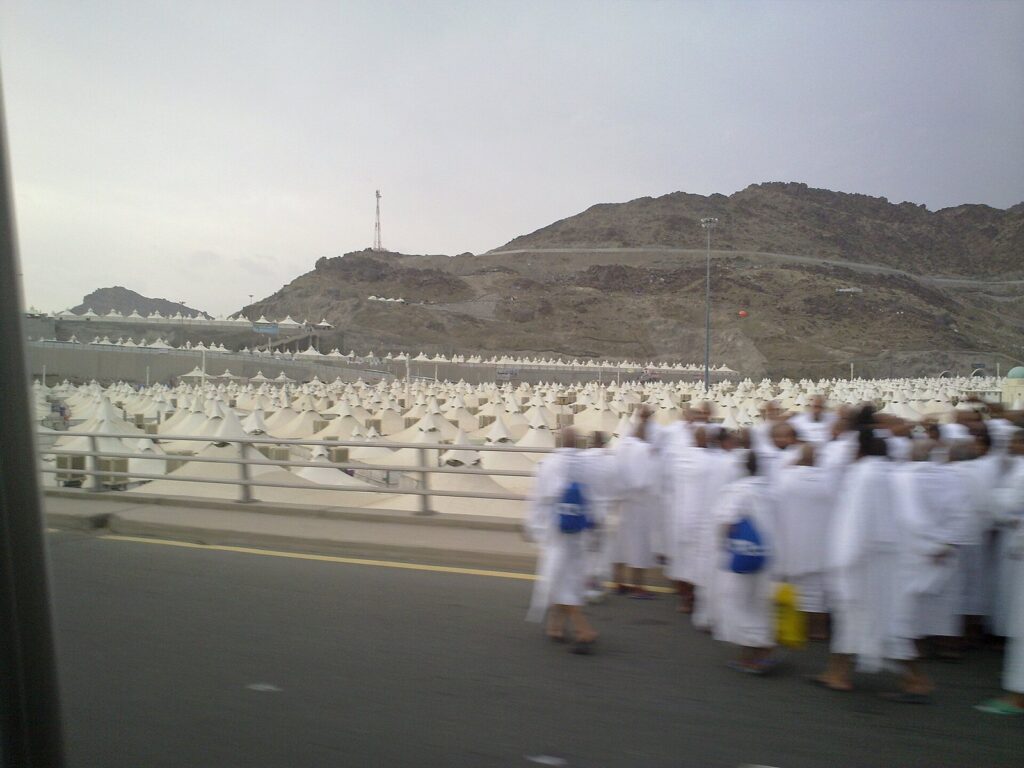
At Mina pilgrims stay in the large tents allocated to their organisations, on the floor or on thin mattresses; there is air conditioning, but the crowds, light and noise make sleep difficult. Earplugs and a sleep mask, a thin sheet, slippers for inside the tent, a small rucksack or waist bag to keep belongings together, a lockable bag, a washing line and a few pegs, a folding cup, a small rubbish bag, a power bank for the phone and a multi-socket adaptor are the basic items of this section. Since the distance walked from Mina to the Jamarat is measured in kilometres, shoes must be tried and comfortable and spare slippers should be carried; because slippers taken off during tawaf are easily lost, a slipper bag goes on the list too. Meals at Mina are provided by the organisation; even so, non-perishable snacks such as dates, nuts and biscuits are useful during the long hours of waiting.
Hajj Packing List: Table
| Section | Items | Note |
|---|---|---|
| Documents | Passport, visa printout, vaccination card, Hajj identity card, wristband, prescriptions, photocopies | In a waterproof pouch worn around the neck |
| Ihram and clothing | 2–3 ihram sets, ihram belt, open slippers, cotton clothes, prayer cap/headscarf, socks, thin cardigan | Ihrams in the Mina bag |
| Arafat and Muzdalifah | Folding mat, light blanket, light-coloured umbrella, spray water bottle, torch, pebble pouch, small pillow, sunglasses | Unscented sun cream and wet wipes |
| Mina tent | Earplugs, sleep mask, sheet, slippers, waist bag, lock, power bank, multi-socket, folding cup | Spare slippers and a slipper bag |
| Health | Regular medicines, painkiller, fever reducer, diarrhoea and stomach medicine, allergy medicine, plasters, oral rehydration salts, mask, sanitiser | Medicines in their original box, with prescription |
| Personal care | Unscented soap and shampoo, toothbrush, shaver, nail clippers, small towel, detergent | Scented products after ihram |
| Electronics and small items | Phone, charging cable, plug adaptor, headphones, dua book, prayer beads, thin prayer mat, water bottle, suitcase lock and tag | Three-pin (type G) sockets are common in Saudi Arabia |
Health and the Medicine Bag
Because of the crowds and heat, Hajj is a journey on which respiratory infections, diarrhoea, sunstroke and foot injuries are common. Blood pressure, diabetes, heart and thyroid medicines in regular use should be carried in hand luggage, in their original boxes and with their prescriptions, in quantities sufficient for the whole journey; medicines are not put in the suitcase, so that you are not left without them if the suitcase is lost. In addition, a painkiller and fever reducer, diarrhoea and stomach medicine, allergy medicine, throat lozenges, oral rehydration salts, plasters, bandage, unscented antiseptic cream, petroleum jelly for cracked feet and heels, masks, hand sanitiser and a small thermometer go on the list. The health teams of the organisations serve in Makkah, Madinah and Mina; still, a pilgrim carrying their own medicine bag does not queue for a bout of diarrhoea or a fever that starts at midnight. Those with chronic illnesses should get specific advice for Hajj from their doctors before setting out and review their medicine doses in the light of the heat and the pace of walking.
Personal Care, Electronics and Money
The deciding rule for personal care items is again ihram: unscented soap, shampoo and cream for the ihram days; the usual products for after ihram. The shaver and nail clippers are used on the morning of Eid when leaving ihram; men have their hair shaved or shortened at Mina. On the electronics side a phone and charging cable, a power bank, a three-pin plug adaptor and headphones are enough; Saudi Arabia uses 220 volts and an adaptor is needed. For money a waist bag or the pocket of the ihram belt is used; it is advisable to leave the bulk of the money in the hotel safe and to carry only enough riyals for small expenses. Zamzam is carried on the return in special containers to the extent permitted by the airline; the containers are sold at Jeddah airport and are not put inside the suitcase but checked in as separate luggage. Airline baggage rules and the details of carrying Zamzam are explained in our Umrah packing list article; for ihram, pebble pouches, mats and pilgrim gifts you can look at our Hajj items and items pages.
What Not to Take on Hajj
Excess belongings become a burden on Hajj; since only a small bag is taken to Mina, most of the suitcase stays at the hotel. Scented products cannot be used on ihram days, valuable jewellery and watches carry the risk of being lost in the crowds, thick towels and large numbers of clothes take up space in the suitcase, and heavy bound books add weight. Sharp tools, scissors and penknives are not taken in hand luggage; as food, meat products and home-made foods can cause problems at customs. The Diyanet organisation and the agencies provide some items to pilgrims themselves; do not buy items such as bags, identity lanyards, pebble pouches and guidebooks without first finding out from your organisation. Rather than over-stocking on Hajj medicines, settling the list with a doctor both lightens the suitcase and saves you from piles of medicines that are hard to explain at customs.
A Timeline for Packing the Hajj Suitcase
The Hajj suitcase is not packed on the last night. A month before departure the ihrams are tried on and the ihram belt is fastened and walked in, the shoes are worn in, the medicines are listed in consultation with a doctor, the vaccination is done and the documents are completed. A week before, the Mina bag is prepared separately: the ihram, unscented care products, mat, umbrella, pebble pouch, torch, medicine bag and documents go in this bag. On the last day the passport, visa, vaccination card and medicines go into the hand luggage; the suitcase is weighed and tagged. Matching what will be used when to the order in our article on how Hajj is performed brings any forgotten item to light. You can look at our Hajj tours page for programmes and our contact page for your questions.
- One month before: trying on the ihram, wearing in shoes, doctor and vaccination, documents.
- One week before: the Mina bag, unscented products, medicine bag, photocopies.
- One day before: passport, visa, vaccination card and medicines in hand luggage; suitcase weighed and locked.
- Departure day: document pouch around the neck, passport photograph on the phone, the group leader’s number written down.
Frequently Asked Questions
How many suitcases should you take for Hajj?
One medium suitcase and a small rucksack for the Mina days are enough. Since only the small bag is taken to Mina, the suitcase is packed with the hotel stays in Makkah and Madinah in mind; the airline’s baggage allowance and the separate-luggage rule for Zamzam are checked in advance.
Do you need a blanket on Hajj?
Because the Muzdalifah night is spent in the open, a light blanket or a thin sleeping bag is needed; although mattresses and covers are provided in the Mina tents, a thin sheet and a small pillow make sleep easier. A thick blanket is an unnecessary burden.
Which products cannot be used while in ihram?
Scented soap, shampoo, cream, deodorant, perfume and scented wet wipes fall under the prohibitions of ihram. The unscented versions of these products are set aside for the ihram days; scented products are used after leaving ihram.
How should Hajj medicines be carried?
Regular medicines are carried in hand luggage, in their original boxes, with their prescriptions and in quantities sufficient for the whole journey. A written list of medicine names and your blood group is kept in the document pouch; medicines are not put in the suitcase.
Are the pebble pouch and mat provided by the organisation?
Many organisations give pilgrims items such as a pebble pouch, identity lanyard and bag; but the mat, umbrella and blanket are mostly the pilgrim’s own responsibility. Before buying, ask your organisation for the list of items that will be provided.
What changes on the list for women pilgrims?
Women wear their everyday modest dress as ihram, but do not use gloves or a face veil. Long and loose outer garments, extra headscarves, cotton socks, hygiene products and a comfortable home outfit for the Mina tent are the additions specific to women.

Cihat Murat Yüksel is the editor of the RotaNur blog and the founder of Markention. Drawing on the sources of Türkiye's Presidency of Religious Affairs (Diyanet), he turns the questions travellers ask most about preparing for Umrah, Hajj and halal travel into clear, practical guides.
Questions answered in this article
Why Does a Hajj Packing List Differ from an Umrah List?
On Umrah the pilgrim stays in a hotel in Makkah and Madinah, performs the rites inside Masjid al-Haram and follows a programme lasting between a few days and two weeks. On Hajj, by contrast, pilgrims go out to Mina on the eighth day of Dhul Hijjah, perform the standing (wuquf) at Arafat on the ninth, spend the night in the open at Muzdalifah and stay in tents at Mina during the days of Eid; in this four-to-five-day section there is no hotel, belongings are carried on your back, and the pilgrim’s own kit decides the shade, water and sleep available. Moreover, although the Hajj season is shifting into the spring and winter months in the coming years, daytime temperatures in Makkah are high, walking distances are long and the crowds make lost items hard to recover. The Hajj programme as a whole lasts weeks depending on the organisation; over that period the need for medicines, laundry and personal care multiplies compared with Umrah. Our article on where Hajj is performed helps you see on which day each item on the list will come in useful.
How many ihram sets does a man need?
A man performing Hajj al-Tamattu needs at least two, preferably three, ihram sets: the Umrah ihram, the Hajj ihram and a spare. Ihram cloth that is light and quick-drying cotton rather than thick towelling is more comfortable in the heat; the ihram belt, by preventing the ihram from coming undone, gives confidence especially in the crowds of tawaf and the stoning. The ihrams go not in the suitcase but in the small bag that will be taken to Mina.
Where are the pebbles for the stoning collected?
The pebbles are traditionally collected at Muzdalifah; about seventy pebbles the size of a chickpea are enough (seven on the first day, twenty-one or twenty-eight on the following days). A small pouch with a closing top for the pebbles is necessary so as not to lose them at Mina; many organisations give this pouch to pilgrims. Our article on the stoning of the pillars explains the number of pebbles and their distribution over the days in detail.