






Contents 18 sections
- The Meaning of the Word Hajj
- What does Hajj mean?
- Hajj in the Qur’an and the Hadiths
- The Ruling of Hajj and Its Place Among the Five Pillars of Islam
- Which of the pillars of Islam is Hajj?
- The Conditions of Hajj: For Whom Does It Become Obligatory?
- The Obligatory, Necessary and Sunnah Acts of Hajj
- What are the obligatory acts of Hajj?
- The History of Hajj: From the Prophet Ibrahim to the Farewell Hajj
- When was Hajj made obligatory?
- The Time and Place of Hajj
- What Kind of Journey Is Hajj? A Step-by-Step Summary
- How many days does Hajj take?
- The Types of Hajj and Its Difference from Umrah
- Are Hajj and Umrah the same thing?
- The Wisdom and Virtues of Hajj
- How Do You Go on Hajj from Türkiye?
- Frequently Asked Questions
The shortest answer to what is Hajj is that it is one of the five pillars of Islam, an act of worship obligatory once in a lifetime for every Muslim who is able, performed on set days of the month of Dhul Hijjah in Makkah and at Arafat, Muzdalifah and Mina around it. But the meaning of the word Hajj, its place in the Qur’an and hadiths, its ruling, its pillars and necessary acts, its history and its wisdom go far beyond this definition. In this article we answer the question of what Hajj means from beginning to end, following the catechism approach of Diyanet (Türkiye’s Presidency of Religious Affairs); because we explain how, when and where Hajj is performed in separate guides, here we focus on the meaning and framework of Hajj.
The Meaning of the Word Hajj
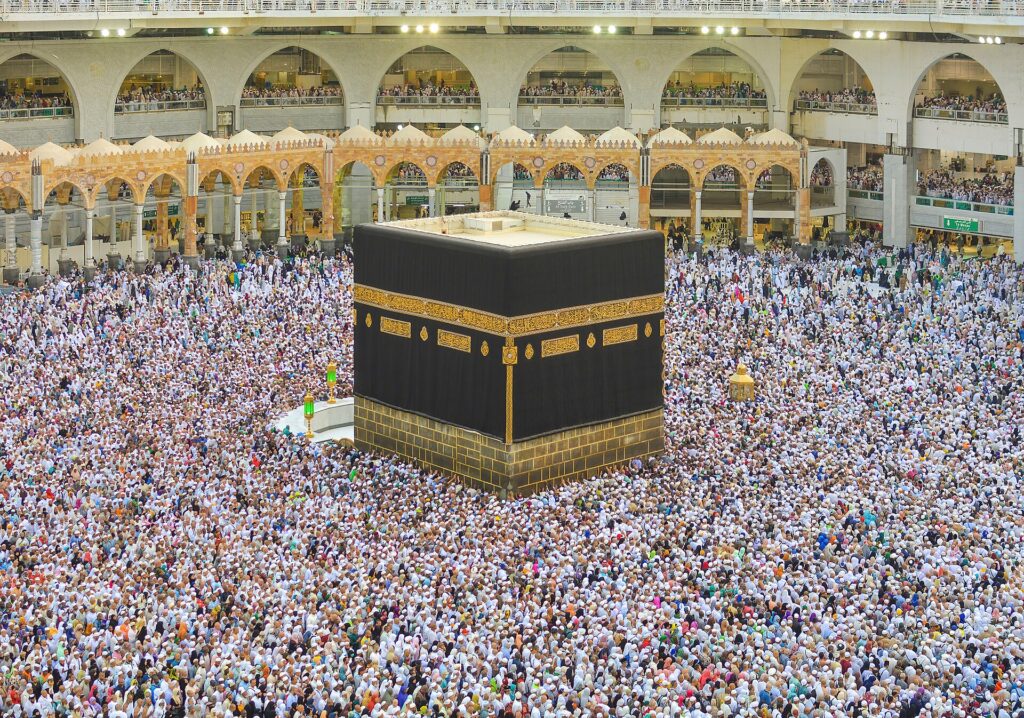
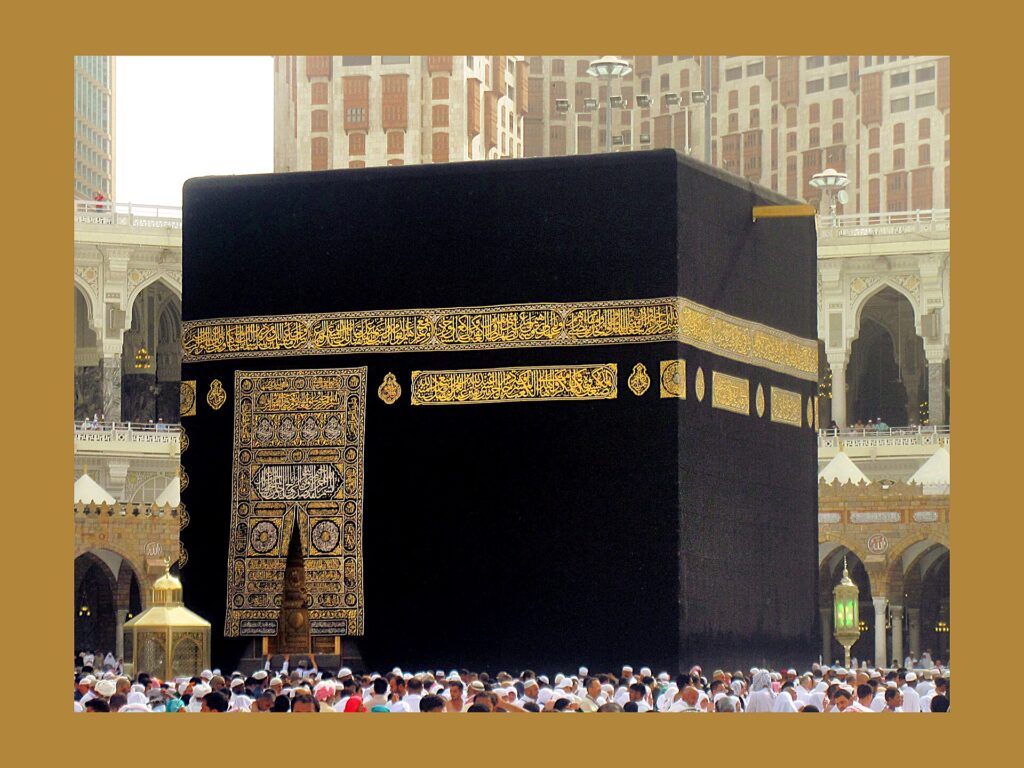
Hajj comes from the Arabic root “hajj” and in the dictionary carries the meanings of “to intend, to turn towards, to visit a revered place”. As a term, it refers to entering ihram, standing at Arafat on the ninth day of Dhul Hijjah and performing tawaf around the Kaaba, together with the other rites connected to these on set days. A person who performs Hajj is called a “hajji”; this title is used only for those who complete the worship of Hajj, and those who perform Umrah do not become hajjis. The word passed into Turkish from Arabic and settled into everyday speech in the forms “hacı” and “hacca gitmek”. In the Ottoman period the Hajj journey was spoken of as the “expedition to the Hijaz”, and the pilgrim caravans together with the “surre procession”; in Turkish today, hac is the common name of both the worship and the journey.
What does Hajj mean?
In the dictionary Hajj means “to turn towards, to intend, to visit”; as a religious term it refers to the obligatory act of worship completed by standing at Arafat in ihram in the month of Dhul Hijjah and performing tawaf around the Kaaba. Hajj is one of the five pillars of Islam and is obligatory once in a lifetime for a Muslim who is able. The form “hijjah” is also used in Arabic; in Turkish the word is written “hac” and should not be confused with “haç”, which means cross.
Hajj in the Qur’an and the Hadiths
The obligation of Hajj rests on the Qur’an. Verse 97 of Surah Al Imran declares, “Pilgrimage to the House is a duty owed to Allah by all people who are able to make the journey”; verse 196 of Surah al-Baqarah says, “Complete the Hajj and the Umrah for Allah.” In verse 27 of Surah al-Hajj, Allah commands the Prophet Ibrahim to call people to Hajj; that the twenty-second surah of the Qur’an is named al-Hajj also shows the place of the worship in the religion. On when Hajj was made obligatory there are views ranging between the sixth and ninth years of the Hijrah; Diyanet conveys the view that takes the ninth year of the Hijrah as its basis.
In the hadiths, Hajj is counted among the fundamental acts of worship of Islam. In the hadith narrated by Bukhari and Muslim, the Prophet (peace be upon him) says that Islam is built on five things: the declaration of faith, prayer, zakat, Hajj and the fast of Ramadan. In a hadith in Bukhari and Muslim it is reported that a person who performs Hajj without saying obscene words and without committing sin will return as free of sins as on the day their mother bore them, and in another hadith that the reward of an accepted Hajj is nothing but Paradise. The Prophet performed Hajj once in his life, the Farewell Hajj in the tenth year of the Hijrah, and taught his community how to perform Hajj on this journey.
The Ruling of Hajj and Its Place Among the Five Pillars of Islam
Hajj is one of the five pillars of Islam and is obligatory once in a lifetime for a Muslim who meets its conditions; this obligation is called “fard al-ayn”, that is, it binds the person themselves. The second and subsequent Hajjs are voluntary. According to the Hanafi school, once Hajj becomes obligatory it should be performed without delay; a person who postpones Hajj despite meeting the conditions, and later becomes unable to go, is obliged to have a badal Hajj performed on their behalf or to make a bequest. We explained the conditions for Hajj becoming obligatory in detail in our article on who Hajj is obligatory for.
Which of the pillars of Islam is Hajj?
According to the order given in the hadith, Hajj is one of the five pillars of Islam; in the narration in Bukhari and Muslim, the declaration of faith, prayer, zakat, Hajj and fasting are mentioned together, with Hajj in fourth place. The order is not a ranking of superiority but the sequence in which they are mentioned in the hadith; each is obligatory for a Muslim who meets its conditions.
The Conditions of Hajj: For Whom Does It Become Obligatory?
For Hajj to become obligatory, certain conditions must be present together in a person; these are called the “conditions of obligation”. Hajj is not obligatory for a person who does not meet the conditions, but they may perform it voluntarily if they wish. According to the Hanafi school these conditions are as follows:
- Being a Muslim: Because Hajj is a pillar of Islam, it is obligatory only for Muslims.
- Being sane and having reached puberty: The Hajj performed by a child who has not reached puberty is rewarded but does not remove the obligation.
- Being free: This condition, listed in classical jurisprudence, is today in practice fulfilled for everyone.
- Financial ability (istita’ah): Having the means to cover the cost of the journey and the maintenance of one’s family until one returns.
- Health and safety of the road: Having a body able to withstand the journey and the road being safe; these are the conditions of performance that require Hajj to be carried out in person.
- Time: Having the time to reach the months of Hajj.
A person who has the financial means but whose health does not permit has a badal Hajj performed in their place; we explained this in our article on badal Hajj. Because Hajj in Türkiye depends on the Diyanet registration and lottery system, registering and waiting for the lottery does not count as postponing the obligation for a person who meets the conditions.
The Obligatory, Necessary and Sunnah Acts of Hajj
According to the Hanafi school, Hajj has three obligatory (fard) acts: ihram, the standing at Arafat and the tawaf of visitation. Ihram is the condition of Hajj, and the standing at Arafat and the tawaf of visitation are its pillars; if one of these is not performed, Hajj does not take place and must be made up the following year. The necessary (wajib) acts of Hajj are sa’i between Safa and Marwah, the standing at Muzdalifah, stoning the Jamarat, shaving or trimming the hair and the farewell tawaf; omitting a necessary act without an excuse requires a penalty but does not invalidate the Hajj. The table below summarises these parts; for the day-by-day performance of the rites, see our guide on how to perform Hajj.
| Ruling | Rite | Place | If omitted |
|---|---|---|---|
| Obligatory (condition) | Ihram | The miqat | Hajj does not begin |
| Obligatory (pillar) | The standing at Arafat | Arafat, 9 Dhul Hijjah | Hajj does not take place; it must be made up |
| Obligatory (pillar) | The tawaf of visitation | Masjid al-Haram, the days of Eid | Hajj is not completed |
| Necessary | Sa’i, the standing at Muzdalifah, stoning the Jamarat, shaving, the farewell tawaf | Masjid al-Haram, Muzdalifah, Mina | A penalty sacrifice (dam) is required |
| Sunnah | The arrival tawaf, the night at Mina on the Day of Tarwiyah, the sermons | Makkah and Mina | Reward is reduced, no penalty |
What are the obligatory acts of Hajj?
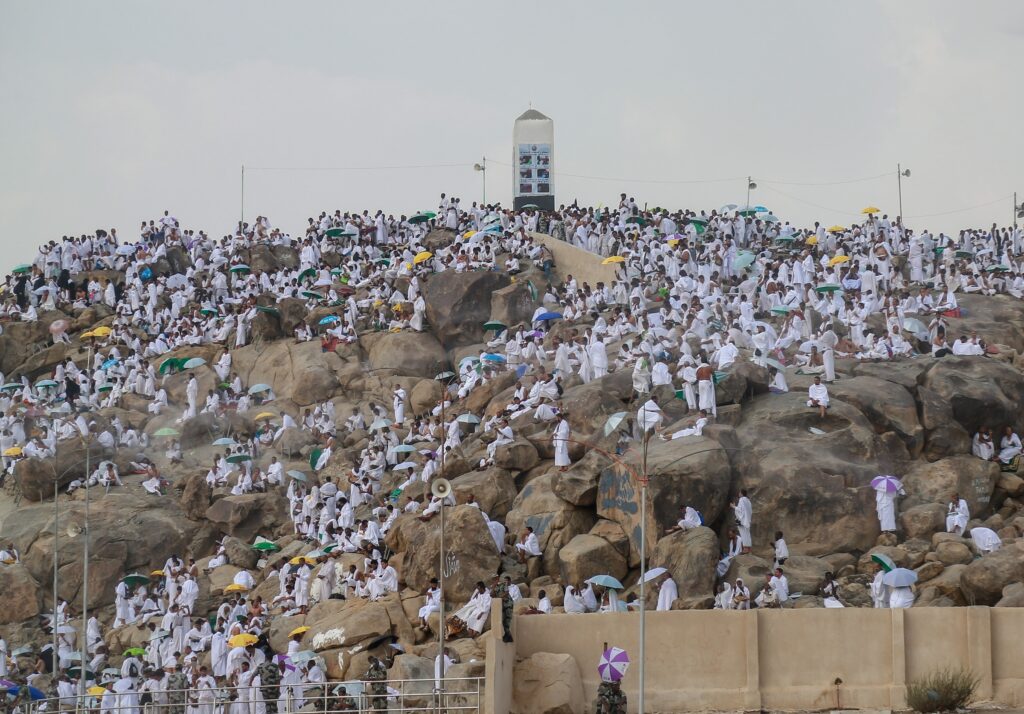
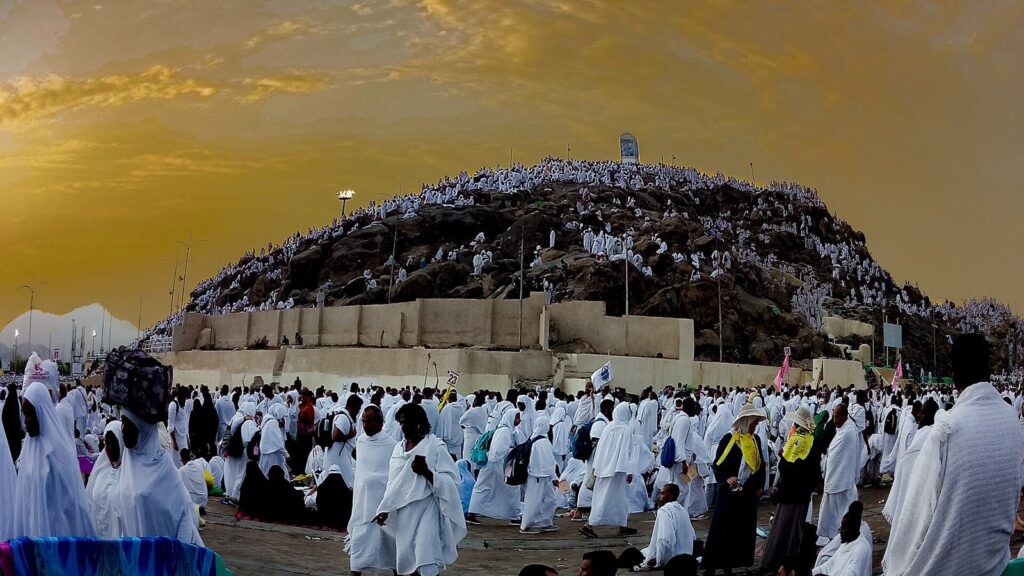
According to the Hanafi school, the obligatory acts of Hajj are ihram, the standing at Arafat and the tawaf of visitation; ihram is the condition and the other two are pillars. In the Shafi’i school, sa’i and shaving are also counted as pillars. The standing at Arafat is fulfilled by being within the boundaries of Arafat for even a moment after noon on the Day of Arafah, and is the most critical obligatory act of Hajj.
The History of Hajj: From the Prophet Ibrahim to the Farewell Hajj
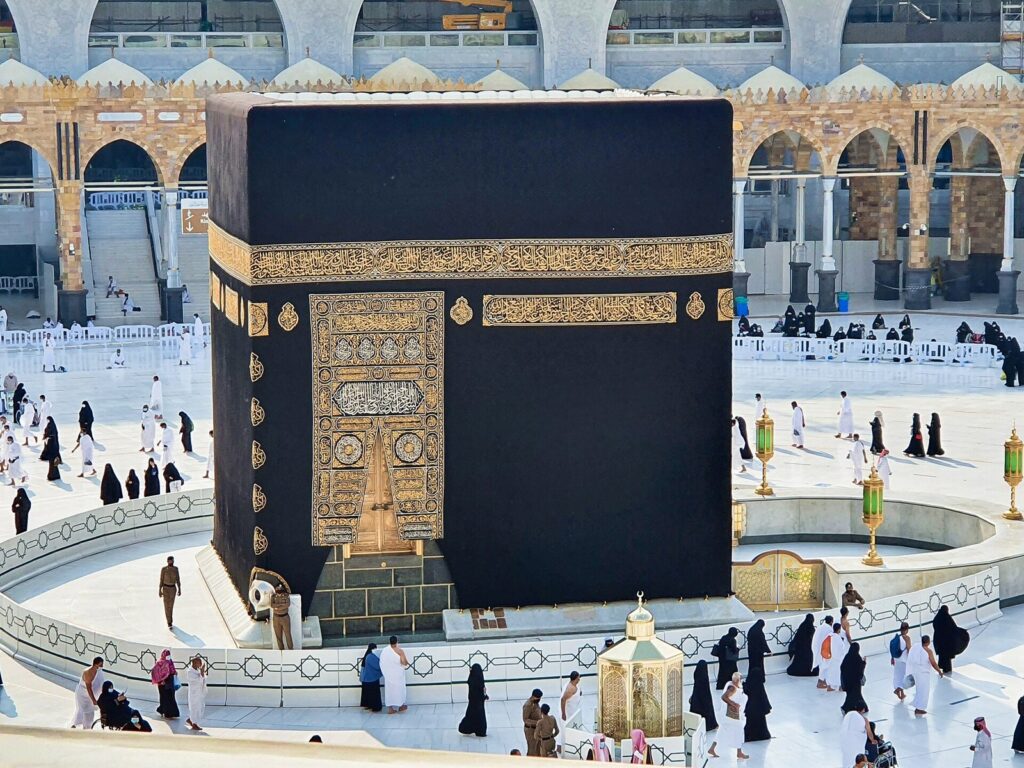
Hajj begins with the building of the Kaaba by the Prophet Ibrahim and his son Ismail; the Qur’an relates that Ibrahim was commanded to call people to Hajj. In time the Arabs, straying from the belief in one God, placed idols in the Kaaba, and in the pre-Islamic period Hajj was mixed with pagan customs. After the conquest of Makkah, the Prophet (peace be upon him) cleansed the Kaaba of idols; in the ninth year of the Hijrah the first Islamic Hajj group went to Makkah under the leadership of Abu Bakr, and the following year the Prophet performed the Farewell Hajj, teaching all the rites of Hajj in person and delivering the Farewell Sermon at Arafat. From that day to this, Hajj has been performed without interruption every year on the same days and in the same places.
When was Hajj made obligatory?
On the year in which Hajj was made obligatory there are views ranging between the sixth, eighth and ninth years of the Hijrah; the Diyanet catechism conveys the view that takes the ninth year of the Hijrah as its basis. The Prophet performed Hajj in the tenth year of the Hijrah, with the Farewell Hajj, and this Hajj became the only one in which the rites were taught in practice.
The Time and Place of Hajj
Hajj is performed only in the months of Hajj, and in practice from the eighth day of Dhul Hijjah to the thirteenth; the standing at Arafat falls on the ninth day, the first day of Eid is given to tawaf, sacrifice and shaving, and the following days to stoning at Mina. Because the Hijri calendar is about eleven days shorter than the Gregorian, Hajj comes at an earlier date each year; the 2027 Hajj is expected to fall in the middle of May. We explained the calendar in our article on when Hajj is performed and the places in our article on where Hajj is performed.
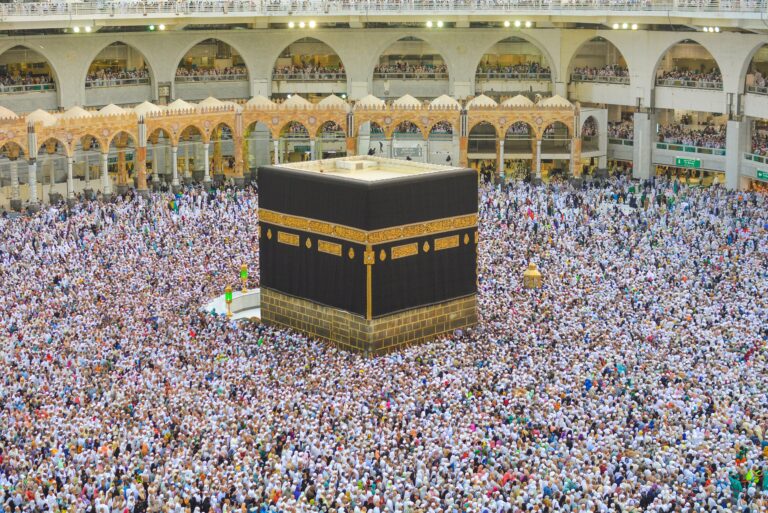
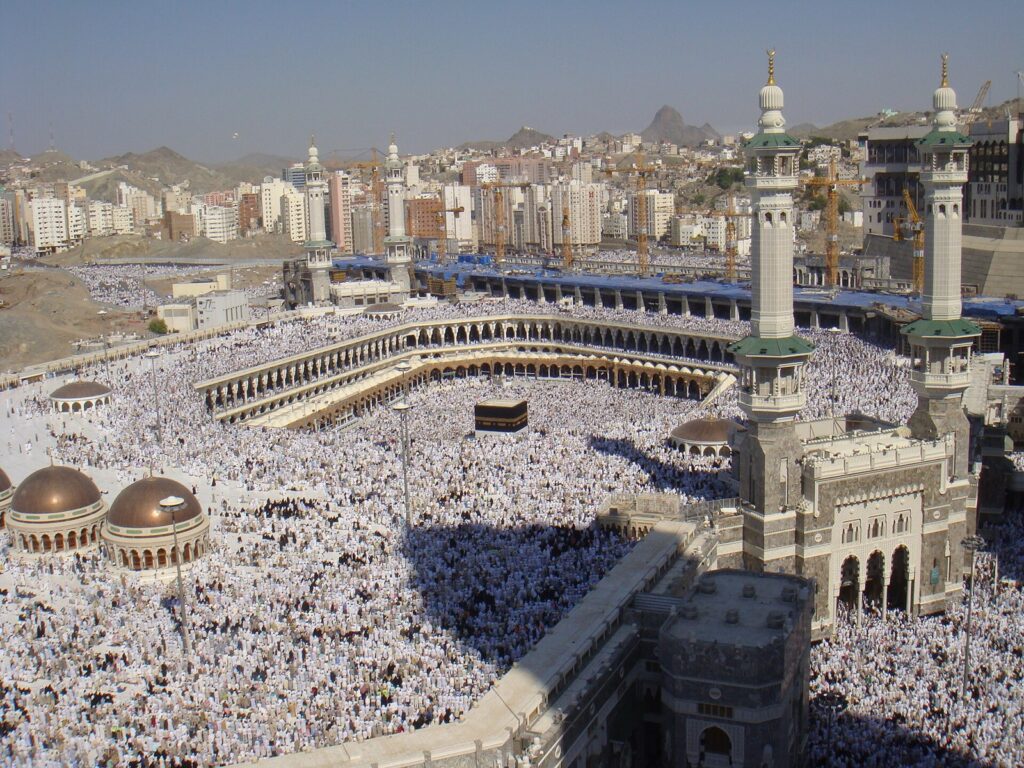
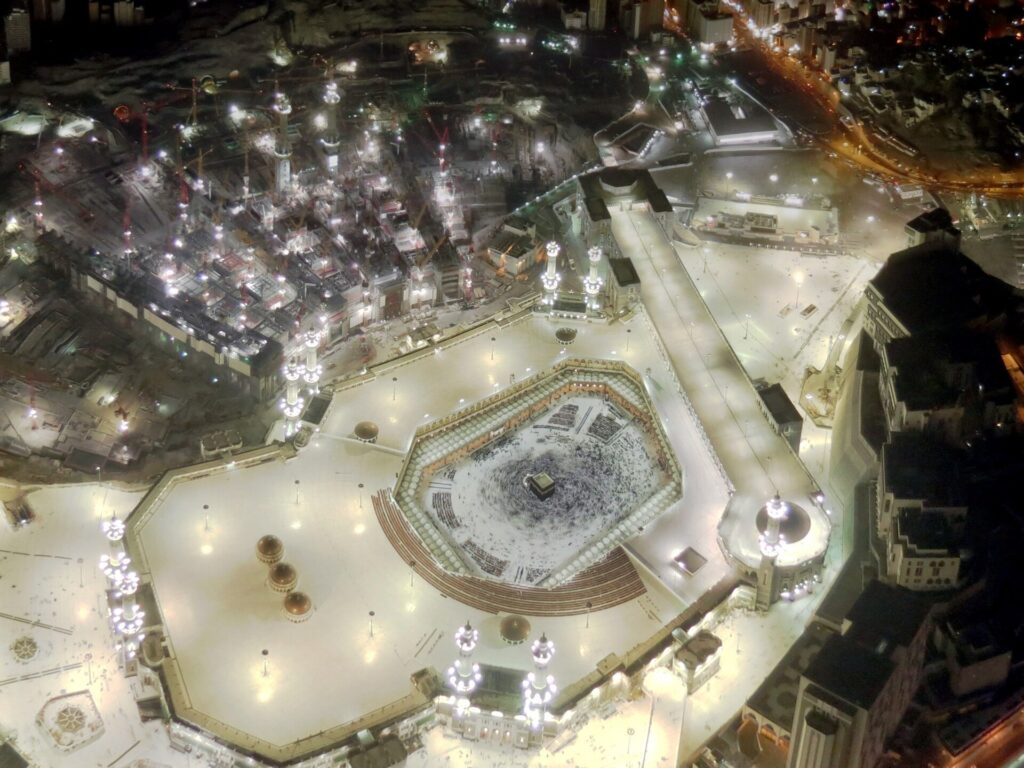
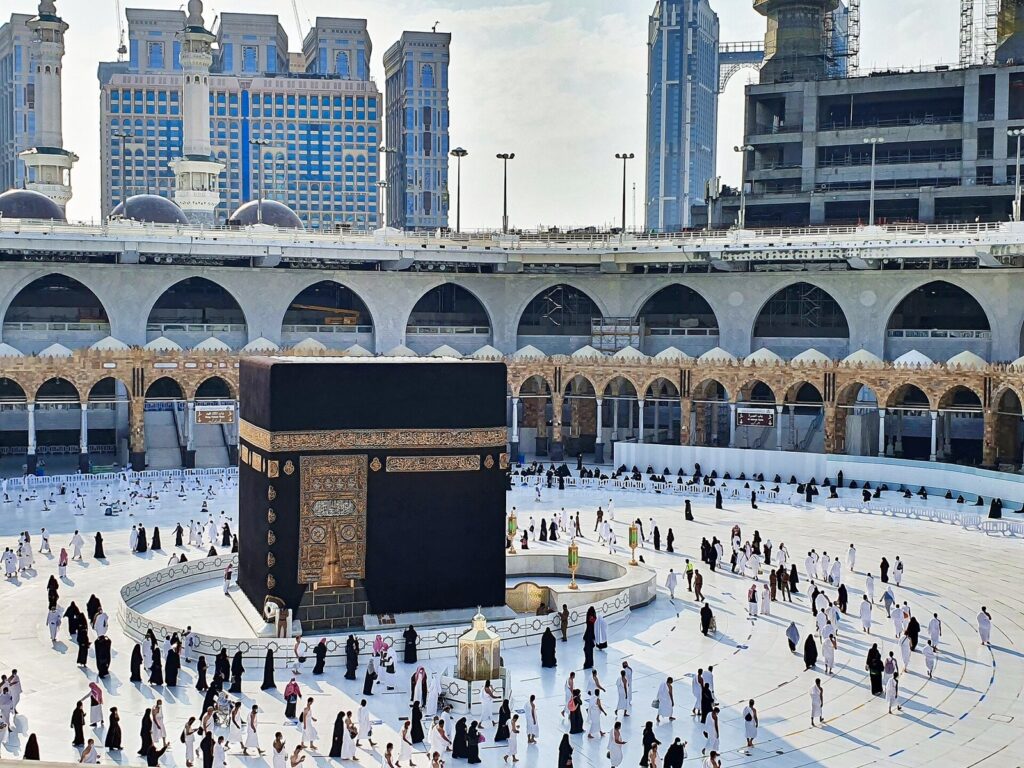
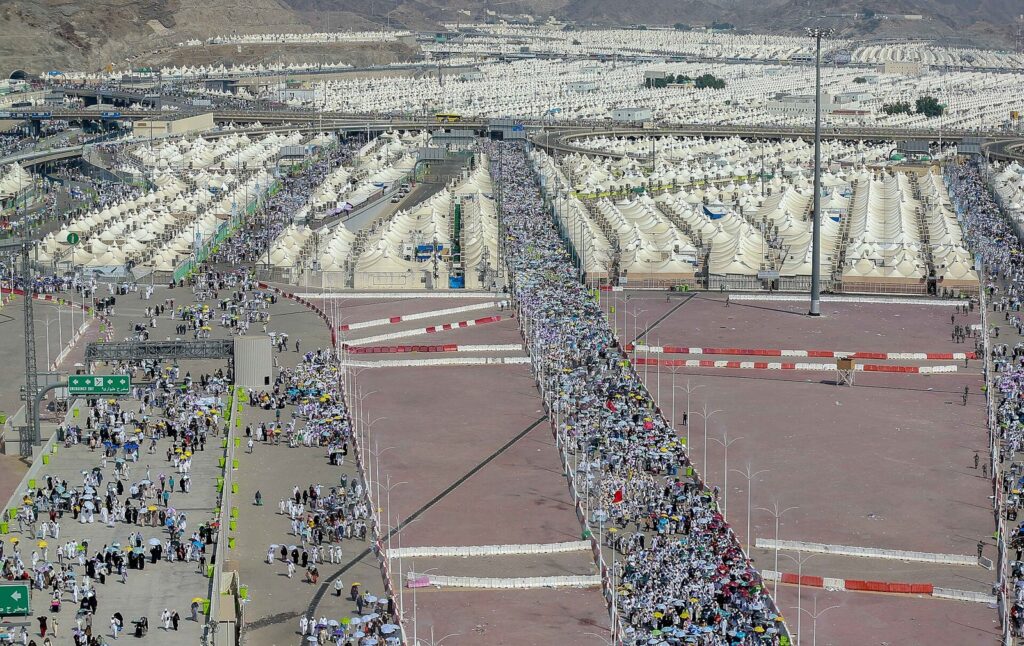
The place of Hajj is the city of Makkah in Saudi Arabia and the areas of Arafat, Muzdalifah and Mina to the east of the city; the visit to Madinah is not part of Hajj. Because millions of people move in the same order for a week in these places, Hajj is the largest collective act of worship in the world.
What Kind of Journey Is Hajj? A Step-by-Step Summary
The shortest way to understand what Hajj is, is to follow the five days of a pilgrim. The summary below shows the common pattern followed by a Turkish pilgrim performing Tamattu’ Hajj:
- Arrival in Makkah: Ihram is entered at the miqat with the intention of Umrah, Umrah is performed in Makkah and ihram is left; until the day of Hajj, worship continues in Masjid al-Haram.
- The Day of Tarwiyah (8 Dhul Hijjah): Ihram is entered again with the intention of Hajj, the pilgrims move to Mina and spend the night there.
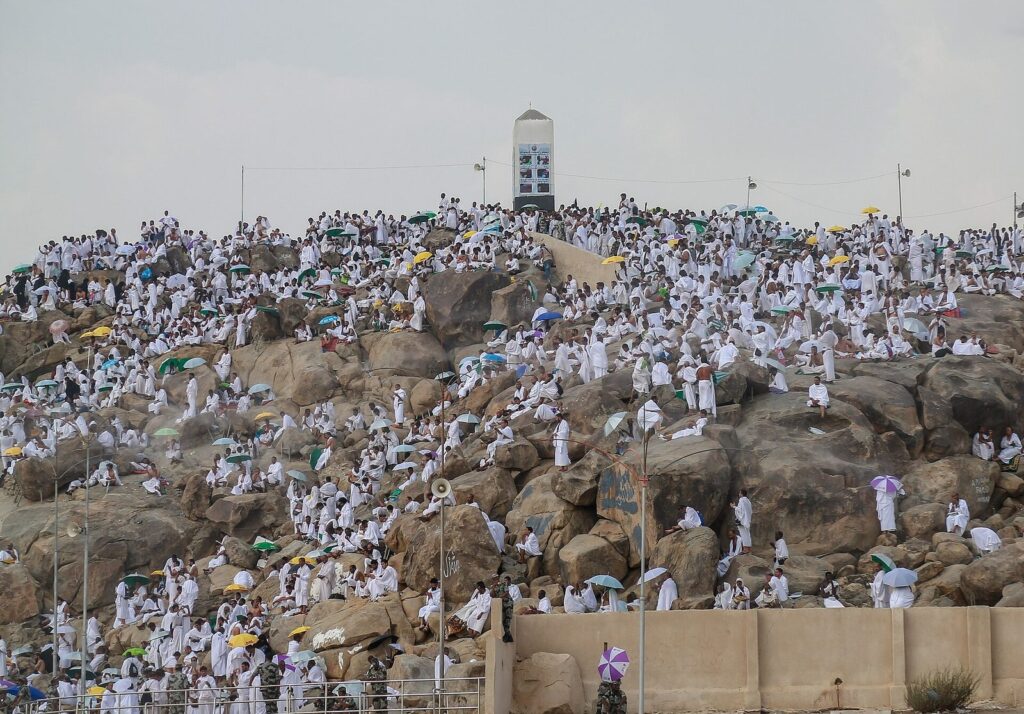
- The Day of Arafah (9 Dhul Hijjah): The standing is performed at Arafat from noon to evening; this is the pillar of Hajj. In the evening the pilgrims go down to Muzdalifah and spend the night there.
- The first day of Eid (10 Dhul Hijjah): After the standing at Muzdalifah, stones are thrown at the Jamrat al-Aqabah at Mina, the sacrifice is made, the hair is shaved, and the pilgrims go down to Makkah for the tawaf of visitation and sa’i.
- The days of Tashriq (11–13 Dhul Hijjah): Stones are thrown at the three pillars at Mina; those in a hurry return to Makkah on the twelfth day.
- The return: The farewell tawaf is performed before leaving Makkah; pilgrims return to Türkiye with a visit to Madinah or directly.
How many days does Hajj take?
The rites of Hajj are spread over six days, from the eighth to the thirteenth of Dhul Hijjah; but Hajj programmes, with the accommodation in Makkah and Madinah, run to several weeks. Diyanet’s programmes offer short and long options; the choice of duration determines the cost of accommodation and the pace of the journey.
The Types of Hajj and Its Difference from Umrah
Hajj is divided into three types according to whether it is performed together with Umrah: Ifrad Hajj, performed with the intention of Hajj alone; Tamattu’ Hajj, in which Umrah is performed first, ihram is left and ihram is entered again for Hajj; and Qiran Hajj, in which Umrah and Hajj are performed in a single ihram. Most pilgrims from Türkiye perform Tamattu’ Hajj. See our article on the types of Hajj for the details of the types. Umrah, on the other hand, is an act of worship that can be performed on any day of the year, does not include Arafat, Muzdalifah and Mina, and is an emphasised Sunnah according to the Hanafi school; we compared the differences between the two in our article on the difference between Hajj and Umrah.
Are Hajj and Umrah the same thing?
No, Hajj and Umrah are different acts of worship. Hajj is an obligatory act performed on set days of the year and including Arafat, Muzdalifah and Mina; Umrah is performed on any day of the year in Makkah and is Sunnah according to the Hanafi school. A person who performs Umrah does not become a hajji, and the obligation of Hajj is not removed from them.
The Wisdom and Virtues of Hajj
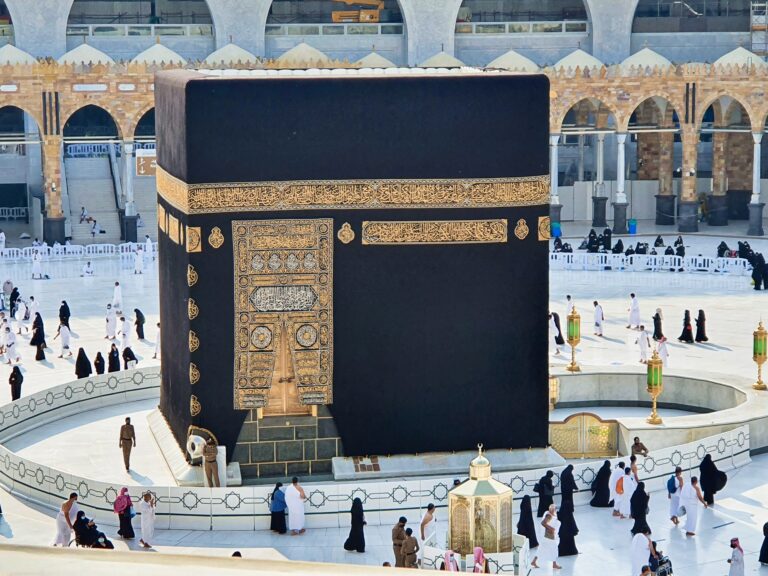
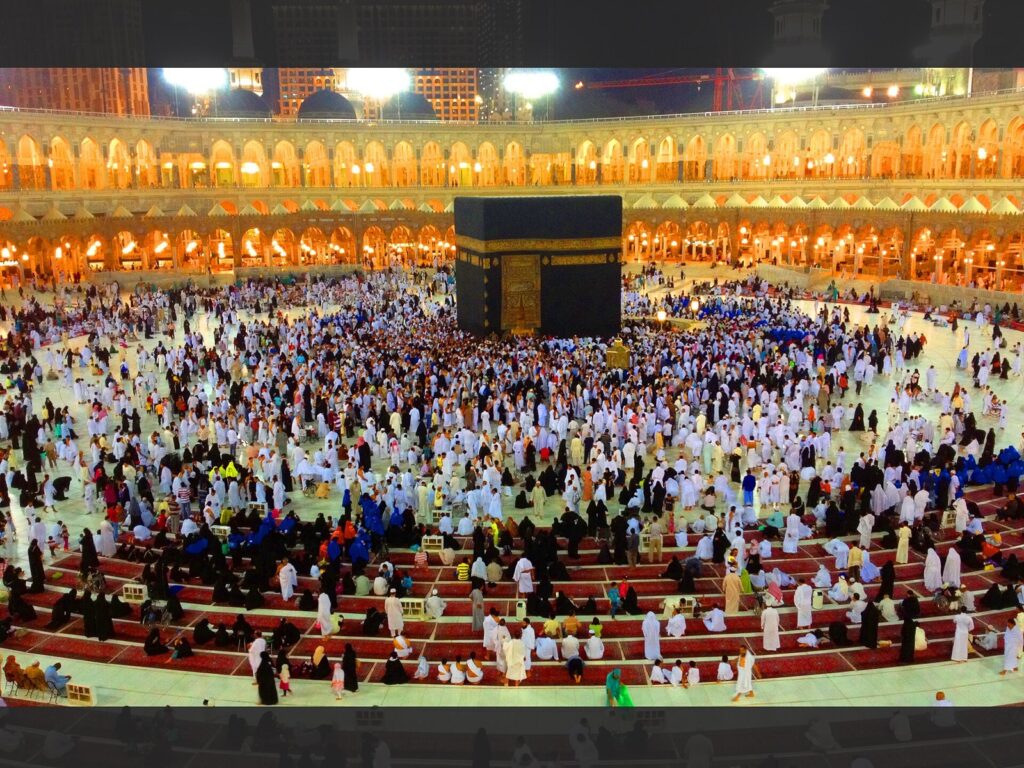
Hajj is a journey in which the servant answers the invitation of Allah and leaves worldly differences behind. The garment of ihram makes the rich and the poor, the ruler and the ordinary person equal; Arafat is a wait like a rehearsal of the Day of Judgement; tawaf is the symbol of placing Allah at the centre of life; stoning the Jamarat is the expression of resolve against evil; the sacrifice recalls the submission of the Prophet Ibrahim. In the hadiths, the reward of an accepted Hajj is described as Paradise, and the return of the pilgrim as being as free of sin as on the day of their birth. For this reason Hajj is regarded as the once-in-a-lifetime summit of a life, and pilgrims try to build a new order of life on their return. The social dimension of Hajj is also among its wisdoms: Muslims from all over the world come together on the same days, in the same dress and with the same words; differences of language, race and class lose their meaning at Arafat. The emphasis in the Farewell Sermon on the equality and rights of human beings is the clearest expression of this unity.
Important: According to the Hanafi school it is not permissible for a person for whom Hajj is obligatory to postpone it. Because Hajj in Türkiye is performed through Diyanet’s registration and lottery system, a person who believes Hajj has become obligatory for them should pre-register as soon as possible, renew their registration every year and wait for the lottery.
How Do You Go on Hajj from Türkiye?
Going on Hajj from Türkiye requires passing through the pre-registration, registration renewal and lottery system of Diyanet; those whose names are drawn go on Hajj with Diyanet’s organisation or with the programmes of the agencies supervised by Diyanet. We explained the process step by step in our article on how to apply for Hajj. At RotaNur we organise our Hajj programmes with a guide for our guests whose names have been drawn; for the options see our Hajj tours page, and for your questions write to us 24/7 from our contact page or the WhatsApp button on this page.
Frequently Asked Questions
At what age does Hajj become obligatory?
Hajj is obligatory for a Muslim who is sane, has reached puberty, is free, is in good health and has the financial means to cover the cost of the journey; there is no specific age limit, it begins with puberty. The Hajj performed by children with their guardians is rewarded but does not remove the obligation; if the conditions are met after puberty, Hajj is required again.
Is a person who does not go on Hajj sinful?
Because Hajj is not obligatory for a person who does not meet the conditions, not going is not a sin. A person who postpones without excuse despite meeting the conditions, according to the Hanafi school, has delayed an obligation; if they cannot go before they die, they must bequeath that a badal Hajj be performed on their behalf. In Türkiye, waiting for the lottery is a valid excuse; registering and waiting is enough.
What is a person who performs Hajj called?
A person who completes the worship of Hajj is called a “hajji”; for women, popular expressions such as “hajji mother” or “hajji lady” are used in Turkish. A person who performs Umrah does not become a hajji. The title of hajji is not a religious rank but the name of having fulfilled the worship; welcoming the pilgrim on their return and asking for their dua is a deep-rooted tradition in Türkiye.
Can women go on Hajj alone?
The mahram rules for women’s Hajj and Umrah travel have been relaxed by Saudi Arabia in recent years; in Diyanet’s organisation women travel in groups and accompanied by officials. The juristic views differ between the schools; learn the current practice from Diyanet’s registration announcement and from your agency.
Are hajj and the cross the same thing?
No, “hac” in Turkish is the Islamic pilgrimage to the Kaaba; “haç” is the symbol of the cross in Christianity. Because the two words are written with only one letter’s difference in Turkish, they are confused. Hajj, from the Arabic root “hajj”, is the name of the worship mentioned in the Qur’an and the hadiths.

Cihat Murat Yüksel is the editor of the RotaNur blog and the founder of Markention. Drawing on the sources of Türkiye's Presidency of Religious Affairs (Diyanet), he turns the questions travellers ask most about preparing for Umrah, Hajj and halal travel into clear, practical guides.
Questions answered in this article
What does Hajj mean?
In the dictionary Hajj means “to turn towards, to intend, to visit”; as a religious term it refers to the obligatory act of worship completed by standing at Arafat in ihram in the month of Dhul Hijjah and performing tawaf around the Kaaba. Hajj is one of the five pillars of Islam and is obligatory once in a lifetime for a Muslim who is able. The form “hijjah” is also used in Arabic; in Turkish the word is written “hac” and should not be confused with “haç”, which means cross.
Which of the pillars of Islam is Hajj?
According to the order given in the hadith, Hajj is one of the five pillars of Islam; in the narration in Bukhari and Muslim, the declaration of faith, prayer, zakat, Hajj and fasting are mentioned together, with Hajj in fourth place. The order is not a ranking of superiority but the sequence in which they are mentioned in the hadith; each is obligatory for a Muslim who meets its conditions.
The Conditions of Hajj: For Whom Does It Become Obligatory?
For Hajj to become obligatory, certain conditions must be present together in a person; these are called the “conditions of obligation”. Hajj is not obligatory for a person who does not meet the conditions, but they may perform it voluntarily if they wish. According to the Hanafi school these conditions are as follows:
What are the obligatory acts of Hajj?
According to the Hanafi school, the obligatory acts of Hajj are ihram, the standing at Arafat and the tawaf of visitation; ihram is the condition and the other two are pillars. In the Shafi’i school, sa’i and shaving are also counted as pillars. The standing at Arafat is fulfilled by being within the boundaries of Arafat for even a moment after noon on the Day of Arafah, and is the most critical obligatory act of Hajj.
When was Hajj made obligatory?
On the year in which Hajj was made obligatory there are views ranging between the sixth, eighth and ninth years of the Hijrah; the Diyanet catechism conveys the view that takes the ninth year of the Hijrah as its basis. The Prophet performed Hajj in the tenth year of the Hijrah, with the Farewell Hajj, and this Hajj became the only one in which the rites were taught in practice.
How many days does Hajj take?
The rites of Hajj are spread over six days, from the eighth to the thirteenth of Dhul Hijjah; but Hajj programmes, with the accommodation in Makkah and Madinah, run to several weeks. Diyanet’s programmes offer short and long options; the choice of duration determines the cost of accommodation and the pace of the journey.