


Contents 20 sections
- The Stone Bridge and the Banks of the Vardar
- Where do you start sightseeing in Skopje?
- The Old Bazaar: The Largest Ottoman Bazaar in the Balkans
- Inns, the Bezistan and Bathhouses: The Ottoman Memory of the Bazaar
- Why is the Kuršumli Han important?
- Skopje Fortress and Its View
- Macedonia Square and the New City
- What is there to see in Skopje besides the Ottoman heritage?
- Mount Vodno and the Millennium Cross
- Matka Canyon: Half an Hour from the City
- How do you get to Matka Canyon?
- Day Trips from Skopje: Ohrid and Tetovo
- Halal Travel Notes: Food, Prayer and Shopping
- Is Turkish spoken in Skopje?
- Sample Route: Skopje in Three Days
- How many days are enough for Skopje?
- When is the best time to visit Skopje?
- Getting to Skopje and Getting Around
- How do you get from Skopje airport to the city?
- Frequently Asked Questions
For anyone who wants to get to know one of the most Ottoman cities left in the Balkans in two or three days, the list of places to visit in Skopje stretches from the Stone Bridge to Matka Canyon. Built on both banks of the Vardar River, Skopje is Ottoman on one bank, with its five-hundred-year-old Old Bazaar, its mosques, inns and baths, and a modern capital on the other, with Macedonia Square full of monuments. The birthplace of the Turkish poet Yahya Kemal, who remembered it in his poem “The Lost City”, Skopje treats Turkish visitors like a host, with its Turkish-speaking shopkeepers and halal cuisine. In this guide, we at RotaNur have gathered twelve stops, the day trips from the city, halal travel notes and a sample route; because opening hours and entrance fees can change, confirm them from up-to-date sources before you travel.
The Stone Bridge and the Banks of the Vardar
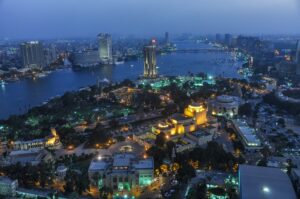
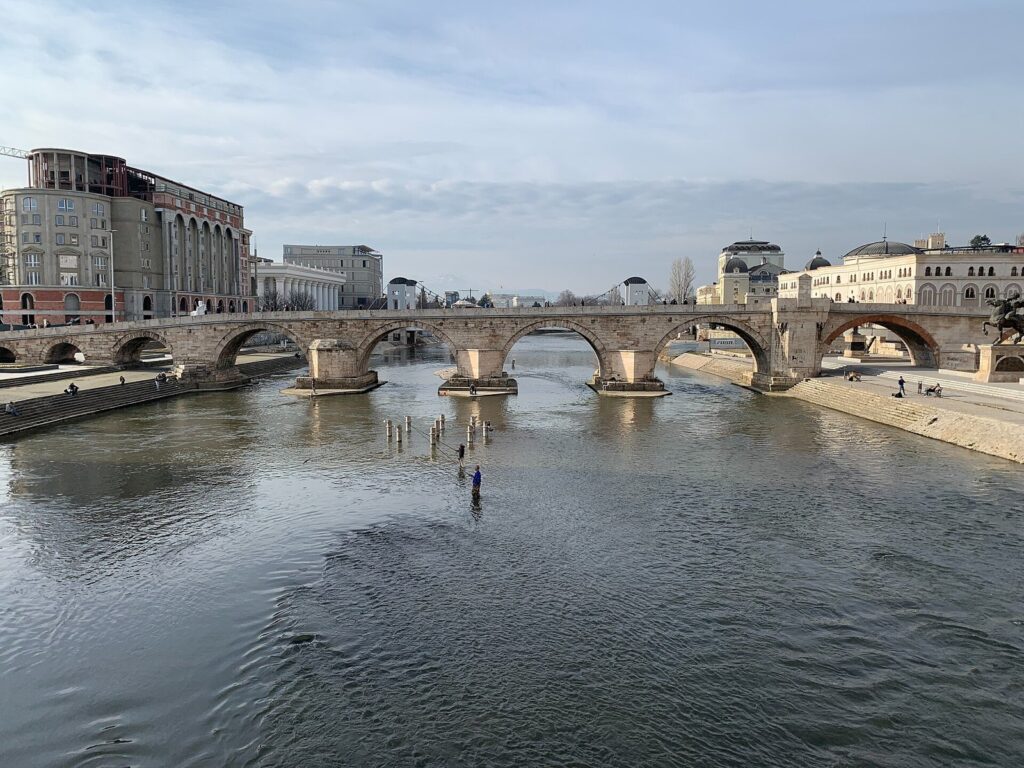
The symbol of Skopje, the Stone Bridge, has linked the two banks of the Vardar River since the 15th century; the bridge, which took its present form in the reign of Sultan Mehmed the Conqueror, is the boundary between Ottoman Skopje and the new city. At one end of the bridge are Macedonia Square and the giant “Warrior” statue, at the other the entrance to the Old Bazaar. The riverside walk, the colonnaded facade of the Archaeological Museum and the new footbridges over the river are ideal for an evening stroll.
Where do you start sightseeing in Skopje?
The best starting point is the Stone Bridge: starting from Macedonia Square on the new-city side, crossing the bridge and entering the Old Bazaar lets you see the two faces of the city in ten minutes. Going up to the fortress after the bazaar and looking down on the Vardar from above is the most efficient route for the first day.
The Old Bazaar: The Largest Ottoman Bazaar in the Balkans
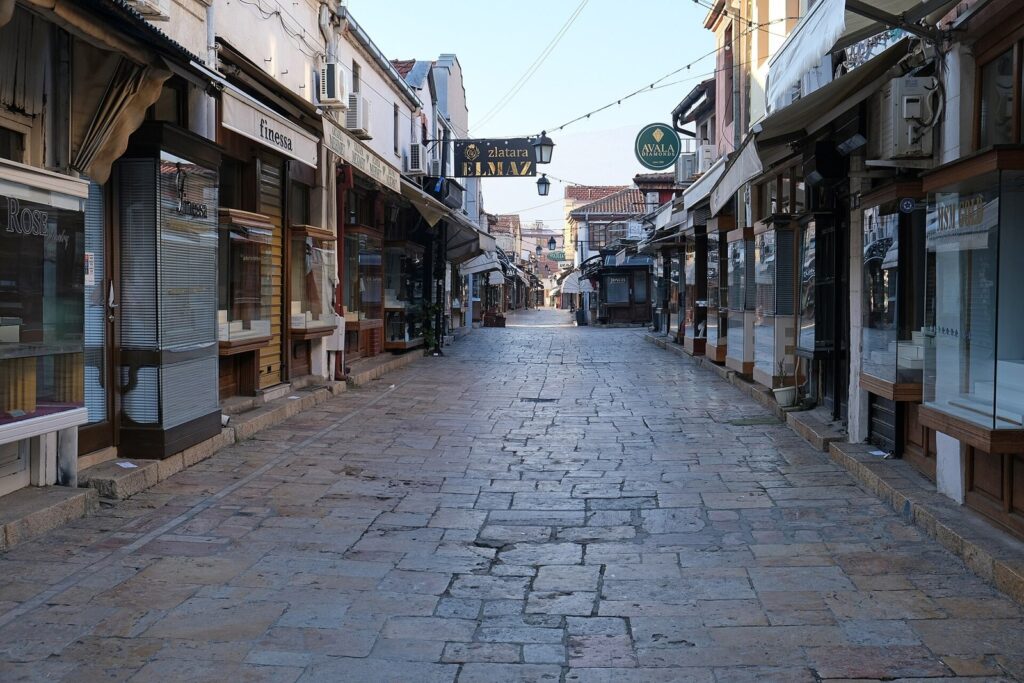
Also known as the Turkish Bazaar, the Old Bazaar is considered the largest Ottoman bazaar outside Istanbul. In its cobbled streets, jewellers, coppersmiths, tailors, kebab shops and coffee houses stand side by side; within and around the bazaar there are a dozen mosques, three inns and two bathhouses. The bezistan, the Kapan Han, the Suli Han and the Kuršumli Han tell the story of the bazaar’s trading past; the Kuršumli Han is visited today as a museum. Hearing Turkish in the bazaar is normal; a significant proportion of the shopkeepers are Turkish or Turkish-speaking Albanians and Macedonians.
- The Mustafa Pasha Mosque (1492): On the hill at the upper end of the bazaar, facing the fortress; a classical single-domed Ottoman mosque and, with the fountain in its courtyard, the most beautiful place of worship in the city.
- The Yahya Pasha Mosque (1504): Outside the bazaar, recognisable from afar by its tall minaret.
- The Sultan Murad Mosque (1436): The oldest mosque in Skopje; the clock tower and tombs beside it are worth seeing.
- The Isa Bey and Murad Pasha mosques: Buildings of the 15th and 16th centuries inside the bazaar, seen on a short walk.
- The Daut Pasha Hammam: The thirteen-domed bathhouse is today the National Art Gallery; the Čifte Hammam hosts contemporary art exhibitions.
Inns, the Bezistan and Bathhouses: The Ottoman Memory of the Bazaar
The buildings that turn the Old Bazaar from a shopping street into an open-air museum are its inns, bezistan and bathhouses from the 15th and 16th centuries. The Kuršumli Han, with its lead-covered domes and two-storey courtyard, is one of the best-preserved Ottoman inns in the Balkans; today it is visited as a museum, and Roman stone monuments are displayed in its courtyard. The Kapan Han and the Suli Han have been restored and are used as cafés, workshops and exhibition spaces; the courtyard of the Suli Han houses the Museum of the Old Bazaar. The bezistan, in the middle of the bazaar, is a covered market lined with shops, known for its jewellers.
The Daut Pasha Hammam, with its thirteen domes, is the largest Ottoman bathhouse in the Balkans and serves as the National Art Gallery; the Čifte Hammam hosts contemporary art exhibitions. Most of these buildings were damaged in the earthquake of 1963 and repaired through joint restoration projects of Türkiye and North Macedonia. Looking at the inscriptions on the door arches and the lead cladding on the domes as you walk through the bazaar is to see the city’s five hundred years of Turkish memory.
Why is the Kuršumli Han important?
Built in the 16th century, the Kuršumli Han is one of the best-preserved Ottoman caravanserais in the Balkans, with its lead-covered domes; its two-storey courtyard, rooms and stables show the Ottoman trading order. Today it displays archaeological stone monuments under the National Museum of North Macedonia; the visit takes half an hour and it lies inside the Old Bazaar.
Skopje Fortress and Its View
Rising on the hill just above the bazaar, Skopje Fortress (Kale) is the city’s best viewpoint, with walls surviving from the Byzantine and Ottoman periods; excavations have uncovered finds going back to the Neolithic period, and part of the walls has been restored and opened for walking. When you climb the walls, the lead domes of the Old Bazaar are seen on one side and the Vardar and the new city on the other; in the background rise Mount Vodno and the Millennium Cross at its summit. The visit to the fortress takes half an hour; going up close to sunset is the best time for photographs. The fortress is reached on foot from the bazaar in ten minutes, and admission is free.
Macedonia Square and the New City
Macedonia Square, to the south of the Stone Bridge, is the controversial but worthwhile face of Skopje, with monuments built in the 2010s, neoclassical facades and giant statues. The Mother Teresa Memorial House at the edge of the square tells the life of Mother Teresa, who was born in Skopje. The clock of the nearby Old Railway Station is set to the moment of the 1963 earthquake, 5.17 in the morning, and today serves as the City Museum. In the new city, the cafés, shopping streets and riverside parks along the Vardar are suitable for the evening hours.
What is there to see in Skopje besides the Ottoman heritage?
The monuments and neoclassical buildings of Macedonia Square, the Old Railway Station and City Museum that tell of the 1963 earthquake, the Mother Teresa Memorial House, the Archaeological Museum on the banks of the Vardar and the Millennium Cross on Mount Vodno show the city’s non-Ottoman face. Matka Canyon and the Monastery of St Panteleimon at Nerezi, with its Byzantine frescoes, are the best-known stops outside the city.
Mount Vodno and the Millennium Cross
Mount Vodno, rising to the south of the city, is reached by cable car; the Millennium Cross at the summit is one of the largest crosses in the Balkans, and the whole of Skopje is seen from the viewing area around it. The mountain, with its walking trails and picnic areas, is the weekend escape of the people of Skopje; it is cool in summer and snowy in winter. Because the days and hours of the cable car change with the season, they should be checked before going.
Matka Canyon: Half an Hour from the City
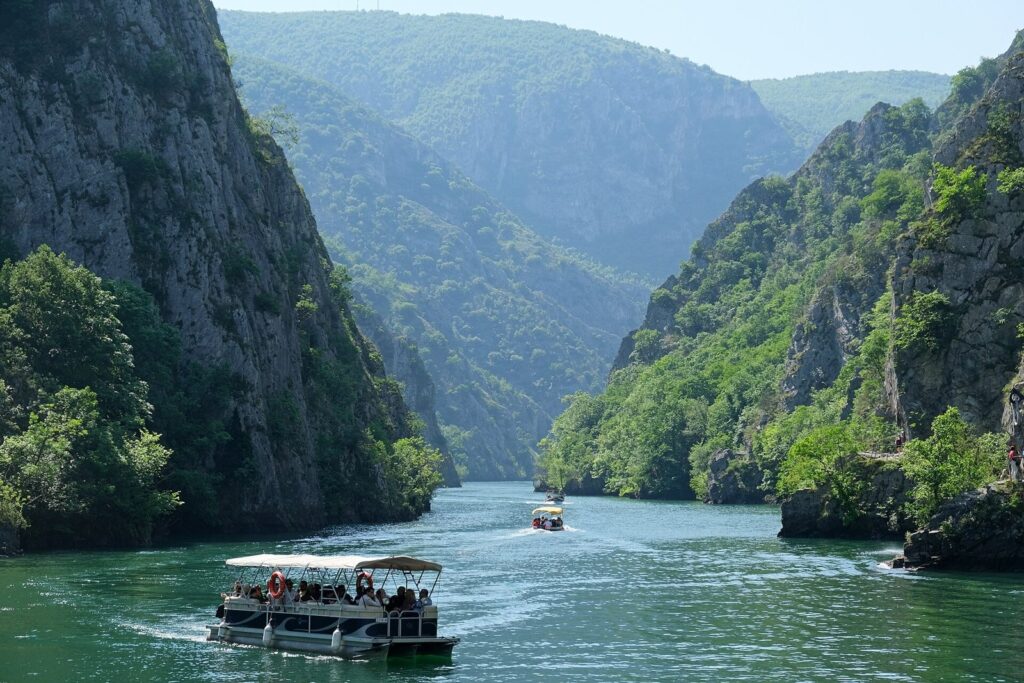
Matka Canyon, fifteen kilometres west of Skopje, is the nature break of a city trip, with its steep cliffs, green water and caves formed by the Treska River. A boat trip is made on the reservoir in the canyon, the Vrelo Cave is visited, small medieval monasteries carved into the cliffs are seen; the walking path along the canyon is ideal for a quiet morning. Activities such as kayaking and rafting depend on the season. In most Balkan tours, Matka is placed in the second half of the Skopje day.
How do you get to Matka Canyon?
Matka Canyon is about fifteen kilometres from the centre of Skopje; it is reached in half an hour by taxi or city bus, and by group vehicle on tour programmes. Entry to the canyon is free; the boat trip and the cave visit are paid separately. Comfortable shoes for walking, a hat and water in summer and a windproof coat in winter are enough.
Day Trips from Skopje: Ohrid and Tetovo
Within two or three hours of Skopje are two indispensable stops of Balkan tours. Ohrid, with its lake on the UNESCO World Heritage List, its fortress, its ancient theatre and its churches built on the cliffs, is the most beautiful city in Macedonia; as it is three hours from Skopje, a night is usually spent there. Tetovo (Kalkandelen), forty-five minutes from Skopje, is known for the Coloured Mosque (Šarena Džamija), whose exterior is decorated from top to bottom. The Bektashi Harabati Baba Tekke in Tetovo is also worth seeing. In programmes combined with Bosnia, Skopje is a stop of one or two nights before or after Sarajevo; we collected the Bosnian stops in our article on places to visit in Bosnia and Herzegovina.
Halal Travel Notes: Food, Prayer and Shopping
Skopje is a city with a large Muslim population where halal food is easy to find. The kebab shops in the Old Bazaar serve familiar dishes such as köfte, chicken shish and pide; Skopje’s famous köfte, boza, tulumba dessert and Turkish coffee are part of a bazaar visit. The daily prayers are performed in congregation in the mosques of the bazaar; for the Friday prayer the Mustafa Pasha and Sultan Murad mosques are the most popular. In the restaurants of the new city the meat may not be halal; ask when in doubt, or prefer the bazaar.
- The currency is the Macedonian denar; the euro is also accepted in the bazaar, but change is given in denars.
- Turkish is widespread among the bazaar shopkeepers and the older generation; the city has Turkish-language schools and Turkish neighbourhoods.
- Turkish citizens can enter without a visa for short visits; confirm the current conditions for entry with an identity card with the Turkish Ministry of Foreign Affairs.
- Copper coffee pots, filigree silver jewellery, Macedonian carpets, ajvar and Ohrid pearls are bought as souvenirs.
Important: The Harabati Baba Tekke in Tetovo and the tombs in Skopje are religious places open to visitors; be quiet inside, watch for the sections not entered with shoes, and ask the attendant before taking photographs. Tourist visits are not made in mosques during the prayer; visit after the prayer.
Is Turkish spoken in Skopje?
Yes, a Turkish-speaking Turkish community lives in Skopje; most of the shopkeepers in the Old Bazaar speak Turkish, and the city has Turkish schools and associations. The official languages are Macedonian and Albanian; English is also sufficient in the new city. In Skopje, the city of Yahya Kemal, Turkish signs and Turkish-speaking young people are often encountered.
Sample Route: Skopje in Three Days
The plan below shows a pattern often used in Balkan tours and independent trips; if Ohrid is added, one more day is needed.
| Day | Region | Stops |
|---|---|---|
| 1 | Old Skopje | The Stone Bridge, the Old Bazaar, the bezistan and inns, the Mustafa Pasha Mosque, Skopje Fortress, dinner in the bazaar in the evening |
| 2 | New city and Vodno | Macedonia Square, the Mother Teresa Memorial House, the Old Railway Station, the Vodno cable car and the Millennium Cross in the afternoon |
| 3 | Outside the city | Matka Canyon boat trip in the morning, the Coloured Mosque in Tetovo in the afternoon; or a full day in Ohrid |
How many days are enough for Skopje?
One full day is enough for the old and new city, and a second day for Vodno and Matka; those who also want to see Ohrid should set aside three or four days. In Balkan tours, Skopje is usually visited with one or two overnight stays and connected to Ohrid and Sarajevo.
When is the best time to visit Skopje?
April to October is the most suitable period for a city trip and for Matka; although Skopje is hot in the summer months, Vodno and Matka stay cool. In the winter months the bazaar is quiet and Vodno is covered in snow; in Ramadan the Old Bazaar gains a different liveliness with its iftar tables. Spring and autumn are also ideal for day trips to Ohrid.
Getting to Skopje and Getting Around
Direct flights from Istanbul to Skopje take less than two hours; the airport is half an hour from the city centre, with an airport bus and taxis. In the city centre, the Stone Bridge, the Old Bazaar, the fortress and Macedonia Square are within walking distance of each other; for the Vodno cable car and Matka, a city bus or taxi is used. On Balkan tours, Skopje is usually reached by road via Sofia, Thessaloniki or Pristina; the connections to Prizren and Ohrid are on the same route. Taxi fares are reasonable, but you should ask for the meter to be switched on or agree the fare before getting in.
How do you get from Skopje airport to the city?
Skopje International Airport is about twenty-five kilometres from the city centre; the airport bus runs according to the flight times, and taxis reach the centre in half an hour. On tour programmes the transfer is made by group vehicle. There is an exchange office and shops selling local SIM cards at the airport; it is practical to change a small amount into denars at the airport for small purchases.
Skopje, reached from Istanbul by a flight of less than two hours, is one of the easiest cities for a first Balkan trip, with its Ottoman bazaar, halal cuisine and Turkish-speaking shopkeepers. At RotaNur we organise our Balkan programmes with an expert guide, with attention to the Friday prayer and the etiquette of visits; you can see the programmes combining Skopje with Sarajevo, Mostar and Ohrid on our Bosnia and Balkans tours page, other routes on our culture tours page, read our halal travel criteria in our article on what halal tourism is, and for your questions write to us 24/7 from our contact page or the WhatsApp button on this page.
Frequently Asked Questions
Which country is Skopje in?
Skopje is the capital of North Macedonia; the country lies in the Balkans between Serbia, Kosovo, Albania, Greece and Bulgaria. The city was founded on the banks of the Vardar River, and about a quarter of the country’s population lives there. In the Ottoman period it remained under Turkish rule for more than five hundred years.
What currency is used in Skopje?
The currency of North Macedonia is the Macedonian denar. Exchange offices are common in the bazaar and the square; cards are accepted in restaurants and hotels, while bazaar shopkeepers mostly ask for cash. Although the euro is accepted in some places, change is given in denars, so it is more practical to keep denars for small purchases.
How do you get from Skopje to Sarajevo?
There is generally no direct flight between Skopje and Sarajevo; the road via Kosovo and Serbia or Montenegro takes more than ten hours. Balkan tours make this journey by coach, breaking it with intermediate stops such as Prizren or Belgrade. For independent travellers, the most practical way is two separate flights via Istanbul.
Where are the traces of Yahya Kemal in Skopje?
Yahya Kemal Beyatlı was born in Skopje in 1884; the neighbourhood where he spent his childhood is around the Old Bazaar. On the site of the poet’s birthplace there is today a commemorative information plaque; the Yahya Kemal College in Skopje also takes its name from him. Reading “The Lost City” as you walk around the city lets you see the bazaar with different eyes.
Is Skopje a safe city?
Skopje is one of the quiet capitals of the Balkans; you can walk in the tourist areas at any hour of the day. It is enough to keep an eye on your bag and phone against pickpockets in the crowded bazaar and to avoid deserted streets late at night. Because groups on tour programmes move with a guide, no additional precautions are needed for safety.
Cihat Murat Yüksel is the editor of the RotaNur blog and the founder of Markention. Drawing on the sources of Türkiye's Presidency of Religious Affairs (Diyanet), he turns the questions travellers ask most about preparing for Umrah, Hajj and halal travel into clear, practical guides.
Questions answered in this article
Where do you start sightseeing in Skopje?
The best starting point is the Stone Bridge: starting from Macedonia Square on the new-city side, crossing the bridge and entering the Old Bazaar lets you see the two faces of the city in ten minutes. Going up to the fortress after the bazaar and looking down on the Vardar from above is the most efficient route for the first day.
Why is the Kuršumli Han important?
Built in the 16th century, the Kuršumli Han is one of the best-preserved Ottoman caravanserais in the Balkans, with its lead-covered domes; its two-storey courtyard, rooms and stables show the Ottoman trading order. Today it displays archaeological stone monuments under the National Museum of North Macedonia; the visit takes half an hour and it lies inside the Old Bazaar.
What is there to see in Skopje besides the Ottoman heritage?
The monuments and neoclassical buildings of Macedonia Square, the Old Railway Station and City Museum that tell of the 1963 earthquake, the Mother Teresa Memorial House, the Archaeological Museum on the banks of the Vardar and the Millennium Cross on Mount Vodno show the city’s non-Ottoman face. Matka Canyon and the Monastery of St Panteleimon at Nerezi, with its Byzantine frescoes, are the best-known stops outside the city.
How do you get to Matka Canyon?
Matka Canyon is about fifteen kilometres from the centre of Skopje; it is reached in half an hour by taxi or city bus, and by group vehicle on tour programmes. Entry to the canyon is free; the boat trip and the cave visit are paid separately. Comfortable shoes for walking, a hat and water in summer and a windproof coat in winter are enough.
Is Turkish spoken in Skopje?
Yes, a Turkish-speaking Turkish community lives in Skopje; most of the shopkeepers in the Old Bazaar speak Turkish, and the city has Turkish schools and associations. The official languages are Macedonian and Albanian; English is also sufficient in the new city. In Skopje, the city of Yahya Kemal, Turkish signs and Turkish-speaking young people are often encountered.
How many days are enough for Skopje?
One full day is enough for the old and new city, and a second day for Vodno and Matka; those who also want to see Ohrid should set aside three or four days. In Balkan tours, Skopje is usually visited with one or two overnight stays and connected to Ohrid and Sarajevo.