


Contents 22 sections
- Getting to Know Baku: The Pearl of the Caspian
- What are the historic places to visit in Baku?
- Icherisheher: History Within the Walls
- The Maiden Tower
- The Palace of the Shirvanshahs
- The Mosques and Caravanserais of Icherisheher
- Baku Boulevard and the City Centre
- Which museums should you visit in Baku?
- Upland Park, Martyrs’ Lane and the Turkish Martyrs’ Memorial
- What should you keep in mind when visiting Martyrs’ Lane?
- Modern Baku: The Flame Towers and the Heydar Aliyev Centre
- Absheron and Gobustan: Stops Outside the City
- The Bibi-Heybat Mosque
- The Ateshgah and Yanar Dag
- The Gobustan Rock Carvings and Mud Volcanoes
- Halal Food, Prayer and Practical Information
- Is it easy to find halal food in Baku?
- How do you plan prayers and the Friday prayer in Baku?
- Season, Length and Route for a Trip to Baku
- When is the best time to go to Baku?
- How many days are enough for Baku?
- Frequently Asked Questions
Baku, on the shores of the Caspian Sea, is a city that brings its walled historic core and its glass-fronted modern towers together in the same frame, and where visitors from Türkiye never feel like strangers. In this guide we have compiled a list of places to visit in Baku, from the historic buildings of Icherisheher to Upland Park, and from examples of modern architecture to the natural and historical stops on the Absheron Peninsula. At the end of the article you will also find practical tips on halal food, prayer, the best season and a sample three-day route.
Getting to Know Baku: The Pearl of the Caspian
For centuries, Baku developed as a port and trading city on one of the branches of the Silk Road. One of the important centres of the Shirvanshah state in the Middle Ages, the city grew rapidly from the late 19th century onwards thanks to oil production. The mansions and avenues built in this period form the city’s European-looking centre today. After independence, Baku’s skyline was reshaped with examples of contemporary architecture.
The linguistic and cultural closeness between Türkiye and Azerbaijan makes exploring Baku remarkably easy for visitors from Türkiye. Reading signs, asking for directions and chatting with shopkeepers is often possible without needing an interpreter. This closeness also allows you to feel the historical and cultural layers of the trip more deeply.
What are the historic places to visit in Baku?
Most of Baku’s historic sites are located in the walled Icherisheher (Old City): the Maiden Tower, the Palace of the Shirvanshahs, the Muhammad Mosque, the Juma Mosque and the historic caravanserais top the list. Outside the city, the Bibi-Heybat Mosque, the Ateshgah, Yanar Dag and the Gobustan rock carvings stand out. The sites in Icherisheher can be visited on foot, and the others by vehicle.
Icherisheher: History Within the Walls
Baku’s old city, Icherisheher, is included on the UNESCO World Heritage List together with the Maiden Tower and the Palace of the Shirvanshahs. With its narrow stone-paved streets, houses with wooden bay windows, small masjids and craft shops, the area is the most peaceful place in the city for a walk. The moment you step inside through one of the gates in the walls, the noise of the modern city is left behind.
The Maiden Tower
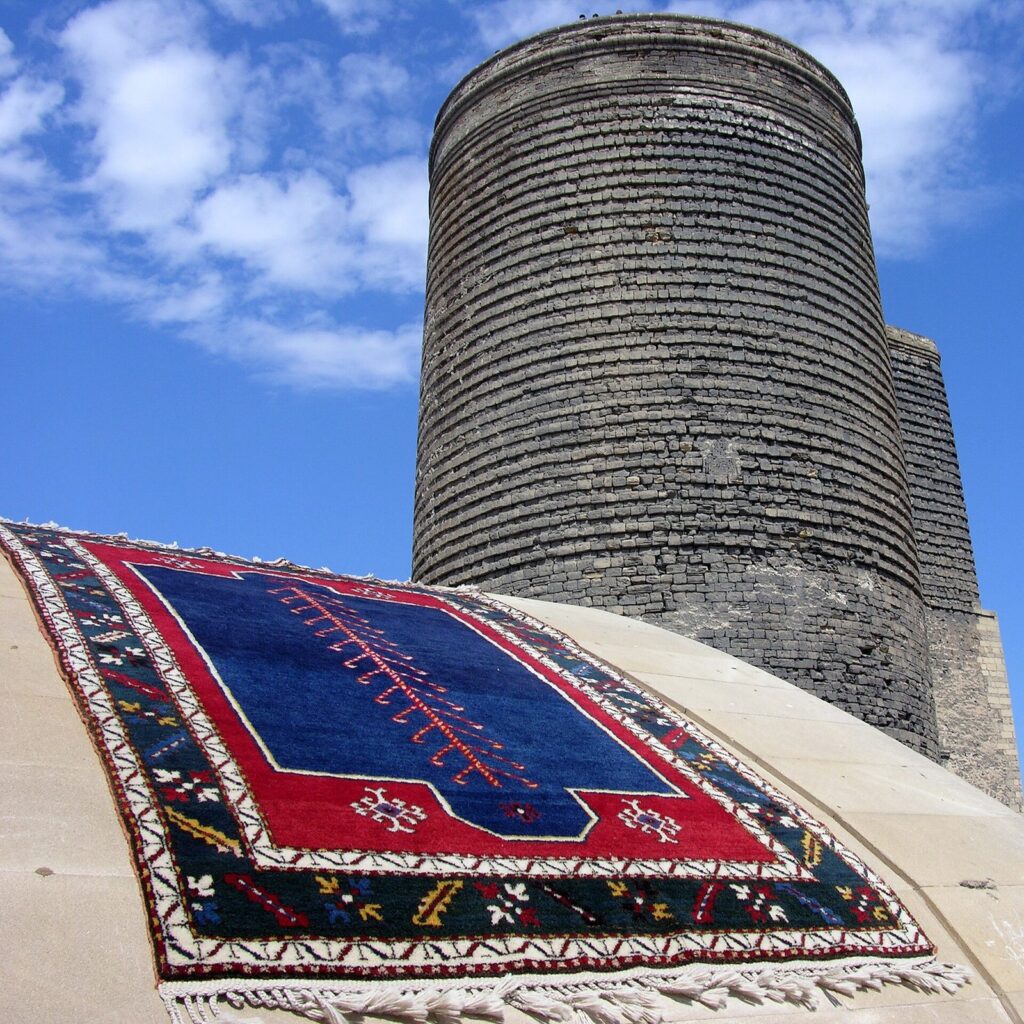
The Maiden Tower, which overlooks the Caspian shore, is Baku’s best-known symbol. Researchers hold differing views on when it was built and what it was used for, and many folk legends are told about the tower. Inside the tower there is an exhibition on the history of the city, and from the viewing area on the top floor you can look out over the rooftops of Icherisheher and the seafront.
The Palace of the Shirvanshahs
Located at the highest point of Icherisheher, the Palace of the Shirvanshahs is a group of buildings constructed in the 15th century during the Shirvanshah period. The palace building, the divankhana (council hall), a mausoleum, the palace mosque, the remains of a bathhouse and a mausoleum attributed to the Khalwati sheikh Seyyid Yahya Bakuvi are the main parts of the complex. The refinement of its stonework makes it one of the most valuable examples of Azerbaijani architecture.
The Mosques and Caravanserais of Icherisheher
The Muhammad Mosque, dated to the 11th century, is considered, together with its minaret, one of the oldest buildings in Baku whose date is known. It is also popularly known as “Siniq Qala” (the Broken Tower). The Juma Mosque in the centre of Icherisheher, on the other hand, took on its present form at the end of the 19th century. The Bukhara and Multani caravanserais opposite the Maiden Tower are buildings that recall the city’s trading past.
While wandering around Icherisheher, you may want to keep the following tips in mind:
- Starting point: The most natural walking route is to enter through the Double Gate (Qosha Qala), also known as the Shamakhi Gate, and head down towards the Maiden Tower.
- Handicrafts: Carpets, kilims, copperware and traditional headwear are common items in the shops within the walls.
- Underfoot: As the stone streets are sloping and slippery in places, choose comfortable shoes.
- Timing: The mornings are quieter, while in the evening the illumination of the walls creates a different atmosphere.
Baku Boulevard and the City Centre
Baku Boulevard, which stretches for kilometres along the Caspian shore, has been the city’s favourite promenade since the early 20th century. With its tree-lined walkways, parks and sea views, the boulevard offers a pleasant break for families, especially in the late afternoon. At one end of the boulevard, the Azerbaijan Carpet Museum stands out with its building that resembles a rolled-up carpet, and it introduces the different schools of Azerbaijani carpet-making.
Fountains Square and Nizami Street, just outside Icherisheher, reflect the wealth of the city’s oil era with their buildings from the late 19th and early 20th centuries. As you walk through this area, the stone ornamentation and balconies on the facades reveal Baku’s position between Europe and the East.
Which museums should you visit in Baku?
At the top of the list in Baku are the Azerbaijan Carpet Museum, the exhibitions in the Palace of the Shirvanshahs, the history exhibition inside the Maiden Tower and the exhibitions at the Heydar Aliyev Centre. Those interested in the country’s history can also add the National Museum of History of Azerbaijan to their programme. As museum opening arrangements and visiting conditions can change, we recommend that you confirm the latest information in advance.
Upland Park, Martyrs’ Lane and the Turkish Martyrs’ Memorial
Upland Park (Dagustu Park), which looks down over the city, offers the widest panoramic view of the Bay of Baku. You can reach the park on foot or by funicular. From here, the boulevard, Icherisheher and the sea can all be seen together.
Martyrs’ Lane (Shehidler Khiyabani), located within the park, holds deep meaning for the people of Azerbaijan. Those who lost their lives in the events of 20 January 1990 and in the conflicts in Karabakh are buried here. The Turkish Martyrs’ Memorial, located right next to the lane, keeps alive the memory of the Ottoman soldiers who fought as part of the Caucasian Islamic Army for the liberation of Baku in 1918 and fell as martyrs on this soil. Most visitors from Türkiye pray at this memorial and recite al-Fatiha.
What should you keep in mind when visiting Martyrs’ Lane?
Martyrs’ Lane is a memorial site regarded as sacred by the people of Azerbaijan; for this reason, it is important to remain quiet during your visit, not to speak loudly and to dress respectfully. Taking care when taking photographs while walking among the graves, leaving flowers and offering prayers are common practices among visitors.
Modern Baku: The Flame Towers and the Heydar Aliyev Centre
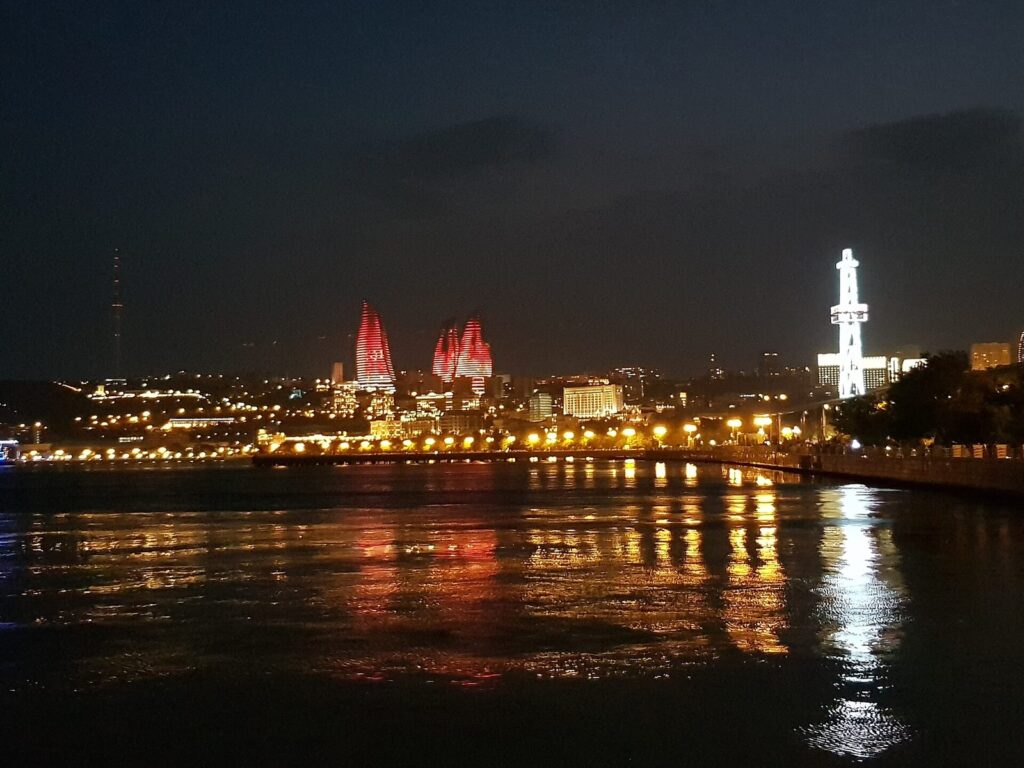
The three Flame Towers, rising just behind Upland Park, were completed in the early 2010s and quickly became Baku’s new symbol. In the evenings, the facades of the towers, which are shaped like flames, turn into moving light displays. One of the best places to watch this show is the boulevard on the seafront.
The Heydar Aliyev Centre, which lies a little outside the city centre, is one of the world-famous examples of contemporary architecture with its undulating white surfaces. The building is used as a cultural centre with exhibition halls and conference spaces. The large lawn in front of the building is well suited to taking photographs and going for a walk.
Absheron and Gobustan: Stops Outside the City
The Absheron Peninsula, where Baku is located, has interesting historical and natural sites that you can reach with short drives. You can see some of these stops on half-day tours and others on full-day tours.
The Bibi-Heybat Mosque
The Bibi-Heybat Mosque, located on the Caspian shore to the south of the city, grew up around a mausoleum attributed to Hukeyma Khanum, a member of the Ahl al-Bayt (the Prophet’s family). The historic building was demolished during the Soviet period and rebuilt after independence. It is one of the places the people of Baku hold in high spiritual regard.
The Ateshgah and Yanar Dag
The Ateshgah in Surakhani is a temple complex resembling a caravanserai, built around natural gas vents, and it tells the story of the merchants and travellers who came to the region. Yanar Dag (Burning Mountain), on the other hand, is a natural phenomenon known for the natural gas seeping from a hillside that has been burning without going out for centuries; the most impressive sight appears after dark. The fact that Azerbaijan is called “Odlar Yurdu” (the Land of Fire) is also associated with natural flames of this kind.
The Gobustan Rock Carvings and Mud Volcanoes
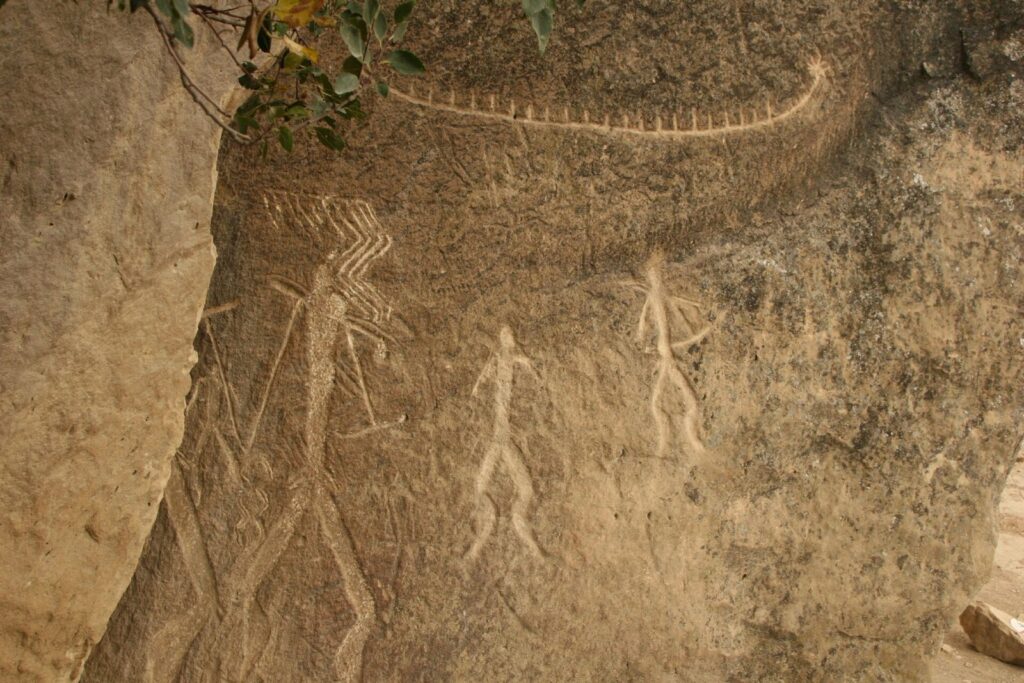
Gobustan, to the south-west of Baku, is included on the UNESCO World Heritage List for its rock carvings dating back thousands of years. The figures of people, animals and boats carved into the rocks show that the region has been inhabited since very ancient times. The nearby mud volcanoes offer an unusual experience of nature; as access to this area can vary depending on road conditions, it is advisable to go with a local guide.
Halal Food, Prayer and Practical Information
In Azerbaijan, where the great majority of the population is Muslim, finding halal food is generally easy. Even so, the country’s social life follows a secular line, and a significant number of restaurants serve alcoholic drinks. When choosing a place to eat, it is enough to mention this sensitivity.
Is it easy to find halal food in Baku?
In Baku, meat is generally slaughtered in the halal way, and it is not difficult to find halal food in restaurants serving local cuisine. Shah pilaf, dolma, kutab, dushbara, piti and lavangi are among the dishes you should try. After the meal, tea drunk from a slender, pear-shaped armudu glass and accompanied by jam is a symbol of Azerbaijani hospitality.
We can sum up the main dishes you will come across at an Azerbaijani table as follows:
- Shah pilaf: A showpiece rice dish cooked with dried fruit and meat inside a thin lavash crust; it is known as a dish for special occasions.
- Kutab: A type of thin flatbread in which very thinly rolled dough is filled with minced meat, greens or pumpkin and cooked on a griddle (saj).
- Dushbara: A soup made by cooking small dumplings, similar to tiny manti, in meat broth.
- Piti: A hearty dish associated with the Sheki region, slow-cooked with chickpeas and meat in an earthenware pot.
- Shekerbura and pakhlava: Traditional sweets that appear especially on Novruz tables.
How do you plan prayers and the Friday prayer in Baku?
Baku has mosques belonging to both Shia and Sunni congregations; for this reason, you may come across practices of the call to prayer (adhan) and prayer that differ from those in Türkiye. In some mosques you may see the noon (dhuhr) and afternoon (asr) prayers, and the evening (maghrib) and night (isha) prayers, being prayed together. If you wish to pray according to the Hanafi school, it is advisable to use a reliable prayer-time app and to consult your guide about the Friday prayer; on matters such as the rulings for travellers and the combining of prayers, you can refer to the current fatwas of Diyanet (Türkiye’s Presidency of Religious Affairs).
Important: The entry requirements for Turkish citizens travelling to Azerbaijan, the option of travelling with a passport or an identity card, and the permitted length of stay depend on bilateral arrangements and may change. Before setting off, confirm the current requirements with official sources and your travel agency.
Season, Length and Route for a Trip to Baku
In Baku, also known as the “City of Winds”, the weather feels different depending more on the wind than on the season. For this reason, whichever month you travel in, it is worth keeping a windproof outer layer with you.
When is the best time to go to Baku?
The best times for Baku are spring and autumn. Novruz, celebrated with great enthusiasm in March, adds a special colour to the city in spring. Although the summer months are hot, the seafront has a cooling effect; in winter, however, outdoor walks should be kept shorter because of the cold winds.
How many days are enough for Baku?
Three days are generally enough to see Baku’s city centre and its main sights. If you would also like to see regional towns such as Sheki, known for its historic Khan’s Palace, or the mountain villages of the Caucasus, it is advisable to extend the programme to five or six days.
Sheki, reached after a journey of a few hours from Baku, is a town whose historic centre and Khan’s Palace are included on the UNESCO World Heritage List. With the Khan’s Palace, known for its colourful shebeke (stained-glass lattice) windows, its historic caravanserai and its silk-making tradition, Sheki is one of the loveliest stops to round off a Baku programme. The historic Juma Mosque in Shamakhi, on the way, is also known as one of the oldest mosques in Azerbaijan and is a meaningful place to break the journey on this route. We can say that in these towns you will encounter a rural way of life and hospitality similar to those in Türkiye.
The table below offers a sample three-day route for Baku:
| Day | Area | Suggested stops |
|---|---|---|
| Day 1 | Icherisheher | The Maiden Tower, the Palace of the Shirvanshahs, the Muhammad Mosque, the Juma Mosque, the caravanserais |
| Day 2 | City centre and Upland Park | Martyrs’ Lane and the Turkish Martyrs’ Memorial, the Flame Towers, the Carpet Museum, Baku Boulevard, Nizami Street, the Heydar Aliyev Centre |
| Day 3 | Absheron and Gobustan | The Bibi-Heybat Mosque, the Gobustan rock carvings, the Ateshgah, Yanar Dag at sunset |
If you are curious about another ancient centre of learning in the Turkic world, you can take a look at our Uzbekistan travel guide. For those who want to see modern architecture alongside Islamic tradition, our article on places to visit in Dubai will be a helpful guide, and for a general framework on how to observe halal sensitivities while travelling, so will our article what is halal tourism. Before setting off, you can also read our article on the supplication for travelling.
Baku offers an ideal short route for those who want to enjoy both a historic and a contemporary city experience in the capital of a sister country. For information about the Azerbaijan tours and other halal cultural tours we plan at RotaNur, you can reach us through our contact page.
Frequently Asked Questions
Which currency is used in Baku?
The official currency of Azerbaijan is the manat, and purchases in Baku are made in this currency. Although bank cards are accepted in most hotels, restaurants and shops in the city centre, cash may be needed in the small shops of Icherisheher, in the bazaars and in some taxis. It is advisable to keep some local currency with you and to choose banks and official exchange offices when changing money. Also check the conditions for paying by card with your bank in advance.
How do you get to Gobustan from Baku?
Gobustan is reached from Baku by road, with a short drive towards the south-west of the city. As getting there by public transport can be inconvenient, most visitors choose a private vehicle or an organised tour. Visiting with an expert guide makes it much easier to learn the meaning of the rock carvings on the spot. For programmes that include Gobustan, you can take a look at our Azerbaijan tours page.
What is the best time of day to see Yanar Dag?
The best time to see Yanar Dag is at sunset and after dark; the flames rising from the hillside look much more striking in the darkness. Those who go during the day can also see the flames but may miss the most impressive sight. For this reason, many programmes begin the Absheron trip with the Ateshgah and end it at Yanar Dag. As it can turn cool on windy evenings, it is advisable to take a warm outer layer with you and to plan the evening (maghrib) prayer accordingly.
How do you get around Baku?
Getting around Baku is easy by metro, bus and taxi. A rechargeable transport card is generally used on the metro and buses; with taxis, it is practical to agree the fare in advance or to book a car through an app. As Icherisheher, Baku Boulevard and Nizami Street are close to one another, exploring these areas on foot is the most enjoyable option. For stops outside the city, tours with a vehicle are more comfortable.
How should you dress when visiting mosques in Baku?
When visiting mosques in Baku, loose and simple clothing that covers the shoulders and knees should be chosen. It is appropriate for women to carry a headscarf with them, and for men to wear long trousers rather than shorts. Although everyday life in the city follows a secular line, the etiquette of places of worship such as the Bibi-Heybat Mosque is observed. For clothing and halal sensitivities while travelling, you can refer to our halal tourism guide.

Cihat Murat Yüksel is the editor of the RotaNur blog and the founder of Markention. Drawing on the sources of Türkiye's Presidency of Religious Affairs (Diyanet), he turns the questions travellers ask most about preparing for Umrah, Hajj and halal travel into clear, practical guides.
Questions answered in this article
What are the historic places to visit in Baku?
Most of Baku’s historic sites are located in the walled Icherisheher (Old City): the Maiden Tower, the Palace of the Shirvanshahs, the Muhammad Mosque, the Juma Mosque and the historic caravanserais top the list. Outside the city, the Bibi-Heybat Mosque, the Ateshgah, Yanar Dag and the Gobustan rock carvings stand out. The sites in Icherisheher can be visited on foot, and the others by vehicle.
Which museums should you visit in Baku?
At the top of the list in Baku are the Azerbaijan Carpet Museum, the exhibitions in the Palace of the Shirvanshahs, the history exhibition inside the Maiden Tower and the exhibitions at the Heydar Aliyev Centre. Those interested in the country’s history can also add the National Museum of History of Azerbaijan to their programme. As museum opening arrangements and visiting conditions can change, we recommend that you confirm the latest information in advance.
What should you keep in mind when visiting Martyrs’ Lane?
Martyrs’ Lane is a memorial site regarded as sacred by the people of Azerbaijan; for this reason, it is important to remain quiet during your visit, not to speak loudly and to dress respectfully. Taking care when taking photographs while walking among the graves, leaving flowers and offering prayers are common practices among visitors.
Is it easy to find halal food in Baku?
In Baku, meat is generally slaughtered in the halal way, and it is not difficult to find halal food in restaurants serving local cuisine. Shah pilaf, dolma, kutab, dushbara, piti and lavangi are among the dishes you should try. After the meal, tea drunk from a slender, pear-shaped armudu glass and accompanied by jam is a symbol of Azerbaijani hospitality.
How do you plan prayers and the Friday prayer in Baku?
Baku has mosques belonging to both Shia and Sunni congregations; for this reason, you may come across practices of the call to prayer (adhan) and prayer that differ from those in Türkiye. In some mosques you may see the noon (dhuhr) and afternoon (asr) prayers, and the evening (maghrib) and night (isha) prayers, being prayed together. If you wish to pray according to the Hanafi school, it is advisable to use a reliable prayer-time app and to consult your guide about the Friday prayer; on matters such as the rulings for travellers and the combining of prayers, you can refer to the current fatwas of Diyanet (Türkiye’s Presidency of Religious Affairs).
When is the best time to go to Baku?
The best times for Baku are spring and autumn. Novruz, celebrated with great enthusiasm in March, adds a special colour to the city in spring. Although the summer months are hot, the seafront has a cooling effect; in winter, however, outdoor walks should be kept shorter because of the cold winds.