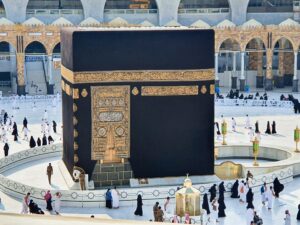

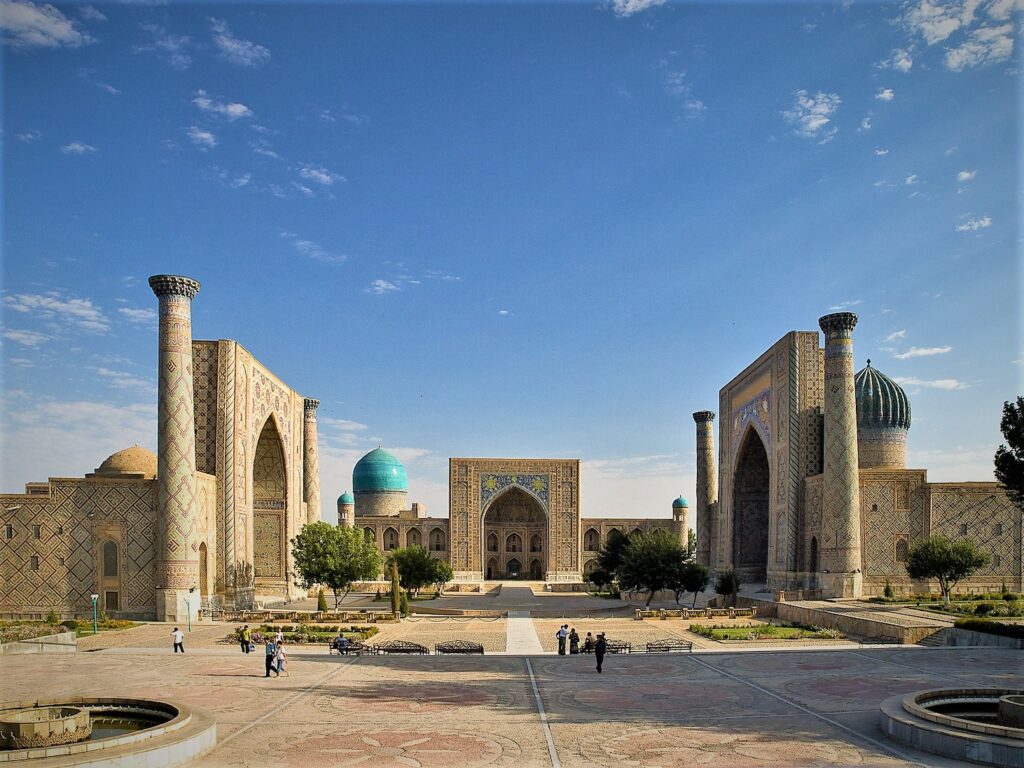
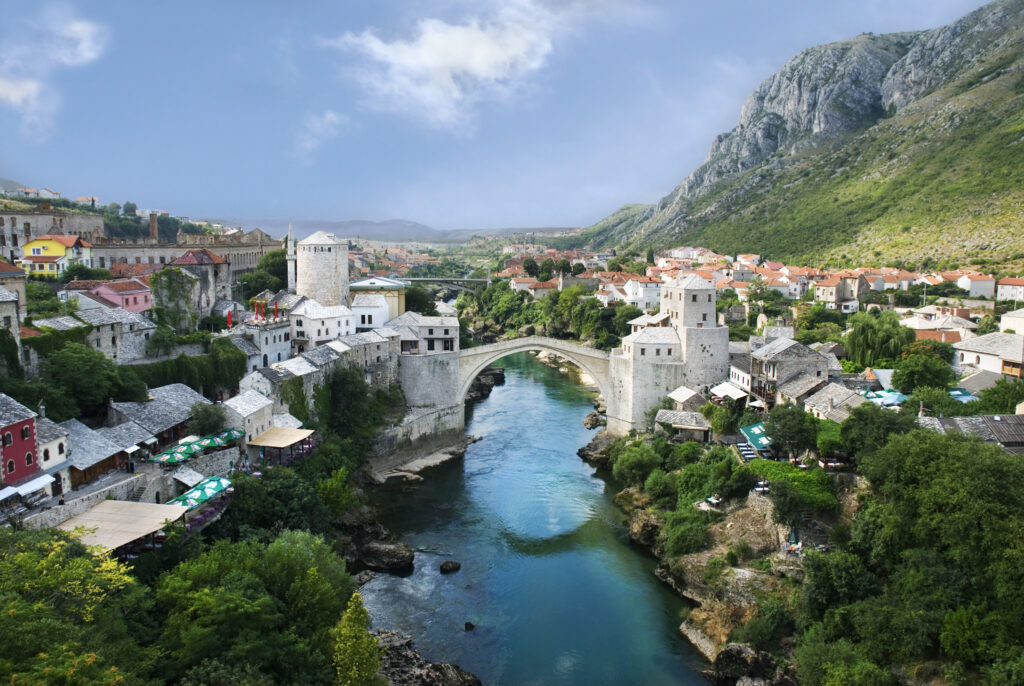



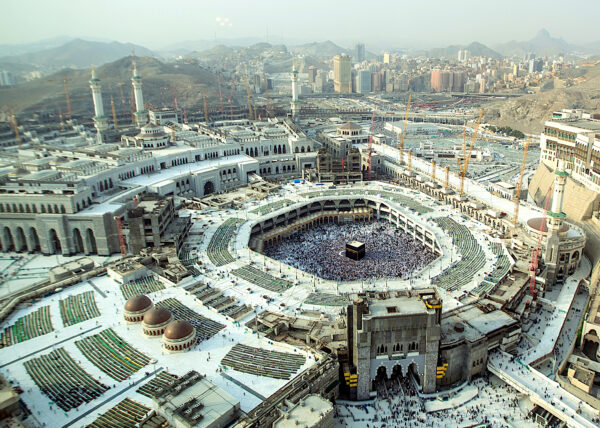
 Umrah ToursView programs →
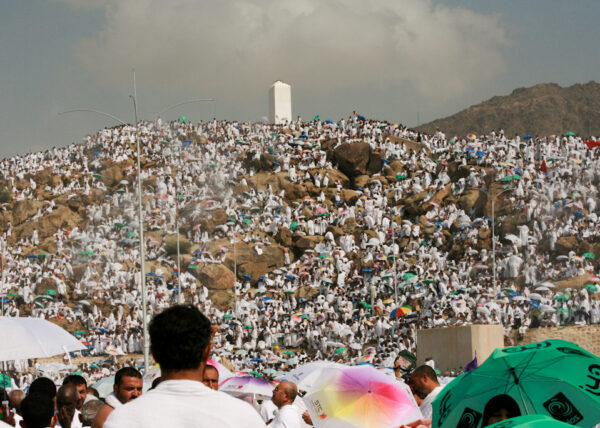 Hajj ToursView programs →
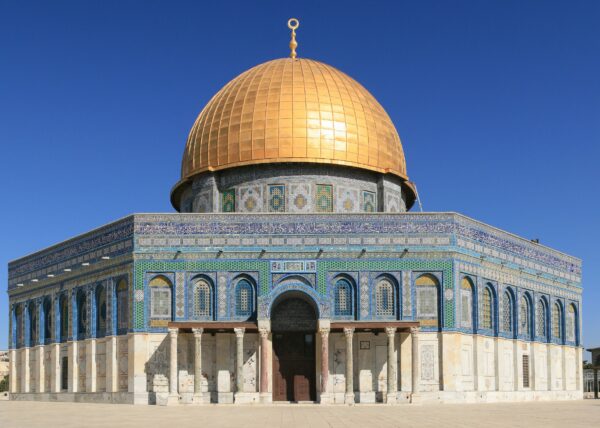 Halal ToursView programs →
 ECONOMY -17%
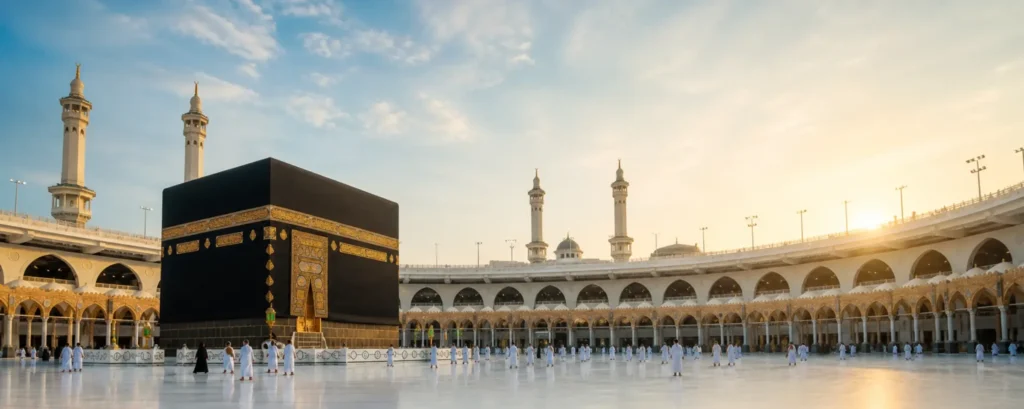
Umrah & Hajj Tour Packages
Umrah Tours
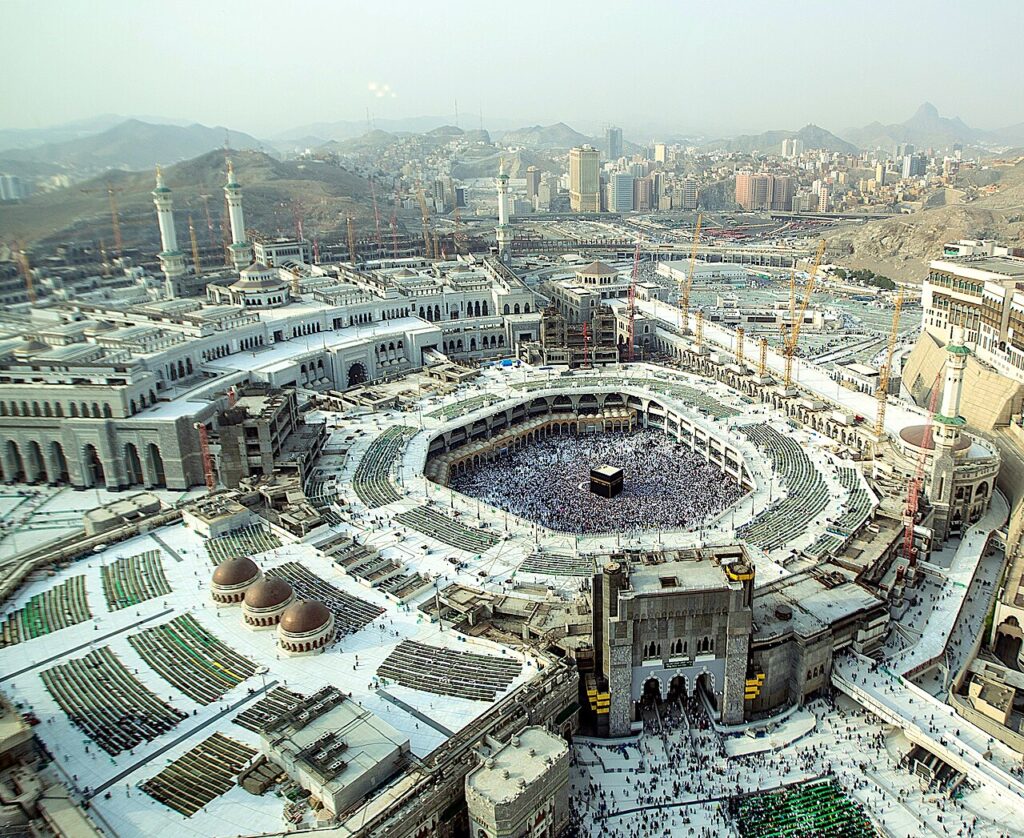
A peaceful journey to the holy lands with our economy, luxury and premium Umrah programs. Return flights, accommodation near the Haram, transfers, guidance and visa are included in the price. Financing is also available through Kuveyt Türk.
ECONOMY -17% 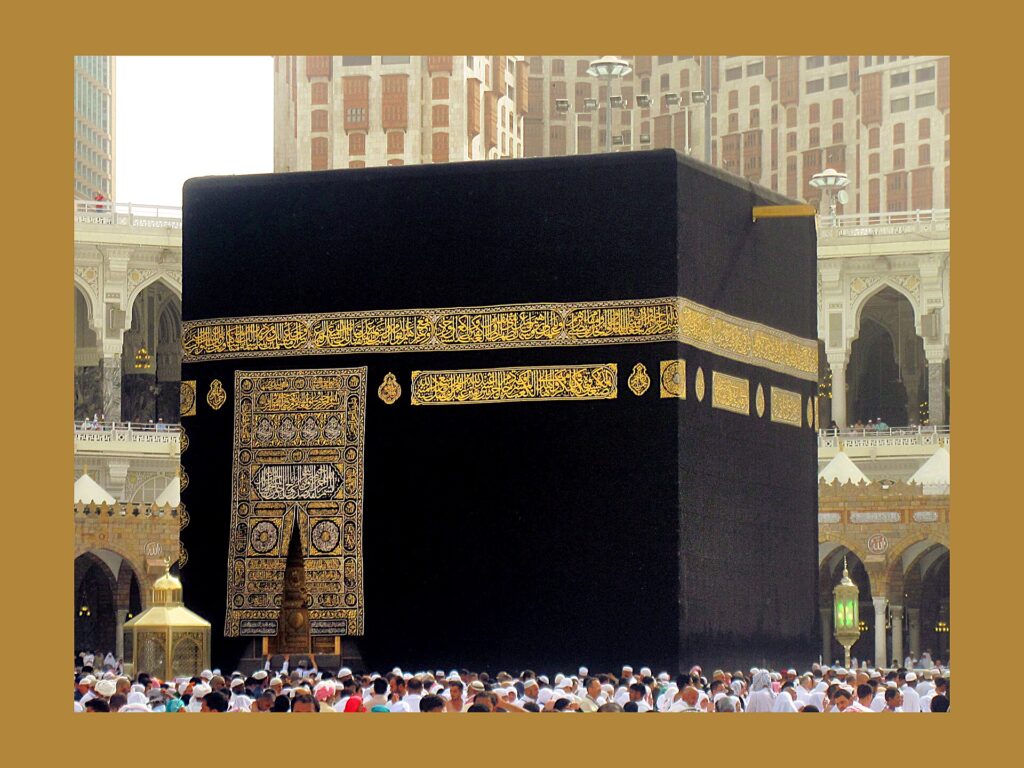 WALKING DISTANCE -14%
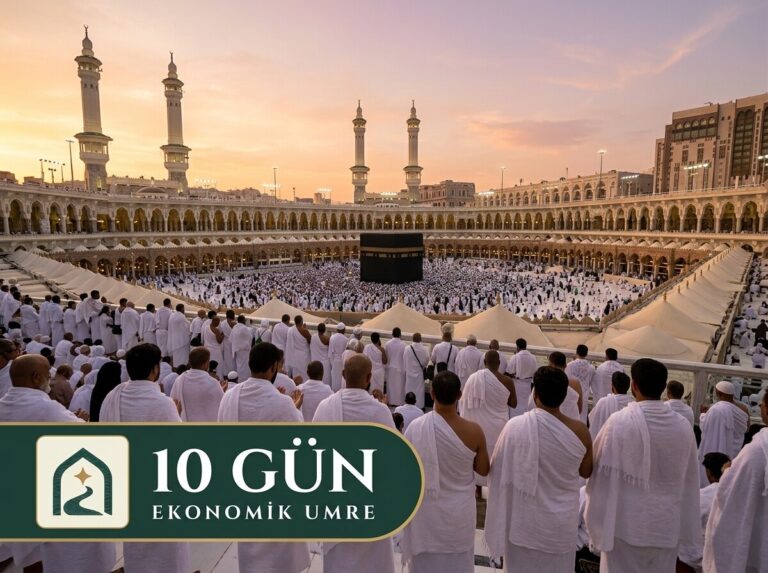 MOST POPULAR -18%
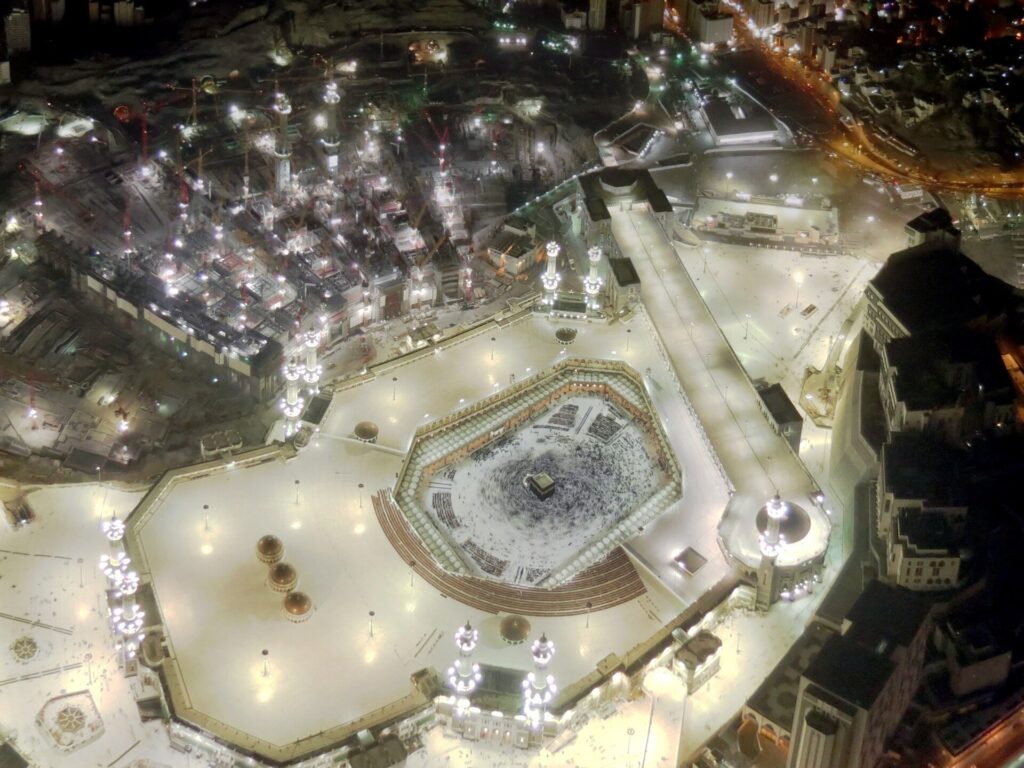 LUXURY -10%
 ECONOMY -19%
 WALKING DISTANCE -26%
 LUXURY -21%
 PREMIUM -18%
 WALKING DISTANCE -20%
 LUXURY -4%
 WALKING DISTANCE -22%
 ECONOMY -18%
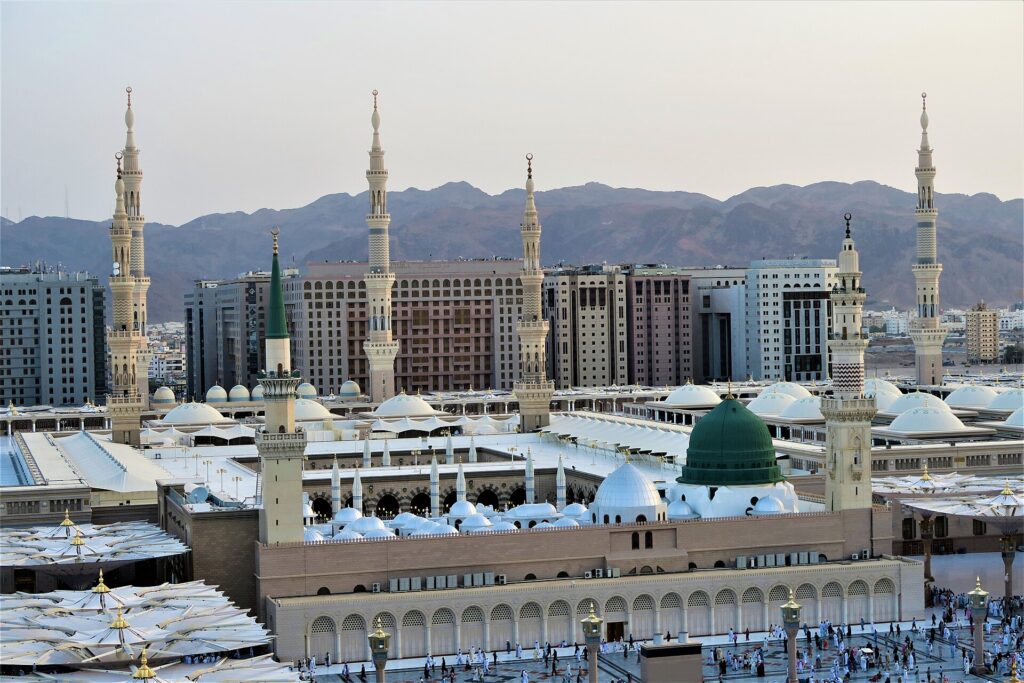 ECONOMY -14%
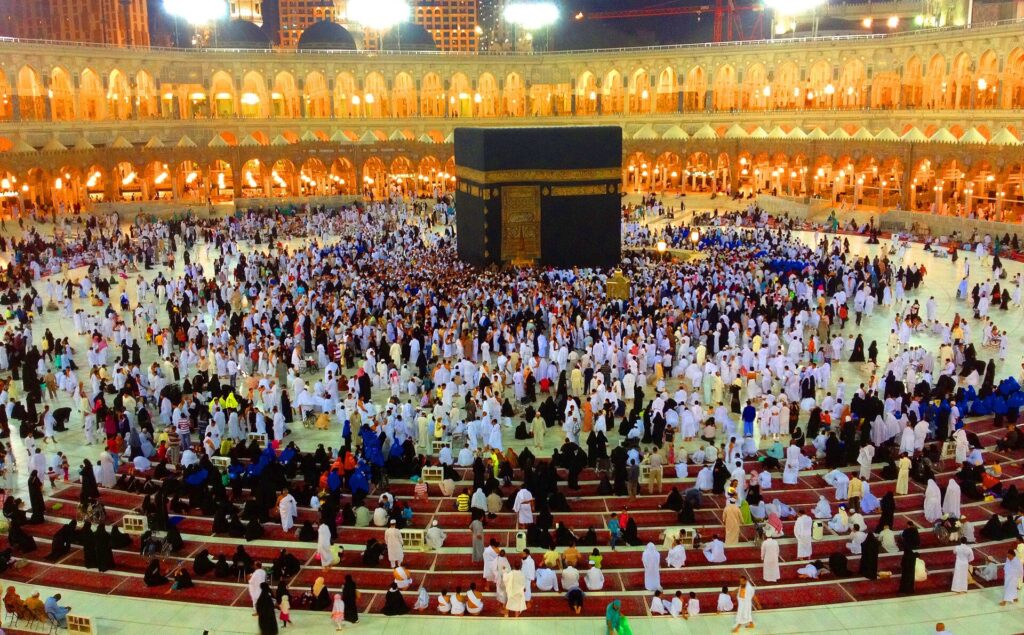 ECONOMY

Tailor-Made Program
Can’t find the date or length you are looking for? Let’s plan an Umrah program together that suits your group and budget.
Message Us on WhatsApp →Hajj Tours
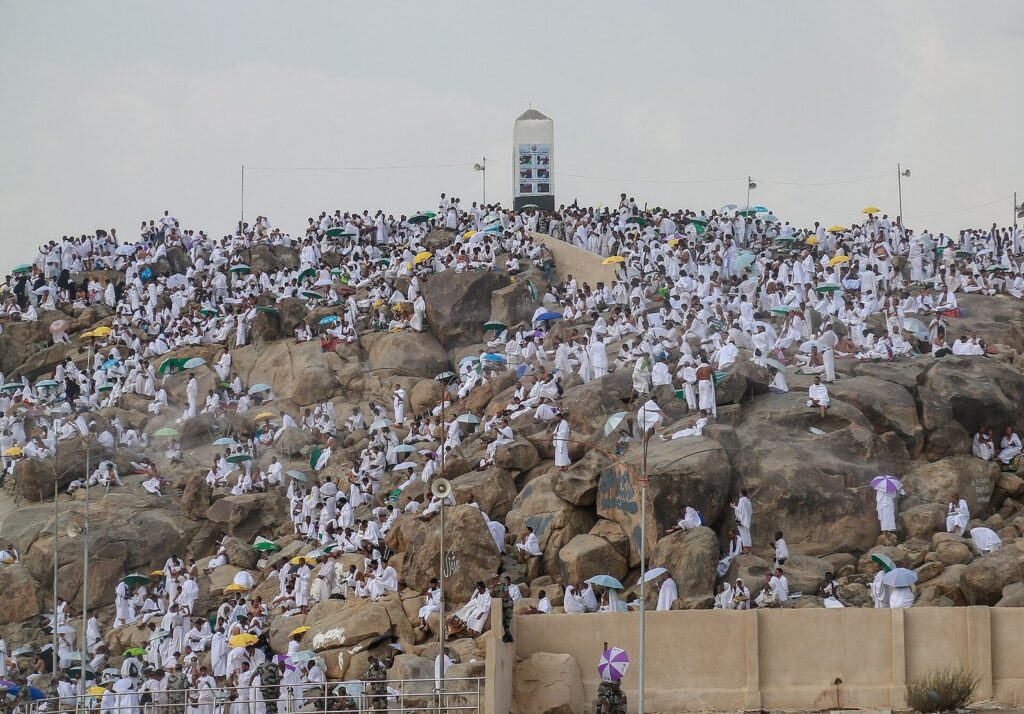
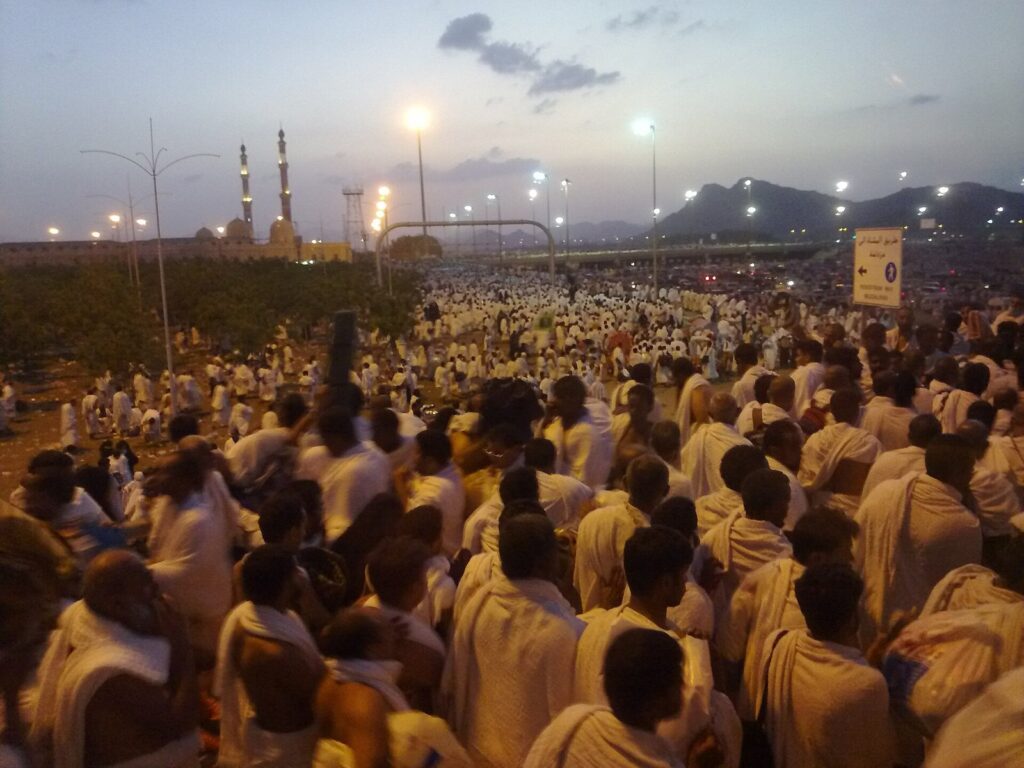
Whether you choose a private Hajj or are preparing for Hajj via the official lottery of Diyanet (Türkiye’s Presidency of Religious Affairs), our experienced guides and comfortable programs are with you. We provide full 24/7 support at every stage of the rites, including Arafat, Muzdalifah and Mina.
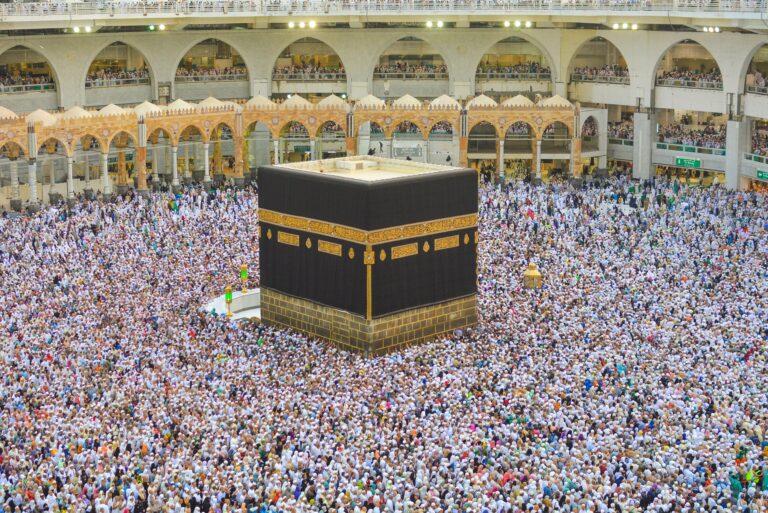
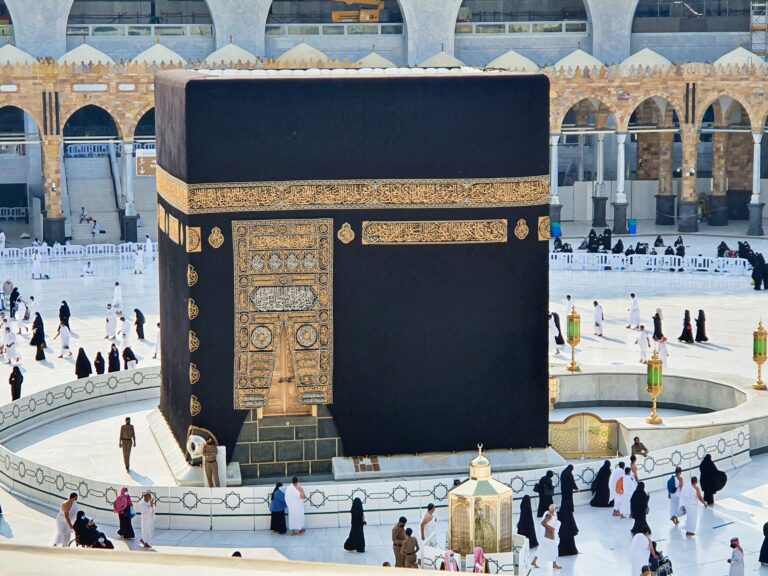
Halal Culture Tours
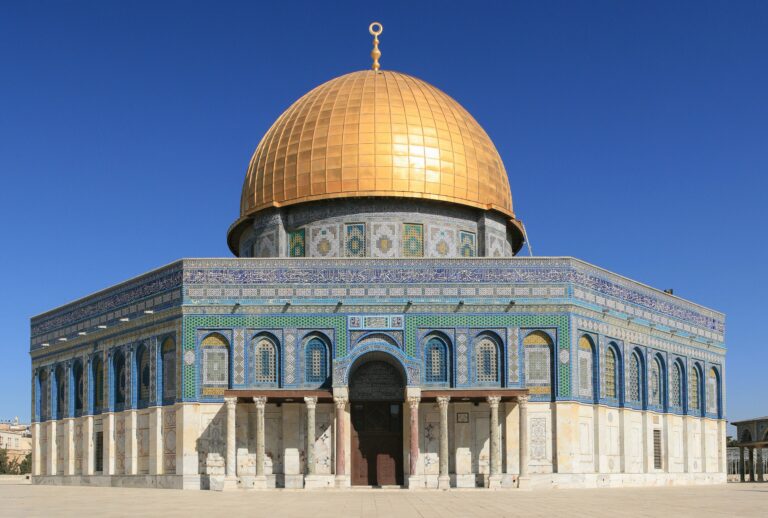
Guided culture tours in the footsteps of Islamic civilization, on routes such as Jerusalem, Andalusia, Uzbekistan and the Balkans. Halal meals, a schedule planned around prayer times and comfortable accommodation are included in the price.
Umrah Essentials
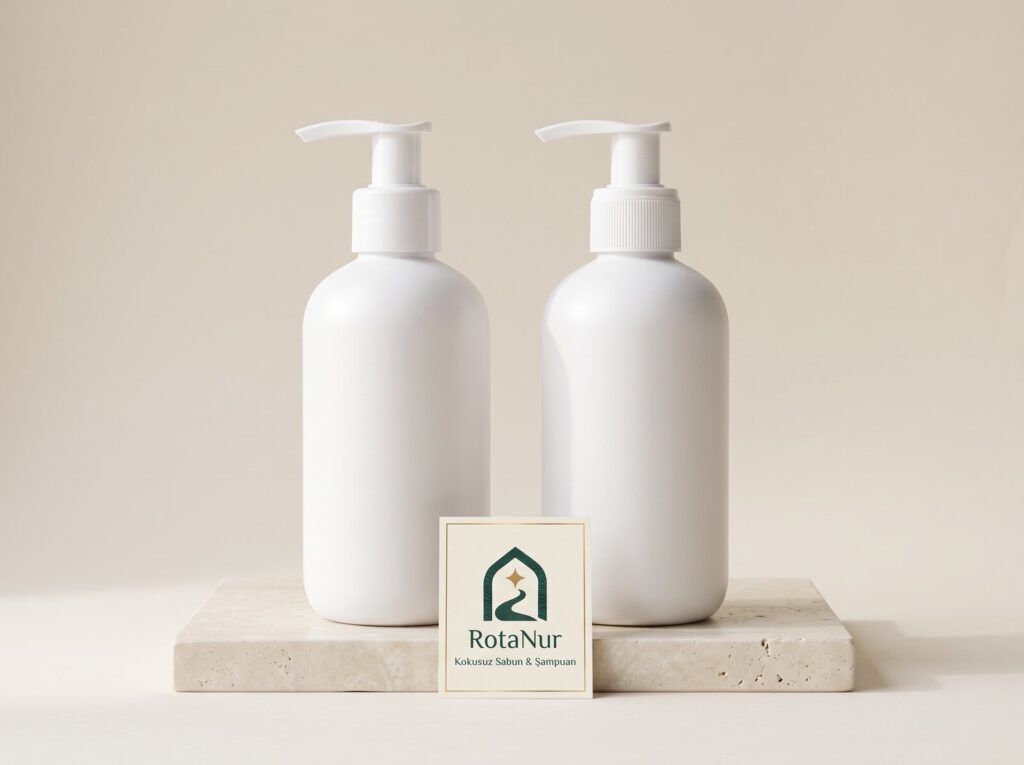
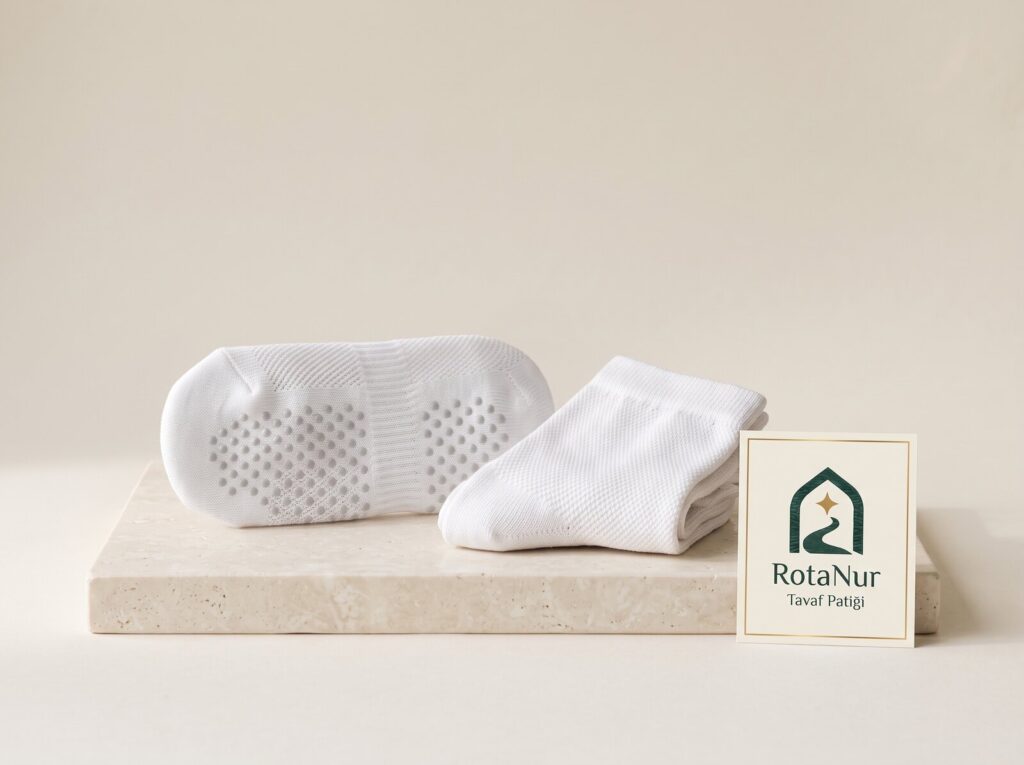
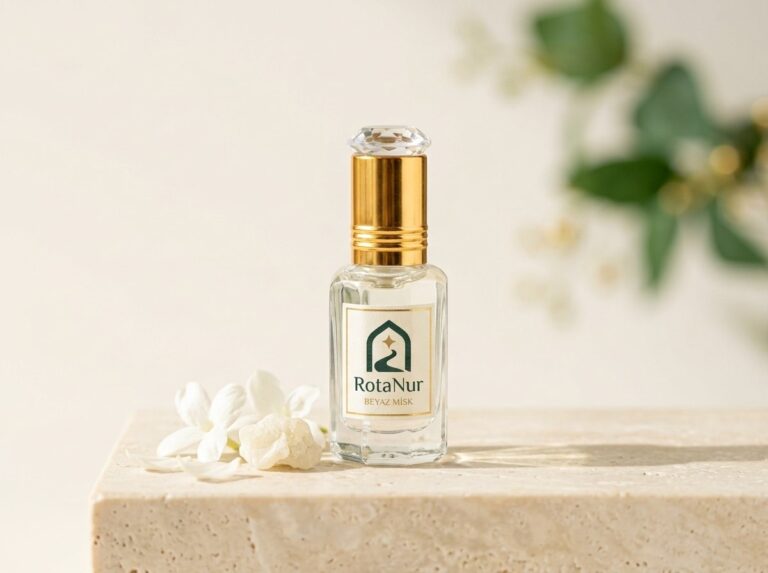
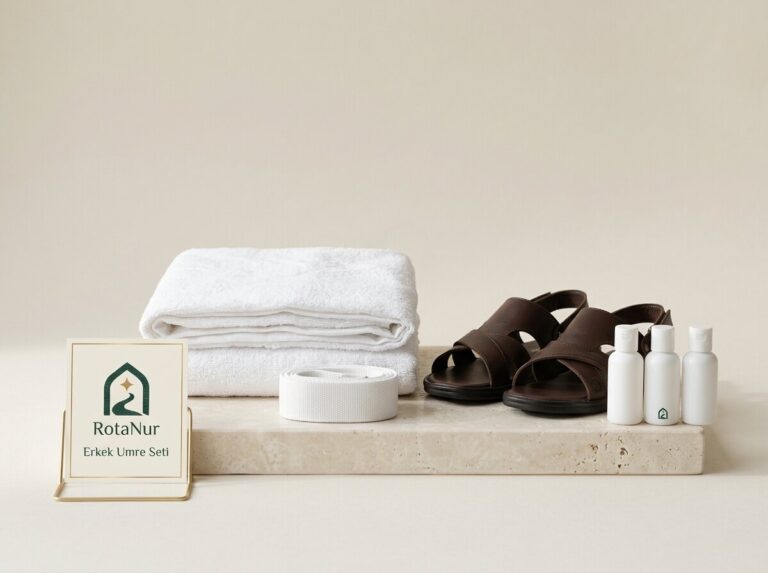
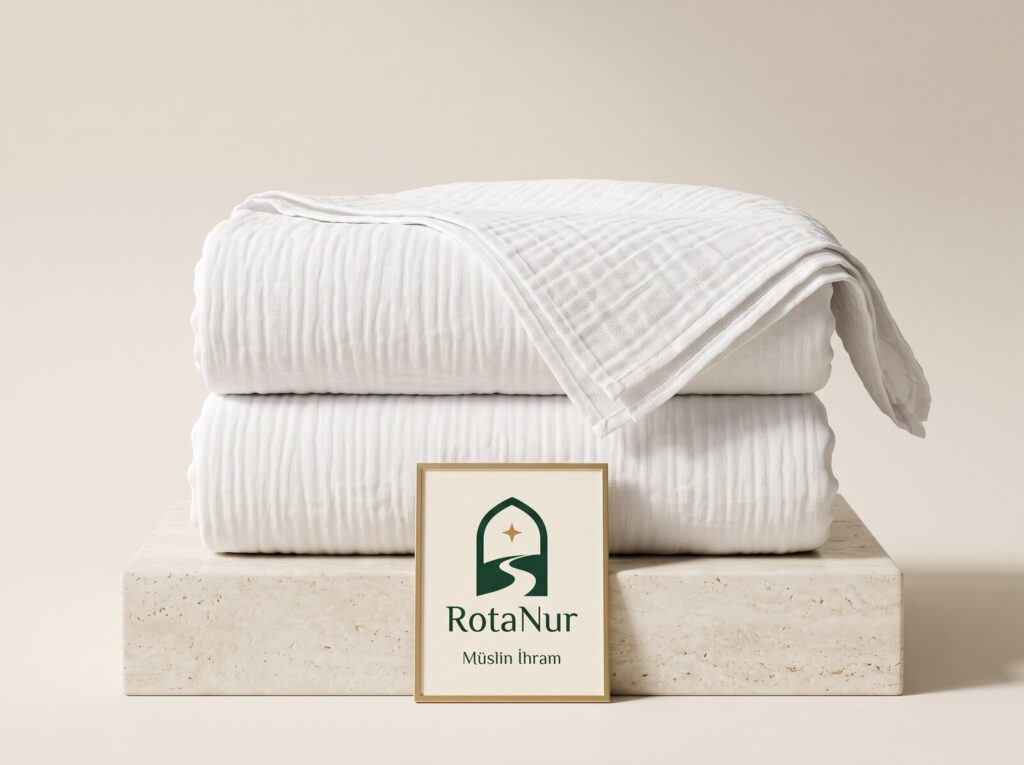
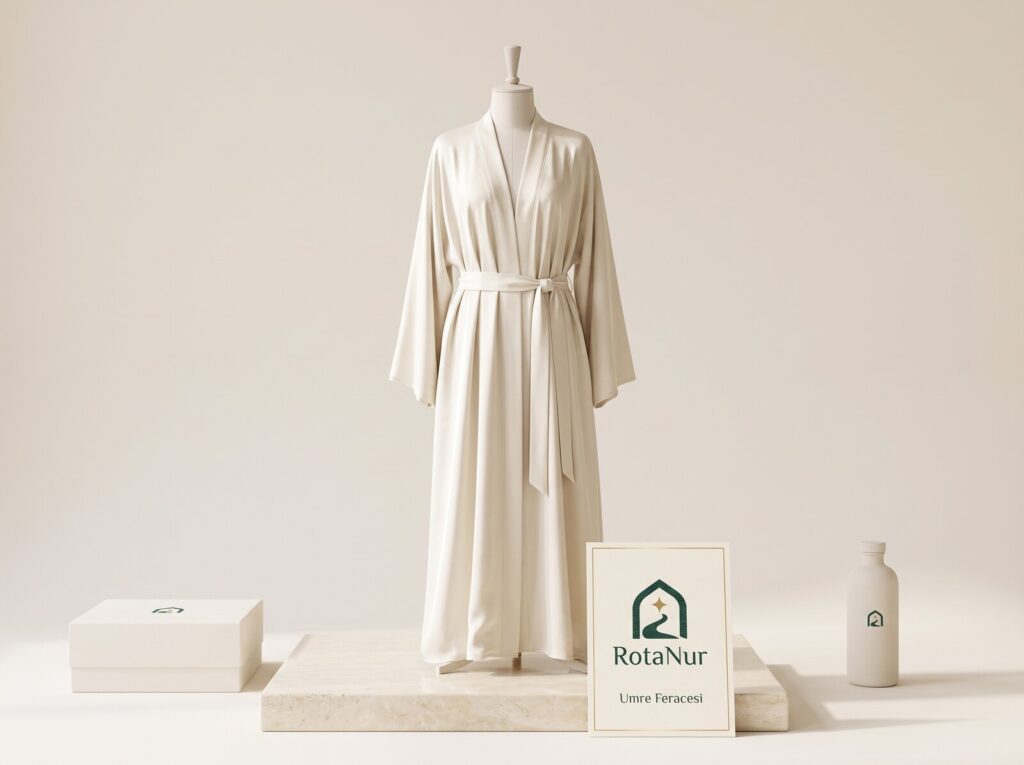
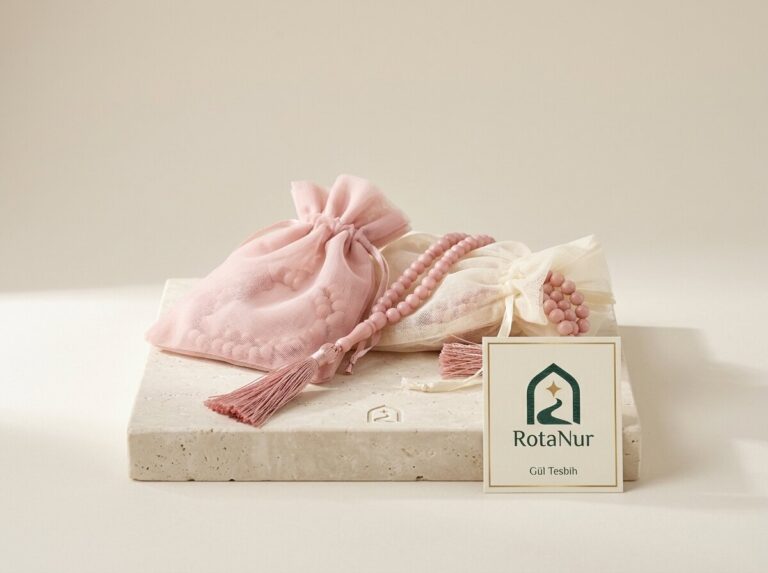
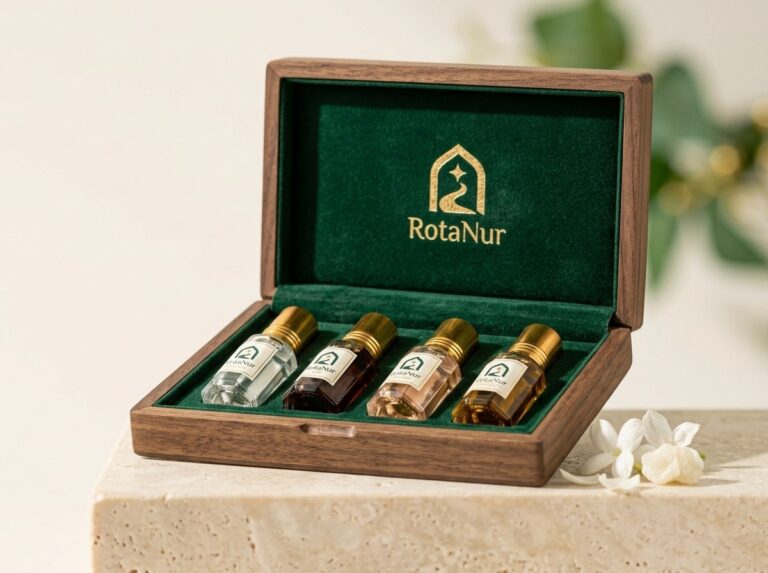
Everything you need for your Umrah journey in one place: ihram and ihram belts, fragrance-free care products suitable for ihram, tawaf socks, Umrah kits, musk and oud essences, and gifts. Fast shipping, secure ordering and easy returns.
Hajj Essentials
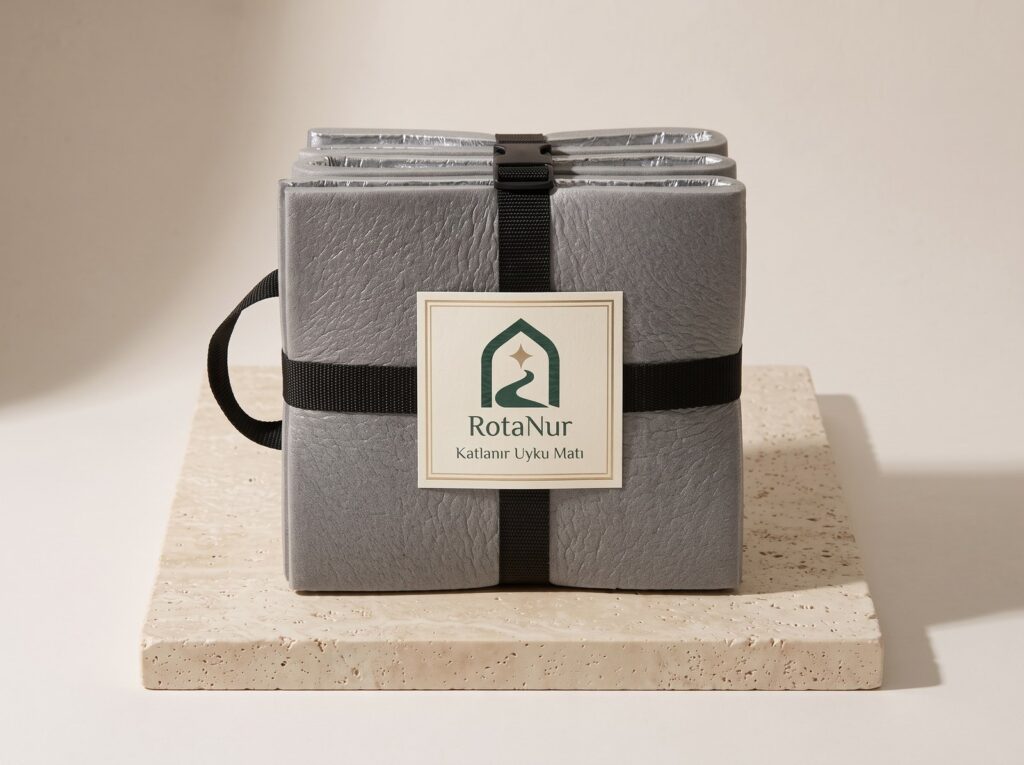
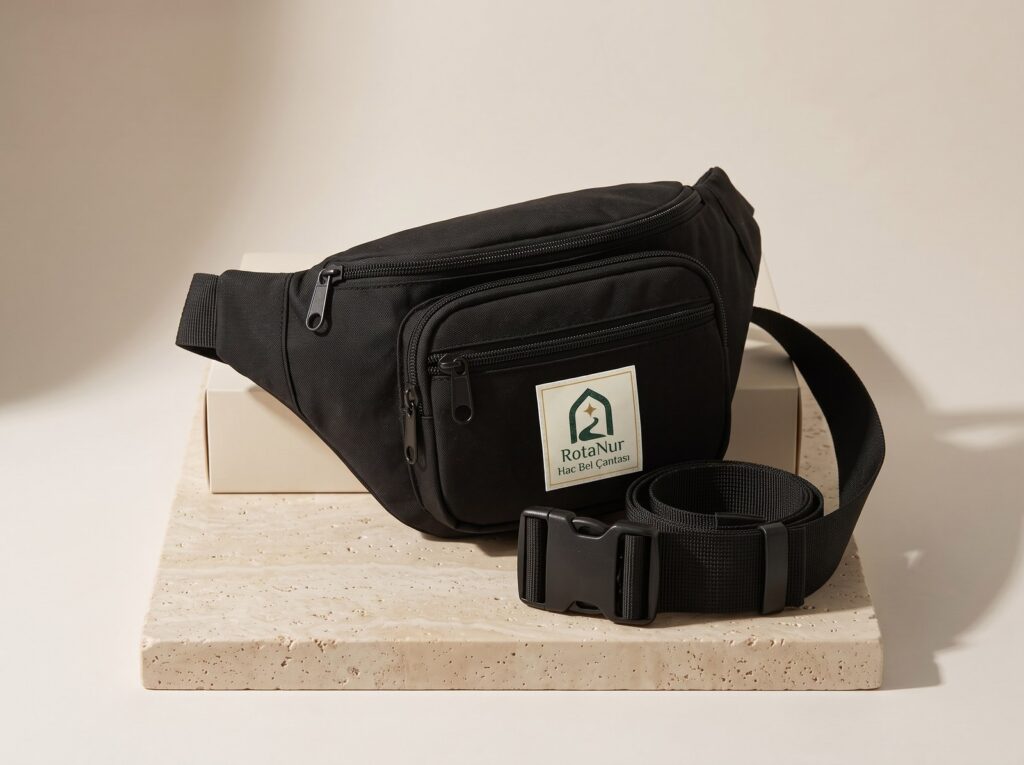
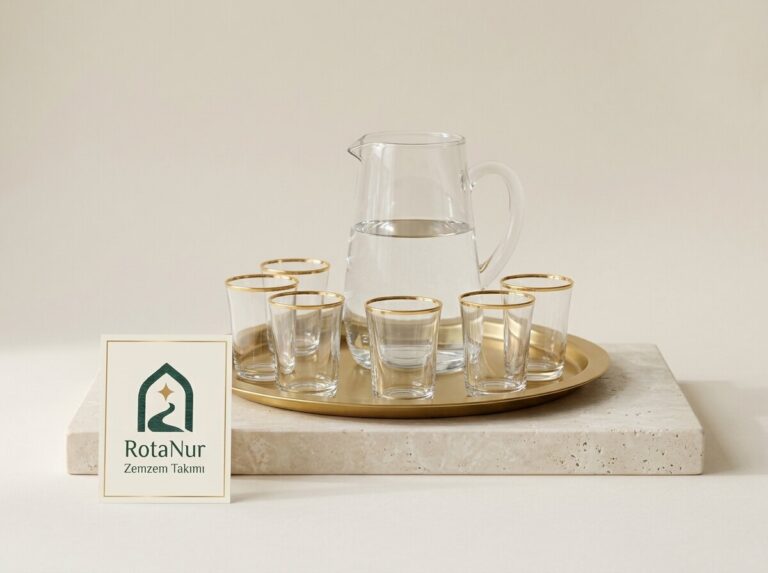
Special preparation for the long days of Hajj: spare ihram, products for Arafat and the night at Muzdalifah, protection from the heat, daily bags for Mina, fragrance-free care products and Hajj gift items. Fast shipping and easy returns.

Plan with confidence
What we promise from your request to your return
Support
24/7
WhatsApp line
Our advisors are always reachable
Booking
Pay later
Request now
Our advisor calls you to confirm
Programme
Guided
Umrah and Hajj
With a religious guide
Umrah Tours, Umrah Packages and 2026 Umrah Prices
Umrah is a blessed act of worship that can be performed in any season of the year outside the Hajj period. In this guide, we have brought together everything you need to know about Umrah tours, Umrah packages, current Umrah prices and Diyanet Umrah prices, with tables, the rites step by step and practical information. At RotaNur, our aim is to help you choose the right package for the right budget for a peaceful and safe journey to the holy lands.
What Is Umrah?
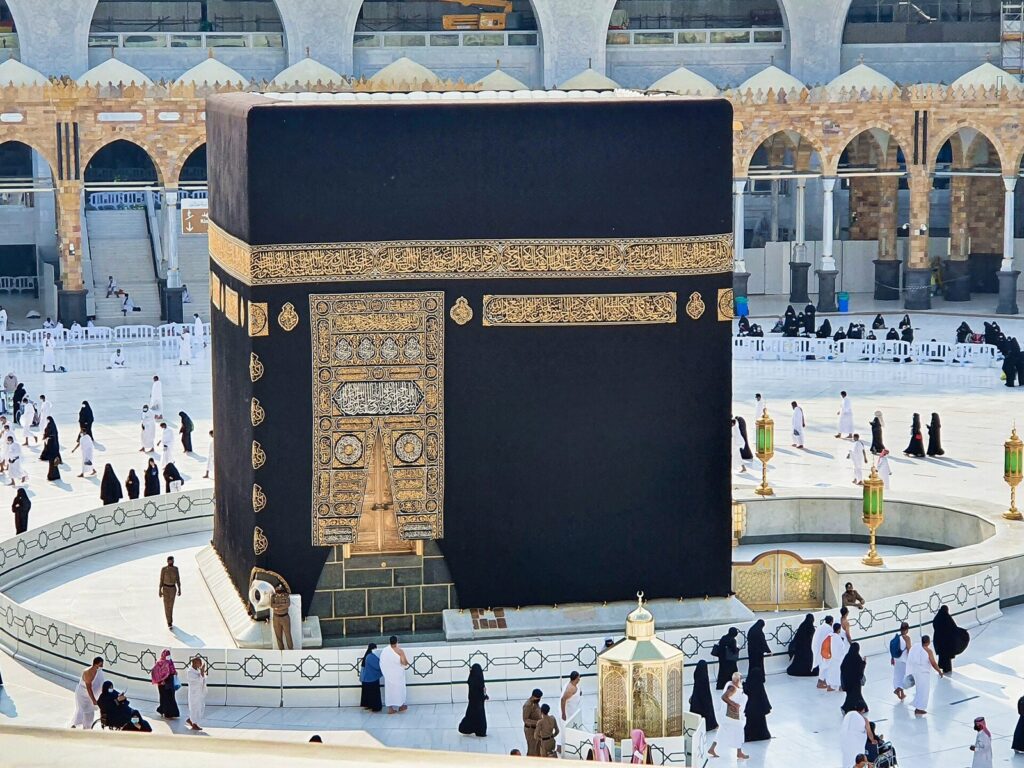
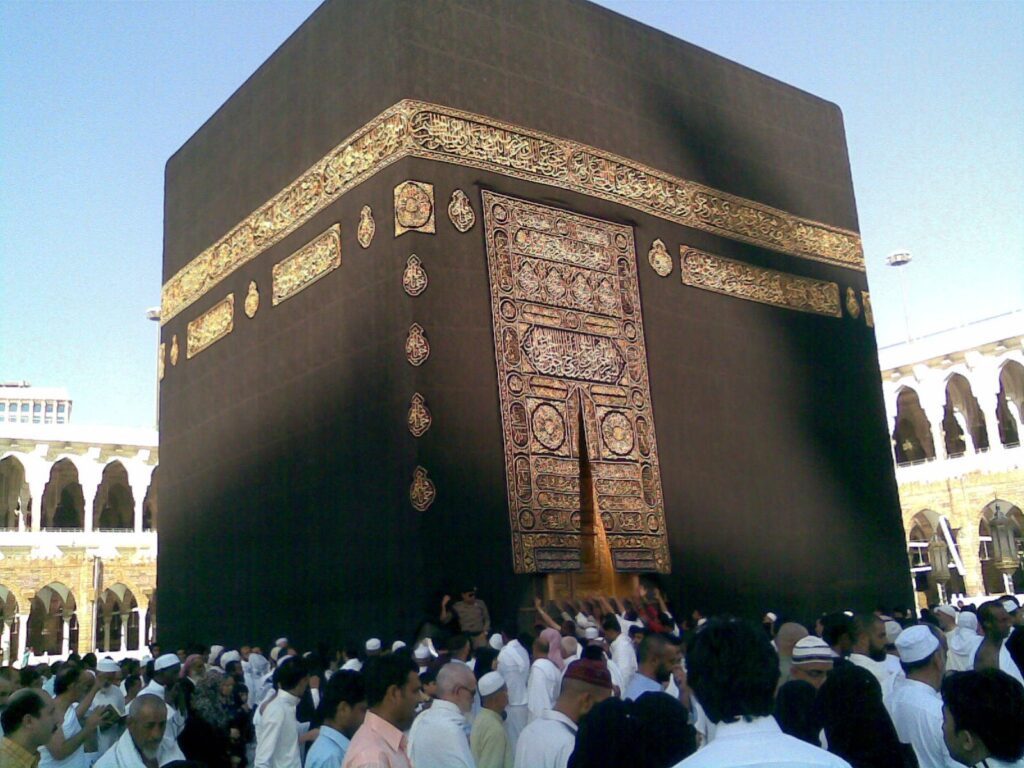
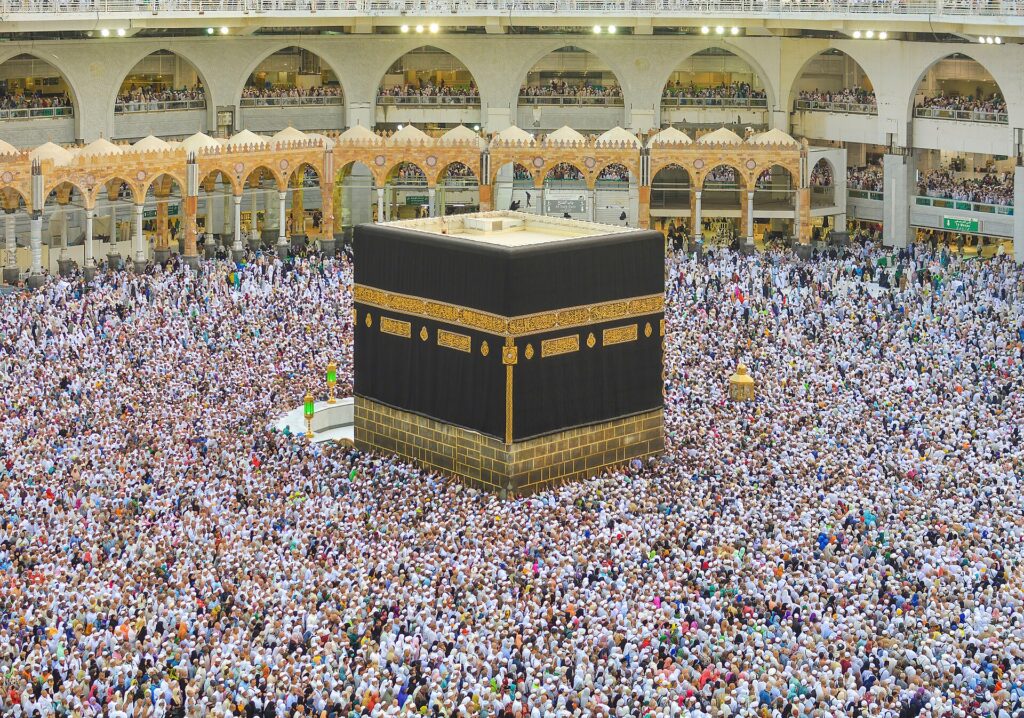
Umrah is a sunnah act of worship performed by entering the state of ihram, circling the Holy Kaaba in tawaf, walking between Safa and Marwah in sa’y, and then shaving or trimming the hair to leave ihram. Because it is not tied to a fixed time like Hajj, it can be performed on almost any day of the year. This flexibility lets you choose the period that best fits your work and school calendar. Our Umrah programs include return flights, accommodation in Makkah and Madinah, transfers, an experienced religious guide and visa processing.
Umrah Packages and Comfort Levels
Umrah packages are mainly classified by the hotel’s distance to the holy sites and the quality of the accommodation. The essence of the worship is the same in every package; the difference lies in the level of comfort and service.
| Package | Accommodation | Distance to the Haram | Highlights |
|---|---|---|---|
| Economy Umrah | 3–4 star, with shuttle | Shuttle / short distance | Affordable budget, group program |
| Standard Umrah | 4 star | Walking / short shuttle | Balance of price and comfort |
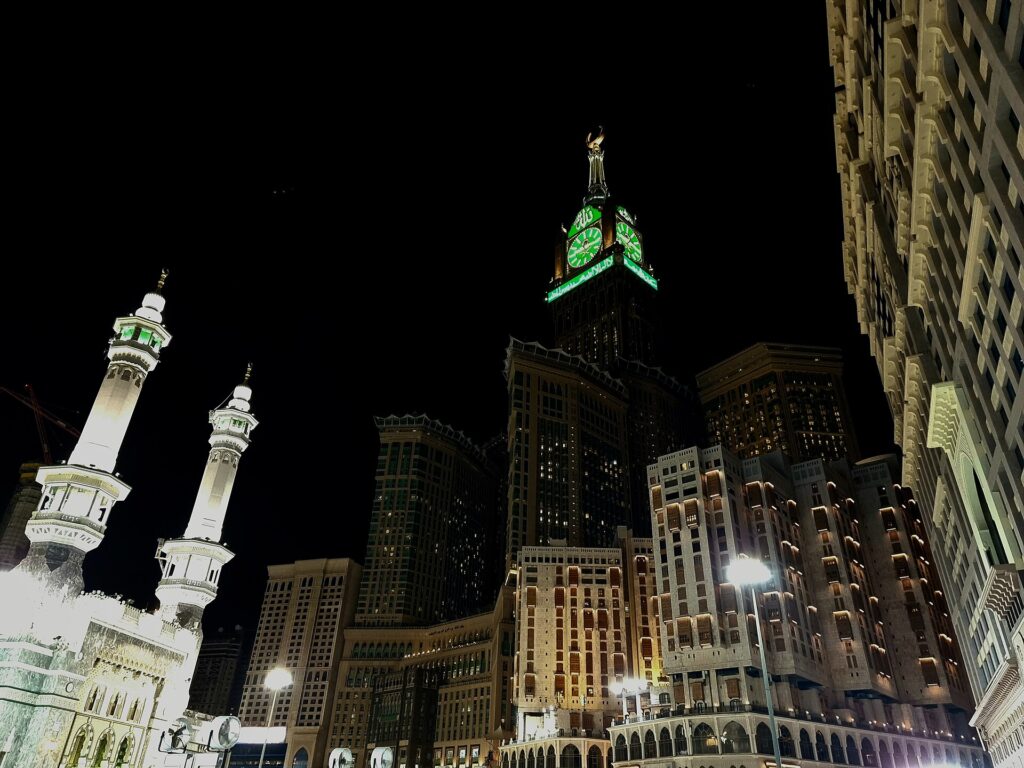
| Luxury Umrah | 5 star | Close to the Haram | Generous meal plan, spacious rooms |
| Premium Umrah | 5 star / Kaaba view | Walking distance | Boutique groups, priority service |
2026 Umrah Prices
Umrah prices vary according to the season, accommodation class, hotel distance, flight type and room arrangement. The table below summarizes current market ranges for the 2026 season (prices in Turkish lira, ₺). The exact price is confirmed on the product page of the program you choose and during booking.
| Package | Estimated Price per Person (2026) |
|---|---|
| Economy Umrah | 70,000 – 100,000 ₺ |
| Standard Umrah | 85,000 – 110,000 ₺ |
| Luxury Umrah | 110,000 – 140,000 ₺ |
| Premium Umrah | 140,000 – 180,000 ₺ |
| Ramadan Umrah | 150,000 – 250,000 ₺ |
Note: Prices are estimated market ranges for the 2026 season and may change depending on exchange rates, flights and hotel occupancy. Contact us for current and exact prices.
Diyanet Umrah Prices 2026
Diyanet (Türkiye’s Presidency of Religious Affairs) usually divides its Umrah programs into categories based on accommodation class. The table below shows the estimated category ranges that have been reported publicly.
| Diyanet Category | Accommodation | Estimated Price (2026) |
|---|---|---|
| Standard | Shuttle / walking distance | 85,000 – 110,000 ₺ |
| Comfort (Luxury) | Close to the Haram | 110,000 – 140,000 ₺ |
| Premium (Super Luxury) | Closest to the Kaaba | 140,000 – 180,000 ₺ |
Important: Diyanet’s final official price list is published by the Presidency in an official announcement each season. The figures above are estimated ranges. We will update them once the official list is released.
What Is Included in the Umrah Price, and What Is Not?
Included in the Price
- Return flights
- Accommodation in Makkah and Madinah
- Airport meet-and-greet and all transfers
- An experienced religious guide
- Umrah visa processing
- Ziyarat (guided visits) and basic refreshments
Not Included in the Price
- Personal expenses and shopping
- Optional private excursions
- Excess baggage fees
- Sacrifice (qurbani) and donations
- Passport application fees
When to Perform Umrah? 2026 Umrah Calendar
Umrah can be performed all year round, but periods differ in terms of crowds, price and climate. Ramadan and Shawwal are the most spiritually intense periods, while the winter months are the most comfortable in terms of climate.
| Period | Months | Demand / Note |
|---|---|---|
| Winter season | November – February | Mild weather, ideal; high demand |
| Mid-term school holiday (Türkiye) | January – February | Suitable for families |
| Ramadan | The month of Ramadan | Greatest reward and highest demand; book early |
| Summer season | July – August | Holiday season; hot climate |
| Holy nights (kandil) | Raghaib / Miraj / Bara’at / Qadr | Spiritually rich program |
Umrah visa and permit procedures are handled through Saudi Arabia’s Nusuk platform; the season’s start and end dates are officially announced every year. For busy periods such as Ramadan, we recommend booking months in advance.
How to Perform Umrah (Step-by-Step Rites)
- Entering ihram: The intention is made at the miqat boundary or before the flight, and the talbiyah is recited.
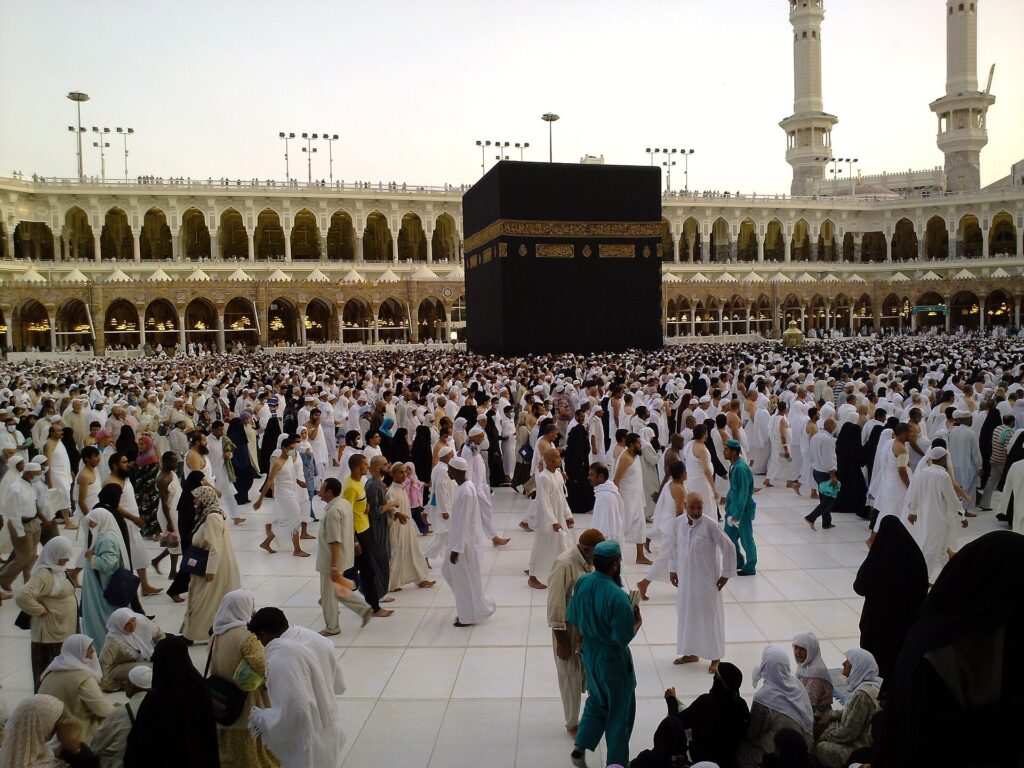
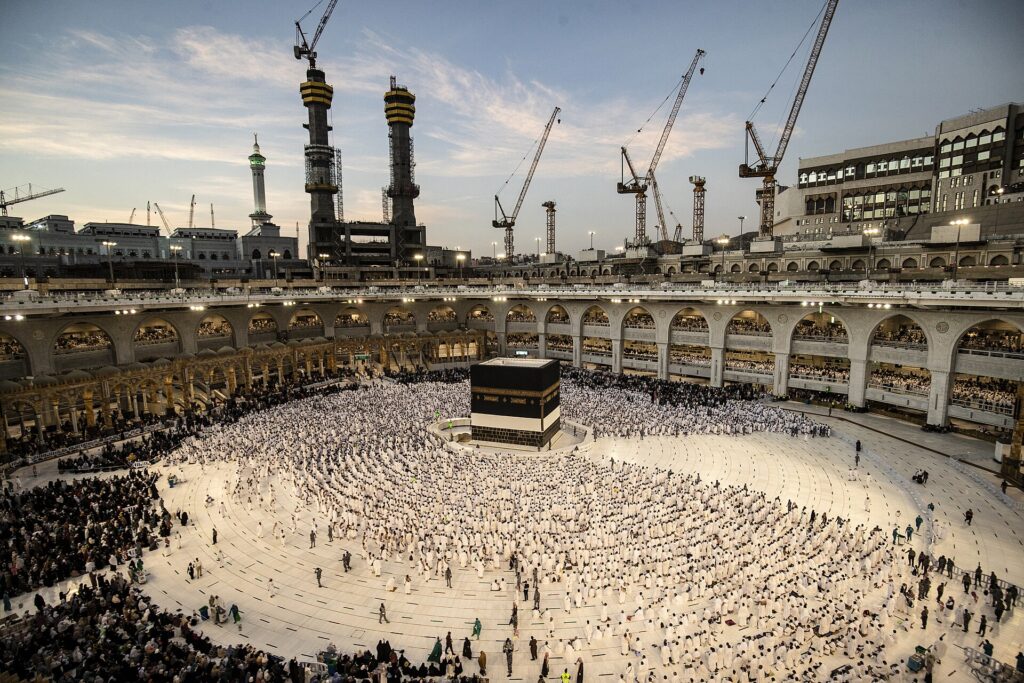
- Tawaf: At Masjid al-Haram, the Kaaba is circled seven times, starting from the line of the Black Stone (al-Hajar al-Aswad).
- Tawaf prayer: Two rak’ahs of prayer are performed behind Maqam Ibrahim, and Zamzam water is drunk.
- Sa’y: Seven rounds are walked back and forth between Safa and Marwah.
- Shaving (halq/taqsir): The hair is shaved or shortened; ihram is ended and the Umrah is complete.
On RotaNur programs, an experienced religious guide is with you at every one of these stages, showing you each step and accompanying you in your supplications.
Umrah Requirements and Required Documents
- A passport that is valid for at least 6 months from the date of travel
- An Umrah visa (we handle the process for you)
- Vaccinations required by the Saudi authorities (e.g. meningococcal)
- A biometric photo and the required health records
- For women, the mahram requirement is assessed according to current regulations
Umrah Financing and Why RotaNur?
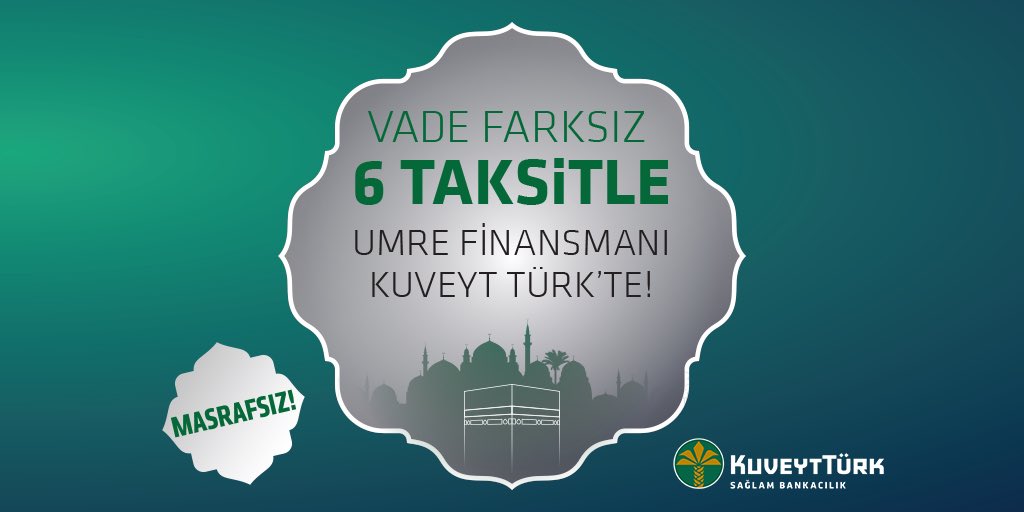
If you would like to spread the cost of your Umrah journey, you can use Hajj and Umrah financing with no added cost from Kuveyt Türk, a Turkish participation (Islamic) bank. No online payment is taken. After you submit your reservation request, our advisor contacts you, confirms the programme and availability, and guides you through the payment steps. With transparent pricing, an experienced team of guides, accommodation options close to the holy sites and 24/7 support, RotaNur is a trusted name in Umrah tours. Contact us today to find the Umrah package that suits you best and to get information on current Umrah prices.
ROTANUR
Frequently Asked Questions
How much are Umrah prices in 2026?
Estimated Umrah prices per person for the 2026 season (in Turkish lira) are: economy 70,000–100,000 ₺, standard 85,000–110,000 ₺, luxury 110,000–140,000 ₺, premium 140,000–180,000 ₺ and Ramadan Umrah 150,000–250,000 ₺. The exact price depends on the program and the period.
How much are Diyanet Umrah prices?
The Umrah programs of Diyanet (Türkiye’s Presidency of Religious Affairs) are generally offered in Standard (85,000–110,000 ₺), Comfort/Luxury (110,000–140,000 ₺) and Premium/Super Luxury (140,000–180,000 ₺) categories. Final official prices are confirmed each season by the Presidency’s announcement; these figures are estimated ranges.
How much does the most affordable Umrah cost?
Economy Umrah packages start from around 70,000 ₺ for 2026. In the economy package, the savings come from the accommodation class; guidance, transfers and visa services are of the same quality in all our packages.
What is included in the Umrah price?
Return flights, accommodation in Makkah and Madinah, all transfers, experienced guidance and the Umrah visa are usually included. Personal expenses, optional excursions and excess baggage are not included.
How do I pay, and is financing available?
No online payment is taken. After you submit your reservation request, our advisor contacts you, confirms the programme and availability, and guides you through the payment steps. If you would like to spread the cost, Kuveyt Türk offers Hajj and Umrah financing with no added cost.
Why is Ramadan Umrah more expensive?
Because hadiths give glad tidings that the reward of Umrah performed in Ramadan is multiplied many times over, demand is very high, and flights and hotels close to the holy sites become more expensive due to the crowds. That is why Ramadan Umrah is priced higher than other periods, and early booking is recommended.
How many days does Umrah take?
Depending on the program, there are 8-, 10- and 14-day options, as well as longer ones. Ramadan and holy-night (kandil) programs are usually longer. We will decide together on the duration that best suits your needs.
When can Umrah be performed, and what is the best time?
Umrah can be performed all year round. In terms of climate, November–February is the most comfortable period; spiritually, Ramadan and the holy nights (kandil) are the most valuable times. The mid-term school holiday and the summer holidays are ideal for families.
What documents are required for Umrah?
You need a passport valid for at least 6 months from the date of travel, an Umrah visa (handled by us), a biometric photo and the vaccinations required by the Saudi authorities. For women, the mahram requirement is assessed according to current regulations.
How do I get an Umrah visa?
The Umrah visa is obtained through Saudi Arabia’s Nusuk platform. The application and follow-up are handled entirely by RotaNur; all we need from you is a valid passport and the requested documents.
Who can go on Umrah?
Every Muslim whose health allows can go on Umrah. Matters such as age limits and the mahram requirement for women are assessed according to the Saudi authorities’ current regulations; our consultants will give you the most up-to-date information.
I am going on Umrah for the first time. Is guidance provided?
Yes. On all our programs, an experienced religious guide accompanies you at every stage of the Umrah rites and stays with you throughout the journey.
Do you have programs suitable for my family and children?
We organize special family programs during the mid-term school holiday, the summer holidays and Eid. For families with children, we plan suitable accommodation and a suitable program schedule.
How do I make a booking?
You can submit a "Booking Request" on the relevant program page or message us on our WhatsApp line. Our consultants will then call you to complete the process.