




 FOLDABLE -20%
 Arafat & Muzdalifah Essentials
Folding sleeping mat, fleece shawl-blanket, sleep set, folding stool and Muzdalifah Night Set: practical Hajj essentials for a more comfortable wuquf at Arafat and night at Muzdalifah.
Showing all 5 results

Arafat & Muzdalifah Essentials: A Guide to Preparing for the Wuquf and the Night at Muzdalifah
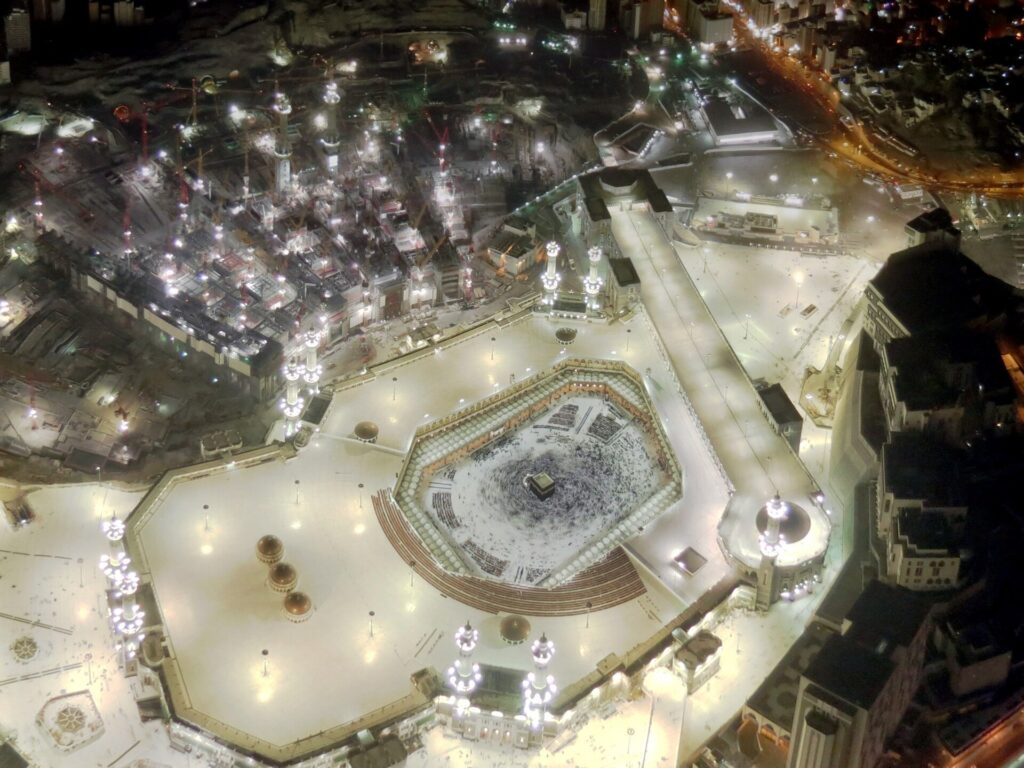
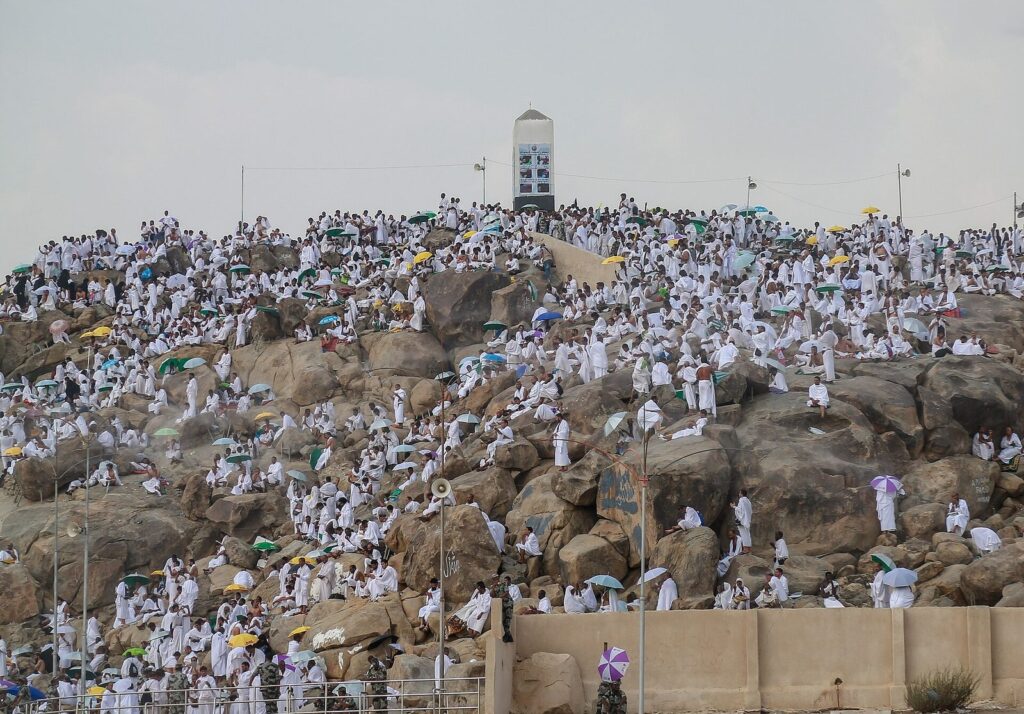
Arafat and Muzdalifah are the two most intense and most spiritual stops of Hajj. The wuquf (standing) at Arafat on the ninth day of Dhul Hijjah, the Day of Arafah, is the most important pillar of Hajj; the Eid night that follows is spent at Muzdalifah, often in an open area with limited facilities. Over these two days, pilgrims sit in tents for hours, walk long distances, wait for buses and spend the night on bare earth or asphalt. At RotaNur, we have brought together in this category light, practical products to help you get through these demanding yet blessed days more comfortably.
On this page you will find what awaits you during the wuquf at Arafat and the night at Muzdalifah, which items you should take with you, what to look for when choosing a sleeping mat and shawl, and the key points to bear in mind regarding the rules of ihram. The information here offers a general framework; for religious rulings, follow the guidance of Diyanet (Türkiye's Presidency of Religious Affairs) and the directions of your group officials.
The Wuquf at Arafat and the Night at Muzdalifah: A Brief Reminder
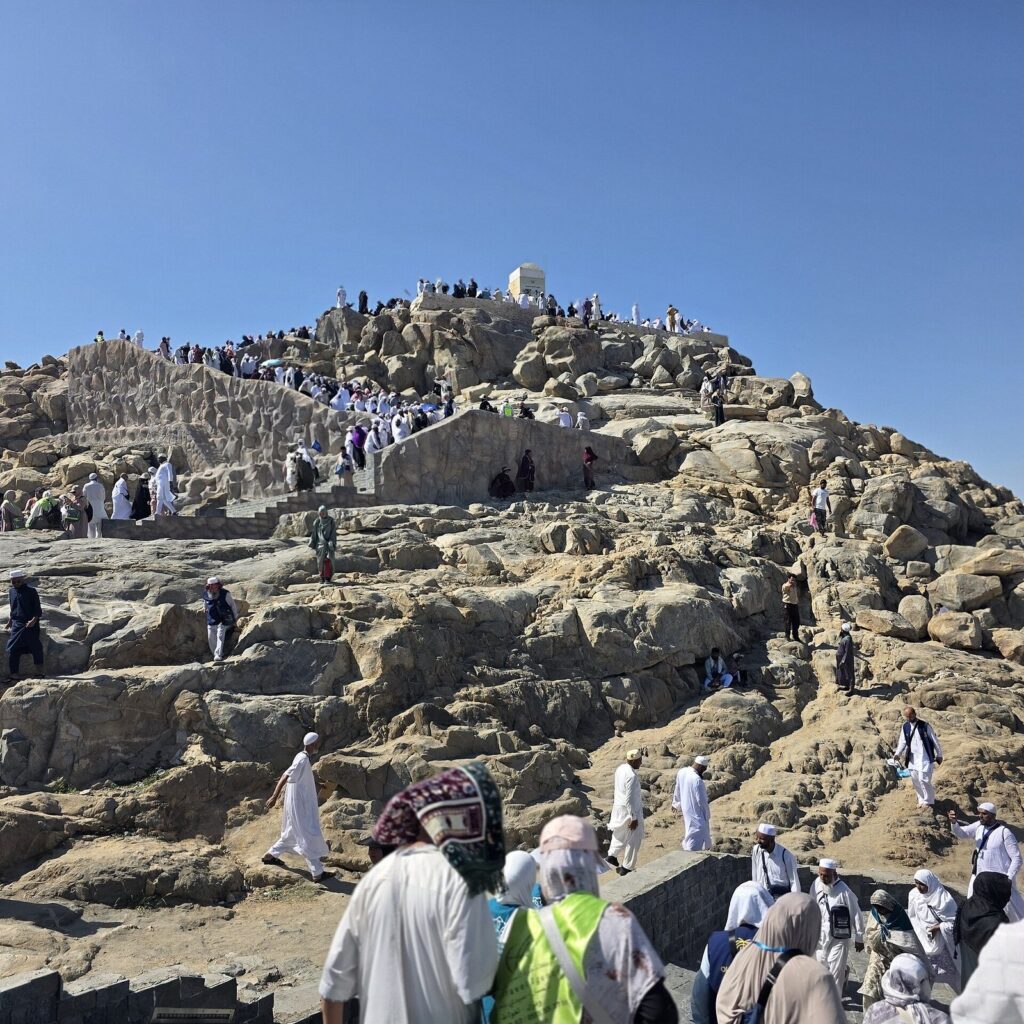
Pilgrims usually move to Arafat on the Day of Tarwiyah (8 Dhul Hijjah) or on the morning of the Day of Arafah, either from Mina or directly from Makkah. Being present at Arafat from midday on the Day of Arafah until sunset is the essence of the wuquf; these hours are spent in supplication, repentance, reflection and recitation of the Qur'an. After sunset, pilgrims set off for Muzdalifah without performing the maghrib prayer at Arafat and, as stated in Diyanet's guidance, the maghrib and isha prayers are performed together at Muzdalifah in the time of isha.
At Muzdalifah, the night is mostly spent in the open air. After the wuquf at Muzdalifah, performed after dawn and before sunrise on the first day of Eid, groups set off for Mina to throw pebbles at Jamrat al-Aqabah. Collecting the pebbles to be thrown at the Jamarat at Muzdalifah is common practice. This brief summary is meant to help you plan your preparations; for details of the rites, you can read our Hajj Guide.
A Night in the Open Air: What Awaits You at Muzdalifah?
What surprises first-time visitors to Muzdalifah most is that the whole night is spent outdoors. Groups spread out over a wide area; in most places the ground is hard, dusty and stony. Ground that has warmed up during the day slowly cools at night, and dampness may be felt towards morning. Lighting is not the same across the whole area, and long queues can form at the toilets and ablution areas. Because of the crowds, buses can take hours to reach Muzdalifah, so the night usually passes with short, broken sleep.
In these conditions, the items that make the biggest difference are a mat to lay between you and the ground, a light shawl to cover yourself with, a neck pillow and earplugs for a short sleep, a pouch for the Jamarat pebbles and unscented wet wipes for cleaning. Keeping them all in a single bag also reduces the risk of losing belongings in the crowd.
The Wuquf in the Arafat Tent: Tips for Comfort
At Arafat, groups stay in the tents allocated to them. The cooling facilities in the tents vary depending on the organisation; some tents are air-conditioned, while others have fans. Sitting for long periods with a sweaty body in an air-conditioned tent can leave you feeling cold, so a light shawl you can put over your shoulders is very useful. The tent floor is usually covered with carpet or matting, but sitting on the floor for hours is tiring for those with knee or back problems. A folded mat makes a seat cushion, and a folding stool makes a comfortable seat in the shaded areas in front of the tent.
So that the hours of the wuquf can be spent in prayer and worship, prepare what you need in advance: keep your water bottle, personal medicines, prayer book, charged phone and a small snack with you. For the times you will be out in the sun, you can also consider our heat protection products.
Preparation Checklist for Arafat and Muzdalifah
- Sleeping mat: A light, folding mat to lay between you and the ground at Muzdalifah.
- Shawl or blanket: A light cover for the air-conditioned tent, the bus and the cool night.
- Sleep accessories: An inflatable neck pillow and earplugs; the sleep mask only after leaving ihram.
- Pebble pouch: A drawstring pouch to carry the collected pebbles without spilling them.
- Unscented hygiene products: Unscented wet wipes and, if needed, unscented soap.
- Water and food: Plenty of water and non-perishable snacks such as dates or dried food.
- Personal medicines: The medicines you take regularly and a photocopy of your prescription.
- Lighting and communication: A small torch, a charged phone and a power bank.
- ID and group details: Your group card and the contact details of your hotel and guide.
To carry valuables such as your ID, money and phone safely, take a look at the neck wallet and waist bag options in our Mina and Jamarat day bags category.
A Day-by-Day Plan for Arafat and Muzdalifah
| Time | Where? | Useful to have with you |
|---|---|---|
| 8 Dhul Hijjah (Tarwiyah) | Makkah or Mina; move to Arafat according to the group programme | Light bag, water, personal medicines, shawl |
| 9 Dhul Hijjah (Day of Arafah), midday to evening | Arafat tent, wuquf | Seat cushion or stool, prayer book, water, umbrella |
| Evening of the Day of Arafah | Move from Arafat to Muzdalifah | All belongings gathered in a single bag |
| Eid night | Muzdalifah, open area | Sleeping mat, shawl, neck pillow, earplugs, torch |
| 10 Dhul Hijjah, after dawn | Wuquf at Muzdalifah, then Mina | Pebble pouch, unscented wet wipes |
Programme times and routes may vary from group to group; the table above is intended to give a general idea for your preparations. For the definitive plan, follow the briefings from your group guide.
Notes for Women Pilgrims
Women continue to wear their sewn clothing while in ihram; however, according to Diyanet's guidance, they must not cover their faces. Women pilgrims can therefore comfortably use a shawl or blanket over their shoulders and body, taking care only to leave the face uncovered. Planning toilet and ablution needs at Muzdalifah in advance and keeping unscented wet wipes with you makes the night easier. A light-coloured, lightweight shawl is useful for modest covering as well as against the chill of an air-conditioned tent.
Common Mistakes
- Carrying too much: A heavy bag adds to fatigue on long walks; take only what you need.
- Relying on an inflatable mat: A mat punctured on stony ground can make the night difficult.
- Using scented products: Scented wet wipes or creams may breach the prohibitions of ihram.
- Forgetting water and medicines: Transfers can take a long time; always keep your water and medicines with you.
- Not learning the meeting point: To avoid getting separated from your group in the crowd, note down the meeting point and your guide's phone number.
- Carrying belongings loose: Keeping the mat, shawl and pouch in a single bag reduces the risk of loss.
Which Product Is Right for You?
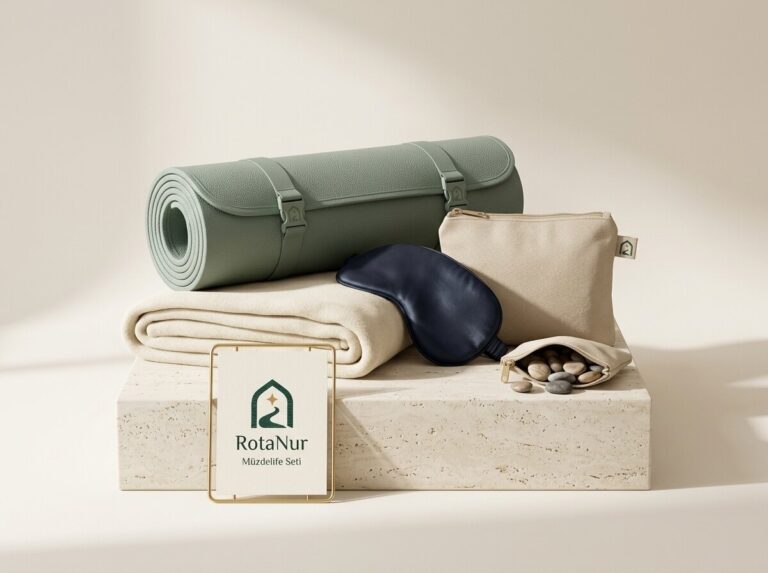
- Muzdalifah Night Set: A mat, fleece shawl, sleep set, Jamarat pebble pouch and unscented wet wipes in a single bag. The most practical choice for those who do not want the hassle of preparing and for those going on Hajj for the first time.
- Folding Sleeping Mat: 180x60 cm, 10 mm foil-backed foam. For lying down at Muzdalifah and for use as a cushion in the Arafat tent.
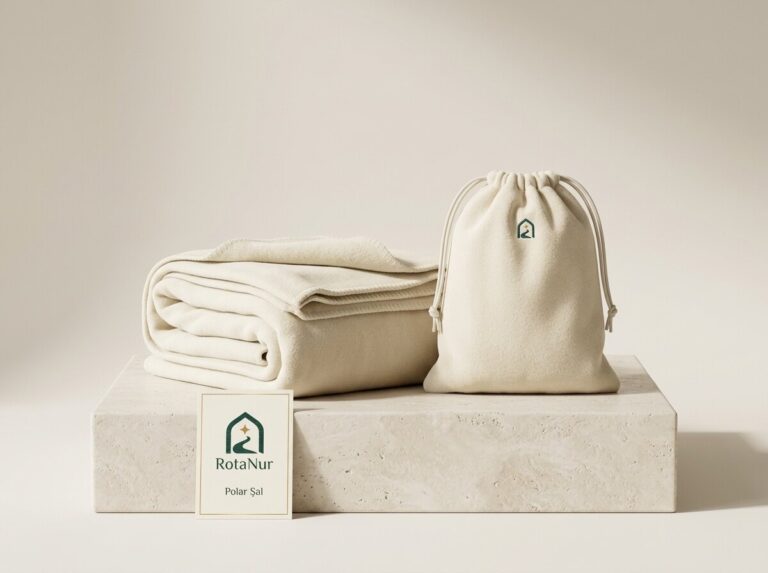
- Lightweight Fleece Shawl-Blanket: 130x170 cm. For the air-conditioned tent, the bus, the plane and the cool night.
- Inflatable Neck Pillow and Sleep Set: For restful sleep during short breaks and journeys.
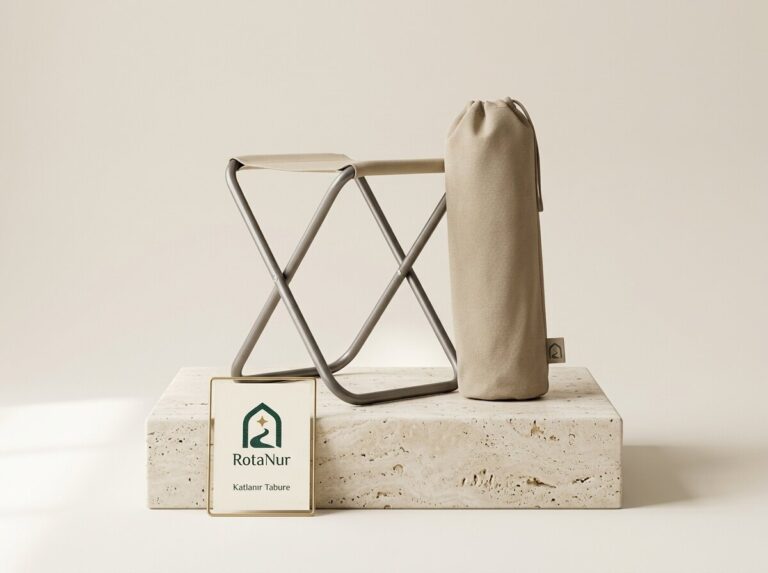
- Folding Stool: For elderly pilgrims who find it hard to sit on the ground and for long waits.
Practical Tips for Bus Transfers
Although the distance between Arafat and Muzdalifah is short, bus transfers can take hours because of heavy traffic. To make this time comfortable, put your neck pillow and shawl in the top compartment of your bag and keep your water bottle within reach. Bus air conditioning can run cool, and sitting for a long time with a sweaty body can leave you feeling cold. Check your belongings when getting off the bus; small pouches and phones that slip under the seats are the most commonly forgotten items. Wait for your group guide to describe the drop-off point and the meeting place.
Hygiene and Health at Muzdalifah
On a night spent in the open, cleaning facilities are limited. Keep unscented wet wipes with you for wiping your hands and face, along with a small rubbish bag to use before and after meals. Lay your mat away from walkways where others tread with their shoes. Those who are sensitive to dust or have asthma should seek their doctor's advice before travelling, bearing in mind that the face must not be covered while in ihram. If you feel unwell, contact the group doctor or the medical teams without delay.
Choosing a Sleeping Mat: Folding, Roll-Up or Inflatable?
Three types of mat are common on the market. Roll-up foam mats are cheap and light, but they are bulky when rolled up and take time to unroll and pack away in a crowd. Inflatable mats may seem the most comfortable option, but they come with inflation time and the risk of punctures and air leaks; on stony ground, a small hole can make the whole night difficult. Accordion-style folding mats offer a balanced solution between the two: they need no inflating, open and close in seconds and fold into a neat block.
When choosing a mat, look for the following: a length suited to an adult's height (at least 180 cm), a thickness that stops you feeling the hard ground (8-10 mm or more), closed-cell foam that does not absorb water, a carrying strap and a weight of no more than 500 g. The RotaNur Folding Sleeping Mat was chosen according to these criteria.
Comparison Table
| Product | Size | Approx. weight | Where it is used most | Ihram note |
|---|---|---|---|---|
| Folding Sleeping Mat | 180x60 cm, 10 mm | 400 g | Muzdalifah, Arafat tent | No ihram-related restriction |
| Fleece Shawl-Blanket | 130x170 cm | 550 g | Air-conditioned tent, bus, night | Men: head and face uncovered; women: face uncovered |
| Sleep Set | 3 pieces | 200 g | Bus, tent, plane | Mask only after leaving ihram |
| Folding Stool | Seat height ~40 cm | 900 g | Waiting areas, in front of the tent | No ihram-related restriction |
| Muzdalifah Night Set | 6 pieces | 1.4 kg | The night at Muzdalifah | Mask in the set only after leaving ihram |
Points to Note Regarding the Rules of Ihram
Remember that you are in ihram at Arafat and Muzdalifah. According to Diyanet's guidance, covering the head and face for men, and the face for women, is among the prohibitions of ihram; applying fragrance to the body, the ihram garments or the place where you will sleep is also prohibited. On the other hand, using an umbrella or a tent does not require any penalty. Within this framework:
- When covering yourself with a shawl or blanket, men should leave the head and face uncovered, and women the face.
- As a sleep mask covers part of the face, it should be used only after leaving ihram.
- Do not apply fragrance to your mat, shawl or pillow; use an unscented detergent when washing them.
- For cleaning, choose unscented products instead of scented wet wipes.
For the soap, shampoo and wipes you will need during ihram, you can explore our unscented care for extended use category, and for a spare ihram, our Hajj ihram and spare sets category.
Collecting the Jamarat Pebbles
One of the important tasks of the night at Muzdalifah is collecting the pebbles for the Jamarat. It is recommended to choose pebbles about the size of a chickpea; very large stones can harm others and are also harder to carry. The total number of pebbles to be thrown during Hajj varies according to the number of days spent in Mina; it is helpful to add a few spare pebbles in line with your group official's briefing. Carry the pebbles you collect in a drawstring pouch, in a compartment of your bag that you can reach easily. For details on how the pebbles should be collected and thrown, you can consult your group official.
Ways to Keep Your Bag Light
On the days at Arafat and Muzdalifah, every gram you carry makes itself felt on long walks. Set aside the items you can leave at the hotel or in your Mina tent, and take only what you will really need for these two days. Strapping bulky items such as the folding mat and fleece shawl to the outside of your bag leaves the inside free for valuables and water. A backpack distributes weight more evenly than a single-shoulder bag and leaves your hands free.
For Elderly Pilgrims and Those with Chronic Conditions
For elderly pilgrims and those with chronic conditions, the days at Arafat and Muzdalifah are the most physically demanding. If you find it hard to sit on the ground, a folding stool, and an inflatable pillow for neck and back support, provide considerable relief. Carry your medicines divided into daily doses, drink plenty of water and follow the group doctor's advice. Consulting your doctor before the journey makes it easier to plan how to look after yourself.
Care and Storage After Use
When you return from Hajj, wipe your mat with a damp cloth, dry it in the shade and store it folded. Wash the fleece shawl at 30°C with an unscented or mild detergent and hang it up to dry. Let all the air out of the inflatable pillow and wash its cover. Wipe the stool's steel frame with a dry cloth and keep it in its bag. After Hajj, these products remain useful on Umrah journeys, on camping trips and picnics, and on long coach journeys.
A Meaningful Gift for a Loved One Going on Hajj
The best gift for a loved one being seen off on Hajj is one that is truly useful on the journey. The Muzdalifah Night Set is a meaningful and practical farewell gift, as it brings together the items a pilgrim will need on their most demanding night. The fleece shawl and the sleep set are also among the light, budget-friendly gift options. If you would like to prepare gifts in bulk as a group or association, simply send us the quantity and delivery date.
Why RotaNur?
- Chosen specifically for Hajj: The products were selected with the conditions at Arafat and Muzdalifah in mind.
- Clear and accurate information: Every product page clearly states sizes, materials and ihram notes.
- Consistent sets: The Muzdalifah Night Set is made up of products we also sell individually.
- Easy shopping: No online payment is taken; after you send your order request, our advisor contacts you, confirms availability and guides you through the payment steps. Fast shipping, a 14-day return right and 24/7 WhatsApp support.
RotaNur is a travel organisation that stands by you at every stage of your Umrah and Hajj journey. By exploring our Hajj tours, you can plan both your journey and your preparations in one place.
FAQ
At Muzdalifah, the night is mostly spent in an open area. Laying a mat between you and the ground and having a light cover with you will help you spend the night more comfortably.
The most basic needs are a sleeping mat, a light shawl or blanket, a neck pillow and earplugs, a pebble pouch, unscented wet wipes, water, personal medicines and a small torch.
The cooling facilities in the tents vary depending on the organisation. Those who sit for a long time in air-conditioned tents may feel cold; a light shawl to put over the shoulders is helpful.
According to Diyanet's guidance, men in ihram are prohibited from covering the head and face, and women from covering the face. You should cover yourself in a way that leaves these parts uncovered; if in doubt, consult your group official.
As a sleep mask covers part of the face, it is recommended to use it only after leaving ihram. A neck pillow and earplugs do not cover the head or face.
On stony, crowded ground, folding mats that carry no risk of puncture and open and close quickly are more practical.
It is recommended to choose pebbles about the size of a chickpea. For the total number, follow your group official's briefing.
A folding sleeping mat, a fleece shawl-blanket, an inflatable neck pillow, sleep mask and earplug set, a Jamarat pebble pouch, unscented wet wipes and a drawstring backpack.
Yes. For group and association orders, you can send us the quantity and delivery date via our WhatsApp line.
No online payment is taken. After you send your order request, our advisor contacts you, confirms availability and guides you through the payment steps. You have the right to return unopened and unused products within 14 days of delivery.