




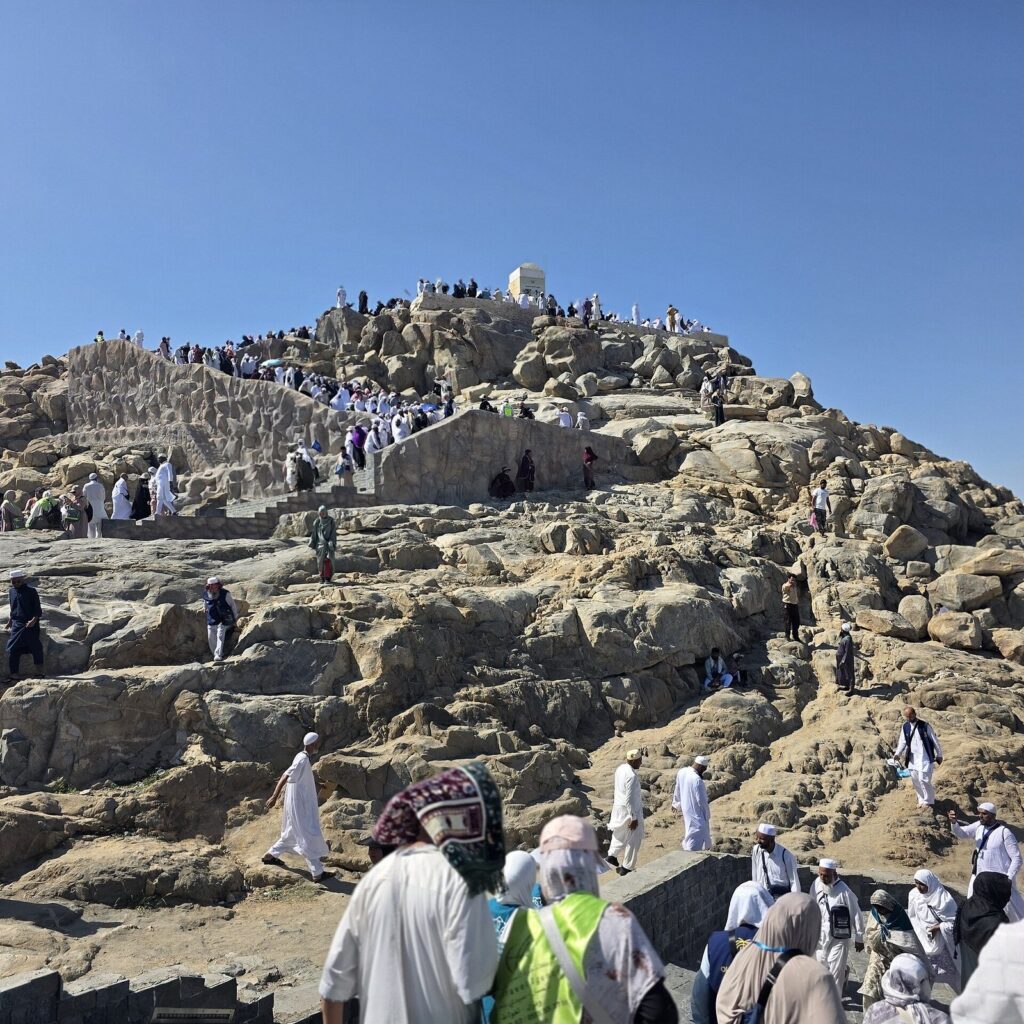
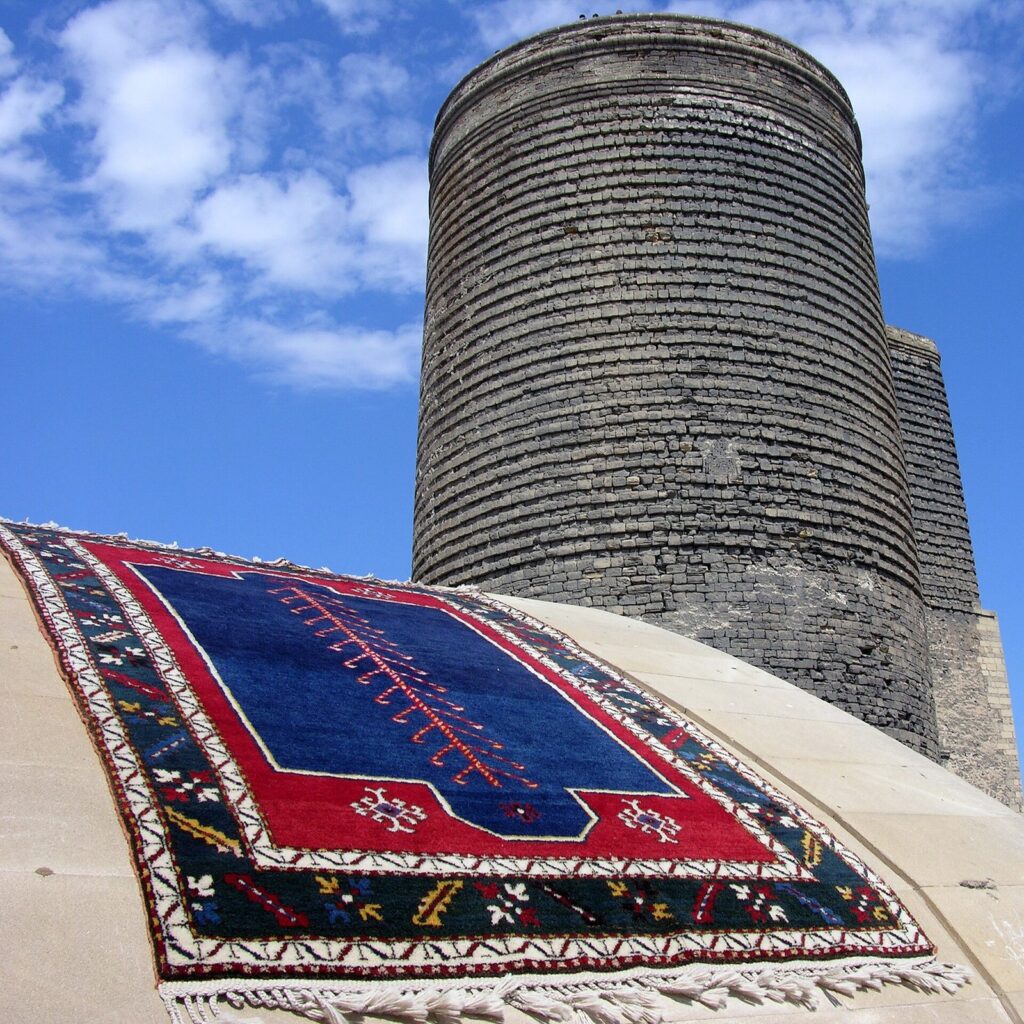


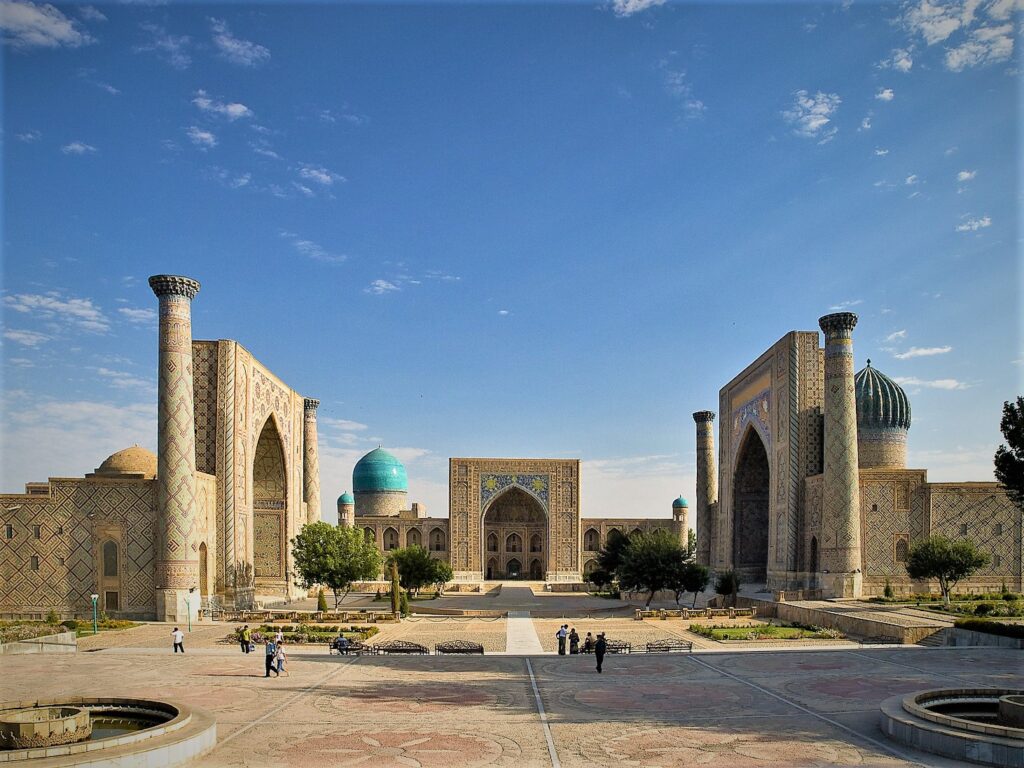
 CULTURE TOURS -19%
 Culture Tours
Compare the Jerusalem, Uzbekistan, Bosnia and Balkans, and Egypt routes by highlights, duration, season and halal travel practices, and pick the culture tour that suits you.
Showing all 4 results
Culture Tours Route Guide: Choose the Right Programme for Your Interests
The culture tours category brings together RotaNur's guided travel programmes that follow the traces of Islamic civilisation. On the cards above you can see each route's highlights, guiding and concept details and starting price, and on each tour page you will find the day-by-day itinerary and the services included in the price. This guide has been prepared so that you can compare the routes with one another, choose the programme that best matches your interests and see in one place the practical details to keep in mind as you prepare for the journey.
What our culture tours have in common is that they let you explore historic and spiritual sites with an expert guide, on a schedule that respects prayer times and halal dining. Yet each route promises a different experience: some highlight the spiritual depth of visiting the first qibla, some the cities of learning where great scholars were raised, and others the living traces of the Ottoman heritage. Deciding first what you want to see and feel when choosing a route helps you get more out of the programme.
The Routes in This Category at a Glance
| Route | Highlights | Programme pace | Who is it most suited to? |
|---|---|---|---|
| Jerusalem | Masjid al-Aqsa, Dome of the Rock, Old City, Hebron (Al-Khalil) | About one week, with a spiritual focus | Those who wish to visit the first qibla |
| Uzbekistan | Tashkent, Samarkand, Bukhara, Imam al-Bukhari Mausoleum | About one week, with intercity travel | Those interested in the history of Islamic scholarship and Sufism |
| Bosnia and the Balkans | Sarajevo, Mostar, Blagaj Tekke, Počitelj | About one week, combining nature and history | Those who want to see the Ottoman heritage first-hand |
| Egypt | Cairo, Al-Azhar, Sultan Hassan Mosque, the Pyramids, the Nile | About one week, at a big-city pace | Those curious about the Islamic scholarly tradition and ancient history |
Durations and stops show the general framework of the programmes; the exact number of days and the order of visits are given on each tour's page. For information on the Andalusia, Morocco, Azerbaijan and Gulf routes, take a look at our route pages; once programmes open on these routes, the tours will be listed in this category.
Choosing a Route by Your Interests
- If you are looking for a spiritual journey: the Jerusalem tour offers the chance to pray at Masjid al-Aqsa, the first qibla of Muslims, and to get to know the city of the prophets.
- If you are interested in the history of scholarship: the Uzbekistan tour is a route full of madrasas that follows in the footsteps of great scholars such as Imam al-Bukhari and Bahauddin Naqshband.
- If you want to see the Ottoman heritage: the Bosnia and Balkans tour offers living history stretching from Baščaršija to the Mostar Bridge.
- If you want to discover an ancient civilisation together with the Islamic scholarly tradition: the Egypt tour opens up a wide sweep of history, from Al-Azhar to the Pyramids.
Route-by-Route Highlights
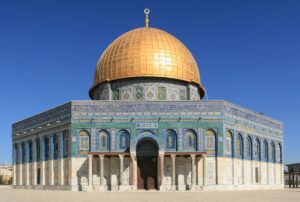
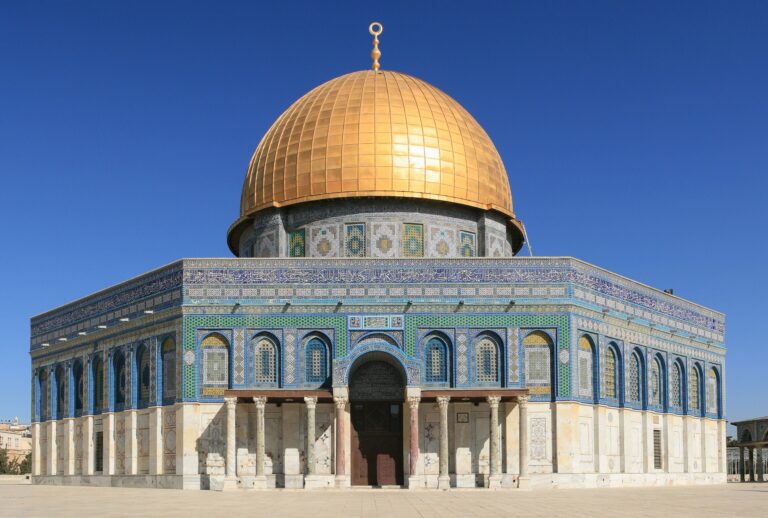
Jerusalem: The programme begins with a visit to Masjid al-Aqsa and the Dome of the Rock, and prayers are performed in the courtyard of the Haram al-Sharif. You then explore the Old City's walls, historic gates and bazaars. In Hebron (Al-Khalil), the Mosque of the Prophet Ibrahim (the Ibrahimi Mosque), together with Bethlehem and the Jericho area, are the programme's other key stops. In Jerusalem, the pace of sightseeing is kept flexible according to visiting conditions.
Uzbekistan: Beginning in Tashkent with the Hazrati Imam Complex, the programme continues in Samarkand with Registan Square, the Bibi-Khanym Mosque, the Shah-i-Zinda mausoleums and the Ulugh Beg Observatory. After a visit to the Imam al-Bukhari Mausoleum near Samarkand, the group travels on to Bukhara; here you tour the historic madrasas and the Bahauddin Naqshband Complex and, depending on the programme, may also travel to Khiva.
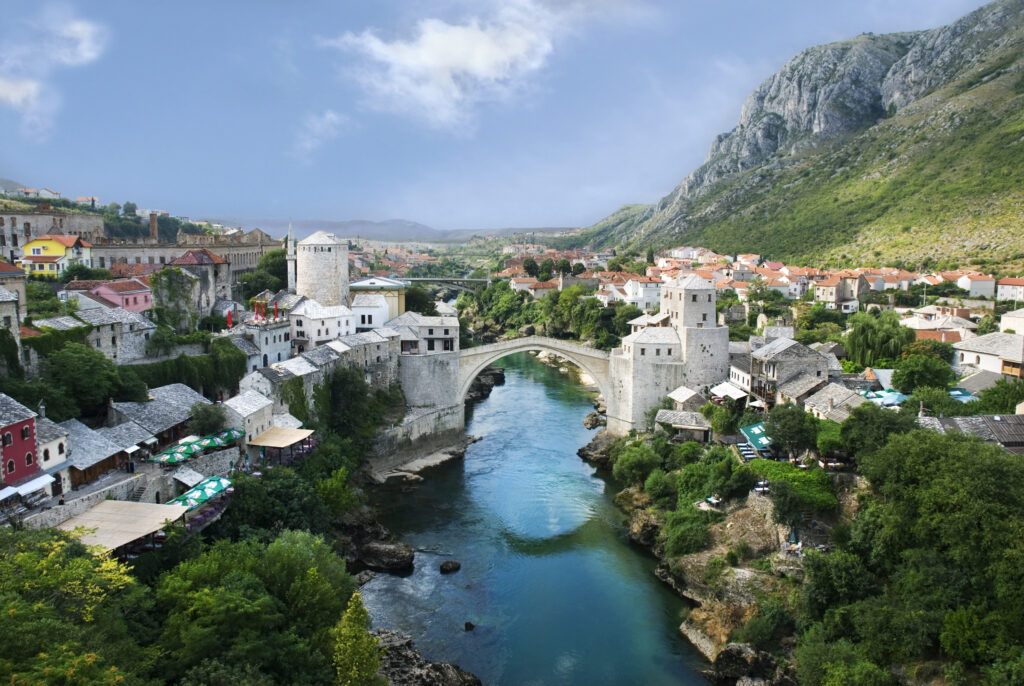
Bosnia and the Balkans: In Sarajevo, the programme includes Baščaršija and the Gazi Husrev-beg Mosque, a city tour and the Tunnel Museum. In Mostar you visit the historic bridge and the Blagaj Tekke at the source of the Buna River; towns such as Počitelj and Travnik, along with green valleys and waterfalls, complete the programme.
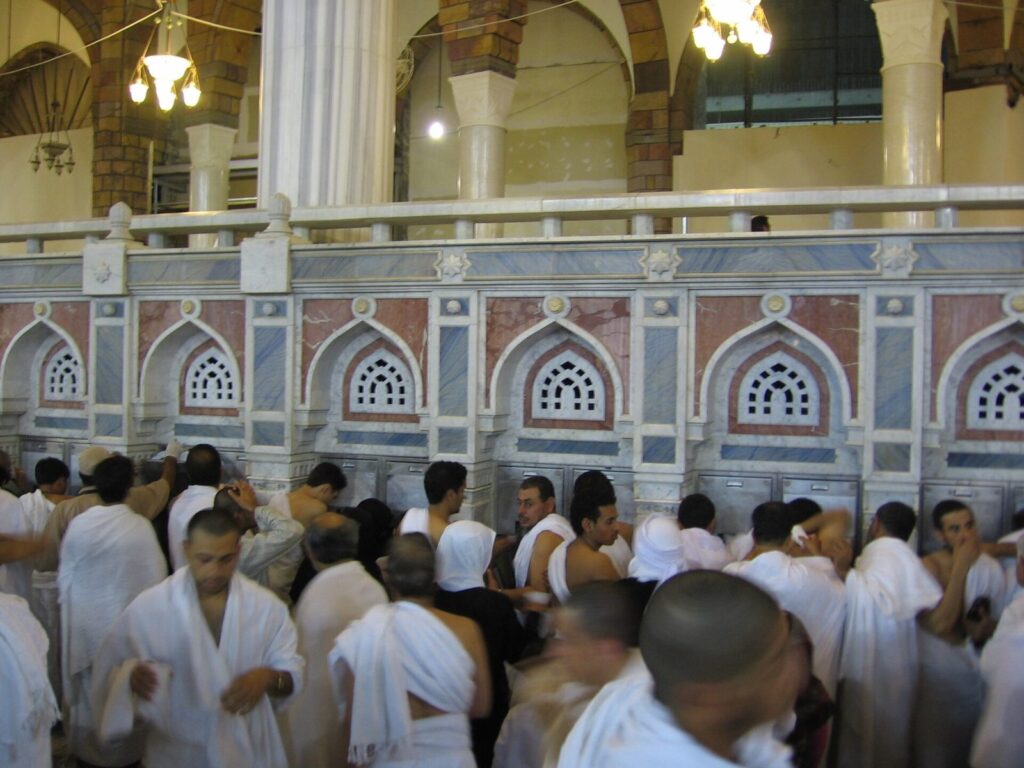
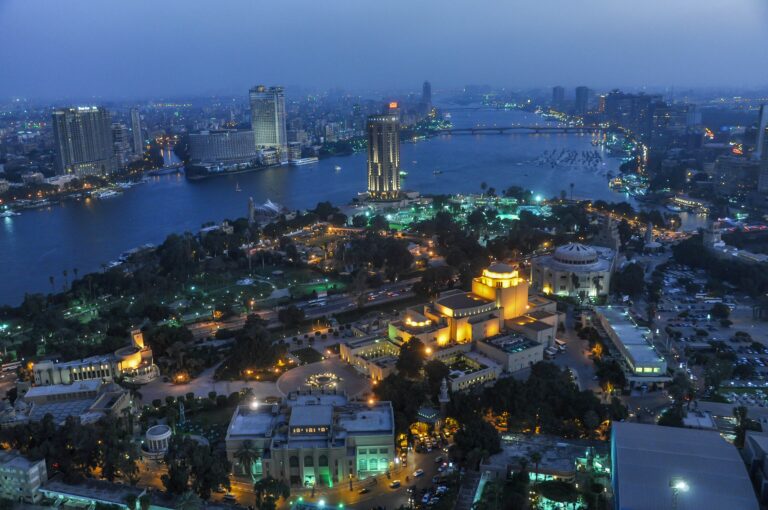
Egypt: In Cairo you visit Al-Azhar Mosque and University, Al-Hussein Mosque and the Khan el-Khalili bazaar. The Sultan Hassan and Ibn Tulun mosques showcase the architectural richness of historic Cairo, while the Pyramids, the Sphinx and the programme along the Nile introduce Egypt's ancient history.
The History Behind the Routes: What to Know Before You Go
Jerusalem and Masjid al-Aqsa: Masjid al-Aqsa is the mosque mentioned in the first verse of Surah al-Isra in the Holy Qur'an, and it was the first qibla of Muslims. The wide area known as the Haram al-Sharif forms a single whole with the lead-domed Qibli Mosque, the golden-domed Dome of the Rock, and the fountains, minbars and madrasas in its courtyard. The present-day appearance of this area bears the traces of the Umayyad, Ayyubid, Mamluk and Ottoman periods side by side; the Old City walls, renewed in the reign of Suleiman the Magnificent, are also part of this heritage.
Samarkand and Bukhara: Registan Square, at the heart of Samarkand, is surrounded by three great madrasas: the Ulugh Beg, Sher-Dor and Tilya-Kori madrasas. A centre of science and art in the Timurid era, the city also holds an important place in the history of astronomy thanks to the Ulugh Beg Observatory. Bukhara, for its part, was renowned for centuries as a city of learning with its many madrasas; the hadith scholar Imam al-Bukhari was raised in this region, and his mausoleum lies near Samarkand. The complex of Bahauddin Naqshband, regarded as the founder of the Naqshbandi order, is also in Bukhara.
Sarajevo and Mostar: Sarajevo's bazaar quarter and mosques took shape in the Ottoman period. Foremost among the landmarks that have become symbols of the city are the mosque, madrasa and covered market (bezistan) commissioned in the 16th century by Gazi Husrev-beg, the Ottoman governor of the Bosnian sanjak. The historic bridge in Mostar was built in 1566 by the Ottoman architect Hayreddin, destroyed during the war in 1993, then faithfully rebuilt and reopened in 2004. The Blagaj Tekke is a historic dervish lodge at the source of the Buna River, nestled at the foot of the cliffs.
Cairo: Cairo is one of the most deeply rooted centres of learning in the Islamic world. Founded in the 10th century under the Fatimids, Al-Azhar Mosque is the nucleus of Al-Azhar University, which is still active today. The Ibn Tulun Mosque, dating from the 9th century, is among the city's oldest mosques, while the Mosque-Madrasa of Sultan Hassan, built in the Mamluk period, stands out for its monumental architecture. The Khan el-Khalili bazaar, meanwhile, has remained the commercial heart of historic Cairo for centuries.
Guiding, Accommodation and Transport Arrangements
On our culture tours, an expert guide accompanies your group every day. The guide explains the history and spiritual significance of the places visited, arranges the order of visits around the busiest times and reminds you of the etiquette to observe when visiting mosques. The greatest benefit of a guided tour is that, while seeing a great deal in a short time, you also grasp the meaning of the places you see.
Tour prices cover return transport, accommodation with breakfast, the meals included in the programme, in-city transfers, museum and archaeological site entrance fees, and guiding. Personal expenses and optional extra activities are not included in the price. Intercity journeys may be made by road, by train or on a domestic flight, depending on the geography of the route; the tour programme shows which day is travelled by which means of transport.
Special Notes for a Visit to Jerusalem
Jerusalem is the culture tour route that calls for the most careful preparation. Because the security situation and transport options in the region change frequently, the programme is planned according to current conditions; at certain times the journey may be arranged via Jordan, with an overland crossing at the King Hussein (Allenby) Bridge. Entry conditions and visiting hours for Masjid al-Aqsa may also change from time to time. We therefore recommend setting off with a flexible mindset, keeping an eye on the travel advisories of the Republic of Türkiye's Ministry of Foreign Affairs and following your guide's directions. Choosing comfortable, modest clothing makes your visit to the Haram al-Sharif easier. For more detail, take a look at our Jerusalem travel guide.
Which Route in Which Season?
On culture tours, the weather directly affects how much you enjoy walking-heavy programmes. As a general guide:
- Jerusalem: Spring and autumn, with their mild weather, are the most comfortable periods; the summer months are hot.
- Uzbekistan: The climate is hot in summer and cold in winter; spring and autumn are the best periods for travelling between cities.
- Bosnia and the Balkans: From spring to autumn, green landscapes and long days make for ideal touring; in the winter months the weather can be cold and wet.
- Egypt: Autumn and the winter months are more comfortable for those who want to avoid the heat of the desert climate.
On culture tours that take place during Ramadan, the flow of the programme is planned around iftar and tarawih prayers. As Ramadan 2027 is expected to begin in the first half of February 2027, if you are considering a tour that falls in this period, we recommend reviewing the pace together with our advisor.
Documents and Entry Requirements
The documents needed for culture tours vary by route. Checking your passport's validity before you travel is the first step for every route. Visa and entry requirements differ from country to country and may change from time to time:
- Uzbekistan and Bosnia and Herzegovina are among the countries that offer visa facilitation to Turkish citizens for short visits; confirm the current length of stay and conditions with the Republic of Türkiye's Ministry of Foreign Affairs.
- On routes such as Jerusalem and Egypt, entry requirements and the security situation can change from time to time; the programme is planned according to current conditions, and the itinerary is revised when necessary.
- For routes that require a visa, we will tell you the documents and timelines needed for the application at the time of booking.
- For travel advisories, we recommend following the latest announcements of the Republic of Türkiye's Ministry of Foreign Affairs.
Halal Travel Practices
On our culture tours, the flow of the programme is arranged around prayer times; on Fridays, it is planned so that Friday prayer is performed at one of the historic mosques of the city being visited. Care is taken to offer halal food options at meals. A few tips to make your journey easier:
- A pocket prayer mat and a qibla-finder app make it easier to find a place to pray between visits.
- For mosque visits, choose modest, comfortable clothes that can be worn in layers.
- Shoes that suit long walks and are easy to slip on and off save time at mosques.
- Ask your guide for help reading labels on products where halal matters to you.
You can find the finer points of a halal holiday in detail in our article what is halal tourism.
Visiting Etiquette and Photography
A large share of the places visited on culture tours are mosques, mausoleums and complexes that are open for worship. At these sites, avoiding photography during prayer times, not passing in front of people who are praying and keeping quiet are all part of visiting etiquette. Observing the dress and entry rules at Masjid al-Aqsa, respecting the order of visits at the mausoleums in Uzbekistan and staying together with your group at crowded spots such as the Mostar Bridge help preserve the peace of the journey. Photography rules at museums and archaeological sites vary from place to place; your guide will remind you of them before each visit.
What Is a Day on a Culture Tour Like?
On culture tours, days usually begin with breakfast at the hotel, followed by meeting your guide. The morning hours are set aside for visiting the most important sites before the crowds build. The midday prayer is often performed at a historic mosque in the area being visited, followed by lunch and a short break. In the afternoon, a museum, a bazaar or a second visit is on the programme. The evening hours are reserved for free time or intercity travel. The daily pace varies by route: visiting conditions in Jerusalem, the distances between cities in Uzbekistan, nature excursions in the Balkans and city traffic in Cairo shape the flow of the programme.
How to Read the Cards and the Tour Page
- Starting price: The amount shown on the card is the starting price per person. Culture tour prices are currently estimated; the final price is confirmed by our advisor together with the date.
- Highlights: The short points at the bottom of the card summarise the cities, the guiding and the halal concept.
- Date information: Because culture tour dates are planned according to the level of participation, the booking card states that the date will be set with our advisor.
- Day-by-day itinerary: The tour page lists each day's visits separately.
- Included and excluded services: Items such as transport, accommodation with breakfast, meals included in the programme, in-city transfers, museum entrance fees and guiding are listed on the tour page.
Tips for Families, Groups and Older Travellers
Culture tours are educational journeys that the whole family can take together. If you are travelling with children, you may prefer routes with shorter intercity journeys and walking times, and you can spark your children's interest before the trip by telling them the stories of the places you will visit. For older travellers, the streets of Jerusalem's Old City and the historic squares of Uzbekistan may involve long walks; mentioning this at the time of booking helps us plan the programme accordingly.
If you would like to travel as an association, foundation, school or group of friends, a private date and programme can be arranged once there is sufficient participation. On group tours, the programme content and accommodation options are shaped around the group's expectations.
Budgeting and Shopping
Set aside part of your budget for personal expenses and optional activities that are not included in the tour price. The local currency varies by route: the som is used in Uzbekistan, the convertible mark in Bosnia and Herzegovina and the Egyptian pound in Egypt. Before you travel, you can ask your guide about local payment habits in Jerusalem and how widely cards are accepted there. When shopping in historic bazaars, asking the price up front and respecting the bargaining culture make for a good experience. Samarkand silk, Sarajevo copperware and Cairo's spices and handicrafts are among the most sought-after souvenirs on these routes.
Booking Steps
- Choose the route that interests you from the cards on this page and review the day-by-day itinerary on the tour page.
- Create your booking request or write to us on our 24/7 WhatsApp line.
- Our advisor lets you know a suitable date, the final price and the list of documents.
- Complete the payment steps our advisor guides you through, and send us your passport and any visa documents.
- Receive your flight, hotel and guide details before you travel.
Common Mistakes When Choosing a Culture Tour
- Not taking the season into account: Choosing a route with long walks in the hot months can take away from your enjoyment of the programme.
- Putting off document checks: Passport validity and entry requirements should not be left until the last week.
- Judging a programme only by the number of cities: Staying longer in fewer cities often makes for a more rewarding trip.
- Not mentioning special needs: Walking difficulties, dietary sensitivities or health conditions should be stated at the time of booking.
- Not keeping up with the current situation: Especially on routes such as Jerusalem, travel advisories should be checked before departure.
Pre-Travel Checklist
- Your passport's validity and any visa documents
- Travel health insurance and any medicines you take regularly
- Clothing suited to the route's season and appropriate for mosque visits
- Comfortable walking shoes, a small backpack and a water bottle
- A pocket prayer mat, a qibla app and a portable charger
- Local currency or a bank card that can be used abroad
- Contact details for your guide and your hotel
After the Journey: Make What You Saw Last
The value of a culture tour lives on after you return home. Jotting down short notes on what your guide tells you during the trip, organising your photos with the names of the places, and reading a few books on the history of the cities you visited all deepen the mark the journey leaves on you. If you travelled with your children, having them put together a small notebook describing the places they saw reinforces what they learned. Many of our guests, after completing one route, want to see another city of Islamic civilisation; when planning your next route, you can revisit the programmes in this category and our route pages.
Reading List to Prepare for the Routes
Reading before you travel helps you understand the places you see more deeply. Articles we have prepared for each route: Jerusalem travel guide, travelling in Uzbekistan, places to visit in Sarajevo, places to visit in Mostar and places to visit in Cairo. For price and programme details of the routes by period, visit our culture tours page, and for any questions, use our contact channels, available 24/7.
FAQ
The category currently features tours to Jerusalem, Uzbekistan (Samarkand and Bukhara), Bosnia and the Balkans, and Egypt. For the Andalusia, Morocco, Azerbaijan and Gulf routes, you can find information on our route pages and contact our advisors about the tours that will be listed in this category once programmes open.
The Balkan and Uzbekistan routes, with their closeness to Turkish culture and touring style that is easy to adapt to, are among the suitable options for a first trip abroad. Before making a final decision, we recommend reviewing the entry requirements and the programme pace with our advisor.
Culture tour dates are planned according to the level of participation and conditions on the route. The booking card states that the date will be set with our advisor; once you tell us the period that suits you, we will let you know about available or planned departures.
No. For culture tours, the amount shown on the card is currently an estimated starting price. The final price is confirmed by our advisor once the date and the number of participants are clear.
Yes. On programmes that include a Friday, it is planned so that Friday prayer is performed at one of the historic mosques of the city being visited. The daily programme is also arranged around prayer times.
The Jerusalem visit is planned according to regional conditions. As entry requirements and the security situation can change from time to time, the programme is arranged according to the current situation; before setting off, we recommend keeping an eye on the travel advisories of the Republic of Türkiye's Ministry of Foreign Affairs.
Intercity journeys are made by road or by train, depending on the programme; there is a high-speed rail line linking Tashkent, Samarkand and Bukhara. The tour programme specifies which means of transport is used for each journey.
Yes. In addition to the historic stops in Sarajevo and Mostar, the programme features natural beauty such as green valleys, waterfalls and the source of the Buna River, where the Blagaj Tekke stands.
The programme includes major mosques of historic Cairo such as Al-Azhar Mosque, Al-Hussein Mosque, Sultan Hassan Mosque and Ibn Tulun Mosque. The order and length of the visits are given in the day-by-day itinerary.
Yes, culture tours are well suited to families. If you let us know your children's ages and how much walking they can manage when you book, we will advise you on the programme pace and accommodation arrangements.
Yes. For associations, schools, foundations or groups of friends, a private date and programme can be arranged once there is sufficient participation. Simply share your group size and expectations with our advisors.
No online payment is taken. Once the date and price have been confirmed with our advisor, our advisor contacts you and guides you through the payment steps. Change and cancellation terms depend on how much time remains before your departure date; details are on our cancellation and refund policy page.