





 CULTURE TOURS
Jerusalem Tour 2026-2027: Al-Aqsa Mosque and Old City Programmes
Pray at Al-Aqsa Mosque and explore al-Haram al-Sharif, the Ottoman walls, Hebron and Bethlehem on programmes with halal meals and schedules built around prayer times, accompanied by an experienced Turkish-speaking guide.
A Jerusalem tour brings together praying at Al-Aqsa Mosque, the first qibla of Muslims, seeing al-Haram al-Sharif (the Noble Sanctuary), which carries the memory of the Isra and Mi'raj, with your own eyes, and walking through the historic streets of the city of the prophets. RotaNur's Jerusalem tours are halal culture tour programmes that introduce the Qibli Mosque, the Dome of the Rock, the Marwani Mosque and the Buraq Wall, as well as stops such as the Ottoman walls and Damascus Gate, accompanied by an experienced Turkish-speaking guide. Every step taken on the stone streets of the Old City is a reminder of the traces Islamic civilisation has left in this ancient city.
We design our programmes not merely as a list of places to visit but as a spiritual journey to be experienced in peace. Sightseeing hours are planned around prayer times; when conditions are suitable, visits to the Ibrahimi Mosque in Hebron and to Bethlehem are also added to the route. Because entry and visiting conditions in Jerusalem can change, we prepare you with up-to-date information before the journey and provide 24/7 support via WhatsApp throughout the process.
On a Jerusalem trip, the most important part of comfort is staying close to the mosque. For this reason, accommodation is chosen in areas with easy access to al-Haram al-Sharif and the Old City; airport pick-up and transport for visits outside the city are also organised as part of the programme. This proximity makes it easier, especially for our elderly travellers, to reach the mosque at early prayer times such as Fajr.
Halal sensitivity is our priority when it comes to meals. On programmes that coincide with a Friday, performing the Friday prayer at Al-Aqsa Mosque is taken into account, as far as that day's entry arrangements allow. In the narrow streets of the Old City, your experienced Turkish-speaking guide does not just show you the way but also explains the history and visiting etiquette of each site. For security and entry conditions, we recommend following the current travel advisories of Türkiye's Ministry of Foreign Affairs, and we update the programme together with you when necessary.
Jerusalem and Halal Culture Tour Programmes
Explore all our halal culture tour programmes, including the Jerusalem tour; current prices and dates are shown on the package cards.
CULTURE TOURS 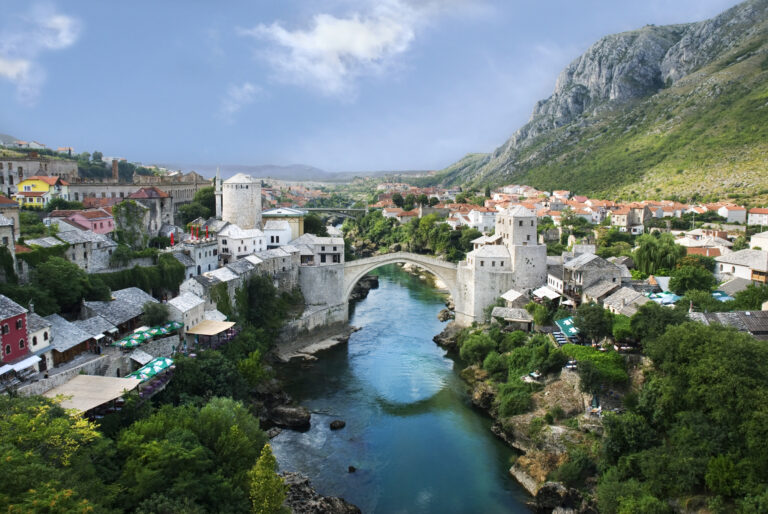 CULTURE TOURS
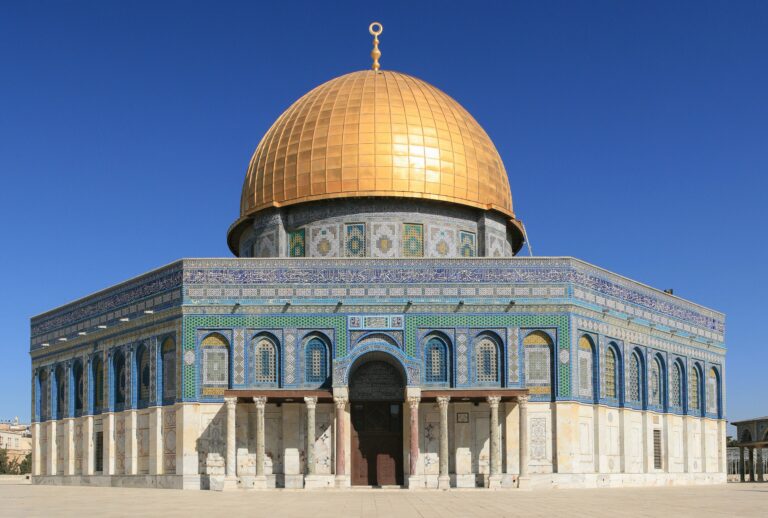 MOST POPULAR
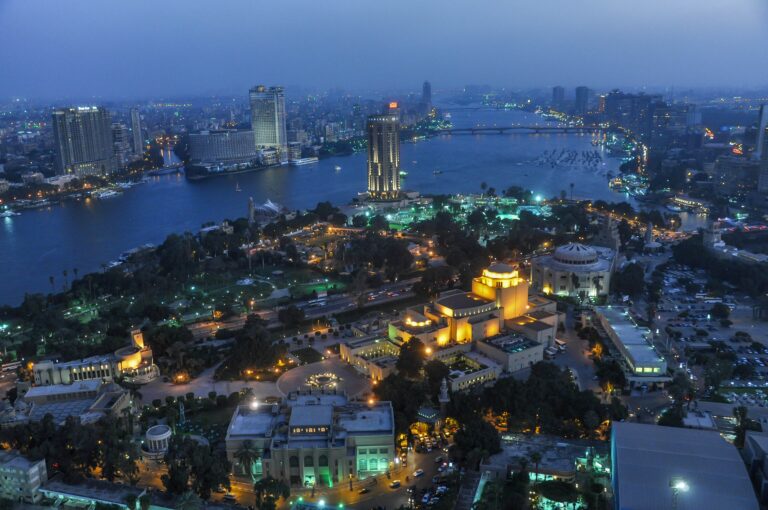 CULTURE TOURS -22%
Tailor-Made Programme
Can't find the date or length you want? Let's plan a culture tour programme for your group and budget together.
Message on WhatsApp →Why Is a Jerusalem Tour So Meaningful?
The first qibla, the stopping place of the Isra and Mi’raj, the city of the prophets.
For Muslims, Jerusalem is regarded as the holiest city after Makkah and Madinah, and because it carries the memory of many prophets, it is also known as the city of the prophets. A Jerusalem tour is undertaken not merely to see this blessed city but to feel its history and spiritual meaning first-hand. Al-Aqsa Mosque is the first qibla, towards which Muslims turned in prayer for a period after the Hijrah. The first verse of Surah al-Isra relates that the Prophet was taken by night from Masjid al-Haram to Al-Aqsa Mosque, whose surroundings have been blessed; in Islamic tradition, the Mi’raj is also accepted as having begun from here. Al-Aqsa Mosque is also mentioned in the hadith in which the Prophet stated that journeys should be undertaken only to three mosques.
The city came under Muslim rule during the caliphate of Umar, and the Dome of the Rock and the Qibli Mosque were built during the Umayyad period. Having changed hands during the Crusades, Jerusalem was reconquered by Salah al-Din al-Ayyubi (Saladin), and the city later remained under Ottoman rule for about four centuries. That is why a Jerusalem trip is, for Turkish visitors, both a spiritual journey and an opportunity to see the traces of a shared history in person. If you would like to read the stories of these sites in more detail, take a look at our guide to visiting Jerusalem and Al-Aqsa Mosque.
Main Sites to See in al-Haram al-Sharif
The name Al-Aqsa Mosque refers not to a single building but to the entire walled area of al-Haram al-Sharif. Mosques, domes, sabils (public fountains), madrasas and minarets stand together in its wide courtyard. The highlights of an Al-Aqsa Mosque tour programme are as follows.
Qibli Mosque
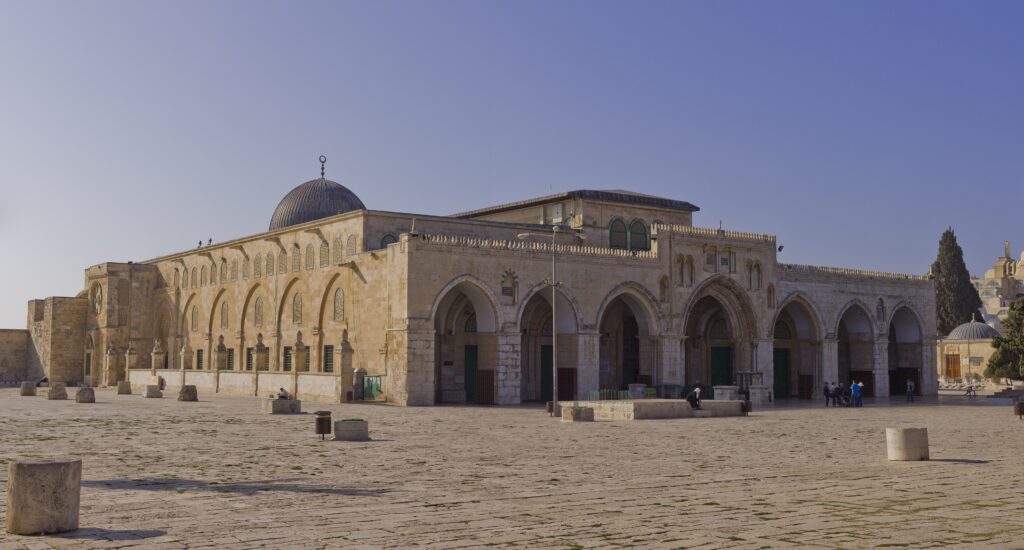
Located at the southern end of al-Haram al-Sharif and known for its lead-covered dome, the Qibli Mosque is the main mosque where Friday prayers are held. When Al-Aqsa Mosque is referred to in the narrow sense, it is usually this building that is meant. Built in the Umayyad period, the structure took its present form through repairs carried out in different eras.
Dome of the Rock
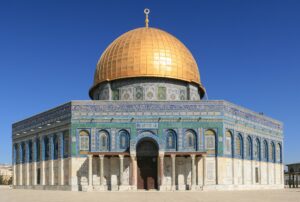
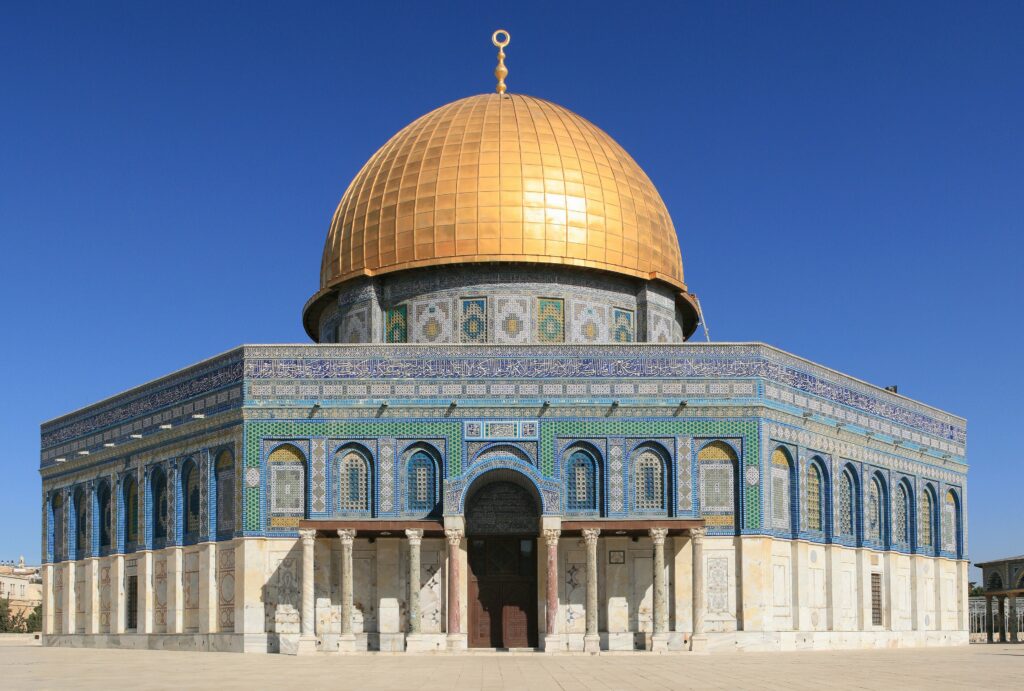
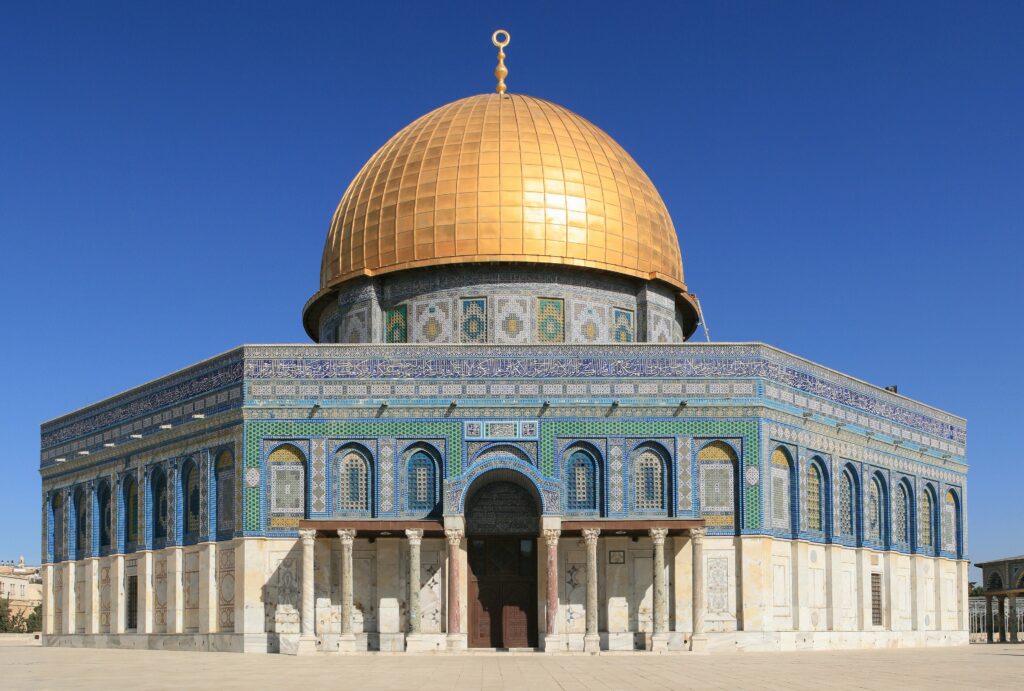
The Dome of the Rock, the symbol of Jerusalem with its golden dome, was built during the reign of the Umayyad caliph Abd al-Malik ibn Marwan over the rock from which the Mi’raj is believed to have begun. The exterior of the octagonal building was covered with tiles during the reign of Suleiman the Magnificent. Although the two are often confused, the Dome of the Rock and the Qibli Mosque are separate buildings; both stand within al-Haram al-Sharif.
Marwani Mosque
Located in the south-eastern corner of the site, below the level of the courtyard, the Marwani Mosque is a large underground space built with stone columns and arches. It is one of the important areas where prayers are held at crowded times.
Buraq Wall
Part of the western wall of al-Haram al-Sharif is known as the Buraq Wall, because in Islamic tradition it is regarded as the place where the Prophet tethered Buraq on the night of the Mi’raj. On the inner side of the wall, within the boundaries of al-Haram al-Sharif, there is a small Buraq Mosque; you can ask your guide about the possibilities for visiting it.
The Old City, the Ottoman Walls and Damascus Gate
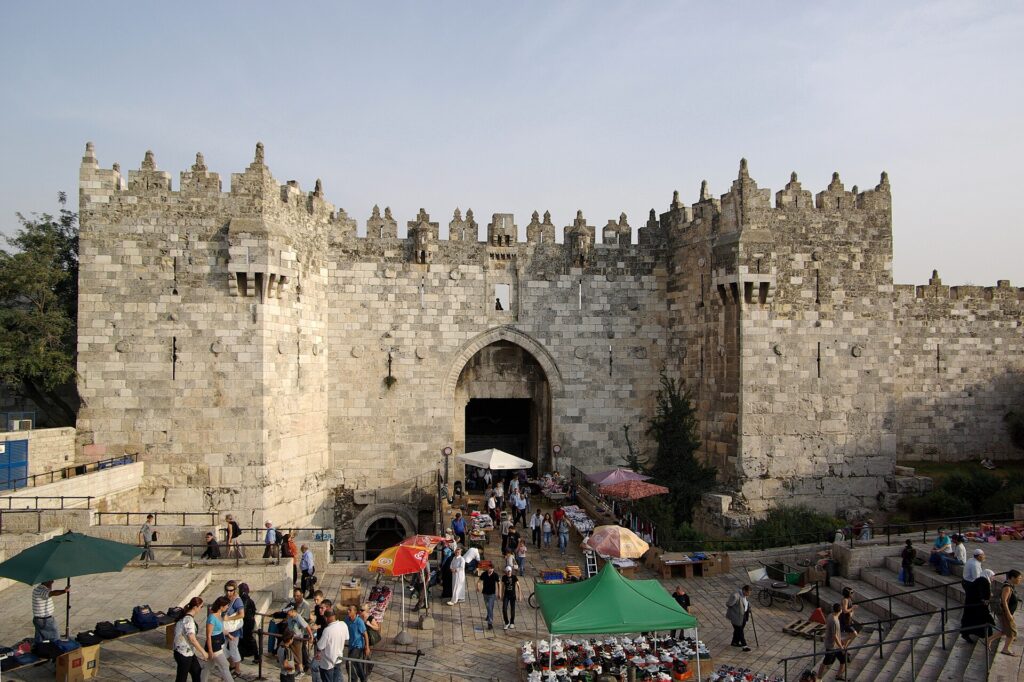
A walk within the walls, following the traces of the era of Suleiman the Magnificent.
The walls surrounding Jerusalem’s Old City were largely rebuilt during the reign of Suleiman the Magnificent. The gates along the walls lead into different quarters of the city; some of the sabils built in the same period can still be seen today.
Known in Arabic as Bab al-Amud, Damascus Gate is one of the most magnificent gates in the walls. Passing through it, you reach the lively bazaars of the Muslim Quarter, and from there you can walk to the gates of al-Haram al-Sharif. Because finding your way in the narrow, similar-looking streets of the Old City can be difficult, this walk is made with an experienced Turkish-speaking guide. The Mosque of Omar, near the Church of the Holy Sepulchre in the Christian Quarter, keeps alive the account that Caliph Umar prayed outside the church rather than inside it.
The Old City within the walls is traditionally divided into the Muslim, Christian, Armenian and Jewish quarters. The Muslim Quarter, the largest part of the Old City, lies at the heart of the tour with its historic khans, madrasas and gates opening onto al-Haram al-Sharif. Short breaks in the bazaars are also a good opportunity to get to know the city’s everyday life.
Adding Hebron and Bethlehem to Your Route
The Ibrahimi Mosque, in the city of Hebron to the south of Jerusalem, stands over the cave believed to hold the tombs of the Prophets Ibrahim, Ishaq and Yaqub and their wives. The city, known in Arabic as al-Khalil, takes its name from Prophet Ibrahim, who is known by the title Khalilullah.
Bethlehem, regarded as the birthplace of Prophet Isa (Jesus), is remembered in Islamic tradition together with Maryam (Mary) and Prophet Isa. Opposite the Church of the Nativity in the city centre stands a mosque bearing the name of Caliph Umar. Both stops are usually added to the programme as day visits from Jerusalem. Because visiting possibilities and entry arrangements may vary with the conditions in the region, these stops are confirmed according to the current situation before departure.
Sample Jerusalem Tour Itinerary
The table below gives a general idea of how the days of a Jerusalem tour can be spent. The itinerary is applied flexibly, taking into account prayer times and the entry arrangements at al-Haram al-Sharif on the day.
| Day | City / Area | Sample programme |
|---|---|---|
| Day 1 | Jerusalem | Welcome and hotel check-in; first prayer at al-Haram al-Sharif when the entry arrangements allow |
| Day 2 | al-Haram al-Sharif | Qibli Mosque, Dome of the Rock, Marwani Mosque and the area around the Buraq Wall |
| Day 3 | Jerusalem Old City | Damascus Gate, the Ottoman walls and sabils, the bazaars of the Muslim Quarter |
| Day 4 | Hebron | Visit to the Ibrahimi Mosque when conditions in the region allow |
| Day 5 | Bethlehem and Jerusalem | The area around the Mosque of Omar in Bethlehem; daily prayers at al-Haram al-Sharif on the way back |
| Day 6 | Jerusalem | Farewell visit to al-Haram al-Sharif and transfer to the airport |
The order and length of the programme vary depending on the package you choose.
Etiquette for Visiting al-Haram al-Sharif and Entry Rules That May Change
Al-Aqsa Mosque is entered with the same courtesy shown on entering any mosque: being in a state of wudu if possible, moving calmly and not raising your voice are the basic rules. During your visit, we recommend paying attention to the following points:
- Take off your shoes when entering the Qibli Mosque and the Dome of the Rock; keep a shoe bag with you.
- When taking photos, do not disturb those who are praying or other visitors.
- Always carry your passport with you, as ID checks may be carried out at the entrances.
- Do not neglect to pray tahiyyat al-masjid and to make dua.
Which gates can be used to enter al-Haram al-Sharif, the hours when the site is open and the arrangements for visitors may change from time to time. On some days certain gates may be closed, or additional checks may be carried out at the entrance. For this reason, your guide updates the daily visiting plan according to that day’s conditions, and some flexibility is built into the programme.
Halal Concept, Accommodation and Guidance
An arrangement that respects your sensitivities at every moment of the spiritual journey.
Prayers and the Friday prayer
In RotaNur’s approach to halal culture tours, the programme is built around prayer times. Sightseeing hours are planned, as far as possible, so that the daily prayers can be performed at al-Haram al-Sharif. On programmes that coincide with a Friday, performing the Friday prayer at Al-Aqsa Mosque is taken into account; however, this depends on that day’s entry arrangements.
Halal food
Halal sensitivity is a priority when it comes to meals. In and around the Old City there are restaurants offering halal options from Arab cuisine, and group meals are chosen with the same sensitivity. Your guide can recommend reliable places to those who would like to try local flavours.
Accommodation and transport
For accommodation, hotels in areas with easy access to al-Haram al-Sharif and the Old City are preferred. This makes going back and forth to the mosque several times a day less tiring. Airport pick-up, hotel transfers and transport for visits outside the city, such as Hebron and Bethlehem, are organised according to the scope of the programme.
Guidance and support
As the Old City is mostly explored on foot, guidance is especially important on this route. While explaining the history of each site and the etiquette for visiting it, our experienced Turkish-speaking guide also keeps an eye on the group’s pace. Throughout the journey, you can reach our 24/7 support line via WhatsApp.
The Best Time for a Jerusalem Trip
It is possible to visit Jerusalem in any season; however, the weather and crowd levels directly affect the pace of the trip.
| Period | Weather | Crowds | Best suited to |
|---|---|---|---|
| Spring | Mild, good for walking | Moderate to high | Those who want to explore the Old City comfortably |
| Summer | Hot, tiring during the day | Variable | Families who want to travel during the school holidays |
| Autumn | Mild, good for sightseeing | Moderate | Those looking for balanced weather and a calm pace |
| Winter | Cool and rainy | Usually quieter | Those who prefer a visit away from the crowds |
| Ramadan | Varies with the season in which it falls | High | Those who want to experience the spiritual atmosphere of Ramadan |
The month of Ramadan has a special beauty with its spiritual atmosphere; however, crowds increase during this period and visiting arrangements may differ.
Pre-Travel Preparation and Safety
Documents and entry requirements
Entry requirements for Jerusalem and passport-related conditions may change from time to time. We therefore recommend confirming the current requirements with official sources before travelling; we guide you through the application process.
Safety information
The security situation in the region may vary. We advise checking the current travel advisories of Türkiye’s Ministry of Foreign Affairs before deciding to travel and again close to your travel date. If any change to the programme is needed, we will let you know via WhatsApp.
Clothing and luggage
- Loose, modest clothing; a headscarf for female travellers
- Shoes suitable for long walks that are easy to take off, and a shoe bag
- Depending on the season, a light cardigan or raincoat and a small backpack
Money and shopping
Carrying some cash for daily expenses makes things easier, as card payment may not be possible everywhere. In the bazaars of the Old City you can find prayer beads, olive wood souvenirs and local products. As bargaining is common, it helps to agree on the price in advance.
Health and personal needs
Take enough of any medication you use regularly, in its original packaging. Carrying a water bottle, sunglasses and a hat for long walks is especially important in the summer months. If you have a chronic condition, we recommend consulting your doctor before travelling.
If a date change or cancellation is needed after registration, the conditions that apply depend on the date on which the cancellation is made; you can find the details on our cancellation and refund conditions page.
Compare Halal Culture Tour Programmes
You can see our Jerusalem tours and our halal culture tour programmes on other routes side by side in the table below. Current prices and dates are shown on the package cards; programmes may be updated from time to time.
| Package | Highlights | Price per person |
|---|---|---|
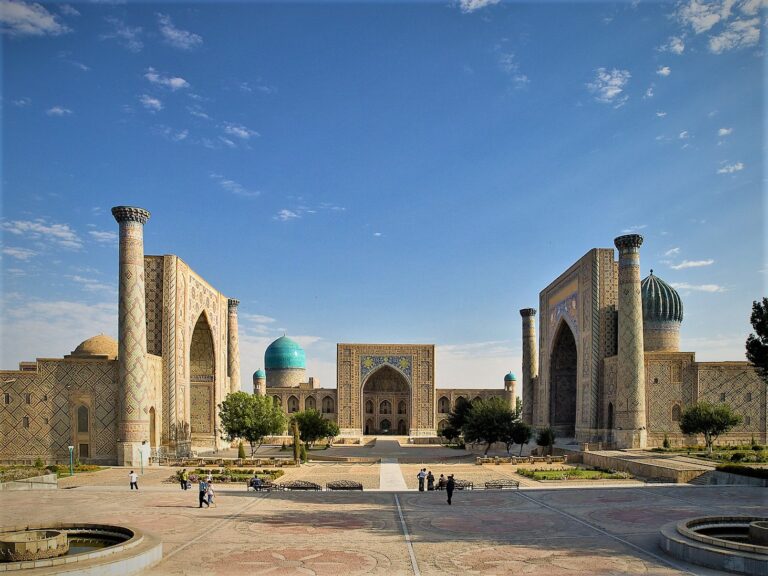
| Uzbekistan Tour — Samarkand & Bukhara | Samarkand, Bukhara, Tashkent | 44,000 ₺ |
| Jerusalem Tour | Al-Aqsa Mosque, Guided, Flights included | 38,000 ₺ |
| Bosnia & Balkans Tour | Sarajevo, Mostar, Guided | 41,000 ₺ |
| Egypt Tour | Cairo, Pyramids, Nile |
When comparing, we recommend looking not only at the price but also at the itinerary, the accommodation area and the services included in the price. If you find it hard to decide, you can write to us on our WhatsApp line.
Jerusalem Tour Prices 2026-2027
Our 2026-2027 Jerusalem tour price starts from 38,000 ₺ per person. The main factors that determine the price are the travel date, programme length, hotel category and room type.
Current Jerusalem tour price:
- Jerusalem Tour: 38,000 ₺ per person
Prices are pulled automatically from the current information on the product page; for the exact price and availability, you can check with our advisors before booking. No online payment is taken. After you submit your reservation request, our advisor contacts you, confirms the programme and availability, and guides you through the payment steps. You can also ask our advisors about financing options.
What Is Included in the Price, and What Is Not?
The exact scope is clearly stated in the details of each package. In general, our programmes may include the following services:
- Flights and airport transfers, depending on the programme
- Accommodation and the meals specified in the programme
- Experienced Turkish-speaking guidance and transport for the visits in the programme
- A pre-departure briefing and 24/7 support
Personal expenses, meals not included in the programme, optional additional visits and costs related to entry documents are generally not included in the price. For other topics you may be curious about, you can also take a look at our frequently asked questions page.
Why Choose RotaNur for Your Jerusalem Tour?
- Halal concept: From meals to sightseeing hours, the programme is built around prayer times and halal sensitivities.
- Experienced Turkish-speaking guidance: Every stop, from al-Haram al-Sharif to the Ottoman walls, is explained in its historical and spiritual context.
- Transparent information: The services included and not included in the price are clearly shared before registration.
- 24/7 support: You can reach our team via WhatsApp before and during your journey.
If you would also like to follow the traces of Islamic civilisation in other regions, you can explore our Andalusia tours, Uzbekistan tours and Bosnia and Balkans tours pages, and see all routes on our halal culture tours page. For a journey to Makkah and Madinah, take a look at our Umrah tours page, and for your questions, our contact page.
A journey to Jerusalem is far more peaceful with the right information and good preparation. Simply write to us on our WhatsApp line so that we can choose the right programme for you together; we will be happy to answer your questions.
Your Jerusalem Journey, from Application to Return
From your first enquiry to your return flight, we are with you at every step of your Jerusalem tour.
Get Information and Choose a ProgrammeWrite to us on our WhatsApp line; together we will review the current prices and dates on the package cards and choose the Jerusalem programme that suits you.
Planning stageRegistration and DocumentsWe create your booking and check your passport details; we show you how to confirm the entry requirements with official sources.
After registrationPre-Departure BriefingWe share a briefing with you covering current travel advisories, the etiquette for visiting al-Haram al-Sharif, and clothing and luggage recommendations.
Before the journeyFlight and WelcomeYou are met on arrival and transferred to your hotel; when the entry arrangements allow, your first prayer is planned at al-Haram al-Sharif.
Day 1Hotel check-in and programme introductionOnce you have settled into the hotel, your guide meets the group and shares the daily schedule, the prayer and meal arrangements and the meeting points.
Evening of Day 1Visiting al-Haram al-SharifDaily prayers at the Qibli Mosque, the Dome of the Rock and the Marwani Mosque; a guided talk around the Buraq Wall.
Day 2The Old City and Ottoman TracesDamascus Gate, the walls and sabils (public fountains) from the reign of Suleiman the Magnificent, and the historic bazaars of the Muslim Quarter are explored with your guide.
Day 3Hebron and BethlehemVisits to the Ibrahimi Mosque and Bethlehem are added to the programme after the current conditions in the region have been assessed.
Following daysFarewell Visit and ReturnAfter a farewell visit to al-Haram al-Sharif, you are transferred to the airport; our 24/7 support continues until you are back home.
Last dayFrequently Asked Questions About Jerusalem Tours
Our 2026-2027 Jerusalem tour price starts from 38,000 ₺ per person. The price varies depending on the date, duration, hotel category and room type. The current price is shown on the product page.
Thanks to their mild weather, spring and autumn are generally the most comfortable periods for a Jerusalem trip. Daytime heat can be tiring in the summer months, while winter is cool and rainy. Although the month of Ramadan stands out for its spiritual atmosphere, crowds increase during this period and visiting arrangements may differ.
The length depends on the package and route you choose. The ideal programme lets you pray at al-Haram al-Sharif at different prayer times, explore the Old City without rushing and, if you wish, add Hebron and Bethlehem. Current programme lengths are shown on the package cards.
Yes, halal sensitivity is the foundation of our programmes. Group meals are chosen from venues that offer halal options, and your guide can also recommend reliable places for your free time. If you have any special dietary needs, simply let us know when you register.
Sightseeing hours are planned, as far as possible, so that the daily prayers can be performed at al-Haram al-Sharif. If the programme coincides with a Friday, performing the Friday prayer at Al-Aqsa Mosque is taken into account. Because the entry arrangements for al-Haram al-Sharif can change from time to time, your guide updates the daily plan according to that day's conditions.
Loose clothing that covers the body should be preferred, and female travellers need to wear a headscarf. Since the Qibli Mosque and the Dome of the Rock are entered without shoes, shoes that are easy to take off and a shoe bag will make things easier. Carry your passport with you, as ID checks may be carried out at the entrances.
Because entry requirements and security measures can change, we recommend confirming them with official sources before travelling and checking the current travel advisories of Türkiye's Ministry of Foreign Affairs. We guide you through the application process and share any developments that may affect the programme with you via WhatsApp.
The shekel is widely used for everyday shopping in Jerusalem. As card payment may not be possible everywhere, we recommend carrying some cash. In the bazaars of the Old City you can find prayer beads (tasbih), olive wood souvenirs and local products.
Yes, they can; however, it is worth bearing in mind that there is a fair amount of walking along the narrow, stone-paved and sometimes sloping streets of the Old City. We make a point of learning about the needs of travellers with limited mobility at registration and planning the pace accordingly. We recommend that those with chronic conditions consult their doctor before travelling.
The scope is clearly stated in the details of each package; it generally includes accommodation, the meals listed in the programme, transfers, experienced Turkish-speaking guidance and transport for the visits in the programme. Personal expenses and optional additional visits are mostly not included in the price. Current prices and dates are shown on the package cards.
You can start the booking process by choosing the programme that suits you from the package cards on this page or by writing to us on our WhatsApp line. Our team will guide you on documents, payment steps and the pre-departure briefing. For any other questions, you can visit our contact page.
No online payment is taken. After you submit your reservation request, our advisor contacts you, confirms the programme and availability, and guides you through the payment steps. You can also ask our advisors about financing options.
Cancellation and change conditions depend on the date on which the cancellation is made. For details, please see our cancellation and refund conditions page.
Plan with confidence
What we promise from your request to your return
Support
24/7
WhatsApp line
Our advisors are always reachable
Booking
Pay later
Request now
Our advisor calls you to confirm
Programme
Guided
Umrah and Hajj
With a religious guide