






 DOUBLE ZIP -21%
 Mina & Jamarat Day Bags
Pebble pouch, neck wallet, waist bag, foldable backpack and ID card holder: your hands stay free and your belongings stay safe during the days in Mina and the stoning.
Showing all 5 results


Mina & Jamarat Day Bags: A Guide to Carrying Your Belongings on the Hajj Days
Mina and Jamarat day bags keep together the small but vital items you carry during the busiest part of the Hajj journey: the days of Arafat, Muzdalifah and Mina, which run from the Day of Tarwiyah to the last day of Eid. During these days you are far from your hotel, often on foot and in large crowds; your passport, group card, phone, cash and the pebbles you will use for the stoning must be within reach at all times. At RotaNur, we have brought together on this page the pebble pouch, neck wallet, waist bag, foldable backpack and ID card holder we have selected for these needs.
Below you will find the flow of the Hajj days, which bag is useful on which day, the guidance of Diyanet (Türkiye's Presidency of Religious Affairs) on using bags while in ihram, the criteria to consider when choosing a bag, and care tips. If you have any questions, you can message us via our 24/7 WhatsApp support line.
The Flow of the Hajj Days and What You Need to Carry
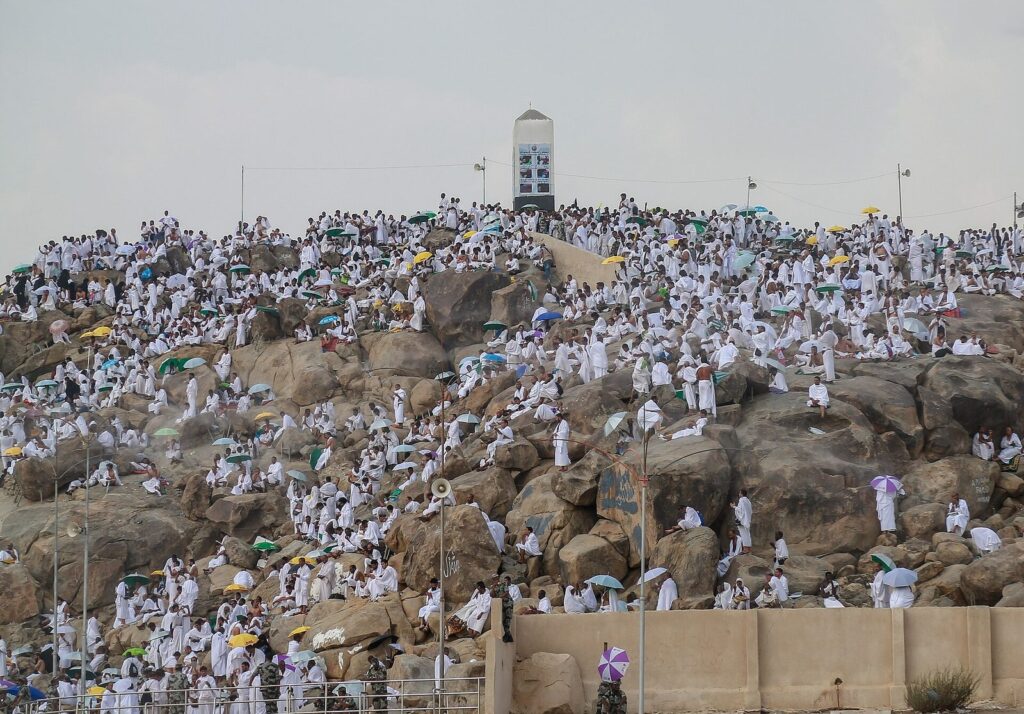
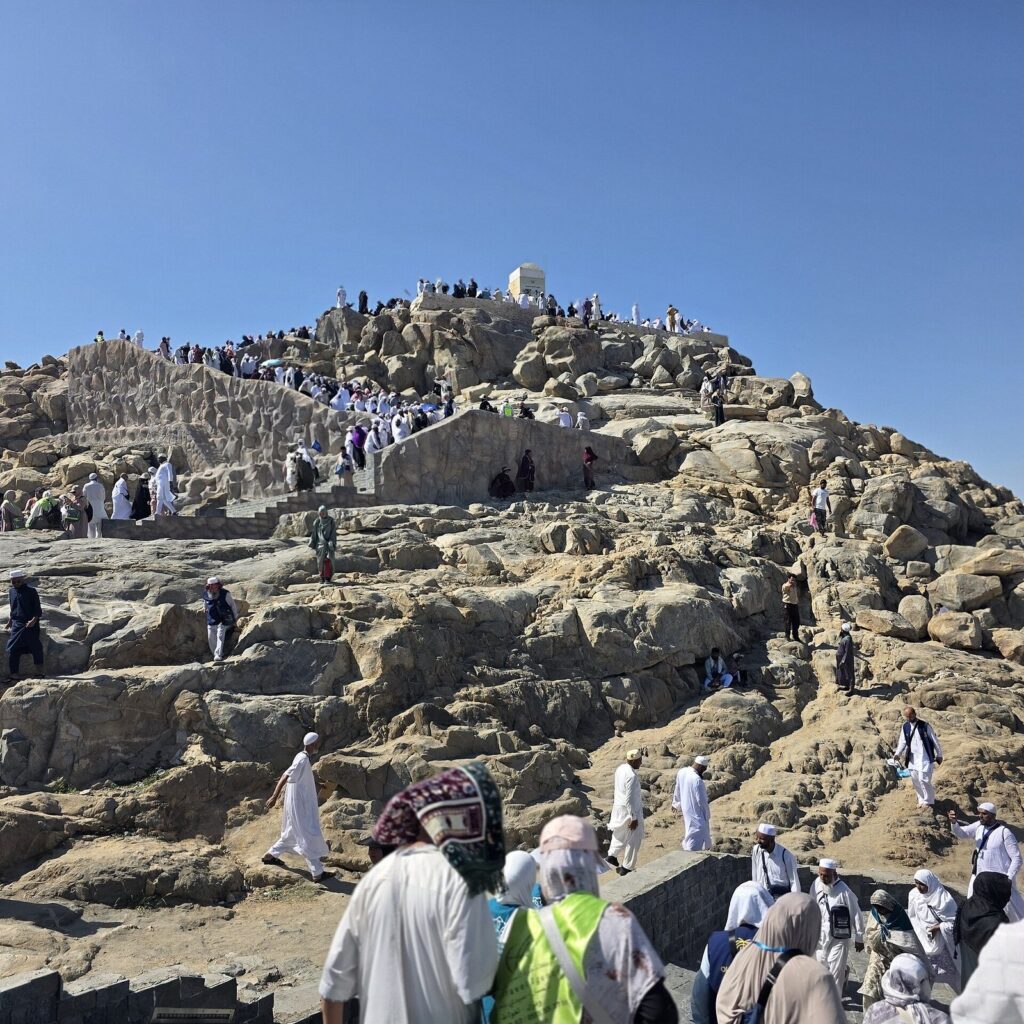
Although group programmes differ, the basic flow of the Hajj days is the same. On the Day of Tarwiyah, the eighth day of Dhul-Hijjah, pilgrims move to Mina or directly to Arafat, depending on their group's programme. The standing at Arafat (wuquf) takes place on the ninth day; after sunset, pilgrims move on to Muzdalifah and spend the night there. On the first day of Eid, pilgrims arrive in Mina and stone Jamrat al-Aqabah; this is followed by the sacrifice (for those performing tamattu or qiran Hajj), shaving the head and the visiting tawaf (Tawaf al-Ifadah). On the second, third and, optionally, the fourth day of Eid, the three Jamarat are stoned in order.
The items you carry change at each stage of this flow. At Arafat, shade, water and a prayer book matter throughout the day; at Muzdalifah, a thin mat and a shawl for a night spent in the open air; and in Mina, documents, your phone and your pebbles come to the fore as you go back and forth between your tent and the Jamarat. Using several small bags that complement each other instead of one large bag both lightens your load and helps you find what you are looking for quickly.
Our Products and What They Are For
- Hajj Neck Wallet: A thin, lightweight pouch with two zips for your passport, cards and cash. Worn under your clothing or your ihram.
- Hajj Waist Bag: A main bag with four compartments and a waterproof coating for your phone, passport, cash and small essentials. It keeps your hands free.
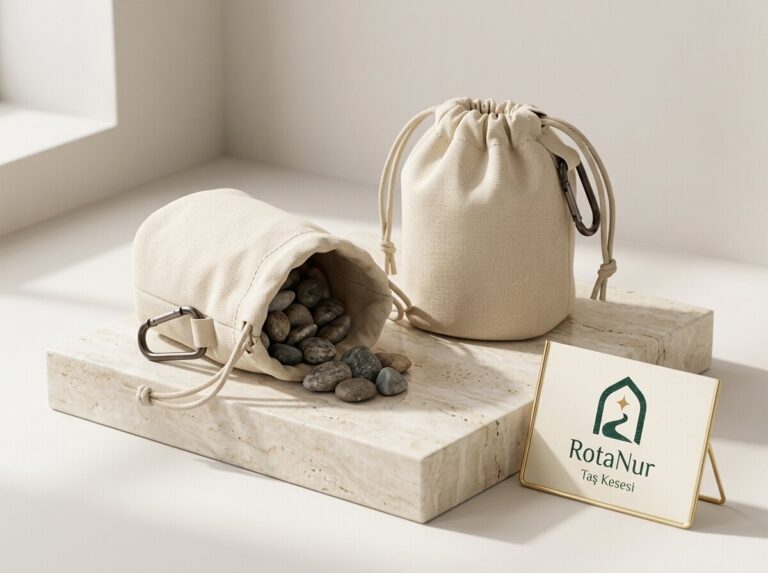
- Jamarat Pebble Pouch Set of 2: Two drawstring pouches with carabiners for carrying the pebbles collected at Muzdalifah without spilling them.
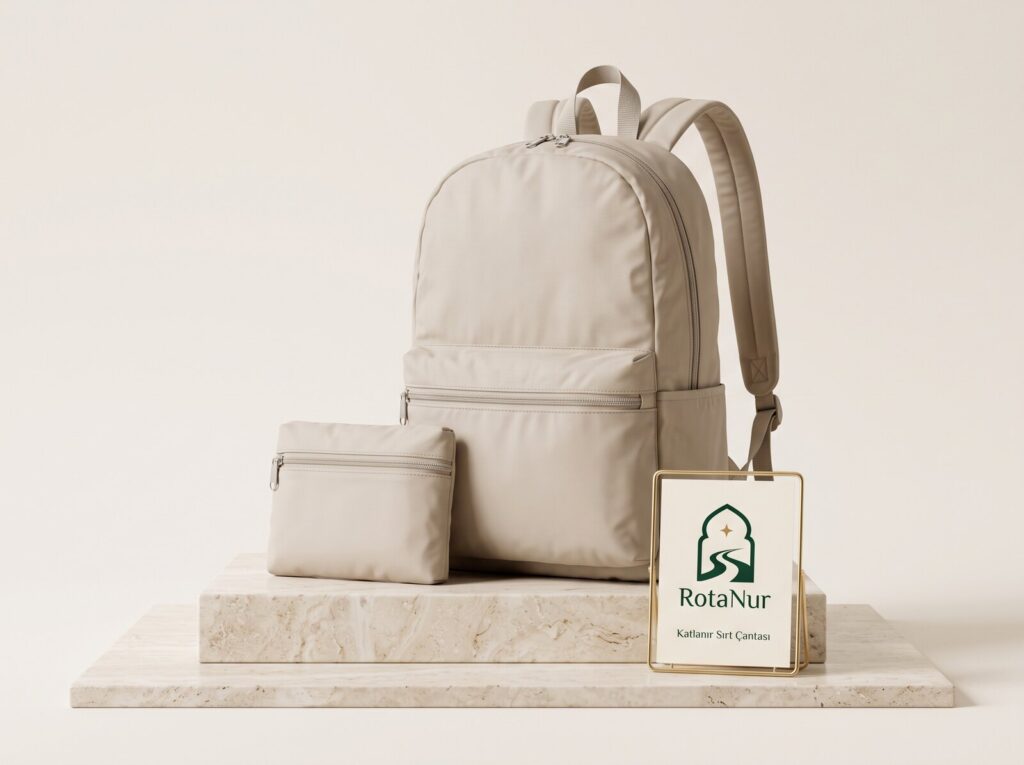
- Foldable Lightweight Backpack 20 L: A bag that folds into its own pocket, for taking water, a shawl and a prayer mat to Arafat and Muzdalifah.
- Hajj ID Card Holder Set of 2: A set for two people to use together, so you can carry your group card and tent details where they can be seen.
For most pilgrims, the most balanced combination is a waist bag used together with a pebble pouch; those who also want to keep their documents close to their body add a neck wallet. If you are taking more items to Arafat and Muzdalifah, you can choose the foldable backpack, and if you are accompanying an elderly relative, the ID card holder set.
Preparing for the Stoning of the Jamarat
The stoning (rami) is the throwing of pebbles at the small, middle and large (Aqabah) Jamarat in Mina on specific days. According to Diyanet's guidance, on the first day of Eid seven pebbles are thrown only at Jamrat al-Aqabah, and it is sunnah to collect these seven pebbles at Muzdalifah. On the following days, seven pebbles each are thrown first at the small, then at the middle and finally at the large Jamrah; the pebbles for these days may be collected anywhere outside the area where the Jamarat stand. It is recommended that the pebbles are clean and about the size of a chickpea. On the first day of Eid it is sunnah to stone Jamrat al-Aqabah in the forenoon (duha time), while on the other days the stoning must be done after the sun has passed its zenith (zawal). For the concessions that apply in heavy crowds and special circumstances, we recommend consulting the religious guide in your group.
In practical terms, counting the pebbles in advance and putting them in a pouch saves you from losing time in the crowds on the Jamarat bridge. Keeping the day's pebbles in one pouch and spare pebbles in the second makes counting easier. If you will be stoning by proxy on behalf of a relative who has an excuse such as illness or old age, carrying their pebbles in a separate pouch prevents mix-ups. For detailed information on the stoning days and stoning by proxy, see our Hajj Guide.
Can You Use a Bag While in Ihram?
One of the questions prospective pilgrims ask most often is whether a stitched bag can be used with the ihram. In its explanations of the ihram prohibitions, Diyanet states that tying a belt or sash around the waist, carrying a bag around the neck, wearing a wristwatch and using an umbrella do not require a penalty. The ihram prohibition concerns wearing stitched clothing the way clothes are normally worn; a bag or a belt, however, is not worn like a garment.
For this reason, a waist bag, a neck wallet and a pebble pouch can comfortably be used with the ihram. The point to watch is not to wear stitched garments such as a jacket or a vest as you normally would; according to Diyanet's guidance, placing a jacket over your shoulders without putting it on does not require a penalty. Since scented products are also among the ihram prohibitions, we recommend choosing the wet wipes, soap, cream and similar items you carry in your bag from our unscented care products.
What to Look for When Choosing a Bag
- Lightness: Depending on where your tent is, the walk between Mina and the Jamarat can be long. Bags with a low empty weight make a difference by the end of the day.
- Compartment layout: Keeping your passport, phone and cash in separate compartments means you do not have to leave the bag open for long in a crowd.
- Secure closures: Choose zipped compartments, drawstrings with toggles and hidden pockets that face your body.
- Fabric: Fabrics with a waterproof coating or a water-repellent finish protect against sweat, ablution (wudu) water and sudden rain; however, these bags should not be submerged in water.
- Straps and belts: Adjustable, wide and soft straps do not leave marks on your shoulders or neck and do not slip on the ihram.
- Visibility: Keeping your group card visible helps officials assist you more quickly if you get lost.
Comparison Table
| Product | What does it carry? | Where is it used? | Use with ihram |
|---|---|---|---|
| Hajj Neck Wallet | Passport, cards, cash | All Hajj days, under your clothing | Carried as a bag around the neck |
| Hajj Waist Bag | Phone, passport, cash, small items | Mina, Arafat, the route to the Jamarat | Fastened around the waist like a belt |
| Jamarat Pebble Pouch | Pebbles for the stoning | Muzdalifah and Mina | Clipped to a bag or belt |
| Foldable Backpack | Water, shawl, prayer mat, spare clothes | Arafat, Muzdalifah, city trips | Carried as a bag |
| ID Card Holder Set | Group card, information card | All Hajj days | Worn hanging around the neck |
What to Keep in Your Mina Bag
While it depends on your group programme and your health, keeping the following in your day bag during the days in Mina makes things easier:
- A photocopy of your passport, your group card and a short note with your hotel and tent details
- Your phone, a charging cable and a small power bank
- Some cash and a bank card
- A pebble pouch holding that day's pebbles
- A small water bottle and the light snacks recommended by your group officials
- Unscented wet wipes, unscented sunscreen and your personal medication
- A folding umbrella: since men in ihram do not cover their heads, an umbrella is the preferred way to get shade; for options, see our heat protection products
- A small cloth bag for spare socks and your slippers
Keep your bag as light as possible. In Mina you will be able to return to your tent during the day and pick up anything you are missing, so you do not need to carry everything at once. A heavy bag, especially around midday, noticeably adds to your fatigue in the heat.
Practical Tips to Avoid Getting Lost
Mina is a vast area made up of a great many tents that look alike, and finding your way can be difficult, especially on the first day. Carry the tent and camp details shared by your group in writing, keep your phone charged and agree on a meeting point with your companions. Write your own phone number on the information cards of your elderly relatives as well. Wearing your ID card holder visibly at chest height makes it easier for officials to help you. Moving with your group and going to the Jamarat at the times set by your group officials is important both for your safety and for crowd management.
Tips for Women Pilgrims
Since women can wear their stitched clothing while in ihram, they have more flexibility when choosing a bag. Wearing the waist bag at the side, over a long coat or an abaya, makes it easier to keep an eye on the zips in a crowd. For those who prefer to carry their documents under their clothing, the neck wallet is a more comfortable option. When walking in long garments, it is a good habit to tighten the backpack straps and carry the bag in the middle of your back so that the straps do not catch on your headscarf. Keeping personal items in a separate inner pocket or a small pouch lets you feel at ease when you open your bag in front of others.
For Elderly Pilgrims and Their Companions
For elderly pilgrims, the most important criteria are that the bag is light and can be opened easily with one hand. A waist bag moves the load from the shoulders to the waist, so it is less tiring on long walks. Companions are advised to keep their relative's medication, a photocopy of their medical report and the phone numbers to call in an emergency in their own bag as well. This is why a two-piece ID card holder set is useful: one card holder is worn by your relative and the other by you, and you each write the other's phone number on your information cards. For pilgrims who use a wheelchair, pouches with carabiners that can be clipped to the armrest are a practical way to keep small items within reach.
Protecting Your Belongings in the Crowd
Hajj is one of the most crowded acts of collective worship in the world, and most of the belongings lost in crowds go missing because of small lapses in attention. The following habits will help you protect your bag and your documents:
- In crowds, wear your waist bag at the front or at the side, not at the back.
- Do not keep all your cash in one place; split it between your waist bag and your neck wallet.
- Hold your phone firmly when you are using it; when you are not, put it in a zipped compartment.
- Do not carry more cash than you need; leave your valuables in the safe place recommended by your group officials.
- Do not bend down to pick up something you have dropped on the Jamarat bridge; stopping in the flow of the crowd can be dangerous.
Using Bags in Hot Weather
Although the Hajj season falls at a different time each year, daytime temperatures in and around Makkah are often high. Bags in contact with your body can make you sweat more, so take care not to fasten the waist bag too tightly and, where possible, to wear the neck wallet over your clothing rather than directly against your skin. Carrying your water bottle in the side pocket of your backpack makes it easier to drink often. Dark-coloured bags left in the sun for a long time can heat up; electronic items such as your phone and power bank should not be left in direct sunlight.
The Difference Between an Umrah Bag and a Hajj Bag
On an Umrah journey, most of the day is spent between the hotel and the Haram, and you can reach everything you need in a short time. On Hajj, however, during the days of Arafat, Muzdalifah and Mina you stay away from your hotel, sometimes for longer than a full day. That is why capacity, compartment layout and durability matter more when choosing a Hajj bag. Even so, a waist bag or neck wallet you bought for Umrah will also serve you well on Hajj; what is usually missing is a pebble pouch and a foldable backpack to carry your daily items.
Phone and Power Bank
During the Hajj days, your phone is your most important tool for keeping in touch with your group, sharing meeting points and dealing with emergencies. The charging points in the Mina tents may not be enough for everyone to use at the same time, so carrying a small power bank and its cable in a separate compartment of your waist bag makes things easier. Under airline rules, power banks generally have to be carried in hand luggage; check your airline's current rules before you fly. Remember to save your group officials' numbers and your tent details on your phone, and to write the same information down on paper as well.
A Short Daily Checklist
- When you return to your tent in the evening, count the next day's pebbles and put them in the pouch.
- Charge your phone and your power bank.
- Check the cash, cards and document photocopies in your waist bag.
- Fill your water bottle and top up your unscented wet wipes and medication.
- Before you leave in the morning, make sure your ID card holder is on and your information card is legible.
Care and Storage
When you return from Hajj, empty your bags, then turn them inside out and shake them so that no sand or dust is left in the inner pockets. Wipe the waist bag with a damp cloth; hand-wash the fabric pouches and the neck wallet in lukewarm water and dry them in the shade. Do not close the zips until they are completely dry. Fold the backpack into its own pocket once it is dry and store it. These bags can go on being used on Umrah journeys, on city trips and in everyday life; afterwards, you can use the pebble pouch to hold prayer beads (tasbih) or other small items.
Complete Your Hajj Preparations
Mina and Jamarat bags are only one part of preparing for Hajj. You can complete your preparations with the Hajj ihram and spare sets you will be using for a long time, Arafat and Muzdalifah products for the night at Muzdalifah, and the Hajji gifts you will give your visitors when you return. To plan your journey in one place, you can explore our Hajj tours.
Why RotaNur?
- Products selected for the Hajj days: Every product has been selected with the real needs of the days in Mina, at Arafat and at the Jamarat in mind.
- Clear information: We state sizes, materials and usage limits clearly on our product pages.
- Guidance in line with Diyanet: We base the general information on ihram and the stoning on Diyanet's guidance.
- Easy ordering: No online payment is taken; after you send your order request, our advisor contacts you, confirms availability and guides you through the payment steps. Fast shipping, a 14-day return right on unopened products and 24/7 WhatsApp support.
FAQ
For most pilgrims, a waist bag and a pebble pouch are enough. If you also want to carry your documents close to your body, you can add a neck wallet, and if you are taking more items to Arafat and Muzdalifah, a foldable backpack.
According to Diyanet's guidance, tying a belt or sash around the waist or carrying a bag around the neck while in ihram does not require a penalty. Since a waist bag is not worn like a garment, it can be used with the ihram.
On the first day of Eid, seven pebbles are thrown at Jamrat al-Aqabah, and on the following days seven pebbles each at the three Jamarat. Those who also stone on the fourth day of Eid throw 70 pebbles in total, while those who leave Mina on the third day throw 49 in total.
According to Diyanet's guidance, it is sunnah to collect the seven pebbles to be thrown on the first day of Eid at Muzdalifah. The pebbles for the other days may be collected anywhere outside the area where the Jamarat stand.
No. Pilgrims collect the pebbles themselves; the pebble pouch set consists only of two pouches for carrying the pebbles in an organised way.
The fabric of our Hajj Waist Bag has a waterproof coating and protects against sweat, rain and splashes. Because of its zips and seams, it should not be submerged in water.
Groups may have different practices for keeping passports. Follow the instructions of your group officials, and keep a photocopy of your passport and your group card with you.
Make sure your relative wears a visible ID card holder on their chest, and write the tent and hotel details and your own phone number on the information card. Stay together in crowds and agree on a meeting point.
Yes. The waist bag, neck wallet and foldable backpack offer the same practicality on an Umrah journey, during tawaf and sa'i, and on city trips.
No online payment is taken. After you send your order request, our advisor contacts you, confirms availability and guides you through the payment steps. Unopened and unused products can be returned within 14 days of delivery.