


 CULTURE TOURS
Balkans Tour 2026-2027: Sarajevo, Mostar and the Ottoman Heritage Route
Halal-concept Balkans tour programmes stretching from Sarajevo to Mostar and from Blagaj to Počitelj, with halal meals, a schedule planned around prayer times and an experienced Turkish-speaking guide.
A Balkans tour is one of the most meaningful cultural routes for those who want to see first-hand the traces the Ottomans left over centuries in mosques, bridges and bazaars. RotaNur's Bosnia and Herzegovina tour programmes are built on a route that stretches from Sarajevo's Baščaršija to Mostar Bridge, and from the Blagaj Tekke on the banks of the Buna River to Počitelj with its stone houses. Every mosque, caravanserai and bridge you come across along the way tells the story of this land's centuries-old waqf (charitable endowment) culture. At every stop, the aim is for you to get to know not only the scenery, but also the civilisation that created these buildings and the people who live there today.
Our programmes are planned around a halal concept: meals are taken at restaurants chosen with halal sensitivities in mind, the tour schedule is arranged around prayer times and, whenever possible, Friday prayer is planned at historic mosques. You can explore the different options, from programmes focused mainly on Sarajevo to wider routes covering several Balkan countries, on the package cards below. If you are not sure which programme suits you, we can listen to your expectations and choose the right route together.
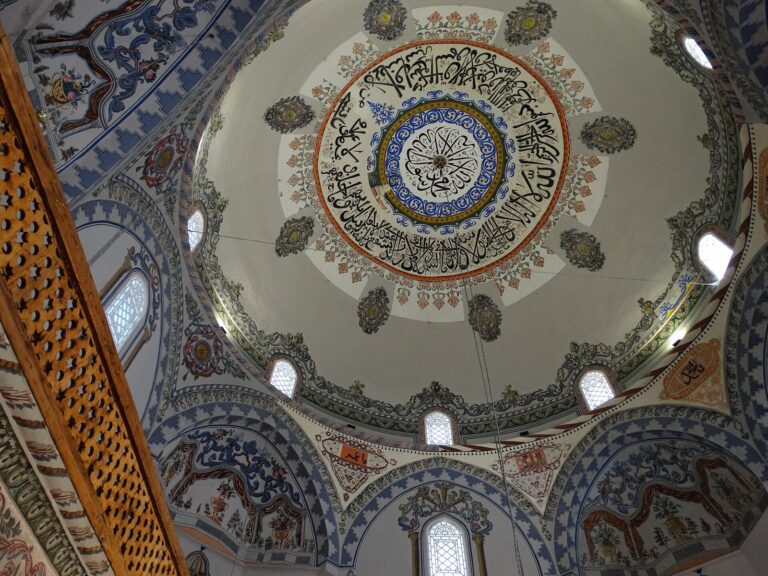
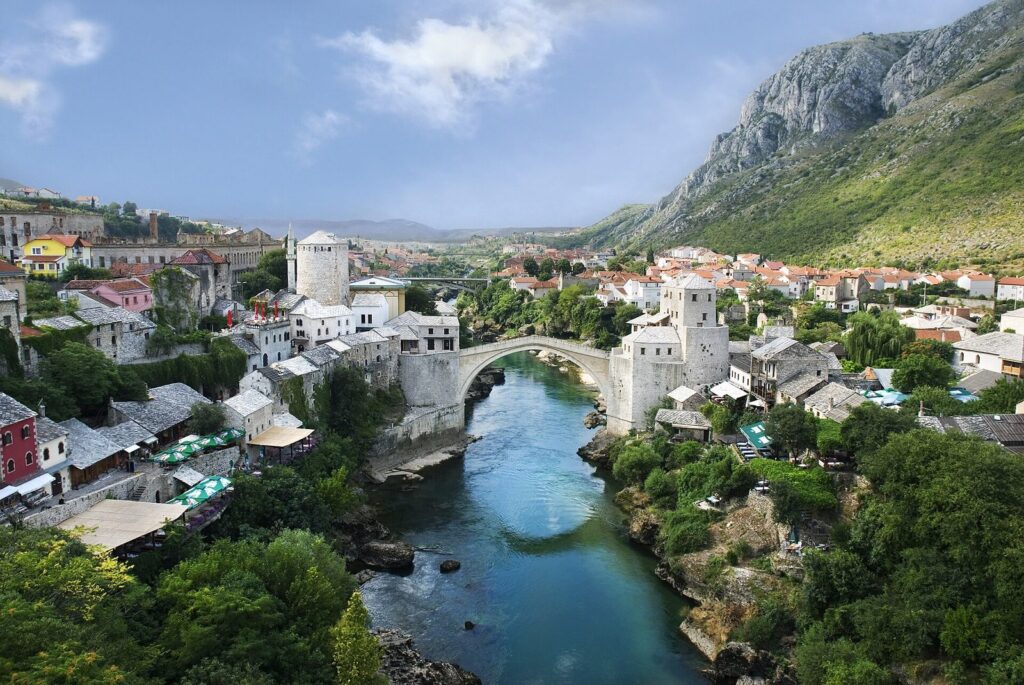 Image: Ramirez · CC BY-SA 4.0 · Wikimedia Commons
On Balkan tours, travel comfort depends on planning the distances between cities properly. On our routes, road transfers are arranged with breaks that keep passengers from getting tired, and scenic roads are preferred; the road along the Neretva Valley becomes a part of the journey in its own right. Accommodation is planned in hotels with easy access to the historic centres, where families can feel at ease. When choosing hotels, walking distance to the historic centres is given particular importance so that you can comfortably visit the bazaars and mosques in the evenings.
Throughout the tour, your experienced Turkish-speaking guide tells the story of every building you see from the perspective of Islamic civilisation and Ottoman history. From the start of the journey to the end, you can reach our 24/7 support line and our advisors on WhatsApp and get quick answers to your questions about the programme. We are by your side with any question you may have about flights, transfers and entry procedures. That way, you can focus on the spiritual and cultural richness of the journey without having to deal with the details.
Balkans Tour Programmes
Explore halal culture tours on Bosnia and Herzegovina and Balkan routes; current prices and dates are shown on the cards.
CULTURE TOURS  CULTURE TOURS
 MOST POPULAR
 CULTURE TOURS -22%
Tailor-Made Programme
Can't find the date or length you want? Let's plan a culture tour programme for your group and budget together.
Message on WhatsApp →Why Is a Balkans Tour a Different Kind of Journey?
A route through cities that keep the Ottoman heritage alive, where history and everyday life are intertwined.
During the Ottoman era, the Balkans were for centuries one of the most vibrant centres of Islamic civilisation in Europe. The mosques, madrasas, caravanserais, bridges and bazaars built on this land are not merely architectural works; they are traces of a way of life in which scholarship, trade and a culture of good neighbourliness developed together. A Balkans tour offers the chance to see this heritage not in a museum display case, but in neighbourhoods where the call to prayer still rises and in bazaars steeped in the aroma of coffee.
Bosnia and Herzegovina is the heart of this route. The narrow streets of Baščaršija in Sarajevo, the stone bridge rising over the Neretva River in Mostar and the Blagaj Tekke at the source of the Buna River offer a visitor from Anatolia an atmosphere that feels both familiar and striking. This is why Balkan tours bring together cultural curiosity and the wish to form a spiritual connection in a single journey. Our programmes are designed so that you can discover this richness without rushing, listening to the story of every stop.
The Ottoman heritage in the Balkans was shaped largely by the waqf (charitable endowment) tradition. The bridges, fountains, caravanserais and madrasas commissioned by statesmen and benefactors defined the fabric of these cities as it is today. Many of these buildings are still in use: congregations still line up in rows for prayer in the mosques, and craftsmen still practise their trades in the bazaars. A Bosnia and Herzegovina tour lets you experience this living heritage together with the hospitality of the local people.
Top Places to See in Sarajevo
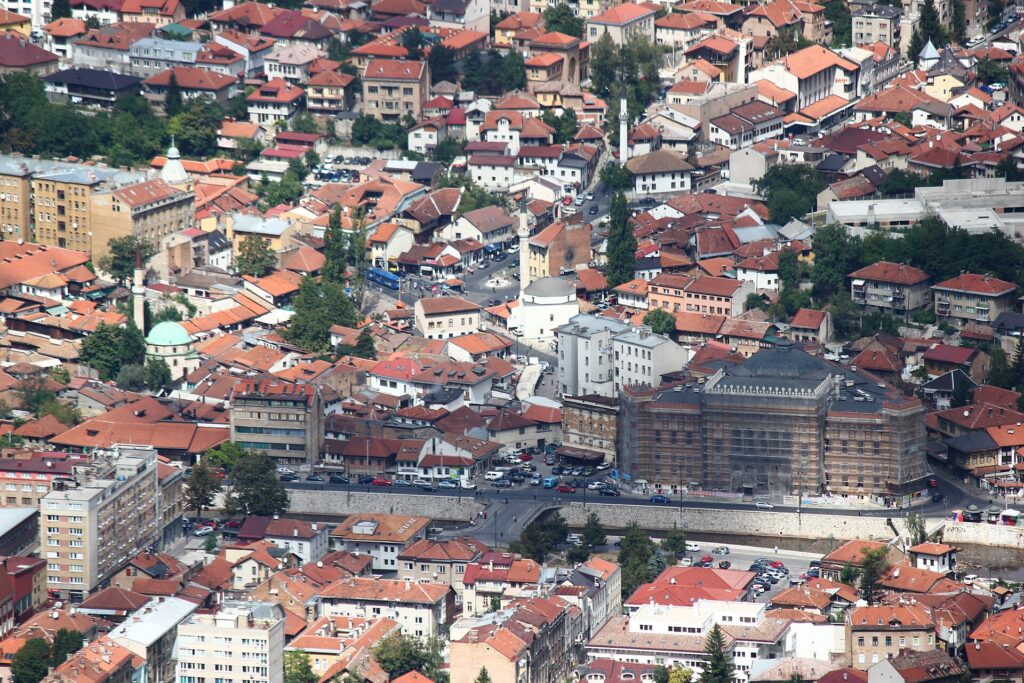
A Sarajevo tour begins in the city’s historic centre, which took shape during the Ottoman era. Most of this area can be explored on foot, and every street has a story of its own.
Baščaršija and the Sebilj
Baščaršija is Sarajevo’s historic bazaar, dating back to the Ottoman era. In streets lined with coppersmiths, jewellers and coffee houses, you can see handcrafted goods up close and taste Bosnian coffee. The wooden Sebilj fountain in the square is one of the city’s most photographed landmarks and is known as Baščaršija’s meeting point.
Gazi Husrev-beg Mosque and Complex
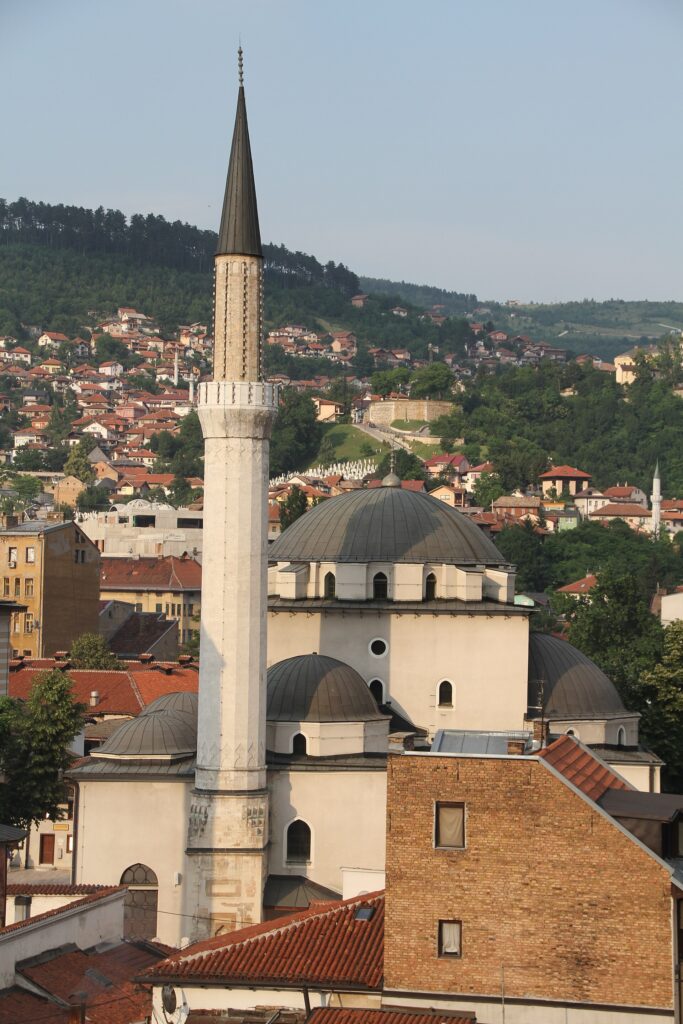
Named after Gazi Husrev-beg, the Ottoman sanjak-bey of Bosnia, the mosque is one of Sarajevo’s most important Islamic buildings. The madrasa, covered market (bezistan) and hammam that make up the complex shaped the city’s scholarly and commercial life for centuries. The ablution fountain and mausoleums in the mosque courtyard offer a peaceful break from the pace of sightseeing.
The Latin Bridge and the Miljacka Riverside
The Latin Bridge over the Miljacka River is one of the city’s stone bridges dating from the Ottoman era. The bridge also appears in history books because of the assassination that took place right next to it, which is associated with the outbreak of the First World War. A walk along the riverbank lets you see Ottoman and later architecture side by side.
Morića Han and city views
Morića Han in Baščaršija is one of the buildings that carry the Ottoman caravanserai tradition into the present day; stopping for a Bosnian coffee in its courtyard is one of the most enjoyable moments of the tour. The Yellow Fortress (Žuta Tabija), on the hills above the city, is one of the favourite spots for taking in the minaret-filled panorama of Sarajevo and is known as the place where the iftar cannon is fired during Ramadan.
The Herzegovina Region: Mostar, Blagaj and Počitelj
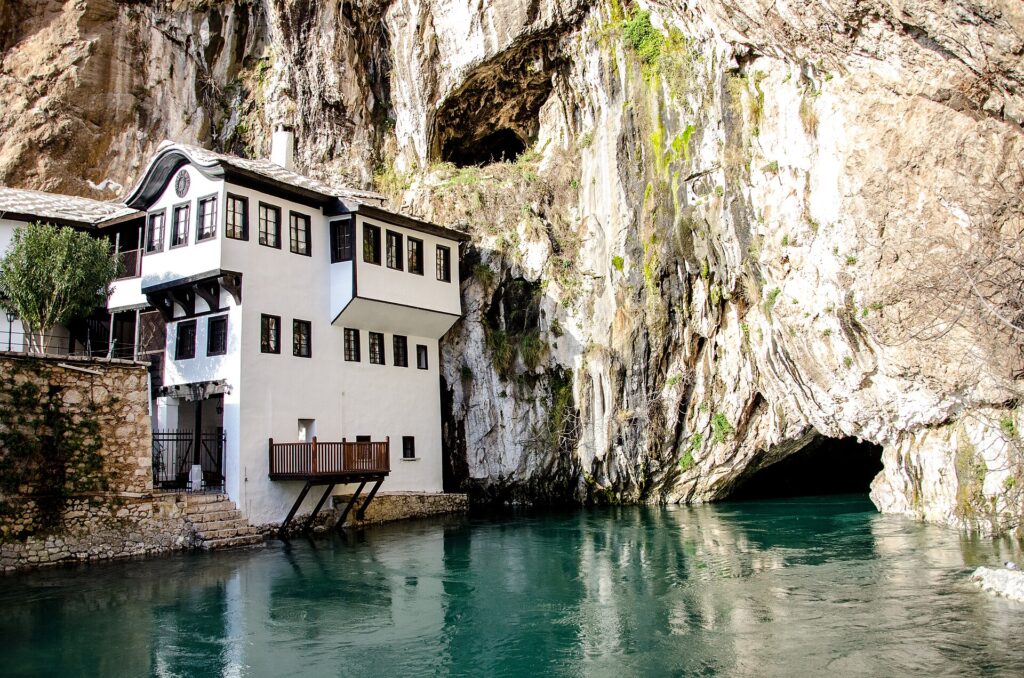
A route along the Neretva Valley leading to some of the most elegant examples of Ottoman architecture.
Mostar Bridge (Stari Most)
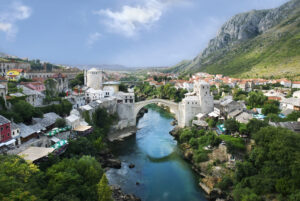
Mostar is a city built on both banks of the Neretva River, and its name has become synonymous with its bridge. Built by Mimar Hayruddin in the reign of Suleiman the Magnificent, Stari Most was destroyed during the Bosnian War and later rebuilt faithfully to the original. The bridge and the surrounding historic area are on the UNESCO World Heritage List. The bazaar on both sides of the bridge, with its copperwork and handicrafts, makes for a pleasant walking route. The courtyard of the Koski Mehmed Pasha Mosque near the bridge is one of the best places from which to see Stari Most and the green waters of the Neretva. If you are lucky, you may also witness the local young people’s tradition of diving from the bridge into the river.
Blagaj Tekke
Located where the Buna River emerges from the foot of a sheer cliff, the Blagaj Tekke is a dervish lodge dating from the Ottoman era. Taking in the tekke’s simple architecture and the surrounding nature to the sound of the water is one of the calmest and most peaceful moments of the route.
Počitelj
With its stone houses built on a hillside by the Neretva, Počitelj is a settlement that has largely preserved the fabric of an Ottoman-era town. Its historic mosque and the view from the fortress towers across the valley make this short stop a must for photography enthusiasts too.
Other Stops on the Trail of Ottoman Heritage in the Balkans
Balkan tours are not limited to Bosnia and Herzegovina. Depending on the programme, the route may extend to Prizren in Kosovo, known for its Ottoman-era mosques and stone bridge; to Skopje in North Macedonia, with its historic bazaar and Stone Bridge; and to lakeside Ohrid. In some programmes, Montenegro, with its historic towns on the Adriatic coast, is also added to the itinerary. Within Bosnia and Herzegovina, stops such as the Mehmed Paša Sokolović Bridge in Višegrad, a work of Mimar Sinan, may also be included.
On routes covering more than one country, crossings are planned with border procedures and travel times in mind, so that each day leaves enough time for both sightseeing and worship. Seeing traces of the same architectural language in different countries helps you understand the shared Ottoman heritage of the Balkans more fully.
For groups whose programme includes Srebrenica, a quiet visit of respect and prayer is planned at the Potočari Memorial Cemetery, established in memory of those who lost their lives there. This visit is arranged as a separate stop, kept apart from the rest of the programme and spent in quiet reflection. You can check which stops are included in your programme in the details on the package cards.
Sample Bosnia and Herzegovina Tour Itinerary
The table below is intended to give you an idea of the general flow of a Bosnia and Herzegovina tour programme.
| Day | City / Region | Sample programme |
|---|---|---|
| Day 1 | Sarajevo | Airport welcome, hotel check-in, first evening walk in Baščaršija |
| Day 2 | Sarajevo | Baščaršija, the Sebilj, the Gazi Husrev-beg Mosque and complex, the Latin Bridge and the Miljacka riverside |
| Day 3 | Sarajevo and surroundings | City panorama, historic mosques and excursions in the surrounding area, depending on the programme |
| Day 4 | Počitelj, Blagaj, Mostar | The stone streets of Počitelj, the Blagaj Tekke, Mostar Bridge and the old bazaar |
| Day 5 | Mostar / other Balkan stops | Free time in Mostar or transfer to other Balkan countries, depending on the programme |
| Last Day | Return | Airport transfer and return to Türkiye |
The order and length of the programme vary depending on the package you choose.
Halal Concept: Meals, Prayers and Friday Prayer
In RotaNur programmes, the halal concept is observed at every stage of the journey. In the cities of Bosnia and Herzegovina with large Muslim populations, finding halal food is generally easy; even so, restaurants for group meals are chosen with halal sensitivities in mind. Ćevapi, known as Bosnian grilled meatballs, varieties of burek, begova čorba (Bey’s soup) and Bosnian coffee are flavours you will often find on the table. For many of our travellers, hearing the call to prayer rise from every corner of Sarajevo becomes one of the most unforgettable moments of the journey.
- Prayer times: The tour schedule is arranged around prayer times; whenever possible, prayers are performed in historic mosques.
- Friday prayer: When the programme falls on a Friday, the Friday prayer is planned at a historic mosque such as the Gazi Husrev-beg Mosque.
- Special needs: Simply let us know about any dietary or health-related food requirements when you register.
Accommodation, Transport and Guiding
On Balkan tours, accommodation is planned to balance easy access to the historic centres with comfort. In Sarajevo, areas close to Baščaršija are preferred for evening walks and access to mosques. Hotel standards vary by package; up-to-date information is given in the package details.
Airport pick-ups and hotel transfers are also planned according to the package; your arrival details are shared with the welcome team in advance. Intercity transport is generally provided by road in comfortable tour vehicles. The route along the Neretva Valley, with its mountain and river views, becomes an enjoyable part of the journey. On long drives, rest stops are chosen with prayer times and passengers’ comfort in mind. Your experienced Turkish-speaking guide accompanies you throughout the journey, and you can reach us at any time via our 24/7 support line and on WhatsApp.
The Best Time for a Balkans Tour
The Balkans show a different face in every season; the right time depends on your expectations and your weather preferences.
| Period | Weather | Crowds | Best suited for |
|---|---|---|---|
| Spring | Mild, with green landscapes | Moderate | Those who want walking city tours and natural scenery |
| Summer | Hot, especially in the Herzegovina region | High | Families who want to make the most of the school holidays |
| Autumn | Mild, cool in the evenings | Moderate | Travellers who prefer a relaxed pace and a focus on photography |
| Winter | Cold, with a chance of snow in Sarajevo | Low | Those who love a winter atmosphere and want a quiet trip |
In general, spring and autumn stand out as the most balanced periods for a Balkans tour with plenty of walking.
Before You Travel: Documents, Clothing and Money
Documents and entry requirements
When the route covers more than one country, the entry requirements of each country should be assessed separately. As entry requirements can change, please confirm them with official sources before you travel; we will guide you through the application process. We also recommend checking the travel advisories of Türkiye’s Ministry of Foreign Affairs for up-to-date safety information.
Clothing
Cobblestones and slippery stone surfaces are common in the historic centres, so comfortable, non-slip shoes are recommended. It is useful to bring modest clothing suitable for mosque visits, and a headscarf for women. As evenings can get cool in mountainous areas, dressing in layers according to the season is advisable.
Luggage and practical tips
On daily excursions, carrying a small backpack, a water bottle, a prayer mat and a charger will make things easier. The plug type used in the region is generally the same as in Türkiye; even so, a multi-plug travel adapter is handy. We recommend carrying any medication you take regularly in your hand luggage, together with the prescriptions.
Money and shopping
The convertible mark (KM) is used in Bosnia and Herzegovina; the euro is used in Kosovo and Montenegro, and the denar in North Macedonia. Although card payments are common in the big cities, it is practical to carry some cash for small shops. Copperwork, coffee sets and handmade souvenirs from Baščaršija and the Mostar bazaar are the most popular buys.
If you need to change the date or cancel after registering, the applicable terms depend on the date of cancellation; you can find the details on our cancellation and refund terms page.
Compare Halal Culture Tour Programmes
Programmes differ in the countries they cover, their accommodation choices and their sightseeing pace. In the table below, you can compare our halal culture tours side by side to find the option that suits you best. When comparing, we recommend looking not only at the price but also at the stops on the route, the location of the accommodation and the daily sightseeing pace.
| Package | Highlights | Price per person |
|---|---|---|
| Uzbekistan Tour — Samarkand & Bukhara | Samarkand, Bukhara, Tashkent | 44,000 ₺ |
| Jerusalem Tour | Al-Aqsa Mosque, Guided, Flights included | 38,000 ₺ |
| Bosnia & Balkans Tour | Sarajevo, Mostar, Guided | 41,000 ₺ |
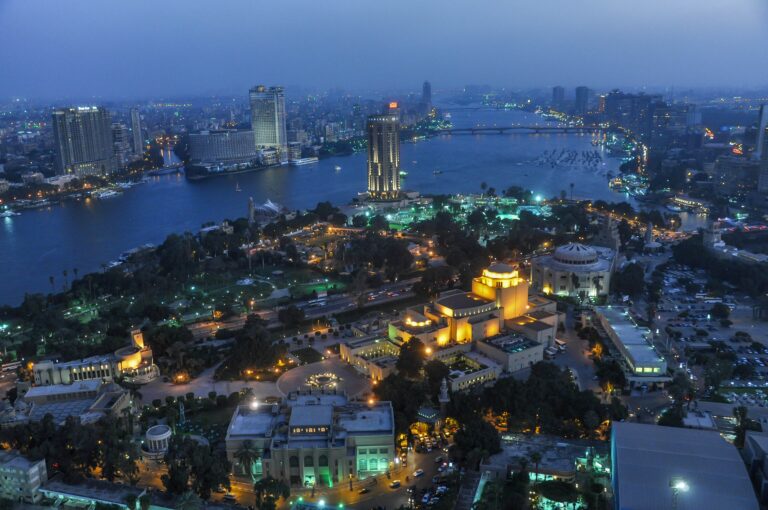
| Egypt Tour | Cairo, Pyramids, Nile |
Current prices and dates are shown on the package cards; before you decide, you can send your questions to our advisors on WhatsApp.
Balkans Tour Prices 2026-2027
Our 2026-2027 Balkans tour prices start from 41,000 ₺ per person. The main factors that determine the price are the travel date, the length of the programme, the hotel category and the room type.
Current Balkans tour prices:
- Bosnia & Balkans Tour: 41,000 ₺ per person
Prices are pulled automatically from the latest information on the product page; for the exact price and availability, you can get confirmation from our advisors before booking. No online payment is taken. After you submit your reservation request, our advisor contacts you, confirms the programme and availability, and guides you through the payment steps. You can also ask our advisors about financing options.
What Is Included in the Price, and What Is Not?
As the scope of each package differs, the definitive information is on the relevant package’s detail page. As a general outline:
- Usually included: The flights specified in the package, accommodation, airport and intercity transfers, the services of an experienced Turkish-speaking guide, the meals included in the programme and the specified entrance fees for visits.
- Usually not included: Personal expenses, meals and drinks not specified in the programme, optional extra excursions, individual document fees and services not separately specified in the package.
If you notice an item in the package contents that is not clear, we recommend asking our advisors before booking; we share every item openly so that you do not face any unexpected costs.
Balkans Tours and Other Halal Culture Routes with RotaNur
RotaNur plans each journey not merely as a trip but as a meaningful experience. Observing the halal concept at every stage, experienced Turkish-speaking guidance, transparent package contents and 24/7 support throughout the journey form the foundation of our programmes. You can see all our programmes in one place on our halal culture tours page.
If, after seeing the Ottoman heritage of the Balkans, you would like to explore other regions of Islamic civilisation, take a look at these routes:
- Uzbekistan tours, for the scholarly heritage of Samarkand and Bukhara
- Andalusia tours, for the Islamic legacy of Córdoba and Granada
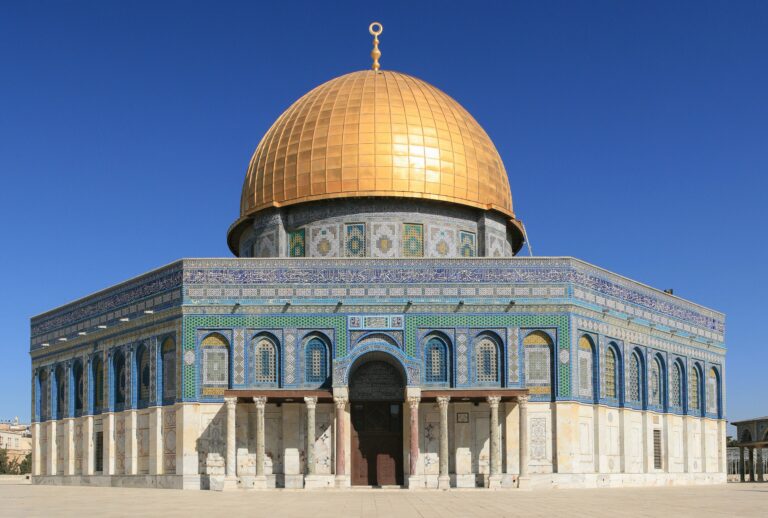
- Jerusalem tours, for a visit to Al-Aqsa Mosque (Masjid al-Aqsa)
For route preparations and travel notes, you can read our articles on halal culture tours, find answers on our frequently asked questions page, or get in touch through our contact page.
From Application to Return: Your Balkans Journey
A step-by-step Balkans tour flow, from choosing a programme to your days in Sarajevo and Mostar and your return home.
Enquiry and programme selectionVia WhatsApp or our contact page, we work with you to choose the Balkans tour programme, route coverage and accommodation preference that suit you.
PlanningRegistration and document preparationWe complete your booking and guide you in confirming passport and entry requirements with official sources.
Registration stagePre-departure briefingWe share a briefing covering the programme schedule, clothing, currency and luggage recommendations, and answer your questions.
Before the journeyFlight and welcome in SarajevoOur experienced Turkish-speaking guide meets you at the airport; after you check in at the hotel, a first walk in Baščaršija is planned.
Day 1Hotel check-in and programme introductionOnce you have settled into the hotel, your guide meets the group and shares the daily schedule, the prayer and meal arrangements and the meeting points.
Evening of Day 1Sarajevo's historic centreBaščaršija, the Sebilj, the Gazi Husrev-beg Mosque and complex, and the area around the Latin Bridge are visited, with prayer times observed.
Tour daysPočitelj, Blagaj and MostarThe route follows the Neretva Valley, with visits to the stone streets of Počitelj, the Blagaj Tekke and Mostar Bridge (Stari Most).
Tour daysOther Balkan stops depending on the programmeDepending on the package you choose, the tour continues to cities bearing Ottoman traces in Kosovo, North Macedonia or Montenegro.
Depending on the packageReturn and after the journeyYou return to Türkiye with an airport transfer; we gather your feedback so that we can develop our future programmes together.
Last dayFrequently Asked Questions About Balkan Tours
Our 2026-2027 Balkans tour prices start from 41,000 ₺ per person. The price varies depending on the date, length, hotel category and room type. The current price is shown on the product page.
With their mild weather and conditions suited to walking, spring and autumn are the most balanced times for a Balkans tour. In summer, Mostar and the Herzegovina region in particular can get very hot. In winter, Sarajevo is cold and often snowy; this period can also be a good choice for those looking for a quiet trip and a wintry atmosphere.
The length depends on the scope of the route. Programmes focusing only on Sarajevo and the Herzegovina region are shorter, while Balkan tours that also cover countries such as Kosovo, North Macedonia or Montenegro are longer. The current length and dates of each programme are shown on the package cards.
In the cities of Bosnia and Herzegovina with large Muslim populations, finding halal food is generally easy. Even so, restaurants for group meals are chosen with halal sensitivities in mind. Simply let us know about any special dietary needs related to diet or health when you register.
The tour schedule is arranged around prayer times and, whenever possible, prayers are performed in historic mosques. When the programme falls on a Friday, the Friday prayer is planned at a historic mosque such as the Gazi Husrev-beg Mosque. On long transfers, breaks are also scheduled according to prayer times.
As cobblestones and slippery stone surfaces are common in the historic centres, choose comfortable, non-slip shoes. Bring modest clothing suitable for mosque visits, and a headscarf for women. As evenings can get cool in mountainous areas, it helps to dress in layers according to the season.
When the route covers more than one country, the entry requirements of each country are assessed separately. As entry requirements can change, we recommend confirming them with official sources before you travel; we guide you through the application process. We also advise checking the travel advisories of Türkiye's Ministry of Foreign Affairs for up-to-date safety information.
The convertible mark (KM) is used in Bosnia and Herzegovina; the euro is used in Kosovo and Montenegro, and the denar in North Macedonia. Card payments are common in the big cities, but it is practical to carry some cash for small shops. Copperwork and coffee sets from Baščaršija and the Mostar bazaar are the most popular souvenirs.
Yes, the programmes are planned with travellers of different age groups in mind. Walking distances in the historic centres, cobbled slopes and the sloping stone surface of Mostar Bridge should be taken into account. If you let us know about any mobility limitations or special needs in advance, the pace and transfers are assessed accordingly.
Although the scope varies by package, the flights specified in the package, accommodation, transfers, experienced Turkish-speaking guidance and the meals in the programme are generally included. Personal expenses, meals not included in the programme and optional extra excursions are generally not included. The exact scope is shown on the detail page of the relevant package.
You can start the booking steps by choosing the programme that suits you from the package cards. Before deciding, you can send your questions to our advisors on WhatsApp or reach us through our contact page. After booking, we provide 24/7 support at every stage of your journey.
No online payment is taken. After you submit your reservation request, our advisor contacts you, confirms the programme and availability, and guides you through the payment steps. You can also ask our advisors about financing options.
Cancellation and change terms depend on the date on which the cancellation is made. For details, please see our cancellation and refund terms page.
Plan with confidence
What we promise from your request to your return
Support
24/7
WhatsApp line
Our advisors are always reachable
Booking
Pay later
Request now
Our advisor calls you to confirm
Programme
Guided
Umrah and Hajj
With a religious guide