




 CULTURE TOURS
Morocco Tour 2026-2027: A Cultural Route Through Casablanca, Rabat, Fes and Marrakesh
We plan your Morocco tour around your request, from Casablanca to the medina of Fes and from Rabat to Marrakesh, with halal food, a daily schedule built around prayer times and an experienced Turkish-speaking guide.
A Morocco tour is a unique route for anyone who wants to explore the cities where Islamic civilisation met Andalusia in North Africa. Stretching from Casablanca on the Atlantic coast to the capital Rabat, and from Fes, home to Al-Qarawiyyin and its deep-rooted scholarly tradition, to Marrakesh with its reddish ramparts, this journey reveals the legacy of a different dynasty at every stop.
Morocco tours stand out not only for their architectural beauty but also for their living medina culture. Crafts still practised in narrow lanes, the mint tea offered in the souks and a daily life shaped by the call to prayer give Muslim travellers a familiar warmth. A Fes tour takes you to Marinid madrasas and historic tanneries, while a Marrakesh tour leads you from the shadow of the Koutoubia Mosque to the evening crowds of Jemaa el-Fna Square. At RotaNur, we plan the Morocco programme on request: we listen to your dates, group make-up and expectations, and shape the route together with you. To find out more, simply message us on WhatsApp.
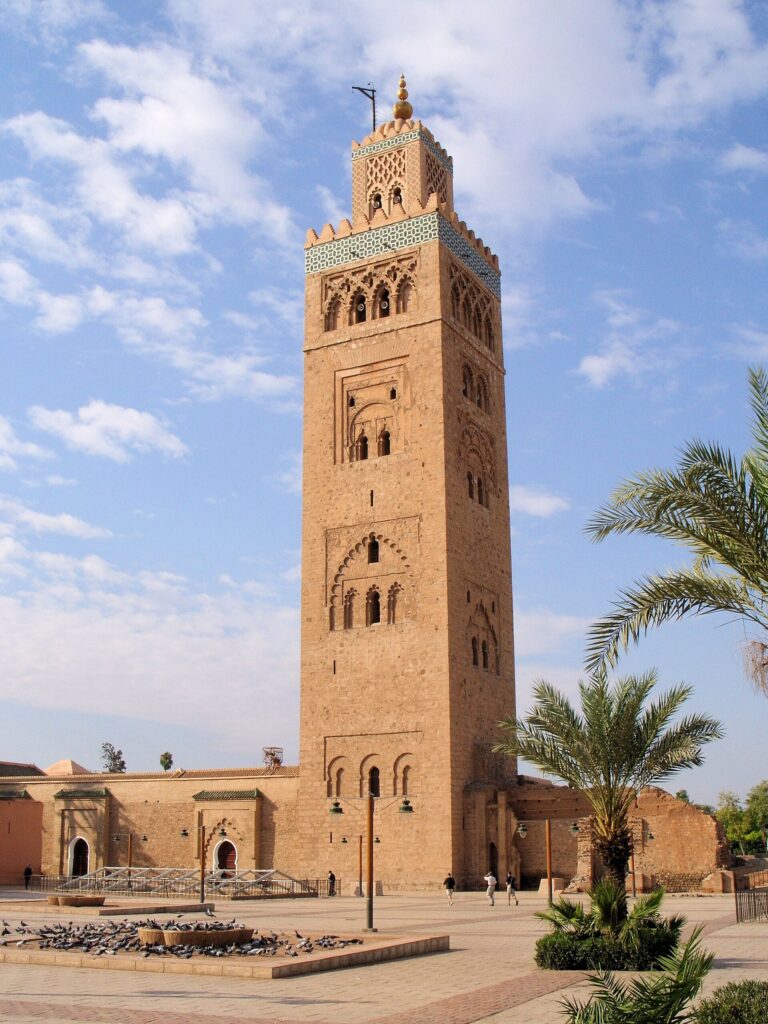
We plan our Morocco tour programme on request. This means the route, pace and accommodation preferences are shaped around the expectations of your family, your group of friends or your association. Stops such as Chefchaouen can be added to the core route of Casablanca, Rabat, Fes and Marrakesh, and sightseeing days are arranged around your walking pace and interests. Long legs such as Fes to Marrakesh are broken up with rest stops, and comfortable hotels close to the sightseeing areas are chosen for your stay.
The halal concept is observed at every stage of the programme: meals are chosen with halal sensitivity, the daily schedule is built around prayer times and, whenever possible, Friday prayer is planned at a historic mosque. Our experienced Turkish-speaking guide is with you at every stop and stays with the group so that you never lose your way in the medinas and are pointed in the right direction in the souks. For a draft programme, message us on WhatsApp; you can also get 24/7 support throughout your journey.
Morocco Tour and Halal Culture Programmes
We plan the Morocco programme on request; browse our current halal culture tour packages below, or ask us about Morocco on WhatsApp.
CULTURE TOURS 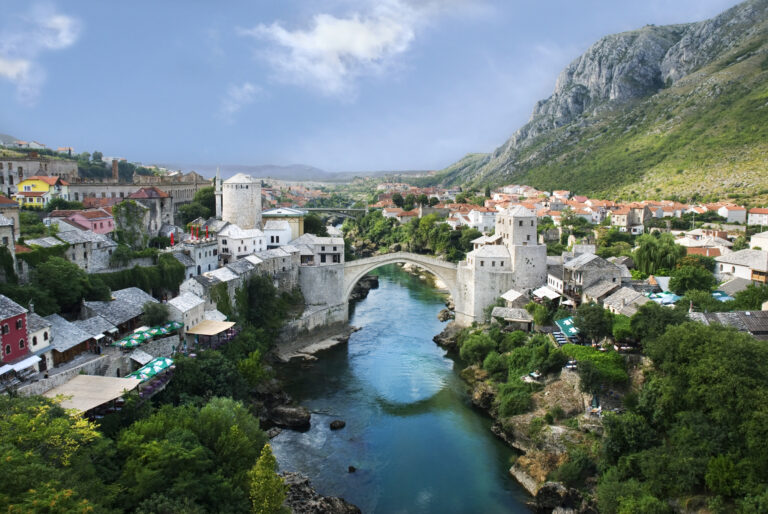 CULTURE TOURS
 MOST POPULAR
 CULTURE TOURS -22%
Tailor-Made Programme
Can't find the date or length you want? Let's plan a culture tour programme for your group and budget together.
Message on WhatsApp →Morocco Tour: A Journey Through the Islamic Heritage of al-Maghrib al-Aqsa
A journey through civilisation in the lands that classical sources call al-Maghrib al-Aqsa, meaning the farthest west.
Morocco lies at the western edge of the North African lands that came to know Islam through the campaigns of Uqba ibn Nafi in the Umayyad period. Fes, founded by the Idrisids, soon became the region’s centre of learning and trade. The Almoravids who followed founded Marrakesh; the Almohads left monumental works such as the Koutoubia Mosque and the Hassan Tower; the Marinids adorned Fes with madrasas; and the Saadians gave Marrakesh its elegant tombs. Today the Maliki school is widespread in Morocco, and a deep-rooted Sufi tradition can still be felt in the daily life of its cities.
Because the Almoravids and the Almohads also ruled Andalusia, the bond between Morocco and Andalusia is very strong. Emigrants from Andalusia settled in cities such as Fes, Rabat and Chefchaouen, leaving their mark on everything from architecture to cuisine. That is why a Morocco tour is a journey that completes the story of Islamic civilisation in the West. If you have already visited Andalusia, the minaret of the Koutoubia may remind you of Seville, and the tilework of Fes may bring Granada to mind.
Casablanca and Rabat: Stops on the Atlantic Coast
Morocco tour programmes usually begin in Casablanca. Casablanca, the country’s largest city, stands out for its modern face, while the capital Rabat is known for its historic and administrative identity. Casablanca’s oceanfront coastal road is also ideal for spending a calm first day after a long flight.
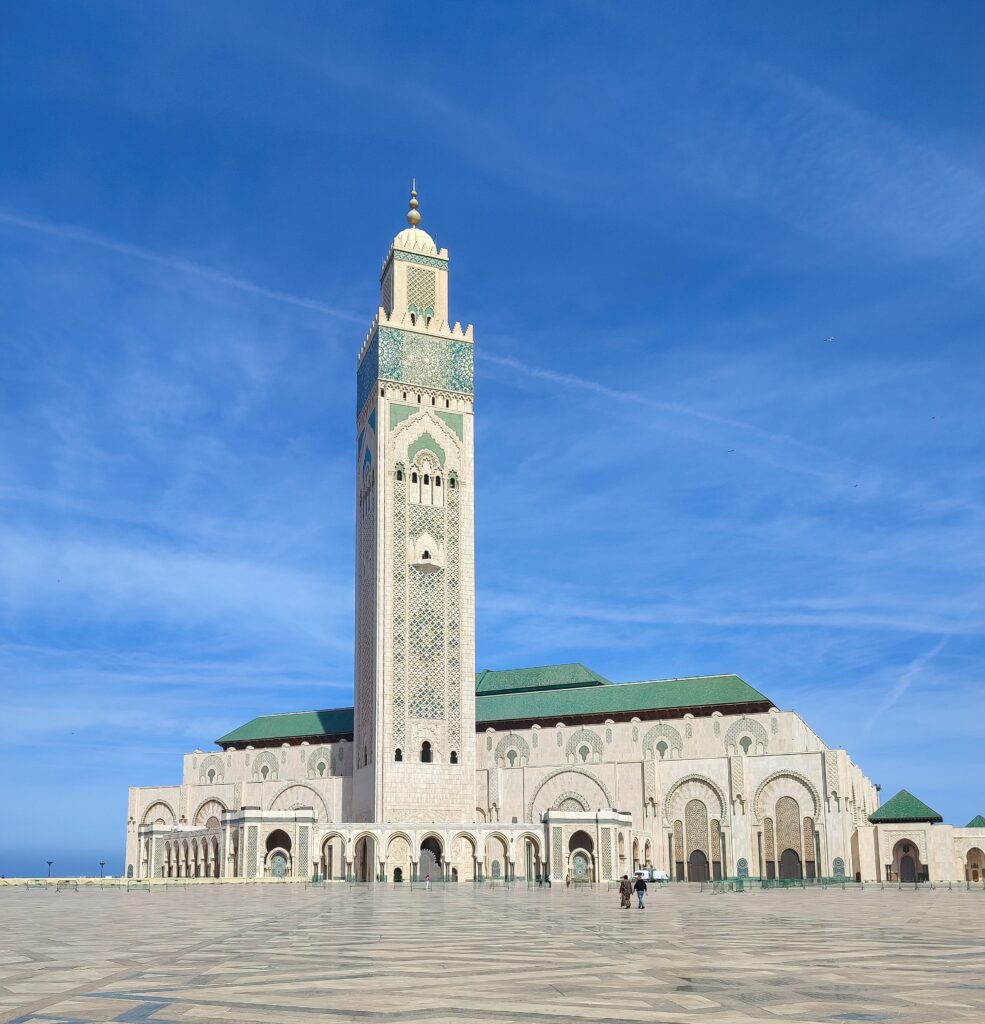
Casablanca: Hassan II Mosque
Built on the shore of the Atlantic Ocean, with part of it extending over the sea, the Hassan II Mosque is a contemporary showcase of Moroccan craftsmanship, with its soaring minaret, fine stone and woodwork and vast courtyard. While many mosques in Morocco are open only to Muslims, this mosque is known for its guided tours; as visiting hours can change, the programme is planned accordingly.
Rabat: Hassan Tower and the Mausoleum of Mohammed V
The Hassan Tower in Rabat is the minaret of a great mosque that was begun under the Almohad ruler Yaqub al-Mansur but never completed. The column remains around the tower give an idea of the size of the planned building. Directly opposite stands the Mausoleum of Mohammed V, which houses the tombs of King Mohammed V and his son Hassan II; with its white facade, green-tiled roof and rich interior decoration, it is a fine example of traditional Moroccan art. Depending on the programme, there is also a short walk through the white and blue lanes of the Kasbah of the Udayas, which overlooks the ocean.
Fes: Scholarship, Craftsmanship and Medina Culture
A Fes tour is a journey through time in the streets of a living historic city.
The Medina of Fes el-Bali
Listed as a UNESCO World Heritage Site, Fes el-Bali, with its narrow and winding lanes, is one of the most impressive historic medinas in the world. In these lanes, where goods are still largely carried by mules and handcarts, coppersmiths, weavers and woodworkers continue to work in their workshops. The Al-Attarine Madrasa, dating from the Marinid period, is one of the medina’s hidden treasures thanks to its tilework, stucco and cedarwood carving. The shrine attributed to Idris II, one of the city’s founders, is also regarded as one of the spiritual centres of Fes.
Al-Qarawiyyin Mosque and University
Said to have been founded under the leadership of Fatima al-Fihri of Kairouan, Al-Qarawiyyin is regarded as one of the oldest educational institutions still operating today. Over the centuries, many scholars taught or studied here in fields such as jurisprudence (fiqh), language, astronomy and medicine. As entry to the mosque depends on local practice, visits are planned with prayer times in mind.
The Tanneries
The Chouara Tannery, one of the symbols of Fes, is known for its colourful vats, where leather is still processed using traditional methods. The vats are viewed from the terraces of the surrounding leather shops, and handing visitors a sprig of mint to counter the smell has become a tradition. There is no obligation to shop here; our guide advises you on price and quality.
Marrakesh and Chefchaouen: From Red Ramparts to Blue Streets
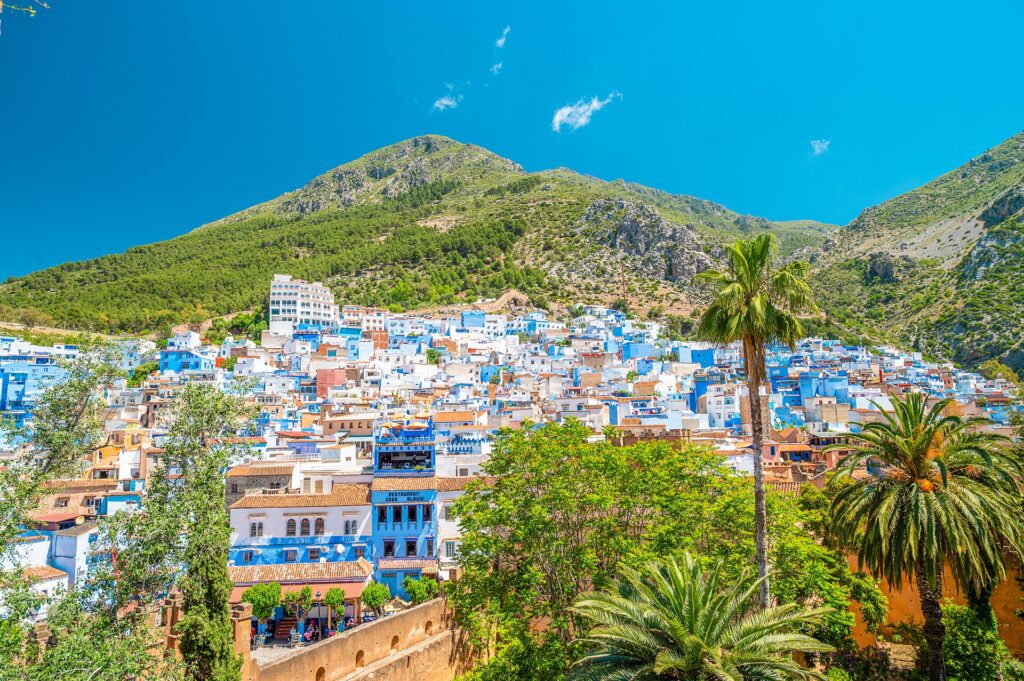
With its reddish ramparts, its gardens and its square that never falls silent, a Marrakesh tour is the liveliest part of the programme.
Koutoubia Mosque
Built during the Almohad period, the minaret of the Koutoubia Mosque is the landmark of Marrakesh, visible from many parts of the city. The mosque’s name is generally believed to come from the booksellers’ market that was once held around it. The minaret is considered part of the same architectural family as the Giralda in Seville and the Hassan Tower in Rabat. For our Muslim travellers, we aim to arrange for one of the daily prayers to be performed here.
Jemaa el-Fna Square
Inscribed on UNESCO’s list of intangible cultural heritage, Jemaa el-Fna shows different faces throughout the day. By day it fills with stalls selling fresh orange juice and dried fruit, and in the evening with food stalls and storytellers. Some of the performances in the square may not suit your sensitivities, so our guide will direct you to suitable spots.
Bahia Palace and the Saadian Tombs
Built and enlarged by viziers under the Alaouite dynasty, the Bahia Palace reflects Moroccan-Andalusian craftsmanship with its inner courtyards, colourful tiles, carved cedar ceilings and gardens. The Saadian Tombs, where members of the Saadian dynasty lie, were rediscovered after long remaining hidden from view; their fine marble and stucco work leaves a strong impression on visitors. Depending on the programme, you can also visit the Ben Youssef Madrasa, which took its present form under the Saadians.
Chefchaouen
Chefchaouen, at the foot of the Rif Mountains, is a short stop that can be added to the programme on request, known for its blue-painted houses and quiet lanes. Bearing traces of the emigrants who came from Andalusia, the town offers a peaceful break for walking and photography.
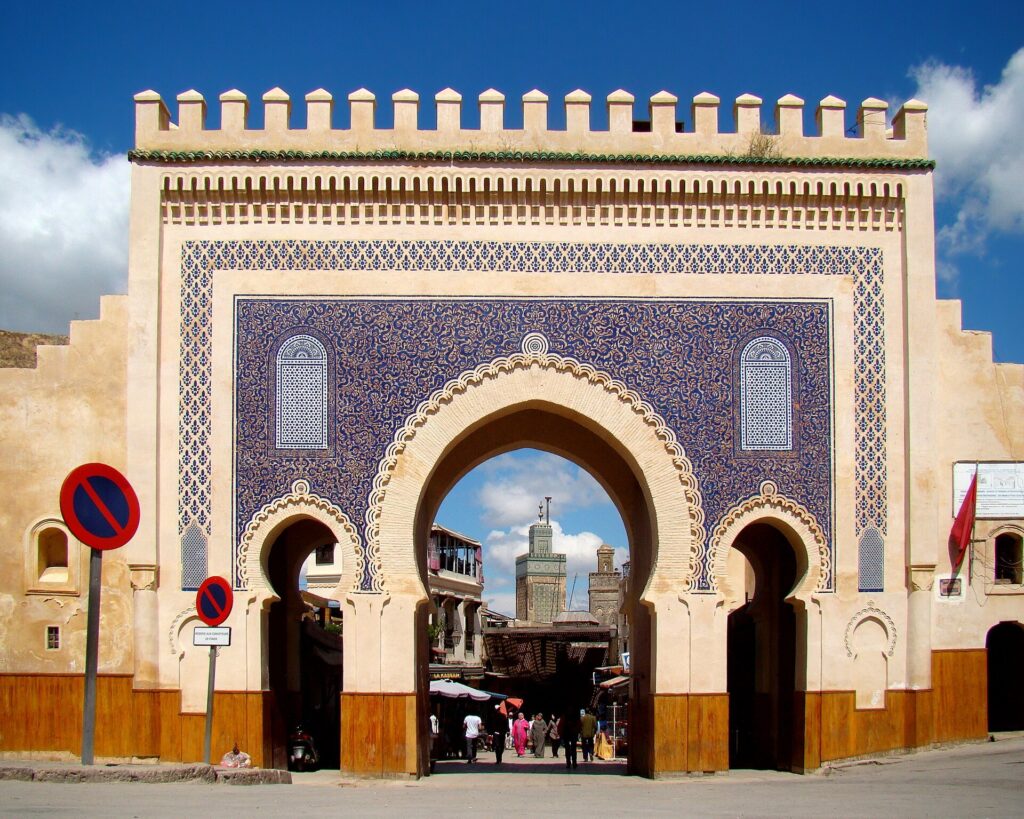
Sample Morocco Tour Itinerary
The table below is a general example of how a Morocco programme might be structured. Since we plan Morocco tours on request, the route is finalised together with you according to your dates, group make-up and expectations.
| Day | City / Region | Sample programme |
|---|---|---|
| Day 1 | Casablanca | Welcome, Hassan II Mosque, walk along the ocean shore |
| Day 2 | Rabat | Hassan Tower, Mausoleum of Mohammed V, Kasbah of the Udayas |
| Day 3 | Chefchaouen (optional) | Walk through the blue streets, the historic square and the area around the kasbah |
| Day 4 | Fes | Fes el-Bali medina, the area around Al-Qarawiyyin Mosque, Al-Attarine Madrasa, tanneries |
| Day 5 | Fes – Marrakesh | Intercity transfer; meal and prayer stops along the way |
| Day 6 | Marrakesh | Koutoubia Mosque, Bahia Palace, Saadian Tombs, Jemaa el-Fna Square in the evening |
| Last Day | Marrakesh | Free time, souk, airport transfer and return |
The order and length of the programme vary depending on the package you choose.
Halal Concept: Moroccan Cuisine, Prayer and Friday Prayer
With the vast majority of its population being Muslim, Morocco offers widespread halal options, which makes it easier to feel at ease about food. Even so, because some businesses in tourist areas serve alcohol, halal sensitivities are taken into account when choosing restaurants and accommodation.
- Moroccan cuisine: Tagine cooked in an earthenware pot, couscous, harira soup, pastilla and the mint tea that accompanies every meal are a natural part of the programme. Cooking couscous on Fridays is a common tradition in many families. Traditional breads and pastries such as msemen and baghrir, along with olives and honey, also often appear at breakfast.
- Prayer: The daily schedule is built around prayer times; prayer breaks on long transfers are set in advance.
- Friday: On Fridays that fall within the programme, Friday prayer is planned, whenever possible, at the Koutoubia Mosque or at one of the historic mosques in Fes.
If you have any special dietary needs, letting us know when you register makes restaurant planning easier.
Accommodation, Transport and Guidance
As distances between cities in Morocco can be long, the route is designed so that the journey does not become tiring. Transfers are made by private vehicle, and on long legs such as Fes to Marrakesh, meal and prayer stops are planned in advance. For accommodation, comfortable hotels with easy access to the medinas and sightseeing areas are preferred; traditional riad-style accommodation can also be considered on request. Riads are traditional Moroccan houses built around an inner courtyard; since they are located inside the medina, you are informed in advance about luggage handling and vehicle access.
Having our experienced Turkish-speaking guide by your side in the maze-like lanes of the medinas makes things much easier. As well as explaining the historical context, our guide advises you on matters such as bargaining in the souk, asking permission before taking photos and dressing appropriately. Throughout your journey, you can reach our team through 24/7 support and on WhatsApp.
The Best Time to Visit Morocco
Morocco has a marked difference in climate between its coastal cities and its inland regions. The comparison below is intended to give a general idea; weather conditions can vary from year to year.
| Period | Weather | Crowds | Best suited to |
|---|---|---|---|
| March – May | Mild, green landscapes | Medium – high | First-time visitors to Morocco, families |
| June – August | Very hot inland, milder on the coast | Medium | Travellers who want to focus on the coastal cities |
| September – November | Mild, good for sightseeing | Medium – high | Those who enjoy walking tours of the medinas |
| December – February | Cool, occasionally rainy; snow in the Atlas Mountains | Low – medium | Those who want to avoid the crowds |
For programmes that coincide with Ramadan, the daytime pace and meal times are rearranged accordingly.
Preparing for Your Journey: Documents, Clothing and Money
As entry requirements can change, we recommend confirming the current situation with official sources before you travel; we guide you through the application process. Checking your passport’s validity early helps you avoid unwelcome surprises. We also advise following the Ministry of Foreign Affairs’ travel advisories on the security situation.
- Clothing: Modest, loose clothing for mosques and medinas, and a headscarf for women. Comfortable shoes for the cobbled, sloping lanes.
- Layers: Because of the temperature difference between day and evening, a light cardigan or jacket will come in handy.
- Money: The local currency is the Moroccan dirham. Cash is common in the souks, while cards are widely used in large shops and hotels; bargaining is a natural part of shopping.
- Language: Arabic and Amazigh (Tamazight) are the official languages, and French is also widely spoken in daily life.
- Photography: It is polite to ask permission before photographing people and some shops.
- Health: Remember to bring any medication you take regularly and to drink bottled water.
If a date change or cancellation becomes necessary after registration, the applicable conditions depend on the date of cancellation; you can find the details on our cancellation and refund conditions page.
Compare Halal Culture Tour Programmes
Since we plan Morocco tours on request, the table below may not include a fixed Morocco package. In the table, you can see our current halal culture tour packages side by side and get an idea of their routes and scope; up-to-date prices and dates are shown on the package cards.
| Package | Highlights | Price per person |
|---|---|---|
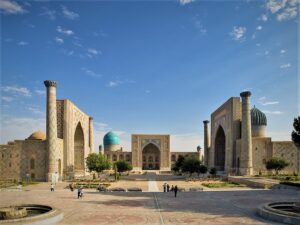
| Uzbekistan Tour — Samarkand & Bukhara | Samarkand, Bukhara, Tashkent | 44,000 ₺ |
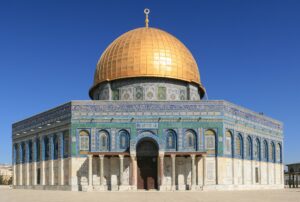
| Jerusalem Tour | Al-Aqsa Mosque, Guided, Flights included | 38,000 ₺ |
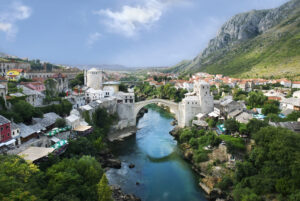
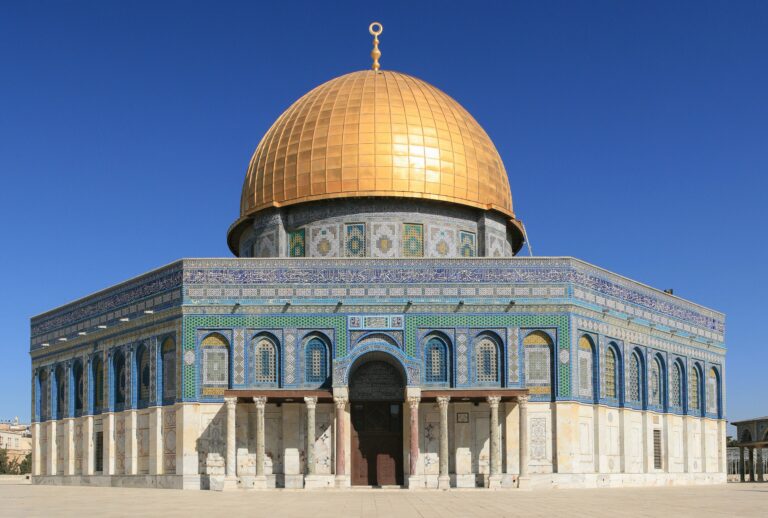
| Bosnia & Balkans Tour | Sarajevo, Mostar, Guided | 41,000 ₺ |
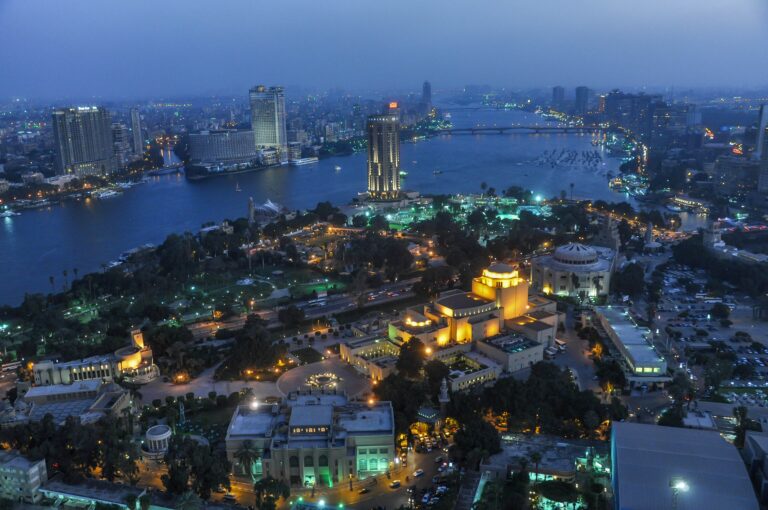
| Egypt Tour | Cairo, Pyramids, Nile |
When comparing, we also recommend looking at the cities on the route, the location of the accommodation, the meals included and the amount of free time. If you would like a draft programme and price information for Morocco, message us on WhatsApp and we will prepare a tailored proposal based on your dates and expectations.
What Can Be Included in the Price of a Morocco Tour?
Since the Morocco programme is planned on request, the scope and price are prepared specifically for you once the route is finalised. As a general outline:
- Usually included: Return flights, accommodation, airport and intercity transfers, the meals specified in the programme, experienced Turkish-speaking guidance and the visits in the programme.
- Usually not included: Personal expenses, optional activities, tips and any fees that depend on entry requirements.
The programme we send you clearly states which services are included and which are not, so there are no surprises when you make your decision.
What Makes a Morocco Tour with RotaNur Different, and Other Routes
At RotaNur, we approach Morocco as a land of civilisation that should be read together with Andalusia. When preparing the programme, we value the following principles:
- A relaxed route shaped around your request.
- Meals and accommodation chosen with halal sensitivity.
- Experienced Turkish-speaking guidance that brings the historical context to life.
- 24/7 support at every moment of the journey and quick communication on WhatsApp.
If you have any questions, take a look at our frequently asked questions page or reach us through our contact page.
Other Halal Culture Routes
If you would like to follow Morocco’s Almohad and Andalusian traces on into Spain, take a look at our Andalusia tours page and, to prepare, our Andalusia travel guide. For another long-established Islamic city in North Africa, explore our Egypt tours page; for all routes, see our halal culture tours page, and read our blog posts for travel notes.
Your Morocco Journey, from Enquiry to Return
From planning the programme together to your last evening in Marrakesh, we are with you every step of the way.
Information and enquiryWe listen to your dates, group size and expectations on WhatsApp and share preliminary information about the Morocco tour.
First conversationPlanning the programme togetherWe finalise the Casablanca, Rabat, Fes and Marrakesh stops, along with additions such as Chefchaouen, according to your request.
After your enquiryRegistration and documentsWe complete your registration, remind you to confirm the entry requirements with official sources and guide you through the application process.
Once the programme is finalPre-departure briefingWe share a briefing note on clothing, currency, weather and the daily schedule, and answer your questions.
Before the flightFlight, welcome and CasablancaOur team welcomes you on arrival in Morocco; depending on the programme, the journey begins with a visit to the Hassan II Mosque in Casablanca.
Day 1Hotel check-in and programme introductionOnce you have checked in, your guide meets the group and shares the daily schedule, the prayer and meal arrangements and the meeting points.
Evening of day 1Rabat, Chefchaouen and FesThe Hassan Tower and the Mausoleum of Mohammed V, Chefchaouen on request, then Fes el-Bali, the area around Al-Qarawiyyin and the tanneries.
Sightseeing daysMarrakeshThe Koutoubia Mosque, Bahia Palace and the Saadian Tombs, followed by an evening walk in Jemaa el-Fna Square.
Depending on the programmeFree time and returnAfter some last-minute shopping, you are transferred to the airport and seen off on your return flight. We are with you 24/7 on your way home, too.
Last dayFrequently Asked Questions About Morocco Tours
Because we plan the Morocco programme around your request, the price depends on the dates, duration, hotel category and group size. For a tailored quote, contact us via our WhatsApp line or our contact page.
Spring and autumn are generally the most comfortable times to visit Morocco. In summer, temperatures climb considerably in inland areas such as Fes and Marrakesh, while in winter the evenings are cool and occasionally rainy. When planning the programme, we work with you to adjust the pace and sightseeing hours to the period you choose.
To see Casablanca, Rabat, Fes and Marrakesh without rushing, you need several full sightseeing days and should also allow for travel time between the cities; adding Chefchaouen makes the programme longer. Since we plan Morocco tours on request, we decide on the duration together based on your expectations. For a draft programme, message us on WhatsApp.
As the vast majority of Morocco's population is Muslim, halal options are widespread. You can enjoy local dishes such as tagine, couscous, harira and pastilla with peace of mind. Because some businesses in tourist areas serve alcohol, we take halal sensitivities into account when choosing restaurants.
The daily schedule is prepared with prayer times in mind, and prayer breaks on long transfers are set in advance. If a Friday falls within the programme, Friday prayer is planned, whenever possible, at a historic mosque such as the Koutoubia Mosque.
Many mosques in Morocco are open only to Muslims; since entry arrangements can vary by mosque and by time of day, visits are planned under our guide's direction. The Hassan II Mosque in Casablanca, on the other hand, is known for its guided tours. We recommend a headscarf with loose, long clothing for our female travellers and clothing that covers the knees for our male travellers.
As entry requirements can change, we recommend confirming the current situation with official sources before you travel; we guide you through the application process. We also advise following the Ministry of Foreign Affairs' travel advisories on the security situation.
Morocco's currency is the Moroccan dirham. Although cards are accepted in large shops and hotels, cash is more practical in the souks of Fes and Marrakesh. Bargaining is a natural part of shopping, and our guide points you to trustworthy shops.
Yes, but you should know that medinas such as Fes el-Bali involve walking along narrow, sloping lanes. If you let us know about any special needs when you register, the pace, breaks and intercity journeys are planned accordingly.
Because we plan the Morocco programme on request, the scope and price are prepared specifically for you once the route is finalised. Flights, accommodation, transfers, the meals in the programme and Turkish-speaking guidance are usually included. The services that are and are not included are clearly stated in the programme we send you.
Simply message us on WhatsApp with your dates, group size and expectations. Our team prepares a tailored draft programme for you; once you approve it, we complete the registration and document steps together. You can also reach us through our contact page.
No online payment is taken. After you submit your reservation request, our advisor contacts you, confirms the programme and availability, and guides you through the payment steps. You can also ask our advisors about financing options.
Cancellation and change conditions vary according to the date on which the cancellation is made. For details, please see our cancellation and refund conditions page.
Plan with confidence
What we promise from your request to your return
Support
24/7
WhatsApp line
Our advisors are always reachable
Booking
Pay later
Request now
Our advisor calls you to confirm
Programme
Guided
Umrah and Hajj
With a religious guide