





Contents 25 sections
- A short history of al-Andalus: from 711 to 1492
- The conquest and the Umayyad period
- The taifa kingdoms, the Almoravids and the Almohads
- The Nasrids and the fall of Granada
- Córdoba: the Great Mosque and Madinat al-Zahra
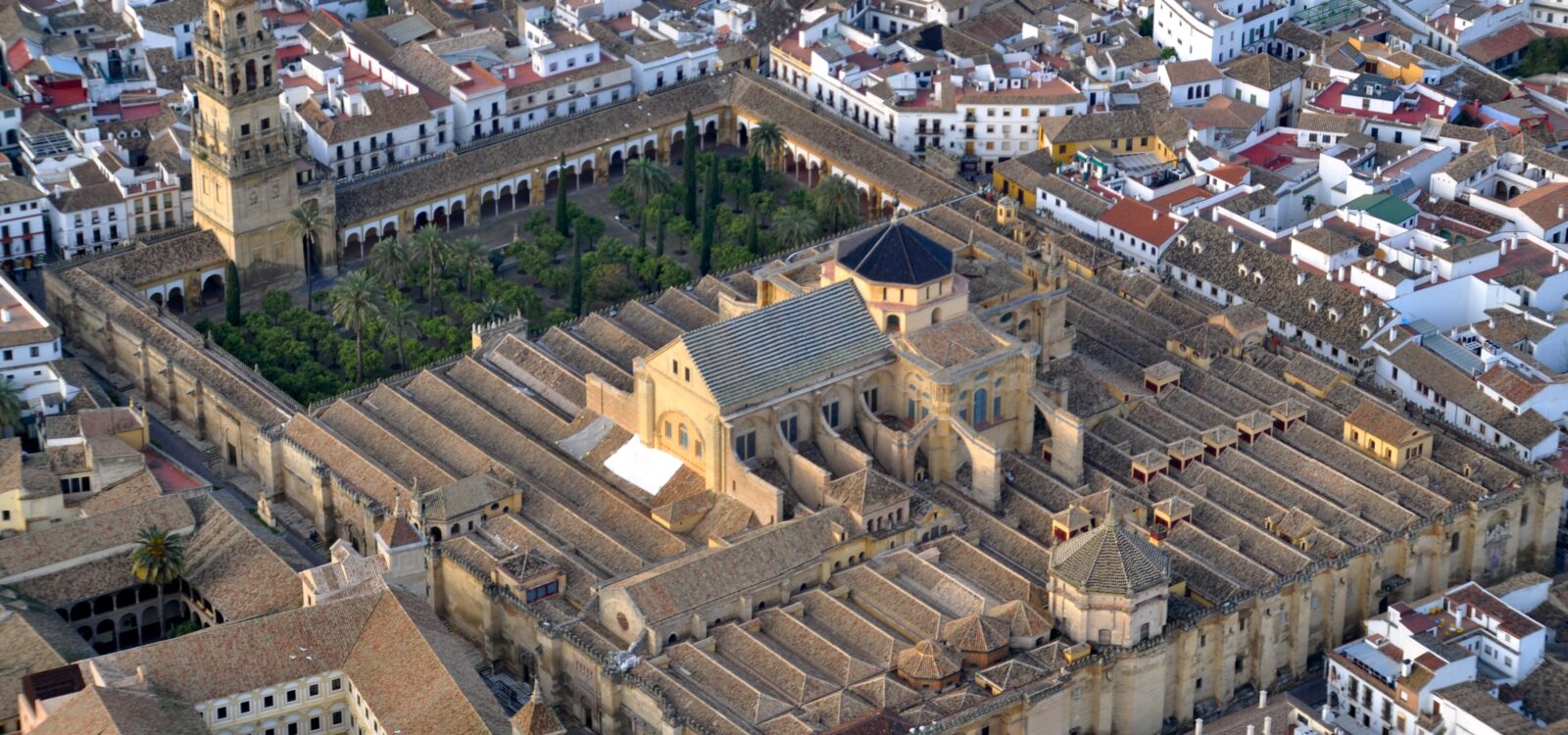
- The Great Mosque of Córdoba
- Can you pray in the Great Mosque of Córdoba?
- Madinat al-Zahra
- Granada: the Alhambra and the Albaicín
- The Alhambra Palace
- Should Alhambra tickets be bought in advance?
- The Albaicín and the San Nicolás viewpoint
- Seville: the Giralda and the Alcázar
- The Giralda
- The Alcázar of Seville
- Practical tips for halal food and prayer
- Planning the season and length of an Andalusia trip
- What is the best season for an Andalusia trip?
- How many days are enough for an Andalusia trip?
- Suggested Andalusia route
- Current Notes for Those Planning an Andalusia Trip in 2026–2027
- Changes in border crossings and ticket planning
- Choosing a period according to the calendar
- Keep reading
- Frequently Asked Questions
Andalusia (al-Andalus) is the region that bears the most brilliant traces of Islamic civilisation in Europe. An Andalusia trip offers the chance to see first-hand a heritage of almost eight centuries in the cities of Córdoba (Qurtuba), Granada (Gharnata) and Seville (Ishbiliya), which today lie in the south of Spain. In this guide, we have brought together a short history of al-Andalus, the must-see places in the three cities, and practical matters such as halal food, prayer, the best season and the route.
A short history of al-Andalus: from 711 to 1492
The history of al-Andalus covers a period of about eight centuries that developed under the rule of different dynasties and left deep marks on scholarship, art and architecture. Knowing these periods briefly will help you make sense of the buildings you will see during your trip.
The conquest and the Umayyad period
In 711, an army under the command of Tariq ibn Ziyad, who gave his name to today’s Gibraltar (Jabal Tariq), crossed the strait and reached the Iberian Peninsula. Within a short time, most of the peninsula came under Muslim rule. After the fall of the Umayyad dynasty in Damascus, Abd al-Rahman I, who had crossed over to al-Andalus, founded an independent emirate centred on Córdoba in 756. With Abd al-Rahman III’s proclamation of the caliphate in 929, Córdoba became one of the most important centres of scholarship and culture of its time.
The taifa kingdoms, the Almoravids and the Almohads
With the break-up of the Caliphate of Córdoba in the early 11th century, al-Andalus was divided into many small states known as the “taifa kingdoms” (muluk al-tawaif). This fragmented structure made it easier for the Christian kingdoms in the north to advance. The Almoravids (al-Murabitun), who came from North Africa, reunited al-Andalus under a single rule in the late 11th century. After them, in the 12th century, the Almohads (al-Muwahhidun), also of Maghrebi origin, came to dominate the region, and Seville became an important centre during this period.
The Nasrids and the fall of Granada
In the 13th century, Córdoba (1236) and Seville (1248) passed into the hands of the Kingdom of Castile. The Nasrid state, founded in the first half of the same century, continued to exist for about two and a half more centuries with Granada as its centre; the palaces of the Alhambra, which are toured with admiration today, were built during this period. In 1492, Muslim political presence in al-Andalus came to an end when the last Nasrid ruler, Abu Abdallah, surrendered the city.
Córdoba: the Great Mosque and Madinat al-Zahra
Córdoba, the capital of Umayyad al-Andalus, is one of the most spiritually moving stops on the trip. The city, which produced figures such as the Qur’anic commentator Imam al-Qurtubi and the philosopher Ibn Rushd (Averroes), also stands out for its narrow streets and flower-filled courtyards.
The Great Mosque of Córdoba
Construction of the Great Mosque of Córdoba began in the late 8th century under Abd al-Rahman I, and the building was extended many times under later rulers. The arches built of red and white stone, rising in two tiers one above the other, and the prayer hall, which resembles a veritable forest of columns, have become the symbol of the building. The mihrab built under al-Hakam II and the gold-ground mosaics around it are regarded as among the finest examples of Andalusian art. After the city changed hands in 1236, the building was converted into a church, and in the 16th century a cathedral section was built in the middle of the prayer hall. Today the building is used as a cathedral.
Can you pray in the Great Mosque of Córdoba?
Since the building today has the status of a cathedral, praying inside is generally not permitted. Visiting hours, ticketing arrangements and dress rules may change from time to time; we recommend that you confirm the current conditions with official sources before travelling. Respecting the rules of the site during your visit is important for your own peace of mind and that of other visitors.
Madinat al-Zahra
Madinat al-Zahra, founded by Abd al-Rahman III in the 10th century to the west of Córdoba, was a palace city that reflected the splendour of the caliphate. The remains of the city, which was destroyed during the civil strife of the early 11th century, can be visited today as an archaeological site. As the site lies outside the city centre, you need to plan your transport in advance.
Granada: the Alhambra and the Albaicín
Granada, founded at the foot of the Sierra Nevada mountains, is the last Muslim capital of al-Andalus. The city’s two symbols are the Alhambra Palace on the hill and the historic Albaicín quarter on the opposite slope.
The Alhambra Palace
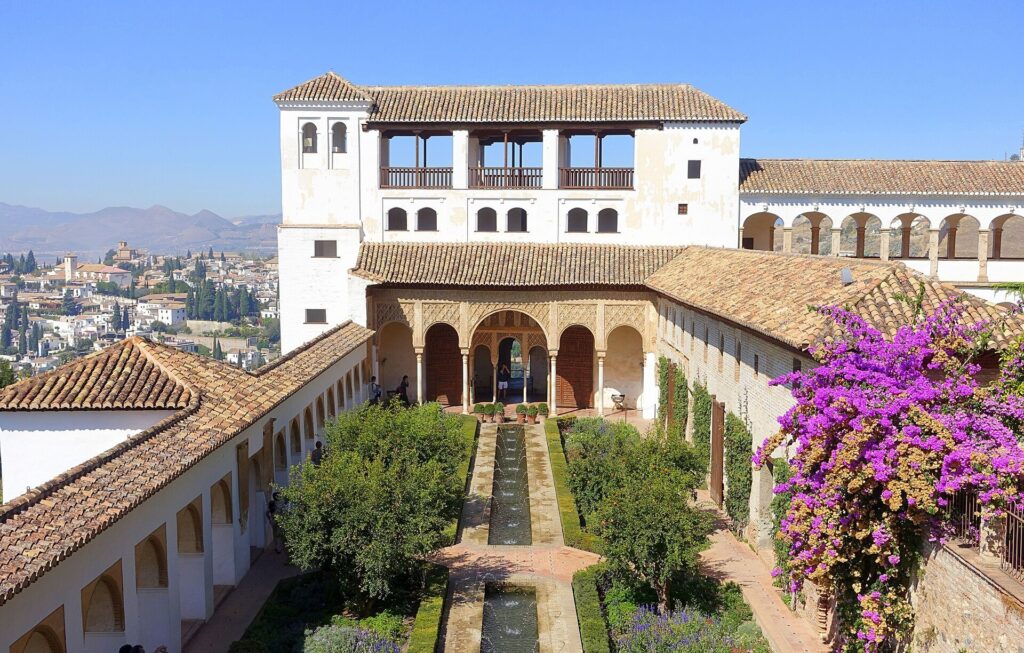
The Alhambra, which is believed to take its name from its reddish walls, is a vast complex made up of a fortress, palaces and gardens. The Nasrid Palaces, with their rich stucco work, tiles and wooden ceilings, form the most important part of the visit. The inscription “Lâ gâlibe illallah” (la ghaliba illa Allah: There is no victor but Allah), frequently repeated on the walls, is known as the motto of the Nasrids. The Court of the Lions, with a fountain surrounded by lion statues at its centre, is one of the best-known corners of the palace. The Generalife (Jannat al-Arif), meanwhile, is a summer palace and garden area near the palace, known for its pools and water channels.
Should Alhambra tickets be bought in advance?
Yes, those who wish to visit the Alhambra are advised to buy their tickets as early as possible. Tickets are sold in limited numbers, and a set entry time is usually given for the Nasrid Palaces; at busy times, tickets can sell out a long time in advance. As sales channels and rules may change, confirm the current information with official sources before travelling.
The Albaicín and the San Nicolás viewpoint
With its narrow, steep streets, the Albaicín is the quarter of Granada that best preserves the fabric of the Andalusian period. From the San Nicolás viewpoint above the quarter, you can watch the view of the Alhambra against the Sierra Nevada, especially towards sunset. The Great Mosque of Granada (Mezquita Mayor de Granada), located right next to the viewpoint, is a mosque that can be visited and whose garden offers a view of the Alhambra. We recommend that you check the visiting and prayer times in advance.
Seville: the Giralda and the Alcázar
Seville (Ishbiliya), one of the important centres of the Almohad period, is a lively city set on the banks of the Guadalquivir river, whose name comes from the Arabic expression “Vâdi’l-kebîr” (al-wadi al-kabir, “the great river”). Here, the Andalusian heritage appears intertwined with the architecture of later periods.
The Giralda
The Giralda, used today as the bell tower of Seville Cathedral, is in fact the minaret of the great mosque built in the late 12th century during the Almohad period. The belfry and the upper part of the tower were added in the 16th century. One of its notable features is that the minaret has ramps inside instead of stairs. The Court of the Orange Trees next to the cathedral also bears traces of the courtyard of the old mosque.
The Alcázar of Seville
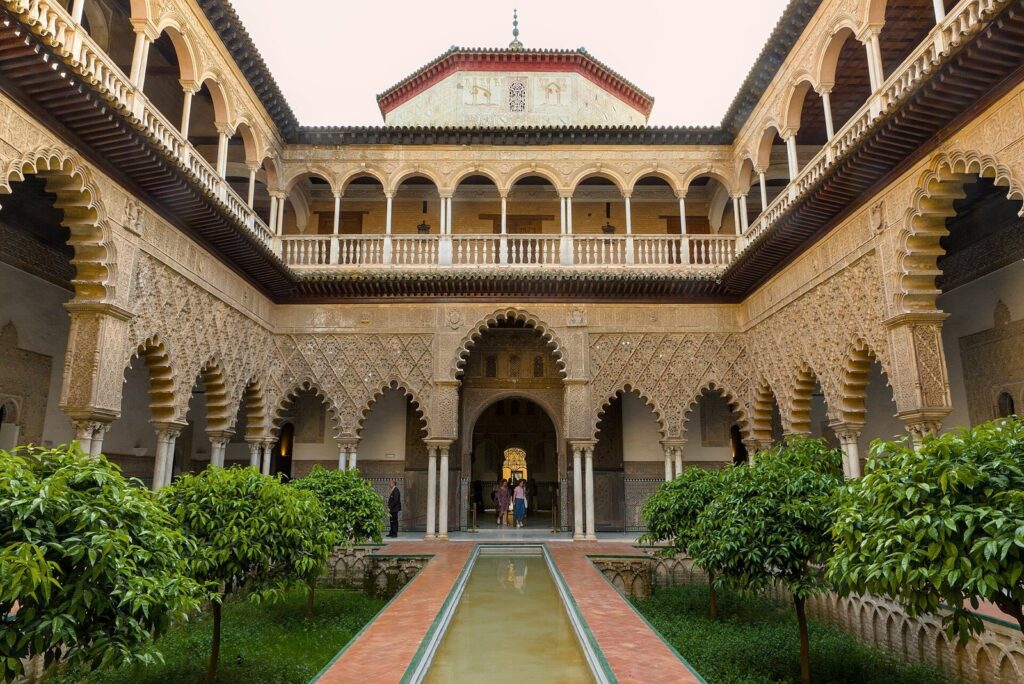
The Alcázar is a royal palace made up of palaces and gardens built in different periods. Important parts of the building were constructed in the style known as “Mudéjar”, in which the tradition of Muslim craftsmen was continued under Christian rule. For this reason, with its stucco carvings, tiles and courtyards, it is reminiscent of the Alhambra. As visitor numbers are high, it is useful to buy tickets in advance and to confirm the current visiting conditions.
Practical tips for halal food and prayer
Eating halal and keeping to the prayer times in Andalusia can be managed easily with a little advance preparation. We recommend that you take the following points into account when planning your trip:
- Halal restaurants: Especially in Granada, it is relatively easy to find halal restaurants serving dishes from North African and Middle Eastern cuisines in and around the Albaicín. There are also options in Córdoba and Seville, but doing some research in advance saves time.
- Checking the menu: Pork products and sauces containing wine are common in Spanish cuisine. Always ask about the ingredients of small tapas-style dishes.
- Alternatives: Fish, seafood, vegetable dishes and olive oil-based dishes are practical options; even so, it is useful to ask about the cooking method.
- Prayer times: As the days are long, especially in the summer months, the prayer times may differ from what you are used to in Türkiye. Using a reliable prayer times app and determining the qiblah direction in advance make things easier for you.
- Masjids: Apart from the Great Mosque of Granada, there are also masjids belonging to the Muslim communities in the region; you are advised to check their addresses and opening status in advance.
- Clothing: As there will be long walks at historic sites, choose comfortable shoes and modest clothing suited to the season.
If you are looking for an organised programme that respects halal sensitivities, you can explore the options on our halal culture tours page.
Planning the season and length of an Andalusia trip
The climate of Andalusia and the distances between the cities directly affect how enjoyable the trip is. Choosing the right season and length ensures that the programme can be completed without becoming exhausting.
What is the best season for an Andalusia trip?
The best times for an Andalusia trip are spring and autumn. In the summer months, Córdoba and Seville in particular become very hot, and long outdoor walks become difficult. Although the winter months are milder, rainy days and short daylight hours can limit the programme.
How many days are enough for an Andalusia trip?
Five to seven days are generally enough to see Córdoba, Granada and Seville without rushing. Setting aside at least one day for Córdoba, at least two days for Granada and one to two days for Seville makes for a balanced programme. If you also want to see sites outside the cities, such as Madinat al-Zahra, we recommend that you extend the length a little.
Suggested Andalusia route
Since there are high-speed rail and road connections between the cities, the route can be arranged flexibly according to the arrival and departure airports. A sample outline could be as follows:
- Seville (1–2 days): The Giralda, the cathedral and the Court of the Orange Trees, the Alcázar and the historic Santa Cruz quarter.
- Córdoba (1–2 days): The Great Mosque of Córdoba, the historic city centre and Madinat al-Zahra.
- Granada (2 days): The Alhambra and the Generalife, the Albaicín, the San Nicolás viewpoint and the Great Mosque of Granada.
The order can also be reversed depending on the point of entry, such as Madrid or Málaga. For those who wish to get to know al-Andalus together with the Almoravid and Almohad heritage in North Africa, Morocco tours can be a fine complement. If you are curious about the centres of learning of Islamic civilisation in the east, you can also take a look at our Uzbekistan travel guide.
Current Notes for Those Planning an Andalusia Trip in 2026–2027
If you are thinking of going to Andalusia in the coming months, reading the entry procedures and the calendar correctly is as important as getting to know the cities and the buildings. At RotaNur, we have brought together for you the topics that stand out for the 2026–2027 period. These notes will help you assess the route and season suggestions above together with the current calendar.
Changes in border crossings and ticket planning
The EU Entry/Exit System (EES) was introduced gradually in October 2025 and has been fully in operation since April 2026. Under this system, your fingerprints and a facial image are taken during the passport check on your first entry into the Schengen area. The system is replacing the practice of manually stamping entries and exits in passports. As the procedures may take a little longer on first entry, it is best not to book a tight train connection immediately after landing. We also recommend that you plan your Schengen visa application early, taking the demand for appointments into account. Since Alhambra tickets are sold with a daily limit, you need to make your ticket plans as soon as your travel date is confirmed.
Choosing a period according to the calendar
| Period | Calendar note | Planning suggestion |
|---|---|---|
| October–November 2026 | The mild days of autumn | Well suited to city tours with long walks |
| December 2026–January 2027 | The three holy months and the holy nights (kandil); the schools’ mid-year holiday in the second half of January | A flexible programme to suit the short daylight hours and the rain |
| February–March 2027 | Ramadan is expected to begin in the first half of February and end in early March | Choosing accommodation and restaurants that suit the iftar and suhoor routine |
| April–May 2027 | The spring months; the Eid al-Adha holiday is also expected to fall in mid-May | Booking flights, accommodation and tickets early |
- In the winter months, evenings in Granada can be cold because of its proximity to the Sierra Nevada; take layered clothing with you.
- For those going with their families during the mid-year school holiday, Andalusia’s relatively mild winter can be a good option; however, demand for flights and hotels rises during these weeks.
- In the spring months, local festival weeks in Seville can increase demand for accommodation; keep this in mind as well when choosing your dates.
- Those going during Ramadan should book a table, bearing in mind that the halal restaurants in Granada can get busy at iftar time.
- Those considering going during the Eid al-Adha holiday need to find out in advance the mosque or masjid where the Eid prayer will be held and the time of the prayer.
We recommend that you confirm entry conditions, visa requirements and visiting rules with official sources and your travel agency before travelling. If you are wondering how to plan a trip that respects halal sensitivities, you can take a look at our halal tourism guide, and for programmes prepared for different periods, you can explore our Andalusia tours page.
Keep reading
- Places to Visit in Morocco: A Guide to Fez, Marrakesh and Casablanca
- What Is Halal Tourism? What to Look For on a Halal Holiday
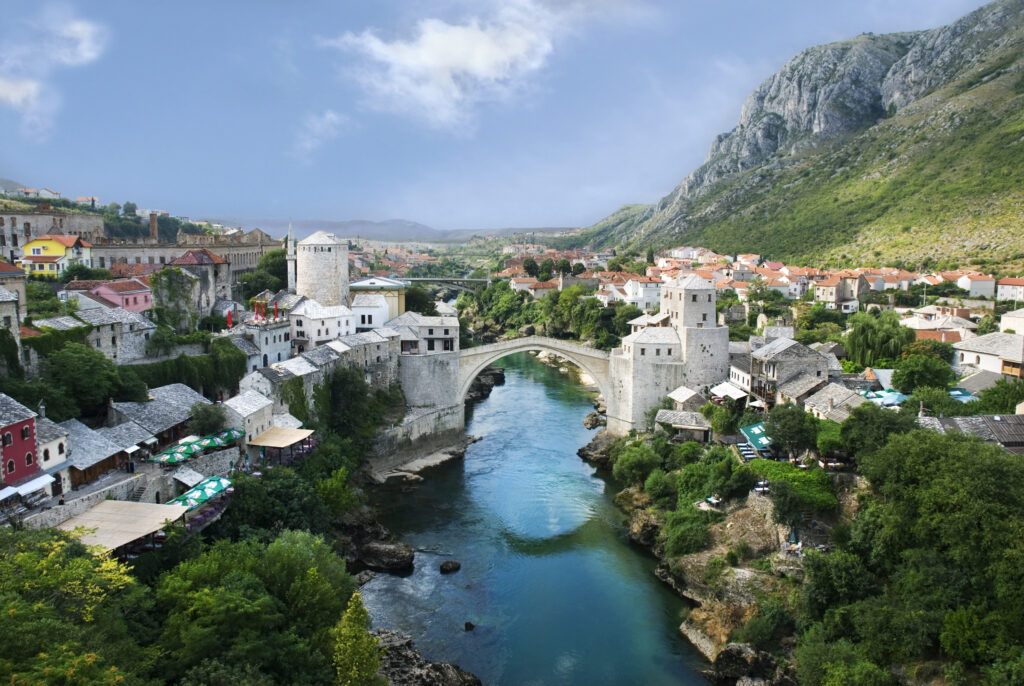
- Places to Visit in Mostar: The Old Bridge and the Blagaj Tekke
Andalusia is a journey made not only to see historic buildings but also to read the story of a civilisation on the spot. To get information about the Andalusia tours we plan at RotaNur or to send us your questions, you can reach us through our contact page or our WhatsApp line. We are happy to share with you the most up-to-date information on dates and visiting conditions.
Frequently Asked Questions
Which airport should you choose for an Andalusia trip?
The most practical points of entry for an Andalusia trip are usually the airports of Málaga, Seville and Madrid. Málaga stands out for its proximity to Granada and Córdoba; Seville for routes that begin in Seville itself; and Madrid for easy access to Córdoba and Seville thanks to its high-speed rail connection. You can make your choice according to the flight options and the direction of your route. On connecting flights, bear in mind that passport procedures may take longer at the airport where you first enter the Schengen area.
How do you get from Córdoba to Granada?
There are both rail and road connections between Córdoba and Granada. While the train offers a comfortable journey between the city centres, a transfer by private vehicle provides flexibility for groups with luggage and for stops along the way. As timetables can change seasonally, make your plans according to the current timetable. For programmes that also include transport, you can take a look at our Andalusia tours page.
How long does it take to visit the Alhambra Palace?
To visit the Alhambra without rushing, you generally need to set aside half a day. As the Nasrid Palaces, the fortress section and the Generalife gardens are spread over a large area, the walking distance should not be underestimated either. Since entry to the Nasrid Palaces is at the time stated on the ticket, it is important to plan the rest of your visit around this time. Have comfortable shoes, water and a hat or umbrella suited to the season with you.
Can an Andalusia trip be made during Ramadan?
Yes, with a little planning, an Andalusia trip can easily be made during the month of Ramadan as well. As Ramadan in 2027 is expected to fall in February and March, the days are shorter than in the summer months and the weather is cool. It is relatively easy to find a halal restaurant for iftar in Granada. Scheduling visits that require walking for the early hours of the day makes sightseeing while fasting easier. For the rulings on fasting while travelling, you can consult the explanations of Diyanet (Türkiye’s Presidency of Religious Affairs).
What souvenirs can you buy in Andalusia?
Popular souvenirs in Andalusia include Granada’s inlaid woodwork and ceramics, Córdoba’s silver filigree and leather goods, Seville’s tiles and the region’s olive oil. Products with geometric patterns inspired by Andalusian art are also popular. For visitors with halal sensitivities, it is important to check the ingredient labels on food products. The official shops of the historic sites are also reliable alternatives.

Cihat Murat Yüksel is the editor of the RotaNur blog and the founder of Markention. Drawing on the sources of Türkiye's Presidency of Religious Affairs (Diyanet), he turns the questions travellers ask most about preparing for Umrah, Hajj and halal travel into clear, practical guides.
Questions answered in this article
Can you pray in the Great Mosque of Córdoba?
Since the building today has the status of a cathedral, praying inside is generally not permitted. Visiting hours, ticketing arrangements and dress rules may change from time to time; we recommend that you confirm the current conditions with official sources before travelling. Respecting the rules of the site during your visit is important for your own peace of mind and that of other visitors.
Should Alhambra tickets be bought in advance?
Yes, those who wish to visit the Alhambra are advised to buy their tickets as early as possible. Tickets are sold in limited numbers, and a set entry time is usually given for the Nasrid Palaces; at busy times, tickets can sell out a long time in advance. As sales channels and rules may change, confirm the current information with official sources before travelling.
What is the best season for an Andalusia trip?
The best times for an Andalusia trip are spring and autumn. In the summer months, Córdoba and Seville in particular become very hot, and long outdoor walks become difficult. Although the winter months are milder, rainy days and short daylight hours can limit the programme.
How many days are enough for an Andalusia trip?
Five to seven days are generally enough to see Córdoba, Granada and Seville without rushing. Setting aside at least one day for Córdoba, at least two days for Granada and one to two days for Seville makes for a balanced programme. If you also want to see sites outside the cities, such as Madinat al-Zahra, we recommend that you extend the length a little.