


Contents 23 sections
- Getting to Know Morocco: The Ancient Land of the Maghreb
- Which cities should you visit in Morocco?
- Fez: The Medina, Al-Qarawiyyin and the Madrasas
- Why is the Al-Qarawiyyin Mosque important?
- The Bou Inania and Al-Attarine Madrasas
- Other Highlights of the Fez Medina
- Marrakesh: The Koutoubia and Jemaa el-Fnaa
- What are the places to visit in Marrakesh?
- The Koutoubia Mosque
- Jemaa el-Fnaa and the Souks
- The Ben Youssef Madrasa and the Saadian Tombs
- Casablanca and Rabat
- The Hassan II Mosque
- Rabat: The Hassan Tower and the Kasbah of the Udayas
- Chefchaouen, Meknes and the Sahara
- Clothing, the Friday Prayer and Ramadan in Morocco
- Transport, Halal Food and Prayer
- How do you travel between cities in Morocco?
- Is it easy to find halal food in Morocco?
- Season, Length and Route for a Trip to Morocco
- When is the best time to go to Morocco?
- Is Morocco worth visiting, and how many days should you set aside?
- Frequently Asked Questions
Stretching from the Atlas Mountains to the Sahara and from the Atlantic coast to the Mediterranean, Morocco is one of the countries where the Islamic civilisation of the Maghreb lives on most vividly. In this guide we have answered the question of places to visit in Morocco city by city: we describe the mosques, madrasas and souks you should see in Fez, Marrakesh, Casablanca, Rabat and Chefchaouen, and we also offer practical tips on travel between cities, halal food, prayer, the best season and a sample route.
Getting to Know Morocco: The Ancient Land of the Maghreb
Islam reached the lands of Morocco at the end of the 7th century. At the end of the 8th century, the Idrisids, founded by Idris ibn Abdullah, a descendant of Hasan ibn Ali, formed one of the first Islamic states in the region. In the following centuries, dynasties such as the Almoravids, the Almohads, the Marinids and the Saadians left their mark on the country and on Andalusia. The present-day Alaouite dynasty has ruled the country since the 17th century.
Many of the buildings you see in Morocco share the same artistic tradition as those in Andalusia. Tiled courtyards, fine stucco work, carved cedarwood ceilings and green-tiled roofs are the common language of this tradition. The Maliki school is widespread in the country, and some of the differences you notice in the way prayers are performed in the mosques also stem from this school’s tradition.
Which cities should you visit in Morocco?
For first-time visitors to Morocco, the most recommended cities are Fez, Marrakesh, Casablanca, Rabat and Chefchaouen. Those with more time can also add Meknes, the ancient ruins of Volubilis, Tangier and Merzouga on the edge of the Sahara to their programme. As these cities offer different atmospheres, your route should be built around your interests and the airports you fly into and out of.
Fez: The Medina, Al-Qarawiyyin and the Madrasas
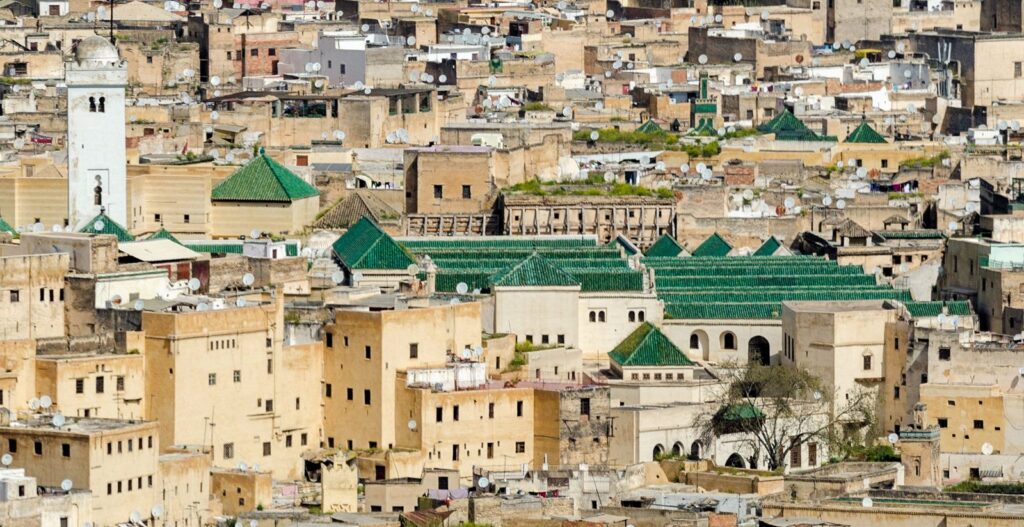
Founded during the Idrisid period, Fez is known as the spiritual and scholarly capital of Morocco. The old city, Fes el-Bali, is included on the UNESCO World Heritage List; largely closed to motor traffic, it is described as one of the largest historic urban fabrics in the world. To avoid getting lost in this labyrinth of thousands of narrow lanes, touring with a local guide on the first day makes things much easier.
Why is the Al-Qarawiyyin Mosque important?
The Al-Qarawiyyin Mosque was founded in the 9th century by Fatima al-Fihri from Kairouan and, over time, grew into a long-established centre of learning that is described as one of the oldest educational institutions in the world. The fact that its founding rested on the endowment of a woman is often cited as a fine example of women’s contribution to scholarly life in Islamic civilisation. The mosque is still open for worship today, and its historic library houses important manuscripts.
The Bou Inania and Al-Attarine Madrasas
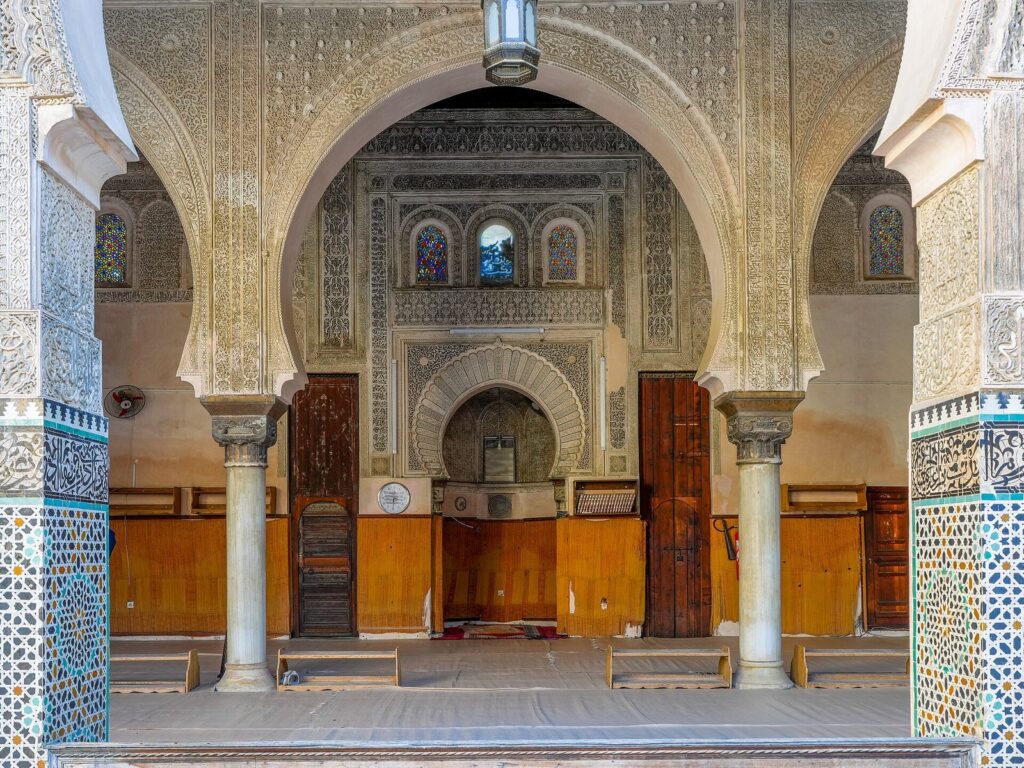
The Bou Inania Madrasa, built in the 14th century during the Marinid period, is one of the rare buildings that served both as a madrasa and as a Friday mosque. The tile mosaics, stucco decoration and cedarwood carvings in its courtyard are cited among the finest examples of Maghrebi art. The Al-Attarine Madrasa near al-Qarawiyyin, although smaller in scale, is a masterpiece of the same period with its refined decoration.
Other Highlights of the Fez Medina
- Bab Bou Jeloud: With its blue and green tiles, this is the best-known gate into the medina and the natural starting point for a tour.
- The Mausoleum of Moulay Idris: The mausoleum attributed to Idris II, regarded as the founder of the city, is an important place of visitation for the people of Fez.
- Nejjarine Square: Known for its tiled fountain and its historic caravanserai (funduq), which has been converted into a museum of woodwork.
- The Chouara Tannery: A centuries-old craft area where the leather-dyeing pits can be watched from the surrounding terraces.
- The Marinid Tombs: The ruins on the hill to the north of the city are a good viewpoint for looking down over the Fez medina.
Marrakesh: The Koutoubia and Jemaa el-Fnaa
Founded by the Almoravids in the 11th century, Marrakesh, with its reddish walls and the snow-capped Atlas Mountains in the background, is one of the most visited cities in Morocco. The country’s name in European languages is also derived from the name of this city.
What are the places to visit in Marrakesh?
At the top of the list in Marrakesh are the Koutoubia Mosque, Jemaa el-Fnaa Square and the souks around it, the Ben Youssef Madrasa, the Saadian Tombs and the Bahia Palace. Most of these sites are within walking distance of one another in the medina. For a short break from the city’s busy pace, you can also add green spaces such as the Menara Gardens to your programme.
The Koutoubia Mosque
Built in the 12th century during the Almohad period, the Koutoubia Mosque is the symbol of Marrakesh. It is generally accepted that it takes its name from the booksellers who once sold books around it. Its square-plan, ornamented minaret shares the same architectural tradition as the Giralda in Seville. The gardens around the mosque are a peaceful place for a late-afternoon walk.
Jemaa el-Fnaa and the Souks
Jemaa el-Fnaa Square, right next to the Koutoubia, is the heart of Marrakesh, with a face that changes throughout the day. Full of fruit-juice stalls during the day, the square takes on an entirely different atmosphere in the evening as the food stalls are set up. In the souks that begin to the north of the square, handicrafts such as spices, leather, carpets, lamps and pottery are sold. In the crowds, it is advisable to keep an eye on your valuables and to ask permission before taking photographs.
The Ben Youssef Madrasa and the Saadian Tombs
Rebuilt during the Saadian period, the Ben Youssef Madrasa, with its courtyard pool and student rooms, is one of the largest historic madrasas in North Africa. The Saadian Tombs, dating to the 16th century, remained hidden from view for a long time before being rediscovered at the beginning of the 20th century, and with their rich decoration they have become a popular place to visit.
Casablanca and Rabat
These two cities on the Atlantic coast show Morocco’s modern face together with its historical heritage. As they are close to each other, they can be explored on the same day or on two consecutive days.
The Hassan II Mosque
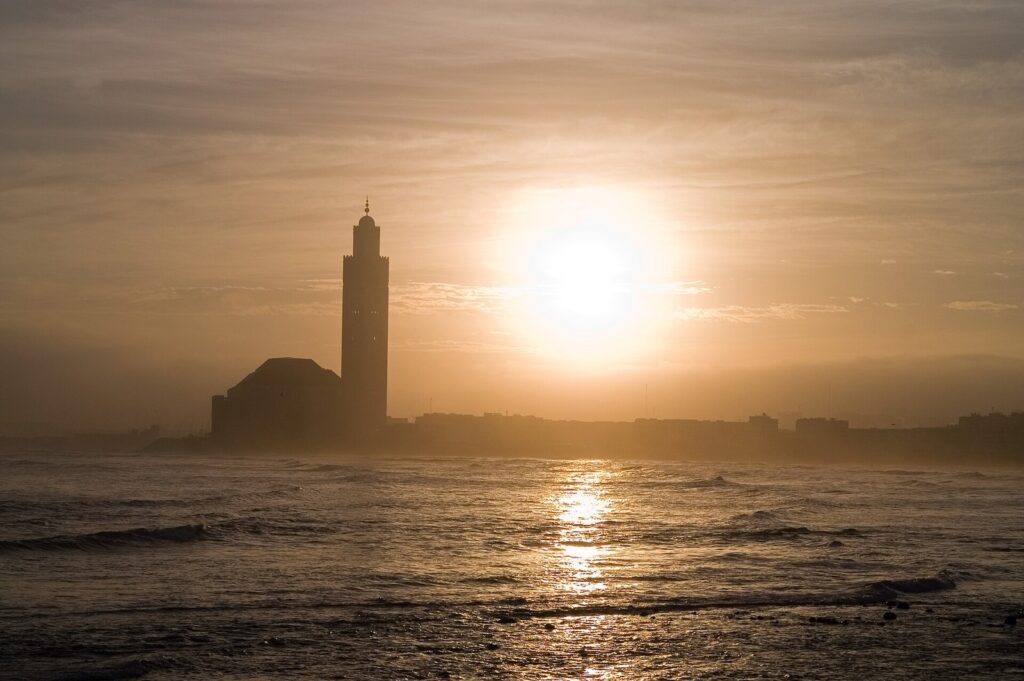
The Hassan II Mosque in Casablanca, with part of it extending over the ocean and its very tall minaret, is cited among the largest mosques in the world. Completed at the end of the 20th century, the mosque brings together the tile, marble, stucco and woodwork of Moroccan craftsmen. The interior of the mosque, which can be entered for worship at prayer times, can also be visited on guided tours at set hours; confirm the current visiting conditions in advance.
Rabat: The Hassan Tower and the Kasbah of the Udayas
The Hassan Tower in the capital, Rabat, is the minaret of the giant mosque that the Almohad ruler Yaqub al-Mansur began at the end of the 12th century but which was never completed. The Mausoleum of Mohammed V opposite the tower is an important monument of modern Moroccan history. The Kasbah of the Udayas, at the point where the ocean meets the Bou Regreg River, offers a peaceful walk with its blue-and-white lanes and its Andalusian garden.
Chefchaouen, Meknes and the Sahara
The stops outside the big cities add different colours to a trip to Morocco. Depending on the length of your programme, you can add one or more of these stops to your route and get to know other sides of the country.
Chefchaouen, at the foot of the Rif Mountains, is famous for its blue-painted lanes and bears the traces of the Muslims who migrated from Andalusia. Meknes, close to Fez, is known for the magnificent gates and walls of the era of Moulay Ismail, while nearby Volubilis is home to ruins from the Roman period. For those who want a Sahara experience, the sand dunes around Merzouga offer unforgettable scenery, although getting there involves a long journey by road.
Tangier, at the point where the Mediterranean meets the Atlantic, is known as the birthplace of the famous traveller Ibn Battuta. With its position facing Andalusia, its medina covered with white houses and its kasbah, Tangier is a natural gateway, especially for travellers crossing into Morocco via Spain. Those who want to combine Andalusia and Morocco in a single journey may consider starting their route in this city.
Clothing, the Friday Prayer and Ramadan in Morocco
Morocco is a country where Islamic traditions are clearly lived out in everyday life. For this reason, knowing a few points about clothing and worship ensures the comfort of both you and your hosts.
When it comes to clothing, loose, light garments that cover the shoulders and knees are the best choice. You can see the djellaba, the hooded traditional garment of Morocco, in the souks and, if you wish, buy one as a keepsake. Comfortable shoes are essential for the stone and sometimes slippery lanes of the medinas; if you are going to the Sahara and Atlas regions, also take a warm outer layer for the cool evenings.
On Fridays in Morocco, mosques begin to fill up early. Al-Qarawiyyin in Fez, the Koutoubia in Marrakesh and the Hassan II Mosque in Casablanca are the most popular places for the Friday prayer. In prayers performed according to the Maliki school, you may notice that some practices differ from the Hanafi method; this does not prevent you from praying in congregation, but on matters you are curious about you can refer to the current fatwas of Diyanet (Türkiye’s Presidency of Religious Affairs). Those who travel to Morocco during Ramadan will find harira soup and dates on the iftar tables and will experience the special atmosphere of this month in the medinas that come alive in the evenings.
Transport, Halal Food and Prayer
Morocco, where the great majority of the population is Muslim, is a comfortable country for travellers who are mindful of halal requirements. The call to prayer, the abundance of mosques and the halal cuisine make the daily rhythm of the trip easier.
How do you travel between cities in Morocco?
In Morocco there are rail connections between the major cities, and a high-speed train line runs between Tangier and Casablanca. While cities such as Fez, Rabat, Casablanca and Marrakesh are linked to one another by train, areas such as Chefchaouen and the Sahara are usually reached by road. As timetables can change, base your plans on the current schedules.
Is it easy to find halal food in Morocco?
In Morocco, meat is generally slaughtered in the halal way, and it is easy to find halal food in local restaurants. As some tourist restaurants and hotels may serve alcoholic drinks, you can keep this in mind when choosing a place to eat. The best-known dishes of Moroccan cuisine are the following:
- Tagine: A dish slow-cooked with vegetables, meat or chicken in the conical earthenware pot of the same name.
- Couscous: A traditional dish served on Fridays in many Moroccan families.
- Harira: A thick soup made with pulses and tomatoes, eaten especially at iftar during Ramadan.
- Pastilla: A pie of Andalusian origin, made with a sweet-and-savoury filling inside thin pastry.
- Mint tea: Green tea that is a symbol of hospitality and is offered at every hour of the day.
Important: In Morocco, entry for non-Muslim visitors to some historic mosques, especially al-Qarawiyyin in Fez, is restricted; Muslim visitors, however, may enter for worship at prayer times. As the country’s entry requirements and visiting rules may change, confirm the latest information with official sources and your travel agency before you travel.
Season, Length and Route for a Trip to Morocco
Morocco is a country where coastal, mountain and desert climates are found side by side. For this reason, the season should be chosen carefully according to the regions you will be visiting.
When is the best time to go to Morocco?
The best times for Morocco are spring and autumn. In the summer months, inland cities such as Marrakesh and Fez can be very hot, while in winter the nights are quite cold in the mountain regions and in the Sahara. Casablanca and Rabat, on the coast, have a milder climate all year round.
Is Morocco worth visiting, and how many days should you set aside?
For those who want to see Islamic architecture, historic souks and varied landscapes together, Morocco is definitely a country worth visiting. Seven to ten days is a balanced length for a programme covering Fez, Marrakesh, Rabat and Casablanca. If you would also like to add Chefchaouen or the Sahara, you will need to set aside a few more days.
The table below offers a sample eight-day route for Morocco:
| Day | City | Suggested stops |
|---|---|---|
| Days 1-2 | Casablanca and Rabat | The Hassan II Mosque, the Hassan Tower, the Mausoleum of Mohammed V, the Kasbah of the Udayas |
| Day 3 | Meknes and Volubilis | The gates and walls from the era of Moulay Ismail, the ruins of Volubilis |
| Days 4-5 | Fez | Bab Bou Jeloud, the Al-Qarawiyyin Mosque, the Bou Inania and Al-Attarine Madrasas, the Mausoleum of Moulay Idris, the Chouara Tannery |
| Day 6 | Chefchaouen (optional) | The blue lanes, the medina and the kasbah |
| Days 7-8 | Marrakesh | The Koutoubia Mosque, Jemaa el-Fnaa, the Ben Youssef Madrasa, the Saadian Tombs, the Bahia Palace |
If you would like to read about the Almoravid and Almohad heritage in Morocco together with the traces these dynasties left on the Iberian Peninsula, take a look at our Andalusia travel guide. For another Islamic city in the east of North Africa, our article on places to visit in Cairo will be a helpful guide, and for a general framework for prayer and halal food while travelling, so will our article what is halal tourism.
From the scholarly tradition of al-Qarawiyyin to the colourful square of Marrakesh, Morocco promises an unforgettable journey for those who want to get to know the richness of Islamic civilisation in the Maghreb on the spot. For information about the Morocco tours and other halal cultural tours we plan at RotaNur, you can reach us through our contact page.
Frequently Asked Questions
Can Turkish citizens travel to Morocco without a visa?
It is known that Turkish citizens can benefit from a visa exemption for short tourist visits to Morocco; however, the permitted length of stay, passport validity and entry requirements may change. For this reason, confirm the current requirements with the Ministry of Foreign Affairs of the Republic of Türkiye and your travel agency before finalising your travel plans. If you will be travelling to Morocco via another country, you will also need to check that country’s visa and entry rules separately.
Which currency is used in Morocco?
The official currency of Morocco is the Moroccan dirham. Although bank cards can be used in hotels, shopping centres and some restaurants in the big cities, cash is usually preferred in the souks of the medinas, in small restaurants and in taxis. Using official exchange points and banks when changing money, keeping enough cash with you for daily expenses and storing large amounts in a safe place will make things easier.
Which language is spoken in Morocco?
The official languages of Morocco are Arabic and Amazigh (Berber). In everyday life, the Moroccan dialect of Arabic known as Darija is widely spoken, while French is often used in business, on signs and in tourist areas. In the northern regions, Spanish is also understood. Basic Arabic greetings will help you build a warm rapport with local people, especially in mosques and souks.
Can a trip to Andalusia be combined with Morocco?
Yes, thanks to the ferry connections between the southern coast of Spain and Tangier, Andalusia and Morocco can be combined in a single journey. On this route, bear in mind that fingerprints and a facial image are taken under the EU Entry/Exit System (EES) on your first entry into the Schengen area, and that tickets for the Alhambra need to be bought in advance. For route options, you can take a look at our Andalusia tours page.
Do you need an expert guide on a trip to Morocco?
It is not compulsory; however, touring with an expert guide, especially in historic quarters made up of thousands of narrow lanes such as the Fez medina, both saves time and reduces the risk of getting lost. An expert guide makes the trip more meaningful by explaining on the spot the history of al-Qarawiyyin and the madrasas, the finer points of Maghrebi art and the rules for visiting mosques. For our guided programmes, you can explore our Morocco tours page.
Cihat Murat Yüksel is the editor of the RotaNur blog and the founder of Markention. Drawing on the sources of Türkiye's Presidency of Religious Affairs (Diyanet), he turns the questions travellers ask most about preparing for Umrah, Hajj and halal travel into clear, practical guides.
Questions answered in this article
Which cities should you visit in Morocco?
For first-time visitors to Morocco, the most recommended cities are Fez, Marrakesh, Casablanca, Rabat and Chefchaouen. Those with more time can also add Meknes, the ancient ruins of Volubilis, Tangier and Merzouga on the edge of the Sahara to their programme. As these cities offer different atmospheres, your route should be built around your interests and the airports you fly into and out of.
Why is the Al-Qarawiyyin Mosque important?
The Al-Qarawiyyin Mosque was founded in the 9th century by Fatima al-Fihri from Kairouan and, over time, grew into a long-established centre of learning that is described as one of the oldest educational institutions in the world. The fact that its founding rested on the endowment of a woman is often cited as a fine example of women’s contribution to scholarly life in Islamic civilisation. The mosque is still open for worship today, and its historic library houses important manuscripts.
What are the places to visit in Marrakesh?
At the top of the list in Marrakesh are the Koutoubia Mosque, Jemaa el-Fnaa Square and the souks around it, the Ben Youssef Madrasa, the Saadian Tombs and the Bahia Palace. Most of these sites are within walking distance of one another in the medina. For a short break from the city’s busy pace, you can also add green spaces such as the Menara Gardens to your programme.
How do you travel between cities in Morocco?
In Morocco there are rail connections between the major cities, and a high-speed train line runs between Tangier and Casablanca. While cities such as Fez, Rabat, Casablanca and Marrakesh are linked to one another by train, areas such as Chefchaouen and the Sahara are usually reached by road. As timetables can change, base your plans on the current schedules.
Is it easy to find halal food in Morocco?
In Morocco, meat is generally slaughtered in the halal way, and it is easy to find halal food in local restaurants. As some tourist restaurants and hotels may serve alcoholic drinks, you can keep this in mind when choosing a place to eat. The best-known dishes of Moroccan cuisine are the following:
When is the best time to go to Morocco?
The best times for Morocco are spring and autumn. In the summer months, inland cities such as Marrakesh and Fez can be very hot, while in winter the nights are quite cold in the mountain regions and in the Sahara. Casablanca and Rabat, on the coast, have a milder climate all year round.