






Contents 24 sections
- Cairo’s Layered History
- Al-Azhar Mosque and Al-Hussein Square
- Which mosques should you visit in Cairo?
- What should you keep in mind when visiting Al-Azhar Mosque?
- The Al-Hussein Mosque and Its Surroundings
- Al-Muizz Street and Khan el-Khalili
- Highlights of Al-Muizz Street
- Khan el-Khalili
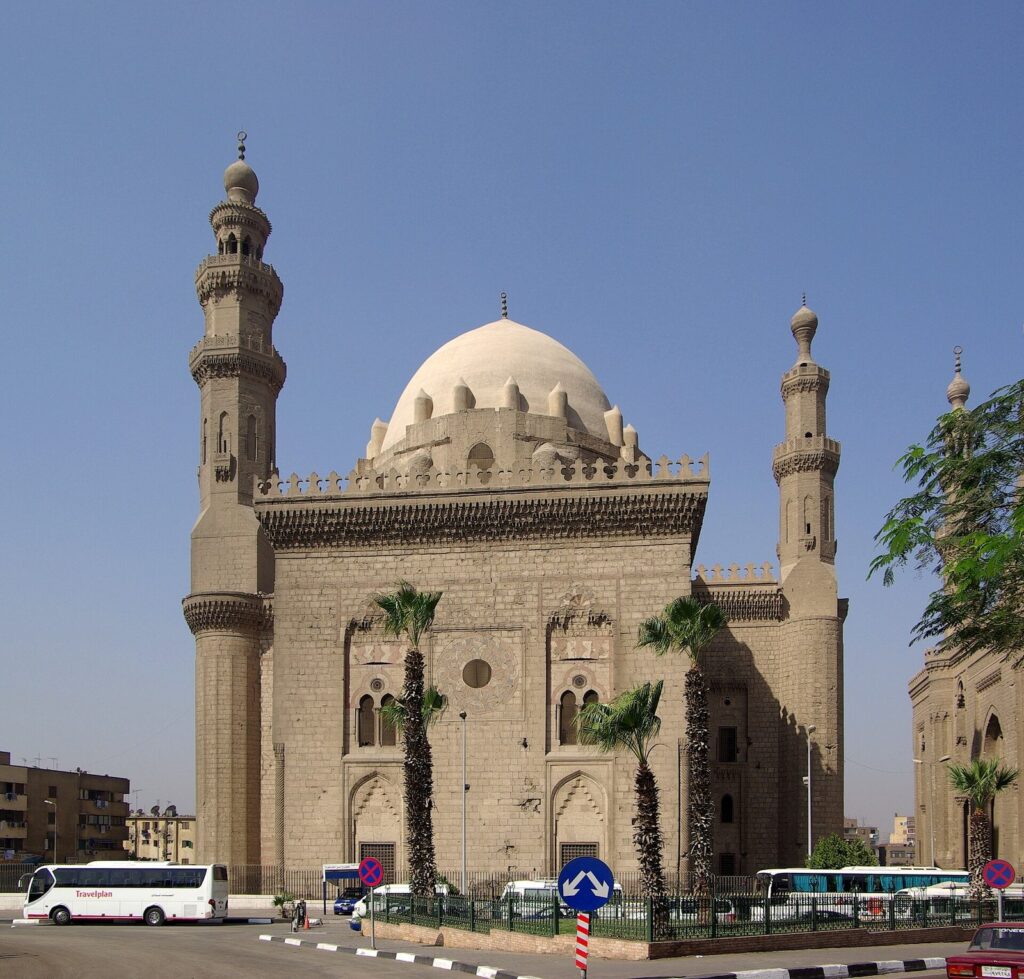
- The Sultan Hasan, Al-Rifa’i and Ibn Tulun Mosques
- The Mosque-Madrasa of Sultan Hasan
- The Al-Rifa’i Mosque
- The Ibn Tulun Mosque
- The Citadel of Saladin and the Mosque of Muhammad Ali
- The Mosque of Amr ibn al-As and the Mausoleum of Imam al-Shafi’i
- The Giza Pyramids and Cairo’s Museums
- How do you get to the Giza pyramids from Cairo?
- Which museums should you visit in Cairo?
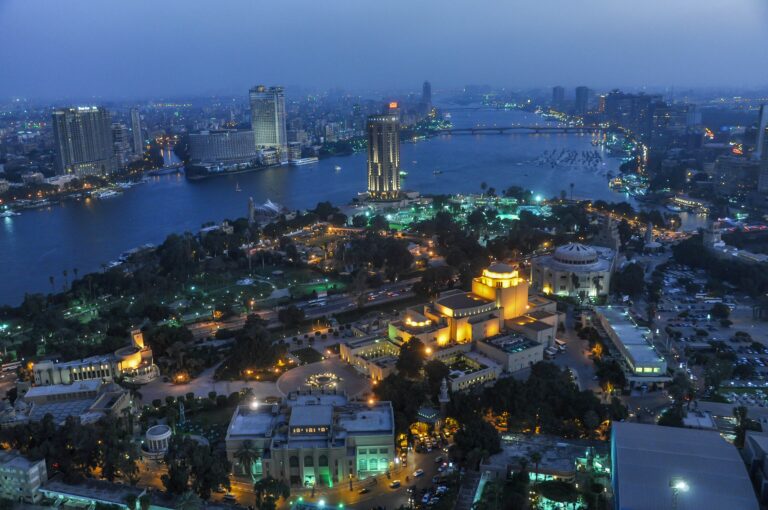
- An Evening on the Banks of the Nile
- How do you get around Cairo?
- Prayer, Halal Food and Clothing
- Season, Length and Route for a Trip to Cairo
- When is the best time to go to Cairo?
- How many days are enough for Cairo?
- Frequently Asked Questions
With more than a thousand years of history as an Islamic city on the banks of the Nile, Cairo is one of the richest open-air archives of Islamic civilisation, with mosques, madrasas and bazaars that fully justify its name as “the city of a thousand minarets”. In this guide we have gathered a list of places to visit in Cairo under the headings of historic Islamic Cairo, the Citadel of Saladin, the Giza pyramids and the museums; we also offer practical tips on prayer, halal food, clothing, the best season and a route for three to four days.
Cairo’s Layered History
Present-day Cairo was formed by the merging of different cities that grew up next to one another. Fustat, founded by Amr ibn al-As after the conquest of Egypt in the time of Caliph Umar, was the region’s first Islamic city. In the 9th century the Tulunids, and in the 10th century the Fatimids, established their own seats of government; the name “Cairo” (al-Qahirah) also emerged with this new city founded by the Fatimids. During the Ayyubid and Mamluk periods that followed, the city was adorned with monumental mosques, madrasas and mausoleums.
In 1517, with the Egyptian campaign of Sultan Selim I (Yavuz), Cairo came under Ottoman rule. In the 19th century, the city was reshaped in the time of Muhammad Ali Pasha of Kavala and his family. The old city, included on the UNESCO World Heritage List under the name “Historic Cairo”, bears traces of all these periods today. Planning your trip with this chronology in mind makes it easier to connect the buildings you see with one another.
Al-Azhar Mosque and Al-Hussein Square
Built in the 10th century during the Fatimid period, Al-Azhar Mosque has been a centre where scholarship and worship are intertwined since the day it was founded. Having become over time one of the most deeply rooted institutions of the Sunni scholarly tradition in the world, Al-Azhar still hosts students from every corner of the globe today. With its wide marble courtyard and the minarets and arcades added in different periods, the mosque is one of the most spiritually meaningful stops on a trip to Cairo.
Which mosques should you visit in Cairo?
At the top of the list in Cairo are Al-Azhar Mosque, the Mosque-Madrasa of Sultan Hasan, the Al-Rifa’i Mosque, the Ibn Tulun Mosque, the Mosque of Muhammad Ali in the Citadel, the Mosque of Amr ibn al-As and the Al-Hussein Mosque. Some of these mosques are within walking distance of one another, while others require a short vehicle transfer. You can plan your visits for times outside the prayer times, and plan to perform your own prayers in congregation at these mosques.
What should you keep in mind when visiting Al-Azhar Mosque?
As Al-Azhar Mosque is both an active place of worship and a scholarly institution, it is necessary to observe silence during your visit and to respect the areas where lessons are being held. Shoes are removed at the entrance; women are expected to wear a headscarf and loose clothing. When taking photographs in the courtyard, take care not to disturb those who are praying or studying.
The Al-Hussein Mosque and Its Surroundings
The Al-Hussein Mosque, directly opposite Al-Azhar, is a place that the people of Cairo visit with special affection because of the shrine attributed to Husayn ibn Ali. The square between the mosque and Al-Azhar is extremely lively, especially in the evenings and on Ramadan nights. A Friday prayer at Al-Azhar or the Al-Hussein Mosque will be one of the moments when you feel the spiritual atmosphere of Cairo most closely.
Al-Muizz Street and Khan el-Khalili
Al-Muizz Street, which bears the name of the Fatimid caliph al-Muizz li-Din Allah, is the backbone of historic Cairo. Along this line, stretching from Bab al-Futuh in the north to Bab Zuweila in the south, stand numerous mosques, madrasas, sabils (public fountains) and mansions from the Fatimid, Ayyubid, Mamluk and Ottoman periods. With its pedestrianised sections, the street is very well suited to a walk, especially in the late afternoon.
Highlights of Al-Muizz Street
- The Complex of Sultan Qalawun: One of the magnificent building complexes of the Mamluk period; the decoration in its mausoleum section is especially striking.
- The Mosque of al-Hakim bi-Amr Allah: A mosque with a large courtyard dating from the Fatimid period, close to the northern end of Al-Muizz Street.
- Bayt al-Suhaymi: A historic mansion from the Ottoman period that showcases Cairo’s domestic architecture with its mashrabiya windows and courtyard.
- The Sabil-Kuttab of Abd al-Rahman Katkhuda: An elegant Ottoman-period building with a public fountain (sabil) on the ground floor and a primary school (kuttab) on the upper floor.
- Bab Zuweila: One of the surviving gates of the Fatimid walls; the minarets of the neighbouring Mosque of al-Muayyad Shaykh rise above the gate.
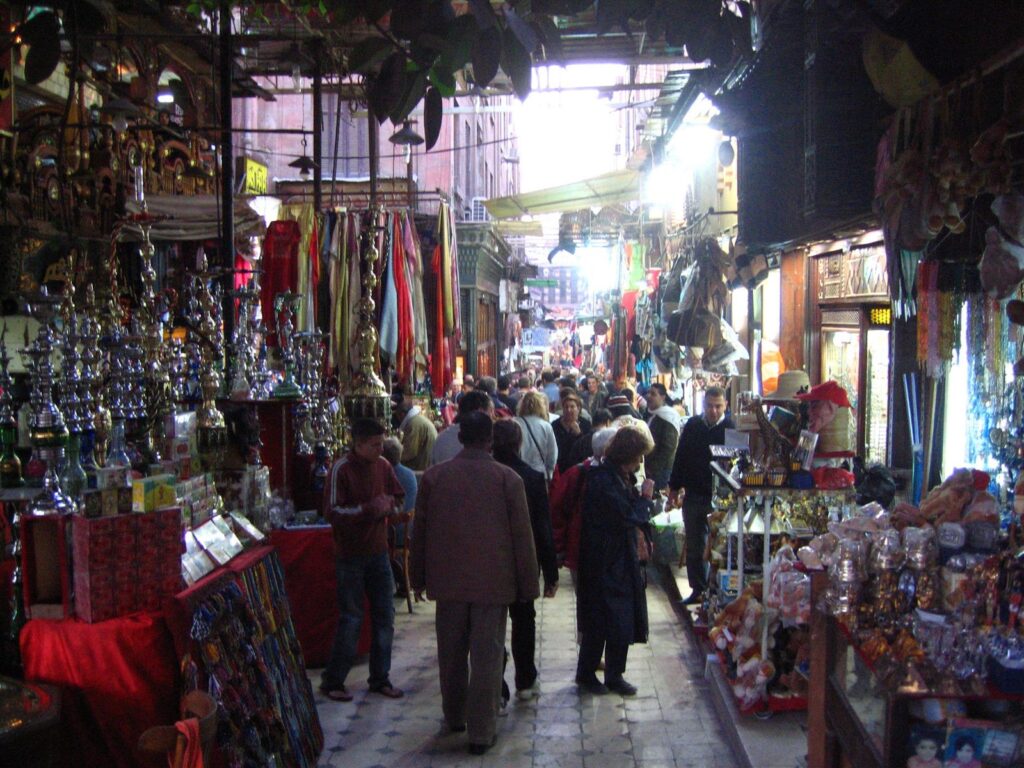
Khan el-Khalili
Founded during the Mamluk period, Khan el-Khalili is Cairo’s best-known bazaar. In its narrow lanes, copper and brassware, lanterns, spices, essential oils, fabrics and silver jewellery are sold. Taking a tea or coffee break in one of the historic coffee houses within the bazaar is one of the pleasant moments of the trip. In the bazaar, where bargaining is normal, a calm and polite manner makes shopping both easier and more enjoyable.
Among the most popular souvenirs in Khan el-Khalili are handmade copper lanterns, mother-of-pearl inlaid boxes, natural essential oils, spice blends and dates. When prayer time comes at the mosques right next to the bazaar, some shops may close for a short while; this also makes it easier to plan your shopping around your worship.
The Sultan Hasan, Al-Rifa’i and Ibn Tulun Mosques
Located in the south of historic Cairo, at the foot of the Citadel, these three mosques let you see different periods of Islamic architecture side by side. As they are close to one another, they can be visited on the same day.
The Mosque-Madrasa of Sultan Hasan
Built in the mid-14th century during the reign of the Mamluk Sultan an-Nasir Hasan, the building was designed as both a mosque and an educational institution, with madrasa sections devoted to the four schools of law. With its towering walls, its courtyard with four iwans and its monumental portal, it is regarded as one of the most impressive examples of Mamluk architecture.
The Al-Rifa’i Mosque
Construction of the Al-Rifa’i Mosque, directly opposite the Sultan Hasan Mosque, began in the second half of the 19th century, and the building was completed in the early 20th century. Housing the tombs of some members of Muhammad Ali’s family, the mosque forms a harmonious whole with its neighbour through decoration that reinterprets the Mamluk style.
The Ibn Tulun Mosque
Commissioned by Ahmad ibn Tulun in the 9th century, the Ibn Tulun Mosque is one of the oldest mosques in Cairo to have best preserved its original plan. Its vast courtyard, simple arches and minaret, striking for the staircase that winds around its exterior, make the building unique. The Gayer-Anderson Museum, right next to the mosque, is a good opportunity to see the interiors of Ottoman-period houses.
The Citadel of Saladin and the Mosque of Muhammad Ali
The Cairo Citadel, whose construction was begun in the 12th century by Salah ad-Din al-Ayyubi (Saladin), known for his struggle against the Crusaders, served as the seat of government of Egypt for centuries. From the citadel at the foot of the Mokattam hills, on clear days you can take in a wide view of the city’s skyline filled with minarets.
The most striking building in the citadel is the Mosque of Muhammad Ali, built in the 19th century by Muhammad Ali Pasha of Kavala, which recalls the imperial mosques of Istanbul. Also known as the “Alabaster Mosque” because of the stone used in its cladding, the building is instantly recognisable from afar on the Cairo skyline. Inside the citadel there are also the Mosque of an-Nasir Muhammad ibn Qalawun from the Mamluk period and various museums.
The Mosque of Amr ibn al-As and the Mausoleum of Imam al-Shafi’i
The Mosque of Amr ibn al-As in the Fustat area is known as the first mosque built in Egypt; although its present structure has been renovated many times, its historical significance is great. The Mausoleum of Imam al-Shafi’i, located in the Qarafa cemetery area in the south of the city, is the site of the grave of the founder of the Shafi’i school and a meaningful stop for visitors interested in the history of Islamic scholarship.
The Giza Pyramids and Cairo’s Museums
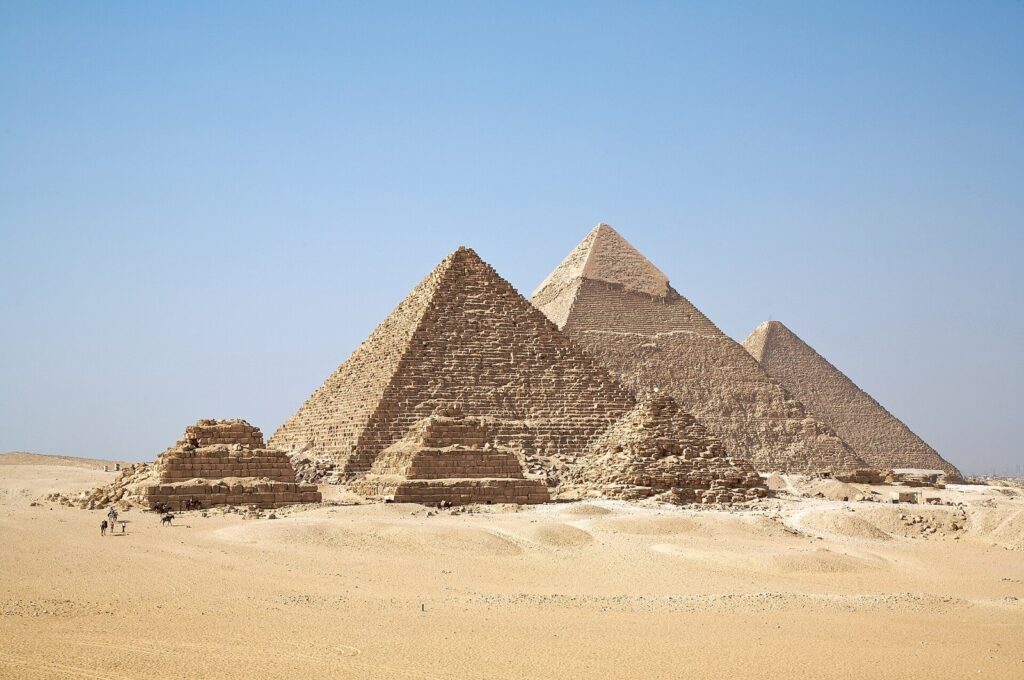
Alongside Islamic Cairo, the heritage of ancient Egypt is also an integral part of a visit to the city. The great pyramids and the Sphinx on the Giza plateau are among the best-known ancient monuments in the world.
How do you get to the Giza pyramids from Cairo?
The Giza plateau lies to the west of central Cairo and is usually reached by private vehicle or organised tour transfer. As Cairo’s traffic is heavy, the journey time can vary considerably depending on the time of day. Since you will walk long distances on the plateau, going early in the morning helps you avoid both the heat and the crowds.
Which museums should you visit in Cairo?
In Cairo, you can visit first and foremost the Grand Egyptian Museum near the Giza pyramids, the Egyptian Museum in Tahrir Square and the Museum of Islamic Art in Bab al-Khalq. With its manuscripts, ceramics, woodwork and mosque furnishings from different periods, the Museum of Islamic Art is particularly valuable for those interested in Islamic civilisation. As museum opening arrangements and visiting conditions can change, confirm the latest information in advance.
An Evening on the Banks of the Nile
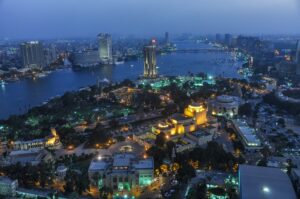
To take a break from Cairo’s hectic pace, the walkways along the Nile and short trips on traditional sailing boats, known as feluccas, are a good option. Time spent on the river towards sunset lets you see the city’s minarets and bridges from a different angle. You can plan things so that you pray the evening (maghrib) prayer at a mosque close to the riverbank.
How do you get around Cairo?
The metro, taxis and cars booked through apps are the most common ways of getting around Cairo. As the metro is not affected by traffic, it saves time on some routes, and it has carriages reserved for women. In the narrow lanes of historic Cairo, however, the best way to get around is on foot; for this reason, dividing the day by area and exploring each area on foot is the most efficient approach.
Prayer, Halal Food and Clothing
In Egypt, where the great majority of the population is Muslim, there are generally no problems when it comes to halal food and places to pray. In Cairo, the call to prayer can be heard almost everywhere, and finding a mosque is extremely easy. Even so, to be prepared for the bustle of the city, you may want to keep the following tips in mind:
- Local dishes: Koshari, made with lentils, rice and pasta; ful, a mashed fava bean dish; ta’meya, fava bean fritters; and molokhia soup are staples of Egyptian cuisine.
- Hygiene: Pay attention to cleanliness when eating street food, choose sealed bottled water and be selective with raw salads.
- Clothing: Wear loose clothing that covers the shoulders and knees in mosques; women should carry a headscarf. In some mosques, a cover may be provided at the entrance.
- Shoes: As you will need to take off your shoes when entering a mosque, shoes that are easy to slip on and off and a shoe bag are practical.
- Fridays: Mosques can be very crowded on Fridays, and in some places tourist visits may be suspended during prayer time; plan your programme accordingly.
- Traffic: Allowing plenty of time for getting around the city also helps you avoid missing the prayer times.
Important: Entry requirements for Egypt, visa rules and the visiting rules at some tourist sites may change over time. Before setting off, we recommend that you confirm the current requirements with official sources and your travel agency, and also check the validity period of your passport.
Season, Length and Route for a Trip to Cairo
Cairo has a hot and dry climate. For this reason, the choice of season has a direct effect on the comfort of your visits to the pyramids and the Citadel, which are spent largely outdoors.
When is the best time to go to Cairo?
The best time for Cairo is during the autumn, winter and spring months, when the weather is relatively cool. As temperatures are high in the summer months, outdoor visits need to be squeezed into the early morning hours. Visitors who travel to Cairo during Ramadan have the chance to experience the atmosphere of iftar and tarawih in and around Al-Hussein Square.
How many days are enough for Cairo?
Three to four days is a balanced length of time for seeing Cairo’s main sights. Within this time, you can set aside two days for Islamic Cairo, one day for Giza and the museums, and one day for the Citadel and the southern area. If you would also like to add other cities such as Alexandria, you will need to extend the programme.
The table below offers a sample four-day route for Cairo:
| Day | Area | Suggested stops |
|---|---|---|
| Day 1 | Al-Azhar and its surroundings | Al-Azhar Mosque, the Al-Hussein Mosque, Khan el-Khalili, an evening walk along Al-Muizz Street |
| Day 2 | The Citadel and the southern area | The Citadel of Saladin, the Mosque of Muhammad Ali, the Sultan Hasan and Al-Rifa’i mosques, the Ibn Tulun Mosque |
| Day 3 | Giza | The pyramids and the Sphinx (early morning), the Grand Egyptian Museum |
| Day 4 | Fustat and the museums | The Mosque of Amr ibn al-As, the Mausoleum of Imam al-Shafi’i, the Museum of Islamic Art, Bab Zuweila |
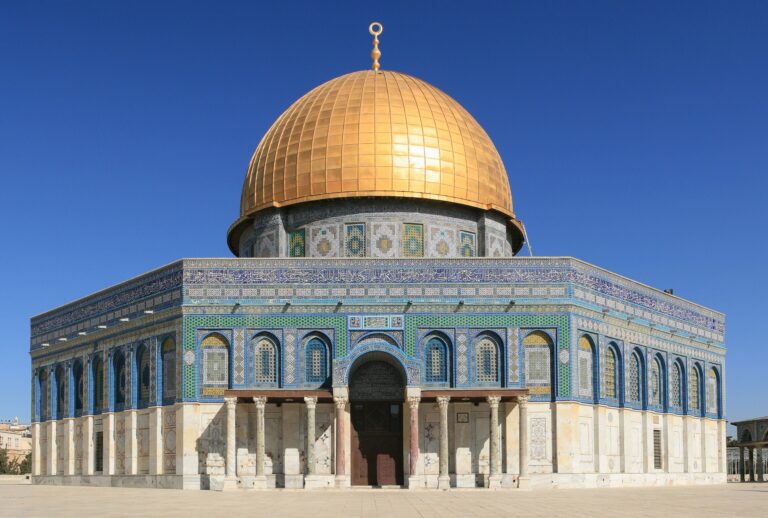
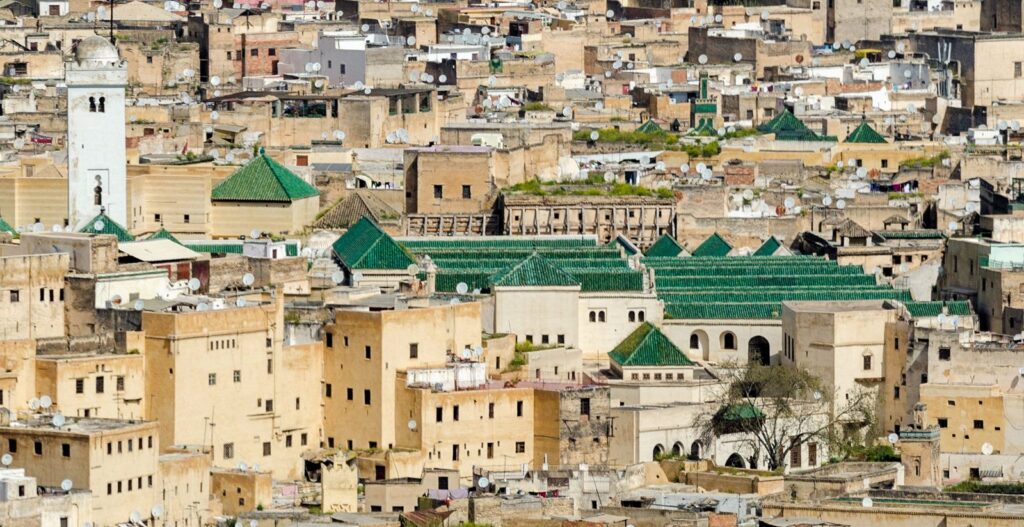
If you are curious about how Islamic civilisation continues across North Africa, our guide to places to visit in Morocco will be a good companion. To plan your prayer, food and accommodation preferences while travelling, take a look at our article what is halal tourism, and for another important stop in the region, our guide to visiting Jerusalem and Al-Aqsa Mosque.
Cairo is a unique city for those who want to read Islamic civilisation on the spot, a place where you will come across the traces of a different century in every street. For information about the Egypt tours and other halal cultural tours we prepare at RotaNur, you can reach us through our contact page. We will be happy to answer your questions about programme and date options.
Frequently Asked Questions
Which currency is used in Cairo?
The official currency of Egypt is the Egyptian pound, and purchases in Cairo are made in this currency. Although bank cards are accepted in large hotels, restaurants and shops, cash may be needed in traditional bazaars such as Khan el-Khalili, in small restaurants and in taxis. When changing money, it is advisable to choose banks and official exchange offices, to carry small banknotes in a separate wallet and to check the conditions for paying by card with your bank in advance.
Where can you pray the Friday prayer in Cairo?
In Cairo there is a mosque holding the Friday prayer in almost every neighbourhood; the places most favoured by visitors, however, are Al-Azhar Mosque and the Al-Hussein Mosque opposite it. As these mosques can fill up very early on Fridays, it is advisable to arrive before the prayer time. Since tourist visits may be suspended at some mosques during the Friday prayer, leaving your sightseeing programme until after the prayer and going to the mosque in suitable clothing will make things easier.
What is Ramadan like in Cairo?
Ramadan in Cairo is very lively, with colourful lanterns decorating the streets, iftar tables set up around the mosques and large congregations for the tarawih prayers. Al-Hussein Square and the area around Al-Azhar in particular stay busy until late at night after iftar. In 2027, Ramadan is expected to begin in the first half of February. As the opening arrangements of museums and shops may change during this period, it is advisable to plan your programme according to the latest information.
Can you make a day trip from Cairo to Alexandria?
Yes, you can travel from Cairo to Alexandria and back in a day by train or by road; however, as the journey takes a few hours each way, the day will be quite full. In this Mediterranean city, the coastal road, the Abu al-Abbas al-Mursi Mosque and the Bibliotheca Alexandrina are the highlights. For those who want to see the city without rushing, a plan with an overnight stay is more balanced. For programmes that combine the two cities, you can take a look at our Egypt tours.
Can you go inside the Giza pyramids?
Yes, the inner passages of some of the pyramids at Giza are open to visitors; however, entry usually requires a separate ticket, and which pyramid is open can vary from period to period. As the inner passages are narrow, low and stuffy, they may not be suitable for those who feel uncomfortable in enclosed spaces, those with walking difficulties and families with young children. Confirm the current visiting conditions with official sources and your travel agency before you go.

Cihat Murat Yüksel is the editor of the RotaNur blog and the founder of Markention. Drawing on the sources of Türkiye's Presidency of Religious Affairs (Diyanet), he turns the questions travellers ask most about preparing for Umrah, Hajj and halal travel into clear, practical guides.
Questions answered in this article
Which mosques should you visit in Cairo?
At the top of the list in Cairo are Al-Azhar Mosque, the Mosque-Madrasa of Sultan Hasan, the Al-Rifa’i Mosque, the Ibn Tulun Mosque, the Mosque of Muhammad Ali in the Citadel, the Mosque of Amr ibn al-As and the Al-Hussein Mosque. Some of these mosques are within walking distance of one another, while others require a short vehicle transfer. You can plan your visits for times outside the prayer times, and plan to perform your own prayers in congregation at these mosques.
What should you keep in mind when visiting Al-Azhar Mosque?
As Al-Azhar Mosque is both an active place of worship and a scholarly institution, it is necessary to observe silence during your visit and to respect the areas where lessons are being held. Shoes are removed at the entrance; women are expected to wear a headscarf and loose clothing. When taking photographs in the courtyard, take care not to disturb those who are praying or studying.
How do you get to the Giza pyramids from Cairo?
The Giza plateau lies to the west of central Cairo and is usually reached by private vehicle or organised tour transfer. As Cairo’s traffic is heavy, the journey time can vary considerably depending on the time of day. Since you will walk long distances on the plateau, going early in the morning helps you avoid both the heat and the crowds.
Which museums should you visit in Cairo?
In Cairo, you can visit first and foremost the Grand Egyptian Museum near the Giza pyramids, the Egyptian Museum in Tahrir Square and the Museum of Islamic Art in Bab al-Khalq. With its manuscripts, ceramics, woodwork and mosque furnishings from different periods, the Museum of Islamic Art is particularly valuable for those interested in Islamic civilisation. As museum opening arrangements and visiting conditions can change, confirm the latest information in advance.
How do you get around Cairo?
The metro, taxis and cars booked through apps are the most common ways of getting around Cairo. As the metro is not affected by traffic, it saves time on some routes, and it has carriages reserved for women. In the narrow lanes of historic Cairo, however, the best way to get around is on foot; for this reason, dividing the day by area and exploring each area on foot is the most efficient approach.
When is the best time to go to Cairo?
The best time for Cairo is during the autumn, winter and spring months, when the weather is relatively cool. As temperatures are high in the summer months, outdoor visits need to be squeezed into the early morning hours. Visitors who travel to Cairo during Ramadan have the chance to experience the atmosphere of iftar and tarawih in and around Al-Hussein Square.