





 UNSCENTED -21%
 Long-Stay Unscented Care
Large unscented soap and shampoo, anti-chafing cream, ihram detergent, wet wipes and unscented roll-on for the long Hajj journey: stay clean with peace of mind while in ihram.
Showing all 5 results
Long-Stay Unscented Care: A Guide to Ihram-Friendly Hygiene Throughout Hajj
Unscented care products for Hajj are among the items most often left until the last minute during preparations, yet they are among the most sought after once the journey begins. Small travel bottles that last a few days on Umrah run out quickly during Hajj days that stretch over weeks and are spent in the heat, in crowds and outdoors. RotaNur's Long-Stay Unscented Care range brings together large-size soap and shampoo, a rash and anti-chafing cream, ihram detergent, wet wipes and an unscented roll-on, all chosen with the entire Hajj journey in mind.
On this page you will find the general framework for the use of fragrance during ihram, why the need for cleanliness increases during the days of Hajj, how much product you should take, the rules for flying, and practical measures against rashes and chafing. For any question on your mind, you can reach us through our 24/7 WhatsApp support line.
Ihram and Fragrance: The General Framework
According to the guidance of Diyanet (Türkiye's Presidency of Religious Affairs), applying fragrance to one's body, ihram cloth or bedding while in ihram is one of the restrictions of ihram. This restriction applies to all pilgrims, women and men alike. By contrast, washing and using unscented soap are permitted, and applying an ointment or unscented cream for medical treatment does not require a penalty. There are, however, differing views among the schools of thought on using scented soap for cleaning: according to the Shafi'i and Hanbali schools, using soap is permissible even if it is scented. Diyanet's High Board of Religious Affairs also states that no penalty is required as long as there is no intention of perfuming oneself, while still recommending unscented products.
In short, unscented products are the easiest way to keep clean during ihram without any hesitation. Applying a pleasant fragrance before entering ihram is considered recommended (mustahab), and once you have come out of ihram you can use your scented products again. For more detailed information, see our Hajj Guide.
Cleanliness and Care: What Is and Is Not Forbidden
- Forbidden: Applying fragrance to the body, hair, beard or ihram cloth; cutting, shaving or plucking hair or body hair; cutting nails.
- Not forbidden: Washing, using unscented soap, brushing your teeth and using a miswak, changing and washing your ihram cloths, and applying an ointment or unscented cream for medical treatment.
- Requires care: Being gentle when washing your hair and beard so as not to pull out any hairs, and not rubbing hard with the towel when drying off.
This is why it is important to cut your nails and remove underarm and pubic hair before entering ihram. If you are performing Hajj al-Tamattu', remember to repeat this preparation after you have completed your Umrah and come out of ihram, before you enter ihram again on the Day of Tarwiyah.
Why Does the Need for Cleanliness Increase During Hajj?
Hajj is an act of worship performed on specific days of the month of Dhu al-Hijjah, when millions of people move at the same time in and around Makkah. Moving to Mina on the Day of Tarwiyah, the standing (wuquf) at Arafat, spending the night at Muzdalifah, the stoning of the Jamarat and Tawaf al-Ifadah (Tawaf al-Ziyarah) all mean a great deal of walking and moving from place to place in a short space of time. During this period:
- Heat and sun increase sweating; when sweat combines with dust, dirt quickly builds up on the skin and on the ihram.
- Long walks can cause chafing and rashes on the inner thighs, underarms and feet.
- During the tent days, access to showers and washbasins may be more limited than at the hotel, and you may have to queue.
- Men do not wear underwear while in ihram, so they need to take extra care with hygiene and chafing.
- Crowded settings make frequent hand cleaning necessary.
Why Large Sizes?
The 50 ml travel bottles prepared for Umrah are ideal for a few days' use; however, for most groups, Hajj means a stay lasting several weeks. Covering this period with small bottles means carrying a large number of containers, which takes up more space in your suitcase and also raises the cost per millilitre. Large bottles are more economical for regular use at the hotel. For the tent days and your daily bag, the most practical solution is to decant some product from the large bottle into a small, empty travel bottle.
Unscented Care Checklist for Hajj
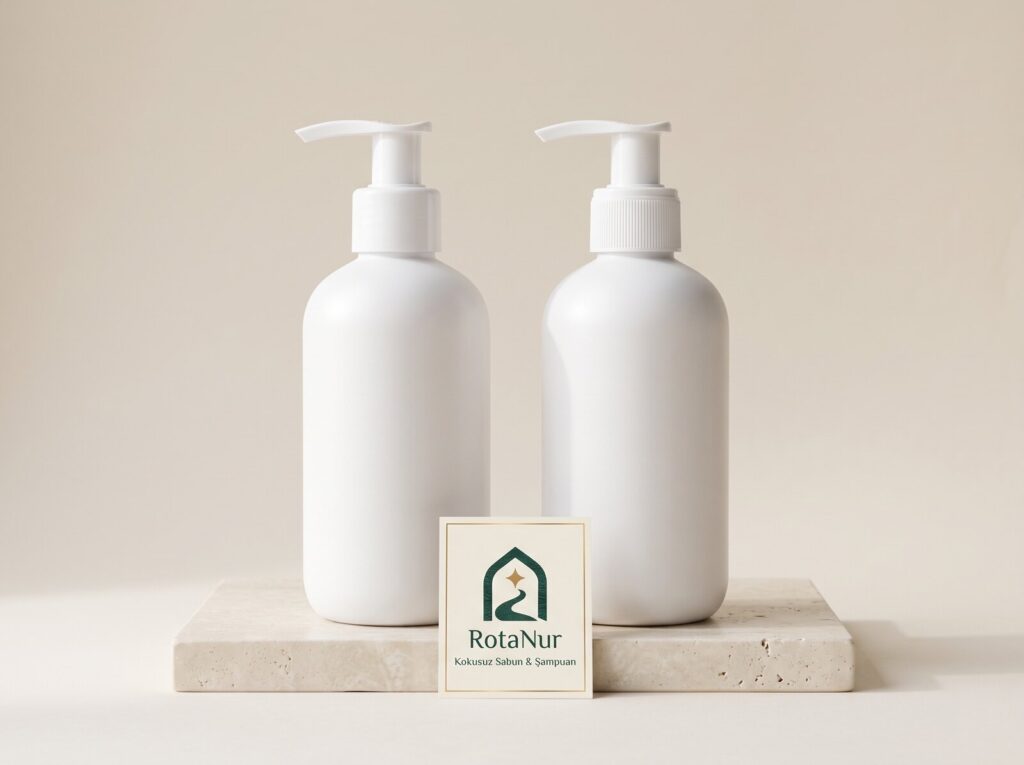
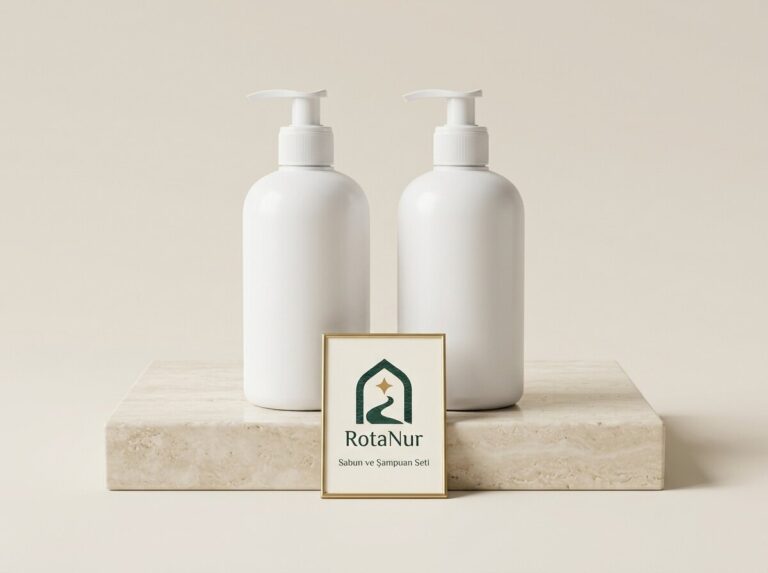
- Unscented Liquid Soap and Shampoo Set: Large-size 2 x 400 ml for wudu, ghusl and daily washing.
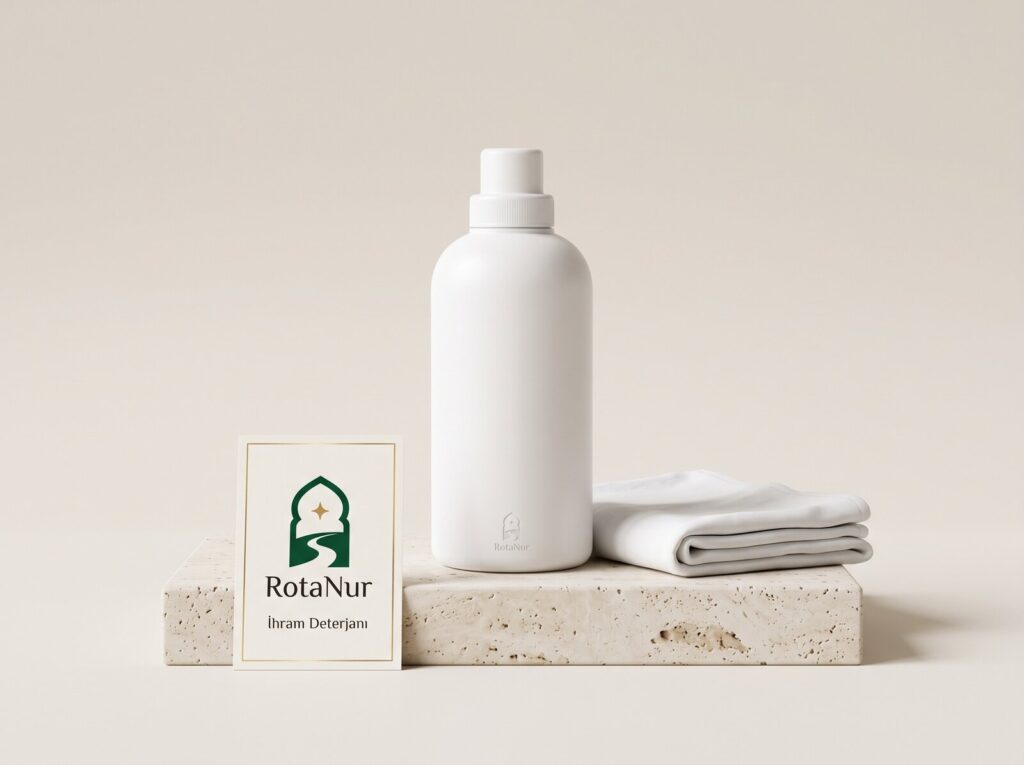
- Unscented Liquid Ihram Detergent: 500 ml for washing two ihram sets in rotation.
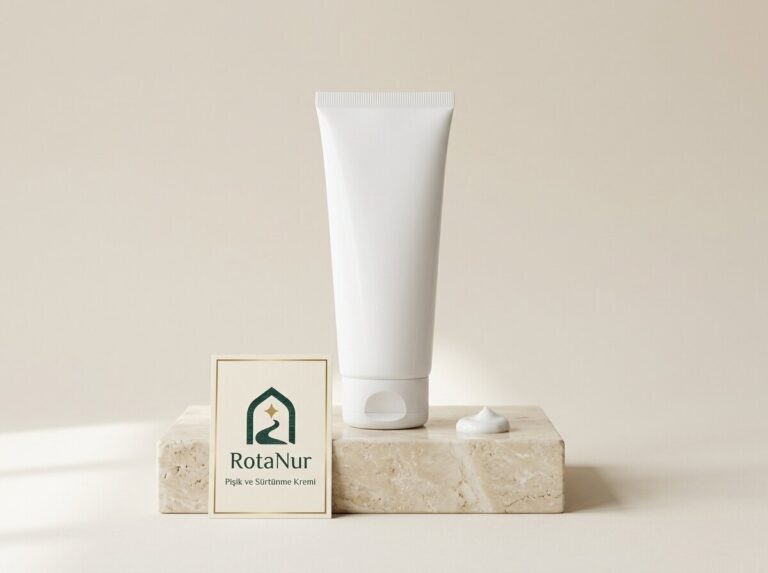
- Unscented Rash and Anti-Chafing Cream: For areas prone to chafing, before long walks.
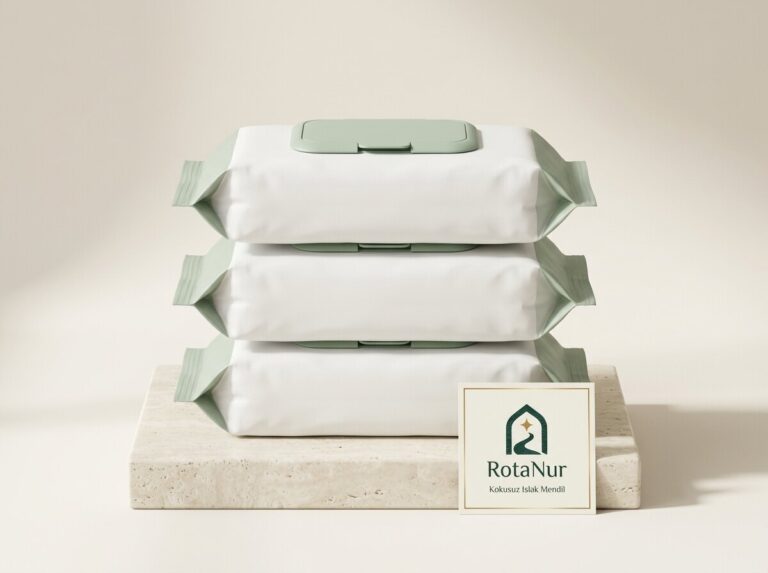
- Unscented Wet Wipes: Three separate packs for your bag, the tent and the hotel.
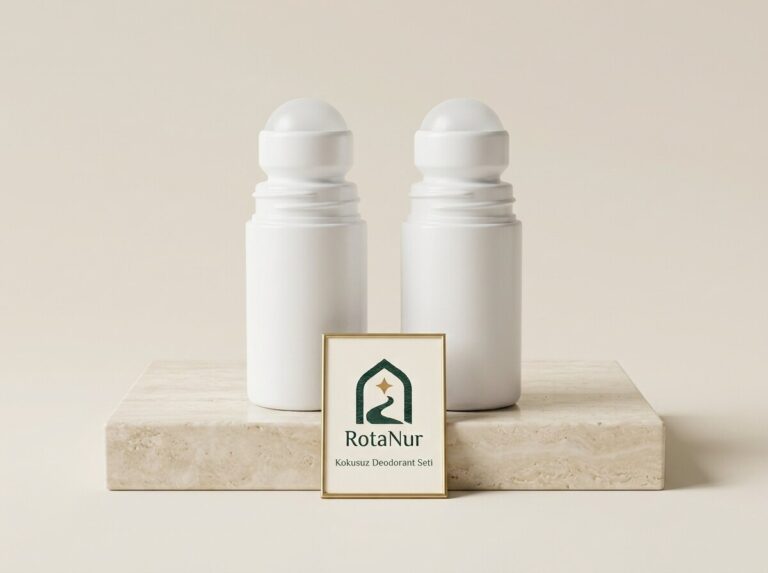
- Unscented Roll-On Deodorant: Two cabin-size bottles.
Do not forget to add a toothbrush or miswak, nail clippers, a small towel, a laundry bag and a few clothes pegs to this list. We would also remind you that nail cutting and the necessary personal grooming should be done before you enter ihram.
How Much Should You Take? Quantity Planning Table
Although consumption varies from person to person, the table below offers a practical starting point for a Hajj journey for one traveller. For products you will share with your spouse or roommate, we recommend increasing the quantities.
| Product | Recommended quantity (one traveller) | Where to carry it | Note |
|---|---|---|---|
| Liquid soap and shampoo | 1 set (2 x 400 ml) | Checked suitcase | For use at the hotel; can be decanted into a small bottle for the tent days |
| Ihram detergent | 1 bottle (500 ml) | Checked suitcase | Can be shared with roommates |
| Rash cream | 1 tube (100 ml) | Daily bag | Apply before long walks |
| Wet wipes | 3 packs (180 wipes) | Bag, tent, hotel | Keep the pack lid closed |
| Roll-on | 2 bottles (2 x 50 ml) | Cabin baggage or bag | One can be kept as a spare |
Flight and Baggage Rules
Under general airport rules, liquids of no more than 100 ml each may be carried in cabin baggage inside a clear, resealable bag of about one litre. As the 400 ml soap and shampoo and the 500 ml detergent exceed this limit, they should be packed in your checked suitcase. To prevent leaks, check the bottle caps, put each bottle in a separate bag and place them upright between your clothes in the suitcase. The 100 ml rash cream and the 50 ml roll-on, on the other hand, can stay with you in your cabin baggage. As airlines' rules may change, we recommend checking the latest guidance before your flight.
Practical Measures Against Rashes and Chafing
- Keep your skin dry: After washing, dry the areas prone to chafing thoroughly; damp skin is more susceptible to irritation.
- Use a protective cream: Before long walks, apply a thin layer of unscented cream to your inner thighs and underarms.
- Make the most of breaks: While resting in the shade, give your sweat a chance to dry.
- Wrap your izar correctly: An izar with a generous overlap, secured with a belt, will not slip and rub throughout the day.
- Watch for symptoms: If you notice a sore, discharge or a fever, see your group's doctor.
A Sample Cleansing Routine for the Days of Hajj
- Morning: After wudu, apply the unscented roll-on to your underarms and get dressed once it has dried.
- Before setting off: Apply a thin layer of unscented cream to areas prone to chafing, such as the inner thighs, and put wet wipes in your bag.
- During the day: During breaks, freshen up your hands, face and neck with unscented wipes, and drink plenty of water.
- Evening: Wash with the unscented liquid soap and shampoo, and dry your skin thoroughly.
- Before bed: Wash your soiled ihram with unscented detergent and hang it up, then get your dry set ready for the next day.
Where Should You Keep the Products?
| Location | Products to keep there |
|---|---|
| Hotel room | Large-size soap and shampoo, ihram detergent, spare roll-on, one pack of wet wipes |
| Daily bag | Rash cream, roll-on, one pack of wet wipes, small towel |
| Tent at Mina and Arafat | One pack of wet wipes, liquid soap decanted into a small bottle, laundry bag |
Ihram and Clothing Washing Guide
It is not always possible to be sure about the scent of the detergent used in hotel laundries. That is why washing your ihram cloths with your own unscented detergent, in the washbasin or a small bowl, is the safest option. Add one capful of detergent to lukewarm water, soak the ihram for 10–15 minutes, rub it gently and rinse until no detergent remains. Remove the water without wringing and hang it up in the shade. Using two ihram sets in rotation ensures you always have a clean, dry set. You can complete your ihram sets from our Hajj Ihram and Spare Sets page.
Hygiene at Mina, Arafat and Muzdalifah
During the tent days, a small hygiene bag carried with you makes things much easier: wet wipes, rash cream, roll-on, a small towel and a little liquid soap decanted from the large bottle are all you need. As the night at Muzdalifah is spent in the open air, wipes and hand cleaning become even more important. For tent and open-air needs, take a look at our Arafat and Muzdalifah products, and for carrying your belongings in an organised way, see our Mina and Jamarat daily bags.
Skin Care in the Heat
Daytime temperatures in and around Makkah are often very high. Drinking plenty of water, taking care to walk in the shade and using an umbrella during hours of prolonged sun exposure are the basic ways to protect your skin. As men cannot cover their heads while in ihram, an umbrella becomes all the more important. If you are going to use sunscreen, make sure that it is unscented too. For umbrellas, misting fans and unscented sunscreen, see our Heat Protection range.
When spending long periods in the heat, watch out for symptoms such as dizziness, nausea, extreme fatigue or a sudden stop in sweating. If this happens, move into the shade immediately, drink water and seek help without delay from your group's doctor or the nearest health point. Do not neglect to check on the older pilgrims around you throughout the day as well.
What to Look for When Choosing Unscented Products
- Read the label: Products whose ingredients list includes perfume, parfum or fragrance are scented.
- Watch out for natural scents: Products made with plant oils such as lavender, bay laurel, rose or mint may carry a noticeable scent even if they contain no perfume.
- Test the scent: Use the product at home before your journey and check whether it leaves a scent on your skin or on fabric.
- Check the expiry date: Make sure the date extends beyond your return from Hajj.
- Consider the packaging: Sturdy bottles with secure caps reduce the risk of leaks in your suitcase.
Unscented, Perfume-Free, Sensitive Skin: Terms on the Label
Although these terms, which often appear on packaging, look similar, they do not mean the same thing. No added perfume or perfume-free indicates that no perfume or fragrance essence has been added to give the product a scent. Unscented means that the product does not leave a noticeable scent when used; the faint natural smell of the raw ingredients may still be perceptible. For sensitive skin is a usage recommendation and does not mean that no one will experience irritation. What you are looking for during ihram is a product that is not intended to give off a scent and that does not leave a noticeable scent on the skin or on fabric. All RotaNur unscented care products are made without added perfume or fragrance essences.
If You Use the Hotel Laundry
Laundry services may be available in many hotels in Makkah and Madinah, or near them. If you use such a service, you can ask for your ihram cloths to be washed separately from your other clothes and hand over your own unscented detergent; however, this may not be possible at every business. Whenever you cannot be sure of the scent of the detergent used, washing your ihram cloths by hand in your room is the safest option. Sending your heavier clothes to the laundry while washing your ihrams yourself is also a practical solution.
Notes for Women Pilgrims
The restriction on wearing fragrance while in ihram applies to women too. That is why it is important to replace everyday habits such as scented hand cream, perfumed shampoo and scented wet wipes with unscented products. Washing your abaya, headscarf and underwear with unscented detergent also leaves no room for doubt. The unscented roll-on and rash cream are also handy for women pilgrims who will be walking for long periods in the heat. If you will be sharing the unscented soap and shampoo with your spouse, plan the quantities for two people.
Older Pilgrims and Those with Sensitive Skin
With age, skin becomes thinner and dries out more easily; heat, sun and frequent washing can make this dryness worse. Those accompanying an elderly mother or father will find it helpful to check the areas prone to chafing during the day and to reapply the unscented cream when needed. People with sensitive skin should try the products at home before travelling and, if they regularly use a skincare product, check whether it is unscented. For medicated creams recommended by a doctor, follow your physician's advice.
After Coming Out of Ihram
When you come out of ihram on the first day of Eid al-Adha, after stoning the Jamarat, offering the sacrifice and shaving or cutting your hair, the restriction on fragrance also comes to an end. From that moment on, you can use your attar and your scented products. Washing your ihram cloths with unscented detergent, drying them and storing them away ensures they are ready for your future journeys too.
Group and Bulk Orders
Families, associations and mosque congregations setting off with the same group can combine their unscented product needs into a single order. If you send us the quantities and your group's travel date via our WhatsApp line, we can plan your order together.
Unscented Products After Hajj
There is no need to waste the unscented products you have left over after Hajj. You can keep them for family members who are sensitive to scents, for future Umrah journeys or for a loved one who will be going on Hajj. Keep opened products in a cool, dry place with their caps tightly closed, and pay attention to the expiry date. On the way home, putting opened bottles in separate bags protects your gifts and clothes from possible leaks.
Why RotaNur?
- A range sized for Hajj: Large sizes suited to a long journey instead of small travel bottles.
- The full list on one page: Cleaning, care and laundry needs all in one place.
- Accurate information: A summary of what applies during ihram, in line with Diyanet's guidance.
- Easy shopping: No online payment is taken – after you send your order request, our advisor contacts you, confirms availability and guides you through the payment steps; plus fast shipping, a 14-day right of return and 24/7 WhatsApp support.
RotaNur is a travel organisation that stands by you at every stage of your Hajj and Umrah journey. By exploring our Hajj tours, you can plan both your journey and your preparations in one place.
FAQ
Diyanet's High Board of Religious Affairs states that no penalty is required when soap is used for cleaning with no intention of perfuming oneself; even so, it recommends unscented products. Whenever you are in doubt, consult your group official.
Yes. The restriction on wearing fragrance while in ihram applies to all pilgrims, women and men alike.
It may be possible to find them; however, checking labels in a foreign language and searching for the right product takes time. Completing your preparations before you travel protects the time you will devote to worship.
Once you have completed Umrah and come out of ihram, the restrictions of ihram do not apply until you enter ihram again for Hajj on the Day of Tarwiyah. Get your unscented products ready again before you enter ihram for Hajj.
The most practical way is to leave the large bottles at the hotel and decant as much product as you need into an empty 100 ml travel bottle.
You can share products such as detergent and soap. For hygiene reasons, it is better to keep products that come into direct contact with the skin, such as cream and roll-on, for your personal use.
Yes. The date is shown on the packaging; choose products whose date extends beyond your return from Hajj.
Try the products on a small area of skin at home a few days before your journey. If irritation occurs, do not use them and consult your doctor.
Orders are sent by fast shipping; the delivery time varies depending on the city you live in. We recommend ordering a few weeks before your group's travel date.
No online payment is taken. After you send your order request, our advisor contacts you, confirms availability and guides you through the payment steps. For unopened and unused products, you have the right to return them within 14 days of delivery.