







Contents 18 sections
- What Is the Ruling on Hajj and Umrah?
- When Are Hajj and Umrah Performed?
- Differences in Essential Elements and Necessary Acts
- What are the obligatory acts of Hajj?
- What are the obligatory acts of Umrah?
- Arafat, Muzdalifah, Mina and Stoning the Jamarat
- Stoning the Jamarat and the sacrifice
- Types of Hajj: Ifrad, Tamattu’ and Qiran
- Which type of Hajj should you choose?
- Is a person who performs Hajj also considered to have performed Umrah?
- How Do Pilgrims Go to Hajj from Türkiye?
- What is Hajj via the Diyanet lottery?
- What is private Hajj?
- Hajj and Umrah Comparison Table
- How Do They Differ in Cost, Duration and Preparation?
- Current Notes for Planning Hajj and Umrah in 2026–2027
- Keep reading
- Frequently Asked Questions
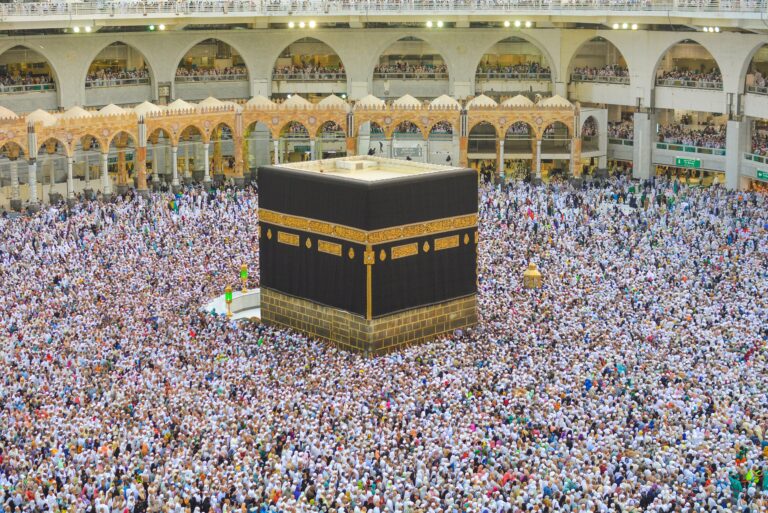
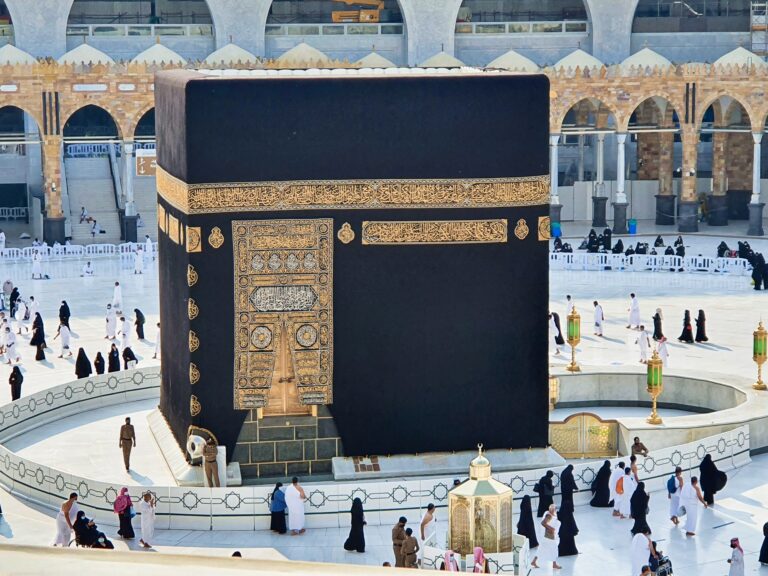
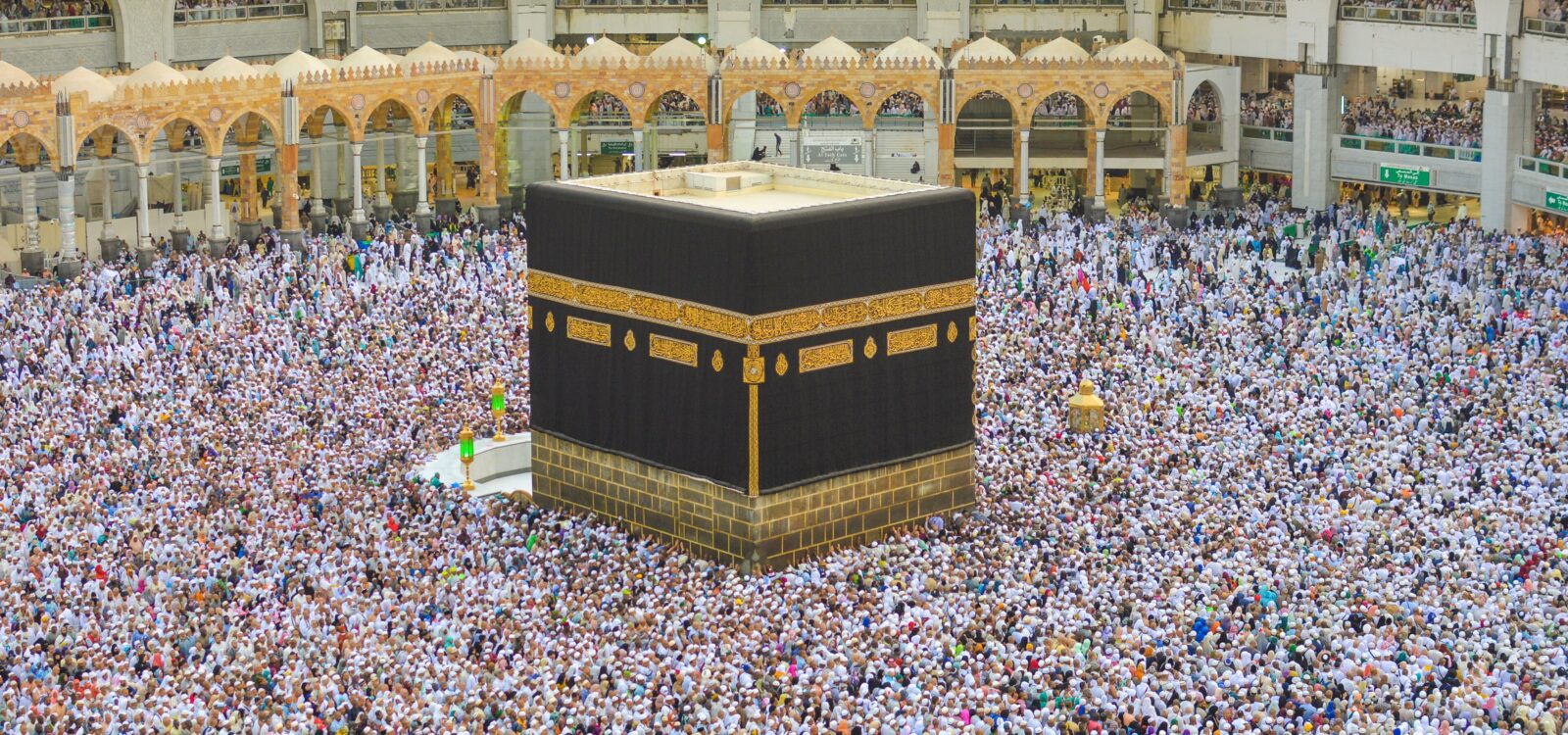
The differences between Hajj and Umrah are a question many people who intend to travel to the Kaaba wonder about. Both acts of worship begin with ihram, include tawaf and sa’i, and are performed in Makkah; because of these similarities, Umrah is also popularly known as the “lesser Hajj”. However, Hajj and Umrah differ considerably in their ruling, timing, essential elements, duration and preparation. In this article, based on the explanations of Diyanet (Türkiye’s Presidency of Religious Affairs), we summarise the main differences between the two acts of worship in plain language.
What Is the Ruling on Hajj and Umrah?
Hajj is one of the five pillars of Islam and is obligatory (fard) once in a lifetime for every Muslim who meets its conditions, such as good health, financial means and a safe journey. Umrah, according to the Hanafi school, is an act of worship that is an emphasised Sunnah to perform once in a lifetime; according to the Shafi’i and Hanbali schools, it is obligatory (fard). For this reason, having performed Umrah does not remove the Hajj obligation from a person who is able to perform it.
For Hajj to be obligatory, a person must be Muslim, sane and have reached puberty, and must have the financial means and the health to undertake the Hajj journey. Those who meet these conditions are advised not to postpone Hajj unnecessarily.
When Are Hajj and Umrah Performed?
Hajj is an act of worship that can only be performed on specific days, and its main rites are carried out between the 8th and 13th days of the month of Dhu al-Hijjah. Umrah, on the other hand, can be performed at any time of the year except the Day of Arafah and the four days of Eid al-Adha. According to the Hanafi school, performing Umrah on these five days is makruh tahrimi (prohibitively disliked).
The months of Hajj are Shawwal, Dhu al-Qadah and the first ten days of Dhu al-Hijjah; ihram for Hajj is entered within this period. We look in detail at which period may suit you for Umrah in our article on when to go for Umrah.
Differences in Essential Elements and Necessary Acts
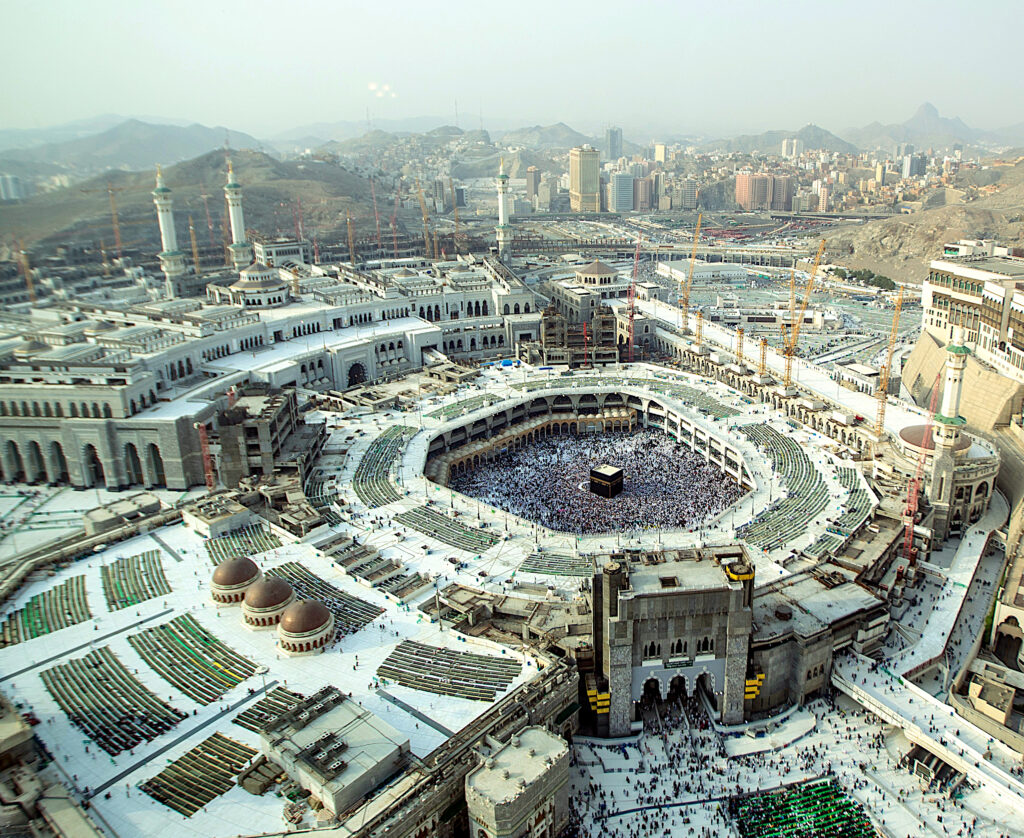
The most fundamental difference between Hajj and Umrah lies in what each act of worship involves. Umrah consists of rites that can be completed within a few hours, whereas Hajj is an act of worship spread over several days and performed in different places in a set order.
What are the obligatory acts of Hajj?
According to the Hanafi school, Hajj has three obligatory (fard) acts: ihram, the standing at Arafat (wuquf) and the tawaf of visitation (tawaf al-ziyarah, also called tawaf al-ifadah). Ihram is a condition of Hajj, while the standing at Arafat and the tawaf of visitation are its pillars. A person who cannot perform the standing at Arafat within its time has missed that year’s Hajj.
The necessary (wajib) acts of Hajj include the standing at Muzdalifah, sa’i between Safa and Marwah, stoning the Jamarat, shaving or trimming the hair (halq/taqsir) and, for those coming from outside Makkah, the farewell tawaf. For those performing Tamattu’ or Qiran Hajj, offering the sacrifice of thanksgiving is also necessary (wajib).
What are the obligatory acts of Umrah?
The obligatory acts of Umrah are ihram and tawaf; its necessary (wajib) acts are sa’i and shaving or trimming the hair (halq/taqsir). Umrah does not include practices such as being present at Arafat, Muzdalifah and Mina, stoning the Jamarat or offering the sacrifice of thanksgiving. For a step-by-step explanation, take a look at our guide on how to perform Umrah.
According to the Hanafi school, the farewell tawaf is not necessary (wajib) for those performing Umrah; nevertheless, bidding farewell to the Kaaba with a tawaf when leaving Makkah is regarded as a good practice.
Arafat, Muzdalifah, Mina and Stoning the Jamarat
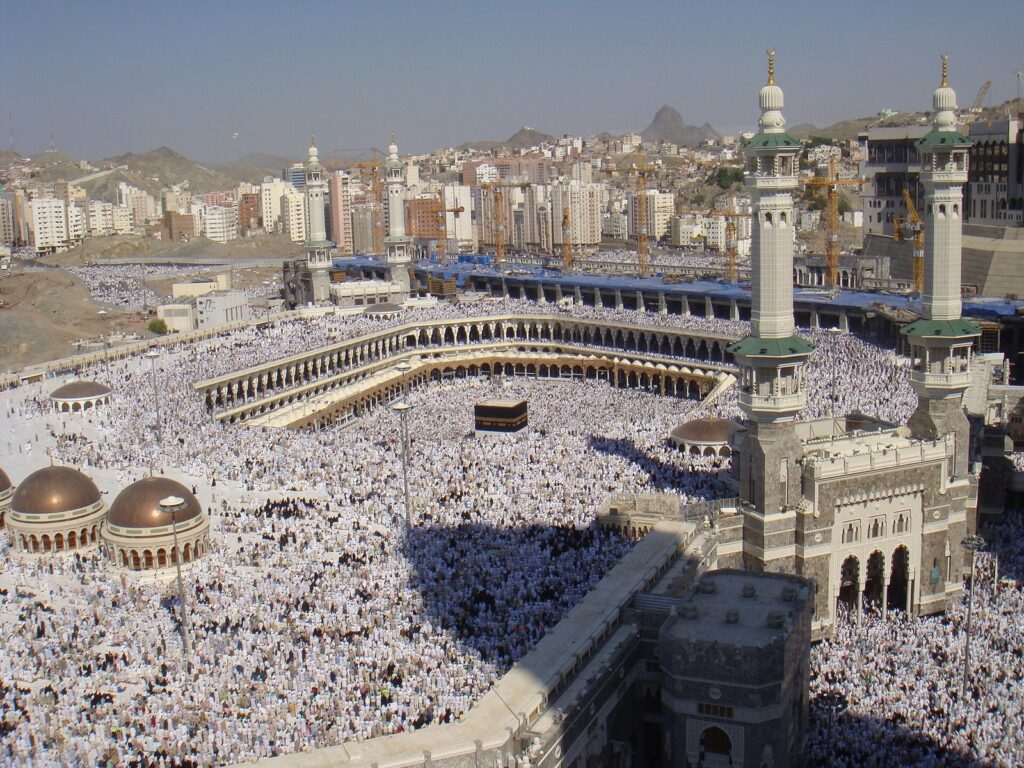
The most distinctive elements that set Hajj apart from Umrah are the blessed places where pilgrims stay on specific days. The journeys between these places form the busiest and most meaningful part of the Hajj programme.
- Mina: It is Sunnah to go out to Mina on the Day of Tarwiyah (8 Dhu al-Hijjah). During the days of Eid, the nights are again spent in Mina for the stoning of the Jamarat.
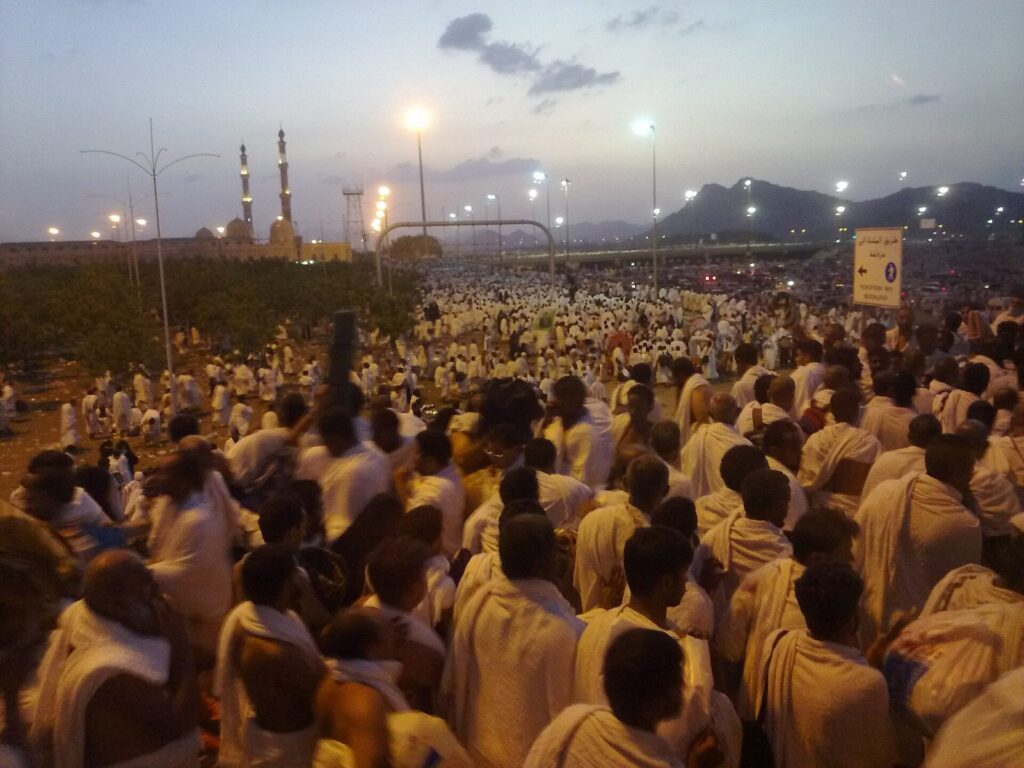
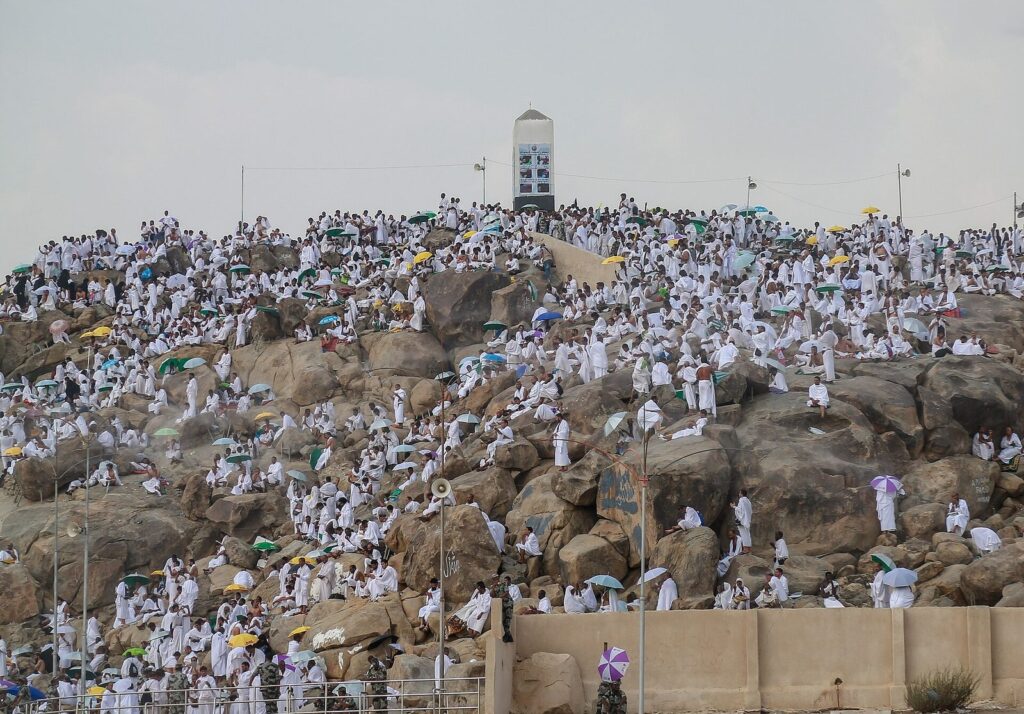
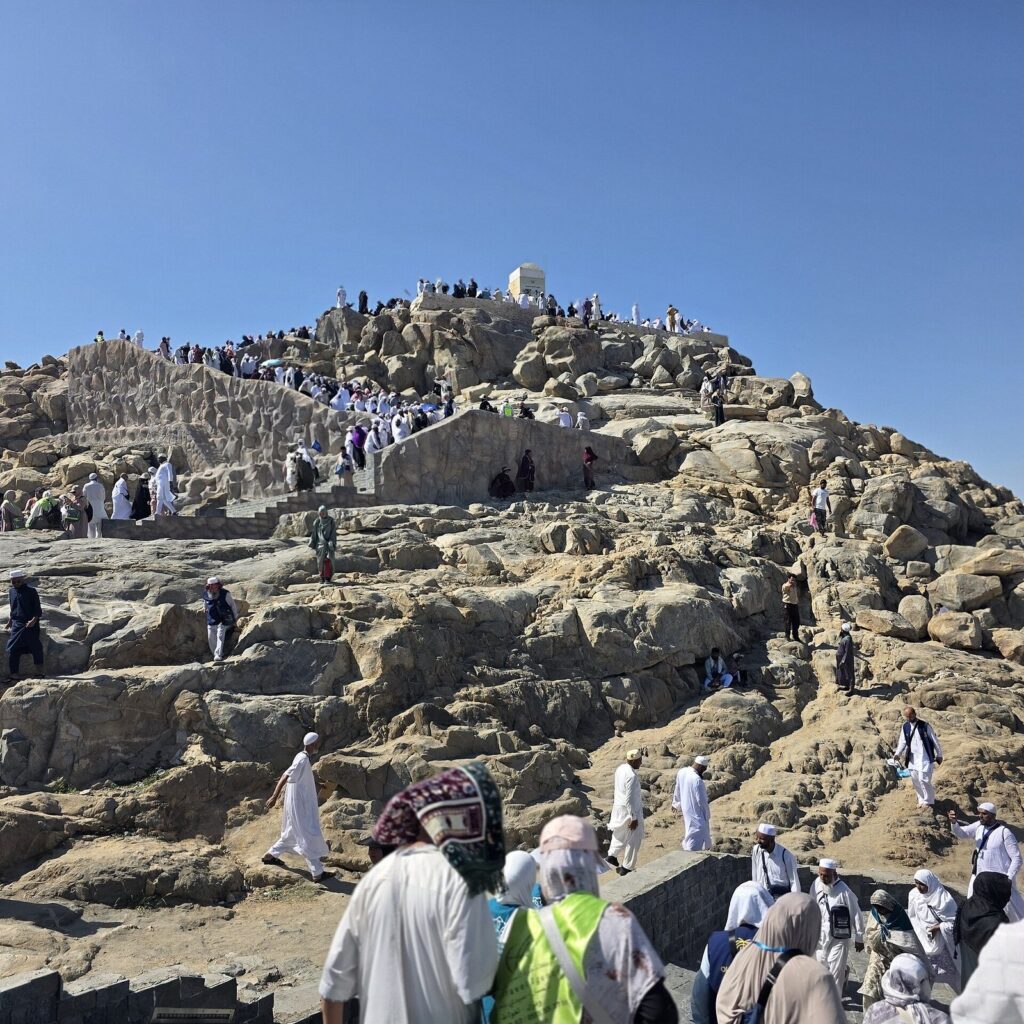
- Arafat: Being present at Arafat, even for a short time, within the period from midday on the Day of Arafah (9 Dhu al-Hijjah) until dawn (fajr) on the morning of Eid is the most important pillar of Hajj.
- Muzdalifah: After Arafat, pilgrims come to Muzdalifah on the night of Eid. Performing the standing (wuquf) here between dawn and sunrise on the morning of Eid is necessary (wajib).
Stoning the Jamarat and the sacrifice
On the first day of Eid, seven pebbles are thrown only at the large pillar (Jamrat al-Aqabah). On the second and third days of Eid, seven pebbles each are thrown at the small, middle and large pillars, in that order; on the fourth day, the stoning is performed by those who continue to stay in Mina. Those performing Tamattu’ and Qiran Hajj offer their sacrifice of thanksgiving during the days of Eid.
For details such as the order of stoning, sacrifice and shaving, appointing a proxy for the sacrifice, and cases of valid excuse, the current Hajj guides and fatwas of Diyanet should be consulted. You can find all the rites of Hajj brought together on our Hajj guide page.
Types of Hajj: Ifrad, Tamattu’ and Qiran
Hajj can be performed in three different ways, depending on the intention (niyyah) and the form of ihram. There is no such distinction in Umrah.
- Ifrad Hajj: Ihram is entered for Hajj alone and no Umrah is performed. A person performing Ifrad Hajj is not required to offer the sacrifice of thanksgiving.
- Tamattu’ Hajj: During the months of Hajj, Umrah is performed first and the pilgrim leaves ihram, then enters ihram again for Hajj in the same year. This method is generally preferred in Hajj organisations from Türkiye.
- Qiran Hajj: The intention is made for Hajj and Umrah together with a single ihram, and the pilgrim does not leave ihram until both acts of worship have been completed.
Which type of Hajj should you choose?
The choice of Hajj type depends on the length of the journey and on how long a person can remain in ihram. Because Tamattu’ Hajj allows pilgrims to be out of ihram between Umrah and Hajj, it offers considerable ease on longer programmes. Before making a decision, it is helpful to consult the religious guide accompanying your organisation’s group.
Is a person who performs Hajj also considered to have performed Umrah?
This depends on the type of Hajj performed. In Tamattu’ and Qiran Hajj, Umrah is also carried out, so the person has performed both Hajj and Umrah. In Ifrad Hajj, only Hajj is performed; Umrah is not considered fulfilled unless it is performed separately.
How Do Pilgrims Go to Hajj from Türkiye?
In Türkiye, Hajj organisations are carried out under the coordination of Diyanet. Because Saudi Arabia sets a limited number of Hajj places for each country, candidates are selected by lottery when the number of applications exceeds the places available.
What is Hajj via the Diyanet lottery?
Hajj via the Diyanet lottery is the type of Hajj in which candidates who apply through Diyanet’s Hajj registration system are selected by lottery and the organisation is run by Diyanet. The calendar for applications, registration renewals and the lottery is announced separately by Diyanet every year. You can find details of the process on our Hajj via the Diyanet lottery page.
What is private Hajj?
Private Hajj is a Hajj organisation carried out through travel agencies that are authorised and supervised by Diyanet. These programmes may offer different options in terms of accommodation, transport and programme length. As participation requirements and registration procedures can change from year to year, confirm the current conditions before applying; you can explore the options on our private Hajj page.
Umrah, by contrast, does not involve a lottery; the journey is usually planned through agencies, with the visa and accommodation arrangements completed in advance. As visa types and application methods can change over time, confirm the current conditions before you travel.
Hajj and Umrah Comparison Table
We have prepared the table below so that you can see the main differences between the two acts of worship at a glance.
| Topic | Hajj | Umrah |
|---|---|---|
| Ruling | Obligatory (fard) once in a lifetime for a Muslim who is able | Emphasised Sunnah according to the Hanafis |
| Timing | Specific days of the month of Dhu al-Hijjah | Any time of the year (except the Day of Arafah and the four days of Eid) |
| Obligatory acts | Ihram, the standing at Arafat, the tawaf of visitation | Ihram, tawaf |
| Main necessary acts | Standing at Muzdalifah, sa’i, stoning the Jamarat, shaving or trimming the hair, farewell tawaf | Sa’i, shaving or trimming the hair |
| Arafat, Muzdalifah and Mina | Yes | No |
| Stoning the Jamarat | Yes | No |
| Sacrifice of thanksgiving | Necessary (wajib) in Tamattu’ and Qiran Hajj | No |
| Duration | Usually several weeks | Usually one to two weeks |
| Participation | Diyanet registration and lottery; private Hajj through authorised agencies | Not subject to a lottery; arranged through an agency, with a visa |
| Physical demands | Long walks, tent accommodation, dense crowds | Comparatively lighter |
How Do They Differ in Cost, Duration and Preparation?
Because Hajj lasts longer than Umrah, is tied to fixed dates and has a limited number of places, both its cost and its preparation are generally more extensive. Umrah, being flexible in terms of dates and length, can be planned around your budget and the leave you are able to take. On both journeys, a health check, the required vaccinations and packing the right items are of great importance.
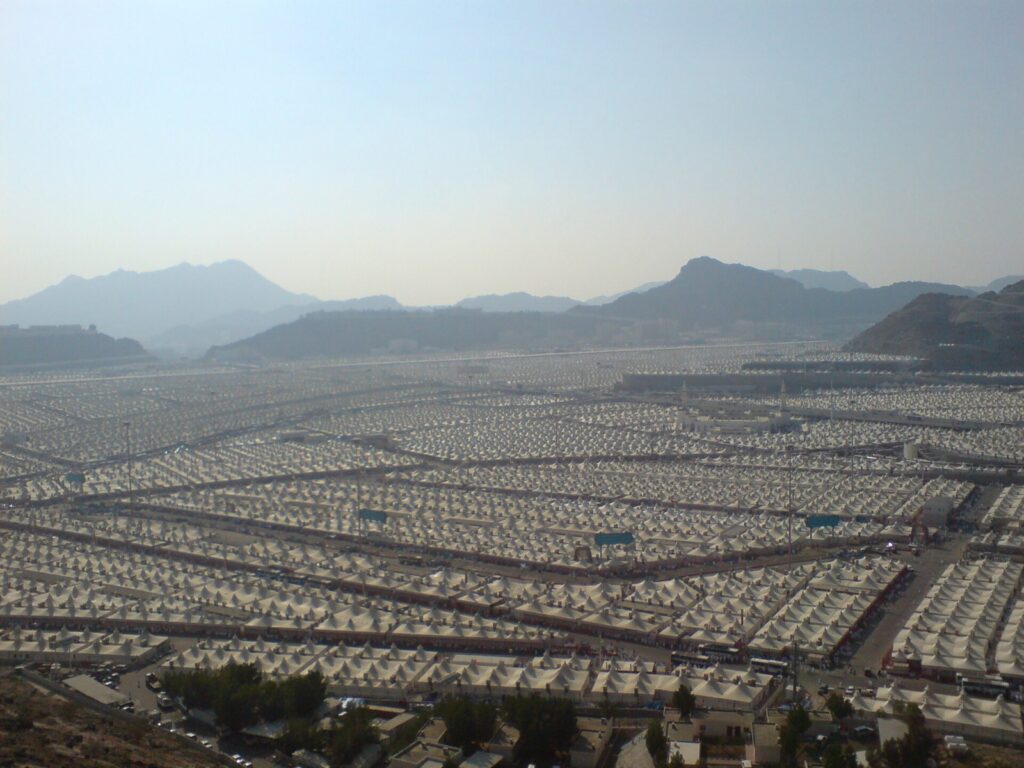
- Hajj involves long walks between Arafat, Muzdalifah and Mina and many hours spent outdoors; physical preparation is therefore important.
- The health documents and vaccinations required for Hajj and Umrah are set by Türkiye’s Ministry of Health and the Saudi authorities; confirm the current conditions before you travel.
- For Umrah, the choice of dates and programme length directly affects the budget; for Hajj, since the dates are fixed, the options differ in terms of accommodation and the scope of services.
- Paying off debts, making amends and seeking forgiveness from family and friends, and arranging for the needs of the family left behind are traditionally regarded as important preparations before setting off for Hajj.
- For both acts of worship, learning the rites before the journey is the most important step towards performing them peacefully and without mistakes.
Current Notes for Planning Hajj and Umrah in 2026–2027
The differences between Hajj and Umrah become even clearer when you look at the calendar for the year ahead. The 2026 Hajj was completed at the end of May 2026, and the Hijri year 1448 began in mid-June 2026. With Umrah visits resuming after Hajj, the autumn and winter months offer a wide range of dates to those planning Umrah. The 2027 Hajj is expected to fall in mid-May 2027; the exact days will be confirmed by the Diyanet calendar and by announcements from the Saudi authorities. This calendar also reveals the difference in how the two acts of worship are planned: for Umrah, you choose the date; for Hajj, the date is fixed and the process depends on the official registration and lottery steps.
The table below gives a general outline of how the two acts of worship follow different calendars in the coming months. The dates given are estimated; the days tied to the Hijri calendar and the official practices are announced anew each year. Please therefore treat the table as a starting framework.
| Period | For those planning Umrah | For 2027 Hajj candidates |
|---|---|---|
| September – November 2026 | The post-Hajj Umrah season; the weather gradually cools | Following Diyanet’s registration, lottery and fee announcements regularly |
| December 2026 – January 2027 | The three sacred months and the blessed nights (kandil); Türkiye’s mid-year school holiday in the second half of January | Planning passport and health checks early |
| February – early March 2027 | Ramadan Umrah; the busiest Umrah period of the year | Refreshing your knowledge of the rites and building up your walking pace |
| From mid-Shawwal onwards | The issuing of new Umrah visas may be temporarily suspended | Completing visa and permit procedures through the organisation |
| May 2027 | Hajj season; Umrah plans are usually left until after Hajj | Hajj is expected to take place in mid-May |
Another important point that separates the two acts of worship during this period is the question of permits. A visa obtained for Umrah does not take the place of a Hajj permit; during the Hajj season, entry to the holy sites is restricted for those without a Nusuk card and a Hajj permit, and sanctions are applied to attempts to perform Hajj without a permit. During the days of Hajj, the Mashair metro runs between Mina, Muzdalifah and Arafat; which groups will use the metro depends on the organisation’s plan. For those performing Umrah, the visit to the Rawdah (ar-Rawdah al-Mutahharah) is made by an appointment booked through the Nusuk app. The Haramain High-Speed Railway, which runs between Makkah and Madinah via Jeddah, also makes intercity travel easier on both Hajj and Umrah programmes.
- If you intend to perform Hajj in 2027, follow the registration and lottery process through Diyanet’s official announcements; for the general framework, take a look at our article on the 2027 Hajj calendar.
- Those who wish to go for Umrah before Hajj should set their dates early, taking into account the visa practice after Ramadan.
- An Umrah performed while waiting for the lottery result can be useful preparation for getting used to the crowds and the flow of tawaf at the Haram.
- Since the leave you will need for Hajj is longer than for Umrah, make your work and family arrangements early.
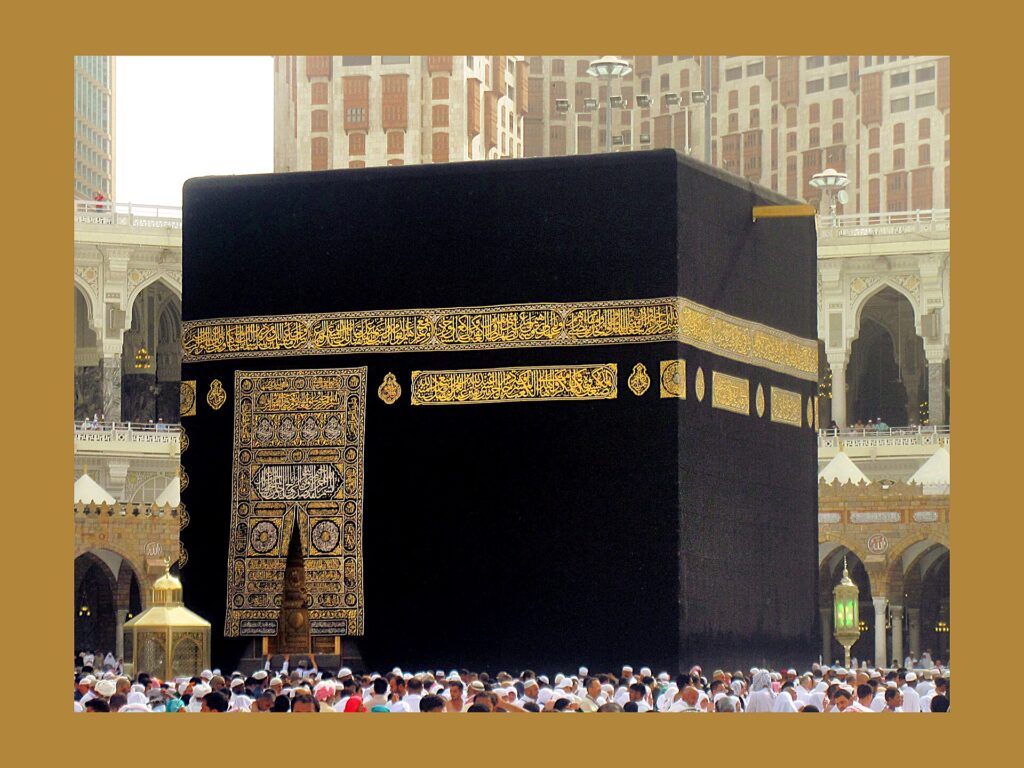
- The covering of the Kaaba (kiswah) used to be changed on the Day of Arafah, but since 2022 it has been changed every year at the start of the Hijri year (1 Muharram); this change now falls not during the days of Hajj but in the period after Hajj.
- For vaccinations and health documents, consult your family doctor or the travel health centres of Türkiye’s Ministry of Health.
As Saudi Arabia’s practices regarding visas, permits, age and health requirements can change, confirm the current conditions with official sources and your travel agency before you travel. At RotaNur, we would be glad to go through this calendar with you as you prepare for both Umrah and Hajj.
Keep reading
- What Are the Types of Hajj? Ifrad, Tamattu’ and Qiran Hajj
- Who Is Hajj Obligatory For? The Conditions That Make Hajj Obligatory
- When Is Hajj Performed? The Days of Dhu al-Hijjah and the 2027 Hajj Calendar
Whichever you intend to perform, Hajj or Umrah, accurate information and good preparation will make your journey easier. At RotaNur, we are happy to answer your questions and to work out together the programme that suits you best. You can easily reach us through our contact page or our WhatsApp line.
Frequently Asked Questions
Do you have to perform Umrah before going to Hajj?
No, having performed Umrah beforehand is not a requirement for going to Hajj; the obligation and validity of Hajj do not depend on Umrah. However, in Tamattu’ Hajj, which is the type most often preferred by groups travelling from Türkiye, the pilgrim first performs Umrah during the months of Hajj, leaves ihram and then enters ihram again for Hajj. This makes it possible to perform both acts of worship on the same journey.
Are the ihram restrictions the same in Hajj and Umrah?
Yes, the ihram restrictions are the same in Hajj and Umrah; applying fragrance, cutting the hair and nails, and, for men, wearing clothes sewn to the shape of the body and covering the head are prohibited in both. The difference lies in how long the restrictions last. In Umrah, the restrictions end with shaving or trimming the hair, whereas in Hajj they are lifted in two stages: after shaving or trimming, all restrictions except marital intimacy end, and with the tawaf of visitation all of them come to an end. For details, see our article on ihram restrictions.
How many tawafs are performed in Hajj and in Umrah?
The tawaf that must be performed in Umrah is the Umrah tawaf. In Hajj, the tawaf of visitation (ifadah) is obligatory (fard), and the farewell tawaf is necessary (wajib) for those coming from outside Makkah. According to the Hanafi school, it is Sunnah for those performing Ifrad and Qiran Hajj to perform the arrival tawaf (tawaf al-qudum) when they reach Makkah. Those performing Tamattu’ and Qiran Hajj also perform the tawaf of their Umrah. Beyond these, you may perform as many voluntary (nafl) tawafs as you wish.
Does an Umrah performed in Ramadan take the place of Hajj?
No. It has been reported that an Umrah performed in Ramadan is equal to a Hajj in reward; however, this equivalence relates only to reward. The Hajj obligation, which is obligatory once in a lifetime for anyone who meets its conditions, is not fulfilled by a Ramadan Umrah. Those who wish to go for Umrah during this period would do well to plan early, bearing in mind how busy it gets; to explore the options, take a look at our Ramadan Umrah page.
Can Umrah be performed more than once a year?
Yes. According to the Hanafi school, Umrah can be performed more than once during the year, except on the Day of Arafah and the four days of Eid al-Adha, when performing it is makruh tahrimi (prohibitively disliked). Hajj, however, is tied to specific days and can therefore be performed only once a year. For a new Umrah on the same journey, you go outside the boundaries of the Haram, for example to Tan’im, and enter ihram again; follow your guide’s directions on this matter.

Cihat Murat Yüksel is the editor of the RotaNur blog and the founder of Markention. Drawing on the sources of Türkiye's Presidency of Religious Affairs (Diyanet), he turns the questions travellers ask most about preparing for Umrah, Hajj and halal travel into clear, practical guides.
Questions answered in this article
What Is the Ruling on Hajj and Umrah?
Hajj is one of the five pillars of Islam and is obligatory (fard) once in a lifetime for every Muslim who meets its conditions, such as good health, financial means and a safe journey. Umrah, according to the Hanafi school, is an act of worship that is an emphasised Sunnah to perform once in a lifetime; according to the Shafi’i and Hanbali schools, it is obligatory (fard). For this reason, having performed Umrah does not remove the Hajj obligation from a person who is able to perform it.
When Are Hajj and Umrah Performed?
Hajj is an act of worship that can only be performed on specific days, and its main rites are carried out between the 8th and 13th days of the month of Dhu al-Hijjah. Umrah, on the other hand, can be performed at any time of the year except the Day of Arafah and the four days of Eid al-Adha. According to the Hanafi school, performing Umrah on these five days is makruh tahrimi (prohibitively disliked).
What are the obligatory acts of Hajj?
According to the Hanafi school, Hajj has three obligatory (fard) acts: ihram, the standing at Arafat (wuquf) and the tawaf of visitation (tawaf al-ziyarah, also called tawaf al-ifadah). Ihram is a condition of Hajj, while the standing at Arafat and the tawaf of visitation are its pillars. A person who cannot perform the standing at Arafat within its time has missed that year’s Hajj.
What are the obligatory acts of Umrah?
The obligatory acts of Umrah are ihram and tawaf; its necessary (wajib) acts are sa’i and shaving or trimming the hair (halq/taqsir). Umrah does not include practices such as being present at Arafat, Muzdalifah and Mina, stoning the Jamarat or offering the sacrifice of thanksgiving. For a step-by-step explanation, take a look at our guide on how to perform Umrah.
Which type of Hajj should you choose?
The choice of Hajj type depends on the length of the journey and on how long a person can remain in ihram. Because Tamattu’ Hajj allows pilgrims to be out of ihram between Umrah and Hajj, it offers considerable ease on longer programmes. Before making a decision, it is helpful to consult the religious guide accompanying your organisation’s group.
Is a person who performs Hajj also considered to have performed Umrah?
This depends on the type of Hajj performed. In Tamattu’ and Qiran Hajj, Umrah is also carried out, so the person has performed both Hajj and Umrah. In Ifrad Hajj, only Hajj is performed; Umrah is not considered fulfilled unless it is performed separately.