







Contents 23 sections
- Who is Hajj obligatory for?
- Conditions of obligation and of performance
- What are the obligatory and necessary acts of Hajj?
- The obligatory acts of Hajj
- The necessary acts of Hajj
- Types of Hajj: Ifrad, Tamattu’ and Qiran
- Which type of Hajj do pilgrims from Türkiye usually perform?
- How is Hajj performed? The Hajj rites day by day
- Day of Tarwiyah (8 Dhu al-Hijjah): setting off for Mina
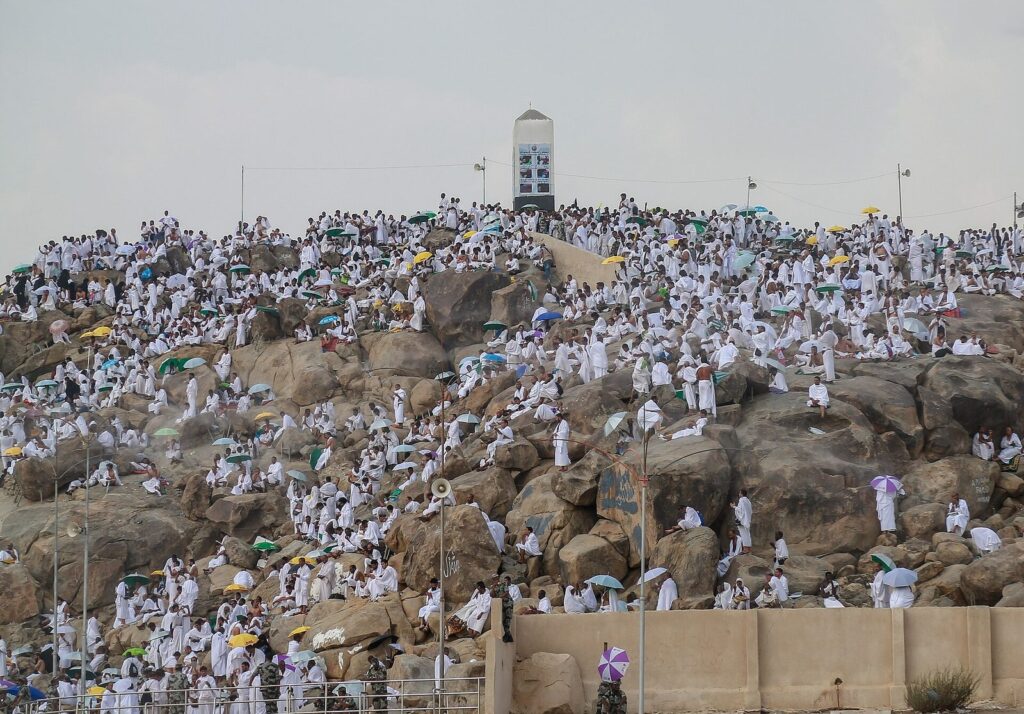
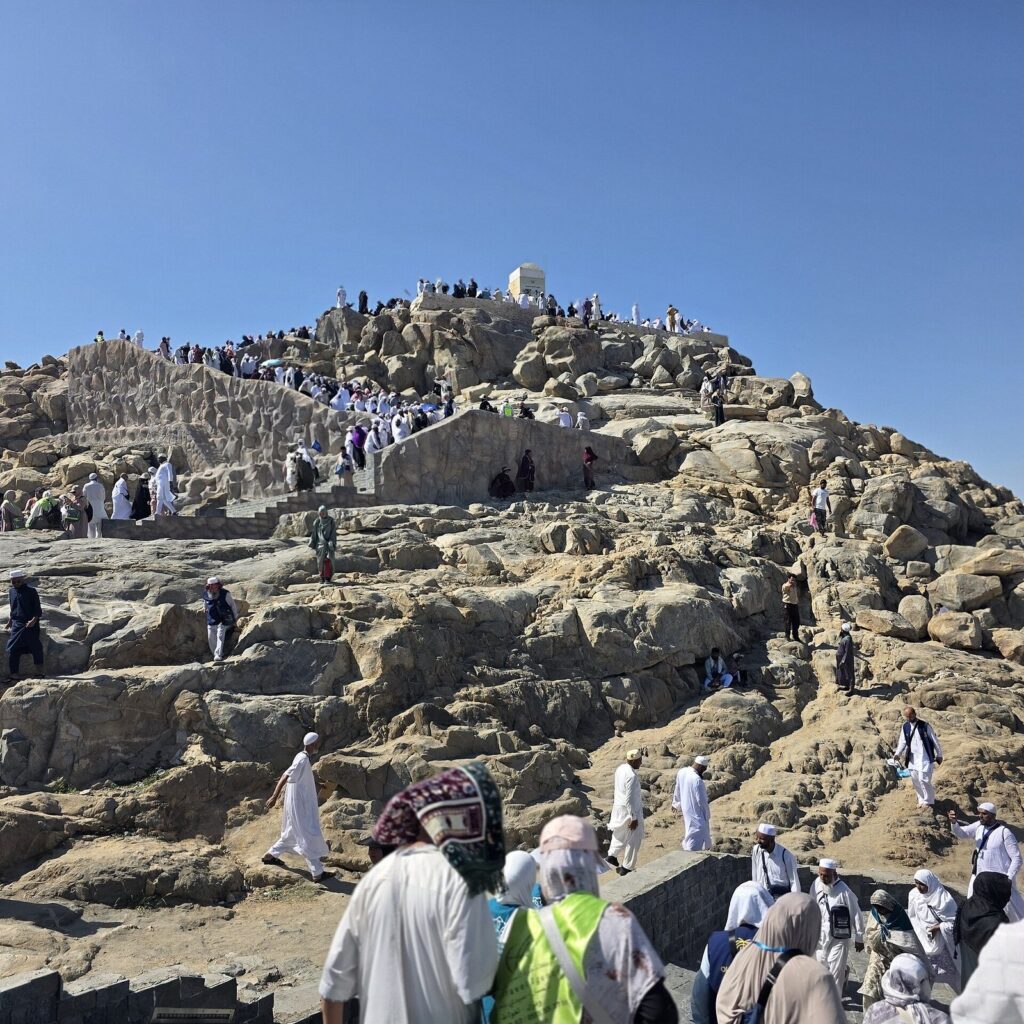
- Day of Arafah (9 Dhu al-Hijjah): the standing at Arafat
- The night and the standing at Muzdalifah
- The first day of Eid (10 Dhu al-Hijjah)
- The days of Tashriq (11–13 Dhu al-Hijjah): stoning the three pillars
- The farewell tawaf
- Notes for women, the elderly and the sick
- What should be done during menstruation?
- Can the elderly and the sick appoint a proxy for the stoning?
- Common mistakes during Hajj
- Visiting Madinah after Hajj
- Preparation Timeline for the 2027 Hajj Season
- Current practices you will encounter on the ground
- Keep reading
- Frequently Asked Questions
Hajj is an act of worship that is one of the five pillars of Islam and is made obligatory (fard) once in a lifetime for those who are able to perform it. The answer to the question “How is Hajj performed?” lies in the set of acts of worship, known as the Hajj rites (manasik), that are carried out on specific days at specific places. Based on the Hanafi school and the explanations of Diyanet (Türkiye’s Presidency of Religious Affairs), this guide covers the conditions, obligatory acts and necessary acts of Hajj, and how it unfolds day by day. If you are wondering how it differs from Umrah, take a look at our article on the differences between Hajj and Umrah.
Who is Hajj obligatory for?
Hajj is obligatory (fard) once in a lifetime for people who are Muslim, of sound mind, have reached puberty, are free and are financially able. Being financially able means having the means to cover the costs of the journey and the living expenses of those left behind, over and above one’s basic needs and debts.
Conditions of obligation and of performance
The conditions of Hajj are generally considered in two groups:
- Conditions of obligation: being Muslim, being sane and having reached puberty, being free, having the financial means and having enough time to reach the Hajj season.
- Conditions of performance (ada): physical health that allows for the journey, a safe route and, for women, the rulings concerning a mahram.
On the question of whether women may go to Hajj without a mahram, Diyanet’s current view and Saudi Arabia’s practice in the year concerned are decisive; confirm these conditions before registering.
What are the obligatory and necessary acts of Hajj?
According to the Hanafi school, Hajj has three obligatory (fard) acts: ihram, the standing at Arafat and the tawaf of visitation (ziyarah/ifadah). If one of the obligatory acts is omitted, the Hajj is not valid, and this deficiency cannot be made up with a penalty such as a sacrifice. Omitting one of the necessary (wajib) acts, on the other hand, does not invalidate the Hajj; however, unless there is a valid excuse, it requires a penalty.
The obligatory acts of Hajj
- Ihram: Entering the state in which the ihram restrictions begin, by making the intention (niyyah) for Hajj and reciting the talbiyah. It is a condition of Hajj.
- The standing at Arafat: Being within the boundaries of Arafat, even for a brief moment, during the period from the start of the midday prayer time on the Day of Arafah until dawn breaks on the morning of Eid. It is a pillar of Hajj.
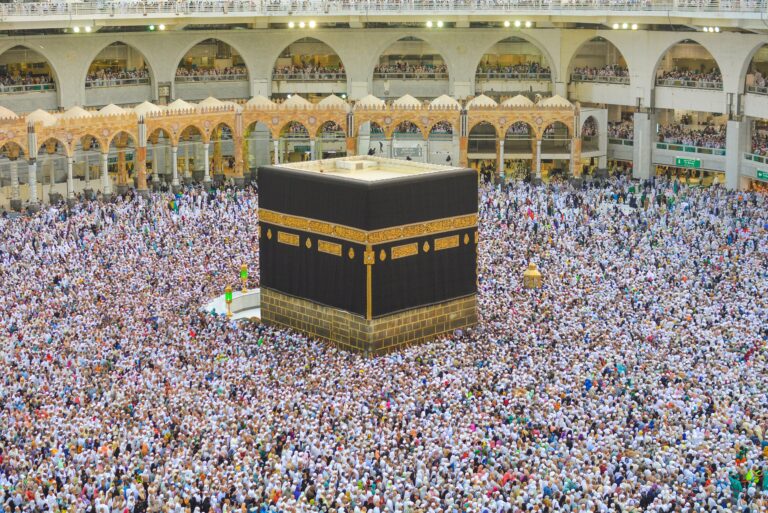
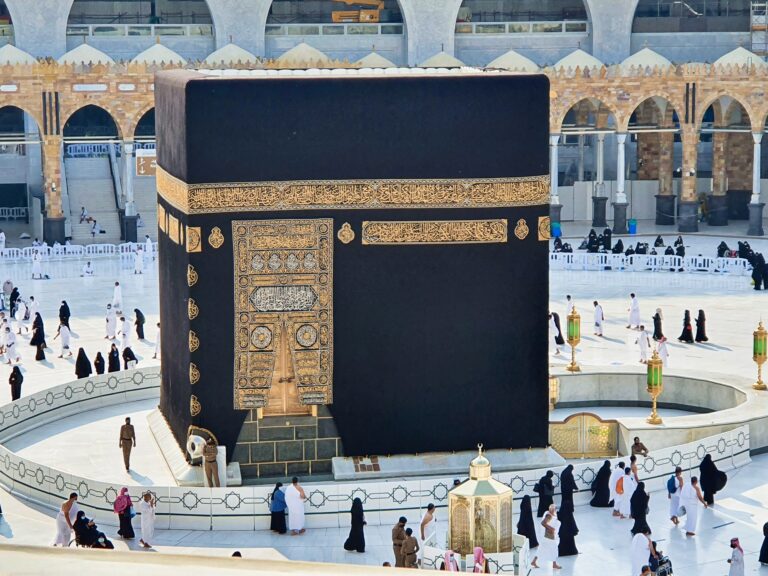
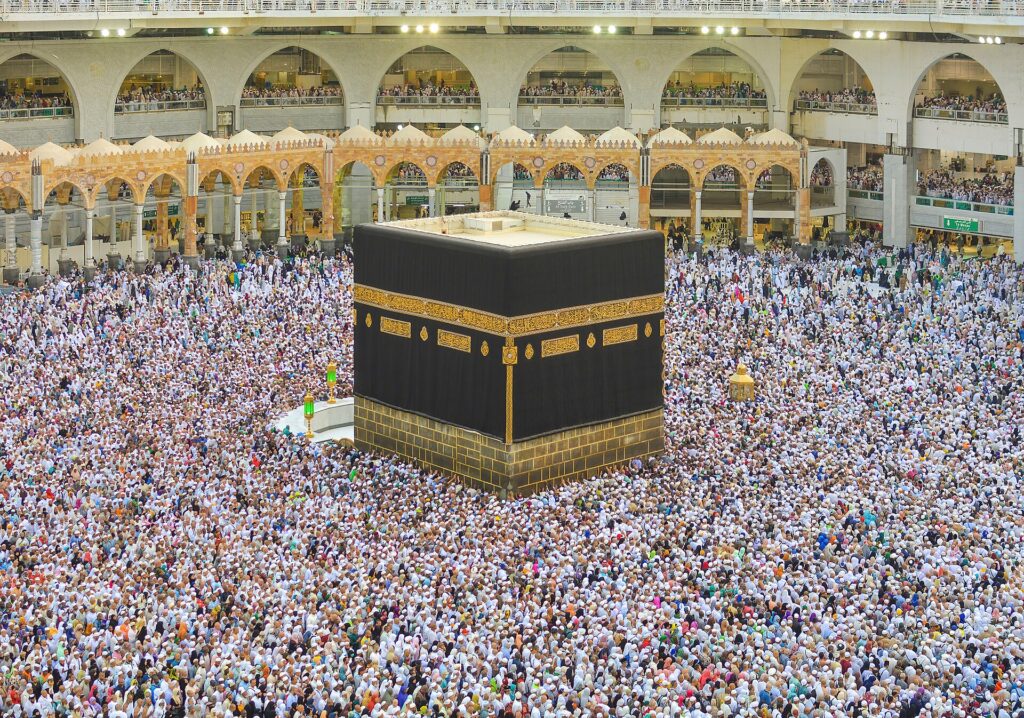
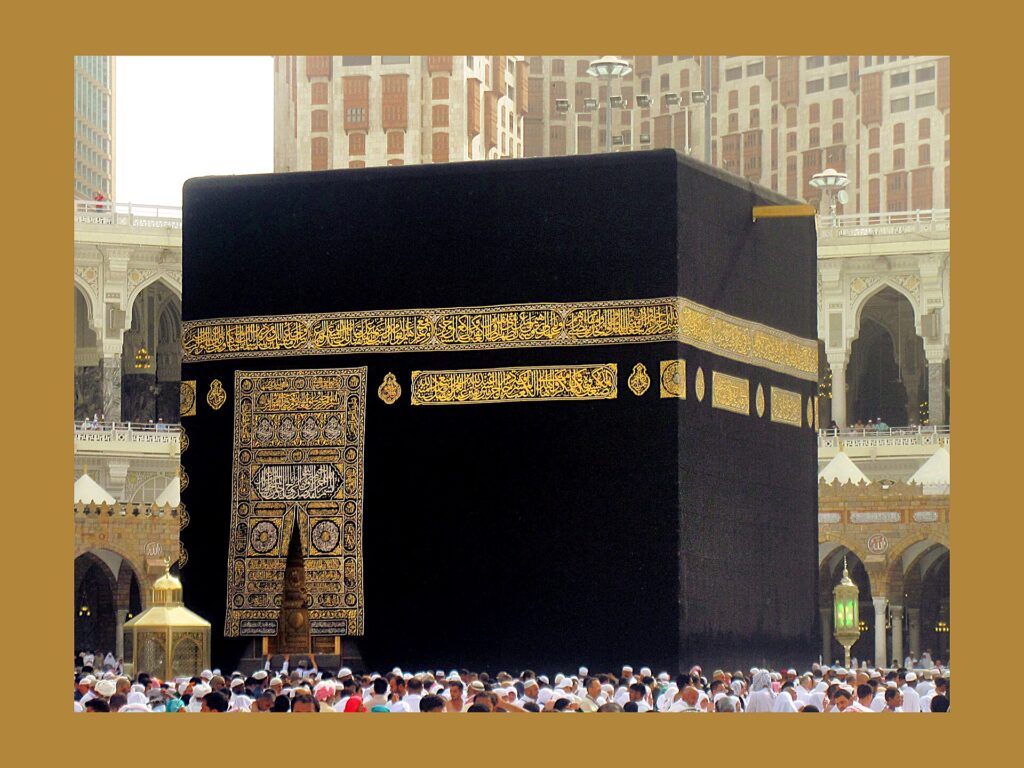
- The tawaf of visitation (ziyarah/ifadah): Circling the Kaaba seven times (seven shawt) during the days of Eid, after the standing at Arafat. It is the other pillar of Hajj.
The necessary acts of Hajj
- The standing at Muzdalifah: Being at Muzdalifah for a while between dawn and sunrise on the morning of Eid.
- Stoning the Jamarat (ramy al-jimar): Throwing pebbles in the prescribed manner at the large pillar on the first day of Eid, and at all three pillars on the following days.
- Sa’i: Going back and forth seven times (seven shawt) between the hills of Safa and Marwah, starting at Safa and finishing at Marwah.
- Shaving or trimming the hair (halq or taqsir): Shaving or shortening the hair in order to leave ihram.
- The farewell tawaf: The final tawaf performed by pilgrims coming from outside Makkah before they leave the city.
- The sacrifice of thanksgiving: The Hajj sacrifice that those performing Tamattu’ and Qiran Hajj are required to offer.
Types of Hajj: Ifrad, Tamattu’ and Qiran
There are three types of Hajj, depending on the way it is performed:
- Ifrad Hajj: Hajj performed by entering ihram for Hajj alone. In this type of Hajj, the sacrifice of thanksgiving is not necessary (wajib).
- Tamattu’ Hajj: During the months of Hajj, Umrah is performed first and the pilgrim leaves ihram, then enters ihram again for Hajj in the same year.
- Qiran Hajj: Ihram is entered for Umrah and Hajj together, and both are completed with the same ihram.
Which type of Hajj do pilgrims from Türkiye usually perform?
Groups travelling to Hajj from Türkiye mostly prefer Tamattu’ Hajj. With this method, the pilgrim first performs Umrah on arriving in Makkah and, by leaving ihram, remains free of the ihram restrictions until the Day of Tarwiyah. This makes long stays easier, especially for elderly pilgrims.
For the steps of Umrah, you can read our guide on how to perform Umrah.
How is Hajj performed? The Hajj rites day by day
Hajj consists of rites performed in a set order from the 8th of Dhu al-Hijjah onwards. The table below summarises the basic programme of a pilgrim performing Tamattu’ Hajj; since the times may vary according to the group’s plan, follow your guide’s directions.
| Day | Date (Dhu al-Hijjah) | What to do |
|---|---|---|
| Day of Tarwiyah | 8 Dhu al-Hijjah | Entering ihram for Hajj, setting off for Mina |
| Day of Arafah | 9 Dhu al-Hijjah | The standing at Arafat, supplication (dua) and remembrance (dhikr); moving on to Muzdalifah in the evening |
| Night at Muzdalifah | The night between the 9th and the 10th | Praying maghrib and isha together, spending the night there, the morning standing |
| 1st day of Eid | 10 Dhu al-Hijjah | Stoning the large pillar, the sacrifice, shaving or trimming the hair, the tawaf of visitation and sa’i |
| 2nd day of Eid | 11 Dhu al-Hijjah | Stoning the three pillars, staying in Mina |
| 3rd day of Eid | 12 Dhu al-Hijjah | Stoning the three pillars; those who wish may leave Mina |
| 4th day of Eid | 13 Dhu al-Hijjah (optional) | Stoning the three pillars, for those staying on in Mina |
| Before departure | Before leaving Makkah | The farewell tawaf |
Day of Tarwiyah (8 Dhu al-Hijjah): setting off for Mina
On this day, pilgrims performing Tamattu’ Hajj enter ihram in Makkah by making the intention for Hajj and reciting the talbiyah. It is Sunnah to go to Mina on the Day of Tarwiyah and to stay there until the morning of the Day of Arafah. Because of the crowds, groups may be taken directly to Arafat; this does not affect the validity of the Hajj.
Day of Arafah (9 Dhu al-Hijjah): the standing at Arafat
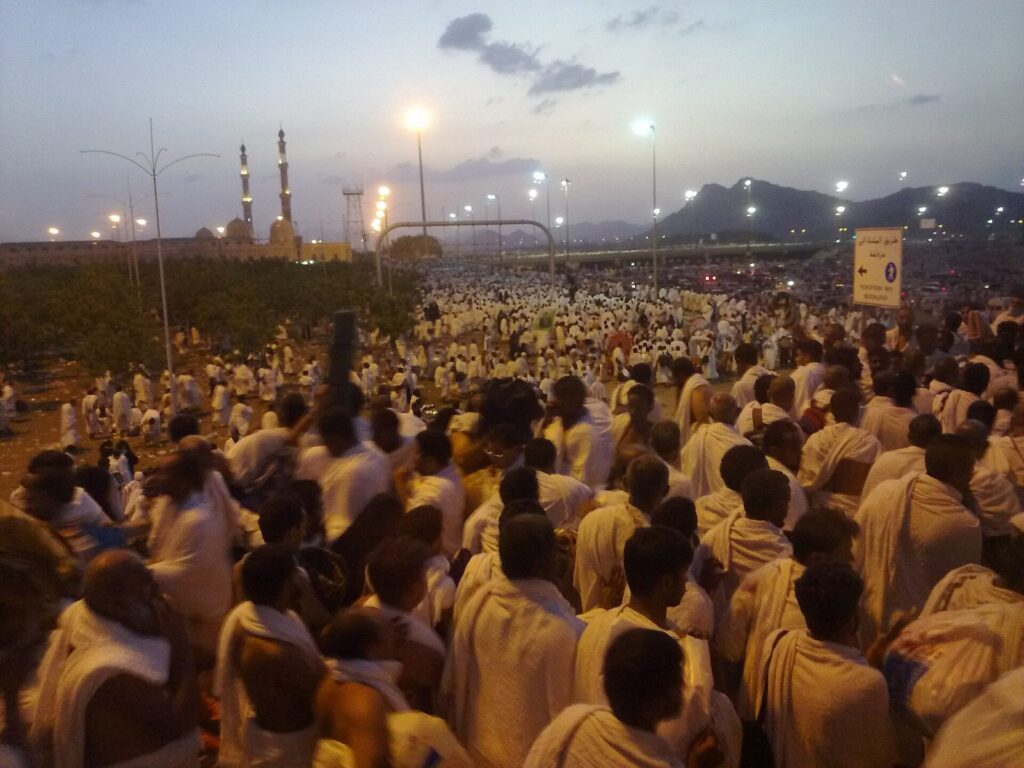
The time for the standing at Arafat, the most important pillar of Hajj, begins with the start of the midday prayer time. As the valley of Uranah, which adjoins Arafat, is not counted as part of Arafat, pay close attention to your group officials’ directions regarding the boundaries. You can ask your religious guide about the conditions in the Hanafi school for combining (jam’) the midday (dhuhr) and afternoon (asr) prayers. The standing is spent in supplication, remembrance of Allah and seeking forgiveness (istighfar); for supplications you can recite, see our article on Hajj supplications. After sunset, pilgrims set off for Muzdalifah.
The night and the standing at Muzdalifah
On reaching Muzdalifah, the maghrib and isha prayers are combined and prayed at the time of isha. The night is spent here, and on the morning of Eid, after dawn and before sunrise, the standing is performed for a while; according to the Hanafi school, this standing is necessary (wajib). It is stated that no penalty is required of those who are unable to perform the standing because of a valid excuse such as illness or old age. It is recommended (mustahabb) to collect at Muzdalifah the chickpea-sized pebbles that will be used for stoning the Jamarat; however, they may also be collected elsewhere.
The first day of Eid (10 Dhu al-Hijjah)
The first day of Eid is the busiest day of Hajj, and the rites are carried out in the following order:
- Stoning the large pillar: Seven pebbles are thrown at Jamrat al-Aqabah, each one separately. The talbiyah stops with the first pebble.
- The sacrifice: Those performing Tamattu’ and Qiran Hajj offer the sacrifice of thanksgiving themselves or have it offered on their behalf. Today, the slaughter is mostly carried out by proxy through authorised institutions.
- Shaving or trimming the hair: Men shave or shorten their hair, and women cut a small amount from the ends of their hair. With this, the ihram restrictions are lifted, except for marital intimacy.
- The tawaf of visitation and sa’i: Pilgrims go to Makkah and perform the tawaf of visitation; those performing Tamattu’ Hajj usually carry out the Hajj sa’i after this tawaf. With the tawaf of visitation, all of the ihram restrictions come to an end.
According to the Hanafi school, it is necessary (wajib) for those performing Tamattu’ and Qiran Hajj to keep to the order of stoning, sacrifice and shaving. The tawaf of visitation does not have to be performed on the first day of Eid; however, it must be completed within the first three days of Eid.
The days of Tashriq (11–13 Dhu al-Hijjah): stoning the three pillars
On the second and third days of Eid, seven pebbles each are thrown, in order, at the small pillar (al-Jamrat al-Ula), the middle pillar (al-Jamrat al-Wusta) and the large pillar (Jamrat al-Aqabah). According to the Hanafi school, it is Sunnah to spend the nights of these days in Mina. A pilgrim who has thrown their pebbles on the third day of Eid may leave Mina; however, a pilgrim who is still in Mina when the morning of 13 Dhu al-Hijjah arrives must also throw that day’s pebbles. On stoning times and the concessions granted because of crowding, follow the explanations given by Diyanet officials.
The farewell tawaf
Once the Hajj rites have been completed, pilgrims coming from outside Makkah perform the farewell tawaf before leaving the city. This tawaf is necessary (wajib) and is planned according to the group’s departure schedule. Women who are menstruating are not obliged to perform the farewell tawaf.
Notes for women, the elderly and the sick
In ihram, women may wear their normal sewn clothing; they cover their heads and keep their faces uncovered. They do not recite the talbiyah aloud, and they do not walk briskly (raml) during tawaf or move at a quickened pace (harwalah) during sa’i.
What should be done during menstruation?
Women who are menstruating may carry out all the rites other than tawaf, such as entering ihram, the standings at Arafat and Muzdalifah, and stoning the Jamarat. For tawaf, the basic rule is to wait until they have become ritually pure. In situations such as the return date falling before the tawaf of visitation, be sure to consult your group’s religious guide or Diyanet’s religious advisory services.
Can the elderly and the sick appoint a proxy for the stoning?
Pilgrims who cannot go to the Jamarat because of illness, old age or a serious impediment may have their pebbles thrown by someone else on their behalf. At each pillar, the proxy first throws their own pebbles and then those of the person who appointed them. Before deciding which situations count as a valid excuse, the best course is to consult Diyanet officials.
For people who will never be able to go to Hajj because of a permanent impediment, Diyanet’s explanations on “Hajj by proxy” (badal Hajj) can be consulted.
Common mistakes during Hajj
In Hajj, which is carried out over a few days in a crowded and hot environment, certain mistakes are frequently repeated:
- Using scented soap, cream or wet wipes while in ihram; cutting the nails or hair.
- Throwing all seven pebbles at once. According to the Hanafi school, pebbles thrown in a single go count as one pebble.
- Going to the Jamarat at the most crowded times and putting yourself and others in danger.
- Delaying the tawaf of visitation unnecessarily or forgetting the farewell tawaf.
- Not drinking enough water in the heat and neglecting to rest in the shade.
- Not carrying your group ID card and contact details with you.
Choosing the right organisation also reduces these risks. You can explore different accommodation and programme options on our Hajj tours page.
Visiting Madinah after Hajj
The visit to Madinah is not one of the rites of Hajj; however, visiting the mosque and the grave of the Prophet (peace be upon him) is a virtue that pilgrims eagerly look forward to. Depending on the programme, groups travel to Madinah before or after Hajj. Praying at the Prophet’s Mosque (Masjid an-Nabawi), making supplication in the Rawdah (ar-Rawdah al-Mutahharah), and seeing places such as Quba Mosque and Mount Uhud are important parts of this visit. Confirm the appointment system for visiting the Rawdah before you travel. For details, take a look at our article on places to visit in Madinah.
Preparation Timeline for the 2027 Hajj Season
The 2026 Hajj was completed at the end of May 2026; the 2027 Hajj is expected to fall in mid-May 2027. The exact dates of the Day of Tarwiyah and the Day of Arafah will be confirmed by the Diyanet calendar and by announcements from the Saudi authorities. It is therefore sensible for those intending to perform Hajj in 2027 to start preparing now.
- Registration and lottery: In Türkiye, both Hajj via the Diyanet lottery and private Hajj are subject to Diyanet’s registration and lottery process. Follow application dates, lottery results and fees through Diyanet’s official announcements; for more on the process, you can also see our Hajj via the Diyanet lottery page.
- Documents: Check your passport’s validity early and complete any missing paperwork using our list of documents required for Hajj.
- Health: For vaccination and health requirements, consult your family doctor or the travel health centres of Türkiye’s Ministry of Health. Prepare enough of the medication you take regularly to last the whole journey.
- Physical preparation and learning the rites: Gradually increase your walking pace, and go over the day-by-day programme several times before the journey.
Preparing for Hajj is not only about documents. Bear in mind that during the days of the rites you will spend long hours outdoors, and that the moves from Arafat to Muzdalifah and on to Mina will take place amid large crowds. Attending the briefing meetings organised by your group, carrying the day-by-day programme with you and agreeing on meeting points with your family members in advance will reduce the problems you may face on the ground. If you will be performing Tamattu’ Hajj, plan the days between Umrah and Hajj with a balance of worship and rest in mind.
Current practices you will encounter on the ground
During the Hajj season, entry to the holy sites is restricted for those without a Nusuk card and a Hajj permit, and sanctions are applied to attempts to perform Hajj without a permit; for this reason, keep your Nusuk card with you at all times throughout the rites. During the days of Hajj, the Mashair metro runs between Mina, Muzdalifah and Arafat; which pilgrims will use the metro, however, depends on the group’s plan. The Haramain High-Speed Railway is also an option for travel between Makkah and Madinah. As Saudi practices can change, confirm the current conditions with official sources and your travel agency before you travel.
Keep reading
- What Is the Standing at Arafat? Its Time, Ruling and How It Is Performed
- What Is Stoning the Jamarat and How Is It Done? A Guide to the Jamarat
- Documents Required for Hajj and a Preparation Checklist
Hajj is a journey whose preparation begins months in advance and which is remembered for a lifetime. At RotaNur, we are happy to answer your questions about preparing for Hajj; you can reach us through our contact page or our WhatsApp line. Remember to follow Diyanet’s current explanations on religious rulings. May Allah grant an accepted Hajj to everyone who intends to perform it.
Frequently Asked Questions
How many days does Hajj take?
The Hajj rites begin on the 8th of Dhu al-Hijjah and are completed on the 12th, or on the 13th for those who continue to stay in Mina; in other words, the main acts of worship are carried out within five or six days. Hajj programmes from Türkiye, however, usually last several weeks, including the outbound journey, the stays in Makkah and Madinah, and the return arrangements. The total length varies according to the organisation you choose and the flight plan.
Is Hajj valid if the standing at Arafat is missed?
No. The standing at Arafat is the most important pillar of Hajj; a person who is not present at Arafat, even for a brief moment, during the period from midday on the Day of Arafah until dawn on the morning of Eid has missed that year’s Hajj. According to the Hanafi school, this person leaves ihram by performing Umrah and makes up (qada) their Hajj in a later year. In such a situation, Diyanet officials should be consulted without delay.
How many pebbles are thrown in total when stoning the Jamarat?
According to the Hanafi school, seven pebbles are thrown at the large pillar on the first day of Eid, and on the second and third days seven pebbles at each of the three pillars, making twenty-one pebbles a day. A pilgrim who leaves Mina on the third day of Eid will have thrown a total of 49 pebbles, and a pilgrim who also performs the stoning on the fourth day will have thrown 70. The pebbles are chosen to be about the size of a chickpea, and each one is thrown separately; for details, see our guide to stoning the Jamarat.
Where and how is the Hajj sacrifice offered?
The sacrifice of thanksgiving, which is necessary (wajib) for those performing Tamattu’ and Qiran Hajj, is offered within the boundaries of the Haram during the days of Eid. According to the Hanafi school, this sacrifice must be offered after stoning the large pillar and before shaving or trimming the hair. Today, the slaughter is mostly carried out by proxy through authorised institutions. It is helpful to find out from your guide, before departure, which method your group uses and what the current practice is.
What is required if the farewell tawaf is not performed?
According to the Hanafi school, the farewell tawaf is necessary (wajib) for pilgrims coming from outside Makkah; if it is omitted without a valid excuse, a penalty sacrifice (dam) is required. A person who has left Makkah but has not yet crossed the miqat boundary may go back and perform this tawaf. Women who are menstruating are not obliged to perform the farewell tawaf. As the day of departure is a busy one, plan your tawaf in advance according to the group’s schedule.

Cihat Murat Yüksel is the editor of the RotaNur blog and the founder of Markention. Drawing on the sources of Türkiye's Presidency of Religious Affairs (Diyanet), he turns the questions travellers ask most about preparing for Umrah, Hajj and halal travel into clear, practical guides.
Questions answered in this article
Who is Hajj obligatory for?
Hajj is obligatory (fard) once in a lifetime for people who are Muslim, of sound mind, have reached puberty, are free and are financially able. Being financially able means having the means to cover the costs of the journey and the living expenses of those left behind, over and above one’s basic needs and debts.
What are the obligatory and necessary acts of Hajj?
According to the Hanafi school, Hajj has three obligatory (fard) acts: ihram, the standing at Arafat and the tawaf of visitation (ziyarah/ifadah). If one of the obligatory acts is omitted, the Hajj is not valid, and this deficiency cannot be made up with a penalty such as a sacrifice. Omitting one of the necessary (wajib) acts, on the other hand, does not invalidate the Hajj; however, unless there is a valid excuse, it requires a penalty.
Which type of Hajj do pilgrims from Türkiye usually perform?
Groups travelling to Hajj from Türkiye mostly prefer Tamattu’ Hajj. With this method, the pilgrim first performs Umrah on arriving in Makkah and, by leaving ihram, remains free of the ihram restrictions until the Day of Tarwiyah. This makes long stays easier, especially for elderly pilgrims.
What should be done during menstruation?
Women who are menstruating may carry out all the rites other than tawaf, such as entering ihram, the standings at Arafat and Muzdalifah, and stoning the Jamarat. For tawaf, the basic rule is to wait until they have become ritually pure. In situations such as the return date falling before the tawaf of visitation, be sure to consult your group’s religious guide or Diyanet’s religious advisory services.
Can the elderly and the sick appoint a proxy for the stoning?
Pilgrims who cannot go to the Jamarat because of illness, old age or a serious impediment may have their pebbles thrown by someone else on their behalf. At each pillar, the proxy first throws their own pebbles and then those of the person who appointed them. Before deciding which situations count as a valid excuse, the best course is to consult Diyanet officials.