





Contents 20 sections
- Can Umrah Be Performed at Any Time of the Year?
- The five days on which Umrah is makruh
- Umrah visas during the Hajj season
- Ramadan Umrah
- What is the virtue of performing Umrah in Ramadan?
- Crowds and planning for Ramadan Umrah
- Who Is Semester-Break Umrah Suitable For?
- Kandil Umrahs: Raghaib, Mi’raj and Bara’at
- When should you join a Kandil Umrah?
- Umrah by Climate: Summer and Winter
- Umrah in the summer months
- Umrah in the winter months
- Umrah in the transitional seasons
- Umrah Seasons Compared
- How Can You Balance Crowds and Budget?
- Should you choose a 10-day or a 14-day programme?
- Umrah Calendar and Current Notes for the 2026–2027 Season
- The busy period between December 2026 and March 2027
- Keep reading
- Frequently Asked Questions
There is no single answer that applies to everyone to the question of when to go for Umrah; with a few exceptions, Umrah can be performed at almost any time of the year. The best time for Umrah varies from person to person, depending on the spiritual atmosphere of the worship, the climate, the crowds, your budget and the length of your leave. In this guide, we look one by one at the Ramadan, semester-break (Türkiye’s mid-year school holiday) and kandil (blessed nights) periods, the summer and winter climate, and the days on which Umrah is not performed, to make it easier for you to choose the season that suits you best.
Can Umrah Be Performed at Any Time of the Year?
Yes, Umrah is not tied to a specific time and can be performed for most of the year. However, according to the Hanafi school, there are five days on which performing Umrah is makruh tahrimi (prohibitively disliked), and Umrah visas are not issued during the Hajj season. Apart from these two exceptions, the choice of season depends entirely on your personal priorities.
The five days on which Umrah is makruh
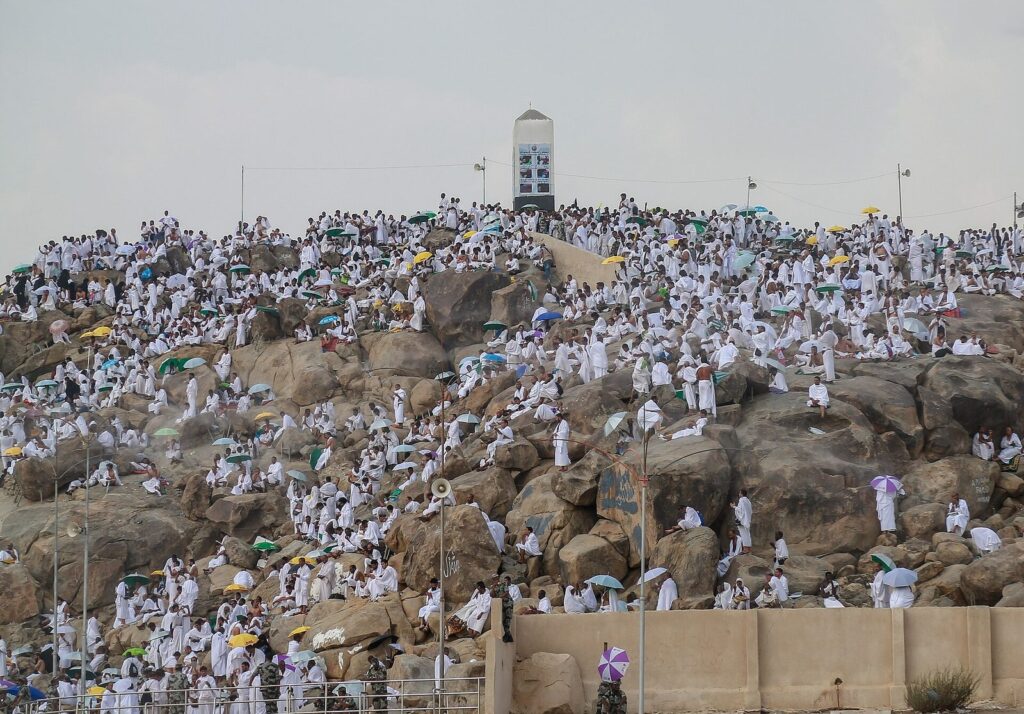
According to the Hanafi school, which Diyanet (Türkiye’s Presidency of Religious Affairs) also follows, performing Umrah on the Day of Arafah (9 Dhu al-Hijjah) and on the four days of Eid al-Adha (10, 11, 12 and 13 Dhu al-Hijjah) is makruh tahrimi. These are the days on which the Hajj rites are carried out most intensively; for this reason, entering ihram for Umrah and performing Umrah should be avoided on these dates. For details on this subject, you can refer to Diyanet’s current fatwas.
Umrah visas during the Hajj season
To ensure that the Hajj season can run safely and smoothly, Saudi Arabia temporarily stops issuing Umrah visas from a certain date every year and sets a deadline by which Umrah visitors must leave the country. Umrah visits resume after the Hajj season. As these dates are announced separately by the Saudi authorities each year, confirm the current conditions before you travel.
Ramadan Umrah
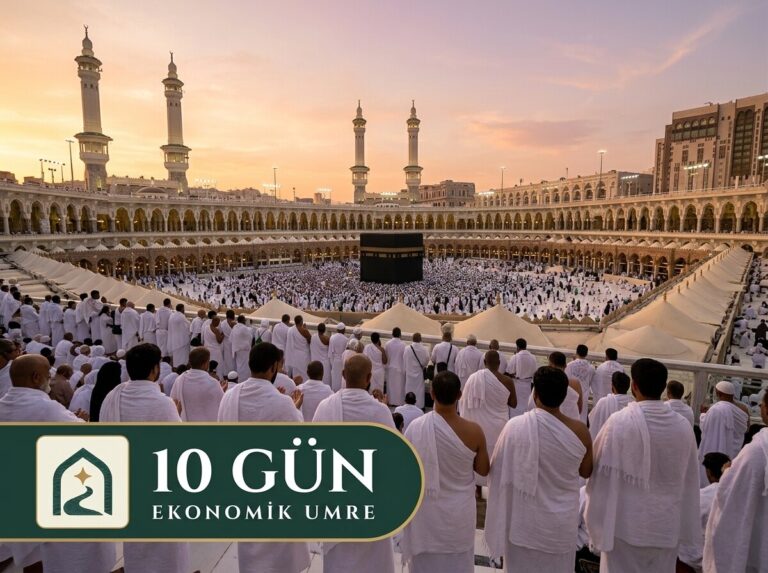
Ramadan is the period that many Muslims choose first for Umrah. Worshipping while fasting, praying tarawih at the Haram and, especially in the last ten days, seeking Laylat al-Qadr (the Night of Power) in the same rows as Muslims from every corner of the world give this period a unique spiritual depth.
What is the virtue of performing Umrah in Ramadan?
The Prophet (peace be upon him) stated that an Umrah performed in the month of Ramadan is equal to a Hajj in reward: “An Umrah performed in Ramadan is equal to a Hajj.” (Bukhari, Umrah; Muslim, Hajj). This equivalence relates to reward; a Ramadan Umrah does not take the place of Hajj, which is obligatory (fard) for anyone who is able to perform it.
Crowds and planning for Ramadan Umrah
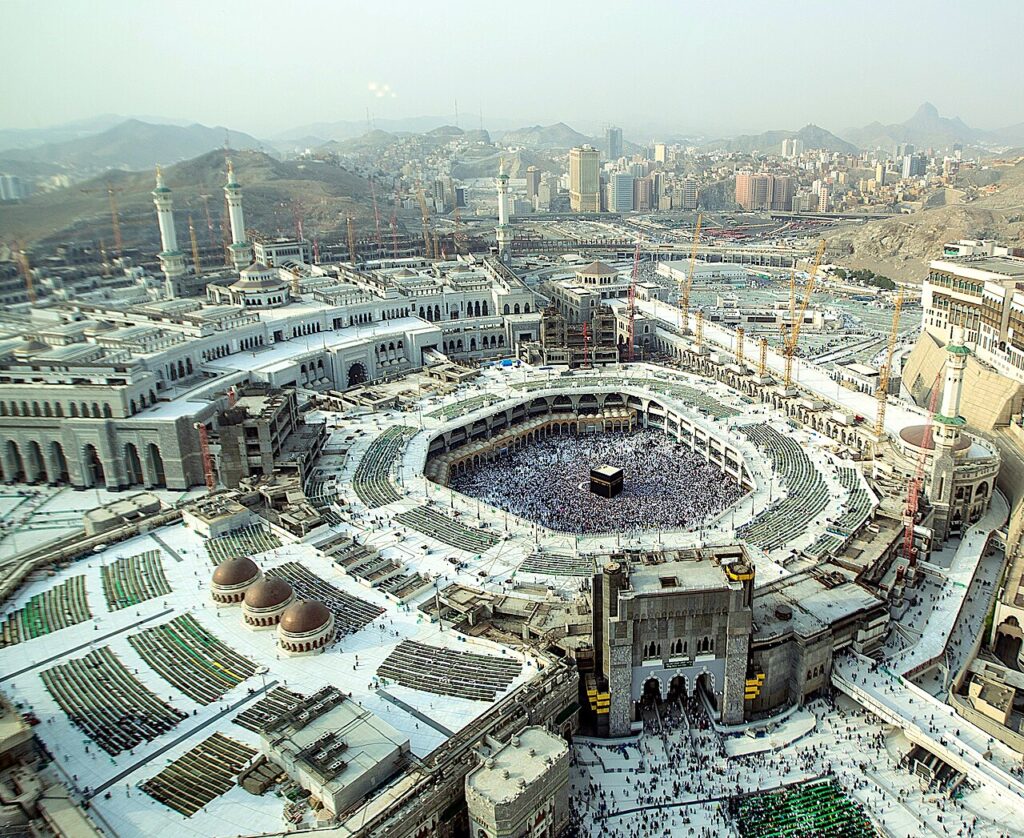
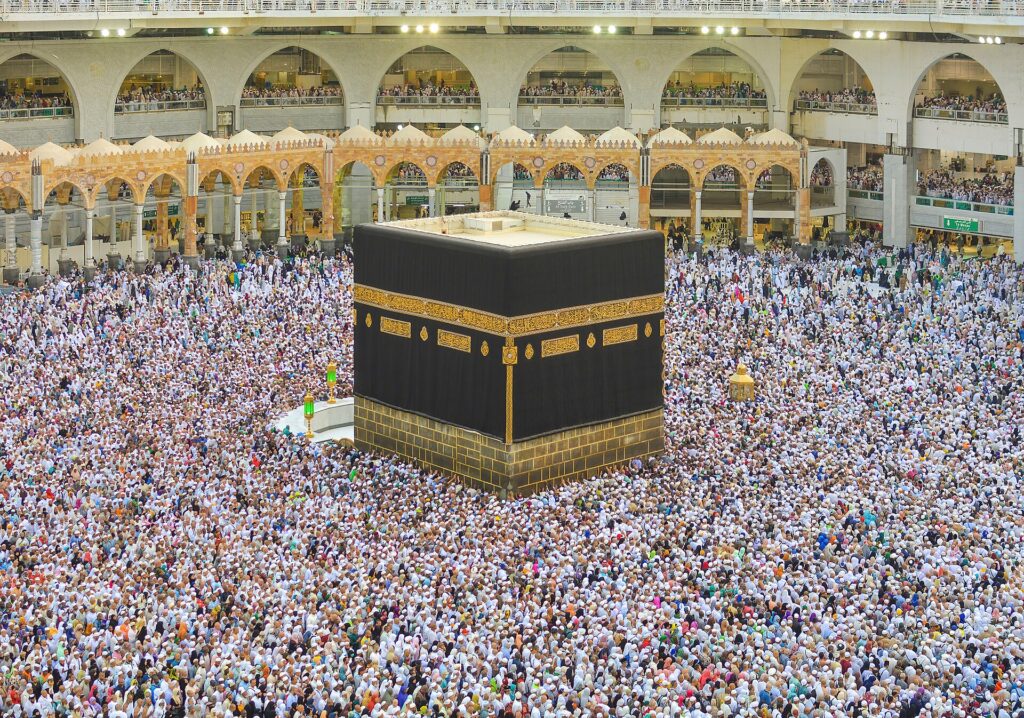
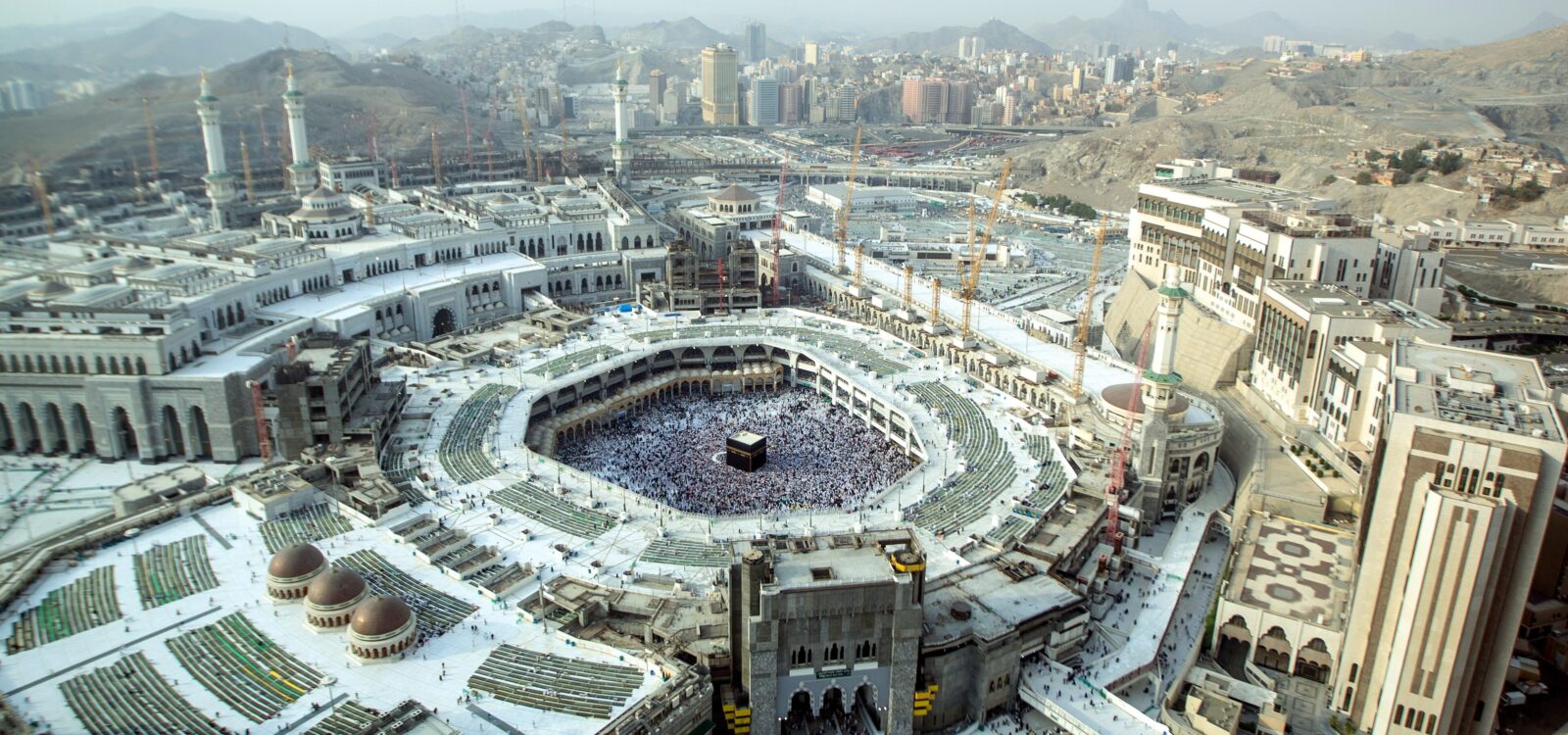
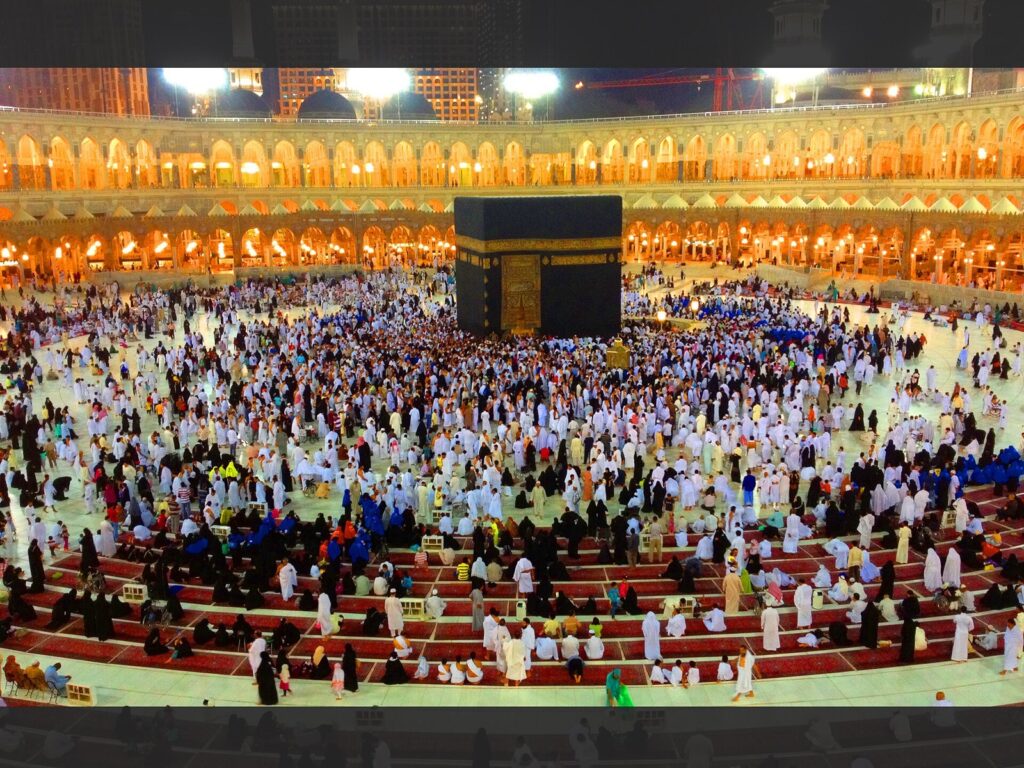
Ramadan is the busiest Umrah period of the year; the last ten days in particular are the time when Masjid al-Haram and the Prophet’s Mosque (Masjid an-Nabawi) are at their most crowded. As it becomes difficult to find rooms in hotels close to the Haram, it is important to plan early. Since long walks combined with fasting can be tiring, it is advisable for elderly guests and those with chronic health conditions to choose their programme with this in mind.
Because Ramadan follows the Hijri calendar, it moves about 10–11 days earlier in the Gregorian calendar every year. In years when Ramadan falls in the winter months, it may coincide with the semester holiday, and the crowds grow even larger. You can explore programme options on our Ramadan Umrah page.
Who Is Semester-Break Umrah Suitable For?
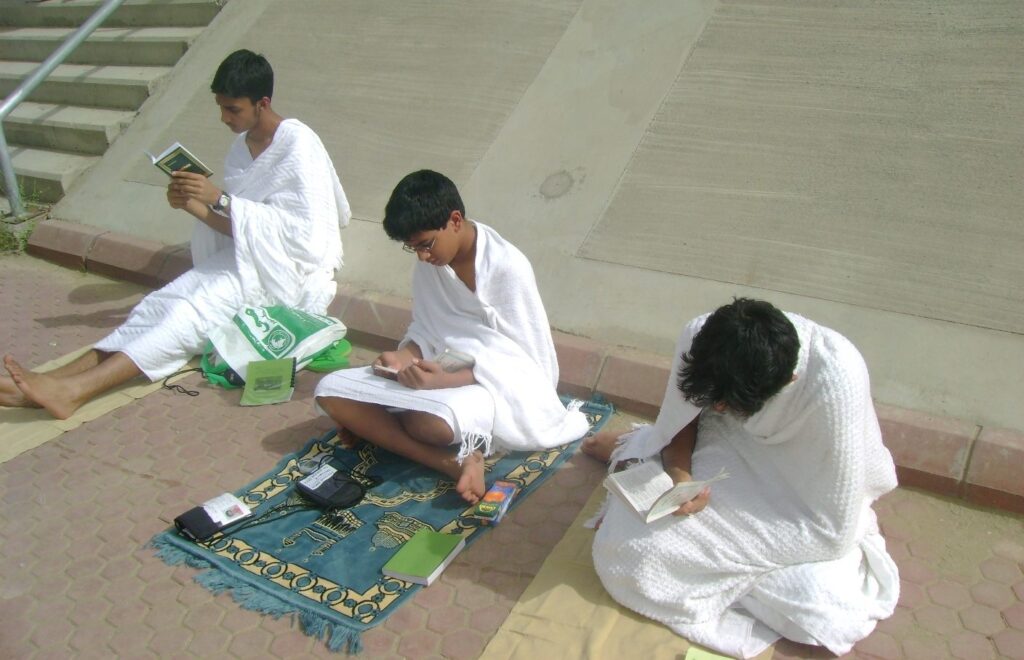
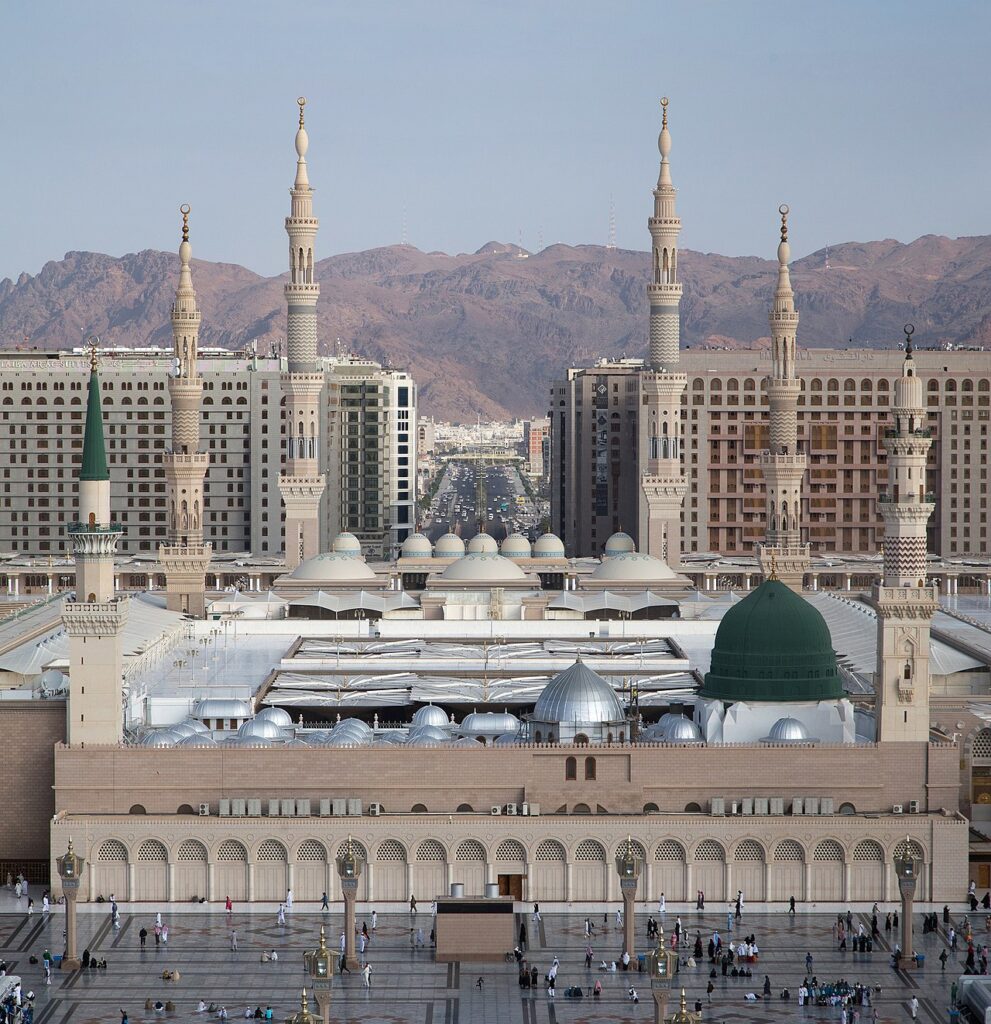
Semester-break Umrah is one of the most practical options for families who want to go for Umrah with their children, as well as for teachers and students. As the mid-year school holiday falls in the winter months, the weather in Makkah and Madinah is relatively mild. Because family demand rises during this period, booking early is an advantage.
The dates of the mid-year holiday are announced for each academic year by Türkiye’s Ministry of National Education; we recommend making your plans according to this calendar. When travelling with children, paying attention to the following points will make things easier:
- Make sure your children carry a card or wristband with their name and contact details.
- Agree in advance on a meeting point in case you are separated in the crowds at the Haram.
- Plan tawaf and sa’i for the hours when the crowds are relatively thinner.
- Explain the meaning of Umrah to your children in simple language before the journey.
You can find our programmes suited to the holiday period on our semester-break Umrah page.
Kandil Umrahs: Raghaib, Mi’raj and Bara’at
The months of Rajab, Sha’ban and Ramadan, known as the three sacred months, are a time of heightened spiritual preparation. The Night of Raghaib is the night preceding the first Friday of Rajab, the Night of Mi’raj is the 27th night of Rajab, and the Night of Bara’at is the 15th night of Sha’ban. For many guests, spending these nights in Makkah or Madinah gives Umrah a special meaning.
When should you join a Kandil Umrah?
Kandil Umrah programmes are usually planned so that the blessed night is spent in Makkah or Madinah. As kandil dates are determined by the Hijri calendar, they fall on different days in the Gregorian calendar every year. For the exact dates, the calendar of religious days published by Diyanet should be followed.
The kandil nights are not observed as an official programme in Saudi Arabia; however, spending these nights at the Haram in prayer, supplication and recitation of the Quran is very precious for our guests. For current programmes, take a look at our Kandil Umrah page.
Umrah by Climate: Summer and Winter
Makkah and Madinah have a desert climate; the choice of season directly affects how comfortably you can carry out your worship.
Umrah in the summer months
In Makkah and Madinah, temperatures climb to very high levels in the summer months, and daytime readings above 40 degrees Celsius are common. During this period, it is very important to plan tawaf and sa’i for the early morning or the night, to drink plenty of water, to use an umbrella and to protect yourself from the sun. Although summer is convenient for those who can take their leave in these months, it can be challenging for people who are sensitive to heat.
Umrah in the winter months
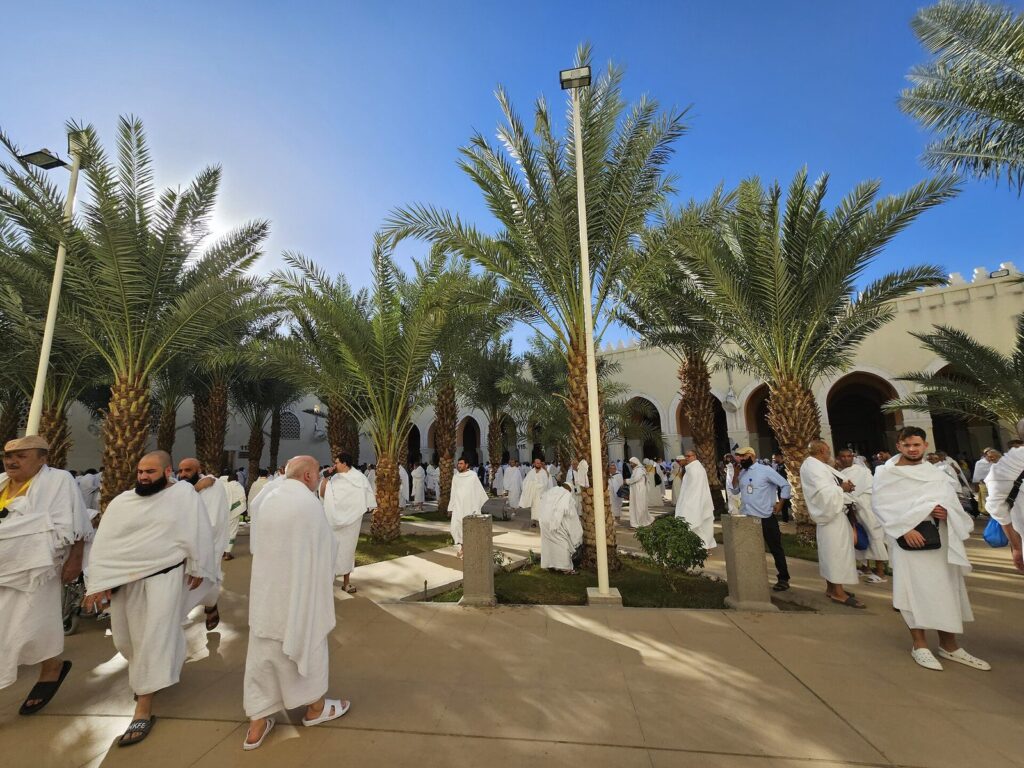
Between November and February, days in Makkah are generally mild, while in Madinah the nights in particular can be cool. Because this climate makes long walks more comfortable, it is generally regarded as the most comfortable period for elderly guests and for those going for Umrah for the first time. Remember to take a light cardigan or jacket with you for Madinah.
Umrah in the transitional seasons
In transitional months such as March–April and October–November, the weather gradually warms up or cools down. These periods can be a balanced alternative for those who want to avoid the summer heat but would also rather not coincide with the high-demand dates of winter. However, be sure to check at the planning stage whether Ramadan and the Hajj season, which follow the Hijri calendar, overlap with the dates you have chosen.
Umrah Seasons Compared
The table below has been prepared to help you compare the seasons in general terms. Since the Gregorian dates of the periods tied to the Hijri calendar change every year, treat the table as a starting guide.
| Season | Climate | Crowds | Best suited to |
|---|---|---|---|
| Ramadan | Varies by year (Hijri calendar) | Very high | Those who prioritise the spiritual atmosphere and wish to worship while fasting |
| Semester break (January–February) | Mild; cool nights in Madinah | High | Families with children, teachers and students |
| Kandil periods (Rajab–Sha’ban) | Varies by year (Hijri calendar) | Medium to high | Those who wish to spend the blessed nights at the Haram |
| Winter (November–February) | Mild and comfortable | Medium | Elderly guests and first-time Umrah travellers |
| Summer (June–August) | Very hot | Varies with the Hajj calendar | Those who cope well with heat and take their leave in summer |
| Off-peak periods | Varies by season | Relatively low | Those looking for a calm atmosphere and a balanced budget |
How Can You Balance Crowds and Budget?
During the high-demand periods of Ramadan, the semester holiday and the kandil nights, accommodation and flight options fill up more quickly, and prices generally rise accordingly. If you are looking for a calm atmosphere for worship and a more balanced budget, it may make sense to consider dates outside these busy periods. Whichever period you choose, planning early gives you more options when it comes to hotels and flights.
- If a hotel close to the Haram is a priority for you, make your decision early for the busy periods.
- For elderly guests or those with walking difficulties, the off-peak winter period is a good choice in terms of both climate and crowds.
- If budget is your priority, look at dates outside the Eid, school holiday and kandil periods.
- As visa, flight and accommodation conditions can change from one period to another, confirm the current conditions before you travel.
Should you choose a 10-day or a 14-day programme?
If your leave is limited and you would like an intensive yet productive programme, 10-day programmes are a suitable option. If you would prefer to move at a calmer pace, spend more time in Makkah and Madinah and be able to rest between acts of worship, 14-day programmes offer a more relaxed experience. For elderly guests and first-time Umrah travellers in particular, a longer programme is an advantage when it comes to managing fatigue.
You can compare the options prepared according to programme length on our 10-day Umrah and 14-day Umrah pages. For both programmes, we recommend looking at details such as the number of days to be spent in Makkah and Madinah, the flight times and the hotel location.
Umrah Calendar and Current Notes for the 2026–2027 Season
The 2026 Hajj was completed at the end of May 2026, and the Hijri year 1448 began in mid-June 2026. The Umrah season, which resumed after Hajj, is turning into a busy calendar over the coming months, with the kandil, semester-break and Ramadan periods following one after another. The table below gives a general outline of the period from September 2026 to summer 2027. Dates tied to the Hijri calendar are estimated; for the exact days, follow the calendar of religious days published by Diyanet.
| Period (estimated) | Key feature | Point to note |
|---|---|---|
| September – November 2026 | The post-Hajj Umrah season; the weather gradually cools | Daytime temperatures may still be high in September and October |
| December 2026 – January 2027 | The start of the three sacred months; the Raghaib, Mi’raj and Bara’at nights | Check the dates of the kandil nights in the Diyanet calendar |
| Second half of January 2027 | Semester holiday | Family demand is high; planning early is an advantage |
| February – early March 2027 | Ramadan Umrah | The busiest period of the year; the last ten days are especially crowded |
| Mid-Shawwal – May 2027 | Hajj preparations and the 2027 Hajj | The issuing of new Umrah visas may be temporarily suspended |
| June – August 2027 | Umrah is expected to resume after Hajj | Summer heat; plan tawaf and sa’i for the cooler hours |
The busy period between December 2026 and March 2027
This season, the three sacred months begin in December 2026, and the kandil nights fall between December 2026 and January 2027. The mid-year school holiday is in the second half of January 2027, and Ramadan is expected to begin in the first half of February 2027. This proximity means that demand for kandil, semester-break and Ramadan trips arrives in quick succession. If a hotel close to the Haram is a priority for you, it is wise to make your decision for this period early. Those who prefer off-peak dates, meanwhile, may have the chance to worship in a calmer atmosphere.
- The visit to the Rawdah (ar-Rawdah al-Mutahharah) is made by an appointment booked through the Nusuk app, and limits may be placed on how often appointments can be made; during busy periods, plan your Madinah programme accordingly and check your appointment status before you arrive in Madinah.
- In previous years, the issuing of new Umrah visas was temporarily suspended from mid-Shawwal onwards; since a similar practice can be expected in 2027, those planning Umrah after Ramadan should confirm their dates early.
- The 2027 Hajj is expected to fall in mid-May 2027; for details about the Hajj period, take a look at our article on the 2027 Hajj calendar.
- The covering of the Kaaba (kiswah) used to be changed on the Day of Arafah, but since 2022 it has been changed every year at the start of the Hijri year (1 Muharram); those travelling in the summer months after Hajj may wish to bear this date in mind when planning their programme.
For those on shorter programmes, the transport plan is as important as the choice of season. The Haramain High-Speed Railway, which runs between Makkah and Madinah via Jeddah, can shorten intercity journeys and help you devote more time to worship. The Hira Cultural District at the foot of Jabal al-Nour is also open to visitors, with its Revelation exhibition; it is easier to add this site to your programme in the cooler months, when walking is more comfortable.
As the Saudi authorities’ practices regarding visas, permits and health requirements can change, confirm the current conditions with official sources and your travel agency before you travel. You can explore the options prepared for each period on our Umrah tours page, and together with RotaNur you can decide on the date that suits you best.
Keep reading
- How Many Days Does Umrah Take? How Long Should Your Umrah Programme Be?
- How to Get an Umrah Visa: Required Documents, Processing Time and Validity
- What Are the Ihram Restrictions? The Restrictions, Their Penalties and What to Watch Out For
Choosing the right time is the first step towards a more peaceful and fulfilling Umrah. At RotaNur, we are happy to work out together the period that suits you and your family best. You can send us your questions through our contact page or our WhatsApp line.
Frequently Asked Questions
What is the quietest time for Umrah?
Dates outside Ramadan, the semester holiday and the kandil periods are generally quieter. This season, as demand for kandil, semester-break and Ramadan trips arrives in quick succession between December 2026 and March 2027, off-peak months such as October and November can be a relatively quiet alternative. As crowd levels change from year to year, review flight and hotel availability together with your travel agency before choosing your dates.
When does Ramadan Umrah fall in 2027?
In 2027, the month of Ramadan is expected to begin in the first half of February 2027 and to end in early March 2027. Ramadan Umrah programmes are planned around this period, and programmes that cover the last ten days are in higher demand. For the exact start and end dates, follow the Diyanet calendar; you can find current options on our Ramadan Umrah page.
When should you go to spend Laylat al-Qadr at the Haram?
For those who wish to spend Laylat al-Qadr at the Haram, the best choice is a programme that covers the last ten days of Ramadan. Laylat al-Qadr is accepted to be within these days; in Türkiye, the 27th night of Ramadan is observed as Laylat al-Qadr. In 2027, the last ten days are expected to fall between the end of February and the beginning of March. As this is the most crowded time at the Haram, plan early.
How far in advance should you start planning Umrah?
For busy periods, starting to plan a few months in advance gives you more choice of hotels close to the Haram and of suitable flights. For off-peak dates, a shorter preparation period may be enough. Include your passport’s validity, your vaccinations and health checks, and your leave arrangements in this timeline as well. As visa and health requirements can change, confirm the current conditions with official sources before you travel.
Can you go for Umrah during the Eid holiday?
The Eid al-Fitr holiday can be a good opportunity for Umrah for those who want to make the most of their leave; in 2027, this Eid is expected to fall at the beginning of March. However, the last days of Ramadan and the Eid itself are among the most crowded times at the Haram. Eid al-Adha, on the other hand, coincides with the Hajj season and is therefore not suitable for Umrah plans; according to the Hanafi school, performing Umrah on the Day of Arafah and the four days of Eid is makruh tahrimi (prohibitively disliked).

Cihat Murat Yüksel is the editor of the RotaNur blog and the founder of Markention. Drawing on the sources of Türkiye's Presidency of Religious Affairs (Diyanet), he turns the questions travellers ask most about preparing for Umrah, Hajj and halal travel into clear, practical guides.
Questions answered in this article
Can Umrah Be Performed at Any Time of the Year?
Yes, Umrah is not tied to a specific time and can be performed for most of the year. However, according to the Hanafi school, there are five days on which performing Umrah is makruh tahrimi (prohibitively disliked), and Umrah visas are not issued during the Hajj season. Apart from these two exceptions, the choice of season depends entirely on your personal priorities.
What is the virtue of performing Umrah in Ramadan?
The Prophet (peace be upon him) stated that an Umrah performed in the month of Ramadan is equal to a Hajj in reward: “An Umrah performed in Ramadan is equal to a Hajj.” (Bukhari, Umrah; Muslim, Hajj). This equivalence relates to reward; a Ramadan Umrah does not take the place of Hajj, which is obligatory (fard) for anyone who is able to perform it.
Who Is Semester-Break Umrah Suitable For?
Semester-break Umrah is one of the most practical options for families who want to go for Umrah with their children, as well as for teachers and students. As the mid-year school holiday falls in the winter months, the weather in Makkah and Madinah is relatively mild. Because family demand rises during this period, booking early is an advantage.
When should you join a Kandil Umrah?
Kandil Umrah programmes are usually planned so that the blessed night is spent in Makkah or Madinah. As kandil dates are determined by the Hijri calendar, they fall on different days in the Gregorian calendar every year. For the exact dates, the calendar of religious days published by Diyanet should be followed.
How Can You Balance Crowds and Budget?
During the high-demand periods of Ramadan, the semester holiday and the kandil nights, accommodation and flight options fill up more quickly, and prices generally rise accordingly. If you are looking for a calm atmosphere for worship and a more balanced budget, it may make sense to consider dates outside these busy periods. Whichever period you choose, planning early gives you more options when it comes to hotels and flights.
Should you choose a 10-day or a 14-day programme?
If your leave is limited and you would like an intensive yet productive programme, 10-day programmes are a suitable option. If you would prefer to move at a calmer pace, spend more time in Makkah and Madinah and be able to rest between acts of worship, 14-day programmes offer a more relaxed experience. For elderly guests and first-time Umrah travellers in particular, a longer programme is an advantage when it comes to managing fatigue.