






Contents 19 sections
- The Meaning of the Word Umrah
- What does the word Umrah mean?
- Umrah in the Qur’an and the Sunnah
- The Ruling of Umrah: Obligatory or Sunnah?
- Is Umrah obligatory or Sunnah?
- The Obligatory, Necessary and Sunnah Acts of Umrah
- When Is Umrah Performed?
- Can Umrah be performed on any day of the year?
- How Many Times Can Umrah Be Performed?
- How many times is Umrah performed?
- The Types of Umrah
- The Differences Between Umrah and Hajj
- Does a person who performs Umrah become a hajji?
- What Do You Need to Go on Umrah?
- Do you need to enter a lottery to go on Umrah?
- The Two Cities of the Umrah Journey: Makkah and Madinah
- Is it necessary to go to Madinah during Umrah?
- Why Is Umrah Performed? Its Spiritual Meaning
- Frequently Asked Questions
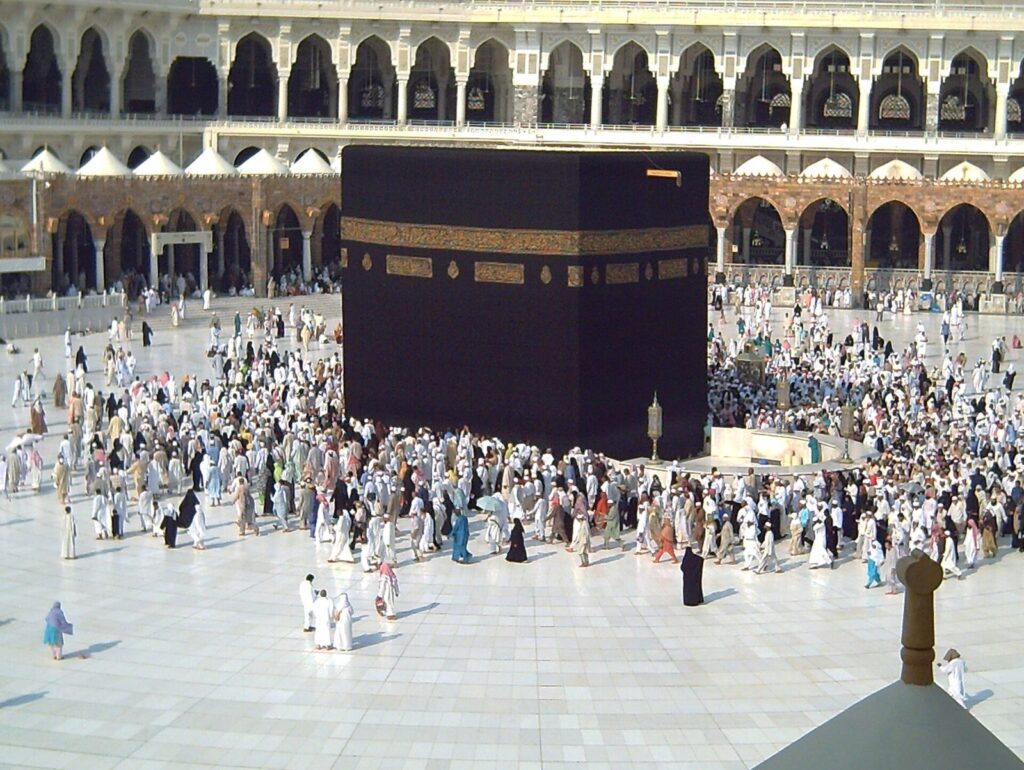
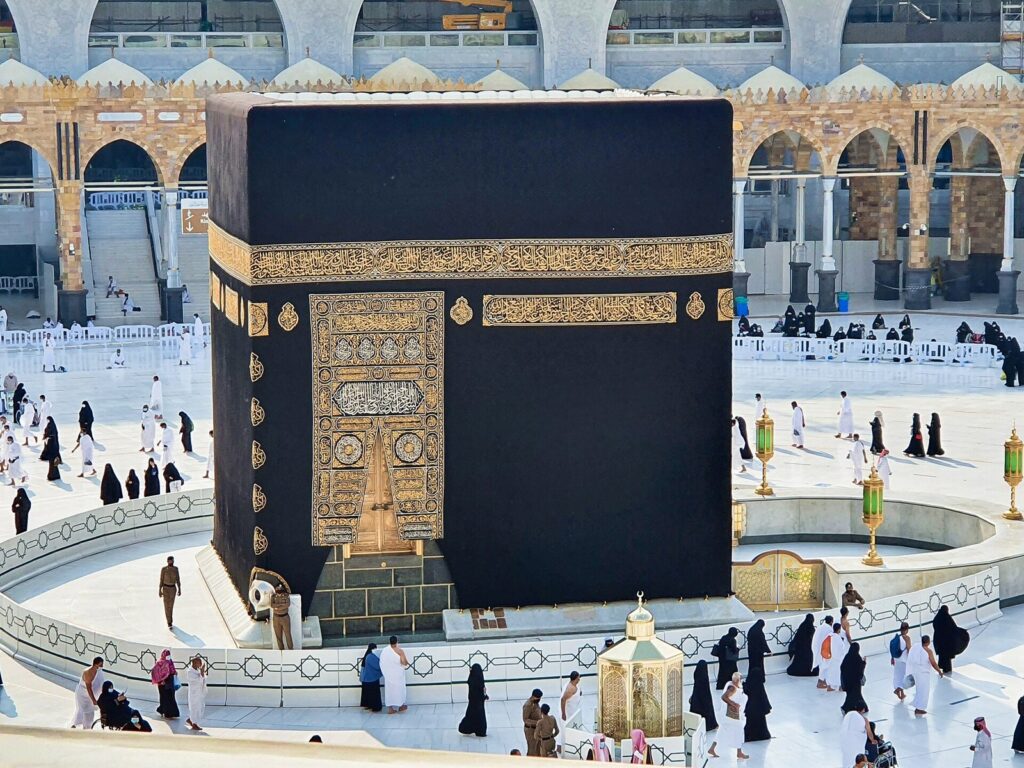
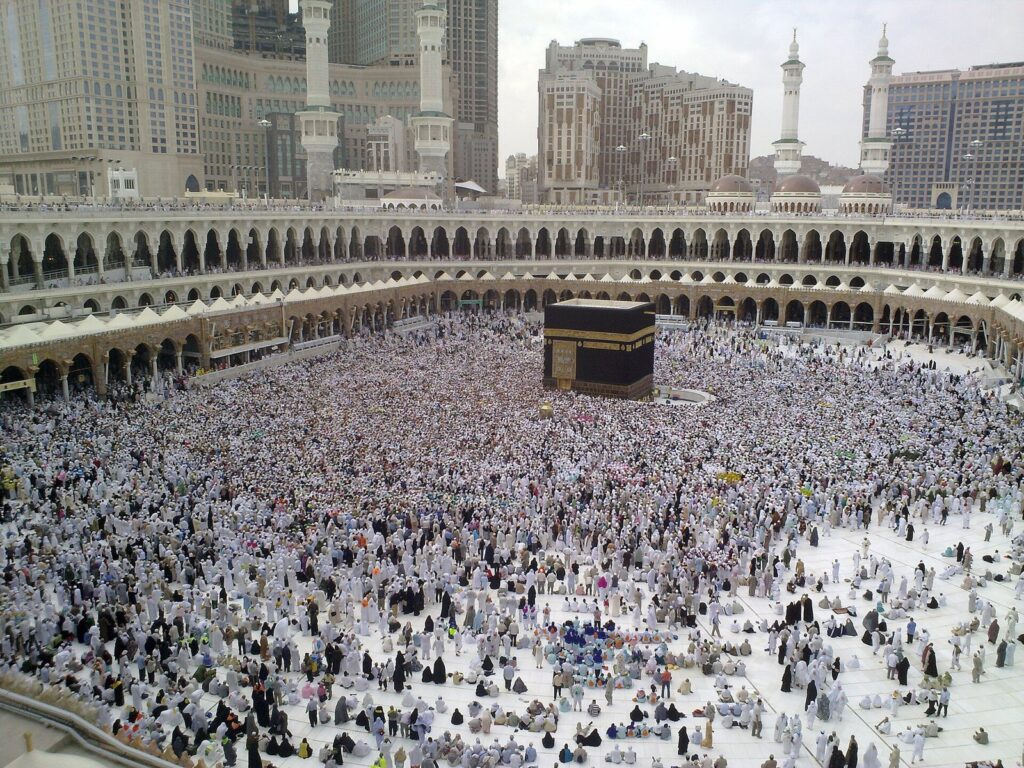
The short answer to what is Umrah is an act of worship meaning “to visit the Kaaba” that is not tied to a particular time; but the meaning of the word Umrah, its place in the Qur’an and Sunnah, its ruling, its timing and its virtues are far richer than this short answer. In this article we answer the question of what Umrah is from beginning to end, following the approach of Diyanet (Türkiye’s Presidency of Religious Affairs): the origin of the word, the Umrahs of the Prophet (peace be upon him), the obligatory and necessary acts of Umrah, when it can be performed, how many times it can be performed, its types, its differences from Hajj and what is needed to go on Umrah. Because we explain how Umrah is performed step by step in a separate guide, here we focus on the meaning and framework of the worship.
The Meaning of the Word Umrah
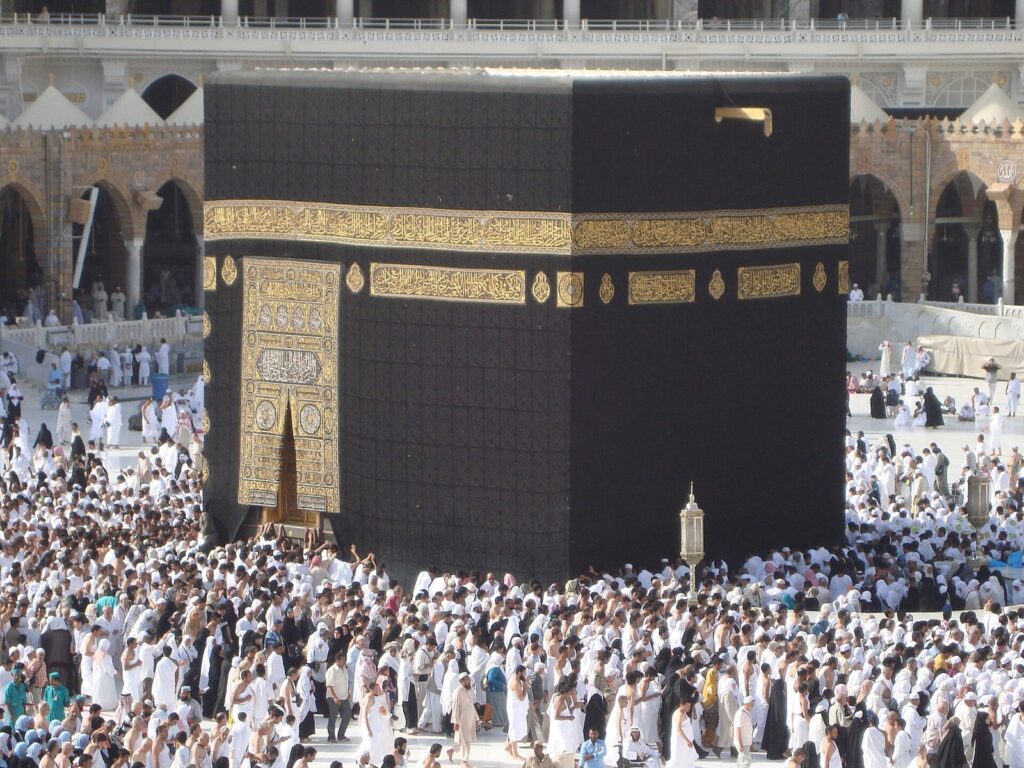
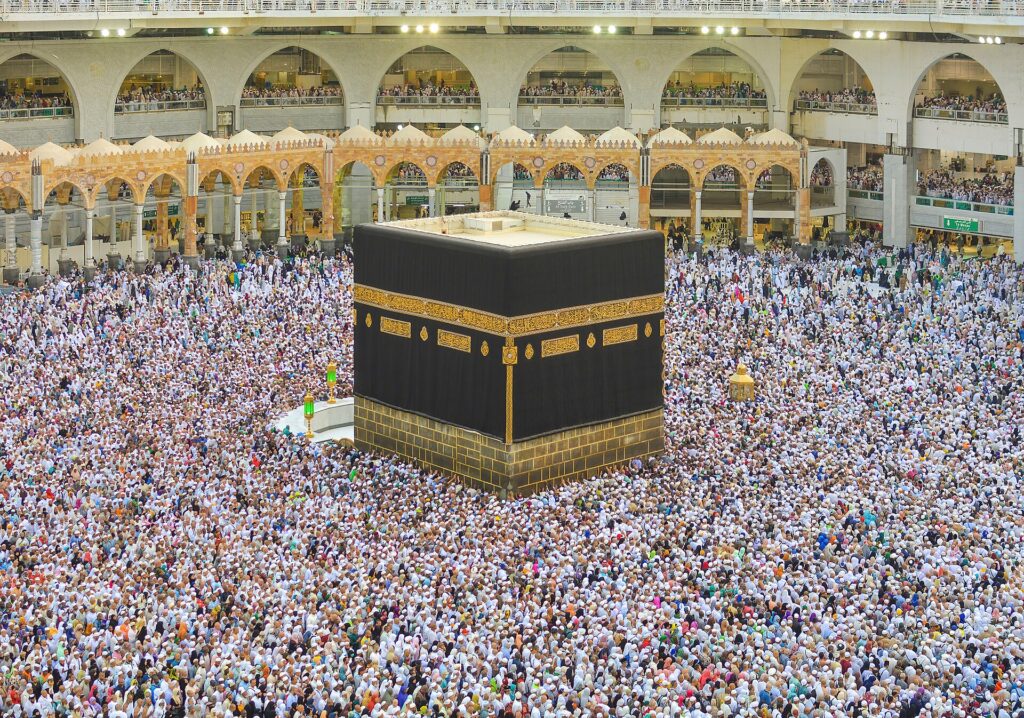
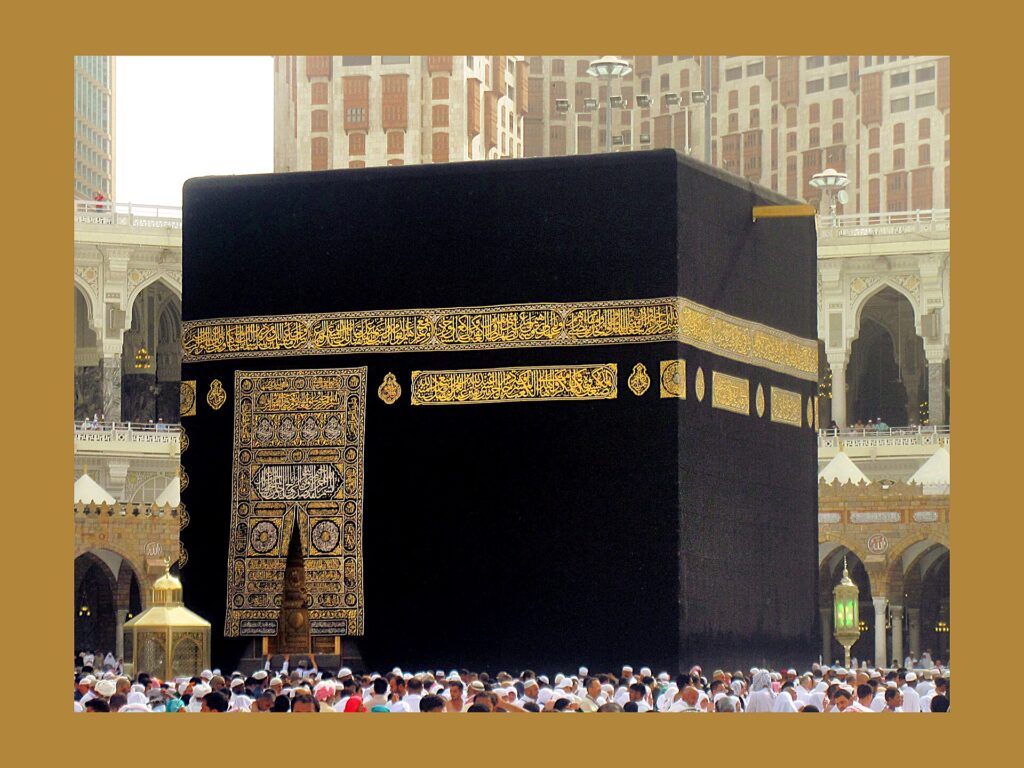
Umrah derives from the Arabic root “a-m-r”; this root carries the meanings of “to bring a place to life, to make it prosperous, to visit”, and shares a family with the Turkish words for development, lifespan and prosperity. In the dictionary Umrah means “visit”; as a term it refers to the act of worship consisting of entering ihram, performing tawaf around the Kaaba, performing sa’i between Safa and Marwah, and shaving or trimming the hair to leave ihram. Umrah is also popularly called the “lesser Hajj” (hajj al-asghar), and this name appears in the books of Islamic law too; because Umrah is the form of Hajj without the Arafat, Muzdalifah and Mina parts, completed only in Makkah.
What does the word Umrah mean?
In the dictionary the word Umrah means “to visit, to make a place prosperous”; as a religious term it refers to performing tawaf around the Kaaba and sa’i between Safa and Marwah while in ihram. The word carries within it the meaning of the Kaaba coming alive with visitors. It is written “umrah” in English and “umra” in Arabic transliteration.
Umrah in the Qur’an and the Sunnah
Umrah is mentioned in the Qur’an together with Hajj. Verse 196 of Surah al-Baqarah commands, “Complete the Hajj and the Umrah for Allah”; verse 158, which declares Safa and Marwah to be among the symbols of Allah, is also the basis for the sa’i part of Umrah. The Prophet (peace be upon him) performed four Umrahs in his life: the Umrah prevented at Hudaybiyah in the sixth year of the Hijrah, the compensatory Umrah (umrat al-qada) performed in its place the following year, the Umrah entered from Ji’ranah on the return from Hunayn after the conquest of Makkah, and the Umrah performed together with the Farewell Hajj. The sources relate that these Umrahs were performed in the month of Dhul Qa’dah.
The best-known hadith on the virtue of Umrah appears in Bukhari and Muslim: “Umrah is an expiation for the sins committed until the next Umrah; and the reward of an accepted Hajj is nothing but Paradise.” In another hadith narrated by Bukhari and Muslim, the Prophet said that an Umrah performed in the month of Ramadan is equal to the reward of a Hajj. These two narrations explain why Umrah is in such demand.
The Ruling of Umrah: Obligatory or Sunnah?
The ruling of Umrah differs between the schools of law. According to the Hanafi and Maliki schools, Umrah is an act of worship that it is an emphasised Sunnah to perform once in a lifetime; according to the Shafi’i and Hanbali schools, it is obligatory once in a lifetime for those who are able. Diyanet, in line with the Hanafi view, regards Umrah as an emphasised Sunnah. Umrahs repeated after the first are voluntary, and each earns its own reward.
Is Umrah obligatory or Sunnah?
According to the Hanafi school, Umrah is an act of worship that it is an emphasised Sunnah to perform once in a lifetime; according to the Shafi’i school it is obligatory once in a lifetime. The view adopted by Diyanet in Türkiye is that it is an emphasised Sunnah. On both views, performing Umrah is a great source of reward for a Muslim who is able, and it does not take the place of Hajj.
The Obligatory, Necessary and Sunnah Acts of Umrah
According to the Hanafi school, Umrah has two obligatory (fard) acts: ihram and tawaf. Ihram is the condition of Umrah and tawaf is its pillar. The necessary (wajib) acts of Umrah are performing sa’i between Safa and Marwah and shaving or trimming the hair to leave ihram. In the Shafi’i school, sa’i and shaving are also counted as pillars. Among the Sunnah acts of Umrah are taking a full ablution before entering ihram, performing two rak’ahs of ihram prayer, repeating the talbiyah often, walking briskly (raml) in the first three rounds of tawaf, and drinking Zamzam after tawaf. We explain the practice of each step in order in our guide on how to perform Umrah.
- Ihram: Entered at the miqat with the intention and the talbiyah; men wrap themselves in two unstitched garments, women wear their normal clothes.
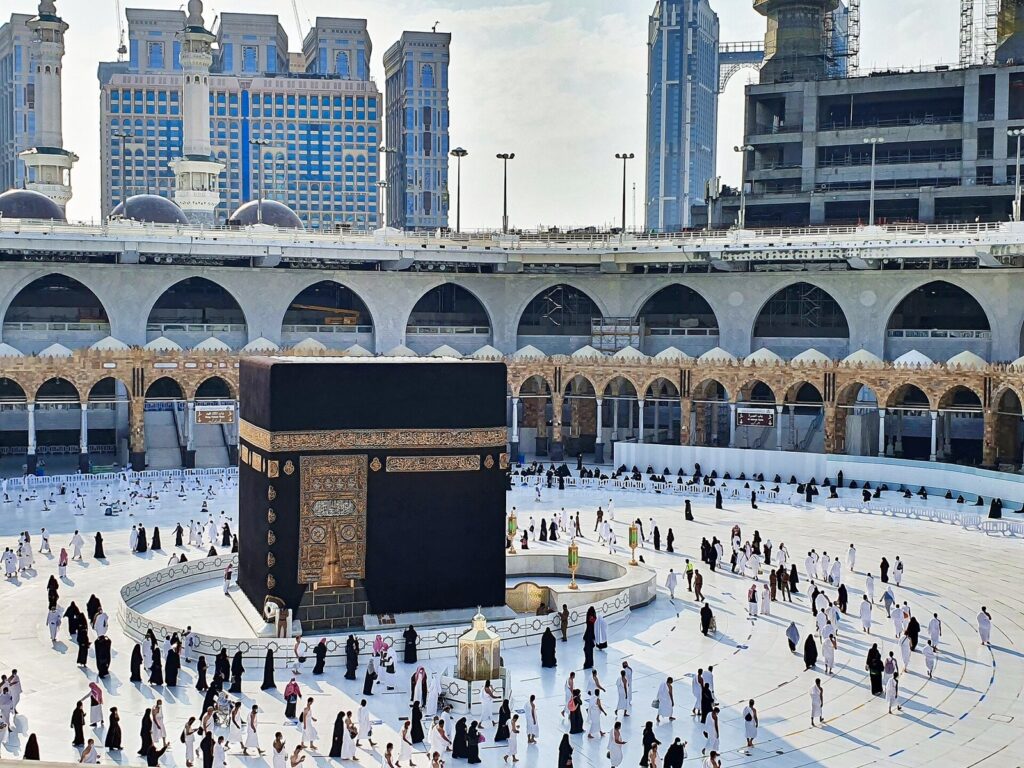
- Tawaf: Seven rounds are made around the Kaaba starting in line with the Black Stone, followed by two rak’ahs of tawaf prayer.
- Sa’i: Seven passages are made, starting at Safa and ending at Marwah.
- Shaving or trimming: Men shave or shorten their hair, women cut a small amount from the ends; with this, ihram ends.
When Is Umrah Performed?
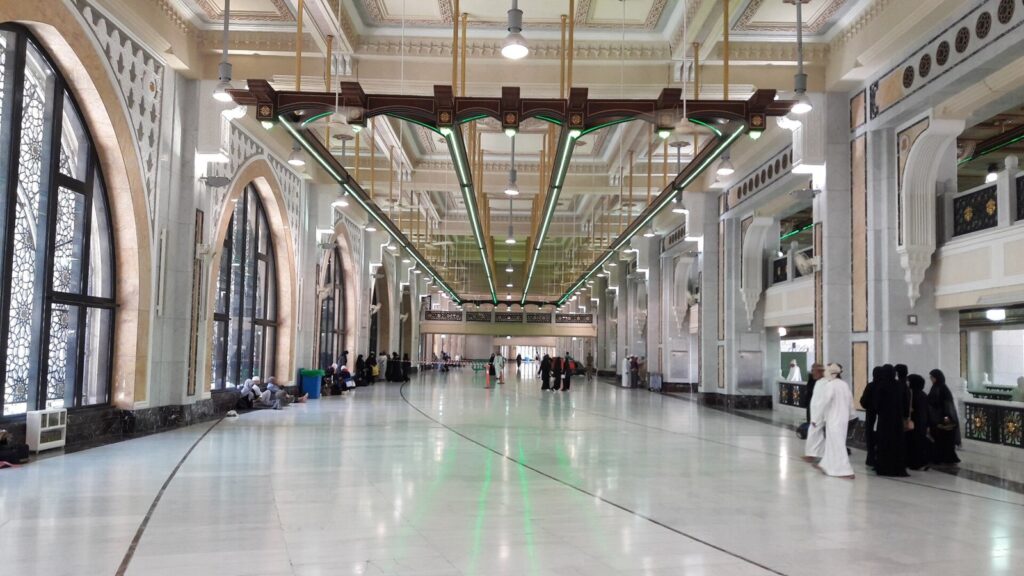
The most important difference between Umrah and Hajj is that it is not tied to a particular time; Umrah can be performed on any day of the year. The only exception is the days of Hajj: according to the Hanafi school, performing Umrah on the Day of Arafah and the four days of Eid al-Adha is prohibitively disliked, because these days are set aside for the rites of Hajj. The Ramadan Umrah is the most popular period, since the hadith mentions it with the reward of Hajj; the three holy months, the blessed nights, the school holidays and the summer months are preferred according to different needs. You can find a comparison of the periods in terms of climate, crowds and programmes in our article on when to go on Umrah.
Can Umrah be performed on any day of the year?
Yes, Umrah can be performed on any day of the year; only, according to the Hanafi school, performing Umrah on the Day of Arafah and the four days of Eid al-Adha is disliked. In practice, because the issuing of Umrah visas can be temporarily suspended before the Hajj season, programmes are not organised in the weeks close to the Hajj period; confirm the current calendar with your agency.
How Many Times Can Umrah Be Performed?
There is no limit on the number of Umrahs; a person may perform as many Umrahs as they wish in their lifetime, and more than one Umrah on the same journey is also possible. It is related that some of the Companions performed Umrah several times a year and that the Prophet encouraged his Companions to perform the Ramadan Umrah; frequent Umrah is therefore a religiously praised practice. A person who has completed their first Umrah in Makkah goes to the Aisha Mosque in Tan’im, outside the boundary of the Haram, and enters ihram again to perform a voluntary Umrah; according to the Hanafi school this is a good practice that increases the blessing of the journey. Even so, it is advisable to leave at least a day between Umrahs so as not to exhaust the body, and for elderly travellers to prefer voluntary tawaf over voluntary Umrah. See our article on how many days Umrah takes for planning the duration.
How many times is Umrah performed?
There is no religious limit on Umrah; it can be performed as often as one wishes over a lifetime and more than once on the same journey. According to the Hanafi school, performing more than one Umrah in a year is also permissible. However, for each Umrah one must enter ihram again and go outside the boundary of the Haram, usually to Tan’im; merely renewing the intention without performing tawaf and sa’i does not count as an Umrah.
The Types of Umrah
In the books of Islamic law, Umrah is examined under several headings according to how and with what intention it is performed. The types most often encountered in practice are these:
- Single Umrah (mufrad): An Umrah performed on its own, at any time of year, independently of Hajj; this is the Umrah performed by the Umrah groups from Türkiye.
- The Umrah of Tamattu’ and Qiran: An Umrah performed together with Hajj in the months of Hajj; in Tamattu’ Hajj the Umrah is performed first and ihram is left, while in Qiran Hajj the Umrah and Hajj are performed in a single ihram. See our article on the types of Hajj for details.
- Voluntary Umrah: Umrahs performed again after the first, on the same journey or at another time.
- Umrah on behalf of another (badal): An Umrah performed for a deceased or sick relative; the intention is made for that person and the reward is dedicated to them.
- Compensatory Umrah (qada): The later fulfilment of an Umrah that was begun but could not be completed or was invalidated; the Umrah performed by the Prophet after Hudaybiyah is known by this name.
The Differences Between Umrah and Hajj
Umrah and Hajj are performed in the same place, with similar rites; but they differ in ruling, timing and scope. The table below summarises the most frequently asked differences; for a detailed comparison see our article on the difference between Hajj and Umrah.
| Criterion | Umrah | Hajj |
|---|---|---|
| Ruling | Emphasised Sunnah in the Hanafi school, obligatory in the Shafi’i | Obligatory once in a lifetime for those able |
| Timing | Any day of the year (except the days of Hajj) | Only on set days of Dhul Hijjah |
| Place | Makkah: Masjid al-Haram, Safa and Marwah | Makkah, Arafat, Muzdalifah and Mina |
| Rites | Ihram, tawaf, sa’i, shaving or trimming | In addition to the rites of Umrah: standing at Arafat, stoning the Jamarat, sacrifice |
| Duration | The worship itself a few hours; programmes 7–20 days | The rites five days; programmes for weeks |
| Registration | Through an agency or a Diyanet programme, not subject to the lottery | The Diyanet registration and lottery system |
Does a person who performs Umrah become a hajji?
No, a person who performs Umrah does not become a hajji; the title is used only for those who complete the Hajj. A person who performs Umrah is popularly called an “umrahji”. Umrah does not remove the obligation of Hajj; the Ramadan Umrah being counted as equal to the reward of Hajj concerns reward, and does not mean it takes the place of the obligation. We explained what to say to those returning in our article on what to say to someone going for Umrah.
What Do You Need to Go on Umrah?
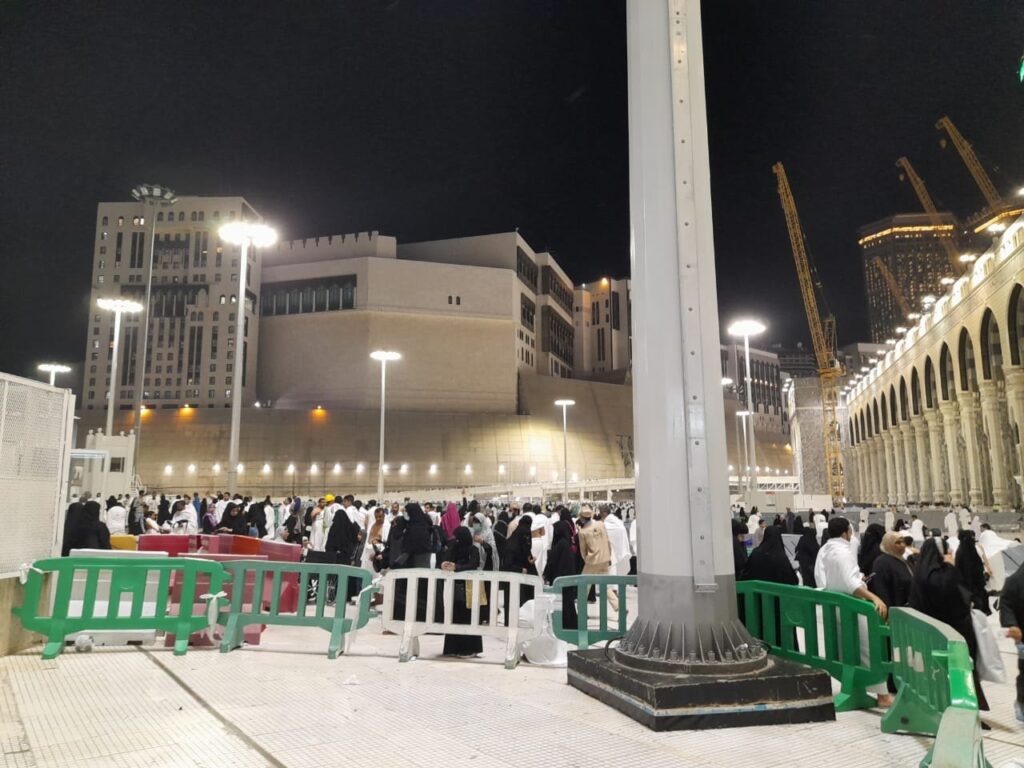
Neither a draw nor any special permission is required to go on Umrah; a valid passport, the Umrah visa required by Saudi Arabia, the vaccination requirement and registration with an agency or a Diyanet programme are enough. Visa procedures are mostly handled through the agency; the documents and timescales are in our article on how to get an Umrah visa, and the mahram and age rules for women travellers in our Umrah guide for women. On the health side, we recommend consulting your family doctor and the Ministry of Health’s travel health centres for vaccination and medication.
Important: The worship of Umrah itself is completed in a few hours; but the Umrah journey consists of days of worship, visiting and rest in Makkah and Madinah. When choosing a programme, think not of the duration of the worship, but of the days you wish to spend in the two cities.
Do you need to enter a lottery to go on Umrah?
No, there is no draw for Umrah; the Diyanet registration and lottery system that applies to Hajj does not cover Umrah. You can register for Diyanet’s Umrah programmes or the programmes of authorised agencies for any period you wish. The only limits are the visa and health requirements and the temporary suspension of visas before the Hajj season.
The Two Cities of the Umrah Journey: Makkah and Madinah
The whole of the worship of Umrah is performed in Makkah, in Masjid al-Haram and between Safa and Marwah; Madinah is a visit that is not part of Umrah but is included in almost every programme. In the Makkah days, alongside the rites of Umrah, praying the daily prayers in Masjid al-Haram, performing voluntary tawaf, drinking Zamzam and seeing the sites of the Prophet’s biography such as Hira and Thawr form the flow of the journey. In the Madinah days, prayer in the Prophet’s Mosque, greetings at the grave of the Prophet (peace be upon him), prayer by appointment in the Rawdah, and visits to Quba Mosque, Uhud and Jannat al-Baqi are made.
Most programmes balance the number of days between the two cities; for first-timers, six days in Makkah and four in Madinah is common in ten-day programmes. The journey between the two cities is made by road or by the Haramain high-speed train; ihram is entered at the miqat of Dhul Hulaifah when moving from Madinah to Makkah. The tradition of staying eight days in Madinah to pray forty prayers rests on a narration and is not a condition of Umrah; travellers with a short stay need not worry on this account.
Is it necessary to go to Madinah during Umrah?
No, the visit to Madinah is not a pillar, necessary act or Sunnah of Umrah; Umrah is completed only in Makkah. Madinah is added to programmes because of the virtue of visiting the grave of the Prophet (peace be upon him) and the Prophet’s Mosque. Those with limited time may prefer short Umrah programmes without Madinah; but for those who are able, Madinah is the most peaceful part of the journey.
Why Is Umrah Performed? Its Spiritual Meaning
Umrah is the servant turning towards the Kaaba and answering the call of Allah. Ihram is a garment of equality that removes worldly differences; tawaf is the symbol of placing Allah at the centre of life; sa’i is the memory of the trust and effort Hajar showed while searching for water for her son. The Prophet’s description of Umrah as an expiation for sins shows that this worship is a journey of purification. The feeling most often expressed by those returning from Umrah is that where the worship ends, a new order of life begins: keeping up the daily prayers, the habit of reading the Qur’an and making peace with others are the real fruits of Umrah.
At RotaNur we organise our Umrah programmes for the Ramadan, blessed-night, school-holiday and summer periods with different durations and accommodation options. You can compare the options on our Umrah tours page, look at our Ramadan Umrah page for programmes special to Ramadan, and for your questions write to us 24/7 from our contact page or the WhatsApp button on this page.
Frequently Asked Questions
Are Umrah and Hajj the same thing?
No, Umrah and Hajj are different acts of worship. Hajj is an obligatory act performed on set days of the year and includes Arafat, Muzdalifah and Mina; Umrah is performed on any day of the year, only in Makkah, and is an emphasised Sunnah according to the Hanafi school. In terms of rites, Umrah resembles the Makkah part of Hajj.
For whom is Umrah Sunnah?
Umrah is an emphasised Sunnah once in a lifetime for every Muslim who is sane, has reached puberty and has the financial means and health to travel to Makkah and back; according to the Shafi’i school it is obligatory for these people. Children may also perform Umrah with their guardians, but this Umrah does not remove the Sunnah of adulthood.
Which languages can be used while performing Umrah?
The intention, the talbiyah and the duas may be recited in their original Arabic; those who do not know Arabic may make the intention and the duas in their own language. According to Diyanet, what matters is knowing the meaning of the intention and the dua. Reading from a dua booklet during tawaf and sa’i is permissible, as is praying in one’s own words.
When was Umrah made obligatory or legislated?
Umrah was legislated together with Hajj around the sixth year of the Hijrah by verse 196 of Surah al-Baqarah; the Prophet made the intention for his first Umrah in the sixth year of the Hijrah, and when he was prevented at Hudaybiyah he made up this Umrah the following year. The exact dating is given with small differences in the sources of the Prophet’s biography.
What should I read before going on Umrah?
Learning in advance how Umrah is performed, the ihram restrictions and the duas to be recited makes the journey easier. After this article we recommend reading the guide on how to perform Umrah, the ihram restrictions and the duas of Umrah, and carefully studying the programme your agency gives you before you set out.

Cihat Murat Yüksel is the editor of the RotaNur blog and the founder of Markention. Drawing on the sources of Türkiye's Presidency of Religious Affairs (Diyanet), he turns the questions travellers ask most about preparing for Umrah, Hajj and halal travel into clear, practical guides.
Questions answered in this article
What does the word Umrah mean?
In the dictionary the word Umrah means “to visit, to make a place prosperous”; as a religious term it refers to performing tawaf around the Kaaba and sa’i between Safa and Marwah while in ihram. The word carries within it the meaning of the Kaaba coming alive with visitors. It is written “umrah” in English and “umra” in Arabic transliteration.
The Ruling of Umrah: Obligatory or Sunnah?
The ruling of Umrah differs between the schools of law. According to the Hanafi and Maliki schools, Umrah is an act of worship that it is an emphasised Sunnah to perform once in a lifetime; according to the Shafi’i and Hanbali schools, it is obligatory once in a lifetime for those who are able. Diyanet, in line with the Hanafi view, regards Umrah as an emphasised Sunnah. Umrahs repeated after the first are voluntary, and each earns its own reward.
Is Umrah obligatory or Sunnah?
According to the Hanafi school, Umrah is an act of worship that it is an emphasised Sunnah to perform once in a lifetime; according to the Shafi’i school it is obligatory once in a lifetime. The view adopted by Diyanet in Türkiye is that it is an emphasised Sunnah. On both views, performing Umrah is a great source of reward for a Muslim who is able, and it does not take the place of Hajj.
When Is Umrah Performed?
The most important difference between Umrah and Hajj is that it is not tied to a particular time; Umrah can be performed on any day of the year. The only exception is the days of Hajj: according to the Hanafi school, performing Umrah on the Day of Arafah and the four days of Eid al-Adha is prohibitively disliked, because these days are set aside for the rites of Hajj. The Ramadan Umrah is the most popular period, since the hadith mentions it with the reward of Hajj; the three holy months, the blessed nights, the school holidays and the summer months are preferred according to different needs. You can find a comparison of the periods in terms of climate, crowds and programmes in our article on when to go on Umrah.
Can Umrah be performed on any day of the year?
Yes, Umrah can be performed on any day of the year; only, according to the Hanafi school, performing Umrah on the Day of Arafah and the four days of Eid al-Adha is disliked. In practice, because the issuing of Umrah visas can be temporarily suspended before the Hajj season, programmes are not organised in the weeks close to the Hajj period; confirm the current calendar with your agency.
How Many Times Can Umrah Be Performed?
There is no limit on the number of Umrahs; a person may perform as many Umrahs as they wish in their lifetime, and more than one Umrah on the same journey is also possible. It is related that some of the Companions performed Umrah several times a year and that the Prophet encouraged his Companions to perform the Ramadan Umrah; frequent Umrah is therefore a religiously praised practice. A person who has completed their first Umrah in Makkah goes to the Aisha Mosque in Tan’im, outside the boundary of the Haram, and enters ihram again to perform a voluntary Umrah; according to the Hanafi school this is a good practice that increases the blessing of the journey. Even so, it is advisable to leave at least a day between Umrahs so as not to exhaust the body, and for elderly travellers to prefer voluntary tawaf over voluntary Umrah. See our article on how many days Umrah takes for planning the duration.