








Contents 20 sections
- How Do You Go on Umrah? Choosing the Right Programme
- How long a programme should a first-time pilgrim choose?
- Before You Leave: Documents, Health and Registration
- How long should a passport be valid for Umrah?
- What Should You Pack for Umrah?
- The Obligatory Acts and Steps of Umrah: A Short Reminder
- What are the obligatory acts of Umrah?
- What Do You Do in Umrah? The Makkah Days
- Can you perform a voluntary Umrah during your stay?
- What Do You Do in Umrah? The Madinah Days
- Is it necessary to pray forty prayers in Madinah?
- The Most Common Mistakes of First-Timers
- Practical Advice for Crowds, Heat and Safety
- What should I do if I get lost during Umrah?
- Umrah with Women, the Elderly and Children
- Is it difficult to go on Umrah with elderly parents?
- The Return: Gifts, Zamzam and New Habits
- What gift should you give to someone going on Umrah?
- A Sample 10-Day Flow for a First Umrah
- Frequently Asked Questions
Almost everyone looking for first-time Umrah tips has the same questions: which programme should I choose, what should I pack, what do you actually do during Umrah, and how do the days in Makkah and Madinah unfold? A first Umrah is as exciting as it is a little daunting, because much about the crowds, the climate and the flow of worship can only be learned on the ground. In this guide, we at RotaNur have gathered everything a first-time pilgrim needs to know, from preparation to the journey home, in plain language and practical points. For matters of religious practice we follow the approach of Diyanet (Türkiye’s Presidency of Religious Affairs); remember that practical details may change and should be confirmed before you travel.
How Do You Go on Umrah? Choosing the Right Programme
The first step of an Umrah journey is choosing the programme that suits you. Because Umrah is not tied to specific days like Hajj, it can be performed for most of the year, which multiplies the options for duration, season, departure city and distance of accommodation. In Türkiye, Umrah journeys are organised either by Diyanet or by authorised travel agencies. When choosing a programme, we recommend looking at these four headings:
- Duration: Programmes of 7, 10, 14 and 20 days are the most common. For first-timers, a programme of around 10 days is enough to see both Makkah and Madinah without rushing. See our article on how many days Umrah takes for a detailed comparison.
- Season: Ramadan and the blessed nights are spiritually intense but crowded; the school holidays and summer suit families; October to April offers the most comfortable weather.
- Distance of the hotel: Staying within walking distance of Masjid al-Haram and the Prophet’s Mosque greatly reduces fatigue on a first Umrah. Shuttle-based programmes are more economical.
- Departure city: A direct flight saves you the tiredness of a connection. You can see the departure points on our Umrah departure cities page.
How long a programme should a first-time pilgrim choose?
The most balanced option for a first Umrah is a 10-day programme: there is enough time to complete the rites of Umrah calmly in Makkah and to visit the Prophet’s Mosque and the surrounding sites in Madinah. Seven-day programmes are brisk but affordable; programmes longer than two weeks are ideal for those who want more time for worship in periods such as Ramadan.
Before You Leave: Documents, Health and Registration
The dullest but most important part of Umrah preparation is paperwork. Your passport should generally be valid for at least six months from the date of travel; if it is short, apply for renewal as soon as you choose a programme. Visa procedures are mostly handled through the agency, and visa types, fees and durations change from time to time, so confirm the current conditions in our article on how to get an Umrah visa and with your agency.
On the health side, two preparations stand out. The first is the vaccination requirement Saudi Arabia asks of Umrah visitors; rather than giving medical advice, we refer you to your family doctor and to the Ministry of Health’s travel health centres, and you will find the details in our article on the Umrah vaccine. The second is taking enough of the medicines you use regularly, together with a copy of your prescription. Those with chronic conditions should have a medical check-up before travelling, which prevents most of the problems that can arise in crowds and heat.
How long should a passport be valid for Umrah?
In practice a passport valid for at least six months from the date of travel is required; in some periods a longer validity may be requested for the visa. Your passport should also be undamaged and have a blank page. Your agency will tell you the exact requirement before the visa application; if the validity is insufficient, do not leave it to the last day, as renewal can take several weeks.
What Should You Pack for Umrah?
First-timers pack either too little or too much. The table below summarises the items that form the backbone of an Umrah suitcase; for the full list see our Umrah packing list.
| Group | Must pack | Note |
|---|---|---|
| Worship | Ihram set (men), ihram belt, tawaf socks or comfortable slippers, small prayer mat, pocket-size dua book | Try putting on and tying the ihram once at home |
| Clothing | Loose, breathable clothes, an abaya or long dress that meets modesty requirements (women), spare socks, comfortable walking shoes | White and light colours are more comfortable in the heat |
| Personal care | Unscented soap and shampoo, unscented moisturiser, sunscreen, lip balm | Scented products are not used while in ihram |
| Health | Regular medicines, plasters, painkillers, medicine for diarrhoea and stomach upset, thermometer | Carry medicines in your hand luggage |
| Practical | Folding water bottle, neck document pouch, small backpack, plug adapter, power bank | Large bags are not carried around the Kaaba |
While packing, also make an “I will buy it there” list. Gifts such as dates, Zamzam and prayer beads, and needs such as light slippers and umbrellas, are easy to find in Makkah and Madinah; carrying them from Türkiye wastes your baggage allowance.
The Obligatory Acts and Steps of Umrah: A Short Reminder
Umrah consists of entering ihram and making the intention at the miqat, performing tawaf around the Kaaba seven times, performing sa’i seven times between Safa and Marwah, and leaving ihram by shaving or trimming the hair. According to the Hanafi school, the obligatory (fard) acts of Umrah are ihram and tawaf, and the necessary (wajib) acts are sa’i and shaving or trimming the hair. We explain each step in order in our guide on how to perform Umrah; here we highlight the points first-timers confuse most often.
What are the obligatory acts of Umrah?
According to the Hanafi school, Umrah has two obligatory acts: ihram and tawaf. Ihram is the condition of Umrah and tawaf is its pillar; if either is missing, the Umrah is not complete. Sa’i and shaving or trimming the hair are necessary (wajib); omitting them without an excuse requires a penalty but does not invalidate the Umrah. In the Shafi’i school, sa’i and shaving are also counted as pillars; the religious guide in your group will direct you according to your school.
- Those who enter ihram on the plane: Travellers flying from Türkiye to Jeddah pass the line of the miqat in the air. Put on the ihram garments at the airport and make the intention and talbiyah on the plane before reaching the miqat line; your guide will remind you of the moment.
- Those who start from Madinah: If the programme goes to Madinah first, ihram is entered at the miqat of Dhul Hulaifah (Abyar Ali) when moving on to Makkah. In this case you spend the Madinah days free of the ihram restrictions.
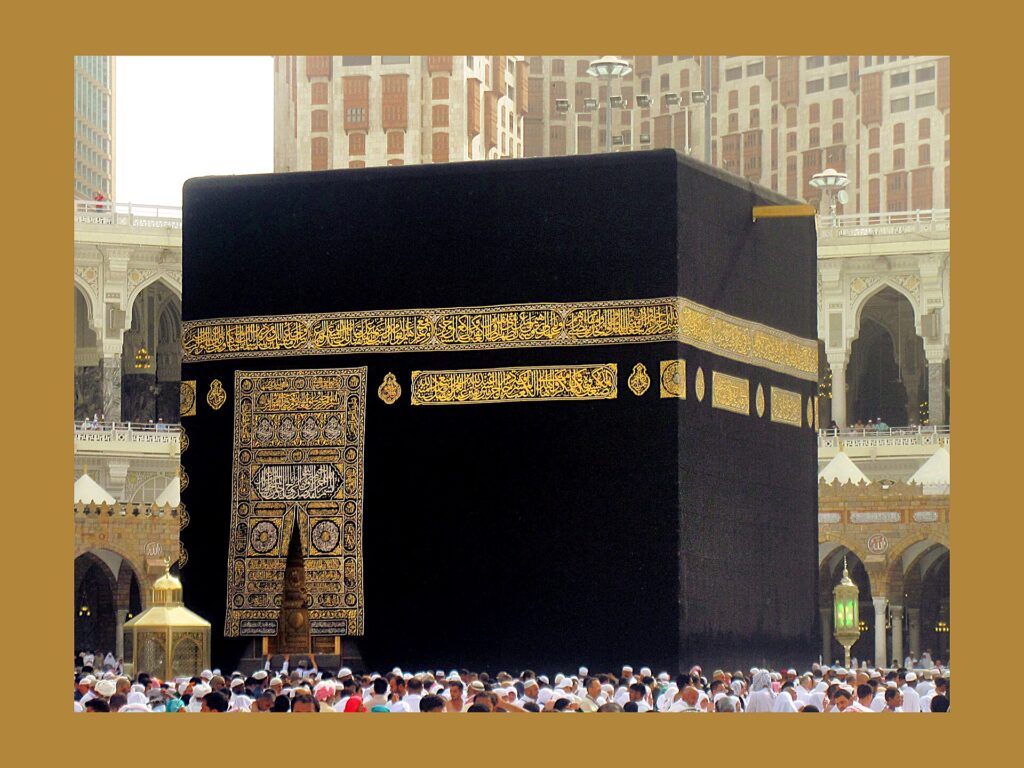
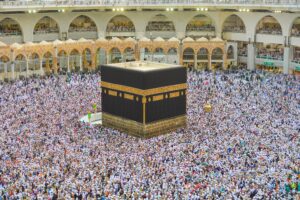
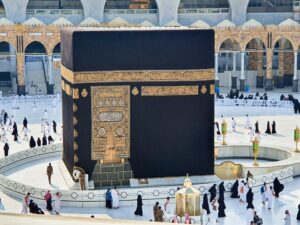
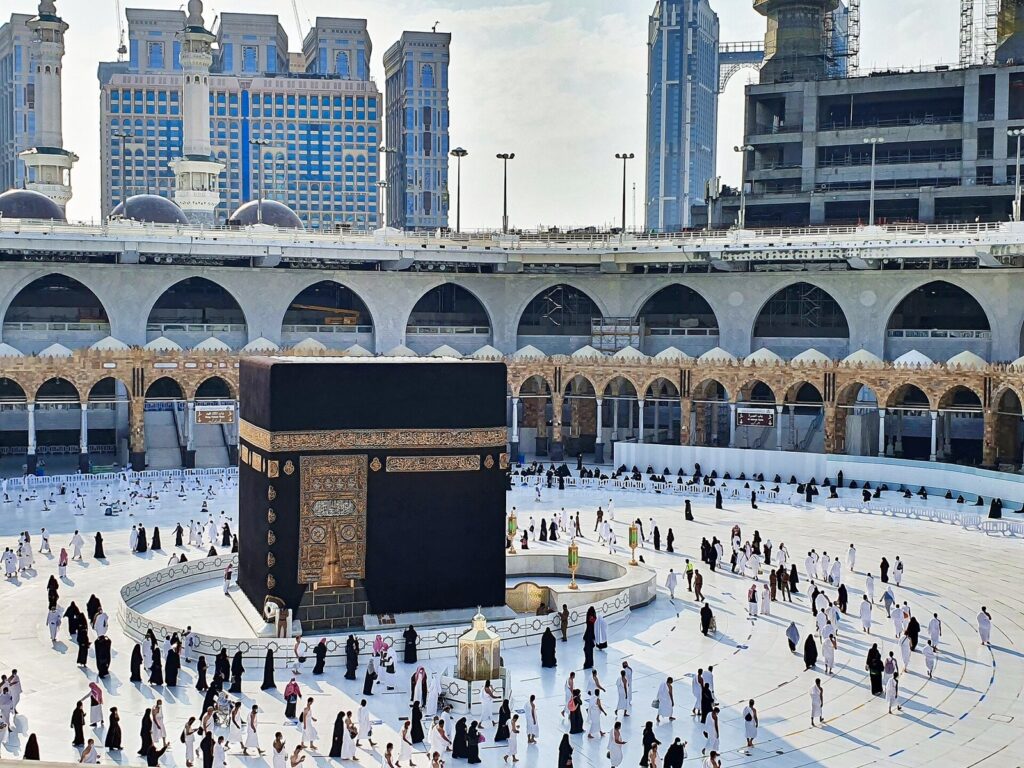
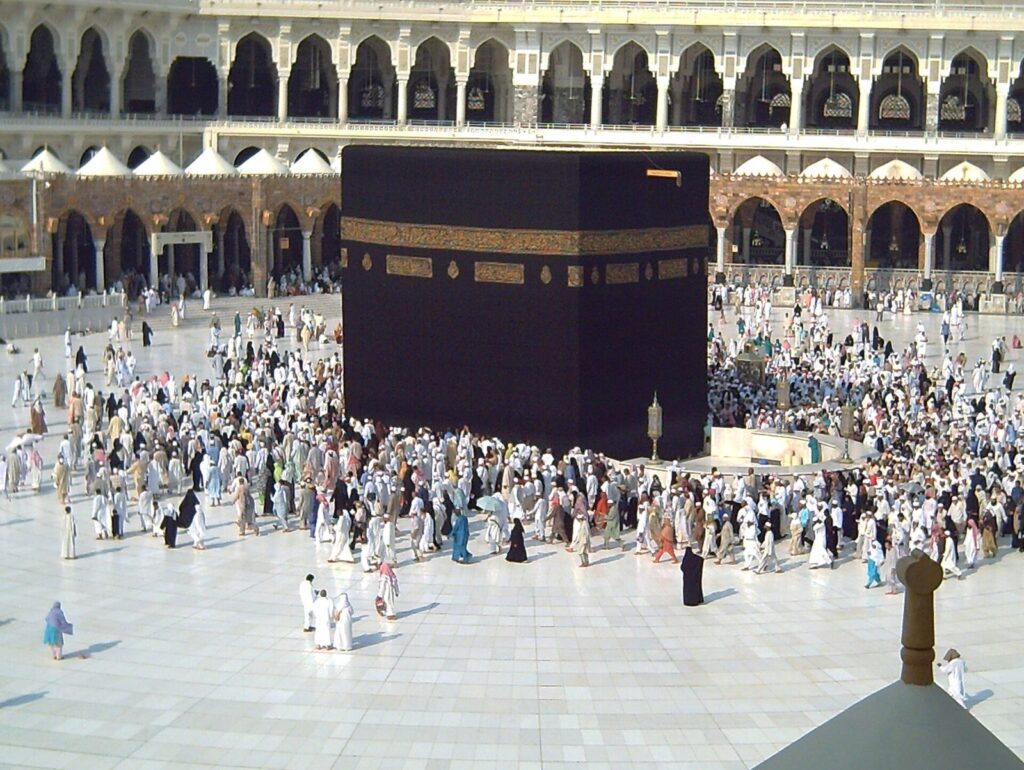
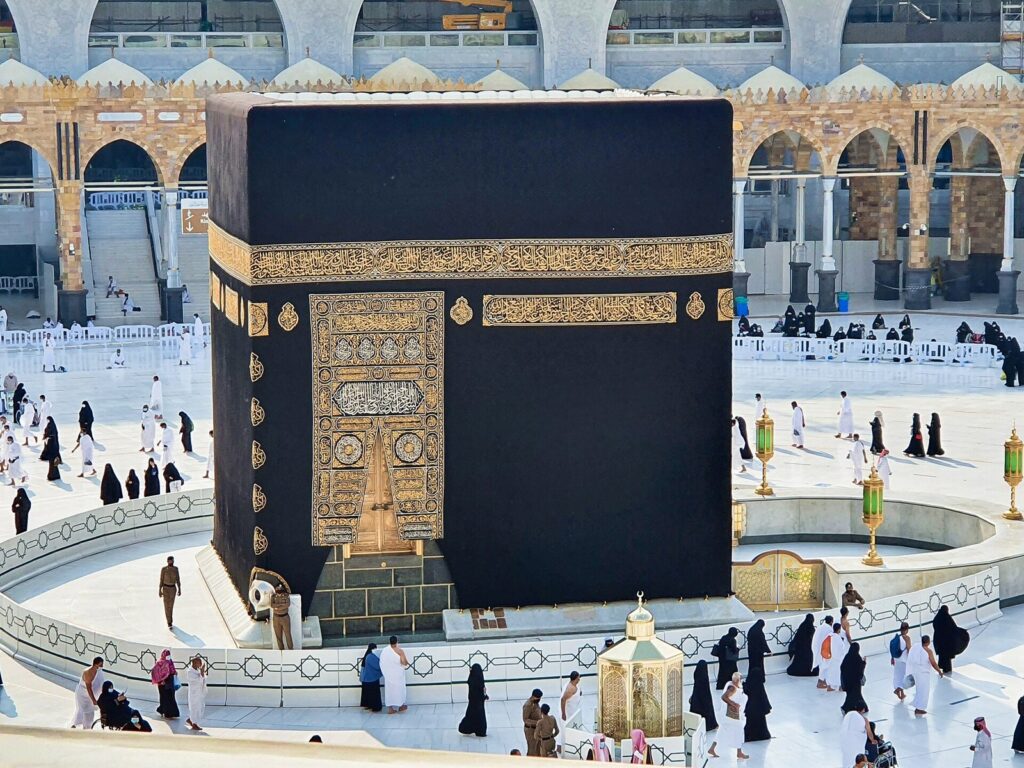
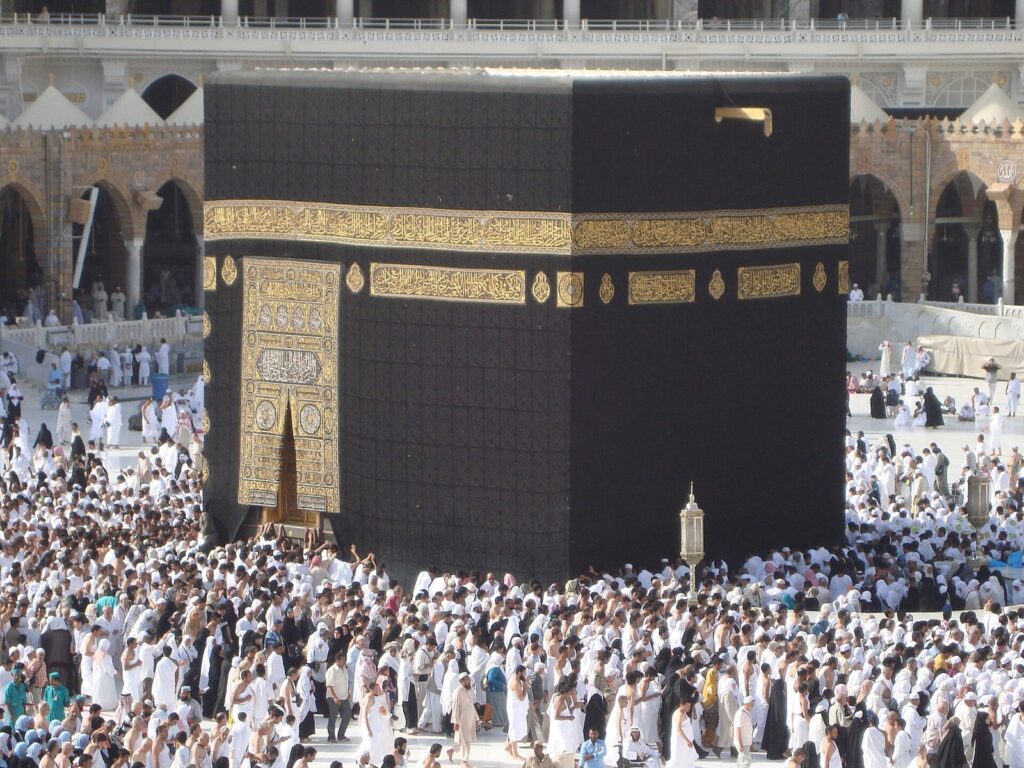
- Tawaf and sa’i: Tawaf begins in line with the Black Stone and is made in seven rounds with the Kaaba on your left; then two rak’ahs of tawaf prayer are performed, Zamzam is drunk and you proceed to sa’i.
- Shaving or trimming: Men may shave the head completely or shorten the hair; women cut about a fingertip’s length from the ends. With this, the ihram restrictions end.
What Do You Do in Umrah? The Makkah Days
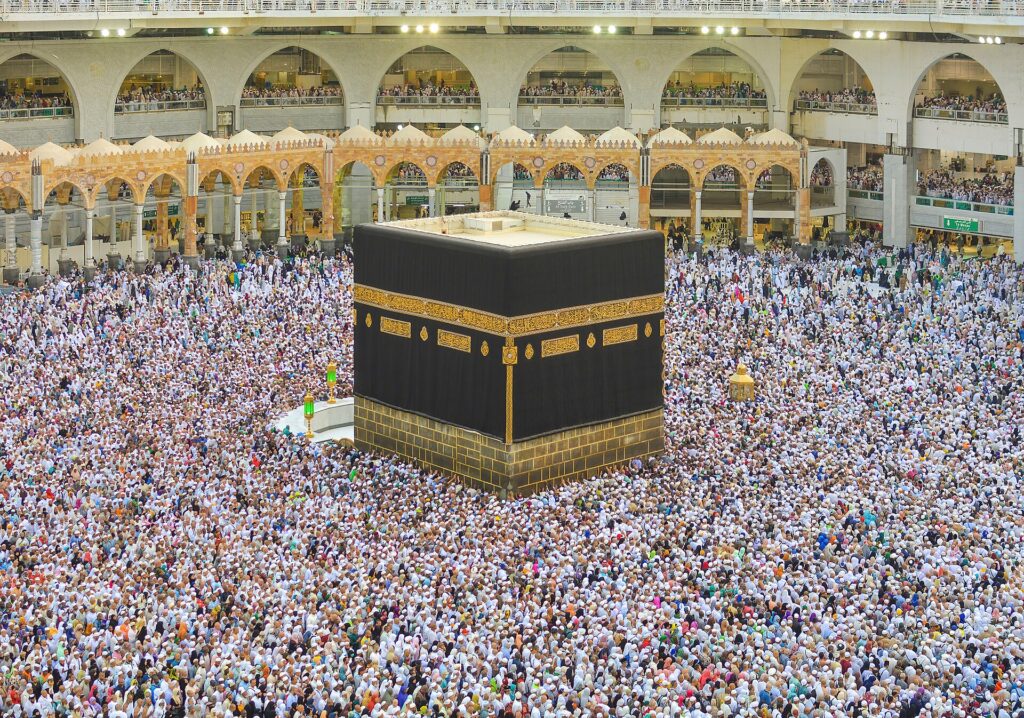
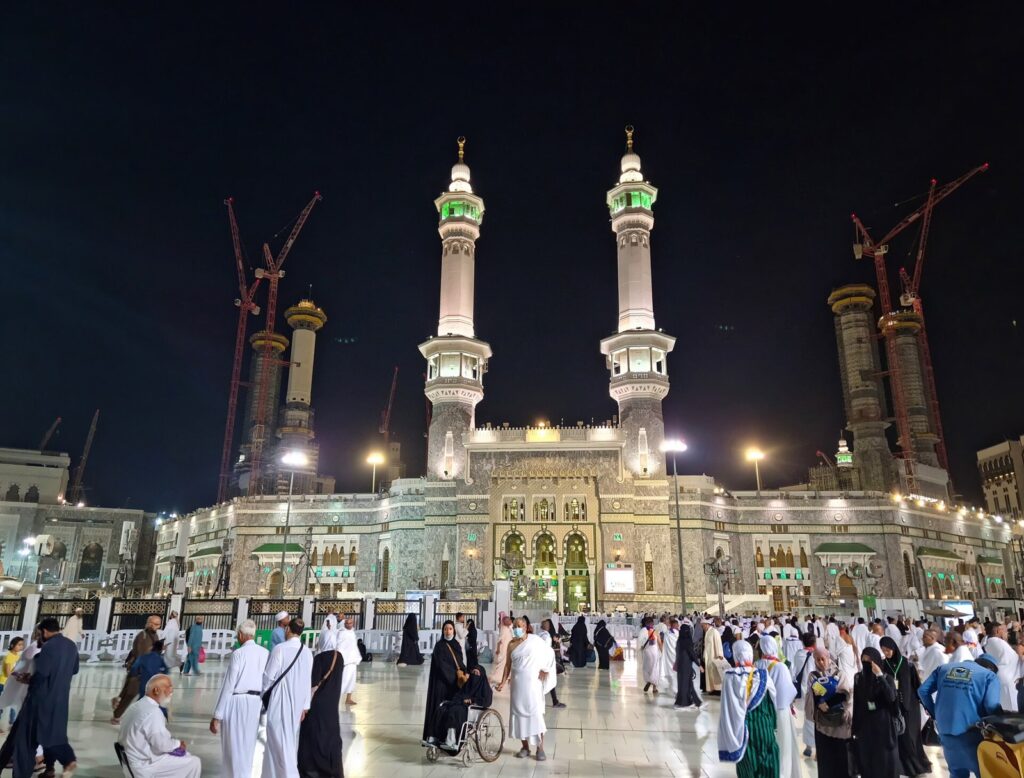
Once the rites of Umrah are complete, the question first-timers ask most is what to do in Umrah. The Makkah days revolve around Masjid al-Haram: performing the daily prayers there, reading the Qur’an in between, making voluntary tawaf and drinking Zamzam form the natural rhythm of the day. The quietest hours for making dua while looking at the Kaaba are between the morning prayer and noon, and after midnight.
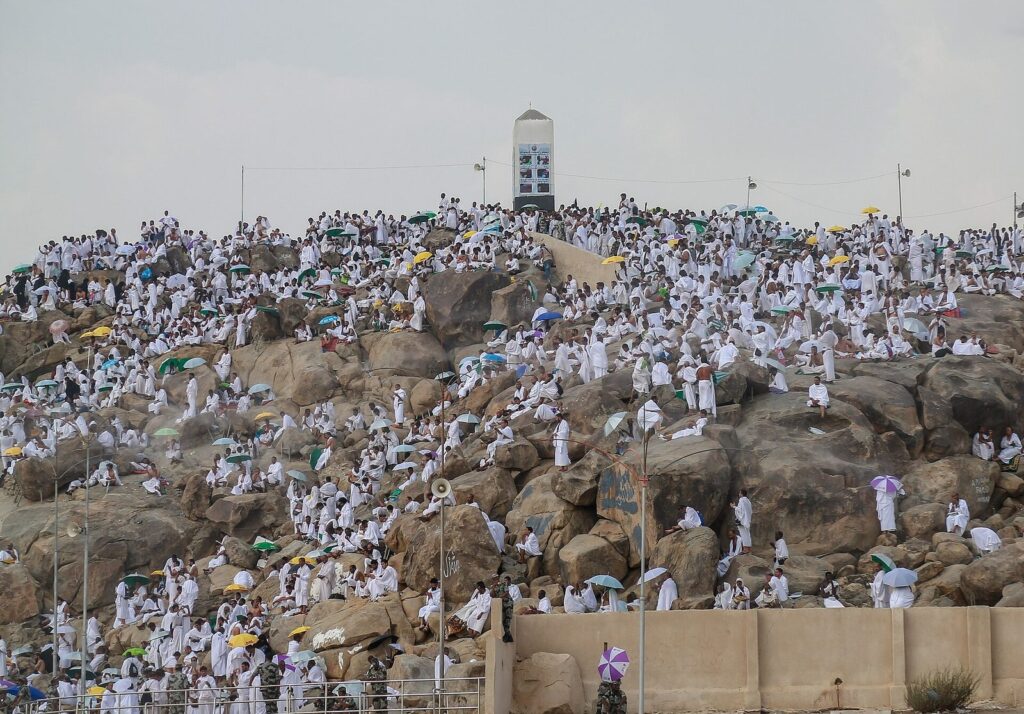
There is much to see outside the mosque too. The Cave of Hira on Jabal al-Nour, the Cave of Thawr, Arafat, Muzdalifah and Mina are visited as a group in most programmes. Reading their stories beforehand multiplies the meaning of the visit; our article on places to visit in Makkah was written for this purpose. Those who wish to perform a second Umrah go to the Aisha Mosque in Tan’im and enter ihram again.
Can you perform a voluntary Umrah during your stay?
Yes, during your stay in Makkah you can go outside the boundary of the Haram, usually to the Aisha Mosque in Tan’im, enter ihram and perform Umrah again. According to the Hanafi school these voluntary Umrahs are rewarded; however, first-timers are advised to rest the body and leave at least a day between Umrahs. For the elderly and the unwell, voluntary tawaf may be a more suitable choice than voluntary Umrah.
What Do You Do in Umrah? The Madinah Days
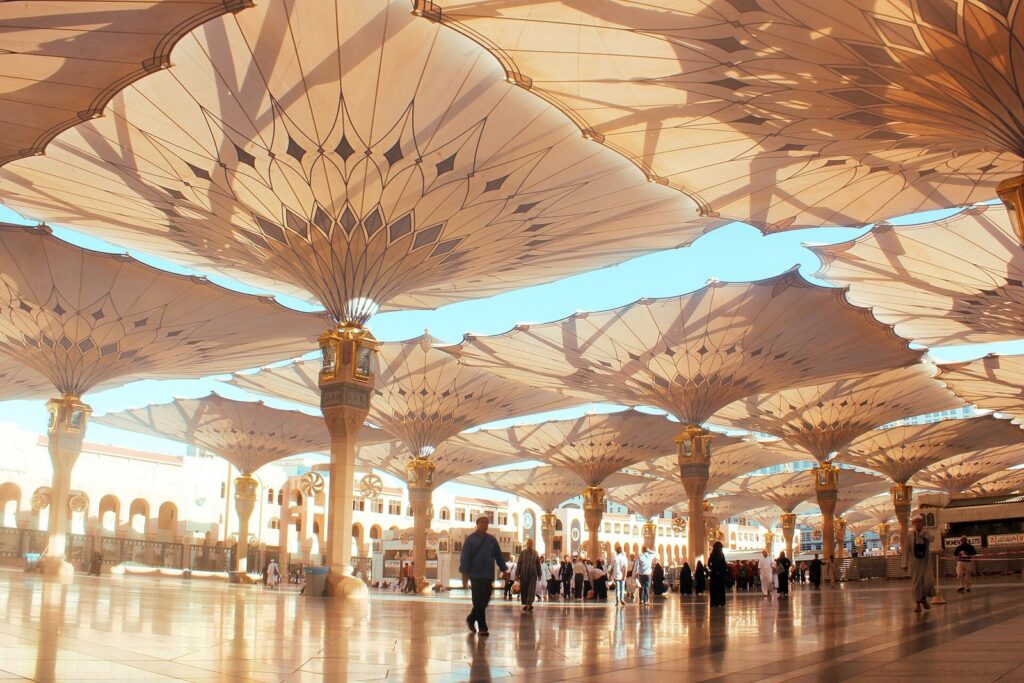
The Madinah days are calmer than Makkah. Praying in the Prophet’s Mosque, visiting the grave of the Prophet (peace be upon him) and offering greetings, and praying in the Rawdah are the essence of these days. Today the Rawdah is visited by appointment through the Nusuk app, and the frequency of appointments may be limited from time to time; your agency usually arranges the group appointment on your behalf. We have collected the etiquette of the visit and the greetings to be recited in our article on the Rawdah dua.
Quba Mosque, the Martyrs of Uhud, Masjid al-Qiblatayn and the Jannat al-Baqi cemetery are indispensable in Madinah programmes. The narration that two rak’ahs of prayer in Quba earn the reward of an Umrah makes the visit there special. For these stops and their stories, see our article on places to visit in Madinah.
Is it necessary to pray forty prayers in Madinah?
No, praying forty prayers in Madinah is neither a condition nor a necessary act of Umrah; the tradition of staying eight days to complete forty prayers rests on a narration and, according to Diyanet, carries no binding ruling. Do not worry if your programme is shorter. Praying the daily prayers in the Prophet’s Mosque throughout your stay is the real gain of your visit.
The Most Common Mistakes of First-Timers
The same mistakes are repeated every season, and almost all of them can be prevented with a little knowledge. The habits that make life difficult for first-time Umrah travellers and their groups are these:
- Forgetting the ihram restrictions: using scented soap, cutting nails, men wearing stitched clothing. Read the list of restrictions once more before you set out.
- Trying to perform tawaf at the most crowded hour, straight after entering the mosque; a short rest after the long flight is better for both health and peace of mind.
- Losing the group and the meeting point; carry your hotel card and your guide’s number, and keep your phone fully charged.
- Neglecting to drink water and taking long walks in the midday heat.
- Spending time on shopping every day and eating into the hours set aside for worship.
- Setting out in new shoes; foot sores are the most frequent complaint of a first Umrah.
Important: Putting on the ihram garments alone does not mean you have entered ihram; ihram begins with the intention and the talbiyah. Because making the intention after passing the miqat line on the plane requires a penalty, wait for your guide’s reminder and make the intention on time.
Practical Advice for Crowds, Heat and Safety
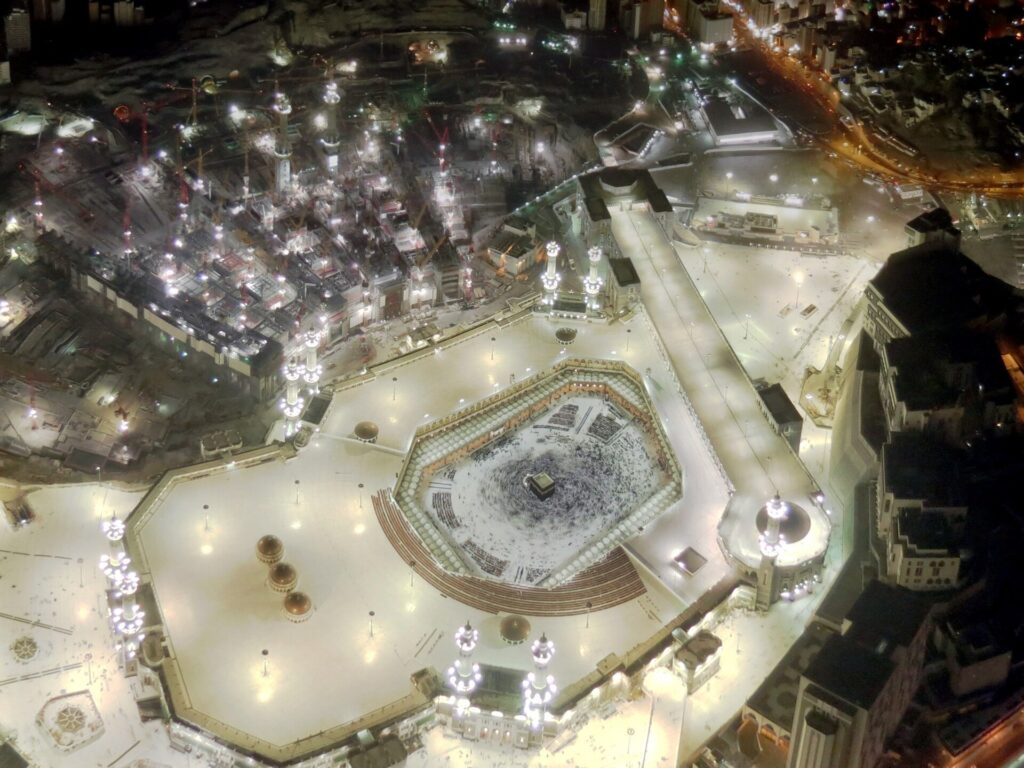
Masjid al-Haram can hold hundreds of thousands of people at once. The secret of comfort in the crowd is to move with a plan: be in the mosque at least half an hour before the prayer, wait for the first wave to pass on the way out, and reduce the crowd by performing tawaf on the upper floors or at night. Stopping on the walkways to take photographs puts both you and others in a difficult position.
The heat, especially in the summer months, must be taken seriously. An umbrella, sunscreen and plenty of water are the essentials of the day; eating dates and fruit helps to balance salt loss. Check your feet every evening and stop calluses and blisters early. Do not hesitate to postpone worship when you feel dizzy, extremely tired or short of breath; there are health points near the hotels for those who fall ill, and your guide will direct you.
What should I do if I get lost during Umrah?
First of all do not panic, and stay where you are; groups usually return to the point where they separated. Show the address on your hotel card to the staff, call your guide, and if you are lost inside the mosque, say the gate number. Setting a meeting point with your group members before you set out and saving the hotel’s location on your phone shrinks this possibility from the start.
Umrah with Women, the Elderly and Children
The mahram and age rules for women’s Umrah travel have changed in recent years; we explain the current practice in our Umrah guide for women. Women wear their normal clothes in ihram and do not cover only their faces and hands; during menstruation they do not perform tawaf but continue with other acts of worship. Those travelling with elderly parents should find out about the wheelchair service in advance, take care that the hotel is close to the mosque and choose a programme with an unhurried pace. For children, a small identity wristband, light snacks and rest breaks during the day make the journey easier.
Is it difficult to go on Umrah with elderly parents?
No, it is not difficult if the right programme is chosen. Hotels within walking distance, the possibility of performing tawaf and sa’i in a wheelchair, and the tawaf floors served by electric carts make things easier for elderly travellers. The doctor’s approval, taking medicines regularly and performing tawaf at night are enough. The group guide also keeps the visiting programme slower for elderly travellers.
The Return: Gifts, Zamzam and New Habits
Preparation for the return begins in the last two days. The rules for carrying Zamzam and the baggage allowances are changed from time to time by the airlines and the Saudi authorities; in most programmes Zamzam is obtained in packaged form at the airport, so confirm the details with your agency. Dates, prayer beads, gifts with the pattern of the Kaaba covering, and perfumes are the most popular gifts. Keeping the habits gained during Umrah after returning home is the real fruit of the journey: keeping up the daily prayers, reading the Qur’an regularly, and giving charity.
What gift should you give to someone going on Umrah?
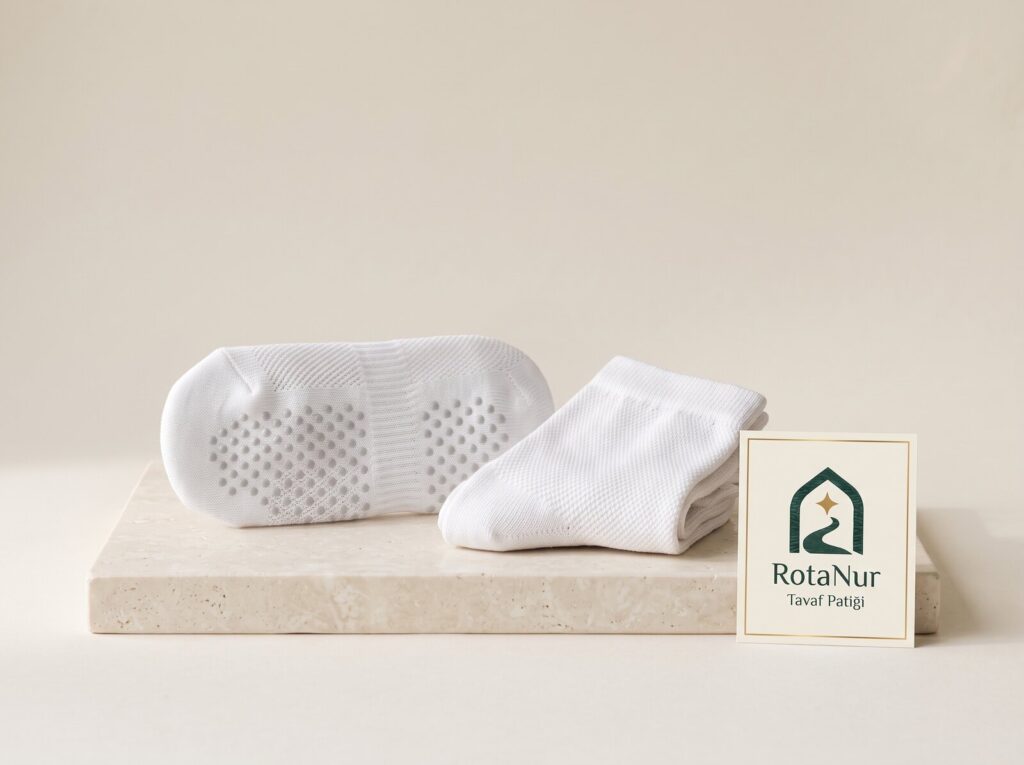
The most meaningful gifts for a relative going on Umrah are those that will be useful on the journey: a good-quality ihram set or ihram belt, tawaf socks, a folding prayer mat, unscented care products, a pocket-size dua book and a neck document pouch. You can see these items one by one on our Umrah essentials page; giving the gift at least a week before the journey leaves time for any missing items to be noticed.
A Sample 10-Day Flow for a First Umrah
The flow below shows the general pattern we see in most programmes; the exact programme and times are in the document your agency gives you.
| Day | Place | What happens |
|---|---|---|
| 1 | Flight, Makkah | Ihram at the airport, intention and talbiyah on the plane, check-in at the hotel, rest |
| 2 | Makkah | The rites of Umrah: tawaf, sa’i, shaving or trimming; first daily prayers in Masjid al-Haram |
| 3–4 | Makkah | Voluntary tawaf, hours of Qur’an and dua, group visit to the surroundings of Hira and Thawr |
| 5 | Makkah | Visit to Arafat, Muzdalifah and Mina; voluntary Umrah from Tan’im for those who wish |
| 6 | Makkah, Madinah | Farewell tawaf, transfer to Madinah by road or train |
| 7–8 | Madinah | The Prophet’s Mosque, Rawdah appointment, visits to Quba, Uhud, Qiblatayn and Baqi |
| 9 | Madinah | Free day for worship, gift shopping, packing |
| 10 | Return | Transfer to the airport, collection of Zamzam, return to Türkiye |
For a well-prepared traveller, a first Umrah is a journey remembered for a lifetime. If you follow the points in this guide, from choosing the programme to the packing list, all that will be left for you to do there is to focus on worship. At RotaNur you can compare different durations, seasons and accommodation options on our Umrah tours page, and for any question you can write to us 24/7 from our contact page or the WhatsApp button on this page.
Frequently Asked Questions
Where do first-time Umrah pilgrims enter ihram?
Those flying directly from Türkiye to Jeddah put on the ihram garments at the airport and make the intention and talbiyah before the plane reaches the miqat line; the guide announces the moment. If the programme starts from Madinah, ihram is entered at the miqat of Dhul Hulaifah on the way from Madinah to Makkah. Which route is followed is written in your programme; if you are unsure, ask your agency before you set out.
How do you use your phone and the internet during Umrah?
Turkish operators’ roaming packages work in Saudi Arabia; a cheaper option is to buy a local SIM at the airport or in the city. Taking photographs inside the mosque is allowed, but stopping with your phone during tawaf disrupts both the worship and other people. Remember that you will need the internet for the Nusuk app, and carry a power bank.
How should you plan currency and spending for Umrah?
The Saudi riyal is used in Saudi Arabia; currency exchange and card payments are widespread, and small traders may need cash. Because spending on gifts, extra meals and transport varies greatly from person to person, calculate your budget separately from the programme price. Hotel, transport within the programme and guidance are included in most packages; find out about the items that are not included before you set out.
How much walking is there in Umrah, and which shoes are suitable?
Counting the trips between the mosque and the hotel, tawaf and sa’i, walking eight to fifteen kilometres a day is normal. A pair of shoes that have already been worn in, are easy to take off and do not make the feet sweat, or good-quality tawaf socks, are the right choice. Carrying spare socks and plasters prevents the foot complaints of the first days.
Is Ramadan a good choice for a first Umrah?
The spiritual reward of a Ramadan Umrah is great; however, the crowds, the heat combined with fasting, and the higher cost can be hard on first-timers. If your health is good and your programme is within walking distance, Ramadan is a beautiful choice; for those who want a calmer first experience, the periods between October and February are more suitable. You will find a comparison of the seasons in our article on when to go on Umrah.

Cihat Murat Yüksel is the editor of the RotaNur blog and the founder of Markention. Drawing on the sources of Türkiye's Presidency of Religious Affairs (Diyanet), he turns the questions travellers ask most about preparing for Umrah, Hajj and halal travel into clear, practical guides.
Questions answered in this article
How long a programme should a first-time pilgrim choose?
The most balanced option for a first Umrah is a 10-day programme: there is enough time to complete the rites of Umrah calmly in Makkah and to visit the Prophet’s Mosque and the surrounding sites in Madinah. Seven-day programmes are brisk but affordable; programmes longer than two weeks are ideal for those who want more time for worship in periods such as Ramadan.
How long should a passport be valid for Umrah?
In practice a passport valid for at least six months from the date of travel is required; in some periods a longer validity may be requested for the visa. Your passport should also be undamaged and have a blank page. Your agency will tell you the exact requirement before the visa application; if the validity is insufficient, do not leave it to the last day, as renewal can take several weeks.
What Should You Pack for Umrah?
First-timers pack either too little or too much. The table below summarises the items that form the backbone of an Umrah suitcase; for the full list see our Umrah packing list.
What are the obligatory acts of Umrah?
According to the Hanafi school, Umrah has two obligatory acts: ihram and tawaf. Ihram is the condition of Umrah and tawaf is its pillar; if either is missing, the Umrah is not complete. Sa’i and shaving or trimming the hair are necessary (wajib); omitting them without an excuse requires a penalty but does not invalidate the Umrah. In the Shafi’i school, sa’i and shaving are also counted as pillars; the religious guide in your group will direct you according to your school.
Can you perform a voluntary Umrah during your stay?
Yes, during your stay in Makkah you can go outside the boundary of the Haram, usually to the Aisha Mosque in Tan’im, enter ihram and perform Umrah again. According to the Hanafi school these voluntary Umrahs are rewarded; however, first-timers are advised to rest the body and leave at least a day between Umrahs. For the elderly and the unwell, voluntary tawaf may be a more suitable choice than voluntary Umrah.
Is it necessary to pray forty prayers in Madinah?
No, praying forty prayers in Madinah is neither a condition nor a necessary act of Umrah; the tradition of staying eight days to complete forty prayers rests on a narration and, according to Diyanet, carries no binding ruling. Do not worry if your programme is shorter. Praying the daily prayers in the Prophet’s Mosque throughout your stay is the real gain of your visit.