


Contents 26 sections
- Masjid al-Haram and Its Surroundings
- 1. Masjid al-Haram and the Kaaba
- 2. Safa and Marwah, and Zamzam
- Places That Witnessed the Life of the Prophet (Peace Be Upon Him)
- 3. Jabal an-Nour and the Cave of Hira
- 4. Mount Thawr and Its Cave
- 5. Jannat al-Mu’alla
- 6. The Area Known as the Birthplace of the Prophet (Peace Be Upon Him)
- 7. Masjid al-Jinn
- The Sacred Sites (Masha’ir) Where the Hajj Rites Are Performed
- 8. Arafat and Jabal ar-Rahmah
- 9. Muzdalifah and al-Mash’ar al-Haram
- 10. Mina and the Jamarat
- The Mosques Where Ihram Is Entered for Umrah
- 11. Tan’im (Aisha) Mosque
- 12. Ji’ranah Mosque
- Etiquette for Visiting the Blessed Places
- Common Questions About Visiting Makkah
- What are the best times for visits in Makkah?
- How many days should you stay in Makkah?
- Can everyone climb up to the Cave of Hira?
- Does your choice of accommodation affect your visiting plan?
- Madinah After Makkah
- Up-to-Date Notes for Planning Your Makkah Visits in 2026–2027
- Keep reading
- Frequently Asked Questions
Besides being the city of the Kaaba, Makkah is a blessed land where the Prophet (peace be upon him) was born, where the first revelation came down and which witnessed the early years of Islam. Those who travel to this city for Umrah or Hajj wish, once they have completed their worship, to witness this history up close by seeing the sites counted among the places to visit in Makkah. In this guide we have brought together 12 blessed places to visit in Makkah, the etiquette of visiting them and practical tips to help you plan.
Masjid al-Haram and Its Surroundings
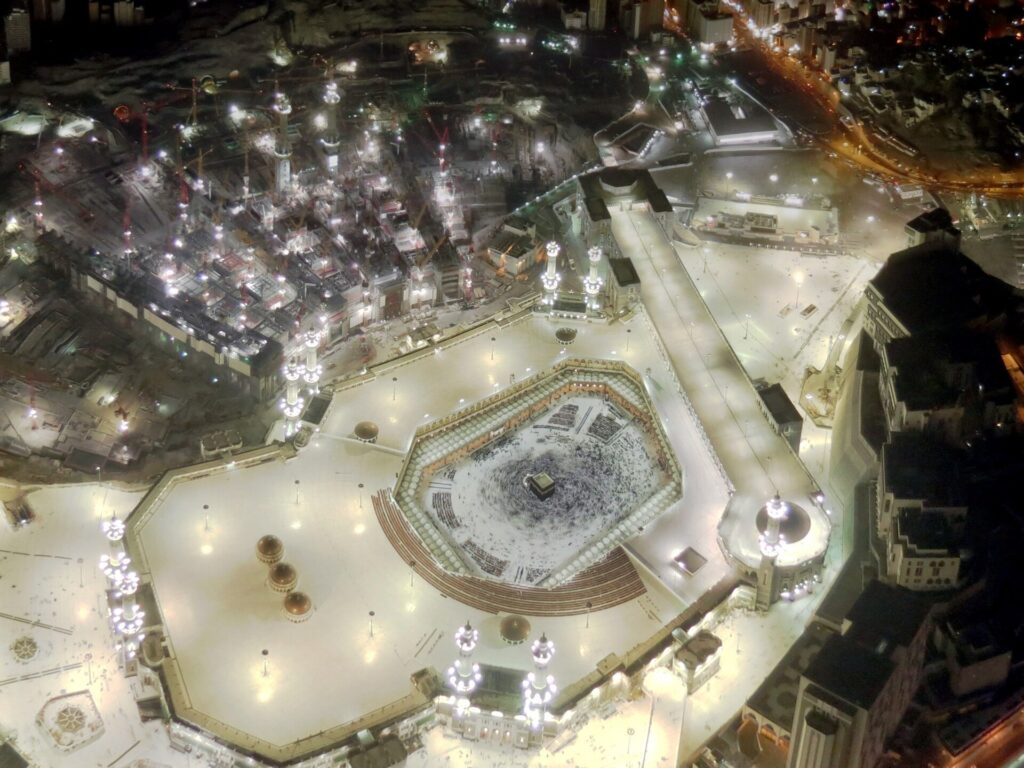
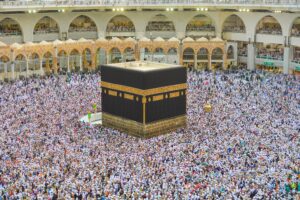
The heart of a visit to Makkah is Masjid al-Haram, which surrounds the Kaaba. The places here stand at the centre of both worship and history.
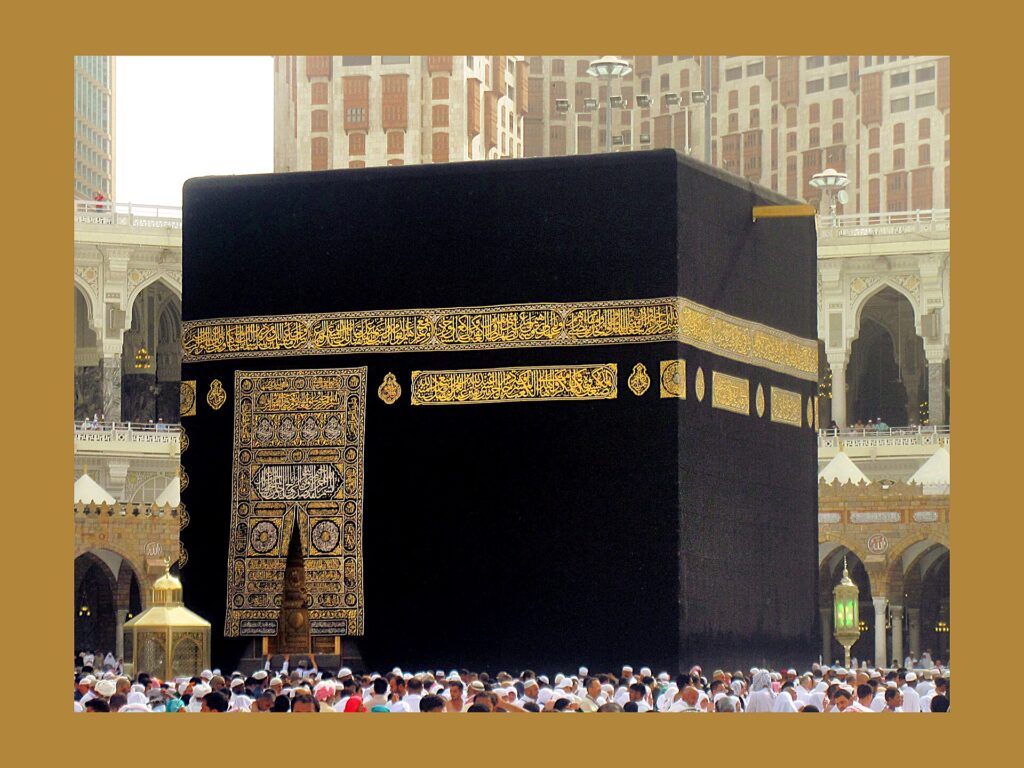
1. Masjid al-Haram and the Kaaba
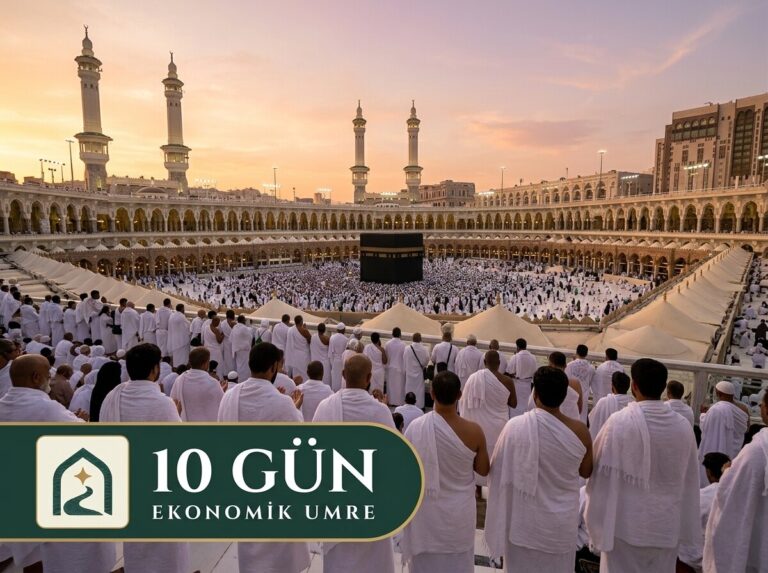
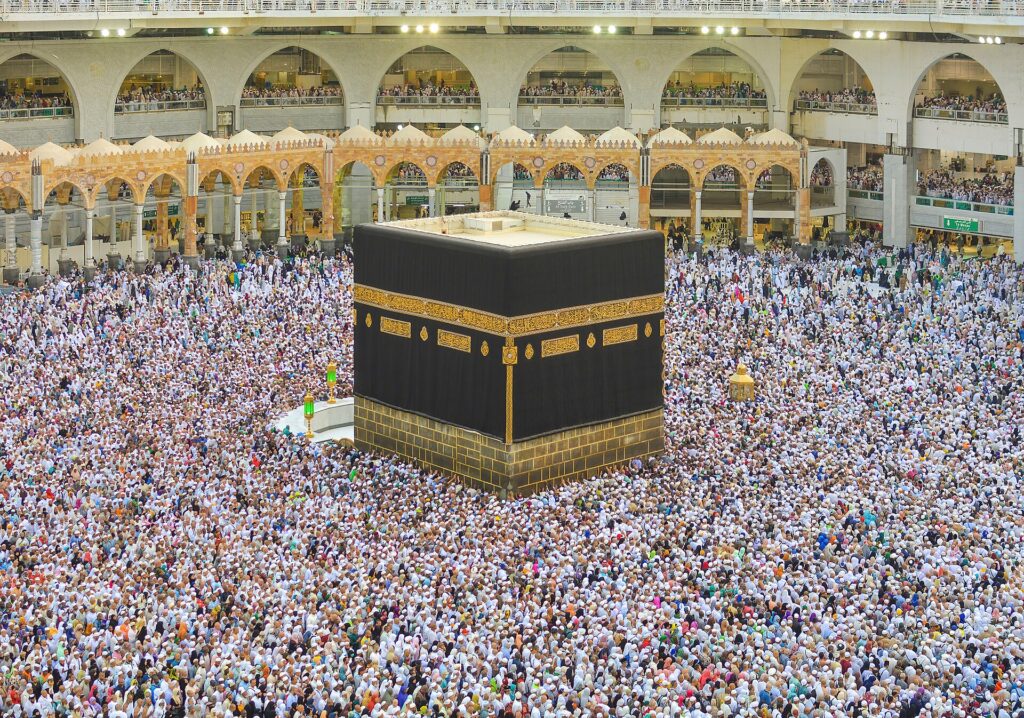
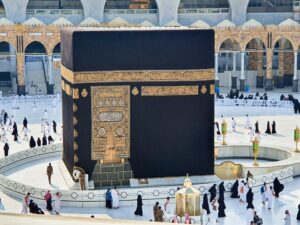
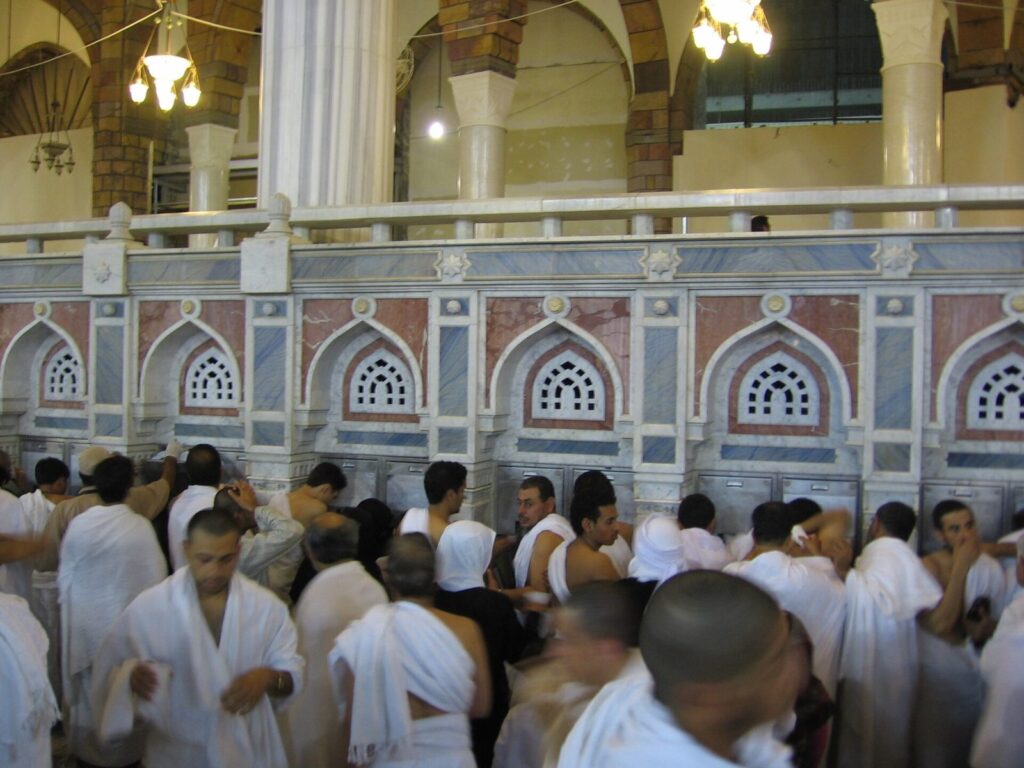
Masjid al-Haram is regarded as the most virtuous mosque on earth, and it surrounds the Kaaba, the qiblah of Muslims. The Holy Quran states that the first house of worship established for mankind is the one in Makkah (Al Imran 3:96). The mosque, which reached its present size through expansions carried out in different periods, is never empty of visitors performing tawaf, praying and making supplication. We have described parts such as the Black Stone, the Multazam and the Station of Ibrahim (Maqam Ibrahim) in detail in our article on the parts of the Kaaba.
2. Safa and Marwah, and Zamzam
Safa and Marwah are the two hills between which Hajar went back and forth while searching for water for her son Ismail. The Holy Quran states that these two hills are among the symbols of Allah (al-Baqarah 2:158). The sa’i performed during Umrah and Hajj is carried out as seven circuits (shawt), starting at Safa and ending at Marwah; today this area lies within the covered sections of Masjid al-Haram.
Another memory of the same story is Zamzam. This water, which by the grace of Allah sprang up where Ismail lay, is a blessed source that has been offered to visitors for centuries. The Zamzam well is close to the Kaaba; although visitors cannot see the well today, they can drink Zamzam water from the containers at many points in the Haram. When drinking Zamzam, it is good etiquette to face the qiblah, say the basmalah and make supplication.
Places That Witnessed the Life of the Prophet (Peace Be Upon Him)
The mountains, valleys and old neighbourhoods of Makkah were the scene of important events in the Prophet’s biography (sirah). Seeing these places offers the opportunity to reflect, on the very spot, on the history you have read.
3. Jabal an-Nour and the Cave of Hira
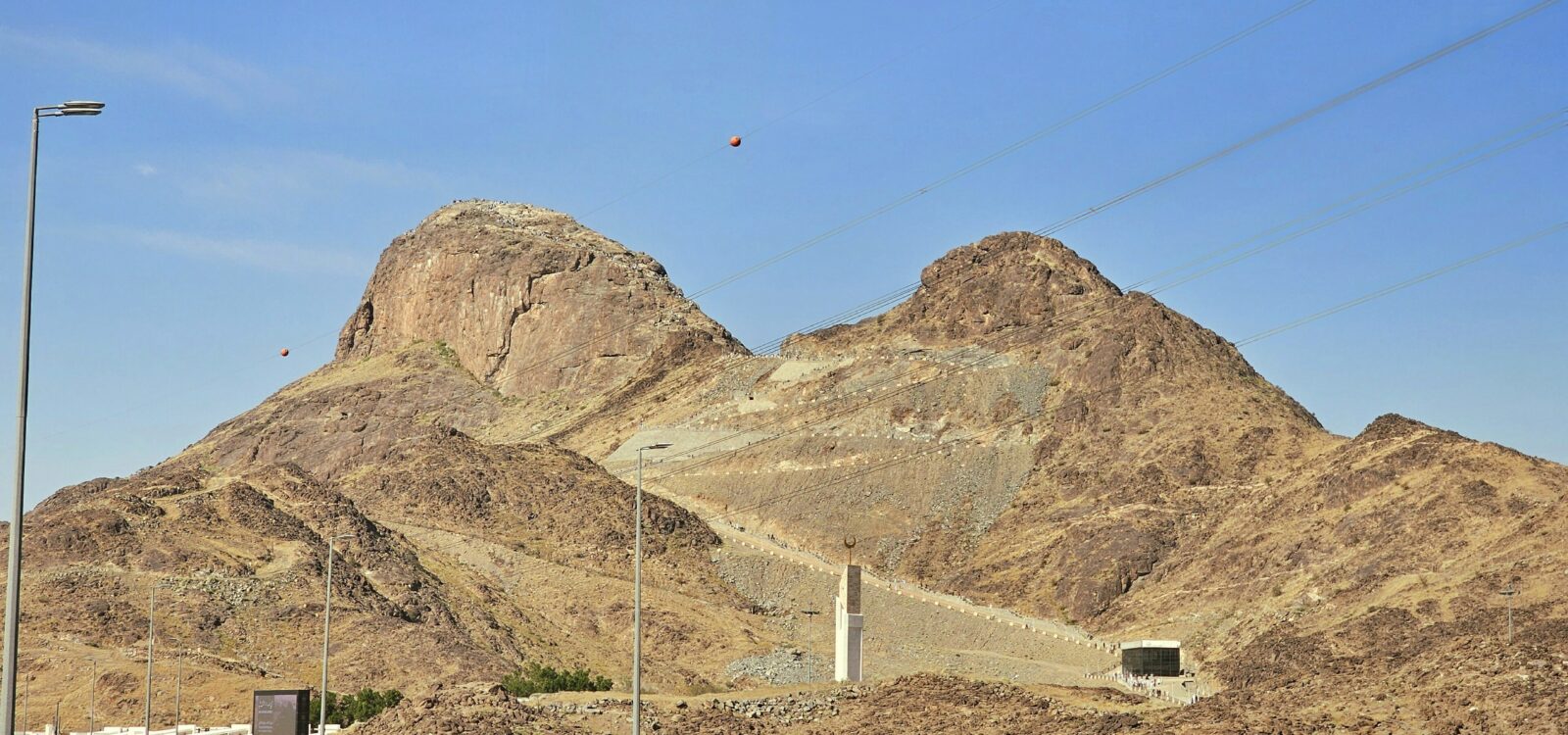
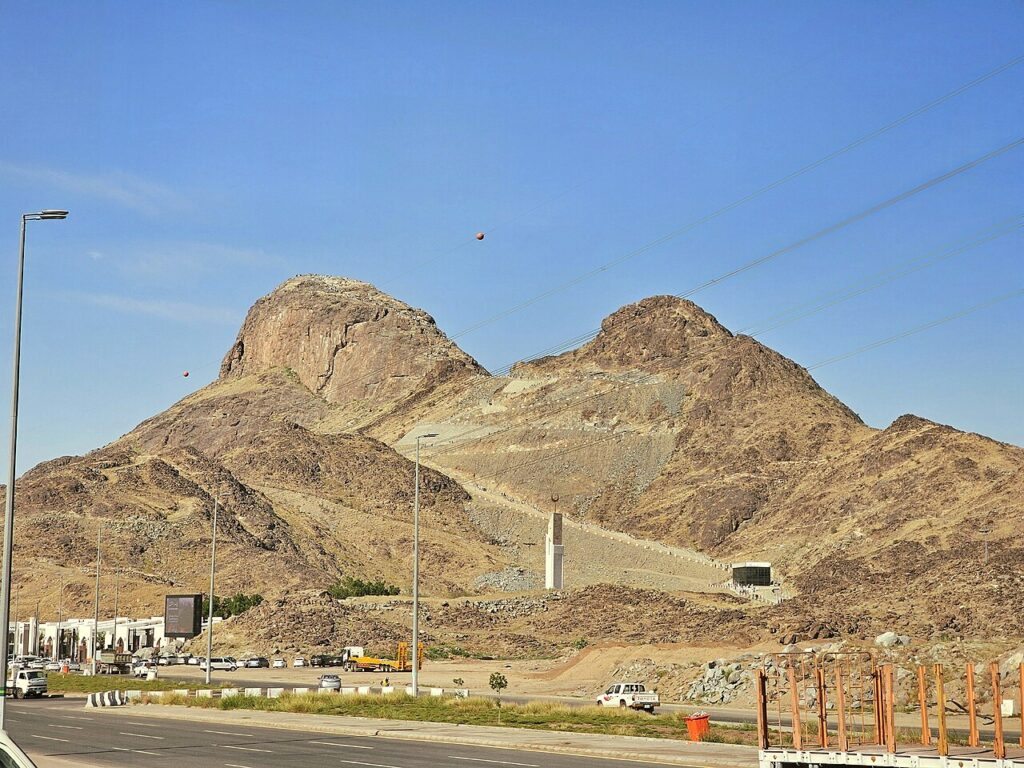
Jabal an-Nour (the Mountain of Light) is the mountain to the north-east of Makkah, near whose summit the Cave of Hira is located. Before his prophethood, the Prophet (peace be upon him) used to retreat here in seclusion and contemplation. The first revelation, the first five verses of Surah al-Alaq, was revealed in this cave (al-Alaq 96:1-5). The climb is steep and tiring, and the steps are uneven in places. It is advised that elderly people, those with heart or respiratory conditions and those who have difficulty walking should not make the climb; those who do go up should choose the cooler hours and take enough water with them.
4. Mount Thawr and Its Cave
Mount Thawr is located to the south of Makkah. During the Hijrah, the Prophet (peace be upon him) and Abu Bakr hid for three days in the cave on this mountain to protect themselves from the pursuit of the Makkan polytheists. The Holy Quran refers to this event and relates that the Prophet said to his companion, “Do not grieve; indeed, Allah is with us” (at-Tawbah 9:40). The climb up Thawr is quite long and difficult; many visitors prefer to reflect while viewing the mountain from its foot.
5. Jannat al-Mu’alla
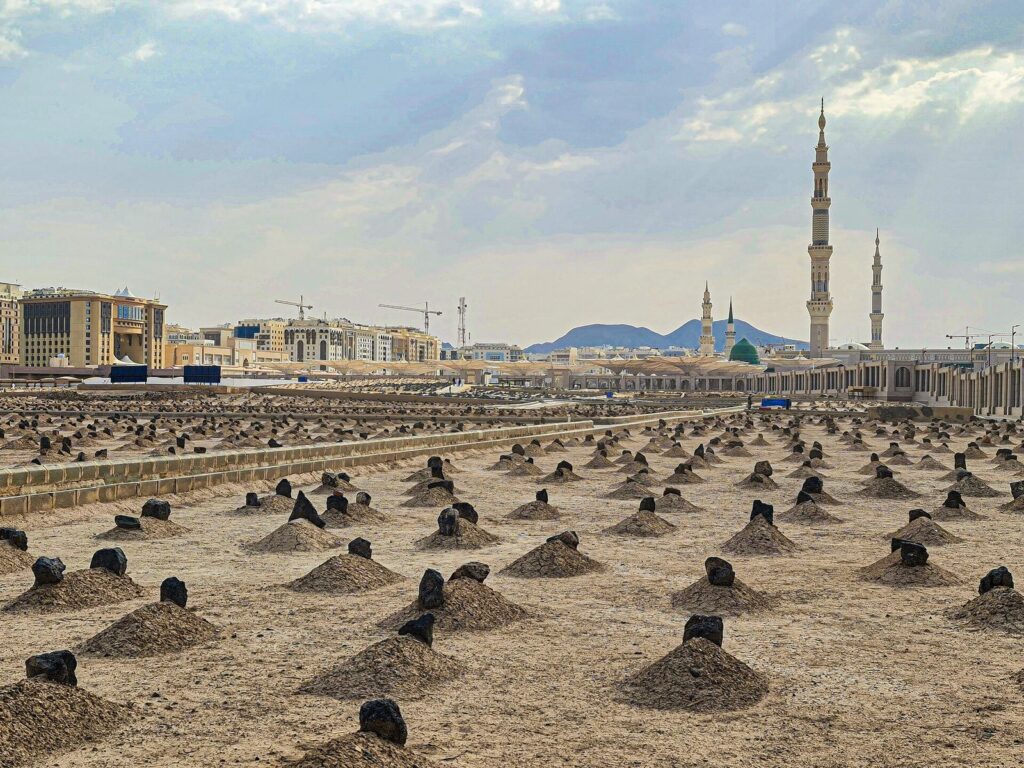
Jannat al-Mu’alla is the historic cemetery of Makkah. Khadijah, the first wife of the Prophet (peace be upon him) and the first person to believe in him, is buried here. It is narrated that some of the Prophet’s relatives, such as his grandfather Abd al-Muttalib, his uncle Abu Talib and his son Qasim, who passed away at a young age, were also buried here. During the visit, it is sufficient to offer greetings, recite al-Fatihah and make supplication. As entry permissions and opening hours for the cemetery can change, it is useful to get up-to-date information from your guide.
6. The Area Known as the Birthplace of the Prophet (Peace Be Upon Him)
On the eastern side of Masjid al-Haram there is an area known as the place where the Prophet (peace be upon him) was born. Today a building stands here that is known to be used as a library. It should be remembered that there are differing views about the exact location and that entry into the building is generally not possible; visitors mostly content themselves with seeing the building from the outside.
7. Masjid al-Jinn
Masjid al-Jinn, located close to Jannat al-Mu’alla, is known by this name in reference to the event in which a group of jinn listened to the Prophet (peace be upon him) and believed. The Holy Quran mentions the jinn listening to the Quran (al-Ahqaf 46:29-31; al-Jinn 72:1-2). It should also be noted that there are differing narrations about the place where the event took place. The mosque is one of the historic mosques of Makkah that visitors frequently stop by.
The Sacred Sites (Masha’ir) Where the Hajj Rites Are Performed
Arafat, Muzdalifah and Mina are the sacred areas where the fundamental rites (manasik) of Hajj are carried out. Outside the Hajj season these areas are quite calm; Umrah visitors usually have the chance to see them on guided city tours.
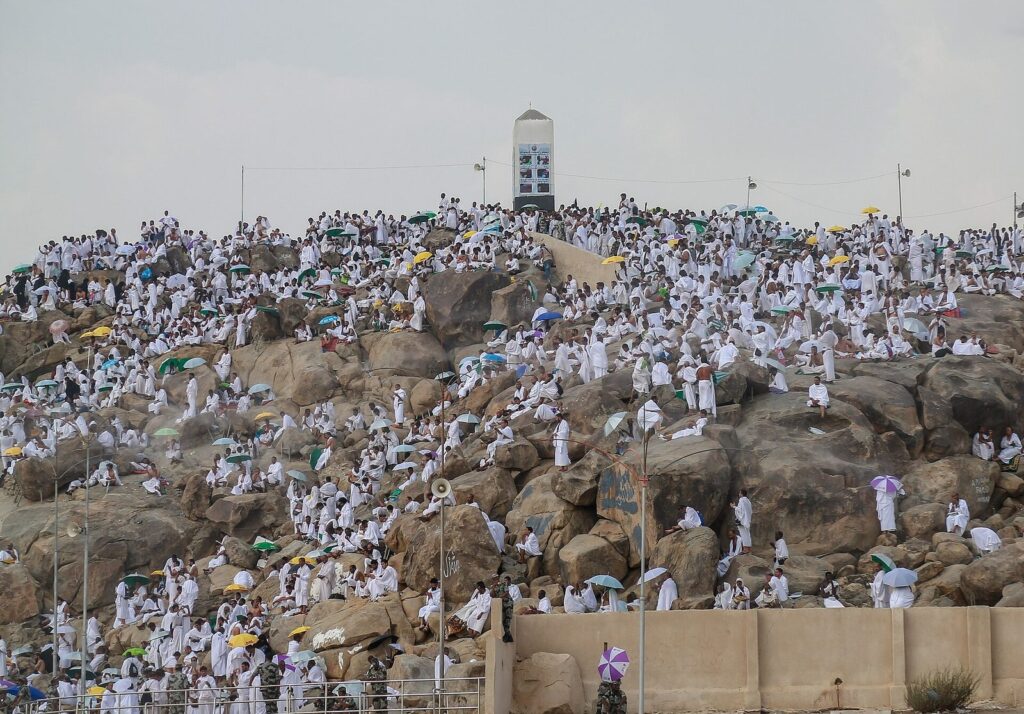
8. Arafat and Jabal ar-Rahmah
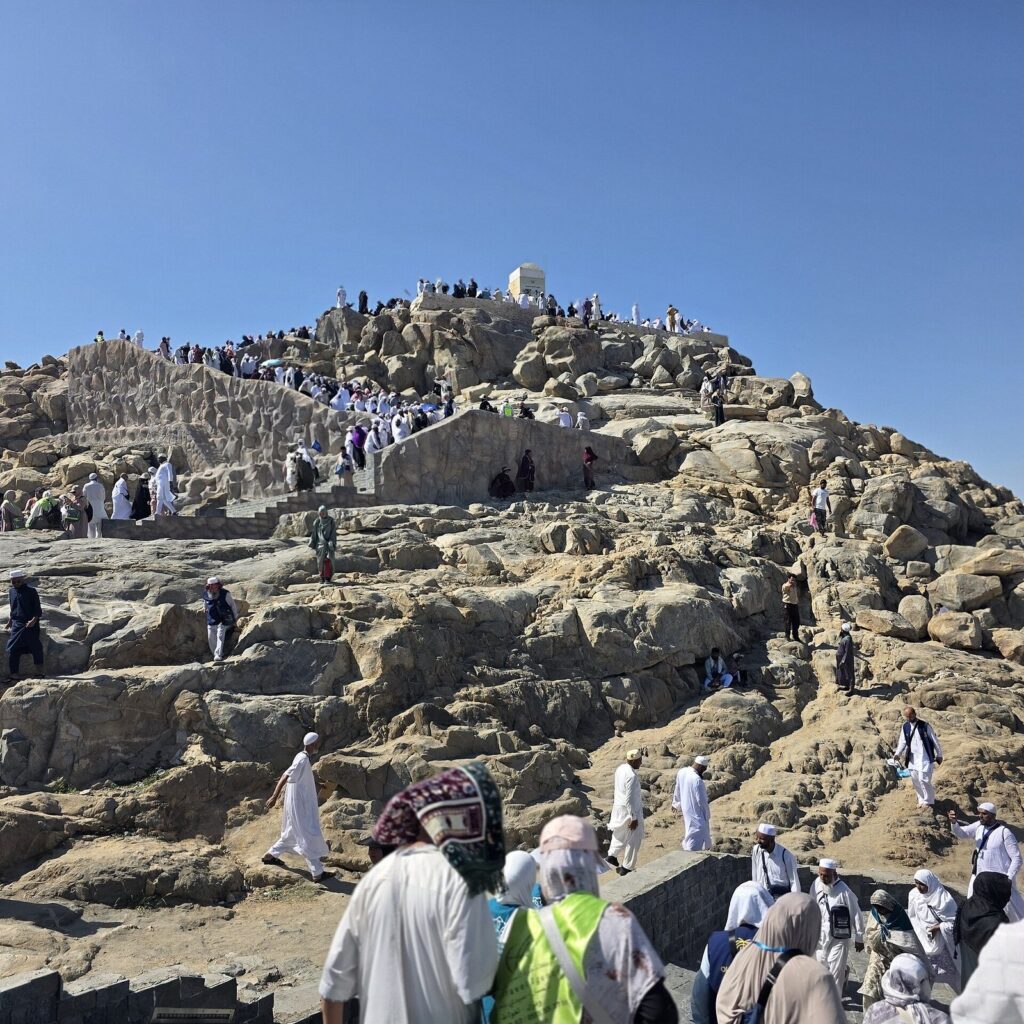
Arafat is the wide plain where the standing (wuquf), the most important pillar of Hajj, takes place; pilgrims stand here on the ninth day of the month of Dhu al-Hijjah. It is narrated that the Prophet (peace be upon him) said, “Hajj is Arafah.” Jabal ar-Rahmah (the Mount of Mercy), within the plain, is a small hill accepted as being close to the place where the Prophet performed the standing. It is not a requirement to climb the hill for the standing; it is sufficient to be within the boundaries of Arafat (excluding the valley of Uranah). The Farewell Sermon was also delivered at Arafat.
9. Muzdalifah and al-Mash’ar al-Haram
Muzdalifah lies between Arafat and Mina. After leaving Arafat, pilgrims spend the night of Eid here and perform the standing at Muzdalifah on the morning of Eid. The Holy Quran says: “When you depart from Arafat, remember Allah at al-Mash’ar al-Haram” (al-Baqarah 2:198). Al-Mash’ar al-Haram is associated today with the site of the mosque of the same name in Muzdalifah. The pebbles to be used in the stoning of the Jamarat are also usually collected here.
10. Mina and the Jamarat
Mina is the valley between Makkah and Muzdalifah where pilgrims stay in tents during the days of Hajj. Pilgrims stay here during the days of Eid and carry out the act of worship of stoning the Jamarat. The three places where the pebbles are thrown are called Jamrat al-Ula (the small one), Jamrat al-Wusta (the middle one) and Jamrat al-Aqabah (the large one); today the Jamarat are inside a multi-storey structure built to manage the crowds. Masjid al-Khayf is also located in Mina. Outside Hajj, the tent areas are empty and access to the area may be restricted.
The Mosques Where Ihram Is Entered for Umrah
When someone who is within the Haram area wishes to perform Umrah, they go outside the boundaries of the Haram, to the area called “al-Hill”, and enter ihram there. Tan’im and Ji’ranah are foremost among the places preferred for this purpose. You can find all the steps of Umrah in our article on how to perform Umrah.
11. Tan’im (Aisha) Mosque
Tan’im lies just outside the boundaries of the Haram and is known as the point of al-Hill closest to Masjid al-Haram. During the Farewell Hajj, the Prophet (peace be upon him) sent Aisha here together with her brother Abd al-Rahman, and Aisha entered ihram here and performed her Umrah. For this reason, the mosque in the area is also known as Aisha Mosque. It is one of the places most often chosen by those who wish to perform Umrah while in Makkah.
12. Ji’ranah Mosque
Ji’ranah is an area to the north-east of Makkah that lies outside the boundaries of the Haram. After the Battle of Hunayn, the Prophet (peace be upon him) distributed the spoils of war here and entered ihram from here to perform Umrah. Today there is a mosque known by the same name in the area, and it is used as one of the places to enter ihram for those who wish to perform Umrah while in Makkah.
Etiquette for Visiting the Blessed Places
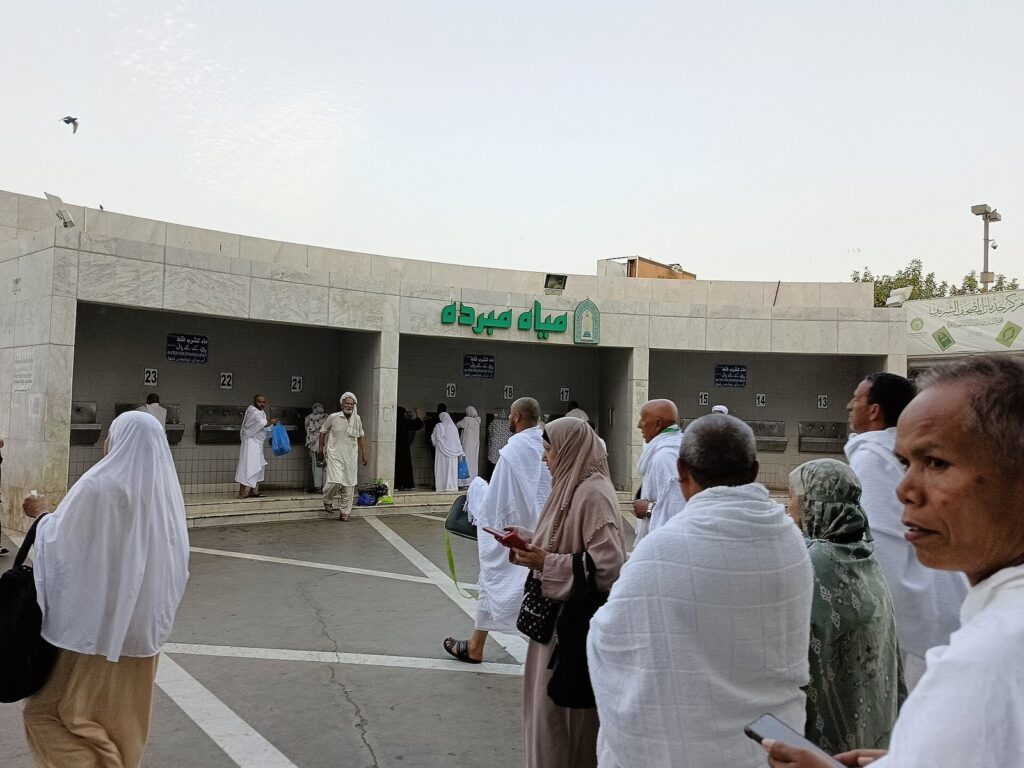
Seeing these places is an expression of love for the history of Islam and for the Prophet (peace be upon him); however, these visits are not part of Hajj or Umrah (apart from the rites performed at the sacred sites during the days of Hajj). As Diyanet (Türkiye’s Presidency of Religious Affairs) also reminds us, it is necessary to stay away from practices that have no place in the religion at these sites.
- Avoid behaviour such as rubbing your hands and face on walls, stones, doors and grilles or seeking blessings from them.
- Do not write on caves and rocks, do not leave wish notes and do not tie pieces of cloth or string.
- Do not pick and take away stones, soil or plants as souvenirs.
- When visiting graves, offer greetings, recite al-Fatihah and make supplication; do not pray facing the graves.
- Respect the warnings of the staff and avoid pushing in crowds.
- When taking photos, take care not to disturb those who are worshipping.
The purpose of these reminders is to ensure that the visit gains value through reflection and supplication. In the blessed places, the finest provisions are a sincere intention and good manners.
Common Questions About Visiting Makkah
What are the best times for visits in Makkah?
In general, the cool hours after the Fajr prayer are the most suitable time, especially for visiting mountains and open areas. Around midday, particularly in the summer months, you should not stay in open areas for long because of the risk of heatstroke. As visiting hours and entry permissions can change, confirm the latest information with your guide or with the official announcements of the Saudi authorities.
How many days should you stay in Makkah?
This depends on your programme and your expectations. Setting aside at least a few full days makes for a comfortable plan to perform Umrah without rushing, spend time in the Haram and see the main places to visit. Those who wish to devote more time to worship may prefer longer programmes; you can explore the different duration options on our Umrah tours page.
Can everyone climb up to the Cave of Hira?
Because the climb is steep and tiring, it is not suitable for everyone. Elderly people, those with chronic conditions and families with young children should be careful and, if necessary, content themselves with seeing the mountain from its foot. Climbing to Hira is not part of Hajj or Umrah; there is no need to put your health at risk for it.
Does your choice of accommodation affect your visiting plan?
Yes, staying at a hotel close to the Haram makes it easier to reach Masjid al-Haram at prayer times and saves energy for your visits. Those staying in more distant areas should plan by taking travel times into account. For the options in different areas, take a look at our Makkah hotels page.
Madinah After Makkah
Umrah programmes usually cover Makkah and Madinah together. To learn about places such as the Prophet’s Mosque (Masjid an-Nabawi), Quba Mosque and Mount Uhud, you can read our article on places to visit in Madinah.
Up-to-Date Notes for Planning Your Makkah Visits in 2026–2027
Choosing the right time to see the blessed places in Makkah depends not only on the weather but also on how busy the season is and on the practices of the Saudi authorities. At RotaNur, we recommend that our guests travelling for Umrah in the 2026–2027 season think about their city visits together with the calendar. The table below summarises the situations you may encounter in Makkah in the coming months.
| Period | Note for visits in Makkah |
|---|---|
| September–November 2026 | The post-Hajj Umrah season continues. Although the heat eases somewhat as the days go by, the morning hours are more comfortable for visiting mountains and open areas. |
| December 2026–January 2027 | The three sacred months begin; the blessed nights (kandil) of Raghaib, Mi’raj and Bara’ah fall in this period. With the mid-year school holiday in Türkiye in the second half of January, demand from families increases and the Haram becomes busier. |
| February–March 2027 | The month of Ramadan is expected to begin in the first half of February and end in early March. As the Haram will be very crowded, plan your city visits so that they do not tire you out for your programme of worship. |
| From mid-Shawwal until after Hajj | In previous years, the issuing of new Umrah visas was temporarily suspended during this period, and Umrah resumed after Hajj. A similar practice can be expected for 2027. |
| May 2027 | Hajj 2027 is expected to fall in mid-May; the exact date will be confirmed by the Diyanet calendar and the announcement of the Saudi authorities. During this period, entry to the holy sites is restricted for those without a Nusuk card and a Hajj permit. |
Our blessed nights (kandil) Umrah programmes for those who wish to spend the blessed nights in the Haram, and our Ramadan Umrah programmes for those who wish to experience the spiritual atmosphere of the blessed month on the spot, require early planning. For Umrah guests who want to see Arafat, Muzdalifah and Mina, it is better to schedule this visit before the weeks when Hajj preparations intensify, so as not to be affected by access restrictions. For families travelling with their children during the mid-year school holiday, choosing guided city tours by vehicle instead of tiring climbs such as Jabal an-Nour will also make the programme more comfortable for everyone.
Visa types, Nusuk permits and the entry arrangements for places to visit can change at short notice. For this reason, confirm the current conditions with official sources and your travel agency before you travel, and leave a flexible day in your programme for city visits. If you are considering travelling on dates close to the month of Shawwal, we recommend starting the visa process early.
Keep reading
- Where Is the Cave of Hira? Jabal an-Nour and the Story of the First Revelation
- Mount Arafat and Jabal ar-Rahmah: Significance and Visiting Information
- The Zamzam Well: Its Story, Location and Present Condition
If you would like to plan your visits in Makkah with a guide and in peace, RotaNur is by your side. For any questions you may have, you can write to us through our contact page or our WhatsApp line. May Allah accept your visits.
Frequently Asked Questions
How long does a Makkah ziyarat tour take?
Guided Makkah ziyarat (visiting) tours usually take around half a day, depending on the number of places to be visited and the traffic. On these tours, places such as Jabal an-Nour, Mount Thawr, Arafat, Muzdalifah and Mina are mostly visited by vehicle, with short stops at some of them. Tours are preferably started early in the morning to reduce the effects of the heat and the crowds. The content of the programme may vary depending on the tour company and the season.
What is there in the Hira Cultural District?
The Hira Cultural District is an area at the foot of Jabal an-Nour that is open to visitors, and it hosts the Revelation Exhibition, which tells the story of the first revelation. Elderly people, families with children and visitors with health problems who cannot climb up to the Cave of Hira can see Jabal an-Nour up close in this area and reflect on the coming of the first revelation. As entry conditions and visiting hours may change, get up-to-date information from your guide.
When is the covering of the Kaaba changed?
The kiswah, the covering of the Kaaba, has been changed every year since 2022 at the start of the Hijri year, that is, on 1 Muharram. Previously, this change was made on the Day of Arafah, the ninth day of the month of Dhu al-Hijjah. With its black background and verses embroidered in gold thread, the kiswah is the most striking feature of the Kaaba at first glance. For the other parts of the Kaaba, you can also take a look at our article on the parts of the Kaaba.
Can Umrah pilgrims see Arafat and Mina?
Yes, outside the Hajj season, Umrah visitors can usually see Arafat, Muzdalifah and Mina on guided city tours. This visit is not part of Umrah; its purpose is to get to know and reflect on the places where the Hajj rites are performed. During the Hajj period, however, entry to the holy sites is restricted for those without a Nusuk card and a Hajj permit. For detailed information, you can read our article on Mount Arafat and Jabal ar-Rahmah.
Where do you enter ihram to perform another Umrah while in Makkah?
When someone who is in Makkah wishes to perform Umrah again, they go outside the boundaries of the Haram, to the area called al-Hill, and enter ihram there. Aisha Mosque at Tan’im, the point of al-Hill closest to Masjid al-Haram, is the most frequently chosen place; Ji’ranah is also among the places used. Before entering ihram, a full bath (ghusl) or ablution (wudu) is performed; if it is a suitable time, two rak’ahs of the ihram prayer are offered, and then the intention (niyyah) is made and the talbiyah is recited.

Cihat Murat Yüksel is the editor of the RotaNur blog and the founder of Markention. Drawing on the sources of Türkiye's Presidency of Religious Affairs (Diyanet), he turns the questions travellers ask most about preparing for Umrah, Hajj and halal travel into clear, practical guides.
Questions answered in this article
What are the best times for visits in Makkah?
In general, the cool hours after the Fajr prayer are the most suitable time, especially for visiting mountains and open areas. Around midday, particularly in the summer months, you should not stay in open areas for long because of the risk of heatstroke. As visiting hours and entry permissions can change, confirm the latest information with your guide or with the official announcements of the Saudi authorities.
How many days should you stay in Makkah?
This depends on your programme and your expectations. Setting aside at least a few full days makes for a comfortable plan to perform Umrah without rushing, spend time in the Haram and see the main places to visit. Those who wish to devote more time to worship may prefer longer programmes; you can explore the different duration options on our Umrah tours page.
Can everyone climb up to the Cave of Hira?
Because the climb is steep and tiring, it is not suitable for everyone. Elderly people, those with chronic conditions and families with young children should be careful and, if necessary, content themselves with seeing the mountain from its foot. Climbing to Hira is not part of Hajj or Umrah; there is no need to put your health at risk for it.
Does your choice of accommodation affect your visiting plan?
Yes, staying at a hotel close to the Haram makes it easier to reach Masjid al-Haram at prayer times and saves energy for your visits. Those staying in more distant areas should plan by taking travel times into account. For the options in different areas, take a look at our Makkah hotels page.