




Contents 16 sections
- What Does Masjid al-Haram Mean, and Where Is It?
- Where is Masjid al-Haram?
- From the Kaaba to the Mosque: The History of Masjid al-Haram
- Who built Masjid al-Haram?
- The Sections of Masjid al-Haram
- Gates, Floors and Entrances
- Which gate do you enter Masjid al-Haram by?
- The Virtue of Prayer in Masjid al-Haram
- How much more reward does prayer in Masjid al-Haram bring?
- Visiting Etiquette
- Practical Information for First-Time Visitors
- Is Masjid al-Haram open 24 hours?
- A Day in Masjid al-Haram: The Daily Routine of an Umrah Pilgrim
- What are the quietest hours in Masjid al-Haram?
- Masjid al-Haram and the Prophet’s Mosque
- Frequently Asked Questions
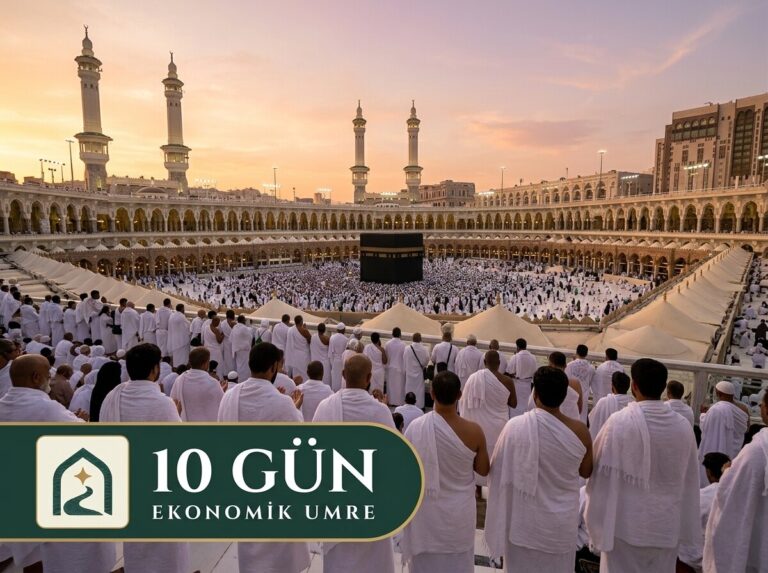
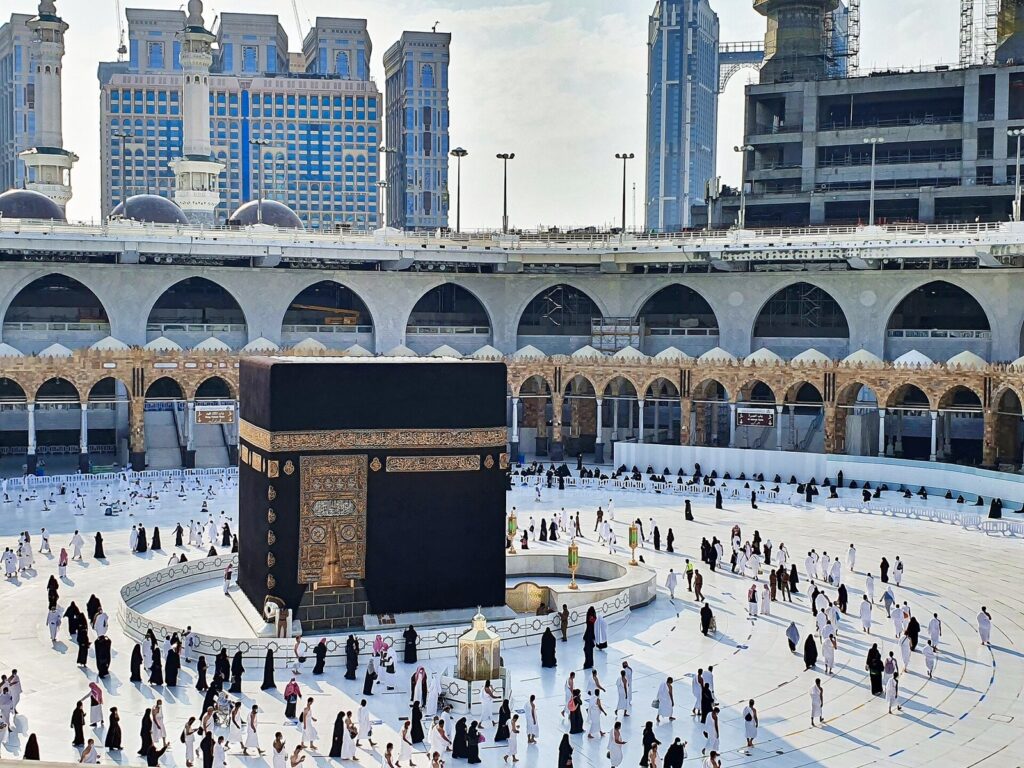
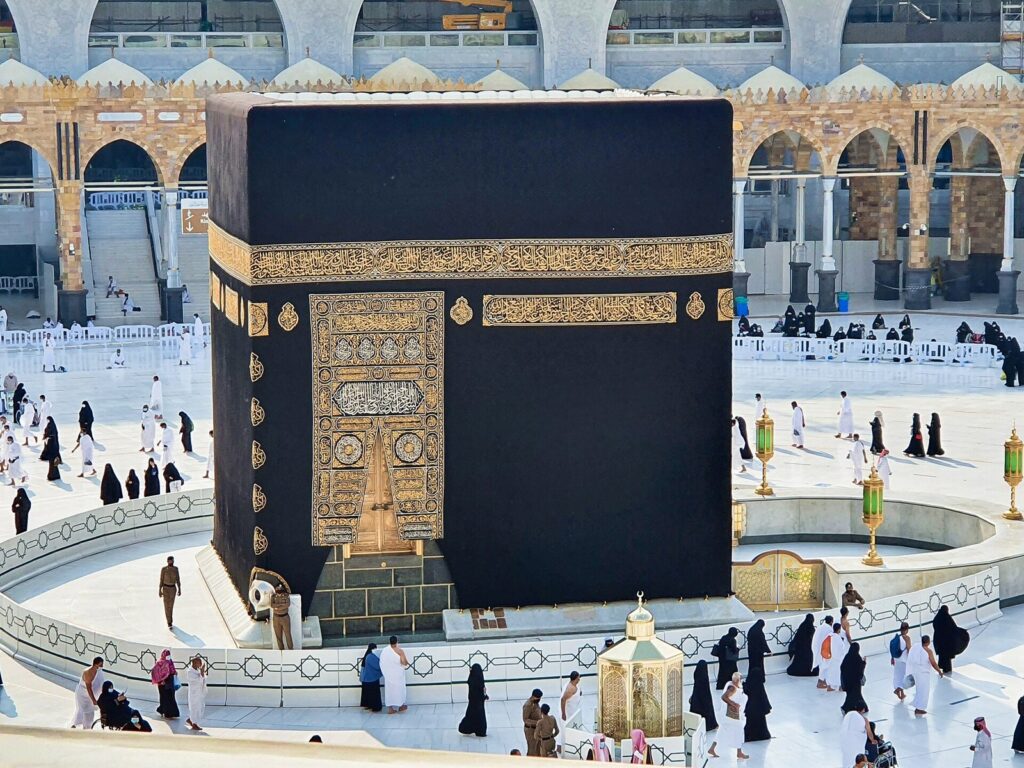
Masjid al-Haram is the great mosque in Makkah that surrounds the Kaaba, holds the qiblah of the Muslims and is regarded as the first mosque on earth in which prayer was performed. The tawaf and sa’i parts of Umrah and Hajj are performed here; the well of Zamzam, the Station of Ibrahim, Safa and Marwah and the Black Stone are inside this mosque. In this article we explain what Masjid al-Haram means and where it is, its history and expansions from the Prophet Ibrahim to today, its sections, gates and floors, the virtue of the prayer performed there, the etiquette of the visit and practical information for first-time visitors, following the guides of Diyanet (Türkiye’s Presidency of Religious Affairs) and the sources of Islamic history. Because we dealt with the parts of the Kaaba in a separate article, here we focus on the mosque itself.
What Does Masjid al-Haram Mean, and Where Is It?
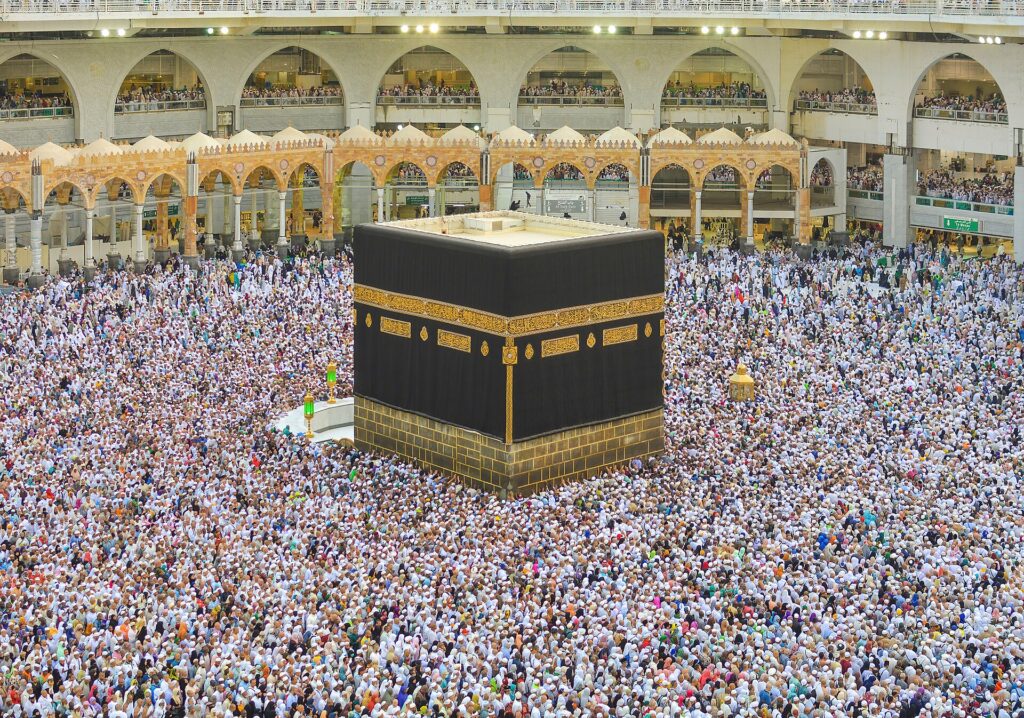
The word “haram” means “worthy of respect, inviolable, protected” in Arabic; Masjid al-Haram means “the mosque that is inviolable”, and it is mentioned by this name in the Qur’an. Verse 144 of Surah al-Baqarah commands the Muslims to turn their faces in prayer towards Masjid al-Haram; the first verse of Surah al-Isra reports that the Prophet (peace be upon him) was taken one night from Masjid al-Haram to Al-Aqsa Mosque. The mosque stands in the very centre of the city of Makkah in Saudi Arabia, at the lowest point of the valley surrounded by mountains; the Kaaba stands in the middle of the mosque, at the centre of the tawaf area called the Mataf. A certain area around Makkah is counted as the Haram region and is closed to non-Muslims. The names “Baytullah” (the House of Allah) and “al-Bayt al-Atiq” (the Ancient House) used for the Kaaba in the Qur’an describe the building at the centre of Masjid al-Haram; the name of the mosque covers the whole structure.
Where is Masjid al-Haram?
Masjid al-Haram is in the centre of the city of Makkah in the west of Saudi Arabia, around the Kaaba. It is about eighty kilometres from Jeddah and about four hundred and fifty kilometres from Madinah. The mosque is surrounded by hotels, the Abraj Al Bait tower complex and historic quarters such as Safa, Marwah, Ajyad and Shamiyah; the accommodation in Umrah and Hajj programmes is arranged in this area.
From the Kaaba to the Mosque: The History of Masjid al-Haram
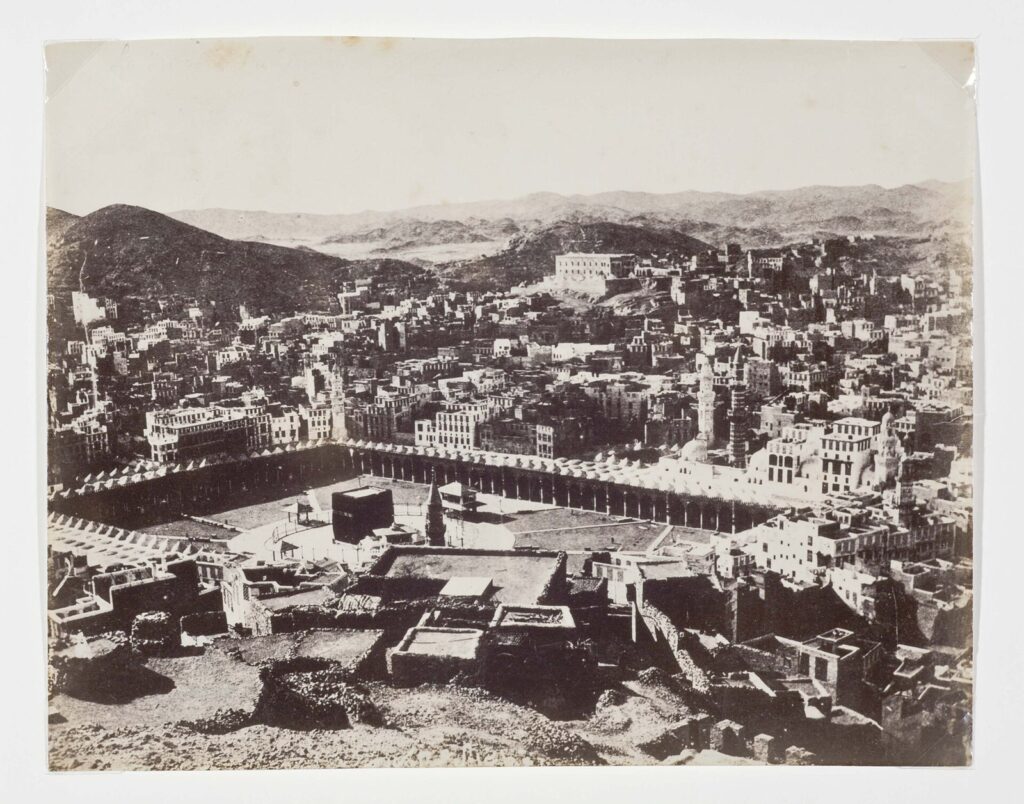
When the Prophet Ibrahim and his son Ismail built the Kaaba, the area around it was open ground; in the time of the Prophet (peace be upon him) too, there was only a courtyard surrounded by houses around the Kaaba. The emergence of the mosque as a building dates to the time of Umar: in the seventeenth year of the Hijrah the caliph bought and demolished the houses around the Kaaba and enclosed the area with a wall. Uthman enlarged the area and added covered arcades, and the Umayyad and Abbasid caliphs expanded the mosque; the expansion of the Abbasid caliph al-Mahdi was the most comprehensive work of the classical period.
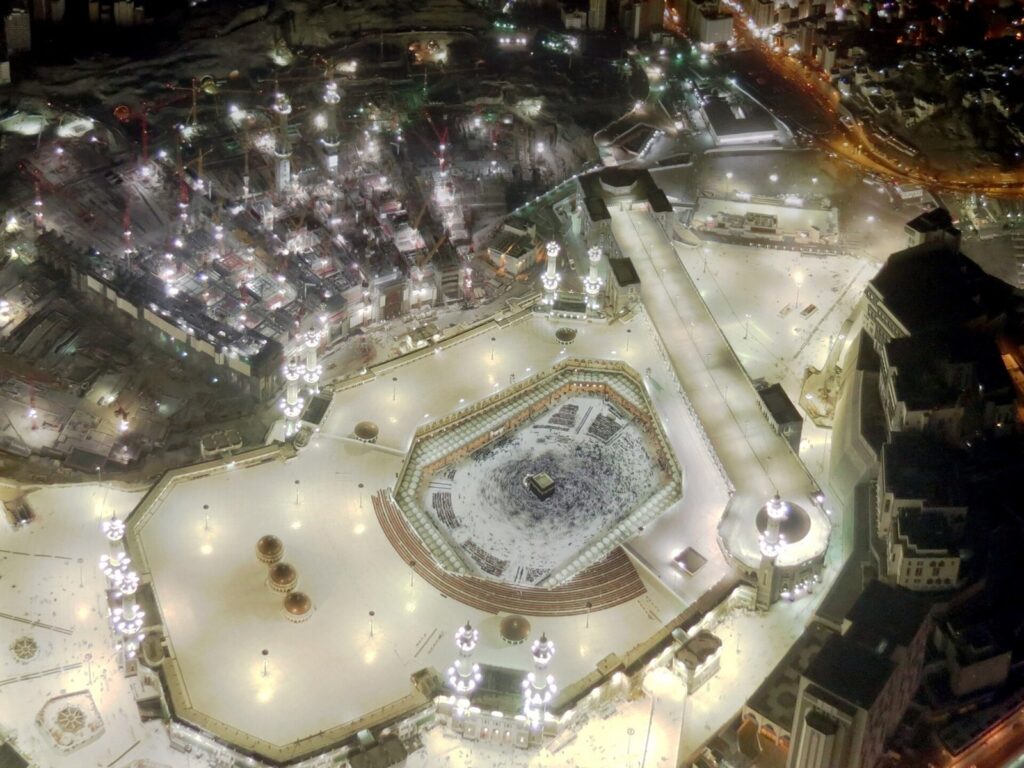
In the Ottoman period, with the work begun by Sultan Suleiman the Magnificent and completed in the reigns of Selim II and Murad III, the surroundings of the mosque were renewed with domed arcades; part of these arcades, planned by Mimar Sinan, still stands today and is preserved as the “Ottoman arcades”. In the Saudi period, the first expansion begun in 1955, the second expansion made in the reign of King Fahd in 1988, and the third expansion continuing since 2007 under the name of King Abdullah have brought the mosque to its present gigantic size. The Mataf area has also been made multi-storey, and the Mas’a between Safa and Marwah has been rebuilt.
| Period | Work done | Result |
|---|---|---|
| Umar (638) | Purchase of the surrounding houses, the first enclosing wall | The area around the Kaaba became the mosque grounds |
| Uthman and the Umayyads | Expansion, covered arcades | Covered areas for prayer |
| The Abbasid caliph al-Mahdi (8th century) | Major expansion, arrangement keeping the Kaaba at the centre | The classical plan completed |
| The Ottomans (16th century) | Domed arcades, the plan of Mimar Sinan | The Ottoman arcades |
| The first Saudi expansion (1955–1976) | Incorporation of the Mas’a into the mosque, new floors | The area grew floor by floor |
| The King Fahd expansion (1988–2005) | The western wing, the roof prayer area, escalators | Capacity increased |
| The King Abdullah expansion (2007–) | The northern wing (Shamiyah), the multi-storey Mataf, the new Mas’a | The present size |
Who built Masjid al-Haram?
The Kaaba was built by the Prophet Ibrahim and the Prophet Ismail; the first caliph to turn the surroundings of the Kaaba into a mosque was Umar. In the following centuries the Umayyad, Abbasid, Mamluk and Ottoman rulers expanded and repaired the mosque; its present size emerged through the three major expansions carried out in the Saudi Arabian period since 1955.
The Sections of Masjid al-Haram
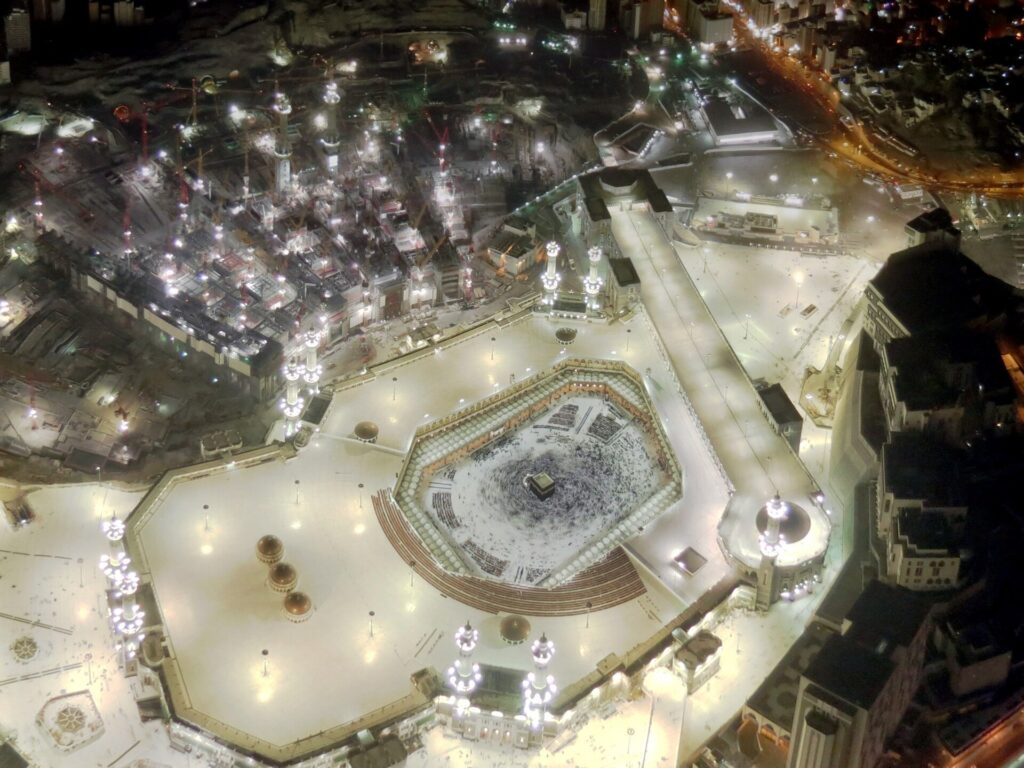
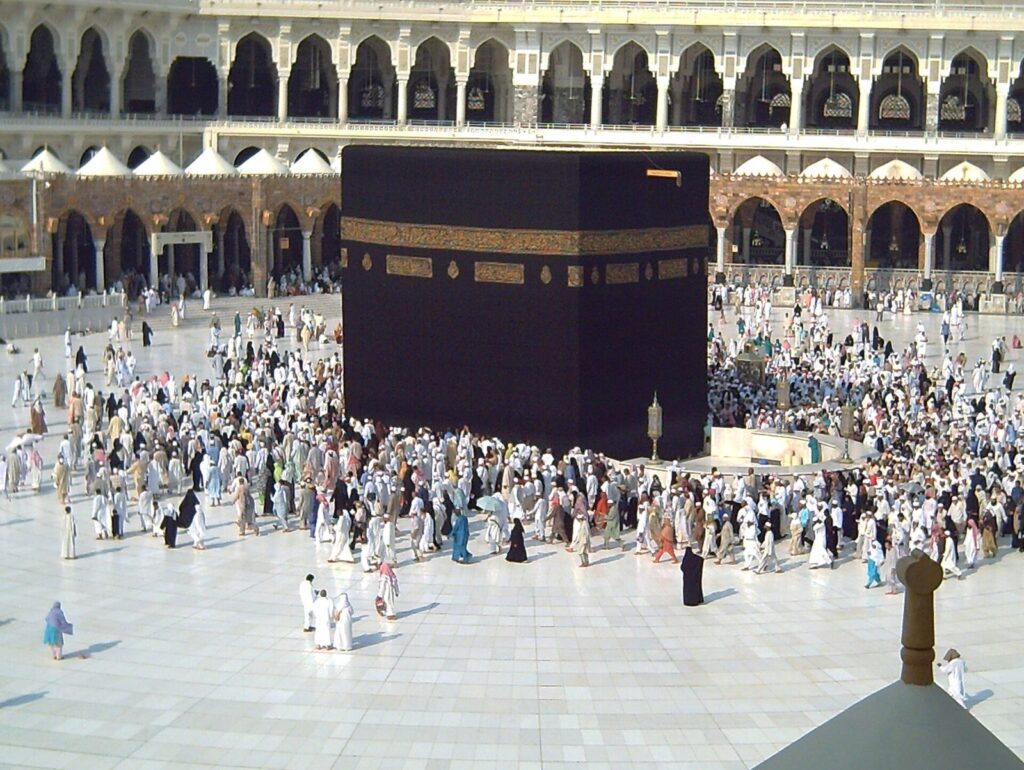
Masjid al-Haram is a structure that grows outwards in rings from the Kaaba at its centre. The sections first-time visitors should know are these:
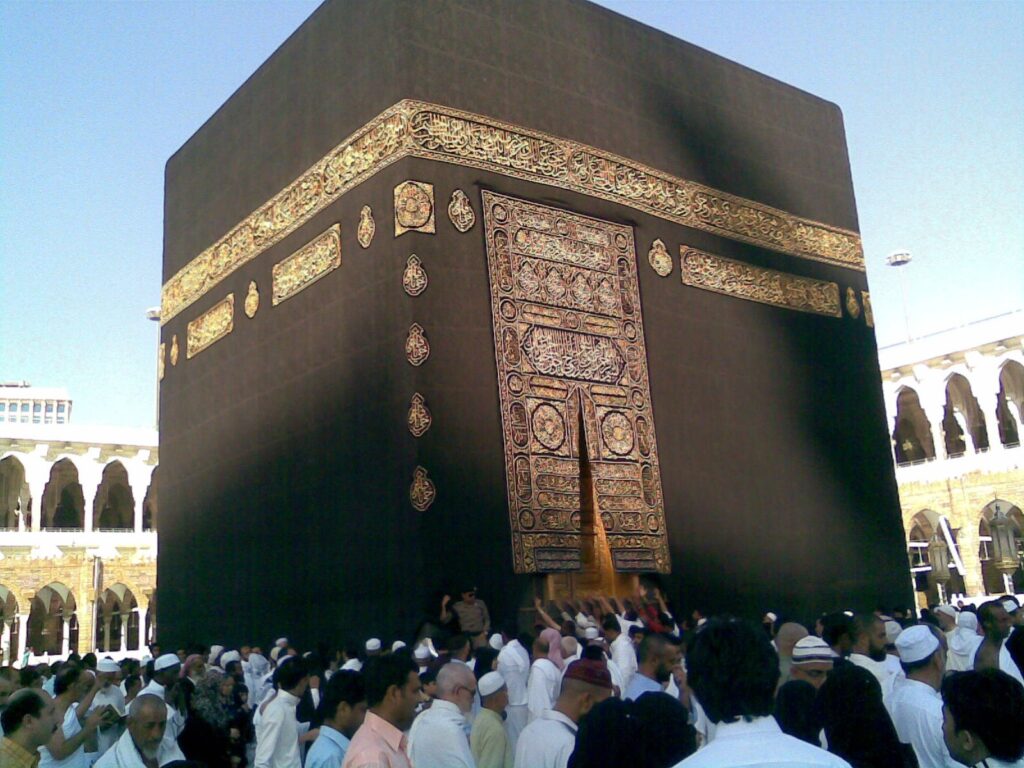
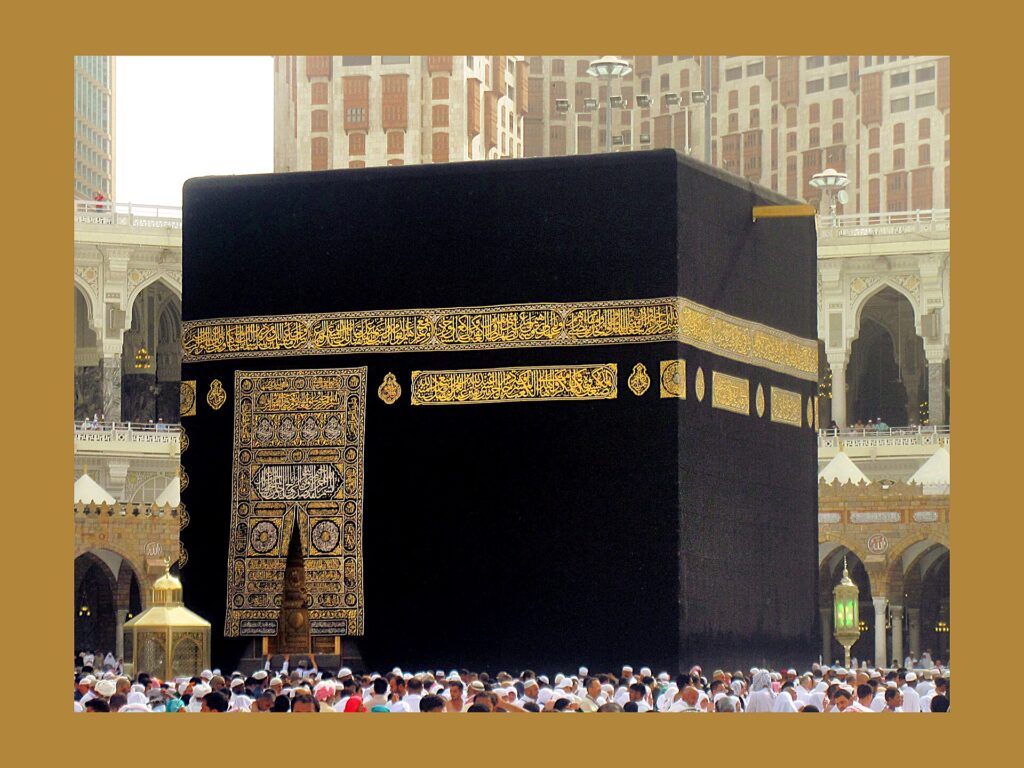
- The Kaaba: The cube-shaped building at the centre of the mosque; the qiblah and the centre of tawaf. See our article on the parts of the Kaaba for its sections.
- The Mataf: The marble-paved tawaf area around the Kaaba; today tawaf can be performed on the ground floor, the mezzanine and the upper floors.
- The Black Stone and the Rukn al-Yamani: The black stone that is the starting point of tawaf and the southern corner that is greeted; details in our article on the Black Stone.
- The Station of Ibrahim: The glass case in which the stone the Prophet Ibrahim stood on while building the Kaaba is preserved; the tawaf prayer is performed behind it.
- The Hijr (Hatim): The semicircular area in front of the northern wall of the Kaaba; tawaf is performed outside this area.
- Zamzam: The well itself is today beneath the Mataf; the water is drunk from the cooled taps everywhere in the mosque. Its story is in our article on the Zamzam well.
- The Mas’a (Safa and Marwah): The multi-storey sa’i gallery running between the two hills in the eastern wing of the mosque.
- The arcades and prayer halls: The Ottoman arcades, the multi-storey halls of the Fahd and Abdullah expansions, and the roof.
- The minarets: The minarets, whose number has grown with the expansions, rise on all sides of the mosque; the newest are in the northern wing.
Gates, Floors and Entrances
There are more than a hundred entrances around Masjid al-Haram; the great gates are known by their names, the others by their numbers. The best known are Bab as-Salam, Bab al-Umrah, Bab al-Fath, the King Abdulaziz Gate, the King Fahd Gate and the King Abdullah Gate. Because it is narrated that the Prophet entered Masjid al-Haram through Bab as-Salam, this gate is preferred for the first entry, but it is not compulsory. The floor plan consists of the ground floor, the mezzanine, the first floor and the roof; escalators and lifts connect the floors. On crowded days, memorising which gate you entered by and which gate your hotel is nearest to is the most practical way not to get lost. The wide marble squares around the mosque are also used as prayer areas; on Fridays and on the days of Eid the rows overflow into these squares. The escalators going down from the squares into the mosque and the ramps for the disabled allow visitors arriving in wheelchairs to reach the floors; wheelchair hire points are beside certain gates.
Which gate do you enter Masjid al-Haram by?
Masjid al-Haram has more than a hundred entrances and any gate may be used; preferring Bab as-Salam for the first entry is considered in keeping with the Sunnah, but it is not a condition. In crowded periods the staff may reserve some gates for entry only or exit only. We recommend learning the name and number of the gate nearest your hotel and using it as the meeting point for your group.
The Virtue of Prayer in Masjid al-Haram
The hadith sources relate that one prayer performed in Masjid al-Haram is equal to a hundred thousand prayers performed in other mosques; for the Prophet’s Mosque this ratio is given as a thousand, and for Al-Aqsa Mosque as five hundred. Hadith scholars accept this narration as hasan (sound). On entering Masjid al-Haram, tawaf takes the place of the prayer of greeting the mosque; those unable to perform tawaf perform two rak’ahs of prayer. Because the qiblah is the Kaaba itself, the rows surround the Kaaba in rings; in congregational prayer, Muslims from all over the world meet in the same row facing the Kaaba. In Ramadan the mosque fills throughout the night for the tarawih and night prayers.
How much more reward does prayer in Masjid al-Haram bring?
The hadith reports that a prayer performed in Masjid al-Haram is equal to a hundred thousand prayers performed elsewhere; the narration is of the hasan grade. This virtue is not limited to the obligatory prayers; voluntary prayers and tawaf also share in the blessing of the same mosque. The prayer whose reward is multiplied is the prayer performed with sincerity; it is not the number itself but the inviolability of the mosque and the presence of the Kaaba that give this value.
Visiting Etiquette
The etiquette of entering Masjid al-Haram rests on the same basis as for other mosques; only the crowds and the intensity of worship require more attention to certain rules:
- Enter with ablution, step in with the right foot and recite the dua “Allahumma iftah li abwaba rahmatik” (O Allah, open for me the gates of Your mercy).
- When you first see the Kaaba, stop, recite the takbir and make dua; we explained what to recite at that moment in our article on the dua on seeing the Kaaba.
- Do not block the way of those performing tawaf; stopping to take photographs or talking on the phone on the Mataf disrupts both the worship and the flow.
- As the prayer time approaches, do not sit in the walkways; follow the directions of the staff.
- Put your shoes in a bag and carry them with you; shoes left in front of the gates get lost.
- Women and men perform tawaf together; in prayer there are sections set aside for women, and the staff will direct you.
Important: Only Muslims may enter the Haram region and Masjid al-Haram; entry to Makkah is by Umrah or Hajj permit. In the Hajj season the entry of people without a permit into Makkah is prevented; keep your programme’s permit documents and your Nusuk registration with you.
Practical Information for First-Time Visitors
Masjid al-Haram astonishes with its size on a first visit; a few small preparations make the days easier. Learn on the first day which gate your hotel is nearest to and set a meeting point with your group. Be in the mosque at least half an hour before the daily prayers; on Fridays and in Ramadan this stretches beyond an hour. The interior of the mosque is air-conditioned, but the Mataf and the roof are under the sun; prefer the upper floors or the arcades in the midday hours. Cold and room-temperature water are marked separately at the Zamzam taps. Health points and wheelchair services are located at certain gates; for elderly travellers, tawaf by electric cart is performed on the upper floors. See our Makkah hotels page for accommodation options.
Is Masjid al-Haram open 24 hours?
Yes, Masjid al-Haram is open at every hour of the day and tawaf continues day and night; only some sections may be closed temporarily for cleaning and maintenance. After midnight and before the morning prayer the Mataf has its quietest hours; those who wish to avoid the crowds perform tawaf at these times. In Ramadan and on the days of Hajj the mosque is full throughout the night.
A Day in Masjid al-Haram: The Daily Routine of an Umrah Pilgrim
Once the rites of Umrah are complete, Masjid al-Haram becomes the place that shapes the pilgrim’s days. The common routine begins with the morning prayer: one comes to the mosque before the call to prayer, and after the prayer reads the Qur’an or performs voluntary tawaf until sunrise; these are the quietest and coolest hours on the Mataf. In mid-morning one returns to the hotel to rest, comes back to the mosque for the noon prayer, and between noon and the afternoon prayer the Qur’an, remembrance and rest continue in the shaded arcades. Making dua facing the Kaaba between the evening and night prayers, and performing the night tawaf after the night prayer, are the pilgrims’ favourite parts. On Fridays the mosque fills early, so one must settle in at least two hours before noon.
This routine is adapted to balance fatigue; elderly and unwell pilgrims prefer the afternoon and evening rather than coming to the mosque in the midday heat. In Ramadan the routine is reversed: rest by day, iftar in the courtyard of the mosque, and tarawih and night prayers until dawn. Guides suggest the flow of the day according to the condition of the group; what the pilgrim must do is not to miss the prayer times and to perform at least one voluntary tawaf every day.
What are the quietest hours in Masjid al-Haram?
The quietest hours of Masjid al-Haram are the stretch from midnight to the morning prayer and the hour or two after the morning prayer; tawaf, approaching the Black Stone and dua at the Multazam are easier at these times. Between noon and the afternoon prayer the heat, and between the evening and night prayers the crowds, make these the busiest hours. In Ramadan and the Hajj period the mosque is full all day.
Masjid al-Haram and the Prophet’s Mosque
The two most virtuous mosques of Islam, Masjid al-Haram and the Prophet’s Mosque in Madinah, are often mentioned together, and both are visited on Umrah programmes. Masjid al-Haram holds the Kaaba, the Prophet’s Mosque the grave of the Prophet; in one, tawaf stands out, in the other, the visit to the Rawdah. In Masjid al-Haram the qiblah is in every direction, while in the Prophet’s Mosque the rows face one way. We explained the history and visiting arrangements of the mosque in Madinah in our article on the Prophet’s Mosque, and gathered the other places to visit in Makkah in our article on places to visit in Makkah.
At RotaNur we explain the sections of Masjid al-Haram, the etiquette of entry and the order of tawaf on the spot, with a guide, in our Umrah programmes; for the programme options see our Umrah tours page, and for your questions write to us 24/7 from our contact page or the WhatsApp button on this page.
Frequently Asked Questions
How many people can Masjid al-Haram hold?
With its expansions, Masjid al-Haram has reached a capacity to receive millions of people at the same time in the Hajj season; the exact figure varies with the stages of expansion and the announcements of the Saudi authorities. In the last days of Ramadan and on the days of Hajj, the mosque and the squares around it fill completely.
How many minarets does Masjid al-Haram have?
The number of minarets of Masjid al-Haram has increased with the expansions; there are two minarets beside each of the great gates, and with the new expansion in the northern wing the number has reached thirteen. The minarets are close to ninety metres high and, with their night lighting, can be seen from everywhere in the city.
Can non-Muslims enter Masjid al-Haram?
No, under the practice based on verse 28 of Surah at-Tawbah, non-Muslims may not enter the Haram region or Masjid al-Haram; there are checkpoints on the roads to Makkah. Although the city of Madinah is open to non-Muslims, entry to the main sections of the Prophet’s Mosque is also reserved for Muslims.
Where do women pray in Masjid al-Haram?
Women perform tawaf together with men; for congregational prayer there are areas set aside for women in various sections of the mosque, and the staff direct people to these areas. At busy times it is more comfortable for women to prefer the upper floors or the arcades. There is no restriction on the entrance gate for women.
How is Zamzam drunk in Masjid al-Haram?
Zamzam is drunk with disposable cups from the cooled taps and distribution points on every floor of the mosque; cold and room-temperature water are marked separately. Drinking it facing the qiblah, in three breaths and while making dua, is considered in keeping with the Sunnah; for the intention and dua before drinking, see our article on the Zamzam dua.

Cihat Murat Yüksel is the editor of the RotaNur blog and the founder of Markention. Drawing on the sources of Türkiye's Presidency of Religious Affairs (Diyanet), he turns the questions travellers ask most about preparing for Umrah, Hajj and halal travel into clear, practical guides.
Questions answered in this article
What Does Masjid al-Haram Mean, and Where Is It?
The word “haram” means “worthy of respect, inviolable, protected” in Arabic; Masjid al-Haram means “the mosque that is inviolable”, and it is mentioned by this name in the Qur’an. Verse 144 of Surah al-Baqarah commands the Muslims to turn their faces in prayer towards Masjid al-Haram; the first verse of Surah al-Isra reports that the Prophet (peace be upon him) was taken one night from Masjid al-Haram to Al-Aqsa Mosque. The mosque stands in the very centre of the city of Makkah in Saudi Arabia, at the lowest point of the valley surrounded by mountains; the Kaaba stands in the middle of the mosque, at the centre of the tawaf area called the Mataf. A certain area around Makkah is counted as the Haram region and is closed to non-Muslims. The names “Baytullah” (the House of Allah) and “al-Bayt al-Atiq” (the Ancient House) used for the Kaaba in the Qur’an describe the building at the centre of Masjid al-Haram; the name of the mosque covers the whole structure.
Where is Masjid al-Haram?
Masjid al-Haram is in the centre of the city of Makkah in the west of Saudi Arabia, around the Kaaba. It is about eighty kilometres from Jeddah and about four hundred and fifty kilometres from Madinah. The mosque is surrounded by hotels, the Abraj Al Bait tower complex and historic quarters such as Safa, Marwah, Ajyad and Shamiyah; the accommodation in Umrah and Hajj programmes is arranged in this area.
Who built Masjid al-Haram?
The Kaaba was built by the Prophet Ibrahim and the Prophet Ismail; the first caliph to turn the surroundings of the Kaaba into a mosque was Umar. In the following centuries the Umayyad, Abbasid, Mamluk and Ottoman rulers expanded and repaired the mosque; its present size emerged through the three major expansions carried out in the Saudi Arabian period since 1955.
Which gate do you enter Masjid al-Haram by?
Masjid al-Haram has more than a hundred entrances and any gate may be used; preferring Bab as-Salam for the first entry is considered in keeping with the Sunnah, but it is not a condition. In crowded periods the staff may reserve some gates for entry only or exit only. We recommend learning the name and number of the gate nearest your hotel and using it as the meeting point for your group.
How much more reward does prayer in Masjid al-Haram bring?
The hadith reports that a prayer performed in Masjid al-Haram is equal to a hundred thousand prayers performed elsewhere; the narration is of the hasan grade. This virtue is not limited to the obligatory prayers; voluntary prayers and tawaf also share in the blessing of the same mosque. The prayer whose reward is multiplied is the prayer performed with sincerity; it is not the number itself but the inviolability of the mosque and the presence of the Kaaba that give this value.
Is Masjid al-Haram open 24 hours?
Yes, Masjid al-Haram is open at every hour of the day and tawaf continues day and night; only some sections may be closed temporarily for cleaning and maintenance. After midnight and before the morning prayer the Mataf has its quietest hours; those who wish to avoid the crowds perform tawaf at these times. In Ramadan and on the days of Hajj the mosque is full throughout the night.