






Contents 20 sections
- In Which Month and on Which Days Is Hajj Performed?
- When does Hajj end?
- What Are the Months of Hajj?
- Can the intention for Hajj be made outside the months of Hajj?
- The Days of Dhu al-Hijjah and Their Meanings
- Why are the first ten days of Dhu al-Hijjah virtuous?
- Why is the Day of Arafah so important?
- Why Does the Date of Hajj Change Every Year?
- Why does Hajj fall on a different date every year?
- When Is the 2027 Hajj Season?
- When is the Hajj lottery drawn?
- How Many Days Does Hajj Take?
- What determines the length of a Hajj programme?
- When Does Hajj Become Obligatory, and Should It Be Postponed?
- When was Hajj made obligatory?
- The Difference Between the Timing of Hajj and Umrah
- How Does the Season of Hajj Affect Your Preparation?
- When Should You Start Preparing for Hajj?
- What is the best time to prepare for Hajj?
- Frequently Asked Questions
The question of when Hajj is performed is the first thing everyone who intends to perform Hajj asks when they start planning. Unlike Umrah, Hajj is an act of worship that is carried out not at any time of the year, but in specific months and on specific days of the Hijri calendar. In this article, based on the explanations of Diyanet (Türkiye’s Presidency of Religious Affairs), you will find the months of Hajj, the names and meanings of the days of Dhu al-Hijjah, why the date of Hajj changes every year, which month the 2027 Hajj season is expected to fall in, and when you should start preparing.
In Which Month and on Which Days Is Hajj Performed?
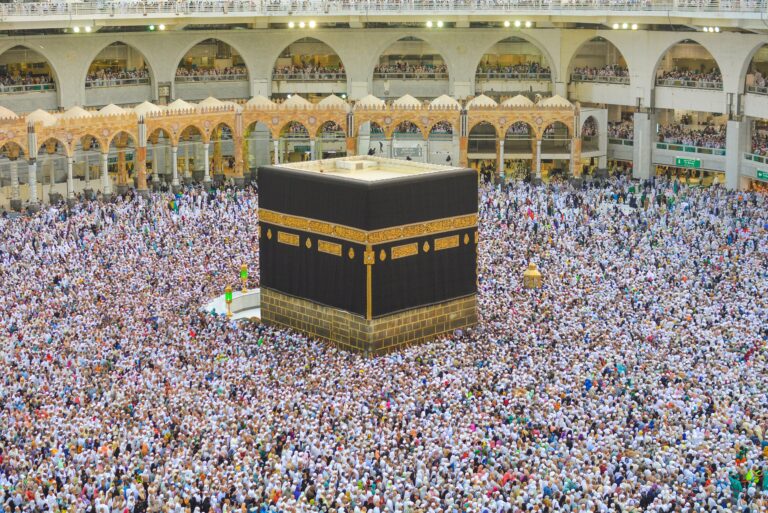
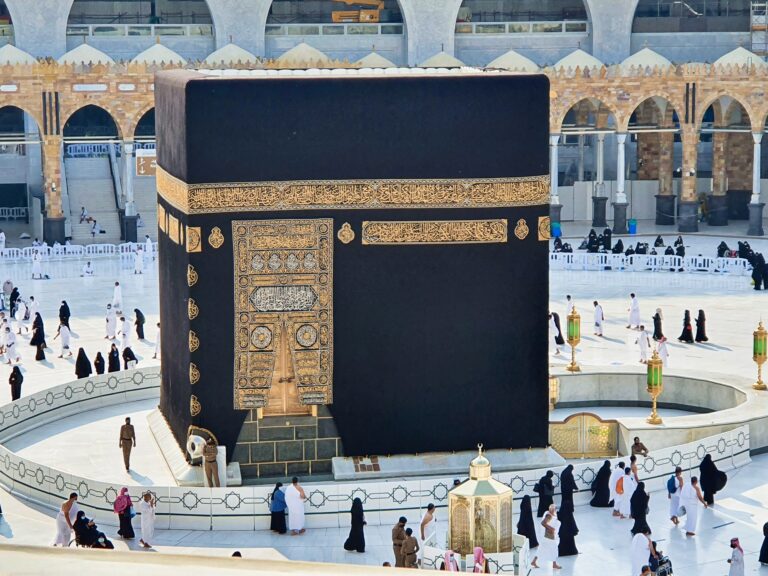
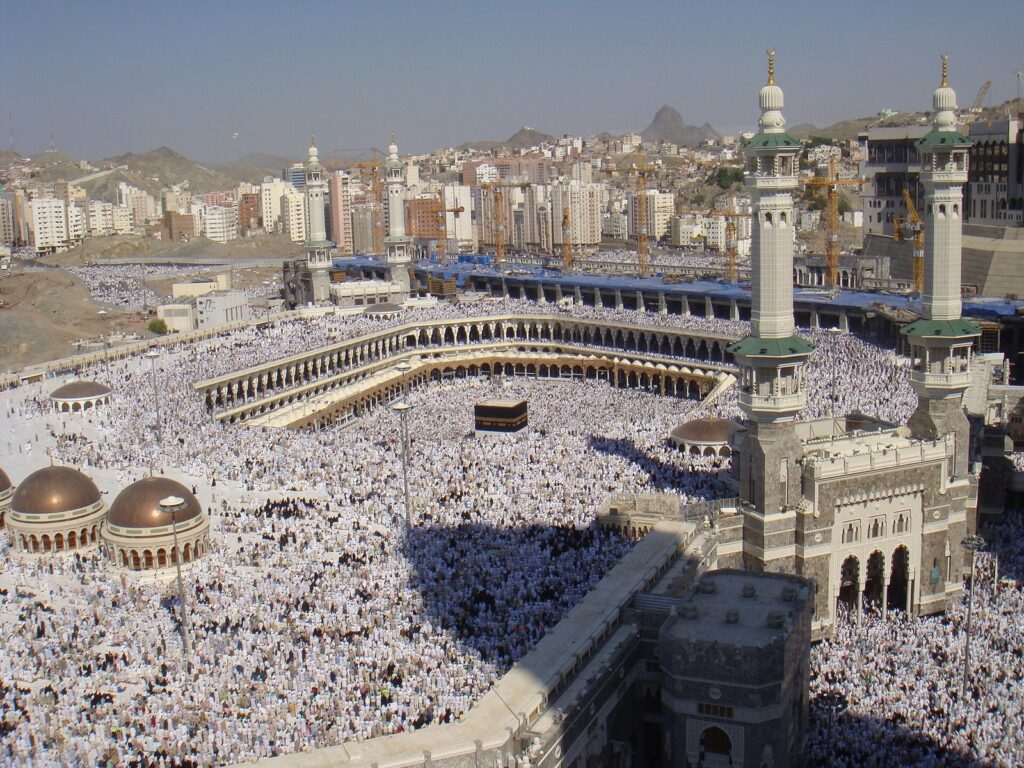
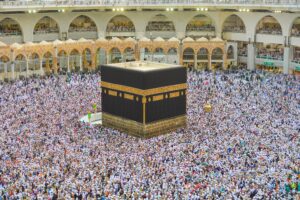
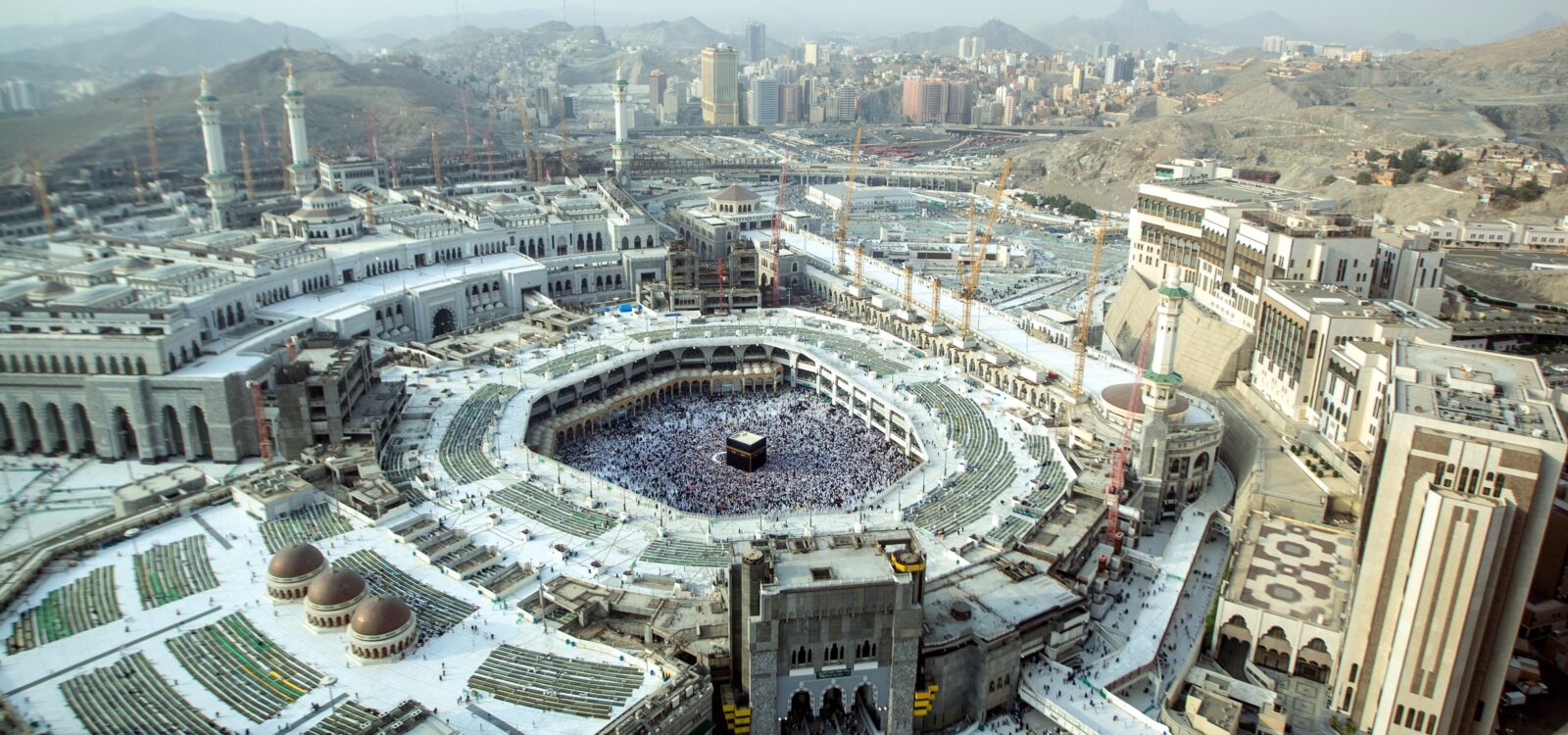
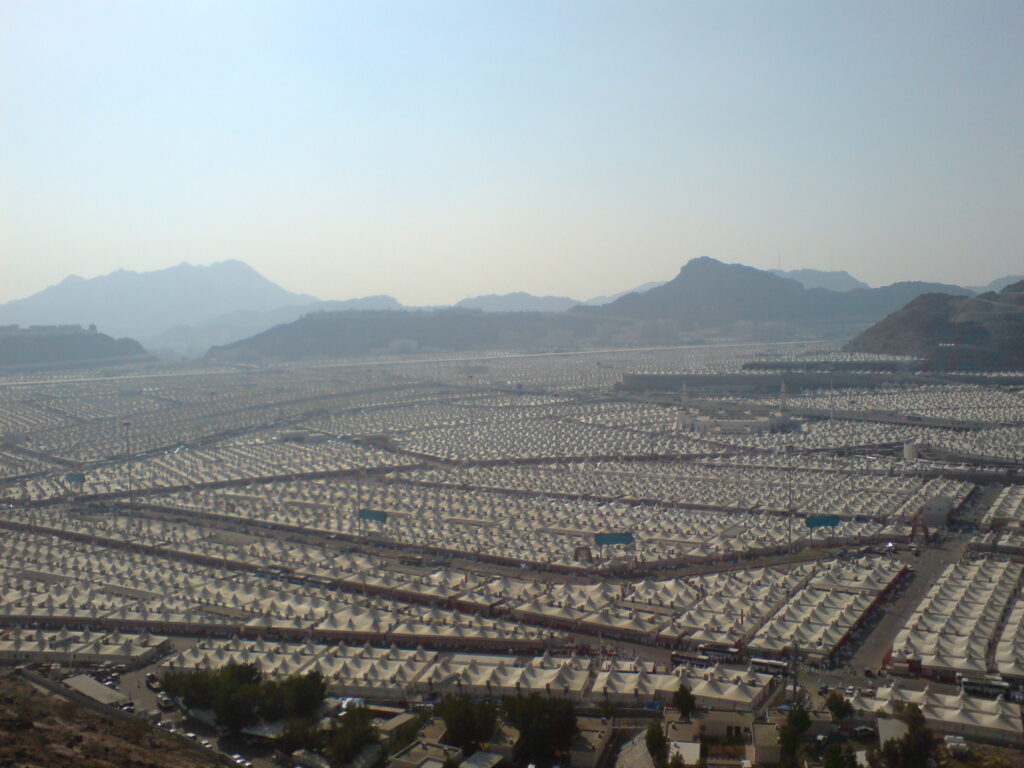
Hajj is performed in Dhu al-Hijjah, the twelfth month of the Hijri calendar. The main rites of Hajj begin on the 8th day of Dhu al-Hijjah and are completed on 13 Dhu al-Hijjah, the last day of Eid. This six-day period is an intense time in which pilgrims move between Makkah, Mina, Arafat and Muzdalifah in a set order.
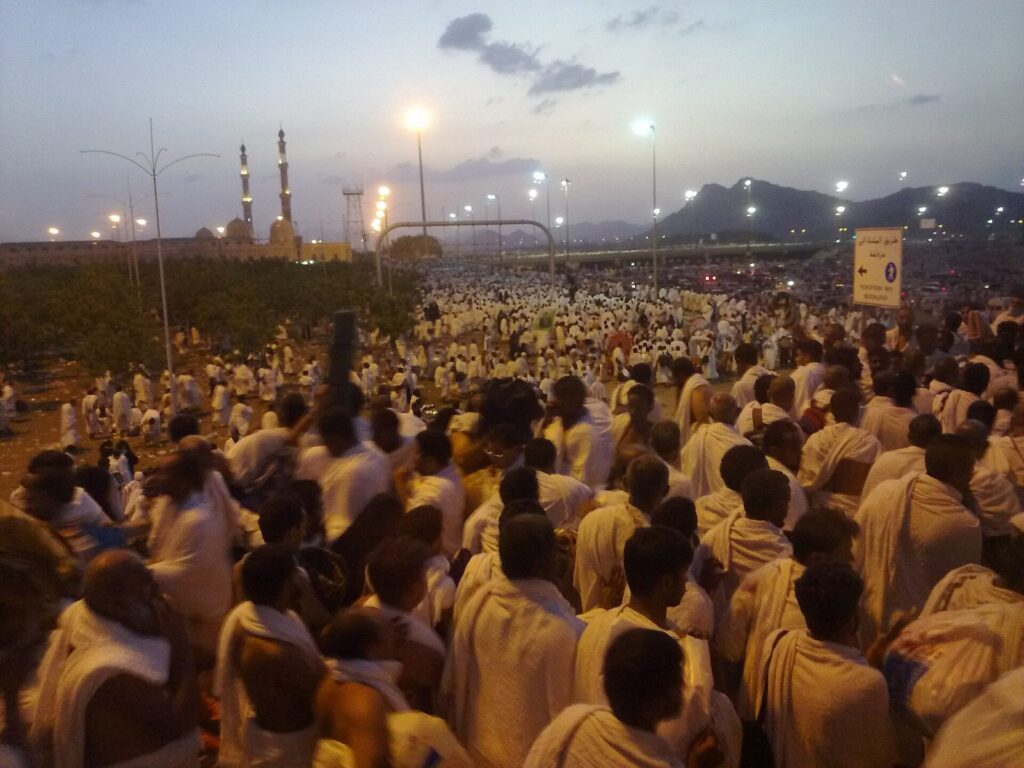
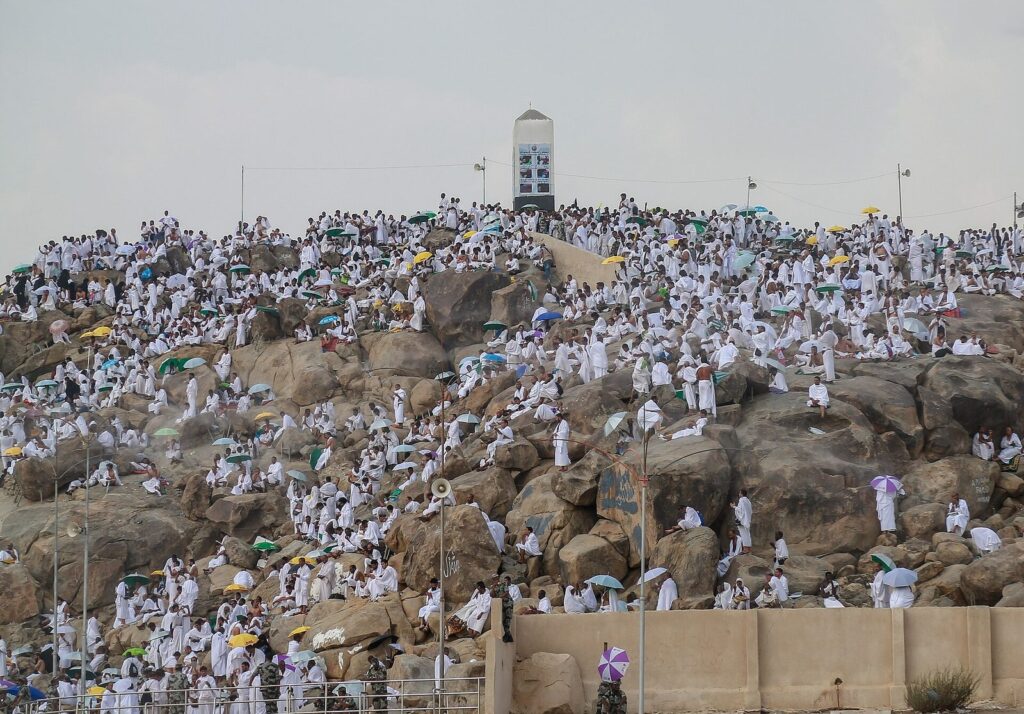
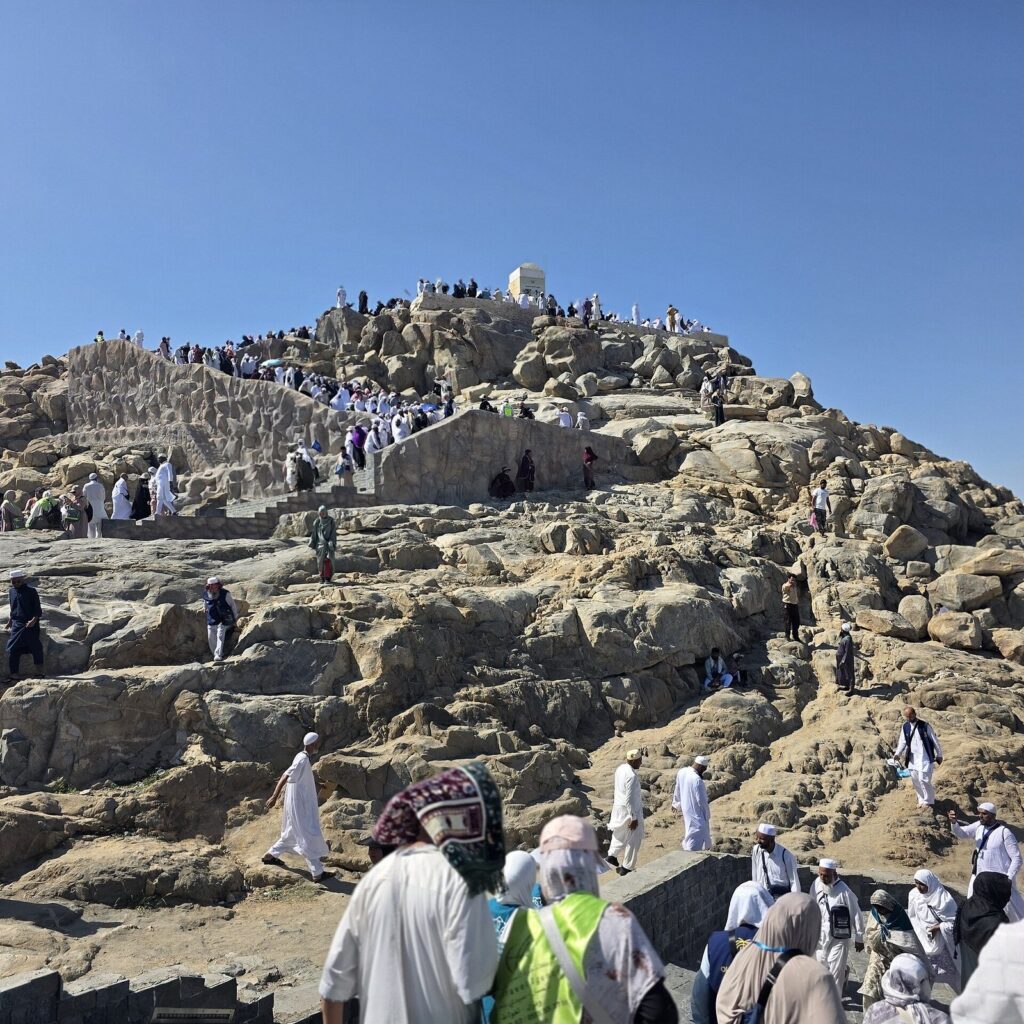
The most important day of Hajj is the Day of Arafah, the 9th of Dhu al-Hijjah. On this day, pilgrims perform the standing at Arafat; a person who is unable to perform the standing at Arafat within its time has missed that year’s Hajj. For this reason, the Hajj calendar is shaped, above all, by the date on which the Day of Arafah falls.
When does Hajj end?
The Hajj rites come to an end on 13 Dhu al-Hijjah, the fourth day of Eid. However, pilgrims who have thrown their pebbles on the third day of Eid may leave Mina before dawn breaks on 13 Dhu al-Hijjah and so complete their rites a day earlier; according to the Hanafi school, it is more appropriate for this departure to take place before sunset. For pilgrims coming from outside Makkah, the final act of worship is the farewell tawaf, performed before leaving the city.
What Are the Months of Hajj?
The Holy Qur’an states: “Hajj is in the well-known months” (al-Baqarah 2:197). According to the Hanafi school, these months are Shawwal, Dhu al-Qadah and the first ten days of Dhu al-Hijjah. Ihram for Hajj is entered within this period; those who will perform Tamattu’ Hajj must also perform their Umrah within these months.
The start of the months of Hajj does not mean that Hajj begins straight away. During Shawwal and Dhu al-Qadah, Hajj candidates arrive in the holy lands, perform their Umrah and make their visits to Madinah. The main rites, however, begin on the eighth day of Dhu al-Hijjah.
Can the intention for Hajj be made outside the months of Hajj?
According to the Hanafi school, entering ihram for Hajj before the months of Hajj have begun is regarded as disliked (makruh); however, a Hajj performed with an ihram entered in this way is valid. As there are different views in the other schools, in practice the rule followed is to enter ihram for Hajj within the months of Hajj and in line with the group’s programme.
The Days of Dhu al-Hijjah and Their Meanings
Each of the days of Hajj has a name related to the act of worship performed on that day. Knowing these names makes it easier to follow the Hajj programme and also helps you grasp the spiritual meaning of each day. We explain the rites of each day in detail in our guide on how to perform Hajj; the table below focuses on the names of the days and their meanings.
| Dhu al-Hijjah | Name of the day | Meaning of the name and main act of worship |
|---|---|---|
| 1–7 | The first days of Dhu al-Hijjah | Days of great virtue; Hajj candidates are occupied with worship and preparation in Makkah |
| 8 | The Day of Tarwiyah | Known for its meaning of “quenching thirst with water, preparation”; ihram is entered for Hajj and pilgrims go out to Mina |
| 9 | The Day of Arafah | The standing at Arafat; the most important pillar of Hajj is fulfilled on this day |
| 10 | Yawm an-Nahr (the Day of Sacrifice) | Pebbles are thrown at the large pillar, the sacrifice is offered, the hair is shaved or trimmed, and the tawaf of visitation is performed |
| 11–13 | The days of Tashriq | Pilgrims stay in Mina and stone the three pillars; the stoning on the 13th is for those who remain in Mina |
The first day of Eid al-Adha coincides with the day on which pilgrims return to Mina after Arafat and Muzdalifah. So while Eid is being celebrated in Türkiye, pilgrims are experiencing the busiest day of Hajj.
Why are the first ten days of Dhu al-Hijjah virtuous?
The Prophet (peace be upon him) stated that righteous deeds performed in the first ten days of Dhu al-Hijjah are more beloved to Allah than those performed on other days (Bukhari). The “ten nights” sworn by at the beginning of Surah al-Fajr are also associated with these days by a significant number of Qur’anic commentators. For this reason, those who are not going to Hajj also take care to spend these days in prayer, fasting, charity (sadaqah), remembrance of Allah (dhikr) and supplication (dua).
Why is the Day of Arafah so important?
The Day of Arafah is the day on which the standing at Arafat, a pillar of Hajj, is performed. The Prophet stated that there is no day on which Allah frees more of His servants from the Fire than the Day of Arafah (Muslim). For the time, ruling and performance of the standing, take a look at our article on the standing at Arafat.
Why Does the Date of Hajj Change Every Year?
The reason the date of Hajj falls on a different day each year is that the act of worship is set according to the Hijri calendar, which is based on the lunar year. The Hijri year is about ten to eleven days shorter than the Gregorian year, which is based on the solar year. Because of this difference, the Hajj season moves forward by about ten days each year in the Gregorian calendar compared with the previous year, and it passes through all the seasons in about thirty-three years.
The start of the Hijri months also depends on the sighting of the crescent moon and on astronomical calculations. From time to time, there may be a one-day difference between the official announcement in Saudi Arabia and the calendar in Türkiye. The Hajj rites are carried out according to the start of Dhu al-Hijjah as announced by the Saudi authorities.
Why does Hajj fall on a different date every year?
Hajj is performed according to the Hijri calendar, which lasts about 354–355 days. The Gregorian calendar, on the other hand, has 365 days. Because of this difference, the month of Dhu al-Hijjah comes about ten days earlier in the Gregorian calendar each year. As a result, over the years the Hajj season shifts from summer to spring, and from spring towards winter.
When Is the 2027 Hajj Season?
According to Hijri calendar calculations, the 2027 Hajj season, that is, the first days of Dhu al-Hijjah and Eid al-Adha, is expected to fall in May. In the following years, because of the shift described above, the Hajj season is expected to move towards early May and then into April.
The exact days, however, are announced by the official authorities according to the sighting of the crescent moon. For this reason, when making your flight, leave and accommodation plans, rely on the official announcements of Diyanet and the Saudi authorities. Although Hajj seasons that fall in the spring months offer milder weather than the summer months, remember that daytime temperatures at Arafat and Mina can still be high.
When is the Hajj lottery drawn?
In Türkiye, Hajj registration, registration renewal and lottery processes are run by Diyanet. The application dates, the lottery timetable and the date on which the results will be announced are announced separately by Diyanet each year. The soundest way is to follow the current timetable through Diyanet’s official website and the provincial and district mufti offices.
How Many Days Does Hajj Take?
The main rites of Hajj are completed between the 8th and 13th days of Dhu al-Hijjah, that is, in about six days. However, the Hajj journey is not limited to these days. Hajj candidates arrive in the holy lands before the rites, perform their Umrah, spend time in worship in Makkah and Madinah, and stay on for a while after the rites as well.
For this reason, the overall Hajj programme usually lasts several weeks, depending on the organisation’s plan. While Diyanet’s organisations are mostly planned to last longer, private Hajj programmes arranged through authorised agencies may offer a choice of lengths. We compare the differences between the two options in our article on the difference between Hajj via the Diyanet lottery and private Hajj.
What determines the length of a Hajj programme?
- Flight plan: The group’s departure and return dates are set according to airline and airport planning.
- Timing of the visit to Madinah: Whether pilgrims go to Madinah before or after Hajj changes the flow of the programme.
- Type of Hajj: Those performing Tamattu’ Hajj leave ihram after Umrah and spend their time in worship in Makkah until the Day of Tarwiyah.
- Type of organisation: The lengths of Diyanet’s organisation and of private Hajj programmes may be planned differently.
When Does Hajj Become Obligatory, and Should It Be Postponed?
Hajj is obligatory (fard) once in a lifetime for every Muslim who is able to perform it. The Holy Qur’an states: “Performing Hajj to the House is a right that Allah has over people who are able to find a way to it” (Al Imran 3:97). Hajj becomes obligatory for a person when they are Muslim, of sound mind and have reached puberty, and have the means to cover the costs of Hajj and enough time to reach the time of Hajj. You can find the details of these conditions in our article on who Hajj is obligatory for.
According to the preferred view in the Hanafi school, Hajj should be performed in the first year in which it becomes obligatory; postponing it unnecessarily is not considered right. On specific matters, such as the situation of a person who has registered but whose turn has not yet come, it is wise to refer to Diyanet’s current fatwas.
When was Hajj made obligatory?
Although Islamic scholars hold differing views on the year in which Hajj was made obligatory, according to the widely accepted view, Hajj was made obligatory in the ninth year after the Hijrah. The Prophet performed his Hajj, known as the Farewell Hajj, in the tenth year after the Hijrah, and personally taught the Hajj rites to his Companions.
Important: The dates given in this article are estimated. The exact days of the Hajj season, the registration and lottery timetable, and the organisation principles are announced each year by Diyanet and the Saudi authorities. Make your plans according to the official announcements.
The Difference Between the Timing of Hajj and Umrah
While Hajj can only be performed on specific days, Umrah can be performed at almost any time of the year. According to the Hanafi school, performing Umrah on the Day of Arafah and on the four days of Eid al-Adha is makruh tahrimi (prohibitively disliked). As Saudi Arabia’s practices regarding Umrah visits can also change during the Hajj season, those planning Umrah in this period need to confirm the current conditions.
We discuss in detail the differences in ruling, pillars and duration between the two acts of worship in our article on the differences between Hajj and Umrah.
How Does the Season of Hajj Affect Your Preparation?
As the Hajj season moves forward every year, the weather conditions pilgrims will face also change. In recent years, because the Hajj season has fallen in the summer months, high temperatures at Arafat and Mina have been one of the most important aspects of preparation. Although the Hajj season is expected to shift into the spring months in the coming years, daytime temperatures in the Hejaz region can remain high in spring as well.
Whatever the season, you need to bear in mind that during the days of Hajj you will spend long periods outdoors, walk amid crowds and stay in tents. For this reason, it helps to pay attention to the following points as you prepare:
- Choosing an umbrella and light-coloured, breathable clothing to protect yourself from the sun,
- Choosing personal care products that comply with the ihram restrictions, such as unscented sunscreen and lip balm,
- Drinking water at regular intervals throughout the day and keeping an eye on your salt and mineral balance,
- For those with chronic conditions, talking to their doctor in advance, also taking the climate into account,
- Wearing comfortable shoes or slippers that you have already worn in.
Whatever the weather, following your group officials’ warnings about not being outside during the hot hours and moving together as a group protects both your own health and the safety of those around you.
When Should You Start Preparing for Hajj?
Hajj is a journey that needs to be planned months in advance. Registration and lottery processes, health checks, preparing documents and training on the rites all take time. Without giving exact dates, the sequence below shows the general flow of preparation:
- Registration period: Register for Hajj, or renew your registration, on the dates announced by Diyanet.
- The lottery and choosing an organisation: Follow the lottery results; if you are considering a private Hajj programme, research the authorised agencies.
- Preparing documents and your health: Act early on your passport, health checks and any required vaccinations. For details, see our article on documents required for Hajj.
- Training on the rites: Attend the Hajj seminars run by mufti offices and organisations.
- Physical preparation: Walk regularly for a few months beforehand to get used to long walks.
- The final week: Pack your belongings, settle your debts and make amends with your loved ones.
What is the best time to prepare for Hajj?
The best course is to start preparing from the moment you register as a Hajj candidate. Learning the rites, having your health checked and building up your walking fitness all take time. Once your group’s programme is confirmed, complete the preparation of your documents and belongings without leaving them until the final weeks.
Knowing the timing and calendar of Hajj in advance allows you to prepare calmly, both for your worship and for your work and family plans. At RotaNur, we are happy to answer your questions about Hajj programmes and the preparation process. You can explore the options on our Hajj tours page and reach us through our contact page or our WhatsApp line. May Allah bring together at Arafat everyone who holds the intention of Hajj.
Frequently Asked Questions
On which dates did the 2026 Hajj take place?
The 2026 Hajj took place at the end of May 2026, and Eid al-Adha began on 27 May 2026. The standing at Arafat took place one day before Eid, on the Day of Arafah. A few weeks after Eid, in mid-June 2026, the Hijri year 1448 began. As the Hajj season moves forward by about ten days each year, the 2027 Hajj is expected to fall in mid-May 2027; the exact days will be confirmed by official announcements.
Do Umrah visas continue to be issued before Hajj?
In previous years, as the Hajj season approached, the Saudi authorities temporarily suspended the issuing of new Umrah visas from mid-Shawwal onwards, and Umrah visits resumed after Hajj. A similar practice may be expected for 2027; however, the dates are announced separately each year. Those planning Umrah in the spring months should confirm the current conditions with official sources and travel agencies. We explain the most suitable periods in our article on when to go for Umrah.
Can you enter Makkah during the Hajj season without a Hajj permit?
During the Hajj season, entry to the holy sites is restricted for those without a Nusuk card and an official Hajj permit, and sanctions are applied to attempts to perform Hajj without a permit. For this reason, trying to perform Hajj on another type of visa carries serious risks, both legally and in terms of safety. Those who wish to go to Hajj from Türkiye need to take part in Diyanet’s registration and lottery process. We summarise the process on our Hajj guide page.
Is the covering of the Kaaba changed during the Hajj season?
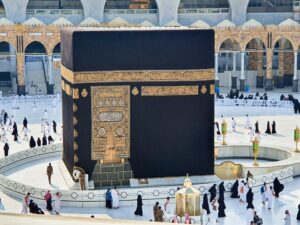
No. The kiswah, the covering of the Kaaba, is no longer changed during the Hajj season. For a long time, the new covering was placed on the Kaaba on the ninth day of Dhu al-Hijjah, that is, on the Day of Arafah. Since 2022, however, the change has been made every year at the start of the Hijri year, on 1 Muharram. For this reason, visitors who stay on in Makkah for a while after Hajj may witness the new covering being placed on the Kaaba within a few weeks.
When will the Hajj season fall in the winter months?
As the Hijri year is about ten to eleven days shorter than the Gregorian year, the Hajj season moves a little earlier each year. According to astronomical calculations, Hajj, which is expected to fall in mid-May in 2027, is expected to reach April and March in the early 2030s, and the winter months from the mid-2030s onwards. These calculations are approximate; the exact days of each year are confirmed by the Diyanet calendar and by announcements from the Saudi authorities.

Cihat Murat Yüksel is the editor of the RotaNur blog and the founder of Markention. Drawing on the sources of Türkiye's Presidency of Religious Affairs (Diyanet), he turns the questions travellers ask most about preparing for Umrah, Hajj and halal travel into clear, practical guides.
Questions answered in this article
In Which Month and on Which Days Is Hajj Performed?
Hajj is performed in Dhu al-Hijjah, the twelfth month of the Hijri calendar. The main rites of Hajj begin on the 8th day of Dhu al-Hijjah and are completed on 13 Dhu al-Hijjah, the last day of Eid. This six-day period is an intense time in which pilgrims move between Makkah, Mina, Arafat and Muzdalifah in a set order.
When does Hajj end?
The Hajj rites come to an end on 13 Dhu al-Hijjah, the fourth day of Eid. However, pilgrims who have thrown their pebbles on the third day of Eid may leave Mina before dawn breaks on 13 Dhu al-Hijjah and so complete their rites a day earlier; according to the Hanafi school, it is more appropriate for this departure to take place before sunset. For pilgrims coming from outside Makkah, the final act of worship is the farewell tawaf, performed before leaving the city.
What Are the Months of Hajj?
The Holy Qur’an states: “Hajj is in the well-known months” (al-Baqarah 2:197). According to the Hanafi school, these months are Shawwal, Dhu al-Qadah and the first ten days of Dhu al-Hijjah. Ihram for Hajj is entered within this period; those who will perform Tamattu’ Hajj must also perform their Umrah within these months.
Can the intention for Hajj be made outside the months of Hajj?
According to the Hanafi school, entering ihram for Hajj before the months of Hajj have begun is regarded as disliked (makruh); however, a Hajj performed with an ihram entered in this way is valid. As there are different views in the other schools, in practice the rule followed is to enter ihram for Hajj within the months of Hajj and in line with the group’s programme.
Why are the first ten days of Dhu al-Hijjah virtuous?
The Prophet (peace be upon him) stated that righteous deeds performed in the first ten days of Dhu al-Hijjah are more beloved to Allah than those performed on other days (Bukhari). The “ten nights” sworn by at the beginning of Surah al-Fajr are also associated with these days by a significant number of Qur’anic commentators. For this reason, those who are not going to Hajj also take care to spend these days in prayer, fasting, charity (sadaqah), remembrance of Allah (dhikr) and supplication (dua).
Why is the Day of Arafah so important?
The Day of Arafah is the day on which the standing at Arafat, a pillar of Hajj, is performed. The Prophet stated that there is no day on which Allah frees more of His servants from the Fire than the Day of Arafah (Muslim). For the time, ruling and performance of the standing, take a look at our article on the standing at Arafat.