


Contents 21 sections
- What Does the Acceptance of Dua Depend On?
- Do places where duas are accepted really exist?
- Masjid al-Haram and the Surroundings of the Kaaba
- The Multazam
- The Hijr (Hatim) and the Mizab al-Rahmah
- Behind the Station of Ibrahim
- Between the Yemeni Corner and the Black Stone
- The Hills of Safa and Marwah
- Is dua made during sa’i?
- The Sites of Hajj: Arafat, Muzdalifah and Mina
- Can those performing Umrah make dua at Arafat?
- Places in Madinah Where the Acceptance of Dua Is Hoped For
- What is special about dua made in the Rawdah?
- Quba Mosque
- Times and States in Which the Acceptance of Dua Is Hoped For
- Popular Lists and a Cautious Approach
- Where in Makkah is the acceptance of dua hoped for?
- Are there places in Istanbul or other cities where duas are accepted?
- The Etiquette of Supplication in Blessed Places
- Planning Your Journey of Supplication
- Frequently Asked Questions
Every visitor to Makkah and Madinah carries in their bag a long list of supplications requested by their loved ones. In this article, we look at the places popularly known as the places where duas are accepted, namely the surroundings of the Kaaba, Safa and Marwah, the sites of Hajj and the places of visitation in Madinah, where the acceptance of supplication is hoped for. We set out, in cautious language, which narration each place is based on, how authentic these narrations are, and the times and states highlighted in the sources for the acceptance of supplication. Let us say from the outset: only Allah accepts supplications, and no place offers any assurance that a supplication will certainly be accepted; these are blessed places where the hope of acceptance grows stronger.
What Does the Acceptance of Dua Depend On?
In the Holy Qur’an, Allah states that He is near to His servants and responds to the supplication of the one who calls upon Him (al-Baqarah 2:186). In another verse, He says, “Call upon Me; I will respond to you” (al-Mu’min 40:60). These verses show that supplication is not tied to a particular place and can be made anywhere and at any time.
The hadiths, meanwhile, draw attention to states that may prevent a supplication from being accepted. The Prophet (peace be upon him) asked how the supplication could be accepted of a man who, having travelled a long way with dishevelled hair, raises his hands to the sky saying “O my Lord”, while what he eats, drinks and wears is unlawful (Muslim). He also stated that a servant’s supplication will be answered as long as they do not become hasty and say, “I supplicated, but it was not accepted” (Bukhari, Muslim). Accordingly, lawful earnings, sincerity, patience and persistence are as important as the place of supplication.
Do places where duas are accepted really exist?
The Qur’an and authentic hadiths state that certain places and times are virtuous, and that the Prophet made supplication at some of them in particular. For this reason, scholars have said that the acceptance of supplication is especially hoped for in these places. However, it is not correct to say that “every supplication made here is certainly accepted”. The manner and timing of acceptance lie within Allah’s decree; a supplication is sometimes accepted in the way it was asked, and sometimes with a better response.
Masjid al-Haram and the Surroundings of the Kaaba
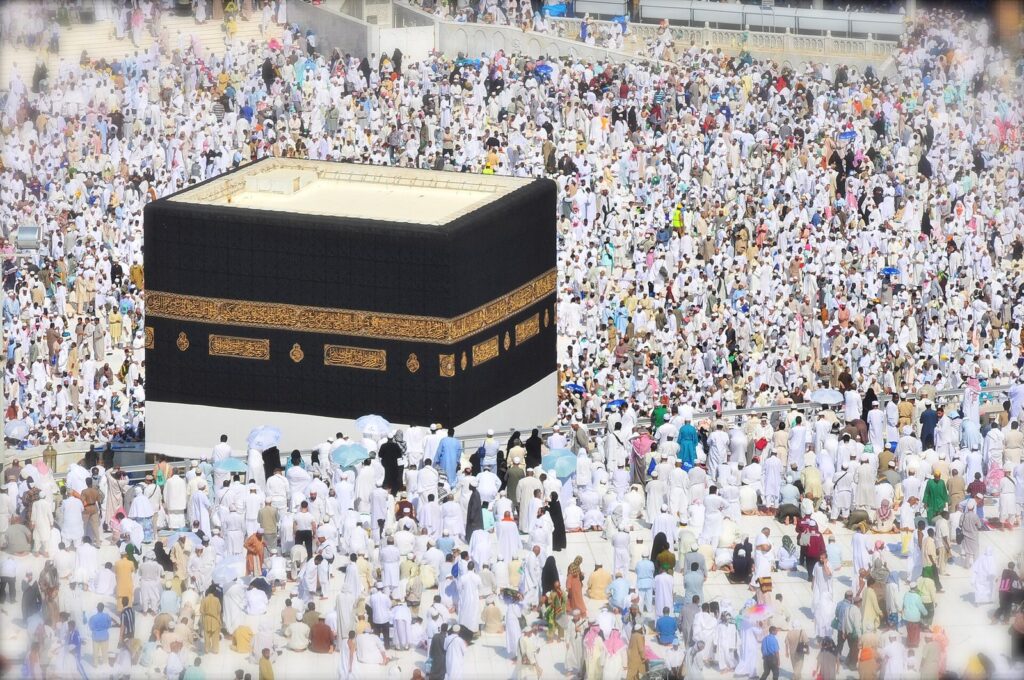
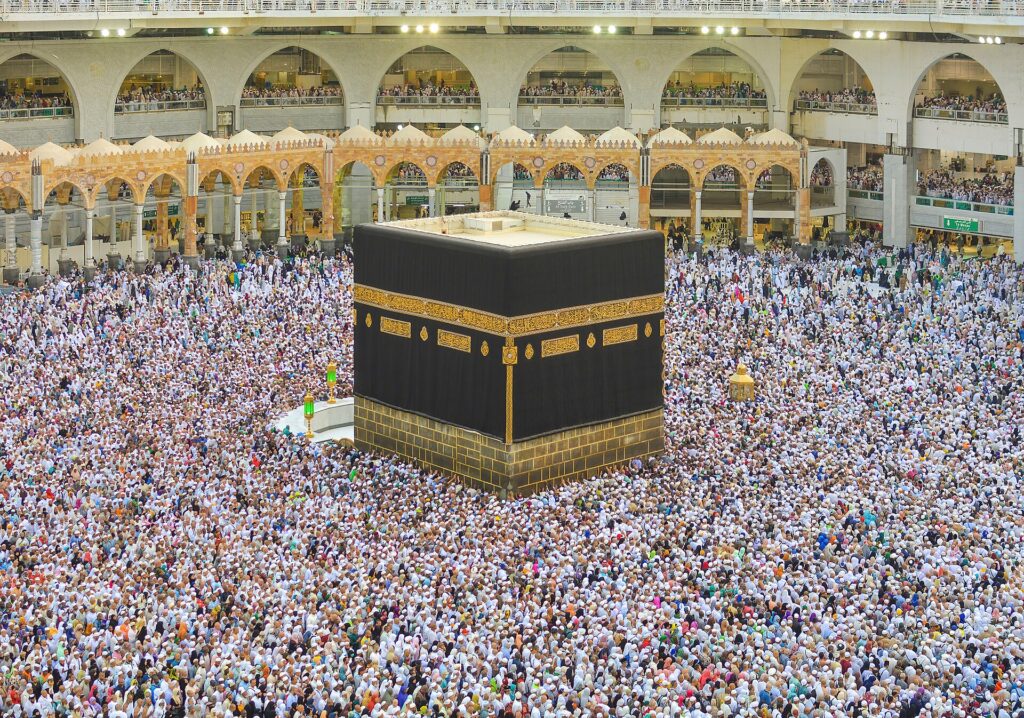
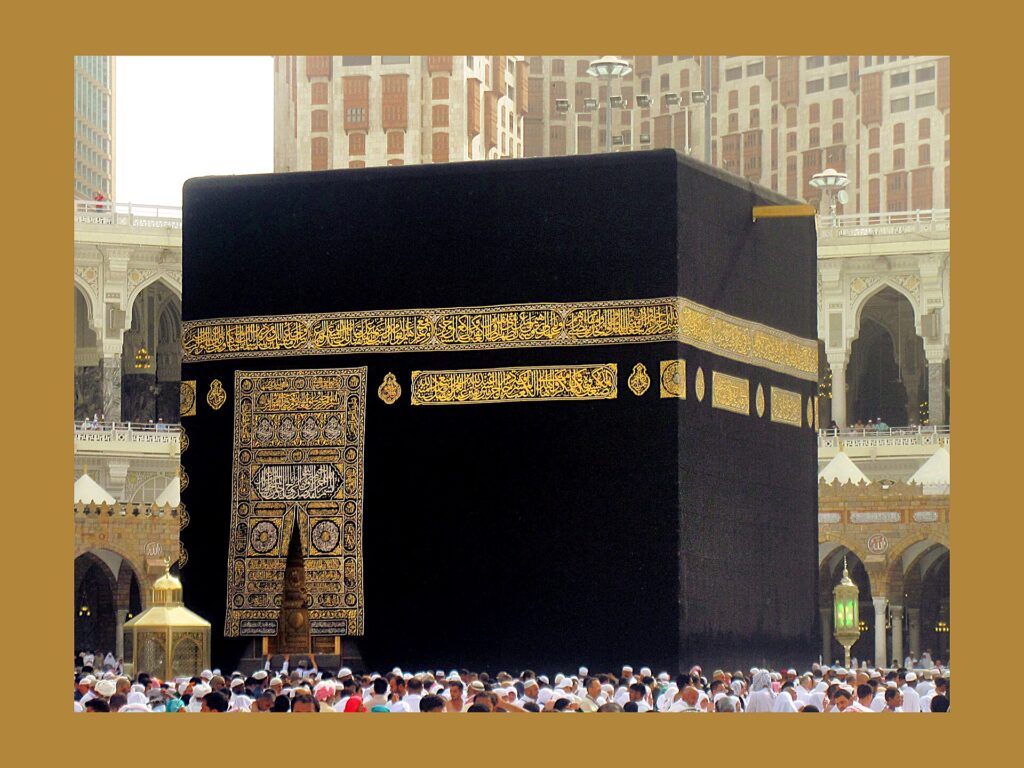
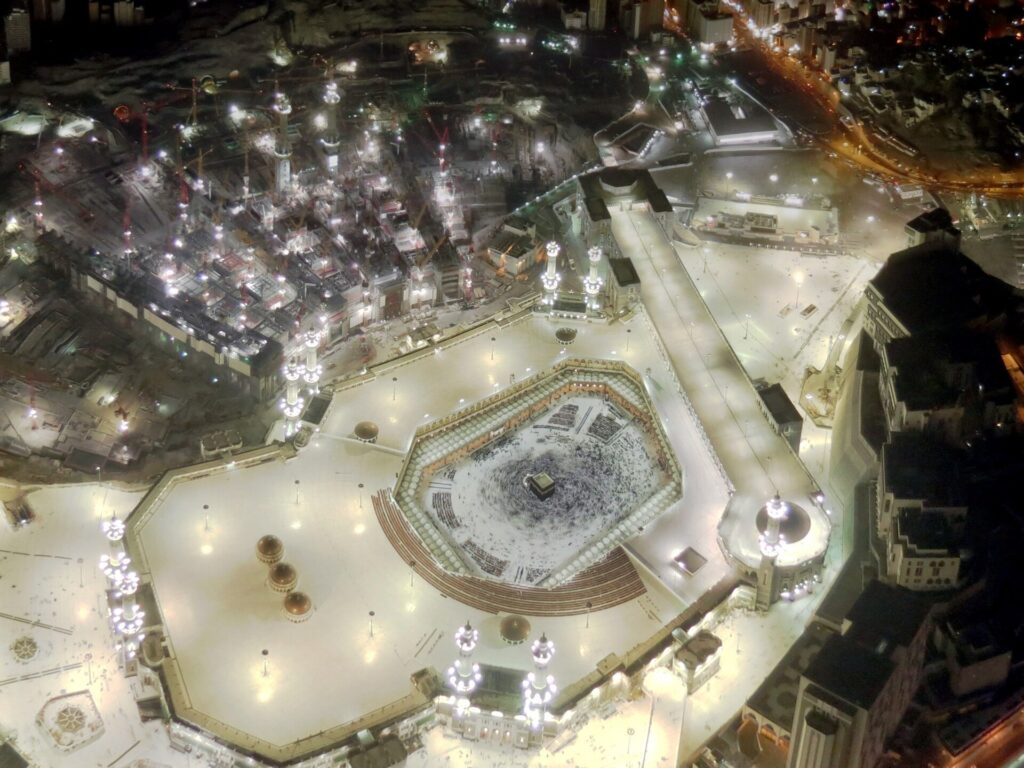
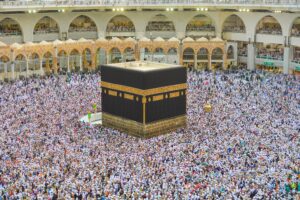
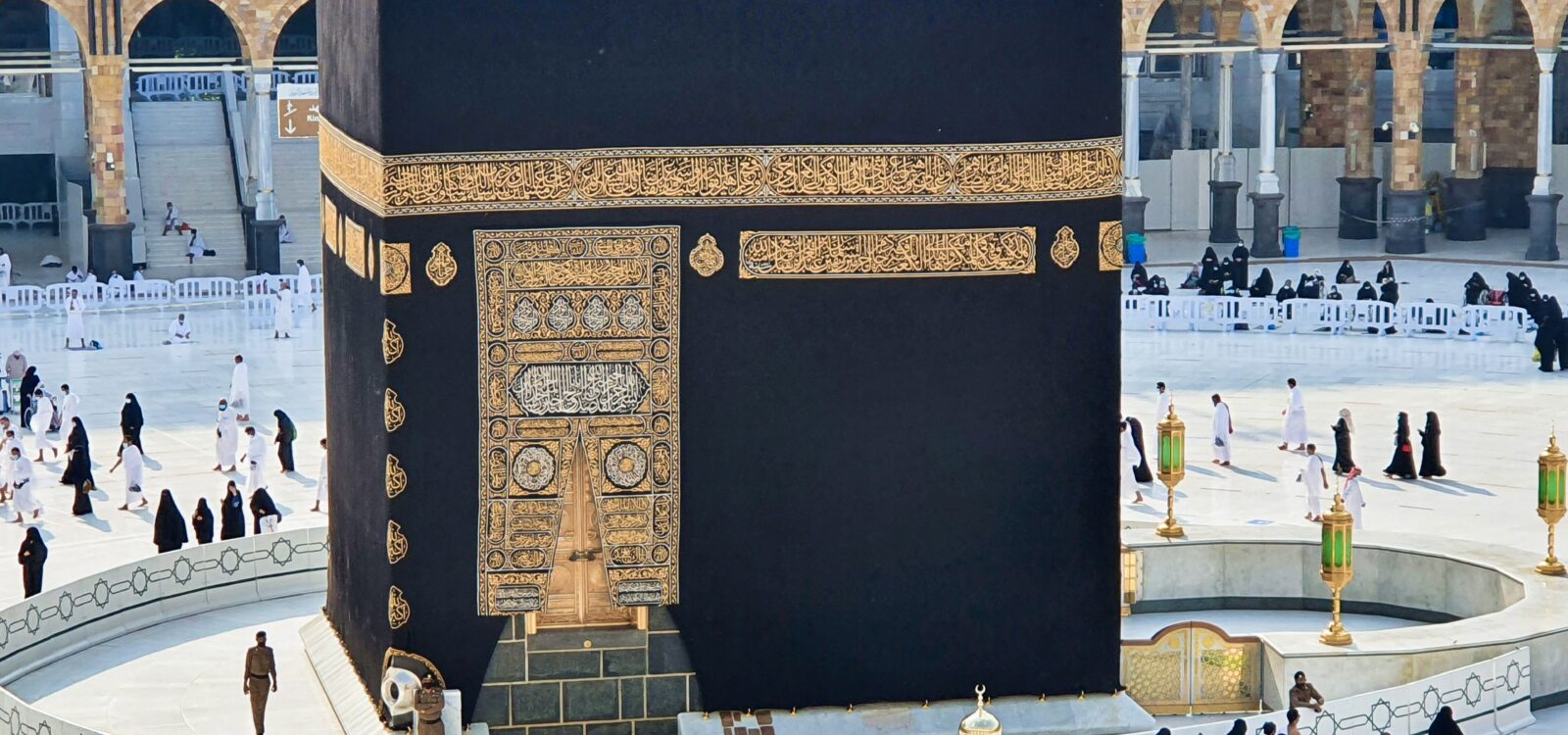
Masjid al-Haram is the most virtuous mosque on earth, and the Prophet stated that prayer performed here is far more virtuous than prayer in other mosques. Certain points around the Kaaba are particularly associated with supplication. We have explained the location and history of these points in detail in our article on the parts of the Kaaba.
The Multazam
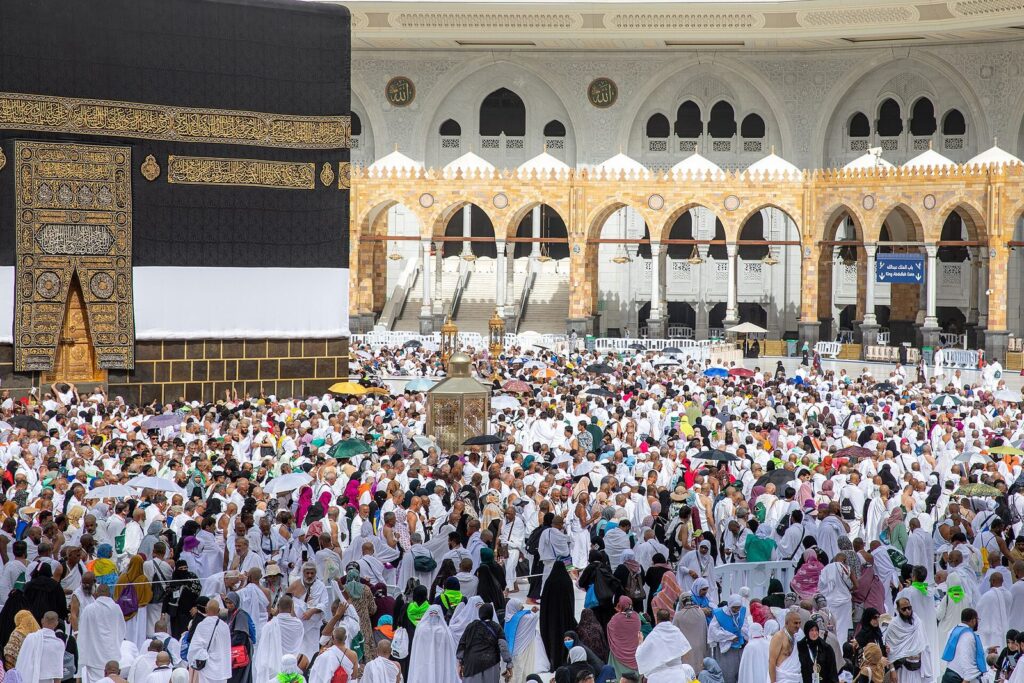
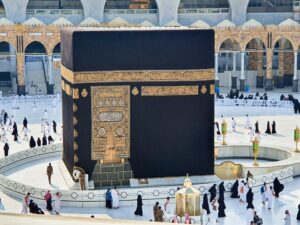
The Multazam is the short section of wall between the Black Stone and the door of the Kaaba. A narration found in Abu Dawud and Ibn Majah reports that a Companion made supplication with his chest and face pressed against this wall, and said that he had seen the Prophet doing the same. Hadith scholars have stated that there is weakness in the chain of transmission of this narration; nevertheless, making supplication at the Multazam has been regarded as good by many scholars. No specific supplication text to be recited at the Multazam is authentically known.
Today, reaching the Multazam is very difficult, especially during busy periods. It is not right to push or hurt anyone, or to enter a dangerous crowd, in order to reach it; it is also possible to stand at a suitable spot facing the Multazam and make supplication there.
The Hijr (Hatim) and the Mizab al-Rahmah
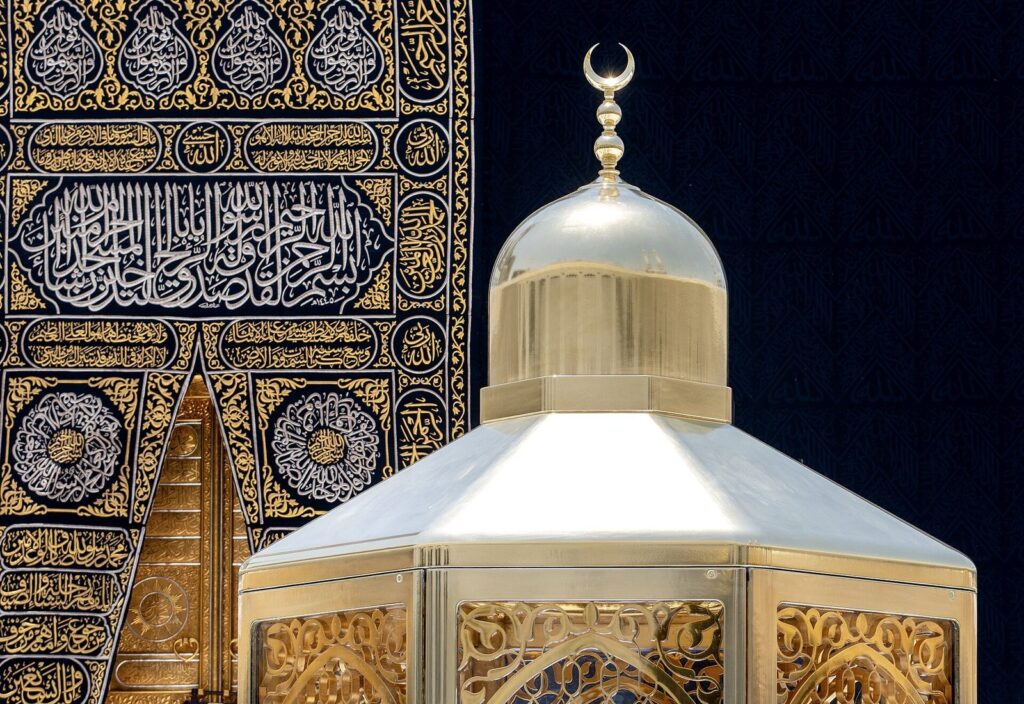
The Hijr is the section on the north side of the Kaaba enclosed by a low, semicircular wall. Aisha relates that when she wanted to pray inside the Kaaba, the Prophet took her to the Hijr and said, “Pray here, for this is part of the House” (Abu Dawud, Tirmidhi). For this reason, praying and making supplication in the Hijr is regarded as good. The Mizab al-Rahmah, known as the golden waterspout through which water flows from the roof of the Kaaba, is also above this section; some sources also count the area beneath the Mizab among the places of supplication. Entry to the Hijr may be regulated from time to time because of the crowds.
Behind the Station of Ibrahim
The Holy Qur’an says, “Take the station of Ibrahim as a place of prayer” (al-Baqarah 2:125). Performing the tawaf prayer behind the Station of Ibrahim (Maqam Ibrahim) if possible is based on this verse. It is good to raise your hands and supplicate after the prayer; when it is crowded, however, it is also sufficient to perform the tawaf prayer elsewhere in the mosque.
Between the Yemeni Corner and the Black Stone
It is narrated that, during tawaf, the Prophet recited the “Rabbenâ âtinâ…” supplication between these two corners (Abu Dawud). You can find the transliteration of this supplication and the other remembrances of tawaf in our article Umrah Duas. For the moment you first see the Kaaba, you can look at our article on the dua to recite on seeing the Kaaba.
The Hills of Safa and Marwah
Safa and Marwah, where sa’i is performed, are among the places where the Prophet made long supplications. According to the narration of Jabir, the Prophet climbed Safa until he could see the Kaaba, turned towards the qiblah, declared the oneness of Allah and said the takbir, repeating this three times and supplicating in between; he did the same at Marwah (Muslim).
This authentic narration shows that supplicating while facing the qiblah at Safa and Marwah is in keeping with the Sunnah. When you stop on the hills to supplicate, you should move to the side so as not to block the flow of those performing sa’i.
Is dua made during sa’i?
Yes, it is good to occupy yourself with supplication, remembrance, tasbih and salawat throughout sa’i. There is no specific supplication that must be recited during the circuits; a person can repeat the supplications they know or express their wishes in their own language. The transliteration of the remembrance declaring Allah’s oneness that is recited at Safa and Marwah can be found in our article on Umrah duas.
The Sites of Hajj: Arafat, Muzdalifah and Mina
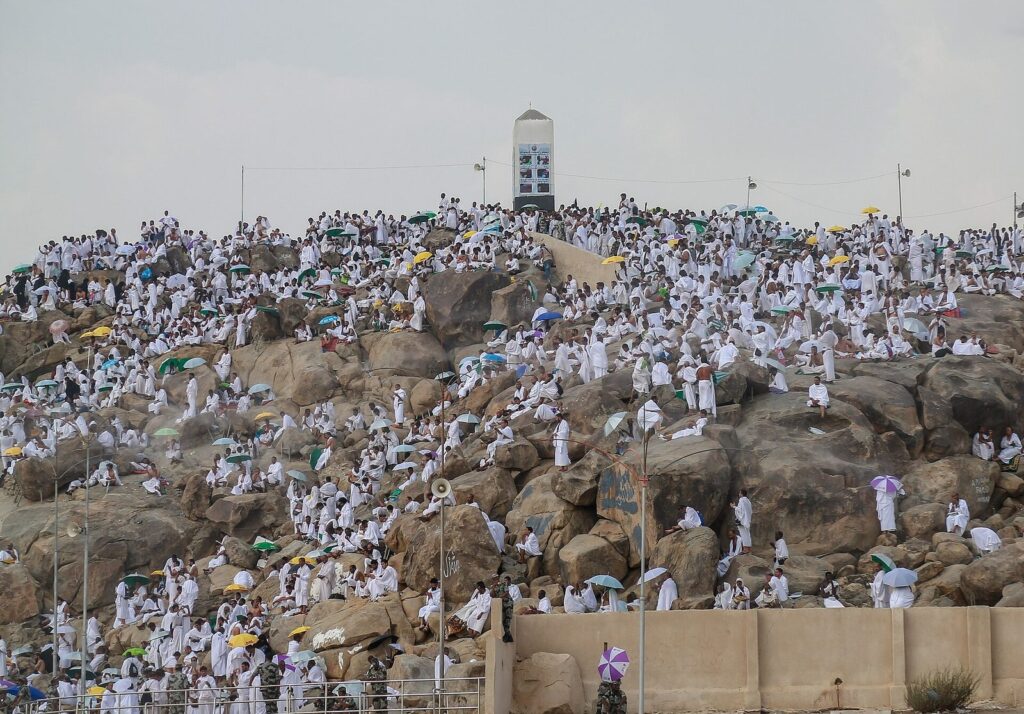
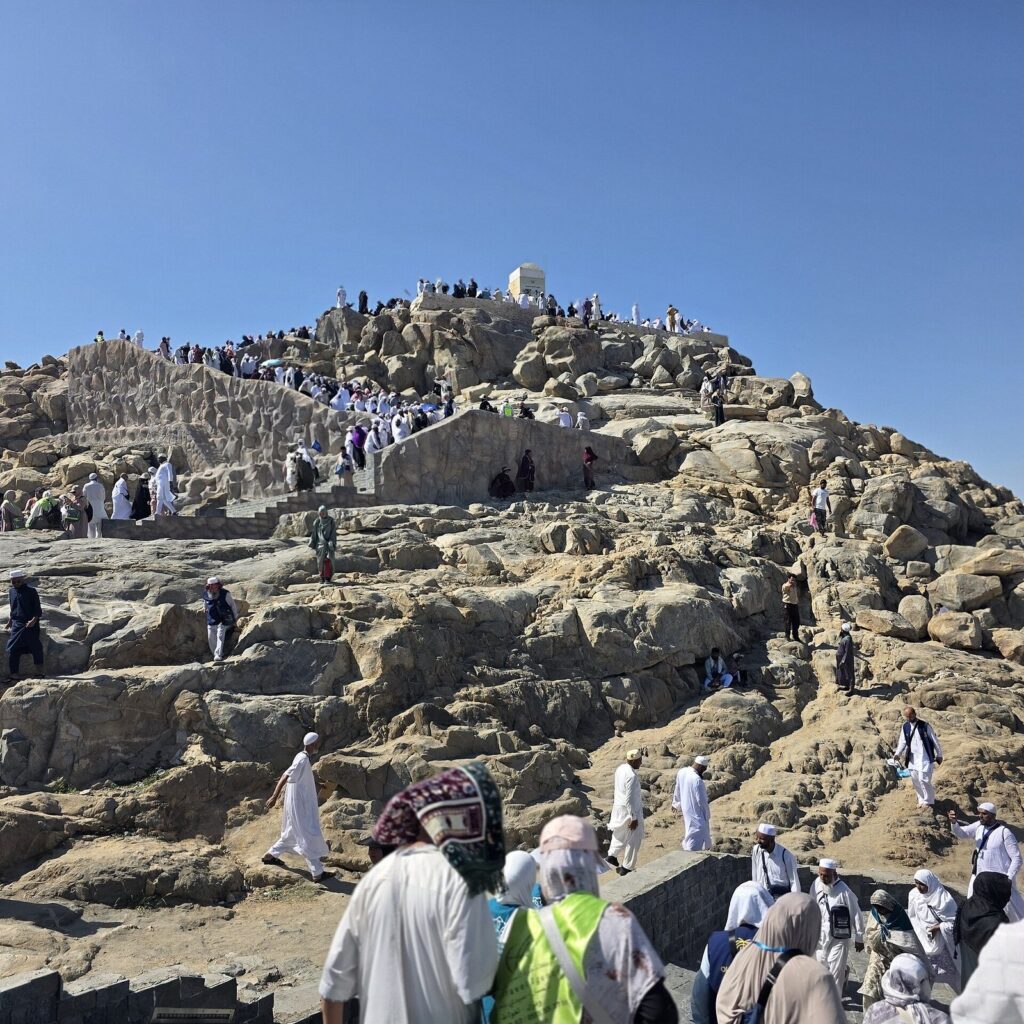
When it comes to supplication in the Hajj season, the first place that comes to mind is Arafat. The Prophet stated that the best supplication is the one made on the Day of Arafah (Tirmidhi). At Muzdalifah, the Qur’an commands that Allah be remembered at al-Mash’ar al-Haram (al-Baqarah 2:198); the Prophet, too, faced the qiblah here on the morning of Eid and supplicated until it had become light (Muslim).
In Mina, it is authentically reported that, after stoning the small and middle jamrahs, the Prophet faced the qiblah, raised his hands and supplicated for a long time (Bukhari). You can find the transliterations and meanings of the remembrances recited at these sites in detail in our article Hajj Duas.
Can those performing Umrah make dua at Arafat?
Umrah travellers can see Arafat during their visiting programmes in Makkah and make supplication there; supplication can be made at any time and in any place. However, the special virtue mentioned in the hadiths about Arafat belongs to the wuquf performed on the Day of Arafah during Hajj and to the supplication of that day. It is important to know that being at Arafat on a visit outside Hajj does not count as the wuquf.
Places in Madinah Where the Acceptance of Dua Is Hoped For
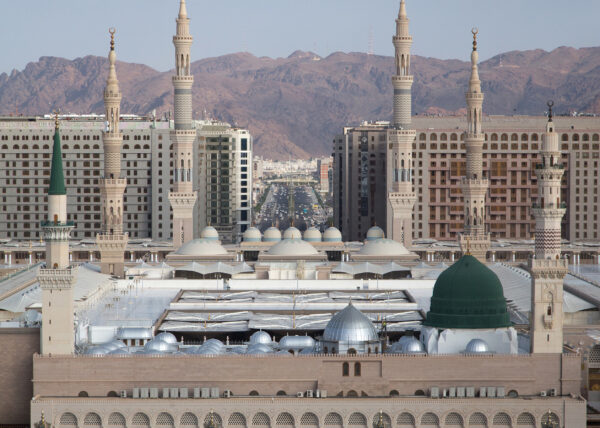
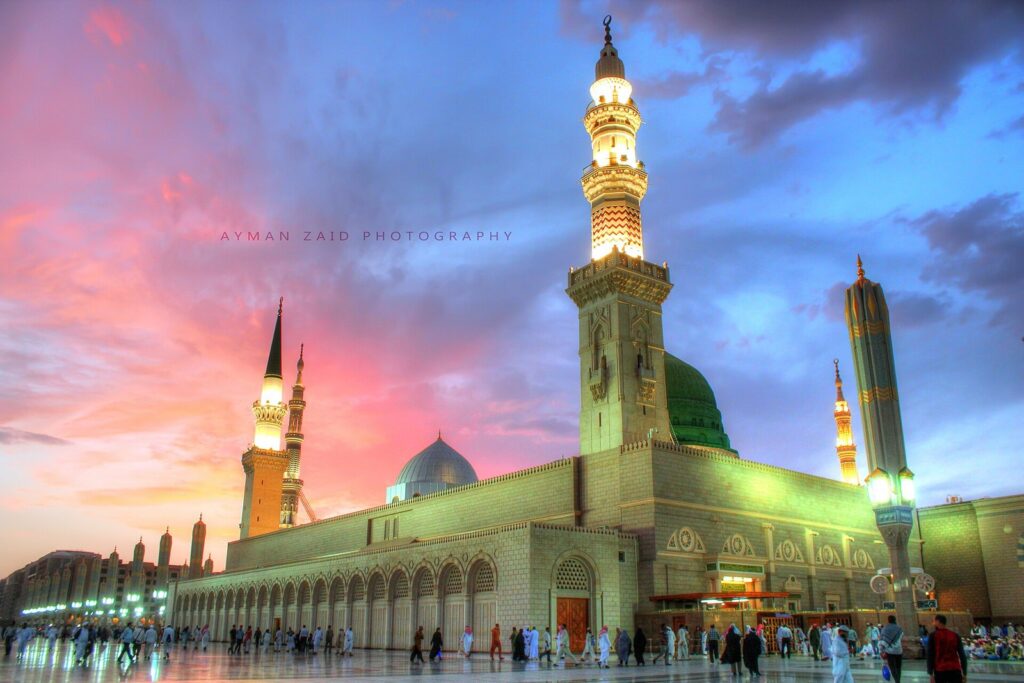
At the heart of Madinah stands the Prophet’s Mosque (Masjid an-Nabawi). The Prophet stated that a prayer performed in this mosque is better than a thousand prayers performed in other mosques, except Masjid al-Haram (Bukhari, Muslim). In a place where prayer is so virtuous, the supplications made after the prayers also carry a special value.
What is special about dua made in the Rawdah?
The Prophet stated that the area between his house and his pulpit (minbar) is one of the gardens of Paradise (Bukhari, Muslim). Because of this virtue, praying and making supplication in the Rawdah is one of the acts of worship that visitors long for most. There is no obligatory supplication set for the Rawdah; a person may make whatever supplication they wish. We have explained the appointment and the etiquette of greeting in our article Dua for Visiting the Rawdah.
Quba Mosque
It is authentically reported that the Prophet went to Quba Mosque every Saturday, sometimes on foot and sometimes riding, and prayed there (Bukhari, Muslim). A hadith in Tirmidhi also states that a prayer performed in Quba Mosque is like an Umrah. For this reason, visiting Quba during the days spent in Madinah, performing two rak’ahs of prayer and making supplication there is a good practice.
Times and States in Which the Acceptance of Dua Is Hoped For
In authentic hadiths, certain times and states, as well as places, are associated with the acceptance of supplication. Making the most of these times during the days you spend in Makkah and Madinah will help you use your dua list more consciously:
| Time or state | Brief explanation | Source |
|---|---|---|
| Prostration (sujud) | The moment when the servant is closest to their Lord; increasing supplication in prostration is recommended | Muslim |
| The last third of the night | Reported as the time when Allah says, “Is there anyone who calls upon Me?” | Bukhari, Muslim |
| An hour on Friday | It is reported that whatever good a Muslim servant asks for at that hour will be granted | Bukhari, Muslim |
| Between the adhan and the iqamah | It is reported that a supplication made at this time is not rejected | Abu Dawud, Tirmidhi |
| The Day of Arafah | Mentioned as the best of supplications | Tirmidhi |
| While travelling | The traveller’s supplication is counted among the supplications that are not rejected | Abu Dawud, Tirmidhi |
| The supplication of the fasting person | The supplication of a fasting person, until they break their fast, is counted among the supplications that are not rejected | Tirmidhi |
| Supplicating for a brother in his absence | It is reported that an angel responds, “And for you the same” | Muslim |
Umrah and Hajj travellers can experience many of these times at once. For example, a supplication made at Masjid al-Haram, while travelling, between the adhan and the iqamah, or in prostration brings many blessed causes together. For the supplication made while drinking Zamzam and the status of the narration on this subject, you can take a look at our article Zamzam Dua.
Popular Lists and a Cautious Approach
On the internet and in some booklets, you frequently come across lists such as “15 places in Makkah where duas are accepted”. A significant part of these lists is based on a letter attributed in older sources to Hasan al-Basri, and on similar reports. As some of these reports have no authentic basis going back to the Prophet, scholars have approached these lists with caution.
Most of the places on these lists are blessed places in any case, and there is no harm in making supplication there. The problem lies in attaching a promise of certain acceptance to these places and, for that sake, putting oneself or others in danger in the crowds. On disputed matters, we recommend that you consult the current explanations of Diyanet (Türkiye’s Presidency of Religious Affairs).
When you come across such a list, asking the following questions will help you evaluate the information correctly:
- Is there a verse or an authentic hadith stating the virtue of this place?
- If there is a narration, is its source clearly stated?
- Does the text present the acceptance of supplication as a definite promise?
- Does the suggested practice put me or others in difficulty in the crowds?
Where in Makkah is the acceptance of dua hoped for?
In the light of authentic narrations and the assessments of scholars, the places that stand out in Makkah are the surroundings of the Kaaba and the tawaf area, the Multazam, the Hijr, the area behind the Station of Ibrahim and the hills of Safa and Marwah, as well as, during the Hajj season, Arafat, al-Mash’ar al-Haram in Muzdalifah, and the areas beside the small and middle jamrahs in Mina. Some of these are known through authentic hadiths, and others through the recommendations of scholars or through narrations whose chains of transmission are disputed. What they all have in common is that the person making supplication must be mindful of the crowds and the rights of others.
Are there places in Istanbul or other cities where duas are accepted?
Saying that a particular shrine, mosque or place is “a place where duas are certainly accepted” is only possible on the basis of authentic religious evidence, and most such descriptions are based on popular belief. Mosques are the houses of Allah, and supplication can be made in every mosque, indeed everywhere. What truly determines the acceptance of supplication is not so much the place as sincerity, lawful earnings and submission to Allah.
The Etiquette of Supplication in Blessed Places
To make the best use of the short time you will spend in these places, it helps to pay attention to the following points:
- Prepare your list in advance: Before the journey, write down the names of those who have asked you to pray for them, as well as your own wishes.
- Begin with praise and salawat: Beginning a supplication with praise of Allah and blessings upon the Prophet is part of the etiquette of supplication.
- Face the qiblah: Whenever possible, supplicate while facing the qiblah and raising your hands.
- Supplicate in your own language: Rather than repeating texts whose meaning you do not know, supplicate sincerely in your own language.
- Do not block the flow: In the tawaf, sa’i and Jamarat areas, move to the side for long supplications.
- Do not push and shove: Do not hurt anyone in order to reach a particular spot; violating the rights of others runs contrary to the spirit of worship.
- Persist and keep your hope alive: Even if you do not see the response to your supplication straight away, do not stop supplicating.
Important: The places in this article are places where the acceptance of supplication is hoped for; no place is an assurance that a supplication will certainly be accepted. Because of crowd and security arrangements, access to spots such as the Multazam, the Hijr and the Rawdah may be restricted from time to time; ask your guide about the current situation.
Planning Your Journey of Supplication
The days in Makkah and Madinah offer opportunities for supplication that will be remembered for a lifetime. Many visitors plan their days around the prayer times, setting aside the last third of the night, the time between the adhan and the iqamah, and Friday for supplication. Dividing your dua list into sections and reciting a different section at each place also makes things easier. To make the most of these opportunities in peace, accommodation close to the mosque, a comfortable programme and an experienced guide make things much easier.
At RotaNur, we prepare programmes that allow sufficient time for worship at Masjid al-Haram and the Prophet’s Mosque. You can explore the option that suits you among our Umrah tours, and reach us through our contact page with any questions. May our Lord respond to all our supplications in the best way.
Frequently Asked Questions
Is the dua made on first seeing the Kaaba accepted?
Although there are narrations stating that a supplication made at the moment of first seeing the Kaaba will be accepted, hadith scholars have pointed out that there is weakness in the chains of transmission of these narrations. Nevertheless, praising Allah and supplicating sincerely at this moment has been regarded as good by many scholars. The most appropriate attitude is to make the most of the spiritual impact of that moment without tying the acceptance of the supplication to a definite promise. For the etiquette of this moment, you can look at our article on the dua to recite on seeing the Kaaba.
Is a dua made for someone else accepted?
A supplication that a Muslim makes for their brother in his absence is among the supplications praised in authentic hadiths. According to the narration of Muslim, an angel responds to such a supplication by saying, “And for you the same.” For this reason, remembering in Makkah and Madinah those who asked you for your prayers is an act from which good is hoped both for them and for you. Preparing your dua list before the journey makes it easier not to forget anyone.
Can you make dua in your own language in Makkah and Madinah?
Yes, supplication can be made in any language, and there is nothing wrong with supplicating in your own language in Makkah and Madinah. What truly matters in supplication is the sincerity of the heart and turning to Allah wholeheartedly. Rather than repeating from memory texts whose meaning you do not know, it is recommended that you express your wishes in your own language. The recitation and remembrances within the prayer (salah) are recited in Arabic; for supplications made outside the prayer, however, there is no restriction regarding language.
Can women during their menstrual period make dua in the holy places?
Yes, women during their menstrual period may occupy themselves with supplication, remembrance, tasbih and salawat; ritual purity is not a requirement for these acts of worship. According to the Hanafi school, during this period one does not pray, does not perform tawaf and does not enter the mosque; for this reason, acts of worship inside Masjid al-Haram and the Prophet’s Mosque are postponed. It is possible to make good use of this time by supplicating at the hotel or outside the mosque. For special situations regarding Umrah and tawaf, consult Diyanet’s current fatwas.
Which hour on Friday is the hour when duas are accepted?
Authentic hadiths state that there is an hour on Friday in which whatever good a Muslim servant asks for at that moment will be granted; however, scholars have put forward different views on when this hour is. According to the two most prominent views, this hour is either the period from when the imam sits on the pulpit until the end of the prayer, or the time from the afternoon (asr) prayer until sunset. For this reason, it is recommended that you make use of the whole of Friday for supplication.

Cihat Murat Yüksel is the editor of the RotaNur blog and the founder of Markention. Drawing on the sources of Türkiye's Presidency of Religious Affairs (Diyanet), he turns the questions travellers ask most about preparing for Umrah, Hajj and halal travel into clear, practical guides.
Questions answered in this article
What Does the Acceptance of Dua Depend On?
In the Holy Qur’an, Allah states that He is near to His servants and responds to the supplication of the one who calls upon Him (al-Baqarah 2:186). In another verse, He says, “Call upon Me; I will respond to you” (al-Mu’min 40:60). These verses show that supplication is not tied to a particular place and can be made anywhere and at any time.
Do places where duas are accepted really exist?
The Qur’an and authentic hadiths state that certain places and times are virtuous, and that the Prophet made supplication at some of them in particular. For this reason, scholars have said that the acceptance of supplication is especially hoped for in these places. However, it is not correct to say that “every supplication made here is certainly accepted”. The manner and timing of acceptance lie within Allah’s decree; a supplication is sometimes accepted in the way it was asked, and sometimes with a better response.
Is dua made during sa’i?
Yes, it is good to occupy yourself with supplication, remembrance, tasbih and salawat throughout sa’i. There is no specific supplication that must be recited during the circuits; a person can repeat the supplications they know or express their wishes in their own language. The transliteration of the remembrance declaring Allah’s oneness that is recited at Safa and Marwah can be found in our article on Umrah duas.
Can those performing Umrah make dua at Arafat?
Umrah travellers can see Arafat during their visiting programmes in Makkah and make supplication there; supplication can be made at any time and in any place. However, the special virtue mentioned in the hadiths about Arafat belongs to the wuquf performed on the Day of Arafah during Hajj and to the supplication of that day. It is important to know that being at Arafat on a visit outside Hajj does not count as the wuquf.
What is special about dua made in the Rawdah?
The Prophet stated that the area between his house and his pulpit (minbar) is one of the gardens of Paradise (Bukhari, Muslim). Because of this virtue, praying and making supplication in the Rawdah is one of the acts of worship that visitors long for most. There is no obligatory supplication set for the Rawdah; a person may make whatever supplication they wish. We have explained the appointment and the etiquette of greeting in our article Dua for Visiting the Rawdah.
Where in Makkah is the acceptance of dua hoped for?
In the light of authentic narrations and the assessments of scholars, the places that stand out in Makkah are the surroundings of the Kaaba and the tawaf area, the Multazam, the Hijr, the area behind the Station of Ibrahim and the hills of Safa and Marwah, as well as, during the Hajj season, Arafat, al-Mash’ar al-Haram in Muzdalifah, and the areas beside the small and middle jamrahs in Mina. Some of these are known through authentic hadiths, and others through the recommendations of scholars or through narrations whose chains of transmission are disputed. What they all have in common is that the person making supplication must be mindful of the crowds and the rights of others.