











Contents 11 sections
- What Is a Miqat?
- The Five Miqat Points
- Where Do Pilgrims from Turkey Enter Ihram?
- Those flying directly to Jeddah
- Those who go to Madinah first
- Those who land in Jeddah and go on to Madinah first
- Where Do Those in Makkah Go for a Second Umrah?
- The Ruling on Passing the Miqat Without Ihram
- Entering Ihram Before the Miqat
- Frequently Asked Questions
- References
The miqat points are the boundaries that a person coming to Makkah with the intention of Hajj or Umrah must not pass without entering ihram. Your miqat changes depending on the direction you come from; a pilgrim flying from Turkey and landing in Jeddah and a pilgrim who goes to Madinah first do not enter ihram at the same place. In this article, we explain the five miqat points, the Hill and Haram zones, how to enter ihram on a plane and the ruling on passing the miqat without ihram, on the basis of the Hajj and Umrah manual of the Presidency of Religious Affairs of Türkiye (Diyanet).
In Short
The Prophet (peace be upon him) set five ihram boundaries for those coming from outside Makkah: Dhul-Hulayfah, al-Juhfah, Qarn al-Manazil, Yalamlam and Dhat Irq. A person who comes from beyond these points and wishes to enter Makkah cannot pass the miqat without ihram. If a person who has passed the miqat without ihram does not go back and enter ihram there, a sacrifice (dam) is required as a penalty according to the Hanafi school.
- Direct from Turkey to Jeddah/Makkah: Ihram is entered before the plane comes level with al-Juhfah (Rabigh).
- Those who go to Madinah first: Enter ihram at Dhul-Hulayfah on the way from Madinah to Makkah.
- Those already in Makkah: For a new Umrah, go outside the Haram (to the Hill), usually to al-Tan’im.
What Is a Miqat?
The word miqat literally means “an appointed time or place”. In Islamic jurisprudence it is used in two senses: the months appointed for Hajj (the miqat of time) and the places that must not be passed without entering ihram (the miqat of place). As Umrah can be performed at any time of the year, it is the miqat of place that concerns the pilgrim performing Umrah.1
In terms of ihram, Makkah and its surroundings are divided into three zones:
- Afaq: The whole world outside the miqat boundaries. Those travelling from Turkey are afaqi.
- Hill: The zone between the miqat points and the boundary of the Haram. Jeddah is in this zone.
- Haram: The sacred zone around Makkah, whose boundaries are marked with stones. Hunting and cutting plants are forbidden here for everyone.
The Five Miqat Points
The miqat points are listed in the hadith narrated by al-Bukhari and Muslim from Ibn Abbas; Dhat Irq became the miqat for the people of Iraq in practice in the time of Umar.1
| Miqat | Present-day name / location | For whom |
|---|---|---|
| Dhul-Hulayfah | Abyar Ali, just south of Madinah | Those coming from the direction of Madinah |
| Al-Juhfah | Near Rabigh (today ihram is entered at Rabigh) | Those coming from the direction of Syria, Egypt and Turkey |
| Qarn al-Manazil | Al-Sayl al-Kabir | Those coming from the direction of Najd and Taif |
| Yalamlam | South of Makkah | Those coming from the direction of Yemen |
| Dhat Irq | North-east of Makkah | Those coming from the direction of Iraq |
A person who does not pass through one of these places enters ihram when they come level with a miqat on their own route. The ruling is the same for air travel: ihram must have been entered before the plane comes level with the miqat.2
Where Do Pilgrims from Turkey Enter Ihram?
Those flying directly to Jeddah
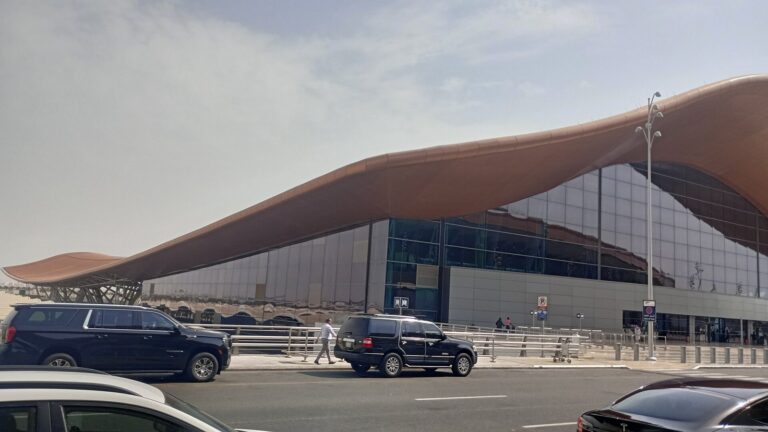
Planes flying from Turkey to Jeddah pass level with al-Juhfah (Rabigh). As Jeddah lies inside the miqat (in the Hill zone), entering ihram after landing in Jeddah means passing the miqat without ihram. The practical way is therefore as follows: the ihram garments are put on at the airport or at home, and the ihram prayer is performed if possible; the intention and the talbiyah are made as the plane approaches the miqat. Many airlines and group staff make an announcement as the miqat approaches.2
For how the intention is made and how the talbiyah is recited, see our articles on the intention for ihram and the talbiyah. How to tie the garments is explained in our article on how to wear ihram.
Those who go to Madinah first
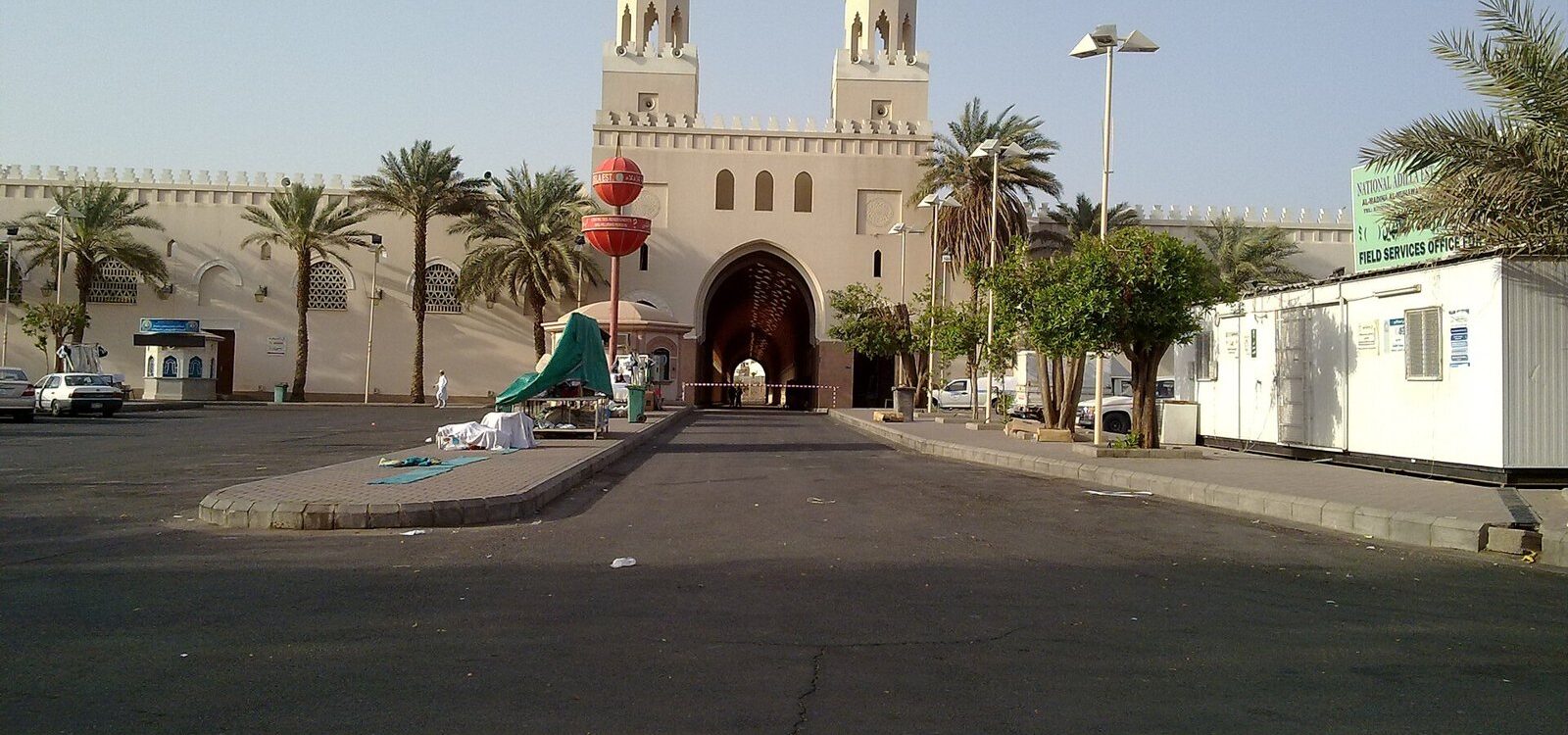
Pilgrims whose programme begins with Madinah enter Madinah without ihram, because going to Madinah is not entering Makkah. When setting off for Makkah after the visit to Madinah, ihram is entered at Dhul-Hulayfah (Abyar Ali Mosque). This is the place where the Prophet entered ihram for the Farewell Hajj. For the places to visit in Madinah, see our guide to places to visit in Madinah.
Those who land in Jeddah and go on to Madinah first
A person who lands in Jeddah and goes directly to Madinah without stopping in Makkah does not have to enter ihram, because their intention at that point is not to enter Makkah. Later, on the way from Madinah to Makkah, they enter ihram at Dhul-Hulayfah. As this depends on your programme, consult your group staff before the journey.
Where Do Those in Makkah Go for a Second Umrah?
A person inside the Haram zone enters ihram for Umrah outside the boundary of the Haram, that is, in the Hill. The closest Hill point to Makkah is al-Tan’im; here there is a mosque built where Aishah entered ihram, popularly known as the Aishah Mosque. Al-Ji’ranah is also one of the points used. After entering ihram, one returns to Masjid al-Haram, performs tawaf and sa’i, and the hair is shaved or shortened.2
To see the steps of Umrah in order, read our guide on how to perform Umrah.
The Ruling on Passing the Miqat Without Ihram
According to the Hanafi school, it is not permissible for an afaqi person who comes with the intention of Hajj or Umrah, or simply to enter Makkah, to pass the miqat without ihram. Such a person:
- Owes no penalty if they return to the miqat and enter ihram there before beginning the acts of Hajj or Umrah.
- Owes one dam (a sheep or goat to be slaughtered in the Haram zone) if they enter ihram where they are without going back.1
There are differences of detail between the schools on these rulings. For your own situation, it is best to consult your group’s religious officer or Diyanet’s Alo 190 line.
Entering Ihram Before the Miqat
It is permissible to enter ihram before reaching the miqat, for example at home or at the airport. However, the ihram restrictions begin from the moment the intention is made. A person who thinks they will find it hard to keep the restrictions on a long journey with connections can put on the garments beforehand and make the intention as the plane approaches the miqat.
Frequently Asked Questions
Is the miqat for Umrah the same as the miqat for Hajj?
Yes. For afaqi pilgrims, the five miqat points apply to both Hajj and Umrah. The difference concerns those in Makkah: a person in Makkah enters ihram inside the Haram for Hajj and in the Hill for Umrah.
Can the ihram prayer be performed on the plane?
The ihram prayer is sunnah; if it cannot be performed, the ihram is still valid. If it is not a disliked time, it can be performed at home, at the airport or in a suitable place.
What happens if I commit an ihram violation after passing the miqat?
If ihram has not yet been entered, there is no ihram restriction either; the problem is passing the miqat without ihram. In this case, the “go back or dam” ruling above applies.
References
Method: This article was prepared on the basis of the Hajj and Umrah manual of the Presidency of Religious Affairs of Türkiye (Diyanet) and the TDV Encyclopaedia of Islam. Religious rulings are given according to the Hanafi school. Last checked: 29.10.2026.
- TDV İslâm Ansiklopedisi, “Mîkāt”. islamansiklopedisi.org.tr. Accessed: 29.10.2026.
- Presidency of Religious Affairs of Türkiye (Diyanet), General Directorate of Hajj and Umrah Services, Hac ve Umre Rehberi (Hajj and Umrah Guide). hac.diyanet.gov.tr. Accessed: 29.10.2026.

Cihat Murat Yüksel is the editor of the RotaNur blog and the founder of Markention. Drawing on the sources of Türkiye's Presidency of Religious Affairs (Diyanet), he turns the questions travellers ask most about preparing for Umrah, Hajj and halal travel into clear, practical guides.
Questions answered in this article
What Is a Miqat?
The word miqat literally means “an appointed time or place”. In Islamic jurisprudence it is used in two senses: the months appointed for Hajj (the miqat of time) and the places that must not be passed without entering ihram (the miqat of place). As Umrah can be performed at any time of the year, it is the miqat of place that concerns the pilgrim performing Umrah.1
Where Do Those in Makkah Go for a Second Umrah?
A person inside the Haram zone enters ihram for Umrah outside the boundary of the Haram, that is, in the Hill. The closest Hill point to Makkah is al-Tan’im; here there is a mosque built where Aishah entered ihram, popularly known as the Aishah Mosque. Al-Ji’ranah is also one of the points used. After entering ihram, one returns to Masjid al-Haram, performs tawaf and sa’i, and the hair is shaved or shortened.2



Comments (0)