









Contents 10 sections
- How Many Martyrs of Uhud Are There?
- The Martyrs from the Muhajirun
- The Martyrs from the Ansar: The Aws Tribe
- The Martyrs from the Ansar: The Khazraj Tribe
- Those buried in the same grave
- The Five Names Ibn Hisham Added to the List
- The Breakdown of the Numbers
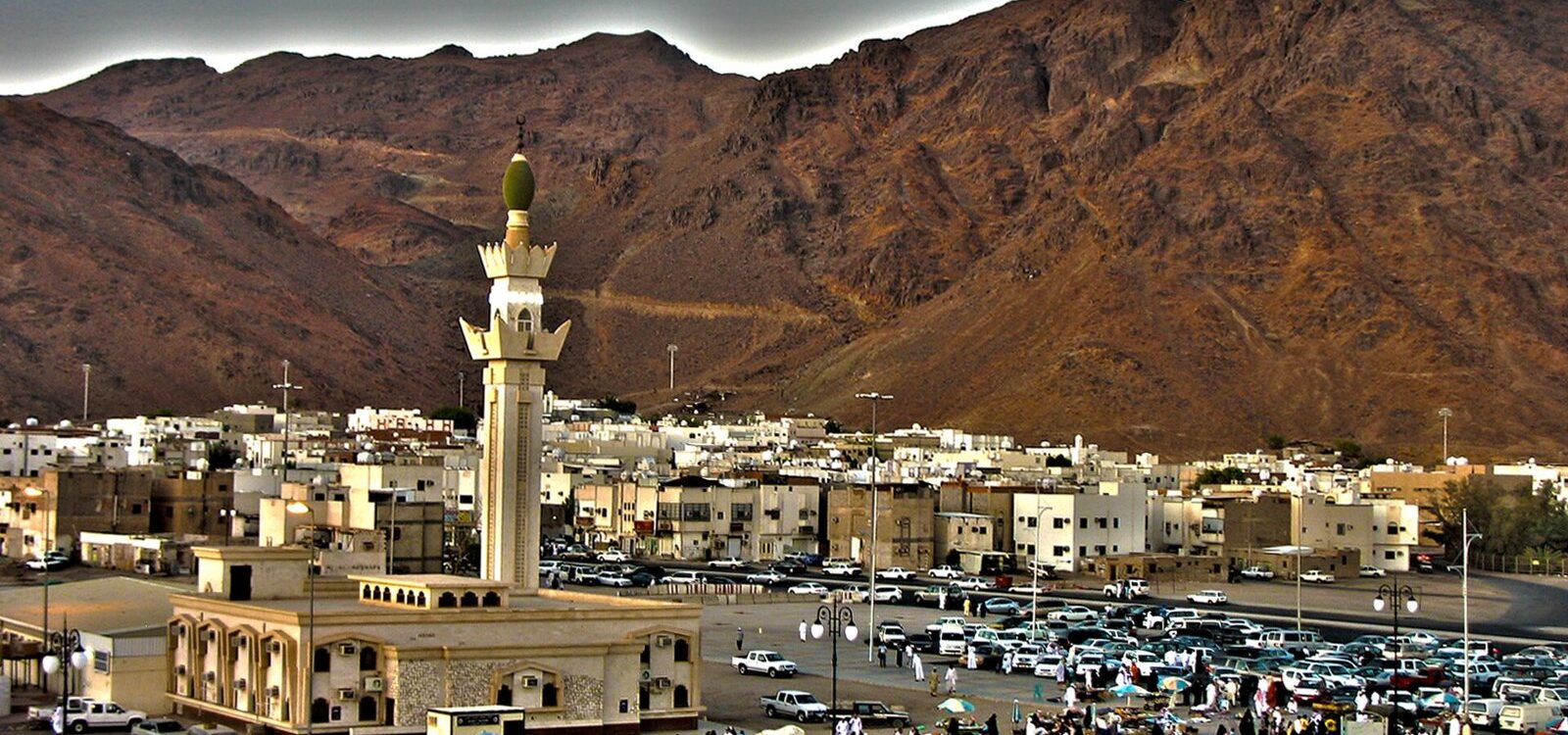
- Where Are the Martyrs of Uhud Buried?
- Frequently Asked Questions
- References
The names of the martyrs of Uhud are recorded in the sirah sources, counted clan by clan. The earliest and most widespread list is in Ibn Hisham’s al-Sirah al-Nabawiyyah, which transmits the narration of Ibn Ishaq: Ibn Ishaq counts sixty-five names, four from the Muhajirun and sixty-one from the Ansar; Ibn Hisham adds five more names to this list and reaches a total of seventy. In this article, we give the names in the order found in Ibn Hisham, with the distinction between Muhajirun and Ansar and according to their clans. No name that is not in the source has been added to the list.
In Short
In the Battle of Uhud, the Muslims lost seventy martyrs. In the list transmitted by Ibn Hisham, four of these martyrs are Muhajirun and the others are Ansar. The Muhajir martyrs are Hamzah, Abdullah ibn Jahsh, Mus’ab ibn Umayr and Shammas ibn Uthman. The martyrs of the Ansar are listed according to the clans of the Aws and Khazraj tribes; the largest group, with twelve people, is the Banu Abd al-Ashhal.
- Total: Seventy martyrs.
- Ibn Ishaq’s list: Sixty-five names (four Muhajirun, sixty-one Ansar).
- Added by Ibn Hisham: Five names.
- Source: Ibn Hisham, al-Sirah al-Nabawiyyah, the chapter on the Battle of Uhud.
- Place: Most of the martyrs are buried in the Uhud Martyrs’ Cemetery in Madinah.
How Many Martyrs of Uhud Are There?
According to the “Uhud Gazvesi” (Battle of Uhud) entry of the TDV Encyclopaedia of Islam (TDV İslâm Ansiklopedisi), the Muslims lost seventy martyrs in the battle, which took place in the third year of the Hijrah. In Ibn Hisham’s work, at the end of the list transmitted from Ibn Ishaq, the total of the Muhajirun and Ansar who fought alongside the Prophet and fell as martyrs is given as sixty-five people; Ibn Hisham then counts five more names, saying “those of the seventy martyrs we have mentioned whom Ibn Ishaq did not name”. The list below is the sum of these two parts.
One thing should be kept in mind while reading: the spelling of Arabic names in English shows small differences from source to source (such as Hanzalah or Hanzala, Jamuh or Jumuh). We have used a common simplified English transliteration without diacritics. The word “ibn” in the names means “son of”.
The Martyrs from the Muhajirun
Ibn Hisham’s list begins with four Companions who had emigrated from Makkah.
| No. | Martyr | Clan | Note |
|---|---|---|---|
| 1 | Hamzah ibn Abd al-Muttalib | Banu Hashim | The Prophet’s uncle; martyred by Wahshi |
| 2 | Abdullah ibn Jahsh | Ally of the Banu Umayyah (from Asad ibn Khuzaymah) | |
| 3 | Mus’ab ibn Umayr | Banu Abd al-Dar | Martyred by Ibn Qami’ah |
| 4 | Shammas ibn Uthman | Banu Makhzum |
The Martyrs from the Ansar: The Aws Tribe
The martyrs of the Ansar are counted first according to the clans of the Aws tribe.
| Clan | Martyrs |
|---|---|
| Banu Abd al-Ashhal (twelve people) | Amr ibn Mu’adh ibn al-Nu’man; al-Harith ibn Anas ibn Rafi’; Umarah ibn Ziyad ibn al-Sakan; Salamah ibn Thabit ibn Waqsh; Amr ibn Thabit ibn Waqsh; Thabit ibn Waqsh; Rifa’ah ibn Waqsh; Husayl ibn Jabir (al-Yaman, the father of Hudhayfah); Sayfi ibn Qayzi; Habab ibn Qayzi; Abbad ibn Sahl; al-Harith ibn Aws ibn Mu’adh |
| The people of Ratij (three people) | Iyas ibn Aws ibn Atik; Ubayd ibn al-Tayyihan; Habib ibn Yazid ibn Taym |
| Banu Zafar (one person) | Yazid ibn Hatib ibn Umayyah ibn Rafi’ |
| Banu Dubay’ah (two people) | Abu Sufyan ibn al-Harith ibn Qays ibn Zayd; Hanzalah ibn Abi Amir |
| Banu Ubayd (one person) | Unays ibn Qatadah |
| Banu Tha’labah (two people) | Abu Hayyah; Abdullah ibn Jubayr ibn al-Nu’man |
| Banu al-Salm (one person) | Khaythamah (the father of Sa’d ibn Khaythamah) |
| Ally of the Banu al-Ajlan (one person) | Abdullah ibn Salamah |
| Banu Mu’awiyah (one person) | Subay’ ibn Hatib ibn al-Harith |
Three notes concerning this section are given separately in the source. Ibn Ishaq reports, on the authority of Asim ibn Umar ibn Qatadah, that Thabit ibn Waqsh, the father of Salamah and Amr, was also martyred that day. It is also said that the name of Ubayd ibn al-Tayyihan was Atik. For Abu Hayyah, Ibn Hisham adds the note “Abu Hayyah ibn Amr ibn Thabit”.
Two names in this part of the list are remembered with the best-known scenes of Uhud. Hanzalah ibn Abi Amir is known by the title “Ghasil al-Mala’ikah”, that is, the one washed by the angels. Abdullah ibn Jubayr was the commander of the archers’ unit; according to the TDV Encyclopaedia of Islam, he fell as a martyr on the hill of Aynayn together with ten of his companions who did not leave their post. We described the Archers’ Hill and the course of the battle in our article on Mount Uhud.
The Martyrs from the Ansar: The Khazraj Tribe
The list continues with the clans of the Khazraj tribe; the sub-clans of the Banu al-Najjar are counted separately.
| Clan | Martyrs |
|---|---|
| Banu al-Najjar (four people) | Amr ibn Qays; his son Qays ibn Amr; Thabit ibn Amr ibn Zayd; Amir ibn Makhlad |
| Banu Mabdhul (two people) | Abu Hubayrah ibn al-Harith ibn Alqamah; Amr ibn Mutarrif ibn Alqamah |
| Banu Amr (one person) | Aws ibn Thabit ibn al-Mundhir (the brother of Hassan ibn Thabit) |
| Banu Adi (one person) | Anas ibn al-Nadr (the uncle of Anas ibn Malik) |
| Banu Mazin (two people) | Qays ibn Makhlad; Kaysan (their slave) |
| Banu Dinar (two people) | Sulaym ibn al-Harith; al-Nu’man ibn Abd Amr |
| Banu al-Harith (three people) | Kharijah ibn Zayd ibn Abi Zuhayr; Sa’d ibn al-Rabi’ ibn Amr ibn Abi Zuhayr; Aws ibn al-Arqam |
| Banu al-Abjar, that is, the Banu Khudrah (three people) | Malik ibn Sinan (the father of Abu Sa’id al-Khudri); Sa’id ibn Suwayd; Utbah ibn Rabi’ |
| Banu Sa’idah (two people) | Tha’labah ibn Sa’d ibn Malik; Thaqf ibn Farwah ibn al-Badi |
| Banu Tarif (two people) | Abdullah ibn Amr ibn Wahb; Damrah (their ally from Juhaynah) |
| Banu Awf (five people) | Nawfal ibn Abdullah; Abbas ibn Ubadah; al-Nu’man ibn Malik ibn Tha’labah; al-Mujadhdhar ibn Ziyad (their ally from Bali); Ubadah ibn al-Hashas |
| Banu al-Hubla (one person) | Rifa’ah ibn Amr |
| Banu Salimah, the Haram branch (four people) | Abdullah ibn Amr ibn Haram; Amr ibn al-Jamuh; Khallad ibn Amr ibn al-Jamuh; Abu Ayman (the freedman of Amr ibn al-Jamuh) |
| Banu Sawad (three people) | Sulaym ibn Amr ibn Hadidah; his freedman Antarah; Sahl ibn Qays ibn Abi Ka’b |
| Banu Zurayq (two people) | Dhakwan ibn Abd Qays; Ubayd ibn al-Mu’alla ibn Lawdhan |
Those buried in the same grave
The list in Ibn Hisham also records that some of the martyrs were buried in the same grave: Kharijah ibn Zayd and Sa’d ibn al-Rabi’ were placed in one grave; Abdullah ibn Amr ibn Haram and Amr ibn al-Jamuh in one grave; and al-Nu’man ibn Malik, al-Mujadhdhar ibn Ziyad and Ubadah ibn al-Hashas in one grave as well. The TDV Encyclopaedia of Islam also states that the martyrs were buried where they died, mostly two or three to a grave, in the clothes they were wearing.
The Five Names Ibn Hisham Added to the List
Ibn Hisham completes the number to seventy by adding the following names, which Ibn Ishaq did not count.
The name of al-Harith ibn Adi ibn Kharashah of the Banu Khatmah occurs in Ibn Hisham’s text in the same sentence as the lineage of Khatmah; we confirmed this name with a second source as well. In al-Isabah, under the entry “al-Harith ibn Adi ibn Kharashah”, Ibn Hajar records that he was martyred on the day of Uhud and that Ibn Abd al-Barr mentioned this on the authority of Ibn al-Kalbi.
The Breakdown of the Numbers
| Group | Number of martyrs |
|---|---|
| Muhajirun | Four |
| Ansar (Ibn Ishaq’s list) | Sixty-one |
| Ibn Ishaq’s total | Sixty-five |
| Added by Ibn Hisham | Five |
| Total | Seventy |
That the great majority of the martyrs were from the Ansar is connected with the battle being fought right beside Madinah and with the people of Madinah making up the majority of the army. In a city with a limited population, this loss affected almost every family; the presence in the list of father and son together (Amr ibn Qays and Qays; Amr ibn al-Jamuh and Khallad) and of brothers together (Salamah and Amr; Sayfi and Habab) is an indication of this.
Where Are the Martyrs of Uhud Buried?
According to the TDV Encyclopaedia of Islam, the Prophet ordered those who had taken the bodies of their relatives to Madinah to bury the martyrs where they had died. As part of the cemetery area was close to a flood channel and the water canal of Madinah passed through here, some graves were, according to the narration, moved to Jannat al-Baqi forty-six years later, while Hamzah and most of the martyrs remained at Uhud. Today the Uhud Martyrs’ Cemetery is an area enclosed by a wall and wire fencing, with no grave structures.
For the visit to the cemetery, the greeting supplication and the etiquette of visiting, see our article on visiting the martyrs of Uhud; for the Baqi Cemetery, our article on Jannat al-Baqi; and for the other places of visit in Madinah, our guide to places to visit in Madinah.
Frequently Asked Questions
In which source are the names of the martyrs of Uhud found?
Who from the Muhajirun was martyred at Uhud?
Why is the number of the martyrs of Uhud given as sixty-five or seventy?
Who martyred Hamzah?
Who is the martyr of Uhud washed by the angels?
Who was the commander of the archers at Uhud?
References
This article was prepared by the RotaNur editorial team on the basis of the sources below. The list of names is given in the order found in Ibn Hisham’s work, and no name that is not in the source has been added. The English spelling of Arabic names may differ between sources.
- Ibn Hisham, al-Sirah al-Nabawiyyah, chapter “The Battle of Uhud: mention of those martyred at Uhud” (Arabic text). hadithunlocked.com. Accessed: 11.11.2026.
- “Uhud Gazvesi” (Battle of Uhud), TDV İslâm Ansiklopedisi (TDV Encyclopaedia of Islam). islamansiklopedisi.org.tr. Accessed: 11.11.2026.
- Ibn Hajar al-Asqalani, al-Isabah fi Tamyiz al-Sahabah, entry “al-Harith ibn Adi ibn Kharashah” (Arabic text). ar.wikisource.org. Accessed: 11.11.2026.

Cihat Murat Yüksel is the editor of the RotaNur blog and the founder of Markention. Drawing on the sources of Türkiye's Presidency of Religious Affairs (Diyanet), he turns the questions travellers ask most about preparing for Umrah, Hajj and halal travel into clear, practical guides.
Questions answered in this article
How Many Martyrs of Uhud Are There?
According to the “Uhud Gazvesi” (Battle of Uhud) entry of the TDV Encyclopaedia of Islam (TDV İslâm Ansiklopedisi), the Muslims lost seventy martyrs in the battle, which took place in the third year of the Hijrah. In Ibn Hisham’s work, at the end of the list transmitted from Ibn Ishaq, the total of the Muhajirun and Ansar who fought alongside the Prophet and fell as martyrs is given as sixty-five people; Ibn Hisham then counts five more names, saying “those of the seventy martyrs we have mentioned whom Ibn Ishaq did not name”. The list below is the sum of these two parts.
Where Are the Martyrs of Uhud Buried?
According to the TDV Encyclopaedia of Islam, the Prophet ordered those who had taken the bodies of their relatives to Madinah to bury the martyrs where they had died. As part of the cemetery area was close to a flood channel and the water canal of Madinah passed through here, some graves were, according to the narration, moved to Jannat al-Baqi forty-six years later, while Hamzah and most of the martyrs remained at Uhud. Today the Uhud Martyrs’ Cemetery is an area enclosed by a wall and wire fencing, with no grave structures.

Comments (0)