






Contents 10 sections
Dar al-Arqam was the house at the foot of the hill of Safa in Makkah that belonged to al-Arqam ibn Abi al-Arqam, one of the first Muslims; it is remembered as the centre where, in the first years of Islam, the Prophet (peace be upon him) taught his Companions the religion, recited the Quran, prayed with them and invited people to Islam. In this guide, we look at where Dar al-Arqam was, who al-Arqam ibn Abi al-Arqam was, the place of the house in the period of the call, its later history, its present state and visiting information, together with our sources.
In Short
Dar al-Arqam was a house at the foot of the hill of Safa in Makkah, in the area that now lies within Masjid al-Haram. When the pressure of the polytheists grew, the Prophet made this house the centre of his call; many people, Umar among them, accepted Islam here. For this reason the house was also called “Dar al-Islam”. The building, which passed to al-Khayzuran in the Abbasid period and had a mosque added, was renewed as a mosque by the Ottoman sultan Murad III; it was demolished during the expansion of Masjid al-Haram and its site was absorbed into the Haram.
- Location: Makkah, the foot of the hill of Safa; today the area of Masjid al-Haram.
- Owner: Al-Arqam ibn Abi al-Arqam al-Makhzumi.
- Other names: Dar al-Islam, Dar al-Khayzuran.
- Significance: The centre of the early call; Umar accepted Islam here.
- Today: The house no longer stands; its site has been absorbed into Masjid al-Haram.
Where Is Dar al-Arqam?
According to the TDV Encyclopaedia of Islam, Dar al-Arqam stood at the foot of the hill of Safa in Makkah, within the Haram. Saudipedia, the encyclopaedia of Saudi Arabia’s Ministry of Media, also places the house on the right slope of Mount Safa and states that the Prophet met the Companions who had accepted Islam here, describing the house as the first gathering place of Islam.
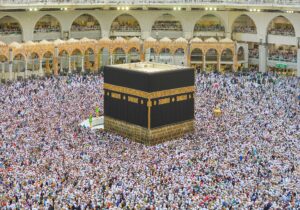
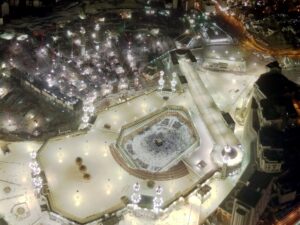
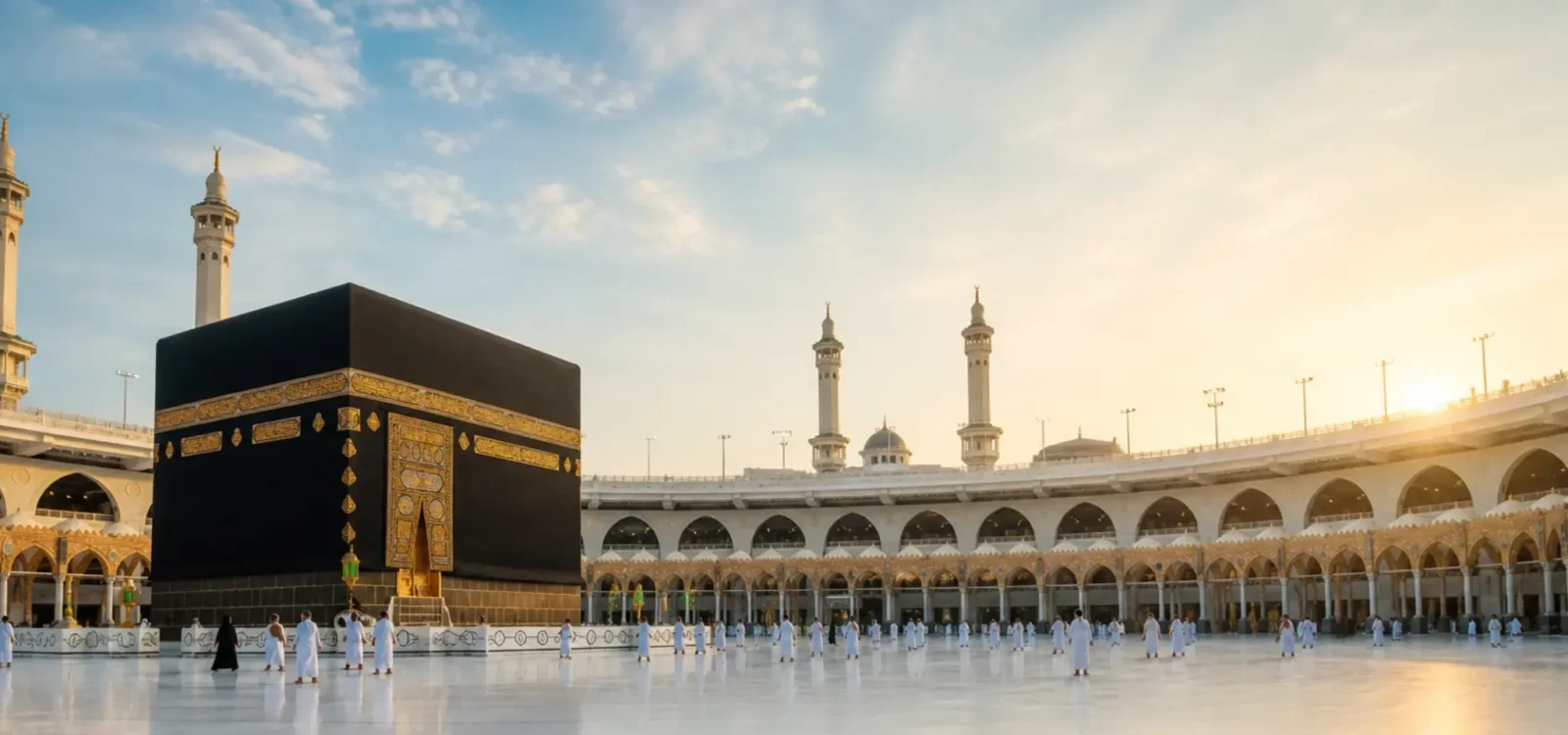
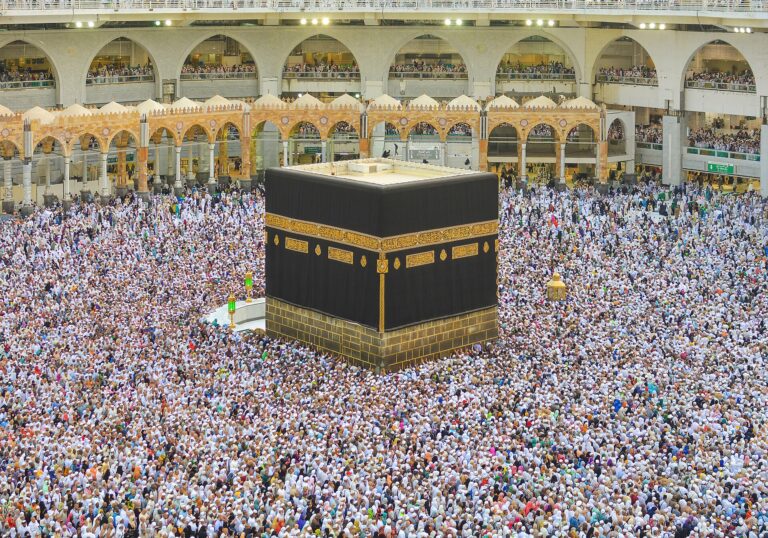
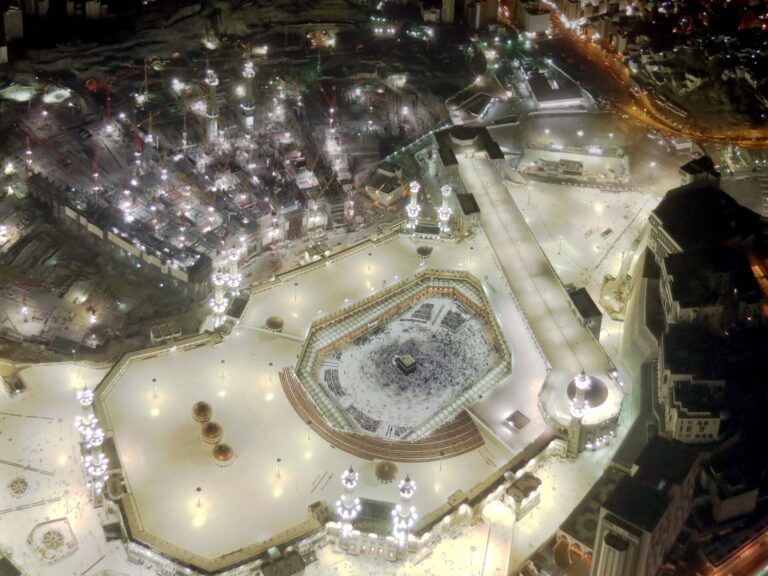
The house no longer stands. According to the encyclopaedia, it was demolished during the Saudi expansion of the Haram and its site was absorbed into Masjid al-Haram. The memory of Dar al-Arqam therefore lives on today around the hill of Safa, where sa’i begins, inside Masjid al-Haram. For the location of Safa and sa’i, see our article on Safa and Marwa, and for the other sites to visit in Makkah, our guide to places to visit in Makkah.
Info Card: Dar al-Arqam
- Where
- Makkah, the foot of the hill of Safa; within the Haram
- Owner
- Al-Arqam ibn Abi al-Arqam al-Makhzumi
- Other names
- Dar al-Islam, Dar al-Khayzuran; Saudipedia also gives al-Mukhtaba’ and Dar al-Arba’een
- Use
- The call, teaching the Quran and prayer
- Accepted Islam here
- Many people, Umar among them
- Ottoman period
- 999 AH (1591), renewed as a mosque by Murad III
- Today
- Demolished; its site absorbed into Masjid al-Haram
Who Was al-Arqam ibn Abi al-Arqam?
The owner of the house, al-Arqam ibn Abi al-Arqam, belonged to the Makhzum clan of the Quraysh. According to the TDV Encyclopaedia of Islam’s article “Erkam b. Ebü’l-Erkam”, he is said to have been the seventh or the twelfth person to accept Islam. Devoted to the Prophet, he placed his house at his disposal.
Al-Arqam was among the first to emigrate to Madinah; there a bond of brotherhood was established between him and Abu Talhah Zayd ibn Sahl al-Ansari, and he was given a house. He took part in the battles, Badr, Uhud and the Trench among them. We have written about the Companions who fought at Badr in our article on Badr.
The Centre of the Call
According to the encyclopaedia, when the pressure of the Makkan polytheists grew, the Prophet made this house his centre. Here he taught his Companions the religion, invited people to Islam, recited the Quran and prayed with them. Because the house was within the Haram, near the Kaaba, the Prophet could meet the Makkans and the visitors who came for pilgrimage without drawing attention.
In this period many people accepted Islam at Dar al-Arqam; the best known of them is Umar. For this reason the house was also called “Dar al-Islam” (the house of Islam). Saudipedia relates that the house was also called “al-Mukhtaba'” because, in the period when the call was conducted in secret, the Prophet stayed hidden here with a group of Muslims.
When was the house used?
In the sources, the Prophet’s move to this house is commonly dated to the fourth year of his prophethood. The TDV Encyclopaedia of Islam’s article “Dârülerkam”, however, argues that this date is not correct because al-Arqam was among the first Muslims, and that the move should be dated to the first year, even the first months, of the prophethood. According to the same article, the Prophet left the house in Dhu al-Hijjah of the sixth year of his prophethood, after Umar had accepted Islam. We give both views with their source.
The Later History of Dar al-Arqam
According to the TDV Encyclopaedia of Islam, al-Arqam left the house to his children, and his grandchildren lived in it. The Abbasid caliph Abu Ja’far al-Mansur bought the house; it later passed to his son, the caliph al-Mahdi, who gave it to his wife al-Khayzuran bint Ata. Al-Khayzuran also bought the surrounding houses and plots, had the building rebuilt and added a mosque; for this reason the house also came to be called “Dar al-Khayzuran”.
The building was repaired many times. The Ottoman sultan Murad III had it renewed as a mosque in 999 AH (1591). During the Saudi expansion of the Haram the building was demolished and its site was absorbed into Masjid al-Haram.
A History of Dar al-Arqam
According to the information in two articles of the TDV Encyclopaedia of Islam, the main periods in the history of the house are as follows:
| Period | Event |
|---|---|
| The first years of the prophethood | Al-Arqam accepted Islam and placed his house at the Prophet’s disposal; the house became the centre of the call. |
| 6th year of the prophethood, Dhu al-Hijjah | After Umar accepted Islam, the Prophet left the house. |
| After the Hijrah | The house remained with al-Arqam’s children and grandchildren. |
| Abbasid period | Al-Mansur bought it; al-Mahdi gave it to his wife al-Khayzuran, who had it rebuilt and added a mosque. |
| 999 / 1591 | Murad III had it renewed as a mosque. |
| Saudi period | It was demolished in the expansion of the Haram; its site was absorbed into Masjid al-Haram. |
Can Dar al-Arqam Be Visited Today?
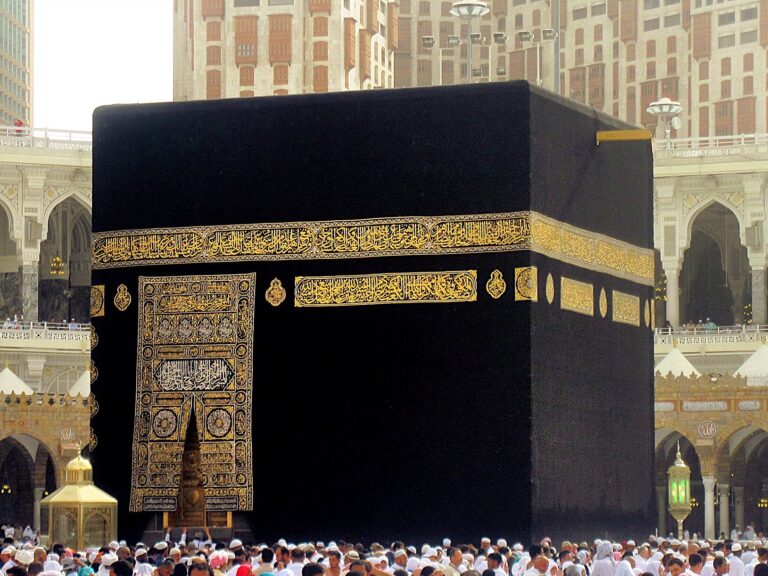
As the building of Dar al-Arqam no longer exists, there is no separate structure to visit; the site of the house lies within the expansion area of Masjid al-Haram on the Safa side. Visitors to Masjid al-Haram can remember this first centre of the call around the hill of Safa, where they begin their sa’i.
In Umrah programmes with a few days in Makkah, the city tours usually visit places such as Jabal al-Nour, Mount Thawr and Jannat al-Mu’alla; Dar al-Arqam is not a separate stop but a memory recalled within Masjid al-Haram. Remembering it is not part of the act of worship of Umrah; the obligatory and necessary acts of Umrah are performed at Masjid al-Haram. For the first attempt to take the call outside Makkah, read our article on Taif, and for other sirah sites in Makkah, our articles on the Cave of Hira and Masjid al-Jinn.
From the Secret Call to the Open Call
Dar al-Arqam is remembered not as a grand building but as a house where a small community learned the Quran and prayed together. As you begin your sa’i at Safa, remembering that small community which gathered in a house a few steps away in the first years of Islam will give your worship at Masjid al-Haram a special meaning.
Frequently Asked Questions
Where is Dar al-Arqam?
Who owned Dar al-Arqam?
What took place at Dar al-Arqam?
Where did Umar accept Islam?
What are the other names of Dar al-Arqam?
How long did the Prophet use Dar al-Arqam?
Is Dar al-Arqam still standing?
Is visiting Dar al-Arqam part of Umrah?
No. The essential rites of Umrah are performed at Masjid al-Haram; remembering Dar al-Arqam is a voluntary reflection aimed at getting to know the sirah.
References
This article was prepared by the RotaNur editorial team on the basis of the sources below. On religious matters, the approach of the Presidency of Religious Affairs of Türkiye (Diyanet) and the TDV Encyclopaedia of Islam has been followed; as the arrangements at Masjid al-Haram may change, please confirm the current situation from official sources before you set out.
- M. Asım Köksal, “Dârülerkam”, TDV İslâm Ansiklopedisi, vol. 8, 1993, pp. 520-521. islamansiklopedisi.org.tr. Accessed: 10.11.2026.
- Ahmet Önkal, “Erkam b. Ebü’l-Erkam”, TDV İslâm Ansiklopedisi, vol. 11, 1995, p. 305. islamansiklopedisi.org.tr. Accessed: 10.11.2026.
- Saudipedia (Saudi Ministry of Media), “Makkah al-Mukarramah City”. saudipedia.com. Accessed: 10.11.2026.

Cihat Murat Yüksel is the editor of the RotaNur blog and the founder of Markention. Drawing on the sources of Türkiye's Presidency of Religious Affairs (Diyanet), he turns the questions travellers ask most about preparing for Umrah, Hajj and halal travel into clear, practical guides.
Questions answered in this article
Where Is Dar al-Arqam?
According to the TDV Encyclopaedia of Islam, Dar al-Arqam stood at the foot of the hill of Safa in Makkah, within the Haram. Saudipedia, the encyclopaedia of Saudi Arabia’s Ministry of Media, also places the house on the right slope of Mount Safa and states that the Prophet met the Companions who had accepted Islam here, describing the house as the first gathering place of Islam.
Who Was al-Arqam ibn Abi al-Arqam?
The owner of the house, al-Arqam ibn Abi al-Arqam, belonged to the Makhzum clan of the Quraysh. According to the TDV Encyclopaedia of Islam’s article “Erkam b. Ebü’l-Erkam”, he is said to have been the seventh or the twelfth person to accept Islam. Devoted to the Prophet, he placed his house at his disposal.
When was the house used?
In the sources, the Prophet’s move to this house is commonly dated to the fourth year of his prophethood. The TDV Encyclopaedia of Islam’s article “Dârülerkam”, however, argues that this date is not correct because al-Arqam was among the first Muslims, and that the move should be dated to the first year, even the first months, of the prophethood. According to the same article, the Prophet left the house in Dhu al-Hijjah of the sixth year of his prophethood, after Umar had accepted Islam. We give both views with their source.
Can Dar al-Arqam Be Visited Today?
As the building of Dar al-Arqam no longer exists, there is no separate structure to visit; the site of the house lies within the expansion area of Masjid al-Haram on the Safa side. Visitors to Masjid al-Haram can remember this first centre of the call around the hill of Safa, where they begin their sa’i.
Comments (0)