





Contents 13 sections
- Where Is Badr?
- The Road to the Battle of Badr
- The wells of Badr and the advice of al-Hubab ibn al-Mundhir
- The Battle of Badr: 17 Ramadan 2
- The treatment of the captives
- The People of Badr and the Results of the Battle
- Timeline of the Battle of Badr
- What Can Be Seen at Badr Today?
- Etiquette for Visiting the Martyrs of Badr
- Badr in Umrah Programmes
- Where the Few Faced the Many
- Frequently Asked Questions
- References
Badr is the town south-west of Madinah, where the Madinah-Makkah road meets the Syrian caravan route, that gave its name to the first major battle between the Prophet (peace be upon him) and the Makkan polytheists, in the 2nd year after the Hijrah. In this guide, we look at where Badr is, how the Battle of Badr is described in the sources, what can be seen at the battlefield and the martyrs’ cemetery today, the etiquette of the visit and its place in Umrah programmes, together with our sources.
In Short
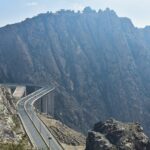
According to the TDV Encyclopaedia of Islam, Badr was a small town about 160 km south-west of Madinah and 30 km from the Red Sea coast; today it lies in the city of Badr in the Madinah region. The Battle of Badr was fought on 17 Ramadan 2 (13 March 624) and ended in victory for the Muslims. The battlefield, the martyrs’ cemetery, al-Arish Mosque and the “near slope” and “far slope” mentioned in the Quran are still the known landmarks of the area.
- Location: South-west of Madinah; about 150-160 km in the sources.
- Date: 17 Ramadan 2 / 13 March 624.
- The sides: 305 Muslims; a Quraysh army of about 1,000.
- Outcome: Fourteen martyrs; seventy polytheists killed and seventy captured.
- In the Quran: Al Imran 3:123-125, al-Anfal 8:9-12, 17, 42.
Where Is Badr?
According to the TDV Encyclopaedia of Islam, Badr was a small town about 160 km south-west of Madinah and 30 km from the Red Sea coast, at the point where the Madinah-Makkah road meets the Syrian caravan route. Its people were Bedouins who lived from the services they offered the caravans stopping here and from herding; every year, a large fair lasting eight days was held in the town from the beginning of Dhu al-Qa’dah.
Saudipedia, the encyclopaedia of Saudi Arabia’s Ministry of Media, places the site of the Battle of Badr in the city of Badr in the Madinah region, about 150 km south-west of Madinah. The small difference between the two sources may come from the difference between the old caravan route and today’s highway; when planning the journey time, check current road information. We have gathered the other sites to visit in Madinah in our guide to places to visit in Madinah.
Info Card: Badr
The Road to the Battle of Badr
According to the TDV Encyclopaedia of Islam’s article “Bedir Gazvesi”, in the 2nd year after the Hijrah (624) a large trade caravan, in which many of the Quraysh had a share, had gone to Syria under the command of Abu Sufyan. The Prophet told his Companions that the caravan could be intercepted at Badr on its way back to Makkah, and he set out from Madinah on 12 Ramadan (8 March 624).
The Muslim army numbered 305 men, seventy-four of them from the Muhajirun and the rest from the Ansar; the army had seventy camels and two horses. Mus’ab ibn Umayr, Ali and Sa’d ibn Mu’adh were appointed as standard-bearers.
When Abu Sufyan heard of the plan, he sent a messenger to Makkah asking for help and led the caravan along the coastal road, away from Badr. An army of about 1,000 men, with 700 camels and 100 horsemen, set out from Makkah under the command of Abu Jahl. Although they learned at al-Juhfah that the caravan was safe, the Quraysh continued on their way to show their strength. The Quran states that when the two armies reached Badr, they were unaware of each other (al-Anfal 8:42).
The wells of Badr and the advice of al-Hubab ibn al-Mundhir
On the day of the battle, the Prophet reached the wells of Badr before the Quraysh and, on the advice of al-Hubab ibn al-Mundhir, kept the well nearest to the Muslims in the direction of the enemy’s approach and had the others filled with sand. The encyclopaedia also records that the Prophet later allowed the polytheists to draw water from the well left open. Saudipedia likewise relates that the Prophet first camped on the sand hill called al-Udwah al-Dunya, and was then advised to move a little south to be near the closest well on the enemy’s side.
The Battle of Badr: 17 Ramadan 2
According to the encyclopaedia, on the morning of 17 Ramadan 2 (13 March 624) both armies moved towards Badr; the sources also report the dates of 19, 21 and 27 Ramadan. Before the battle, the Prophet sent Umar to the Quraysh, offering that they return to Makkah without fighting; the Quraysh insisted on battle.
In keeping with old Arab custom, the battle began with single combat. Hamzah, Ali and Ubaydah ibn al-Harith fought the Quraysh warriors who came out against them; Ubaydah, who was badly wounded, later died as a martyr. The general fighting ended towards the afternoon with a decisive victory for the Muslims. Seventy polytheists, Abu Jahl foremost among them, were killed and seventy were taken captive; the Muslims lost fourteen martyrs. The Prophet led the funeral prayer for the martyrs and had them buried, and he also had the dead of the Quraysh buried.
The encyclopaedia notes that the Quran clearly states that the Muslims were supported by the help of angels in this battle (Al Imran 3:123-125; al-Anfal 8:9-12, 17).
The treatment of the captives
The Prophet ordered that the captives be treated well. After consulting his Companions, he adopted Abu Bakr’s proposal of ransom; it was decided that the captives would pay a ransom of between 1,000 and 4,000 dirhams according to their means, that some would be freed without payment, and that those who could read and write would be freed on condition that each taught ten Muslims to read and write. To prevent disputes, the spoils were gathered together and shared equally among those who had taken part in the battle.
The People of Badr and the Results of the Battle
According to the TDV Encyclopaedia of Islam, the Battle of Badr brought the Muslim community great prestige in Madinah and across the Arabian Peninsula, opening wider opportunities for the spread of Islam. The Companions who took part in the battle are known as “Ahl Badr” (the People of Badr); on the basis of reports in al-Bukhari and Muslim, the encyclopaedia relates that they received the glad tidings that their sins were forgiven.
We have described the Battle of Uhud, fought the year after Badr, and the martyrs’ cemetery at Uhud in our articles on Mount Uhud and visiting the martyrs of Uhud; thinking of the two battlefields together makes it easier to follow the course of the sirah in the Madinan period on the spot.
Timeline of the Battle of Badr
The main stages recorded by the TDV Encyclopaedia of Islam are as follows:
| Date | Event |
|---|---|
| 2 AH (624) | The Quraysh caravan under Abu Sufyan returns from Syria. |
| 12 Ramadan 2 (8 March 624) | The Prophet sets out from Madinah with an army of 305. |
| During the march | The caravan escapes by the coastal road; the army under Abu Jahl continues on its way. |
| 17 Ramadan 2 (13 March 624) | The battle at the wells of Badr; victory towards the afternoon. |
| After the battle | The martyrs are buried; the captives are freed for ransom or for teaching reading and writing. |
| End of Ramadan or beginning of Shawwal | The army returns to Madinah. |
What Can Be Seen at Badr Today?
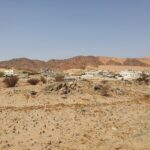
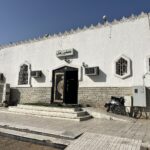
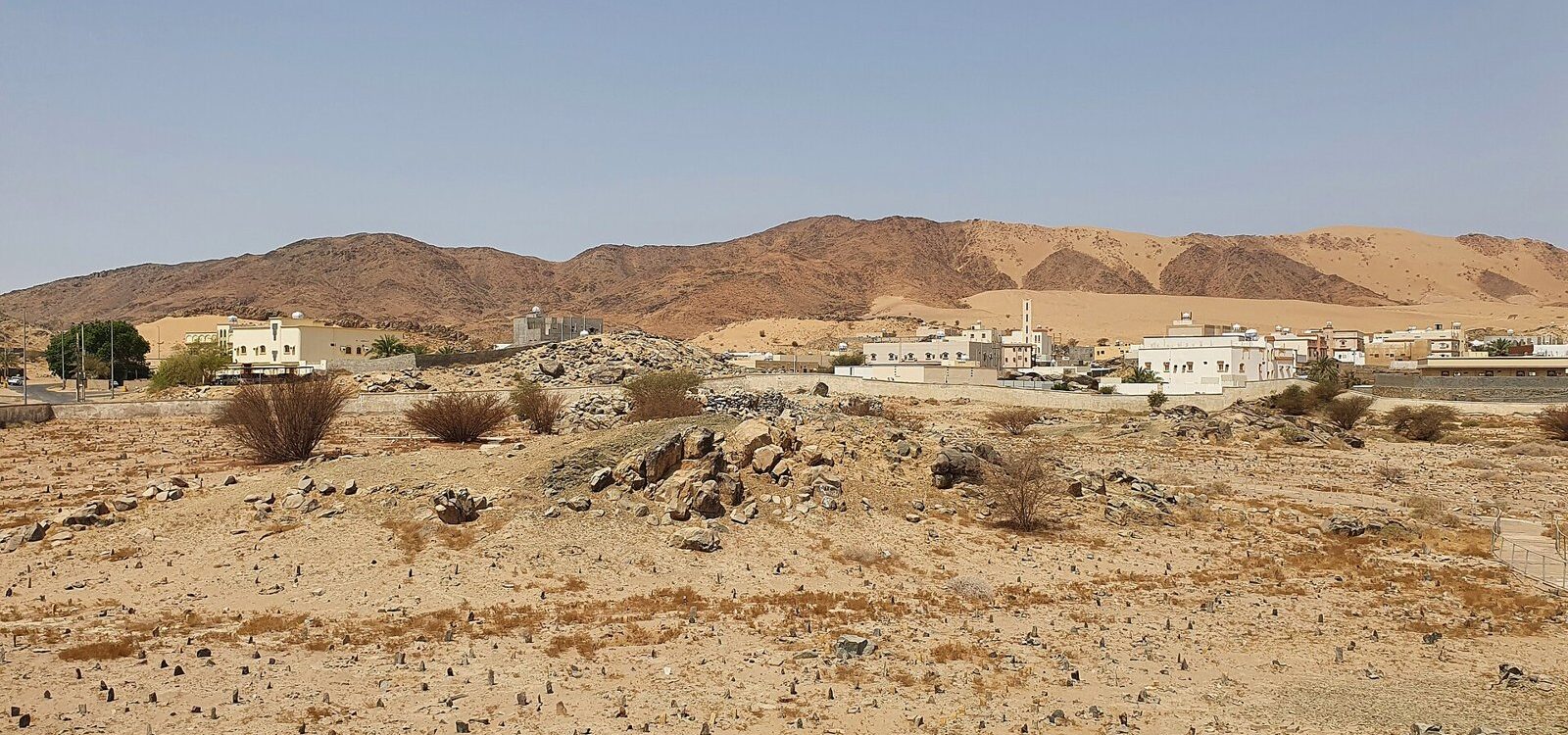
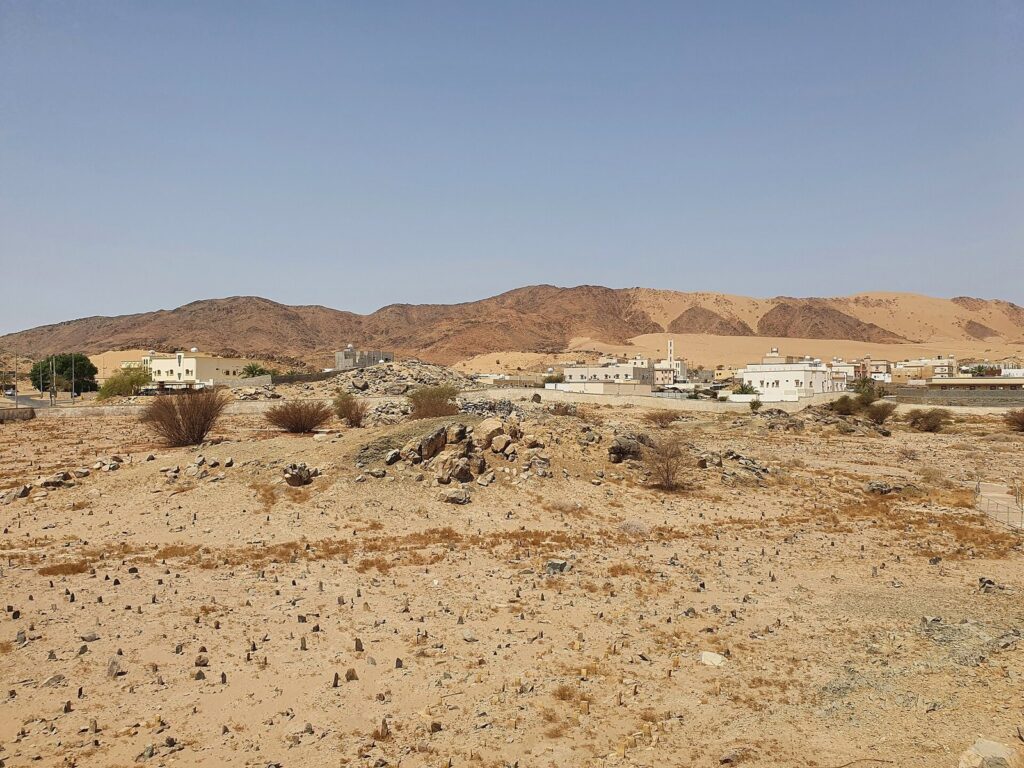
According to Saudipedia, the site of the Battle of Badr covers several places associated with the battle: al-Arish Mosque, the battlefield, the cemetery of the martyrs of the battle, al-Udwah al-Dunya and al-Udwah al-Quswa, and some historic remains.
- Al-Udwah al-Dunya (the near slope): The sand hill about one kilometre north-west of the waters of Badr; the Prophet first camped here with his army.
- Al-Udwah al-Quswa (the far slope): The sandy mountain running from east to west, about three kilometres from Badr; the polytheist army camped here before advancing to the battlefield.
- The martyrs’ cemetery: The cemetery of the Companions martyred at Badr.
Saudipedia states that the two slopes are mentioned in the Quran in connection with the Battle of Badr, referring to verse 42 of Surah al-Anfal.
Etiquette for Visiting the Martyrs of Badr
The martyrs’ cemetery at Badr is a graveyard; the visit is made to greet the martyrs, pray for them and take a lesson. Some points to keep in mind during the visit:
- Approach the cemetery quietly and with dignity, and follow the directions of the staff.
- Do not step on the graves, and avoid practices at the graves that the religion does not approve.
- Greet the martyrs and pray for them; see the visit as an occasion for reflection and taking a lesson.
- Do not disturb other visitors when taking photographs.
The explanations on greetings and etiquette in our article on visiting the martyrs of Uhud also apply to Badr. As access arrangements for cemeteries can change, it is advisable to confirm the current situation before your visit.
Badr in Umrah Programmes
Badr is not a natural stop on the city tours around the Prophet’s Mosque; it lies outside Madinah and requires a long road journey. For this reason, in Umrah programmes it is usually planned as a separate full-day trip or as a stop added to the journey between Madinah and Makkah. It is a good idea to find out in advance whether it is included in your programme and how long it takes.
The visit to Badr is not part of the act of worship of Umrah; the obligatory and necessary acts of Umrah are performed in Makkah. It is a voluntary visit made to get to know the sirah on the spot and to remember the People of Badr. The soundest approach is to plan it so that you do not miss the daily prayers at the Prophet’s Mosque, the main centre of worship in Madinah.
Where the Few Faced the Many
Badr today is a quiet desert town. Yet its wells, sand hills and martyrs’ cemetery still hold the geography of this first major encounter, which took place in the month of Ramadan. If you have the chance to go to Badr, we suggest planning it as a day on which you can read the related verses of Surah al-Anfal and remember the People of Badr in prayer.
Frequently Asked Questions
Where is Badr?
When was the Battle of Badr?
How many Muslims fought at Badr?
Who are the People of Badr?
Is the Battle of Badr mentioned in the Quran?
How were the captives of Badr treated?
Is the visit to Badr part of Umrah?
No. The visit to Badr is not one of the essential rites of Umrah; it is a voluntary visit made to get to know the sirah.
References
This article was prepared by the RotaNur editorial team on the basis of the sources below. On religious matters, the approach of the Presidency of Religious Affairs of Türkiye (Diyanet) and the TDV Encyclopaedia of Islam has been followed; as the visiting arrangements at Badr may change, please confirm the current situation from official sources before you set out.
- Mustafa Fayda, “Bedir Gazvesi”, TDV İslâm Ansiklopedisi, vol. 5, 1992, pp. 325-327. islamansiklopedisi.org.tr. Accessed: 10.11.2026.
- Saudipedia (Saudi Ministry of Media), “The Site of the Battle of Badr”. saudipedia.com. Accessed: 10.11.2026.

Cihat Murat Yüksel is the editor of the RotaNur blog and the founder of Markention. Drawing on the sources of Türkiye's Presidency of Religious Affairs (Diyanet), he turns the questions travellers ask most about preparing for Umrah, Hajj and halal travel into clear, practical guides.
Questions answered in this article
Where Is Badr?
According to the TDV Encyclopaedia of Islam, Badr was a small town about 160 km south-west of Madinah and 30 km from the Red Sea coast, at the point where the Madinah-Makkah road meets the Syrian caravan route. Its people were Bedouins who lived from the services they offered the caravans stopping here and from herding; every year, a large fair lasting eight days was held in the town from the beginning of Dhu al-Qa’dah.
What Can Be Seen at Badr Today?
According to Saudipedia, the site of the Battle of Badr covers several places associated with the battle: al-Arish Mosque, the battlefield, the cemetery of the martyrs of the battle, al-Udwah al-Dunya and al-Udwah al-Quswa, and some historic remains.
Comments (0)