








Contents 13 sections
- Where Is Hudaybiyyah?
- The Umrah Journey and the Camp at Hudaybiyyah
- The Envoys and Uthman
- The Pledge of Ridwan: A Promise Beneath the Tree
- What happened to the tree of Ridwan?
- The Treaty of Hudaybiyyah and Its Terms
- “A Clear Victory”: The Results of the Treaty
- A History of Hudaybiyyah
- What Is at Hudaybiyyah Today?
- Hudaybiyyah in Umrah Programmes
- A Place of Patience and Keeping One’s Word
- Frequently Asked Questions
- References
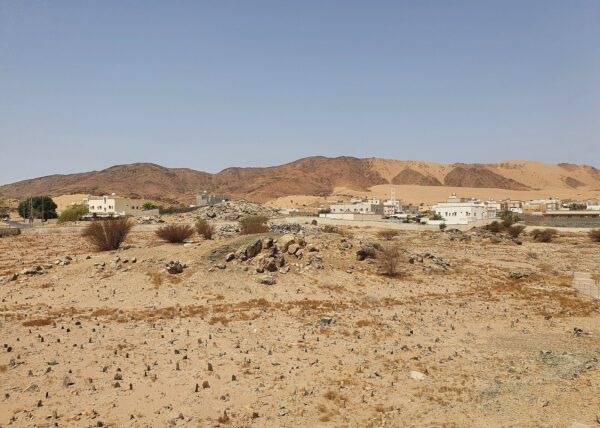
Hudaybiyyah is the place west of Makkah, on the old Jeddah road, known today as al-Shumaysi; it gave its name to the Treaty of Hudaybiyyah, signed between the Prophet (peace be upon him) and the Quraysh in the 6th year after the Hijrah, and to the Pledge of Ridwan made beneath a tree. In this guide, we look at where Hudaybiyyah is, where its name comes from, how the Umrah journey and the treaty are described in the sources, the Pledge of Ridwan, what stands at the site today and its place in Umrah programmes, together with our sources.
In Short
Hudaybiyyah lies about 17 km west of Makkah on the old Jeddah road and has also been known as al-Shumaysi since the 8th (14th) century. One of the markers of the boundary of the Haram stands here. In Dhu al-Qa’dah 6 (March 628), the Prophet (peace be upon him) and his Companions, who had set out for Umrah, camped here; the Pledge of Ridwan was made and a ten-year peace treaty was signed with the Quraysh. Today the Hudaybiyyah Mosque stands where the tree of the pledge once stood.
- Location: About 17 km west of Makkah, on the old Jeddah road.
- Other name: al-Shumaysi.
- Event: Dhu al-Qa’dah 6 / March 628, the Treaty of Hudaybiyyah and the Pledge of Ridwan.
- In the Quran: Surah al-Fath; the treaty is described as a “clear victory” (48:1).
- Today: The Hudaybiyyah Mosque, a Haram boundary marker and an Ottoman-era bathhouse with inscriptions.
Where Is Hudaybiyyah?
According to the TDV Encyclopaedia of Islam, Hudaybiyyah lies 17 km west of Makkah on the old Jeddah road. It takes its name either from a kind of desert tree called “samurah” or from a well beside it. One of the markers showing the boundary of the Haram stands here, and Hudaybiyyah is known as one of the places where those staying in Makkah enter ihram.
The encyclopaedia notes that there is no sign of a settlement here at the time of the rise of Islam, that the first settlement began soon after the era of the Rightly Guided Caliphs to meet the needs of pilgrims, and that the place, which gradually became a village, has been called al-Shumaysi since the 8th (14th) century. Saudipedia, the encyclopaedia of Saudi Arabia’s Ministry of Media, also lists Hudaybiyyah among the historic sites in the Makkah region connected with the sirah. We have gathered the other sites to visit in Makkah in our guide to places to visit in Makkah.
Info Card: Hudaybiyyah
- Where
- West of Makkah, on the old Jeddah road
- Distance from Makkah
- About 17 km
- Present name
- al-Shumaysi
- Origin of the name
- A samurah tree or the well beside it
- Historic event
- Dhu al-Qa’dah 6 / March 628, the treaty and the Pledge of Ridwan
- Related surah
- Surah al-Fath (48:1, 10, 18, 27)
- Today
- Hudaybiyyah Mosque, Haram boundary marker
The Umrah Journey and the Camp at Hudaybiyyah
Hudaybiyyah owes its fame to the Prophet (peace be upon him) camping here at the beginning of Dhu al-Qa’dah in the 6th year after the Hijrah (March 628), when, following a dream he had seen (al-Fath 48:27), he set out from Madinah to Makkah with his Companions to perform Umrah. According to the TDV Encyclopaedia of Islam, 1,400 to 1,500 Muslims took part in this journey; they had made the intention for Umrah and entered ihram, they brought seventy camels for sacrifice, and, since their purpose was peaceful, they were unarmed.
The sources relate that when they reached Hudaybiyyah, the Prophet’s camel, al-Qaswa, knelt down and would not rise. The Prophet said that this was not her habit, and that the One who had held back the elephant from entering Makkah was holding her back from entering the city. The Makkan polytheists, although they understood the Muslims’ intention, decided not to let them into the city and sent a cavalry unit of 200 men under Khalid ibn al-Walid to Ghamim.
The Envoys and Uthman
The Prophet first sent Khirash ibn Umayyah as his envoy, but he was badly received. Then Uthman, who had many relatives among the Quraysh, was sent. The Quraysh told him that he alone could circumambulate the Kaaba if he wished; Uthman refused, saying that he could not perform tawaf before the Prophet did, and he was held in Makkah.
The Pledge of Ridwan: A Promise Beneath the Tree
When the news that Uthman had been killed reached the Muslims at Hudaybiyyah, the Prophet decided to take a pledge from his Companions. According to the TDV Encyclopaedia of Islam’s article “Bey’atürrıdvân”, the pledge was taken beneath a samurah desert tree that gave shade during the camp at Hudaybiyyah; according to one report it was made “unto death”, according to another “not to flee from battle”.
The reports give different numbers for the Companions who made the pledge; according to the encyclopaedia, the most common report is 1,400. The Prophet pledged on behalf of Uthman, who was in Makkah, by taking his own right hand as Uthman’s hand. News of the pledge affected the Makkans; they released Uthman and some other Muslims and sent Suhayl ibn Amr to negotiate a treaty.
Verses 10 and 18 of Surah al-Fath speak of this pledge. Because verse 18 states that Allah was pleased with the believers who pledged allegiance beneath the tree, the pledge came to be called “Bay’at al-Ridwan” (the pledge of good pleasure), those who made it “Ashab al-Shajarah” (the People of the Tree), and the tree “Shajarat al-Ridwan”. The encyclopaedia also cites the hadith in al-Tirmidhi: “None of those who pledged allegiance to me beneath the tree will enter the Fire.”
What happened to the tree of Ridwan?
There are two reports about the tree in the sources. According to one, the Muslims looked for the tree the following year or during the caliphate of Umar, but could not find it. According to the other, Umar ordered it to be cut down, fearing that it would come to be regarded as sacred because of the visits. Today the Hudaybiyyah Mosque stands where the tree once was.
The Treaty of Hudaybiyyah and Its Terms
At the end of the negotiations with Suhayl ibn Amr on behalf of the Quraysh, the treaty was signed. The TDV Encyclopaedia of Islam’s article “Hudeybiye Antlaşması” lists its main terms as follows:
- The Muslims would return that year without entering Makkah, come for Umrah the following year and be able to stay in the city for three days.
- Anyone fleeing from Makkah to the Muslims would be returned at the request of his guardian, while anyone from the Muslims taking refuge in Makkah would not be returned.
- The peace would last ten years, and both sides would keep their lands safe for the passage of caravans, for Hajj and for Umrah.
- Other Arab tribes could ally with whichever side they wished.
It was also agreed that “Bismika Allahumma” would be written at the head of the treaty instead of “Bismillah al-Rahman al-Rahim”, and “Muhammad ibn Abdullah” instead of “Muhammad, the Messenger of Allah”. The Companions, Umar among them, reacted to the terms; but when the Prophet said that he had accepted them, everyone affirmed their loyalty. While the treaty was being written, Abu Jandal, who had fled from Makkah, was handed back to his father Suhayl ibn Amr in accordance with the terms.
The Prophet and his Companions, who stayed at Hudaybiyyah for twelve or twenty days, sacrificed their animals after the treaty, left ihram and returned to Madinah. Surah al-Fath was revealed on the way back.
“A Clear Victory”: The Results of the Treaty
In the Quran, the Treaty of Hudaybiyyah is described for the Muslims as a “clear victory” and a “mighty help” (al-Fath 48:1, 3). The TDV Encyclopaedia of Islam states that the treaty was a turning point in the history of Islam, as the Quraysh, who until then had not accepted the Muslims as a counterpart, recognised them as an equal party.
According to the encyclopaedia, Islam spread rapidly across the Arabian Peninsula in the atmosphere of peace; in the two years from Hudaybiyyah to the conquest of Makkah, the number of people who became Muslim exceeded the number in the previous eighteen years. Less than a month after the treaty, the Muslims marched on Khaybar; when the Quraysh broke the treaty, Makkah was conquered two years later. The Umrah performed in the year after the treaty is known in the sources as Umrat al-Qada (7/629).
A History of Hudaybiyyah
According to the information in two articles of the TDV Encyclopaedia of Islam, the main periods in the history of Hudaybiyyah are as follows:
| Period | Event |
|---|---|
| Dhu al-Qa’dah 6 / March 628 | The Prophet and his Companions came for Umrah and camped here; the Pledge of Ridwan was made and the treaty signed. |
| 7 / 629 | Umrat al-Qada was performed the following year under the treaty. |
| Caliphate of Umar (634-644) | According to one report the tree of the pledge was cut down; according to another it was sought but not found. |
| After the Rightly Guided Caliphs | The first settlement began to meet pilgrims’ needs and gradually became a village. |
| 8th (14th) century | The settlement began to be called al-Shumaysi. |
| Ottoman period | A well was built in memory of the Pledge of Ridwan; a bathhouse with inscriptions stands just outside the Haram boundary marker. |
| Today | The Hudaybiyyah Mosque stands where the tree once was. |
What Is at Hudaybiyyah Today?
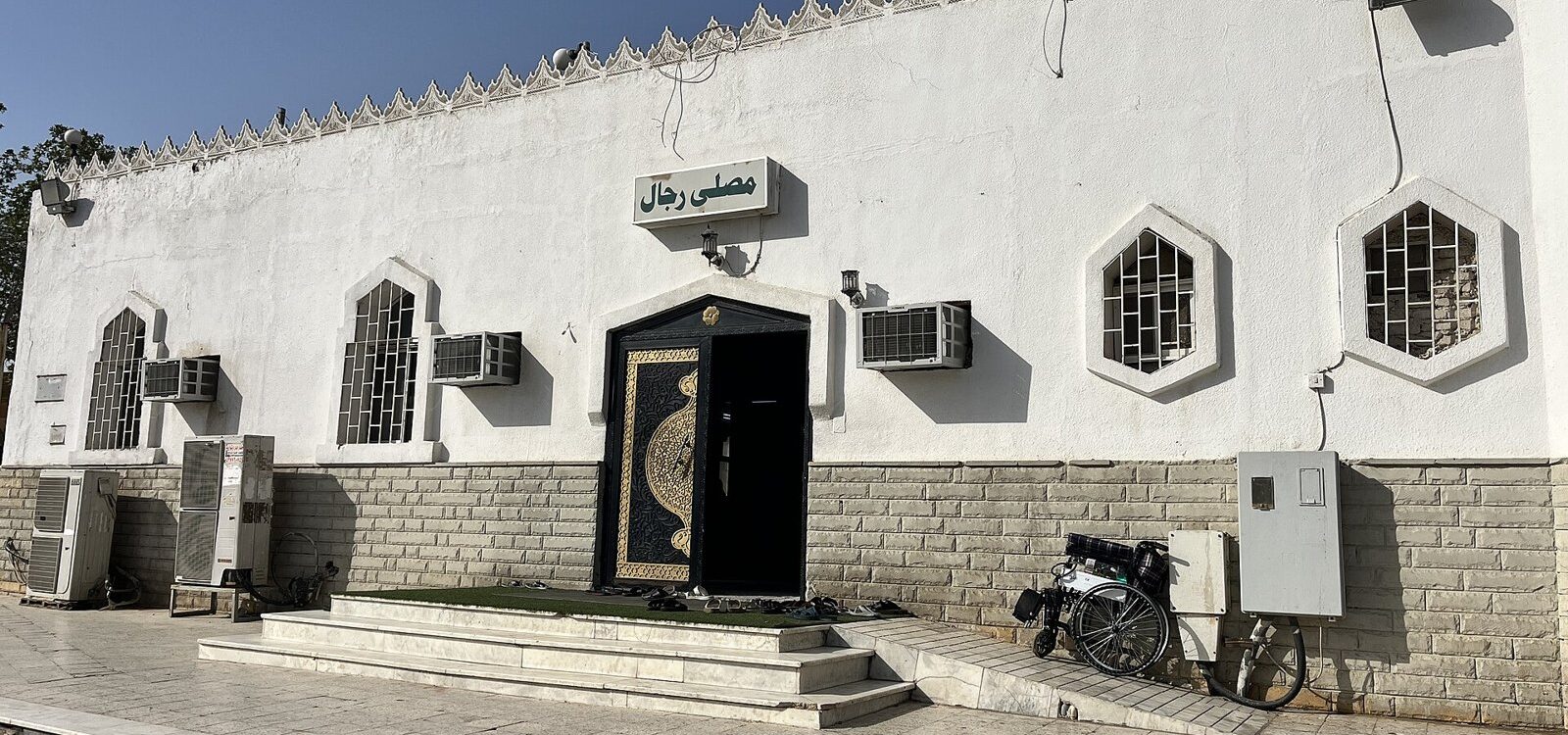
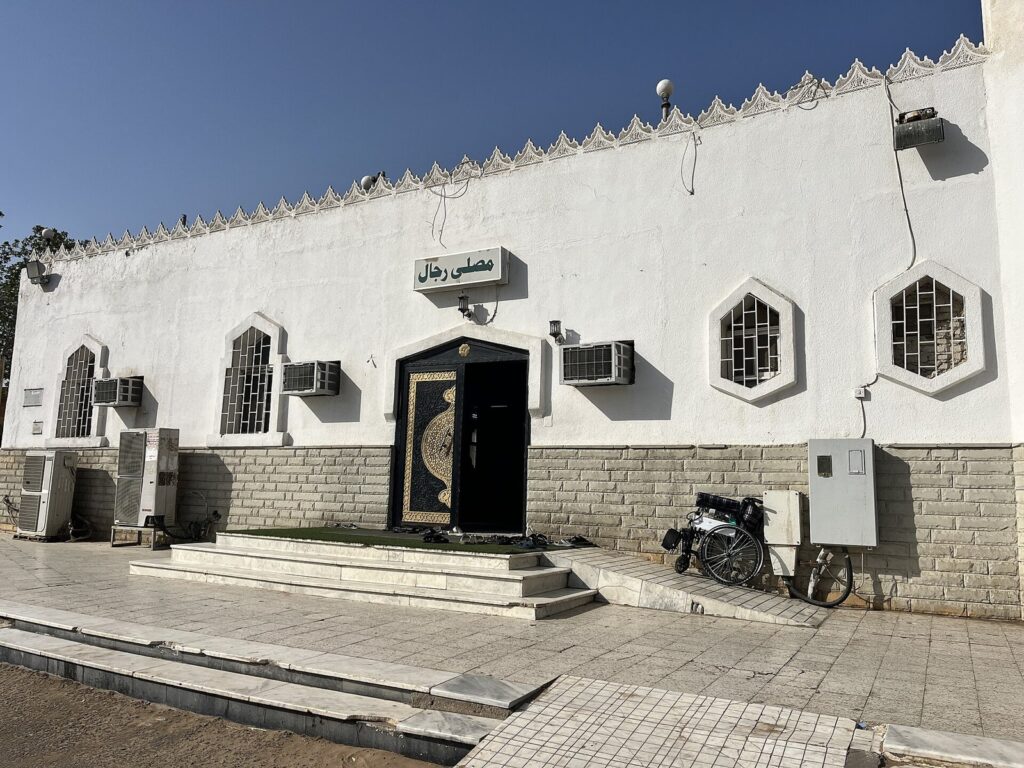
According to the encyclopaedia, Hudaybiyyah today has the Hudaybiyyah Mosque, built in place of the tree (Shajarat al-Ridwan) cut down in the time of Umar, the marker of the Haram boundary and, just outside this marker, a bathhouse bearing Ottoman-era inscriptions. The encyclopaedia’s image archive also includes the well built by the Ottomans at Hudaybiyyah in memory of the Pledge of Ridwan and the monument marking the Haram boundary.
Visitors usually stop here to see the mosque and the marker of the Haram boundary. The mosque holds the daily prayers; during congregational prayer, avoid walking between the rows and take care not to disturb worshippers when taking photographs.
Hudaybiyyah in Umrah Programmes
In Umrah programmes with a few days in Makkah, Hudaybiyyah is usually visited as part of tours by vehicle of the sirah sites around Makkah. As it lies on the Haram boundary, it is also known as one of the places where those staying in Makkah enter ihram. We have explained which mosques those in Makkah can use to enter ihram for another Umrah in the ihram mosques section of our guide to places to visit in Makkah; for the rulings on ihram, it is best to follow the approach of Diyanet and consult your programme guide.
The visit to Hudaybiyyah is not part of Umrah; the obligatory and necessary acts of Umrah are performed at Masjid al-Haram. It is a voluntary visit made to get to know the sirah on the spot and to remember the peace, patience and keeping of one’s word. For sirah sites on the Madinah side, see also our articles on Mount Uhud and Masjid al-Qiblatayn.
A Place of Patience and Keeping One’s Word
Hudaybiyyah is not a grand monument site. But this is the place where a community in ihram turned back knowing the Kaaba was within reach, where a promise was kept despite terms that seemed hard, and where the Quran described that return as “a clear victory”. If you have a few days in Makkah, we suggest planning Hudaybiyyah as a stop where you can read Surah al-Fath and reflect on it.
Frequently Asked Questions
What is Hudaybiyyah called today?
When was the Treaty of Hudaybiyyah signed?
How many Companions went to Hudaybiyyah?
What is the Pledge of Ridwan?
Is the tree of Ridwan still standing?
What were the terms of the Treaty of Hudaybiyyah?
Is the visit to Hudaybiyyah part of Umrah?
No. The essential rites of Umrah are performed at Masjid al-Haram; the visit to Hudaybiyyah is a voluntary visit made to get to know the sirah.
References
This article was prepared by the RotaNur editorial team on the basis of the sources below. On religious matters, the approach of the Presidency of Religious Affairs of Türkiye (Diyanet) and the TDV Encyclopaedia of Islam has been followed; as the visiting arrangements around Makkah may change, please confirm the current situation from official sources before you set out.
- Muhammed Hamîdullah, “Hudeybiye Antlaşması”, TDV İslâm Ansiklopedisi, vol. 18, 1998, pp. 297-299. islamansiklopedisi.org.tr. Accessed: 10.11.2026.
- Mustafa Fayda, “Bey’atürrıdvân”, TDV İslâm Ansiklopedisi, vol. 6, 1992, pp. 39-40. islamansiklopedisi.org.tr. Accessed: 10.11.2026.
- Saudipedia (Saudi Ministry of Media), “List of Archaeological Sites in Makkah al-Mukarramah Province”. saudipedia.com. Accessed: 10.11.2026.

Cihat Murat Yüksel is the editor of the RotaNur blog and the founder of Markention. Drawing on the sources of Türkiye's Presidency of Religious Affairs (Diyanet), he turns the questions travellers ask most about preparing for Umrah, Hajj and halal travel into clear, practical guides.
Questions answered in this article
Where Is Hudaybiyyah?
According to the TDV Encyclopaedia of Islam, Hudaybiyyah lies 17 km west of Makkah on the old Jeddah road. It takes its name either from a kind of desert tree called “samurah” or from a well beside it. One of the markers showing the boundary of the Haram stands here, and Hudaybiyyah is known as one of the places where those staying in Makkah enter ihram.
What happened to the tree of Ridwan?
There are two reports about the tree in the sources. According to one, the Muslims looked for the tree the following year or during the caliphate of Umar, but could not find it. According to the other, Umar ordered it to be cut down, fearing that it would come to be regarded as sacred because of the visits. Today the Hudaybiyyah Mosque stands where the tree once was.
What Is at Hudaybiyyah Today?
According to the encyclopaedia, Hudaybiyyah today has the Hudaybiyyah Mosque, built in place of the tree (Shajarat al-Ridwan) cut down in the time of Umar, the marker of the Haram boundary and, just outside this marker, a bathhouse bearing Ottoman-era inscriptions. The encyclopaedia’s image archive also includes the well built by the Ottomans at Hudaybiyyah in memory of the Pledge of Ridwan and the monument marking the Haram boundary.
Comments (0)