









Contents 12 sections
Taif is one of the three important cities of the Hijaz, built high in the Hijaz mountains east of Makkah; it holds a special place in the sirah as the city the Prophet (peace be upon him) travelled to in the tenth year of his prophethood to invite the tribe of Thaqif to Islam, and which he besieged in the 8th year after the Hijrah. In this guide, we look at where Taif is, how the Prophet’s journey to Taif and the siege of Taif are described in the sources, the Abdullah ibn Abbas Mosque, the other historic sites of the city and its place in Umrah programmes, together with our sources.
In Short
According to the TDV Encyclopaedia of Islam, Taif lies 88 km east of Makkah, in the Wajj valley on the southern slopes of Mount Ghazwan. In Shawwal 10 (May-June 620), the Prophet came here with Zayd ibn Harithah to invite the people of Thaqif to Islam, but was mocked and stoned. The city was besieged in Shawwal 8 (630), and the following year a delegation from Taif came to Madinah and accepted Islam. Abdullah ibn Abbas died in Taif, and the Masjid Ibn Abbas, the symbol of the city, was built where his grave lies.
- Location: East of Makkah; 88 km according to TDV.
- Altitude: About 1,700 m according to TDV, about 1,800 m according to Saudipedia.
- Journey of invitation: Shawwal 10 / May-June 620, with Zayd ibn Harithah.
- Siege: Shawwal 8 / 630, after the Battle of Hunayn.
- Today: The Abdullah ibn Abbas Mosque and library, Addas Mosque, historic mosques and rose gardens.
Where Is Taif?
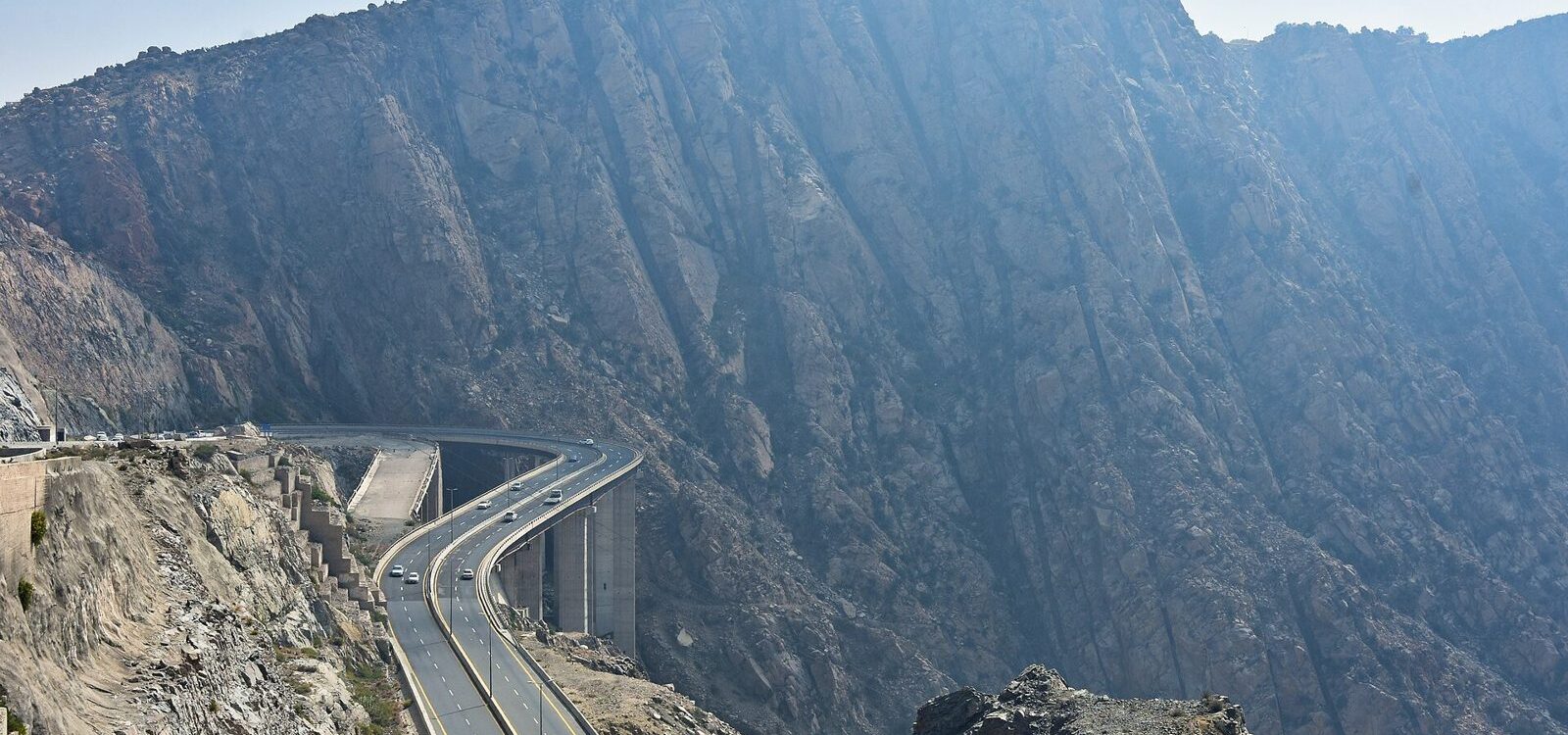
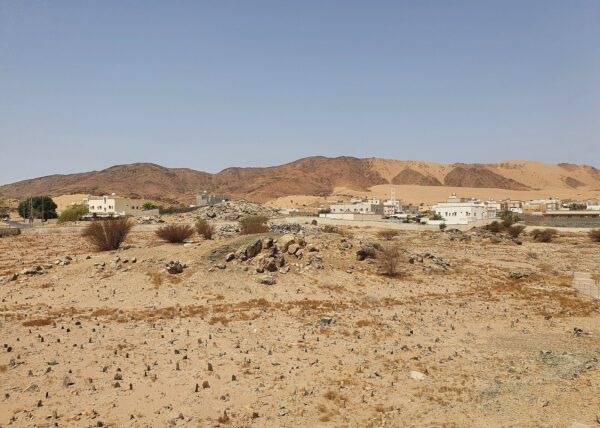
According to the TDV Encyclopaedia of Islam, Taif lies 88 km east of Makkah, in the Wajj valley on the southern slopes of Mount Ghazwan, at an altitude of about 1,700 m above sea level. The encyclopaedia describes the city as standing at the crossing of the roads coming from the east, west and south of Arabia, the “eastern gate” opening onto the Two Holy Mosques; Taif is the coldest settlement of the Hijaz in winter and became the summer resort of the Makkan notables.
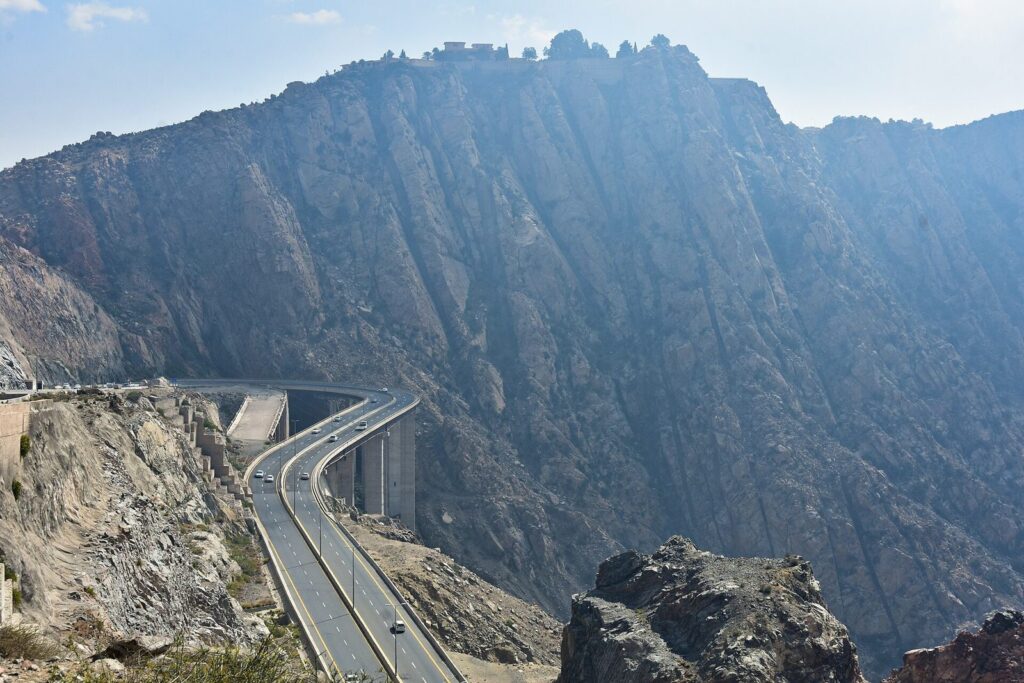
Saudipedia, the encyclopaedia of Saudi Arabia’s Ministry of Media, places Taif in the centre-east of the Makkah region, on the eastern slopes of the Sarawat Mountains, at an altitude of about 1,800 m above sea level. The same source gives the length of the Aqabat al-Kurr (al-Hada road) route, which links Makkah and Taif from the west, as 87 km. The two sources give different figures for the altitude; we cite both with their sources. We have gathered the other sites to visit in Makkah in our guide to places to visit in Makkah.
Info Card: Taif
- Where
- Makkah region, Wajj valley; southern slopes of Mount Ghazwan
- Distance from Makkah
- 88 km east (TDV); al-Hada road 87 km (Saudipedia)
- Altitude
- About 1,700 m / about 1,800 m
- Early inhabitants
- The tribe of Thaqif
- Journey of invitation
- Shawwal 10 / May-June 620
- Siege
- Shawwal 8 / 630
- Key building
- Masjid Ibn Abbas (Abdullah ibn Abbas Mosque)
Taif Before Islam and the Tribe of Thaqif
According to the encyclopaedia, the real growth of the city began with the arrival of Qasi ibn Munabbih and the Banu Thaqif. The Thaqif developed farming and viticulture and built dams. In the pre-Islamic period, Taif was an important centre of trade and agriculture second only to Makkah in the region; the sanctuary of the idol al-Lat, greatly revered in pre-Islamic Arab society, was also here. The city was surrounded by walls; most of them disappeared with the city planning works of 1947, and some sections have been restored to their original form.
The Prophet’s Journey to Taif
According to the TDV Encyclopaedia of Islam, when the pressure of the Makkan polytheists grew heavier, the Prophet considered taking his call to a centre outside Makkah, and in the month of Shawwal in the tenth year of his prophethood (May-June 620), he went to Taif with Zayd ibn Harithah to invite the Thaqif to Islam and to seek their protection.
The people of Taif rejected the invitation, mocked the Prophet and had him stoned. On the basis of the report in al-Bukhari, the encyclopaedia relates that the Prophet said what he went through at Taif was harder for him than the day of Uhud.
Addas and Addas Mosque
One of the sirah memories in Taif concerns Addas. According to Saudipedia, Addas Mosque lies among the gardens at the foot of Abu al-Akhailah, on the Wadi Wajj road, and is named after Addas, the Christian from Taif who was the first of its people to believe in the Prophet. The same source notes that the mosque is recorded as having been built where the Prophet stood while inviting the people of Taif.
The Siege of Taif
According to the encyclopaedia, the Thaqif had fought the Muslims alongside the Hawazin at the Battle of Hunayn (11 Shawwal 8 / 1 February 630) and took refuge in their city after the defeat. The Prophet then besieged Taif.
The siege lasted about a month; the reports give its length variously as between fifteen and forty days. Siege engines such as the catapult and the dabbabah were used; the people of Taif responded with arrows and red-hot iron, and eleven Companions were martyred. The Prophet announced that slaves who left the fortress and joined the Muslims would be freed. The siege was lifted in the first days of Dhu al-Qa’dah, and the Prophet reached al-Ji’ranah on 6 Dhu al-Qa’dah 8 (25 February 630).
The encyclopaedia relates that on the way back, the Prophet was asked to curse the people of Taif, but instead he prayed for their guidance. The following year (9/630), a delegation from Taif came to Madinah and accepted Islam, and Uthman ibn Abi al-As, the youngest member of the delegation, was appointed governor of Taif. At the Prophet’s request, a mosque was built where the idol al-Lat had stood. We have described al-Ji’ranah, where the Prophet stopped on his way back from the siege, and its ihram mosque in our guide to places to visit in Makkah.
Abdullah ibn Abbas Mosque
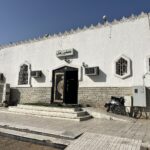
The best-known place to visit in Taif today is the mosque bearing the name of Abdullah ibn Abbas, the Companion who was the son of the Prophet’s uncle al-Abbas. According to the TDV Encyclopaedia of Islam, after the events of Karbala, Ibn Abbas refused to pledge allegiance to Abdullah ibn al-Zubayr in Makkah, withdrew to Taif and died there at around the age of seventy; his funeral prayer was led by Muhammad ibn al-Hanafiyyah, the son of Ali.
Ibn Abbas was buried where the graves of those martyred in the siege of Taif lay. According to the encyclopaedia, the Masjid Ibn Abbas, which in later years became the symbol of Taif and the core of the city, was built here. In the Ottoman period, in 1874, an endowed library was founded in Taif in the name of Ibn Abbas.
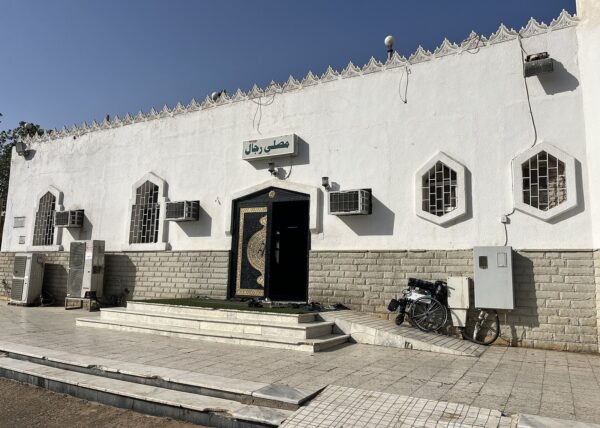
Saudipedia counts the mosque among the most prominent historic mosques of Taif: it stands at the foot of Mount al-Madhoon, the present building dates from the late Ottoman period, it is roughly square in plan and has a rectangular courtyard at the back. The interior is divided into two prayer areas by a wall with three arches, and the mihrab is in the middle of the western wall. The same source states that the grave of Abdullah ibn Abbas is in the south-western part of the mosque.
A History of Taif
According to the information in the TDV Encyclopaedia of Islam, the main periods in the history of Taif are as follows:
| Period | Event |
|---|---|
| Before Islam | The Thaqif developed farming and viticulture; the shrine of al-Lat was here. |
| Shawwal 10 / May-June 620 | The Prophet came to Taif with Zayd ibn Harithah and invited the Thaqif to Islam. |
| Shawwal 8 / 630 | Taif was besieged after Hunayn; the siege was lifted at the start of Dhu al-Qa’dah. |
| 9 / 630 | The Taif delegation accepted Islam in Madinah; Uthman ibn Abi al-As was appointed governor. |
| After Karbala | Abdullah ibn Abbas withdrew to Taif, died and was buried there. |
| 1874 | An endowed library was founded in the name of Ibn Abbas. |
| 1947 | Most of the city walls were removed in city planning; some sections were restored. |
Other Places to See in Taif
Among the historic sites of Taif, Saudipedia lists, besides Addas Mosque, the al-Qantara, al-Mawqif, al-Khubzah and al-Sidrah mosques, historic palaces such as Shubra Palace, Souq Okaz and historic dams. The TDV Encyclopaedia of Islam also mentions city gates such as Bab Ibn Abbas, the remains of the walls and Taif Castle, used in the Ottoman period as a prison for exiled convicts; Midhat Pasha served his sentence of exile here.
Taif is also known for growing roses. According to Saudipedia, two kinds of rose are grown in the city, the harvest begins at the end of March, and rose water is obtained by steam distillation during the season.
Taif in Umrah Programmes
Taif is not one of the city sites of Makkah; reaching it requires a road journey that includes a mountain road. For this reason, in Umrah programmes it is usually planned as a separate day trip, during which the Abdullah ibn Abbas Mosque and the historic sites of the city are often visited. It is a good idea to find out in advance whether it is included in your programme and how long it takes.
The visit to Taif is not part of the act of worship of Umrah; the obligatory and necessary acts of Umrah are performed in Makkah. It is a voluntary visit made to get to know the sirah on the spot. Those who wish to perform another Umrah on their return from Taif should determine where to enter ihram and the related rulings with their programme guide and according to the explanations of Diyanet; for the miqat boundaries, see our article on the miqat points. For the centre of the first years of the call in Makkah, read our article on Dar al-Arqam, and for the place where the peace treaty was made, our article on Hudaybiyyah.
A City of Patience and Prayer
Today Taif is known for its cool climate and its gardens. But in the sirah, this is the place where the call was rejected, where stones were thrown, and where, despite all this, a prayer for guidance was made instead of a curse. If you have the chance to go to Taif, we suggest planning it as a day on which you can pray at the Abdullah ibn Abbas Mosque and reflect on the memory of this journey.
Frequently Asked Questions
Where is Taif?
How far is Taif from Makkah?
When did the Prophet go to Taif?
What happened to the Prophet at Taif?
When was the siege of Taif?
Where is the grave of Abdullah ibn Abbas?
Who was Addas?
Is the visit to Taif part of Umrah?
No. The visit to Taif is not one of the essential rites of Umrah; it is a voluntary visit made to get to know the sirah.
References
This article was prepared by the RotaNur editorial team on the basis of the sources below. On religious matters, the approach of the Presidency of Religious Affairs of Türkiye (Diyanet) and the TDV Encyclopaedia of Islam has been followed; as the visiting arrangements in Taif may change, please confirm the current situation from official sources before you set out.
- Mustafa Sabri Küçükaşcı, “Tâif”, TDV İslâm Ansiklopedisi, vol. 39, 2010, pp. 443-447. islamansiklopedisi.org.tr. Accessed: 10.11.2026.
- İsmail Lütfi Çakan, Muhammed Eroğlu, “Abdullah b. Abbas”, TDV İslâm Ansiklopedisi, vol. 1, 1988, pp. 76-79. islamansiklopedisi.org.tr. Accessed: 10.11.2026.
- Saudipedia (Saudi Ministry of Media), “Taif Governorate”. saudipedia.com. Accessed: 10.11.2026.

Cihat Murat Yüksel is the editor of the RotaNur blog and the founder of Markention. Drawing on the sources of Türkiye's Presidency of Religious Affairs (Diyanet), he turns the questions travellers ask most about preparing for Umrah, Hajj and halal travel into clear, practical guides.
Questions answered in this article
Where Is Taif?
According to the TDV Encyclopaedia of Islam, Taif lies 88 km east of Makkah, in the Wajj valley on the southern slopes of Mount Ghazwan, at an altitude of about 1,700 m above sea level. The encyclopaedia describes the city as standing at the crossing of the roads coming from the east, west and south of Arabia, the “eastern gate” opening onto the Two Holy Mosques; Taif is the coldest settlement of the Hijaz in winter and became the summer resort of the Makkan notables.

Comments (0)