










Contents 8 sections
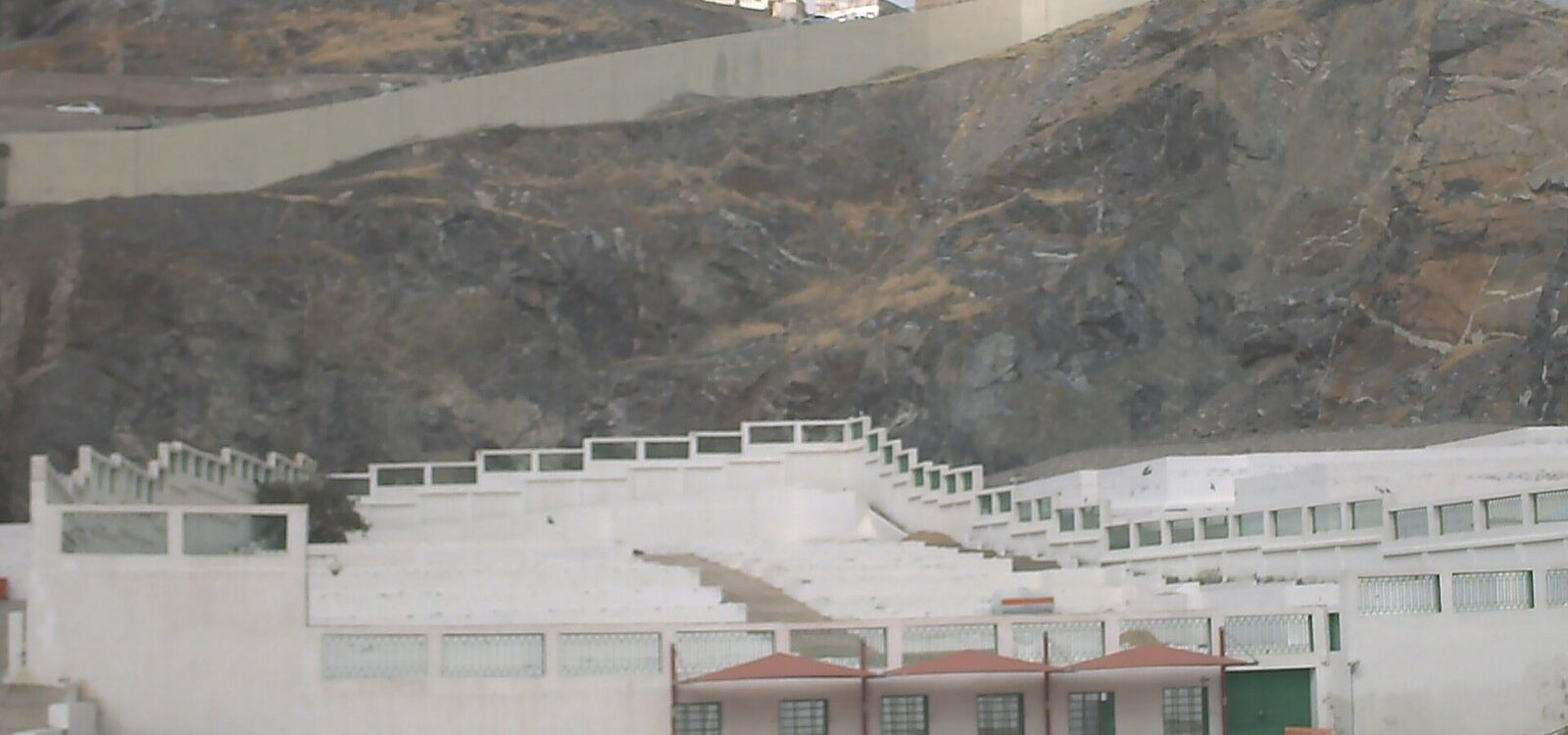
Jannat al-Mu’alla is the oldest and best-known cemetery of Makkah. Khadijah, the first wife of the Prophet (peace be upon him), his grandfather Abd al-Muttalib and his uncle Abu Talib are buried here. One of the places pilgrims visit in Makkah, al-Mu’alla is often confused with Jannat al-Baqi in Madinah. In this article, we explain where al-Mu’alla is, who lies buried there, the etiquette of the visit and the greeting that can be said during it.
In Short
Jannat al-Mu’alla is the cemetery in the al-Hajun area, north of Masjid al-Haram in Makkah. Khadijah, Abd al-Muttalib, Abu Talib and Qasim, the son of the Prophet who died in early childhood, are accepted as being buried here. The Prophet’s mother Aminah is not buried here but at al-Abwa, between Makkah and Madinah.
- Location: Makkah, al-Hajun; a short drive from Masjid al-Haram.
- Its counterpart in Madinah: Jannat al-Baqi.
- Visit: With the etiquette of visiting graves, offering greetings and making supplication.
Where Is Jannat al-Mu’alla?
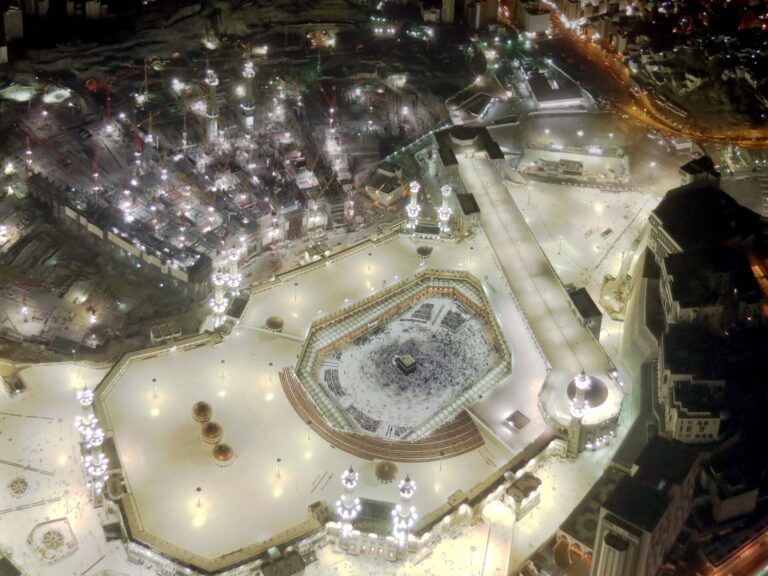
Al-Mu’alla lies north of Masjid al-Haram, in the upper part of old Makkah, at the place called al-Hajun. Its name comes from this location: “al-Mu’alla” means “the elevated one”. It has been used as the cemetery of the people of Makkah since the pre-Islamic period, and burials still take place there today.1
If you would like to plan it together with the other places to visit in Makkah, see our guide to places to visit in Makkah.
Who Is Buried in al-Mu’alla?
The main people reported in the sources as buried in al-Mu’alla are as follows:1
- Khadijah: The first wife of the Prophet and the first person to believe. She died in Makkah before the Hijrah.
- Abd al-Muttalib: The Prophet’s grandfather.
- Abu Talib: The Prophet’s uncle and protector. He died in the same year as Khadijah; this year is remembered as the “Year of Sorrow”.
- Qasim: The Prophet’s son, who died in early childhood.
- Besides them, many Companions, scholars and pilgrims who died in Makkah.
In line with Saudi practice, there are no names, mausoleums or structures on the graves in the cemetery. Who lies where is mostly known from the accounts of guides; precise information about the exact locations is not always possible.
Is Aminah Buried in al-Mu’alla?
No. Contrary to a common misconception, Aminah died on the way back from Madinah in the village of al-Abwa, between Makkah and Madinah, and was buried there.2
Etiquette of the Visit
The visit to al-Mu’alla is a visit to graves, and the Islamic etiquette of visiting graves applies here too:
- On entering the cemetery, greetings are offered to those who lie there.
- The Quran may be recited, and supplication and prayers for forgiveness are made for the deceased.
- Asking anything of the graves, or rubbing the soil of the graves or the walls in the hope of blessing, is not a religious practice; supplication is made to Allah alone.
- One does not step on the graves or speak loudly.
The greeting the Prophet taught to those visiting the cemetery appears in the narrations in Sahih Muslim. Its meaning in English is as follows: “Peace be upon you, O believing and Muslim inhabitants of these dwellings. If Allah wills, we shall join you. We ask Allah for well-being for us and for you.”3
Can Women Visit al-Mu’alla?
According to Diyanet, it is permissible for women to visit graves as long as the etiquette is observed. However, restrictions on entry for women visitors may be applied from time to time at cemeteries in Saudi Arabia; in that case, greetings can be offered and supplication made from outside. Ask your group guide about the current practice. For the similar situation in Madinah, see our article on Jannat al-Baqi.
The Difference Between al-Mu’alla and al-Baqi
| Jannat al-Mu’alla | Jannat al-Baqi | |
|---|---|---|
| City | Makkah | Madinah |
| Location | North of Masjid al-Haram (al-Hajun) | South-east of the Prophet’s Mosque |
| Known burials | Khadijah, Abd al-Muttalib, Abu Talib | Many of the Prophet’s wives and daughters, Uthman, many Companions |
Frequently Asked Questions
Is the visit to al-Mu’alla part of Umrah?
No. The essential and necessary acts of Umrah are ihram, tawaf, sa’i and shaving. The visit to al-Mu’alla is a voluntary visit that is not tied to Umrah.
Can you walk to al-Mu’alla?
It is within walking distance of Masjid al-Haram; however, as the road is uphill and hot, a taxi or the group vehicle is more suitable for the elderly and for children.
References
Method: This article was prepared on the basis of the TDV Encyclopaedia of Islam and the publications of the Presidency of Religious Affairs of Türkiye (Diyanet). Last checked: 29.10.2026.
- TDV İslâm Ansiklopedisi, “Muallâ”. islamansiklopedisi.org.tr. Accessed: 29.10.2026.
- TDV İslâm Ansiklopedisi, “Âmine”. islamansiklopedisi.org.tr. Accessed: 29.10.2026.
- Muslim, Sahih, “Kitab al-Jana’iz” (what is said when visiting graves). See also Presidency of Religious Affairs of Türkiye (Diyanet), İlmihal I, “Kabir Ziyareti” (Visiting Graves). diyanet.gov.tr. Accessed: 29.10.2026.

Cihat Murat Yüksel is the editor of the RotaNur blog and the founder of Markention. Drawing on the sources of Türkiye's Presidency of Religious Affairs (Diyanet), he turns the questions travellers ask most about preparing for Umrah, Hajj and halal travel into clear, practical guides.
Questions answered in this article
Where Is Jannat al-Mu’alla?
Al-Mu’alla lies north of Masjid al-Haram, in the upper part of old Makkah, at the place called al-Hajun. Its name comes from this location: “al-Mu’alla” means “the elevated one”. It has been used as the cemetery of the people of Makkah since the pre-Islamic period, and burials still take place there today.1
Who Is Buried in al-Mu’alla?
The main people reported in the sources as buried in al-Mu’alla are as follows:1
Is Aminah Buried in al-Mu’alla?
No. Contrary to a common misconception, Aminah died on the way back from Madinah in the village of al-Abwa, between Makkah and Madinah, and was buried there.2
Can Women Visit al-Mu’alla?
According to Diyanet, it is permissible for women to visit graves as long as the etiquette is observed. However, restrictions on entry for women visitors may be applied from time to time at cemeteries in Saudi Arabia; in that case, greetings can be offered and supplication made from outside. Ask your group guide about the current practice. For the similar situation in Madinah, see our article on Jannat al-Baqi.


Comments (0)