








Contents 14 sections
- When Do the Three Months Begin? The 2026–2027 Calendar
- What Are the Three Months?
- Why are the three months considered blessed?
- The Month of Rajab: One of the Sacred Months
- The Month of Sha’ban: Preparing for Ramadan
- Is Fasting Kept During the Three Months?
- Can make-up fasts be kept during the three months?
- How is the intention for the three months fast made?
- The Dua of the Three Months: Recitation and Meaning
- Acts of Worship That Can Be Performed During the Three Months
- The Kandil Nights in the Three Months
- Umrah During the Three Months
- Frequently Asked Questions
- Sources
The three holy months (üç aylar) is the name given to the months of Rajab, Sha’ban and Ramadan in the Hijri calendar, and according to the calendar of the Presidency of Religious Affairs in Türkiye (Diyanet), the three months of the Hijri year 1448 begin on Thursday, 10 December 2026. The three months come to an end with the eve of Eid (arefe) on Monday, 8 March 2027, the day before Eid al-Fitr. In this article we explain, on the basis of Diyanet sources, the 2026–2027 calendar of the three months, the religious meaning of Rajab and Sha’ban, the voluntary and make-up fasts kept in these months, the dua of the three months, and the points that those who wish to make use of this period with an Umrah need to know.
In Brief
The three months begin on 1 Rajab and last until the end of Ramadan. The obligatory act of worship of this period is the Ramadan fast; the fasts kept and the additional acts of worship performed in Rajab and Sha’ban are voluntary (nafl).
When Do the Three Months Begin? The 2026–2027 Calendar
In the 2026 Religious Days List of the Presidency of Religious Affairs, Thursday, 10 December 2026 appears as the “Start of the Three Months”; this day is 1 Rajab of the Hijri year 1448. This year the Raghaib Night (Regaip Kandili) also falls on the same evening. The other important days of the three months appear in the 2027 list. The table below brings together the days you should mark on your calendar throughout the three months:
| Day | Gregorian date | Hijri date |
|---|---|---|
| Start of the three months and the Raghaib Night | Thursday, 10 December 2026 | 1 Rajab 1448 |
| Miraj Night | Monday, 4 January 2027 | 26 Rajab 1448 |
| Start of the month of Sha’ban | Saturday, 9 January 2027 | 1 Sha’ban 1448 |
| Barat Night | Friday, 22 January 2027 | 14 Sha’ban 1448 |
| Start of Ramadan | Monday, 8 February 2027 | 1 Ramadan 1448 |
| Laylat al-Qadr | Friday, 5 March 2027 | 26 Ramadan 1448 |
| Eve of Eid (arefe) | Monday, 8 March 2027 | 29 Ramadan 1448 |
| Eid al-Fitr (day 1) | Tuesday, 9 March 2027 | 1 Shawwal 1448 |
The kandil nights are observed in the night that begins after sunset on the evening of the day written in the list. Because the Hijri calendar follows the lunar year, the three months move forward by about eleven days every year. For this reason the three months begin a second time within 2027: according to Diyanet’s 2027 list, the three months of the Hijri year 1449 will begin on Monday, 29 November 2027. We have covered all the dates of Ramadan and the first tarawih night separately in our article when is Ramadan 2027.
What Are the Three Months?
The three months is the name under which Rajab, Sha’ban and Ramadan, the seventh, eighth and ninth months of the Hijri year, are mentioned together. The TDV Encyclopaedia of Islam defines these months as a period that serves as preparation for Ramadan and in which people turn more towards worship. At the heart of the three months lies Ramadan: the month in which fasting is obligatory, in which the revelation of the Quran began and which contains Laylat al-Qadr. Rajab and Sha’ban, in turn, are the months of preparation in which this month is approached step by step.
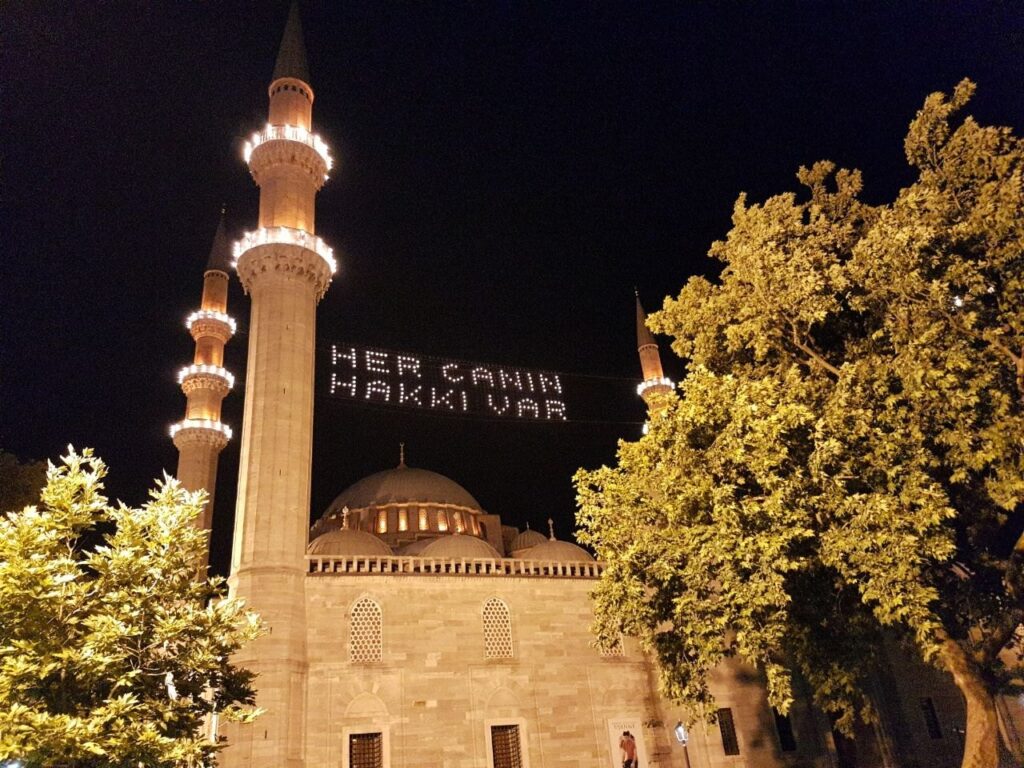
In Turkish society the three months are lived as a season in which the kandil nights, the illuminated mahya lights and sermons in the mosques, voluntary fasts and preparations for Ramadan are intertwined. The same encyclopaedia entry also points out that a significant part of the narrations reported about the virtues of Rajab and Sha’ban are considered weak or fabricated by hadith scholars. For this reason the value of the acts of worship performed in the three months lies not in tying them to a particular number or formula, but in preparing for Ramadan in heart and body.
Why are the three months considered blessed?
The first of the three months, Rajab, is one of the sacred months; the second, Sha’ban, is the month in which the Prophet kept the most voluntary fasts; and the third, Ramadan, is the month in which fasting was made obligatory and the Quran was revealed. These three features make the months precious as a whole.
The Month of Rajab: One of the Sacred Months
The Quran states that the number of months with Allah is twelve and that four of them are “haram”, that is, sacred and inviolable months (at-Tawbah 9/36). These four months are Dhu al-Qa’dah, Dhu al-Hijjah, Muharram and Rajab; the first three come one after another, while Rajab comes on its own. In the verse it is commanded, “do not wrong yourselves” in these months. The TDV Encyclopaedia of Islam reports that scholars drew from this expression the conclusion that the reward of good deeds and the burden of evil deeds committed in the sacred months are greater.
The word Rajab comes from a root meaning to show respect. The pre-Islamic Arabs would abandon war and raids in this month, silence their weapons and come to Makkah to perform Umrah. The majority of Muslims also commemorate the Miraj on the 27th night of this month. The first Friday night of Rajab is observed as the Raghaib Night and its 27th night as the Miraj Night; we have explained the meaning of these two nights in our article on the Raghaib, Miraj and Barat nights.
The Month of Sha’ban: Preparing for Ramadan
Sha’ban is the eighth month, lying between Rajab and Ramadan. Aisha relates that, apart from Ramadan, the Prophet never spent an entire month fasting, and that he kept the most voluntary fasts in Sha’ban (Bukhari, Sawm 52). For this reason fasting in Sha’ban has been regarded as good by the majority of scholars. Many scholars, however, have advised reducing voluntary fasting after the fifteenth of Sha’ban so as to be able to enter Ramadan with strength.
Sha’ban also has historical significance: the TDV Encyclopaedia of Islam records that the Ramadan fast was made obligatory in this month in the second year of the Hijrah. The fifteenth night of the month is commemorated as the Barat Night (Berat Kandili); in 2027 this night is on the evening of Friday, 22 January. Ramadan begins 17 days after the Barat Night.
Is Fasting Kept During the Three Months?
The only obligatory fast during the three months is the Ramadan fast. The fasts kept in Rajab and Sha’ban are voluntary; a person may keep as many voluntary fasts as they wish, to the extent that their health and strength allow. The custom popularly called the “three months fast”, of spending Rajab and Sha’ban fasting from beginning to end and joining them to Ramadan, is widespread in Turkish society; the TDV Encyclopaedia of Islam, however, states that there is no authentic narration that the Prophet fasted without a break by joining Rajab and Sha’ban. Scholars have put forward different views on the ruling of fasting in Rajab; some regarded it as good, while others disapproved of fasting continuously in Rajab, out of concern that this month might come to be perceived as if it were an obligatory month.
For those who wish to fast during the three months, a few practical approaches are as follows:
- Keeping voluntary fasts at regular intervals, such as on Mondays and Thursdays or on the days in the middle of the lunar month.
- Keeping a voluntary fast on the day after the kandil nights; for the day after the Barat Night, this day in 2027 is Saturday, 23 January.
- Those who owe make-up fasts from previous Ramadans using these months to make them up.
- Reducing fasting in the second half of Sha’ban so as to enter Ramadan refreshed.
Can make-up fasts be kept during the three months?
They can. A make-up fast is the repayment of an obligatory debt and can be kept on every day of the year except the first day of Eid al-Fitr and the days of Eid al-Adha. It is more appropriate for those who owe make-up fasts to pay off this debt first instead of keeping voluntary fasts.
How is the intention for the three months fast made?
For a voluntary fast the intention is made in the heart; it is also good to say aloud a sentence such as “Niyet ettim Allah rızası için yarınki nafile orucu tutmaya” (I intend, for the sake of Allah, to keep tomorrow’s voluntary fast). For a make-up fast, however, the intention must be made during the night, before the time of imsak, and the fast being kept must be specified as a make-up fast.
The Dua of the Three Months: Recitation and Meaning
The dua most commonly recited as the three months begin is the following dua, which the Prophet is reported to have recited when the month of Rajab began. The TDV Encyclopaedia of Islam states that the chain of transmission of this narration is weak; however, because its meaning is beautiful, it is widely recited among Muslims.
Transliteration: Allâhümme bârik lenâ fî Recebe ve Şa’bân ve belliğnâ Ramazân.
Meaning: O Allah! Make Rajab and Sha’ban blessed for us and let us reach Ramadan.
Reciting this dua is not compulsory. A person can also express the same wish in their own language and in their own words; what matters most in dua is sincerity. We have explained at which times and in which places dua is more readily accepted in our article on places where duas are accepted.
Acts of Worship That Can Be Performed During the Three Months
The High Board of Religious Affairs states that the Prophet recommended making good use of blessed days and nights, but did not mention any special prayer or form of worship belonging to them. The TDV Encyclopaedia of Islam also records that no form of prayer or itikaf specific to the three months is mentioned in the sources. Within this framework, the three months can be seen as a period of preparation in which the acts of worship performed at all times are carried out with greater care and regularity:
- Prayer: Performing the five daily prayers on time and, if possible, in congregation, and those who owe make-up prayers performing some of them every day.
- Quran: Those who wish to complete a full reading of the Quran (khatm) in Ramadan putting their reading in order from now on, and following the meaning of the verses read in a translation.
- Fasting: Voluntary fasting as far as one’s strength allows, and make-up fasts for those who owe them.
- Repentance and making amends: Reviewing the rights of others, mending resentments and increasing the seeking of forgiveness (istighfar).
- Charity and preparing for zakat: Those who wish to give their zakat in Ramadan working out the amount in advance, and looking after those in need early on.
- Preparing for Ramadan: Learning what does and does not break the fast, and planning the routine of suhur and iftar.
While preparing for Ramadan, you can find the rulings of the fast in our article on what breaks the fast, and sadaqat al-fitr in our article how much is fitra.
Important: A significant part of the lists circulating on the internet and social media that begin with “whoever performs such-and-such prayer with so many rak’ahs during the three months…” or “whoever recites such-and-such on the first day of Rajab…” have no authentic basis. When you are in doubt about the virtue of an act of worship, we recommend that you consult the fatwas of the High Board of Religious Affairs or the offices of the provincial muftis.
The Kandil Nights in the Three Months
Four blessed nights are observed during the three months: the first Friday night of Rajab is Raghaib, the 27th night of Rajab is Miraj, the 15th night of Sha’ban is Barat and the 27th night of Ramadan is Laylat al-Qadr. In the 2026–2027 period, Raghaib is on the evening of 10 December, Miraj on 4 January, Barat on 22 January and Laylat al-Qadr on the evening of 5 March. The TDV Encyclopaedia of Islam states that, among these nights, the one named in the Quran and whose virtue is most certain is Laylat al-Qadr.
Because we have covered the meaning of the kandil nights, the date of each one and how the night is kept alive in worship one by one in our guide to the kandil nights, we do not repeat them here.
Umrah During the Three Months
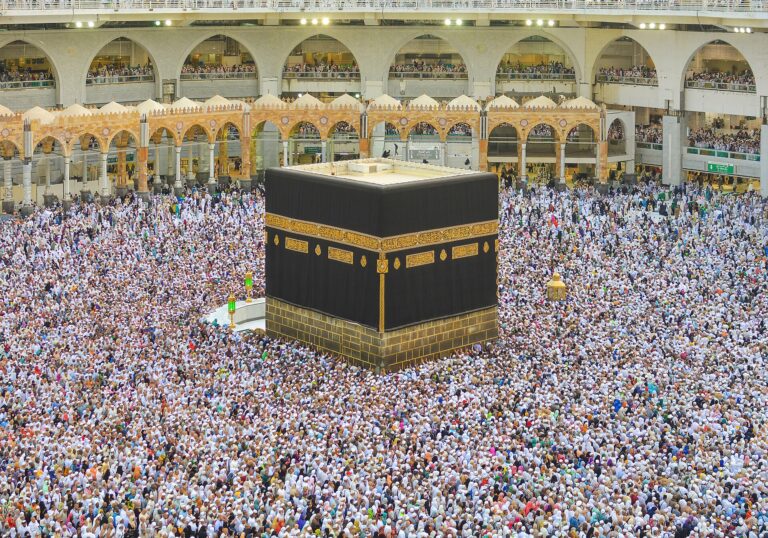
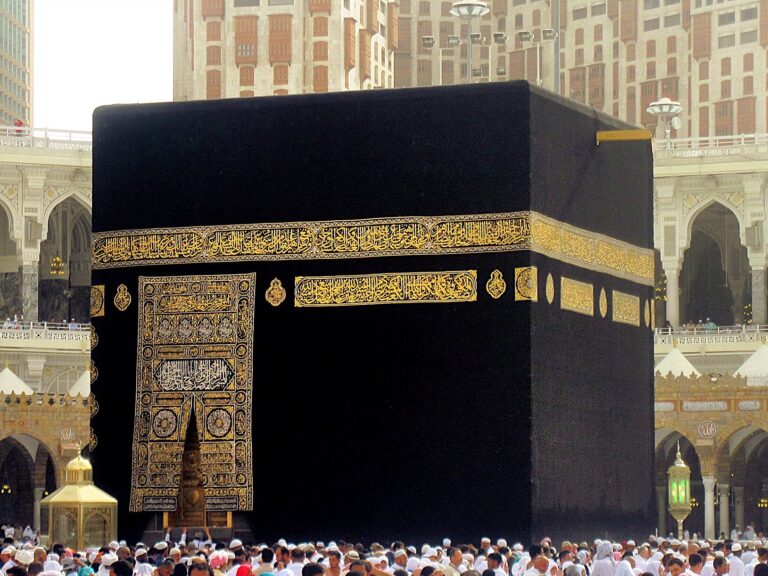
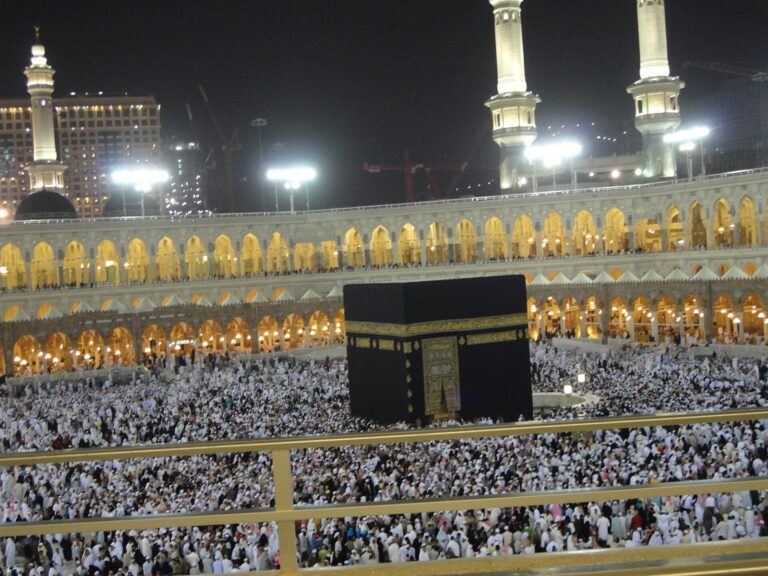
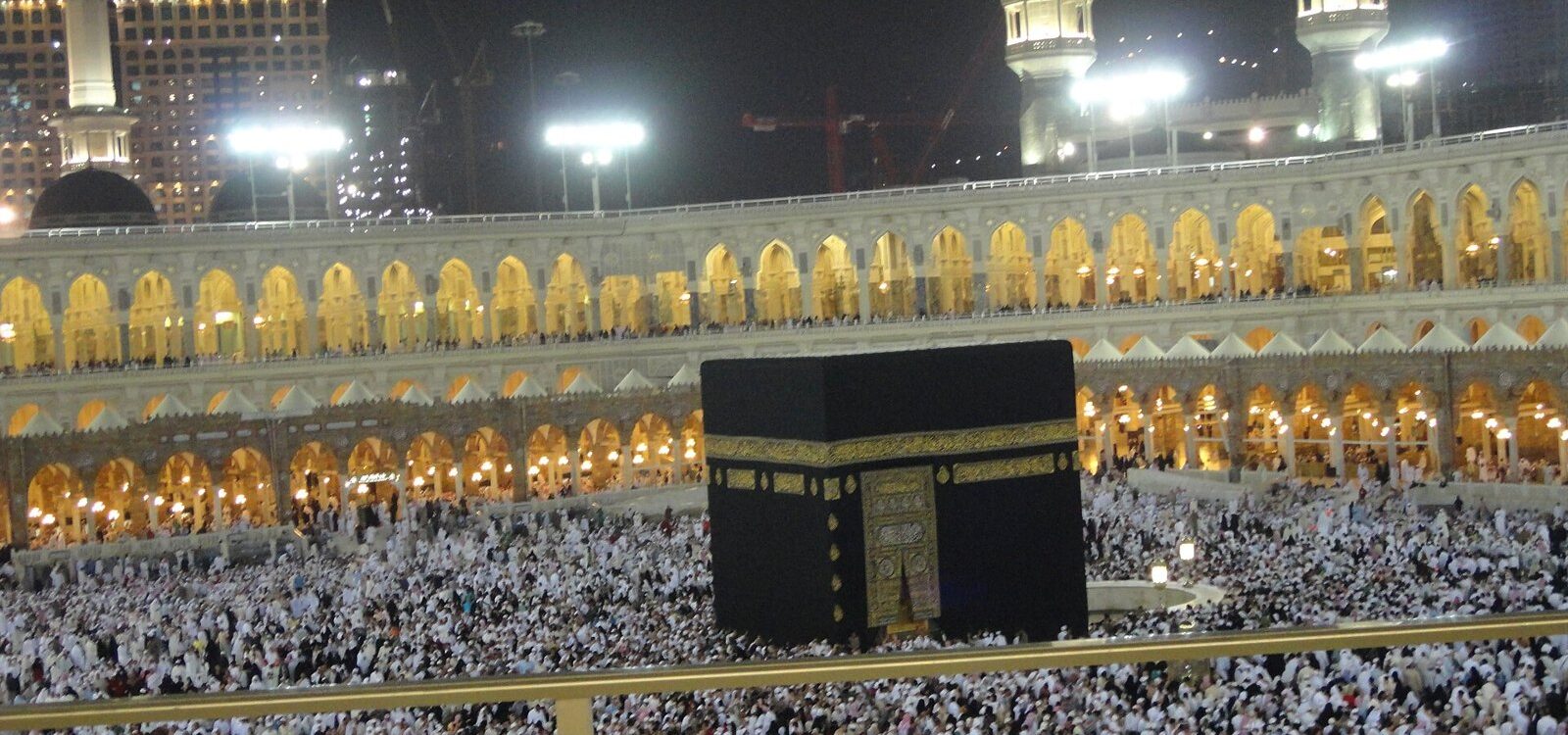
Umrah is an act of worship that can be performed at any time of the year; the conditions and the way of performing an Umrah made during the three months are no different from those in other months. In the pre-Islamic period Rajab was known among the Arabs as the month of Umrah; the TDV Encyclopaedia of Islam reports that scholars hold different views on whether Umrah in Rajab has a distinct virtue. Today most of those who go on Umrah during the three months wish to spend a kandil night in Masjid al-Haram or the Prophet’s Mosque, or to welcome Ramadan in the Haram.
For those planning an Umrah during the three months in the 2026–2027 period, the following periods stand out:
- December 2026: The Raghaib Night and the first week of the three months.
- January 2027: The Miraj and Barat nights; there are eighteen days between the two, and some programmes may cover both. In Türkiye this period is also close to the schools’ mid-year holiday.
- February–March 2027: Ramadan Umrah; the last ten nights of Ramadan and Laylat al-Qadr are the most crowded days of the year in the Haram.
We have gathered the programmes that coincide with the kandil nights on our kandil Umrah page, and the Ramadan programmes on our Ramadan Umrah page. Those who wish to compare the periods in terms of weather, crowds and duration can look at our article on the best time for Umrah. When planning the programme, it is also necessary to take into account that the Hijri dates in Saudi Arabia may differ by one day depending on the sighting of the crescent. The programmes on the other dates of the year are on our Umrah tours page; you can send us your questions 24/7 through our contact page.
Frequently Asked Questions
On which day do the three months begin in 2026?
According to the Diyanet calendar, the three months of the Hijri year 1448 begin on Thursday, 10 December 2026. The Raghaib Night is on the same evening; the night joins Thursday to Friday, 11 December.
When do the three months end?
The three months end with the last day of the month of Ramadan. In 2027 the eve of Eid (arefe), the last day of Ramadan, is Monday, 8 March; Eid al-Fitr begins on Tuesday, 9 March 2027.
Which months are the three months?
The three months are Rajab, Sha’ban and Ramadan, the seventh, eighth and ninth months of the Hijri calendar. Rajab is one of the sacred months, and Ramadan is the month in which fasting is obligatory.
Is the three months fast obligatory?
It is not obligatory. The only obligatory fast during the three months is the Ramadan fast; the fasts kept in Rajab and Sha’ban are voluntary. A person may keep as many voluntary fasts as their strength allows, and those who owe make-up fasts can use these months to make them up.
Is there a special prayer to be performed during the three months?
There is not. According to the High Board of Religious Affairs, there is no special prayer or form of worship belonging to blessed days and nights. These months are spent in make-up and voluntary prayers, reading the Quran, dua, repentance and charity.
When will the three months of the year 1449 begin?
According to Diyanet’s 2027 Religious Days List, the three months of the Hijri year 1449 will begin on Monday, 29 November 2027. That year’s Raghaib Night is on the evening of Thursday, 2 December 2027.
Sources
This article was prepared by the RotaNur editorial team on the basis of the sources below. The dates are taken word for word from the 2026 and 2027 Religious Days lists of the Presidency of Religious Affairs (Diyanet); no date not in the lists has been calculated and added. The meaning of the months and the assessment of the narrations are based on the entries of the TDV Encyclopaedia of Islam, and the recommendations on worship on the explanation of the High Board of Religious Affairs. Last checked: 19.11.2026.
- Diyanet İşleri Başkanlığı, 2026 Dinî Günler Listesi [Religious Days List]. vakithesaplama.diyanet.gov.tr. Accessed: 19.11.2026.
- Diyanet İşleri Başkanlığı, 2027 Dinî Günler Listesi [Religious Days List]. vakithesaplama.diyanet.gov.tr. Accessed: 19.11.2026.
- M. Kâmil Yaşaroğlu, “Üç Aylar” [The Three Months], TDV İslâm Ansiklopedisi, vol. 42, p. 276. islamansiklopedisi.org.tr. Accessed: 19.11.2026.
- Hüseyin Algül, “Haram Aylar” [The Sacred Months], TDV İslâm Ansiklopedisi, vol. 16, pp. 105-106. islamansiklopedisi.org.tr. Accessed: 19.11.2026.
- “Şâban” [Sha’ban], TDV İslâm Ansiklopedisi. islamansiklopedisi.org.tr. Accessed: 19.11.2026.
- “Receb” [Rajab], TDV İslâm Ansiklopedisi. islamansiklopedisi.org.tr. Accessed: 19.11.2026.
- Diyanet İşleri Başkanlığı Din İşleri Yüksek Kurulu, “Kandil gecelerine ait özel bir namaz veya ibadet şekli var mıdır?” [Is there a special prayer or form of worship belonging to the kandil nights?], Fatwas. kurul.diyanet.gov.tr. Accessed: 19.11.2026.

Cihat Murat Yüksel is the editor of the RotaNur blog and the founder of Markention. Drawing on the sources of Türkiye's Presidency of Religious Affairs (Diyanet), he turns the questions travellers ask most about preparing for Umrah, Hajj and halal travel into clear, practical guides.
Questions answered in this article
What Are the Three Months?
The three months is the name under which Rajab, Sha’ban and Ramadan, the seventh, eighth and ninth months of the Hijri year, are mentioned together. The TDV Encyclopaedia of Islam defines these months as a period that serves as preparation for Ramadan and in which people turn more towards worship. At the heart of the three months lies Ramadan: the month in which fasting is obligatory, in which the revelation of the Quran began and which contains Laylat al-Qadr. Rajab and Sha’ban, in turn, are the months of preparation in which this month is approached step by step.
Why are the three months considered blessed?
The first of the three months, Rajab, is one of the sacred months; the second, Sha’ban, is the month in which the Prophet kept the most voluntary fasts; and the third, Ramadan, is the month in which fasting was made obligatory and the Quran was revealed. These three features make the months precious as a whole.
Is Fasting Kept During the Three Months?
The only obligatory fast during the three months is the Ramadan fast. The fasts kept in Rajab and Sha’ban are voluntary; a person may keep as many voluntary fasts as they wish, to the extent that their health and strength allow. The custom popularly called the “three months fast”, of spending Rajab and Sha’ban fasting from beginning to end and joining them to Ramadan, is widespread in Turkish society; the TDV Encyclopaedia of Islam, however, states that there is no authentic narration that the Prophet fasted without a break by joining Rajab and Sha’ban. Scholars have put forward different views on the ruling of fasting in Rajab; some regarded it as good, while others disapproved of fasting continuously in Rajab, out of concern that this month might come to be perceived as if it were an obligatory month.
Can make-up fasts be kept during the three months?
They can. A make-up fast is the repayment of an obligatory debt and can be kept on every day of the year except the first day of Eid al-Fitr and the days of Eid al-Adha. It is more appropriate for those who owe make-up fasts to pay off this debt first instead of keeping voluntary fasts.
How is the intention for the three months fast made?
For a voluntary fast the intention is made in the heart; it is also good to say aloud a sentence such as “Niyet ettim Allah rızası için yarınki nafile orucu tutmaya” (I intend, for the sake of Allah, to keep tomorrow’s voluntary fast). For a make-up fast, however, the intention must be made during the night, before the time of imsak, and the fast being kept must be specified as a make-up fast.