















Contents 17 sections
- What Is Fitrah and What Is Its Ruling?
- How Much Is the Fitrah Amount for 2027?
- How much fitrah does a family of 4 give?
- How Is the Fitrah Amount Determined?
- Why does fitrah change every year?
- What are the common misconceptions about fitrah?
- Who Is Obliged to Give Fitrah?
- Does a person in debt give fitrah?
- Is fitrah given for an unborn baby?
- To Whom Is Fitrah Given, and to Whom Is It Not Given?
- Can fitrah be given for building a mosque?
- When Is Fitrah Given?
- How Is Fitrah Given?
- The Difference Between Fitrah, Fidyah and Zakat
- How Do Those Spending Ramadan on Umrah Give Their Fitrah?
- Frequently Asked Questions
- Sources
Fitrah amount 2027: in Türkiye the answer to the question “how much is fitrah (fitre)?” is set every year by the High Board of Religious Affairs of the Presidency of Religious Affairs (Diyanet). The amount the Board announced on 13 January 2026 is at least 240 TL per person, and it is valid from the beginning of Ramadan 2026 until the beginning of Ramadan 2027. The new fitrah amount that will apply for that Ramadan has not been announced yet; this article will be updated when Diyanet announces it. In this article we explain, on the basis of Diyanet’s explanations, what fitrah (sadaqat al-fitr, zakat al-fitr) is, how the amount is determined, who is obliged to give fitrah, to whom fitrah may and may not be given, when and how it is given, and how it differs from fidyah and zakat.
In Brief
Fitrah is the charity that a Muslim who owns wealth of the nisab amount beyond his basic needs gives at the end of Ramadan for himself and for his young children. Its amount is set according to one person’s minimum food needs for one day; it has no upper limit. It is given to poor Muslims; it is not given to one’s mother, father, children, grandchildren or spouse.
- Current amount: 240 TL in Türkiye (Diyanet); from the beginning of Ramadan 2026 to the beginning of Ramadan 2027.
- 2027 amount: Not announced yet; it will be updated once announced.
- When it becomes wajib: At dawn on the first day of Eid al-Fitr; it may also be given during Ramadan.
- Fidyah: The fidyah for one fast equals one fitrah amount.
What Is Fitrah and What Is Its Ruling?
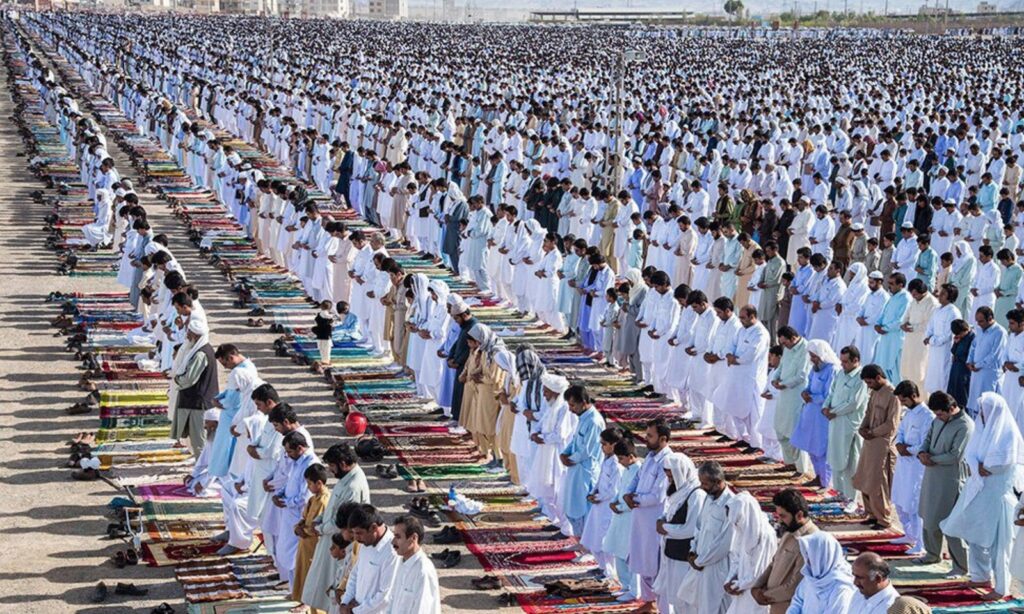
Fitrah is the short form of “sadaqat al-fitr”, from the Arabic word “fitr” (breaking the fast, the end of Ramadan). It is given in gratitude for having completed the fast of Ramadan and reached the Eid. According to the Hanafi school fitrah is wajib (necessary); in the other three schools it is considered fard (obligatory). Its basis is the hadith in which Abdullah ibn Umar reports that the Prophet set the charity of fitr as one sa’ of dates or of barley for every Muslim, free and slave, male and female, young and old, and ordered that it be given before people went out to the Eid prayer (Bukhari, Zakat 70; Muslim, Zakat 12).
Two purposes of fitrah stand out: to make up for the small shortcomings committed during the fast, and to ensure that the poor do not spend the Eid in need. In the narration from Ibn Abbas it is stated that fitrah purifies the fasting person from idle and indecent talk and is food for the poor (Abu Dawud, Zakat 17).
How Much Is the Fitrah Amount for 2027?
Every year before Ramadan, the High Board of Religious Affairs sets the fitrah amount as the monetary equivalent of one person’s minimum food needs for one day. The announced figure is the minimum; those who are well off are encouraged to give more. Since, according to the Diyanet calendar, Ramadan 2027 begins on Monday, 8 February 2027, the new amount is expected to be announced around January 2027; Diyanet will announce the exact date.
| Period of validity | Minimum fitrah per person | Announced | Status |
|---|---|---|---|
| Beginning of Ramadan 2026 – beginning of Ramadan 2027 | 240 TL | 13 January 2026 | Current |
| Beginning of Ramadan 2027 – beginning of Ramadan 2028 | Not announced yet | When Diyanet announces it | To be updated |
How much fitrah does a family of 4 give?
Fitrah is calculated separately for the head of the family himself and for each of his young children. With the current amount, a person who gives fitrah for himself and his three young children pays at least 960 TL. The wife and the children who have reached puberty are responsible for their own fitrah; the head of the family may also pay these with their permission.
How Is the Fitrah Amount Determined?
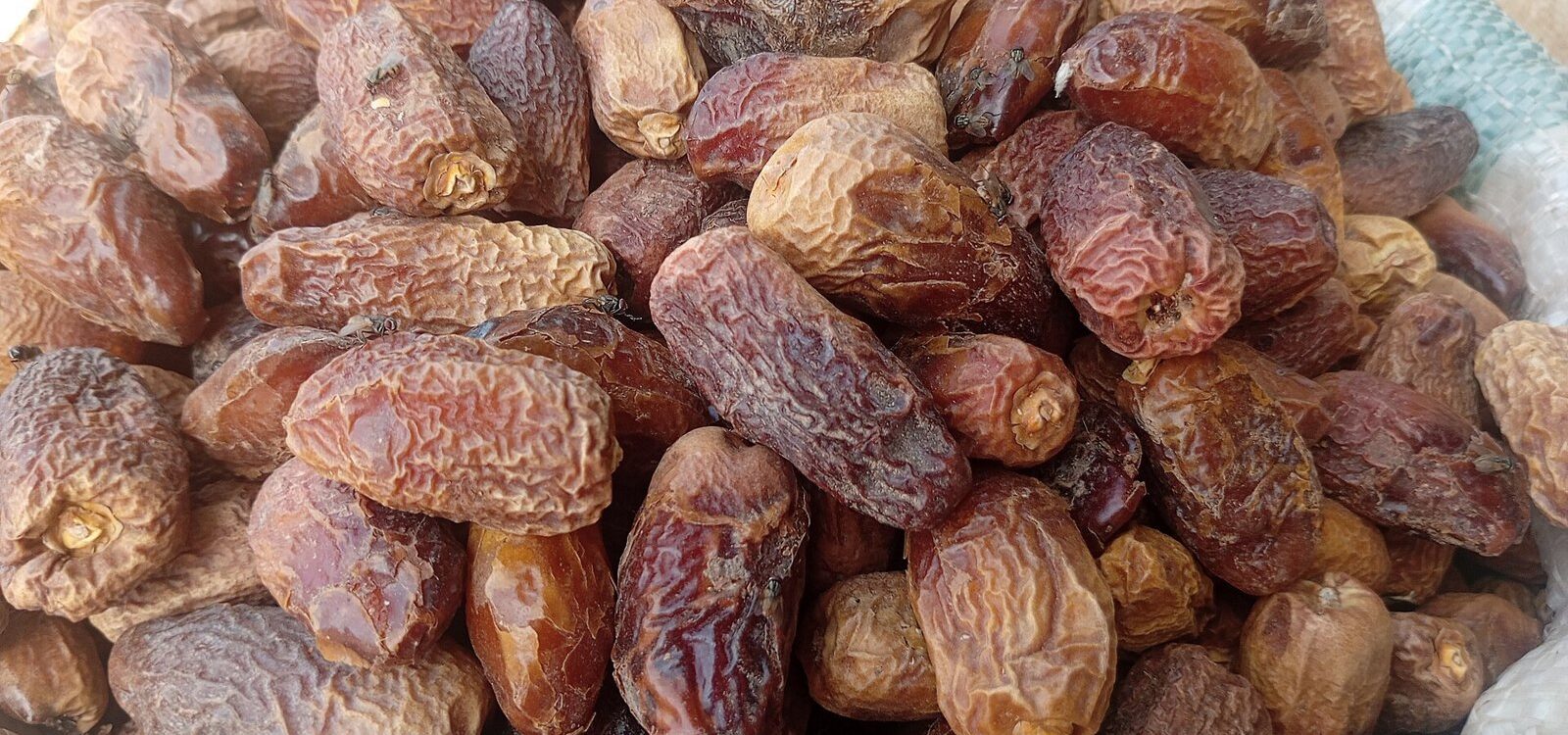
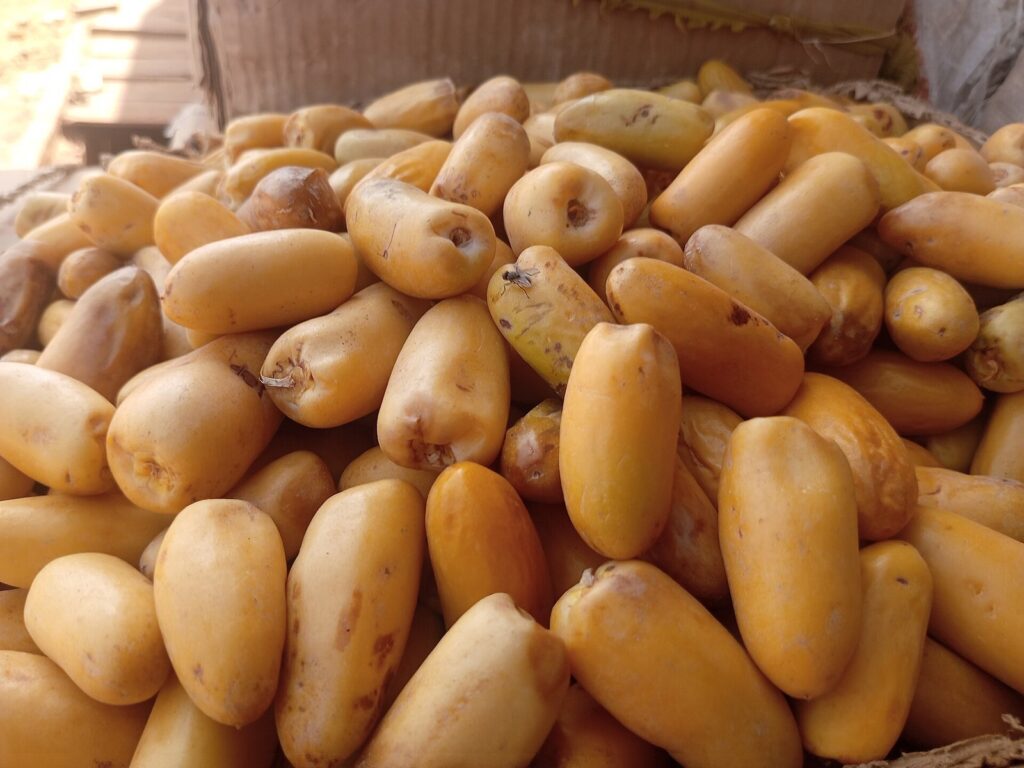
In the hadiths the measure of fitrah is given in terms of wheat, barley, dates and raisins: according to the Hanafi school, half a sa’ of wheat, and one sa’ of barley, dates or raisins. The sa’ is a measure of volume used in the time of the Prophet. These products were the staple foods of that period; the purpose of the measure was that the poor person could eat his fill on the day of Eid. Taking this purpose as its basis, the High Board of Religious Affairs today sets the amount as the monetary equivalent of one person’s minimum food needs for one day and updates it every year according to economic conditions.
The announced amount is the lower limit. Those with ample means may give more, taking as their basis the more valuable measures mentioned in the hadiths, such as dates or raisins, or considering their own daily spending. Beyond fulfilling the obligation, this also earns the additional reward of charity.
Why does fitrah change every year?
Because fitrah is tied to one day’s food needs, Diyanet recalculates the amount as food prices change. For this reason, rather than making do with the previous year’s amount, one should take as the basis the current amount announced before Ramadan.
What are the common misconceptions about fitrah?
The most common mistake is the idea that fitrah is due only from those who fast; in fact everyone who owns wealth of the nisab amount gives fitrah, even if they were unable to fast. Other frequently encountered mistakes are that fitrah can only be given on the morning of Eid, that it can be spent on building a mosque or a Quran course, and that it can be given to one’s parents. Fitrah may be given during Ramadan, it is given only to people in need, and it is not given to one’s ascendants (usul) and descendants (furu).
Who Is Obliged to Give Fitrah?
According to the Hanafi school, the person obliged to give fitrah is the Muslim who owns wealth of the nisab amount apart from his debts and his basic needs (house, household goods, means of transport, livelihood). Unlike zakat, it is not a condition that this wealth be growing or that a year has passed over it. A person gives the fitrah for himself and for the young children under his guardianship. Fitrah is also given for a child born before the morning of Eid.
- For oneself: Every Muslim who owns wealth of the nisab amount.
- For young children: If the child has no wealth of his own, his father gives it.
- For the spouse and grown-up children: There is no obligation; it may be given with their permission.
- Those unable to fast: Having been unable to fast because of illness or travel does not remove the obligation of fitrah.
Does a person in debt give fitrah?
In calculating the nisab, debts are deducted first. A person who, once his debt is paid, is not left with wealth of the nisab amount beyond his basic needs is not obliged to give fitrah according to the Hanafi school; nevertheless, if he has the means, giving it is a good deed.
Is fitrah given for an unborn baby?
According to the Hanafi school, fitrah is required for a child born before dawn on the first day of Eid. It is not necessary to give fitrah for a baby who has not yet been born; if it is given, it counts as voluntary charity.
To Whom Is Fitrah Given, and to Whom Is It Not Given?
Fitrah is given to those to whom zakat may be given. Foremost among these groups listed in the Quran are the poor, the needy, those in debt and stranded travellers (at-Tawbah 9/60). A poor person is someone who does not own wealth of the nisab amount beyond his basic needs.
Fitrah is not given to the following people:
- Mother, father, grandmother and grandfather (ascendants, usul).
- Children and grandchildren (descendants, furu).
- The spouse; husband and wife cannot give fitrah to each other.
- A rich person, that is, someone who owns wealth of the nisab amount.
- A young child whose upkeep the person has taken on and whose father is rich.
Apart from these relatives, fitrah may be given to relatives in need, for example a brother or sister, a paternal uncle, a maternal aunt or a nephew or niece; giving to relatives is especially meritorious, since it is both charity and observing the rights of kinship.
Can fitrah be given for building a mosque?
It cannot. According to the High Board of Religious Affairs, for fitrah to be valid it must be given as property to a person who is permitted to receive fitrah; since places such as mosques, schools, roads and bridges do not have this quality, fitrah, fidyah and zakat cannot be spent on them.
When Is Fitrah Given?
Fitrah becomes wajib at dawn on the first day of Eid al-Fitr. However, so that the poor can meet their Eid needs in time, it is permissible and more appropriate to give it during the month of Ramadan. In the Hanafi school, giving it even before Ramadan begins is accepted as valid. According to the Ramadan 2027 calendar, the first day of Eid is Tuesday, 9 March 2027; it is in keeping with the Sunnah that fitrah reach the recipient at the latest before the Eid prayer.
Important: The debt of a person who leaves fitrah until after the Eid does not lapse; fitrah is still given afterwards. However, delaying it is not considered appropriate, because it defeats the purpose of fitrah, which is to bring joy to the poor at Eid.
How Is Fitrah Given?
Fitrah may be given in cash, or as food of the same value. The Hanafi school considers it permissible to give the monetary equivalent of fitrah, and this is also the widespread practice today. What matters is that the fitrah reaches the hands of a person in need. Fitrah may be given directly, or by proxy (wakalah) through trustworthy institutions that deliver it to those in need.
The High Board of Religious Affairs has stated that in practices such as “suspended bread” (askıda ekmek), since it cannot be established that the aid given reaches a person eligible to receive fitrah, fitrah, the fidyah for fasting and the expiation for an oath are not considered paid in this way. Such practices can be supported as general charity.
The Difference Between Fitrah, Fidyah and Zakat
The three concepts are often confused; all of them are financial acts of worship given to the poor, but their causes and amounts differ:
- Fitrah: The charity that a person who owns wealth of the nisab amount gives once a year, at the end of Ramadan, for himself and his young children.
- Fidyah: The compensation given for each day by a person who cannot fast because of old age or an illness with no hope of recovery; the fidyah for one fast equals one fitrah amount.
- Zakat: The obligatory act of worship given, generally at the rate of one fortieth, from growing wealth of the nisab amount over which a year has passed.
A person who cannot fast because of a temporary excuse does not give fidyah; he makes up the days he could not fast. We explained which situations break the fast and require a make-up fast in our article on what breaks the fast.
How Do Those Spending Ramadan on Umrah Give Their Fitrah?
Travellers who will spend the last days of Ramadan and the Eid in Makkah or Madinah can give their fitrah in Türkiye before setting off, or leave a relative as their proxy. Since fitrah may be given during Ramadan, paying it before the journey is the most practical way. Those who have doubts about the amount and place of fitrah to be given abroad can consult Diyanet’s fatwa line or the provincial muftiates. For the rulings on being a traveller for those going on Umrah in Ramadan, see our article on the traveller’s prayer, and for choosing the season, our article on the best time for Umrah.
Those who wish to spend Ramadan 2027 and Laylat al-Qadr at the Haram can look at our Ramadan Umrah programmes, and for all dates and packages at our Umrah tours page; you can send us your questions 24/7 through our contact page or the WhatsApp button on the page.
Frequently Asked Questions
Has the 2027 fitrah amount been announced?
As of 20 October 2026 it has not been announced. The amount currently in force is 240 TL, which is valid until the beginning of Ramadan 2027. This article will be updated when Diyanet announces the new amount.
Can fitrah be given to a brother or sister?
Yes. Since a brother or sister does not count among one’s ascendants or descendants, fitrah may be given to them if they are in need. The same ruling applies to paternal and maternal uncles and aunts and to nephews and nieces.
Can fitrah be given after the Eid?
It can; the debt of fitrah does not lapse with the passing of the Eid. However, leaving fitrah until after the Eid is not appropriate; the best is to give it during Ramadan or at the latest before the Eid prayer.
Are fitrah and fidyah the same amount?
Yes. According to the High Board of Religious Affairs, the fidyah for one fast is the amount of one sadaqat al-fitr; a person who cannot fast gives fidyah equal to one fitrah for each day he cannot fast.
Can fitrah be divided among more than one person?
According to the Hanafi school, one person’s fitrah may be divided among several poor people, and the fitrah of several people may be given to a single poor person. What matters is that the fitrah reaches a person in need.
Sources
This article was prepared by the RotaNur editorial team on the basis of the sources below. In religious rulings, the explanations of the High Board of Religious Affairs of the Presidency of Religious Affairs (Diyanet) and the Hanafi school have been taken as the basis. The fitrah amount depends on the decision Diyanet announces every year; the article will be updated when the Ramadan 2027 amount is announced. Last checked: 20.10.2026.
- Decision of the High Board of Religious Affairs, Presidency of Religious Affairs (Diyanet), reported by NTV, “Fitre ne kadar oldu? Diyanet 2026 yılı fitre bedelini açıkladı” [How much is fitrah? Diyanet announced the fitrah amount for the year], 13.01.2026. ntv.com.tr. Accessed: 20.10.2026.
- High Board of Religious Affairs, Presidency of Religious Affairs (Diyanet), “Oruç tutmamayı mubah kılan mazeretler nelerdir?” [What are the excuses that make it permissible not to fast?], Fatwas. kurul.diyanet.gov.tr. Accessed: 20.10.2026.
- High Board of Religious Affairs, Presidency of Religious Affairs (Diyanet), “Zekât kimlere verilir?” [To whom is zakat given?], Fatwas. kurul.diyanet.gov.tr. Accessed: 20.10.2026.
- High Board of Religious Affairs, Presidency of Religious Affairs (Diyanet), “Fıtır sadakası cami inşaatı için verilebilir mi?” [Can sadaqat al-fitr be given for the construction of a mosque?], Fatwas. kurul.diyanet.gov.tr. Accessed: 20.10.2026.
- High Board of Religious Affairs, Presidency of Religious Affairs (Diyanet), “Fitre, yemin keffâreti ve oruç fidyesinin askıda ekmek uygulaması yoluyla verilmesi caiz midir?” [Is it permissible to give fitrah, the expiation for an oath and the fidyah for fasting through the “suspended bread” practice?], Fatwas. kurul.diyanet.gov.tr. Accessed: 20.10.2026.
- Presidency of Religious Affairs (Diyanet), İlmihal I: İman ve İbadetler [Catechism I: Faith and Worship], chapter “Sadaka-i Fıtır”, Diyanet İşleri Başkanlığı Yayınları, Ankara. See also TDV İslâm Ansiklopedisi, “Sadaka-i Fıtr”. Accessed: 20.10.2026.

Cihat Murat Yüksel is the editor of the RotaNur blog and the founder of Markention. Drawing on the sources of Türkiye's Presidency of Religious Affairs (Diyanet), he turns the questions travellers ask most about preparing for Umrah, Hajj and halal travel into clear, practical guides.
Questions answered in this article
What Is Fitrah and What Is Its Ruling?
Fitrah is the short form of “sadaqat al-fitr”, from the Arabic word “fitr” (breaking the fast, the end of Ramadan). It is given in gratitude for having completed the fast of Ramadan and reached the Eid. According to the Hanafi school fitrah is wajib (necessary); in the other three schools it is considered fard (obligatory). Its basis is the hadith in which Abdullah ibn Umar reports that the Prophet set the charity of fitr as one sa’ of dates or of barley for every Muslim, free and slave, male and female, young and old, and ordered that it be given before people went out to the Eid prayer (Bukhari, Zakat 70; Muslim, Zakat 12).
How Much Is the Fitrah Amount for 2027?
Every year before Ramadan, the High Board of Religious Affairs sets the fitrah amount as the monetary equivalent of one person’s minimum food needs for one day. The announced figure is the minimum; those who are well off are encouraged to give more. Since, according to the Diyanet calendar, Ramadan 2027 begins on Monday, 8 February 2027, the new amount is expected to be announced around January 2027; Diyanet will announce the exact date.
How much fitrah does a family of 4 give?
Fitrah is calculated separately for the head of the family himself and for each of his young children. With the current amount, a person who gives fitrah for himself and his three young children pays at least 960 TL. The wife and the children who have reached puberty are responsible for their own fitrah; the head of the family may also pay these with their permission.
How Is the Fitrah Amount Determined?
In the hadiths the measure of fitrah is given in terms of wheat, barley, dates and raisins: according to the Hanafi school, half a sa’ of wheat, and one sa’ of barley, dates or raisins. The sa’ is a measure of volume used in the time of the Prophet. These products were the staple foods of that period; the purpose of the measure was that the poor person could eat his fill on the day of Eid. Taking this purpose as its basis, the High Board of Religious Affairs today sets the amount as the monetary equivalent of one person’s minimum food needs for one day and updates it every year according to economic conditions.
Why does fitrah change every year?
Because fitrah is tied to one day’s food needs, Diyanet recalculates the amount as food prices change. For this reason, rather than making do with the previous year’s amount, one should take as the basis the current amount announced before Ramadan.
What are the common misconceptions about fitrah?
The most common mistake is the idea that fitrah is due only from those who fast; in fact everyone who owns wealth of the nisab amount gives fitrah, even if they were unable to fast. Other frequently encountered mistakes are that fitrah can only be given on the morning of Eid, that it can be spent on building a mosque or a Quran course, and that it can be given to one’s parents. Fitrah may be given during Ramadan, it is given only to people in need, and it is not given to one’s ascendants (usul) and descendants (furu).
Who Is Obliged to Give Fitrah?
According to the Hanafi school, the person obliged to give fitrah is the Muslim who owns wealth of the nisab amount apart from his debts and his basic needs (house, household goods, means of transport, livelihood). Unlike zakat, it is not a condition that this wealth be growing or that a year has passed over it. A person gives the fitrah for himself and for the young children under his guardianship. Fitrah is also given for a child born before the morning of Eid.
Does a person in debt give fitrah?
In calculating the nisab, debts are deducted first. A person who, once his debt is paid, is not left with wealth of the nisab amount beyond his basic needs is not obliged to give fitrah according to the Hanafi school; nevertheless, if he has the means, giving it is a good deed.
Is fitrah given for an unborn baby?
According to the Hanafi school, fitrah is required for a child born before dawn on the first day of Eid. It is not necessary to give fitrah for a baby who has not yet been born; if it is given, it counts as voluntary charity.
To Whom Is Fitrah Given, and to Whom Is It Not Given?
Fitrah is given to those to whom zakat may be given. Foremost among these groups listed in the Quran are the poor, the needy, those in debt and stranded travellers (at-Tawbah 9/60). A poor person is someone who does not own wealth of the nisab amount beyond his basic needs.