
















Contents 13 sections
- Why Is the Intention a Condition of Fasting?
- How Is the Intention for Fasting Made?
- Does getting up for suhoor count as the intention?
- Until When Can the Intention for Fasting Be Made?
- Is the time for the intention different in the Shafi’i school?
- What Should Someone Do Who Forgets the Intention or Cannot Get Up for Suhoor?
- Is the fast of someone who oversleeps and misses suhoor valid?
- How Is the Intention for a Make-Up Fast Made?
- Special Situations That Affect the Intention
- Suhoor and Imsak: The Practical Timetable of the Intention
- The Intention for Fasting on Umrah and While Travelling
- Frequently Asked Questions
- Sources
Intention for fasting (niyyah) is one of the conditions for a fast to be valid: a fast kept without an intention is not sound. Yet the intention is not, as many people assume, simply a matter of saying certain Arabic words. According to the explanation of the High Council of Religious Affairs of the Presidency of Religious Affairs (Diyanet) in Türkiye, intending in the heart is enough, while expressing the intention with the tongue is regarded as commendable; getting up for suhoor (sehri) in order to fast also counts as the intention. In this article we explain, on the basis of Diyanet fatwas and the Hanafi school, until when one may make the intention for the Ramadan fast, why the intention is different for make-up (qada) and expiation (kaffarah) fasts, and what a person who forgets the intention or cannot get up for suhoor should do.
In Brief
For the Ramadan fast, the intention can be made from sunset until shortly before the sun reaches its zenith the next day; a person who makes the intention after imsak must not have eaten or drunk anything since that time. For make-up and expiation fasts, however, the intention is made at the latest by the time of imsak.
- Place of the intention: The heart; saying it aloud is commendable (mandub).
- Suhoor: Getting up for suhoor in order to fast counts as the intention.
- A separate intention each day: A separate intention is made for each day of Ramadan.
- Make-up fast: The intention is made before imsak, specified as “for the first make-up fast I owe”.
Why Is the Intention a Condition of Fasting?
The Prophet said, “Deeds are only according to intentions.” The same act becomes either worship or an ordinary habit depending on the intention: going hungry all day does not count as fasting if there is no intention of worship. For this reason the scholars of fiqh count the intention among the conditions of the fast. The High Council of Religious Affairs likewise says, “Making the intention is one of the conditions of the fast. A fast without an intention is not valid.”
An intention is the heart’s decision to do something for a particular purpose. The intention for fasting is the decision to fast the next day, or that same day, for the sake of Allah. It is enough for this decision to be conscious; no particular language or set formula is required.
How Is the Intention for Fasting Made?
Although intending in the heart is sufficient, expressing the intention with the tongue is mandub, that is, an act regarded as commendable. Saying it in one’s own language, Turkish for instance, is also sufficient. The two formulas mentioned by the Council are these:
- General intention: “I intend to keep tomorrow’s fast.” For the Ramadan fast this much is sufficient.
- Specified intention: “I intend, for the sake of Allah, to keep tomorrow’s Ramadan fast.” Making the intention the night before and specifying the type of fast is more meritorious.
If the intention is made after imsak, during the day, one says “today’s” instead of “tomorrow’s”. Because each day of Ramadan counts as a separate act of worship, a separate intention is made for each day; according to the Hanafi school, saying once at the start of Ramadan “I will fast the whole month” is not sufficient for all the days.
Does getting up for suhoor count as the intention?
Yes. The High Council of Religious Affairs explains that getting up for suhoor in order to fast also counts as the intention. A person who gets up and eats in order to fast the next day has already decided to fast; even without saying a sentence, he has the intention. Getting up for suhoor is a Sunnah recommended by the Prophet, and it has been reported that there is blessing in the suhoor meal.
Until When Can the Intention for Fasting Be Made?
The time for the intention varies with the type of fast. For the Ramadan fast, a vow fast dedicated to a specific day and a voluntary (nafl) fast, the time for the intention lasts from sunset until about ten minutes before the sun reaches its zenith the next day. However, for an intention made after imsak to be valid, the person must not have eaten or drunk anything or done anything that breaks the fast since the time of imsak; otherwise an intention made during the day is not valid.
| Type of fast | Time for the intention | Must it be specified? |
|---|---|---|
| Ramadan fast | From sunset until shortly before the sun reaches its zenith the next day | No, a general intention is enough; specifying it is more meritorious |
| Vow fast dedicated to a specific day | Like the Ramadan fast | No |
| Voluntary fast | Like the Ramadan fast | No |
| Make-up (qada) fast | From sunset until the time of imsak at the latest | Yes, as “for the make-up fast” |
| Expiation (kaffarah) fast | From sunset until the time of imsak at the latest | Yes, as “for the expiation fast” |
| Vow fast not tied to a specific day | From sunset until the time of imsak at the latest | Yes, as “for the vow fast” |
Is the time for the intention different in the Shafi’i school?
It is different. According to the Shafi’i school, the intention for all fasts other than voluntary ones must be made during the night; if no intention has been made by the time of imsak, that day’s fast is not valid. For voluntary fasts, the intention may be made until before the sun reaches its zenith. For those who follow the Shafi’i school, or who want their fast to be valid according to both views, the most cautious way is to make the intention during the night or at suhoor.

What Should Someone Do Who Forgets the Intention or Cannot Get Up for Suhoor?
In Ramadan, a person who could not get up for suhoor and forgot to make the intention during the night, if on waking in the morning he has not eaten or drunk anything since imsak, makes the intention before the sun reaches its zenith and continues his fast; his fast is valid. In this case he makes the intention as “to keep today’s Ramadan fast”. If he has eaten or drunk something, he cannot make the intention to fast that day; out of respect for Ramadan he spends the day without eating or drinking and makes that day up later.
This ease also has a limit. The Council states that the fast of a person who leaves the intention until after imsak and then, thinking that this intention is invalid, eats or drinks deliberately during the day is broken and requires a make-up. In other words, if the late intention is valid, the fast is valid too; it is not right for the person to decide on his own afterwards that “it didn’t count” and abandon the fast.
Is the fast of someone who oversleeps and misses suhoor valid?
It is valid. Suhoor is a Sunnah, not a condition of the fast. A person who decides when going to bed at night to fast the next day is considered to have made the intention; even if he misses suhoor, he fasts. If he did not make the intention during the night, he makes it in the morning as described above.
How Is the Intention for a Make-Up Fast Made?
A make-up (qada) fast is kept in place of days of Ramadan that could not be fasted or were broken. For make-up fasts, expiation fasts and vow fasts not tied to a specific day, the intention must be made at the latest by the time of imsak, and the type of fast must be specified; these fasts cannot be kept with an intention made during the day.
For a person who owes more than one make-up fast and does not know exactly which days they are making up, the Council considers the following intention appropriate: “I intend to make up the first fast I owe.” In this way each fast kept takes the place of one of the debts. For a fast kept in the month of Shawwal after Ramadan, however, one does not intend both the make-up and the six voluntary fasts of Shawwal together; one intends only one of them, and if the intention is for the make-up, the fast counts as a make-up. We have also explained how make-up and expiation fasts are kept in our article on what breaks the fast.
Special Situations That Affect the Intention
- Travel: A person who is going to set out on a journey of at least ninety kilometres may refrain from making the intention to fast the night before. A person who has made the intention and sets out during the day, however, completes his fast if he has no excuse; if he breaks it after the state of travel has begun, only a make-up is required.
- Menstruation: If a woman who has made the intention to fast begins to menstruate during the day, her fast is broken, and once she is clean she makes that day up.
- Waking in a state of major ritual impurity (janabah): Janabah does not prevent fasting; the person may perform the ghusl after suhoor, but should not delay the ghusl so as not to miss the prayer.
- The day of doubt: On a day when it is doubtful whether Ramadan has begun, fasting with the intention of welcoming Ramadan is disliked (makruh).
Suhoor and Imsak: The Practical Timetable of the Intention
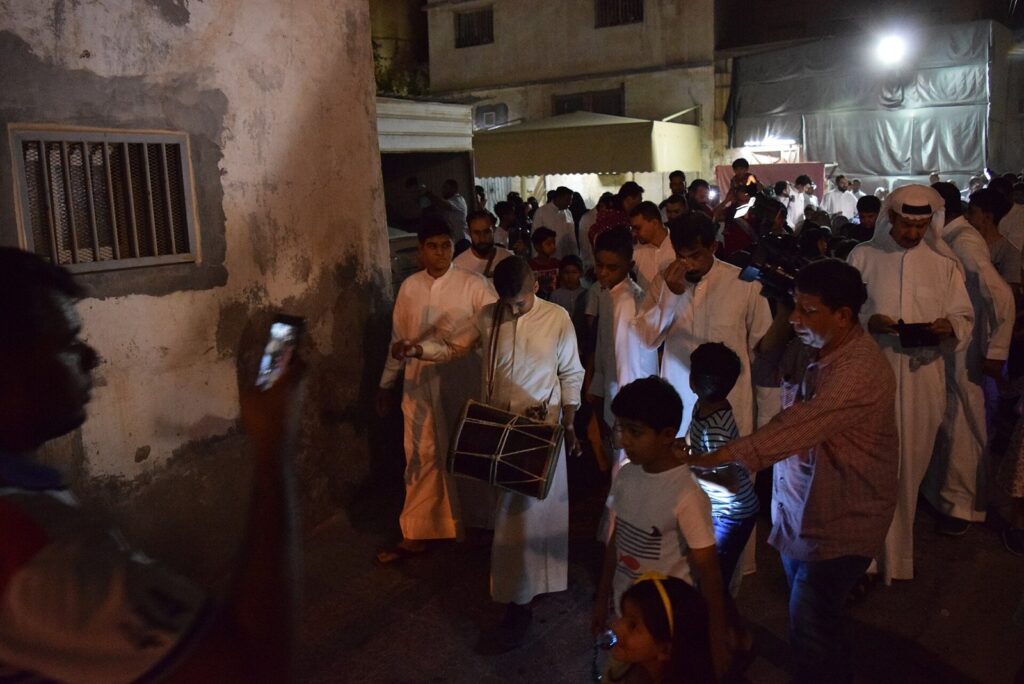
The imsak shown in timetables is the time at which the fast begins. In Ramadan the dawn call to prayer is also recited at the time of imsak; when the call begins, one must stop eating and drinking. Delaying suhoor until close to imsak is Sunnah. In 2027 Ramadan begins on Monday 8 February, and on the first day imsak in Istanbul is at 06:35 according to Diyanet; the first taraweeh is prayed the night before. We have gathered all the dates in our article when is Ramadan 2027.
It is also worth remembering that suhoor is not just a meal. The Prophet described the suhoor meal as one of the features that distinguish the fast of the Muslims from the fast of the People of the Book. Scholars note that suhoor gives the strength to endure the fast and that a person who is awake in the pre-dawn hours finds the opportunity to make dua and seek forgiveness at that time; in the Quran those who seek forgiveness in the pre-dawn hours are praised. For this reason even a person with no appetite is advised to get up for suhoor with a few dates or a sip of water.
A practical tip: Making it a habit to form the intention for the next day’s fast every evening after iftar or after taraweeh is the easiest safeguard against the possibility of oversleeping in the morning. A person who gets up for suhoor has already completed the intention.
The Intention for Fasting on Umrah and While Travelling
Those who spend Ramadan in Makkah and Madinah make the intention there in the same way; imsak and iftar follow the times of the place where one is. On the day one boards the plane from Türkiye there is the travel concession; one may set out without having made the intention. According to the Hanafi school, those who will stay in Makkah or Madinah for fewer than fifteen days count as travellers and have the concession not to fast; but if there is no hardship, fasting is more meritorious. We have explained the effect of travel on prayer in our article on prayer while travelling. Those who wish to spend the whole of Ramadan at the Haram can look at our Ramadan Umrah programmes, and for other dates at our Umrah tours page. For the fitrah that must be given before Eid, our article how much is fitrah will guide you.
Frequently Asked Questions
Must the intention for fasting be made in Arabic?
No. The place of the intention is the heart; a person who wants to say the intention aloud can say in their own language, “I intend, for the sake of Allah, to keep tomorrow’s Ramadan fast.” Saying an Arabic formula is not required.
Can the intention for fasting be made in the morning?
For the Ramadan fast and voluntary fasts, the intention can also be made in the morning, on condition that one has not eaten or drunk anything since imsak. For make-up and expiation fasts, however, the intention must have been made at the latest by the time of imsak.
Is it enough to make the intention once at the start of Ramadan?
According to the Hanafi school it is not enough. Because each day of Ramadan is a separate act of worship, a separate intention is made for each day. Getting up for suhoor also counts as that day’s intention.
Can one eat suhoor after making the intention?
Yes. A person who makes the intention in the evening for the next day’s fast may eat and drink until the time of imsak; the intention does not prevent eating and drinking before imsak.
What happens if the intention for a make-up fast is made during the day?
It is not valid as a make-up fast. For a person who has not eaten anything since imsak, this intention may count as a voluntary fast, but the make-up debt is not discharged; for the make-up, the intention is made again before imsak on the following day.
Sources
This article has been prepared by the RotaNur editorial team on the basis of the sources below. In religious rulings, the fatwas of the High Council of Religious Affairs of the Presidency of Religious Affairs (Diyanet) of Türkiye and the Hanafi school have been taken as the basis. Times follow Diyanet’s 2027 calendar. When in doubt about your own situation, you can consult the 190 Diyanet Fatwa Line or the local muftiates in Türkiye. Last checked: 20.10.2026.
- Diyanet İşleri Başkanlığı Din İşleri Yüksek Kurulu, “Oruca ne zaman ve nasıl niyet edilir?” [When and how is the intention for fasting made?], Fatwas. kurul.diyanet.gov.tr. Accessed: 20.10.2026.
- Diyanet İşleri Başkanlığı Din İşleri Yüksek Kurulu, “Sahur yemeğinin dindeki önemi nedir?” [What is the religious significance of the suhoor meal?], Fatwas. kurul.diyanet.gov.tr. Accessed: 20.10.2026.
- Diyanet İşleri Başkanlığı Din İşleri Yüksek Kurulu, “İmsak nedir, ne zaman başlar?” [What is imsak and when does it begin?], Fatwas. kurul.diyanet.gov.tr. Accessed: 20.10.2026.
- Diyanet İşleri Başkanlığı Din İşleri Yüksek Kurulu, “Kişinin çok sayıda kaza orucu varsa nasıl tutmalıdır?” [How should a person who owes many make-up fasts keep them?], Fatwas. kurul.diyanet.gov.tr. Accessed: 20.10.2026.
- Diyanet İşleri Başkanlığı Din İşleri Yüksek Kurulu, “Orucu bozup sadece kazayı gerektiren durumlar nelerdir?” [Which situations break the fast and require only a make-up?], Council decision, 18.01.2023. kurul.diyanet.gov.tr. Accessed: 20.10.2026.
- TDV İslâm Ansiklopedisi, “Niyet” [Intention] entry. islamansiklopedisi.org.tr. Accessed: 20.10.2026.
- Diyanet İşleri Başkanlığı Din İşleri Yüksek Kurulu, “Şevval orucunun hükmü nedir? Ramazan’da tutulamayan oruçlar Şevval orucu yerine geçer mi?” [What is the ruling on the Shawwal fast? Do fasts missed in Ramadan take the place of the Shawwal fast?], Fatwas. kurul.diyanet.gov.tr. Accessed: 20.10.2026.
- Diyanet İşleri Başkanlığı Din İşleri Yüksek Kurulu, “Ramazan’da oruçluyken yolculuğa çıkan kimse, yolculuk sebebi ile orucunu bozarsa ne gerekir?” [What is required if a person who sets out on a journey while fasting in Ramadan breaks the fast because of the journey?], Fatwas. kurul.diyanet.gov.tr. Accessed: 20.10.2026.
- Diyanet İşleri Başkanlığı Din İşleri Yüksek Kurulu, “Oruca niyetlenen bir kadın gün içinde âdet görmeye başlarsa ne yapmalıdır?” [What should a woman who has intended to fast do if she begins to menstruate during the day?], Fatwas. kurul.diyanet.gov.tr. Accessed: 20.10.2026.
- Diyanet İşleri Başkanlığı Din İşleri Yüksek Kurulu, “Cünüp iken tutulan oruç geçerli midir?” [Is a fast kept in a state of janabah valid?], Fatwas. kurul.diyanet.gov.tr. Accessed: 20.10.2026.
- TDV İslâm Ansiklopedisi, “Sahur” [Suhoor] entry. islamansiklopedisi.org.tr. Accessed: 20.10.2026.

Cihat Murat Yüksel is the editor of the RotaNur blog and the founder of Markention. Drawing on the sources of Türkiye's Presidency of Religious Affairs (Diyanet), he turns the questions travellers ask most about preparing for Umrah, Hajj and halal travel into clear, practical guides.
Questions answered in this article
Why Is the Intention a Condition of Fasting?
The Prophet said, “Deeds are only according to intentions.” The same act becomes either worship or an ordinary habit depending on the intention: going hungry all day does not count as fasting if there is no intention of worship. For this reason the scholars of fiqh count the intention among the conditions of the fast. The High Council of Religious Affairs likewise says, “Making the intention is one of the conditions of the fast. A fast without an intention is not valid.”
How Is the Intention for Fasting Made?
Although intending in the heart is sufficient, expressing the intention with the tongue is mandub, that is, an act regarded as commendable. Saying it in one’s own language, Turkish for instance, is also sufficient. The two formulas mentioned by the Council are these:
Does getting up for suhoor count as the intention?
Yes. The High Council of Religious Affairs explains that getting up for suhoor in order to fast also counts as the intention. A person who gets up and eats in order to fast the next day has already decided to fast; even without saying a sentence, he has the intention. Getting up for suhoor is a Sunnah recommended by the Prophet, and it has been reported that there is blessing in the suhoor meal.
Until When Can the Intention for Fasting Be Made?
The time for the intention varies with the type of fast. For the Ramadan fast, a vow fast dedicated to a specific day and a voluntary (nafl) fast, the time for the intention lasts from sunset until about ten minutes before the sun reaches its zenith the next day. However, for an intention made after imsak to be valid, the person must not have eaten or drunk anything or done anything that breaks the fast since the time of imsak; otherwise an intention made during the day is not valid.
Is the time for the intention different in the Shafi’i school?
It is different. According to the Shafi’i school, the intention for all fasts other than voluntary ones must be made during the night; if no intention has been made by the time of imsak, that day’s fast is not valid. For voluntary fasts, the intention may be made until before the sun reaches its zenith. For those who follow the Shafi’i school, or who want their fast to be valid according to both views, the most cautious way is to make the intention during the night or at suhoor.
What Should Someone Do Who Forgets the Intention or Cannot Get Up for Suhoor?
In Ramadan, a person who could not get up for suhoor and forgot to make the intention during the night, if on waking in the morning he has not eaten or drunk anything since imsak, makes the intention before the sun reaches its zenith and continues his fast; his fast is valid. In this case he makes the intention as “to keep today’s Ramadan fast”. If he has eaten or drunk something, he cannot make the intention to fast that day; out of respect for Ramadan he spends the day without eating or drinking and makes that day up later.
Is the fast of someone who oversleeps and misses suhoor valid?
It is valid. Suhoor is a Sunnah, not a condition of the fast. A person who decides when going to bed at night to fast the next day is considered to have made the intention; even if he misses suhoor, he fasts. If he did not make the intention during the night, he makes it in the morning as described above.
How Is the Intention for a Make-Up Fast Made?
A make-up (qada) fast is kept in place of days of Ramadan that could not be fasted or were broken. For make-up fasts, expiation fasts and vow fasts not tied to a specific day, the intention must be made at the latest by the time of imsak, and the type of fast must be specified; these fasts cannot be kept with an intention made during the day.